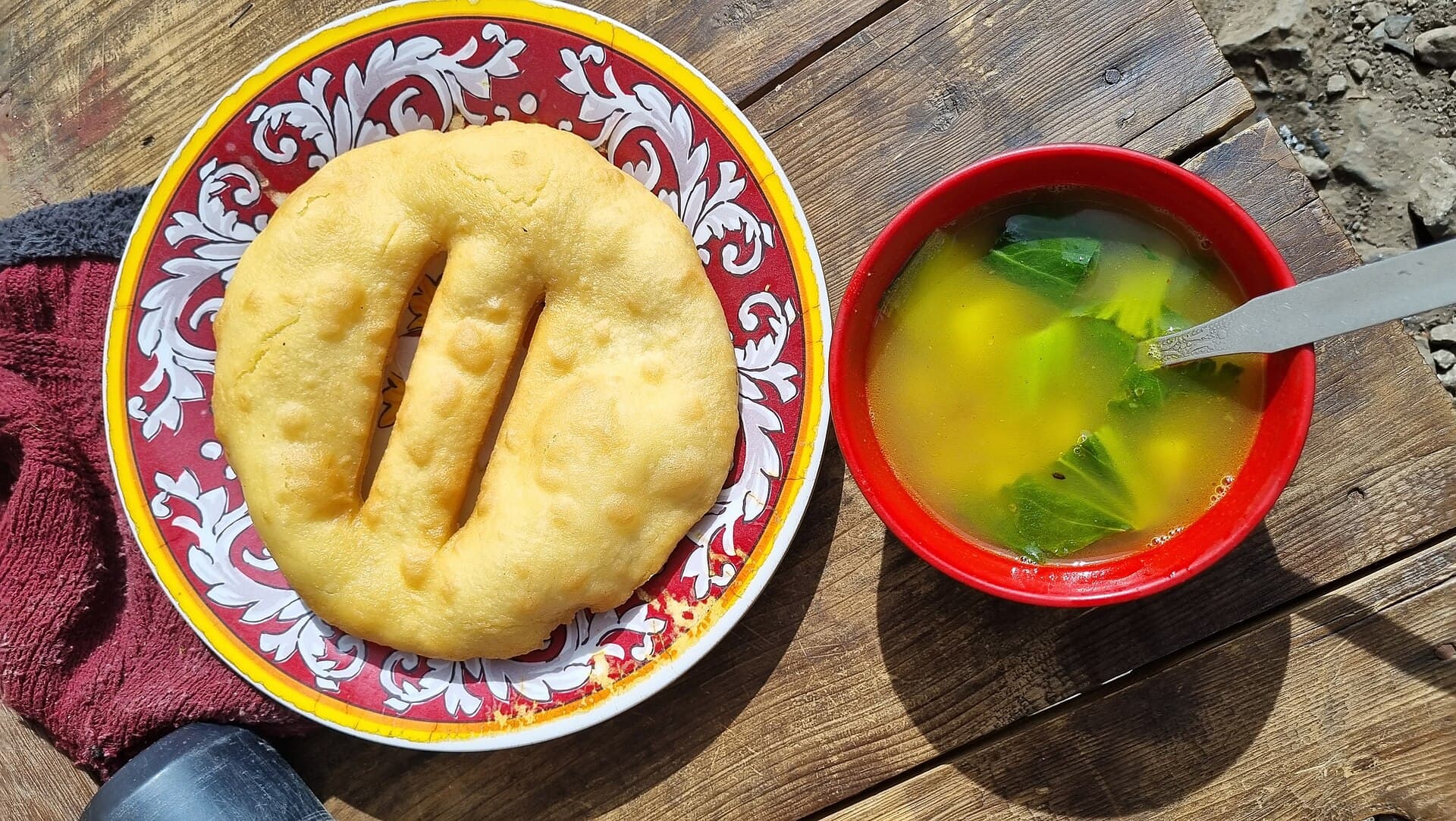
Breakfast
Porridge, Tibetan bread, eggs, chapati, pancakes, tea or coffee
A trek to the walled city of Lo Manthang, a preserved area of traditional Tibetan culture with ochre cliffs, cave monasteries and a living Buddhist tradition.
A trek to the walled city of Lo Manthang, a preserved area of traditional Tibetan culture with ochre cliffs, cave monasteries and a living Buddhist tradition.
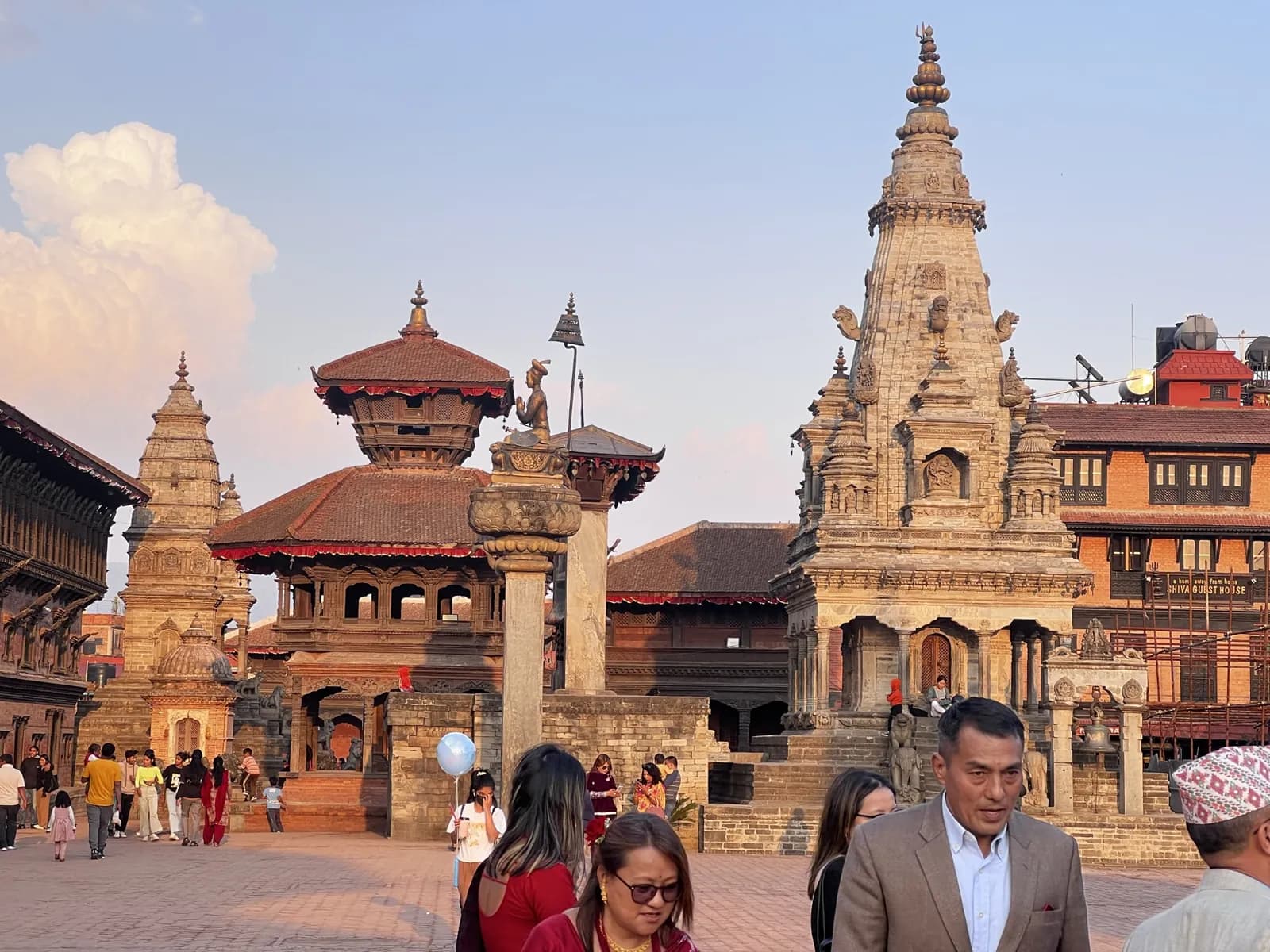
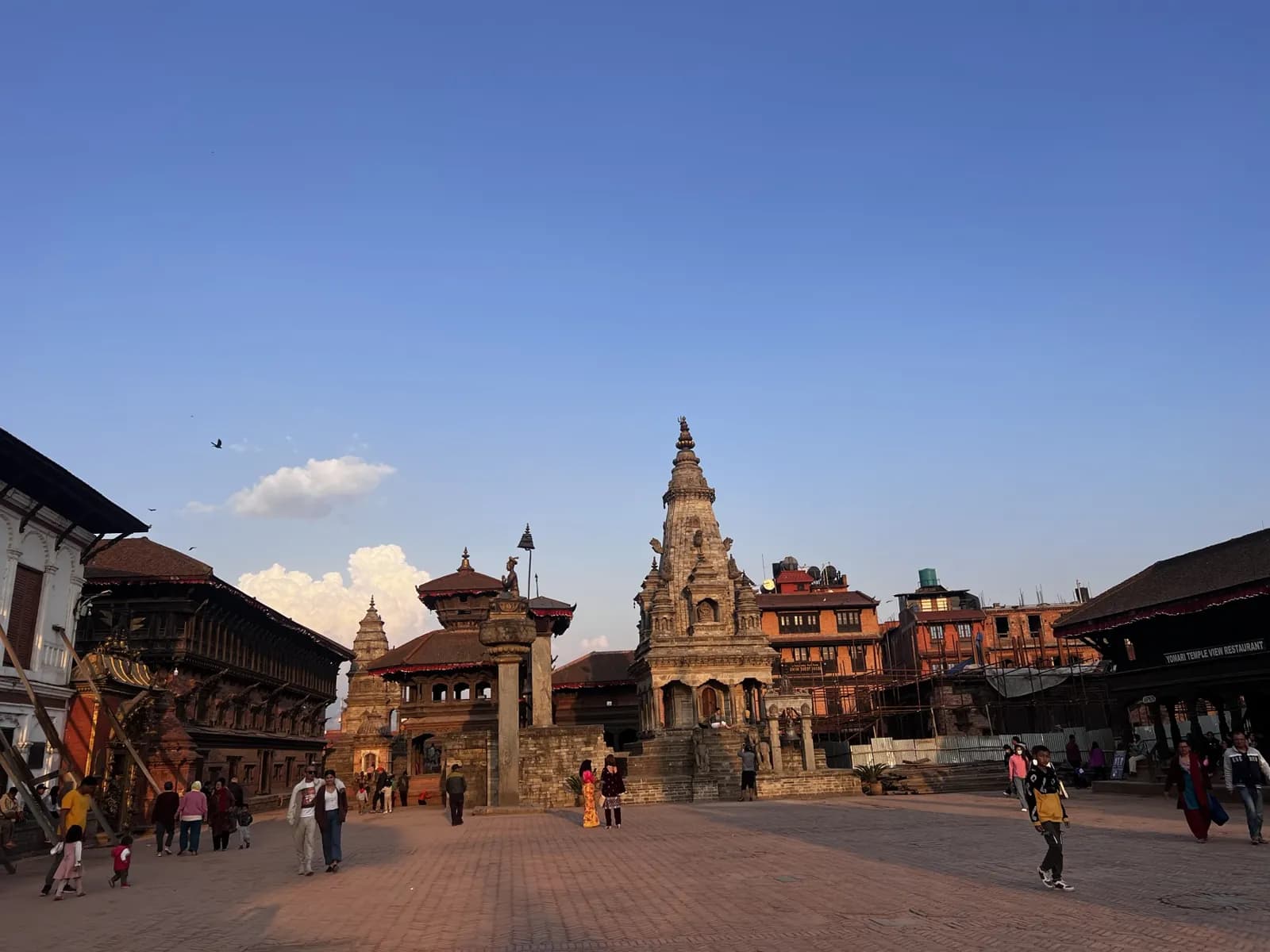
A trek into a Tibetan kingdom within Nepal. Lo was an independent monarchy until 1795, and its king was recognised by Nepal until 2008. The language is a Tibetan dialect, the religion is Sakya Buddhism, and the walled capital of Lo Manthang has about a hundred and fifty houses inside four hundred metres of rammed-earth wall. It was completely closed to foreigners until 1992. Culturally it is the best-preserved area of traditional Tibetan culture that travellers can still visit, and it is much easier to reach than Tibet itself.
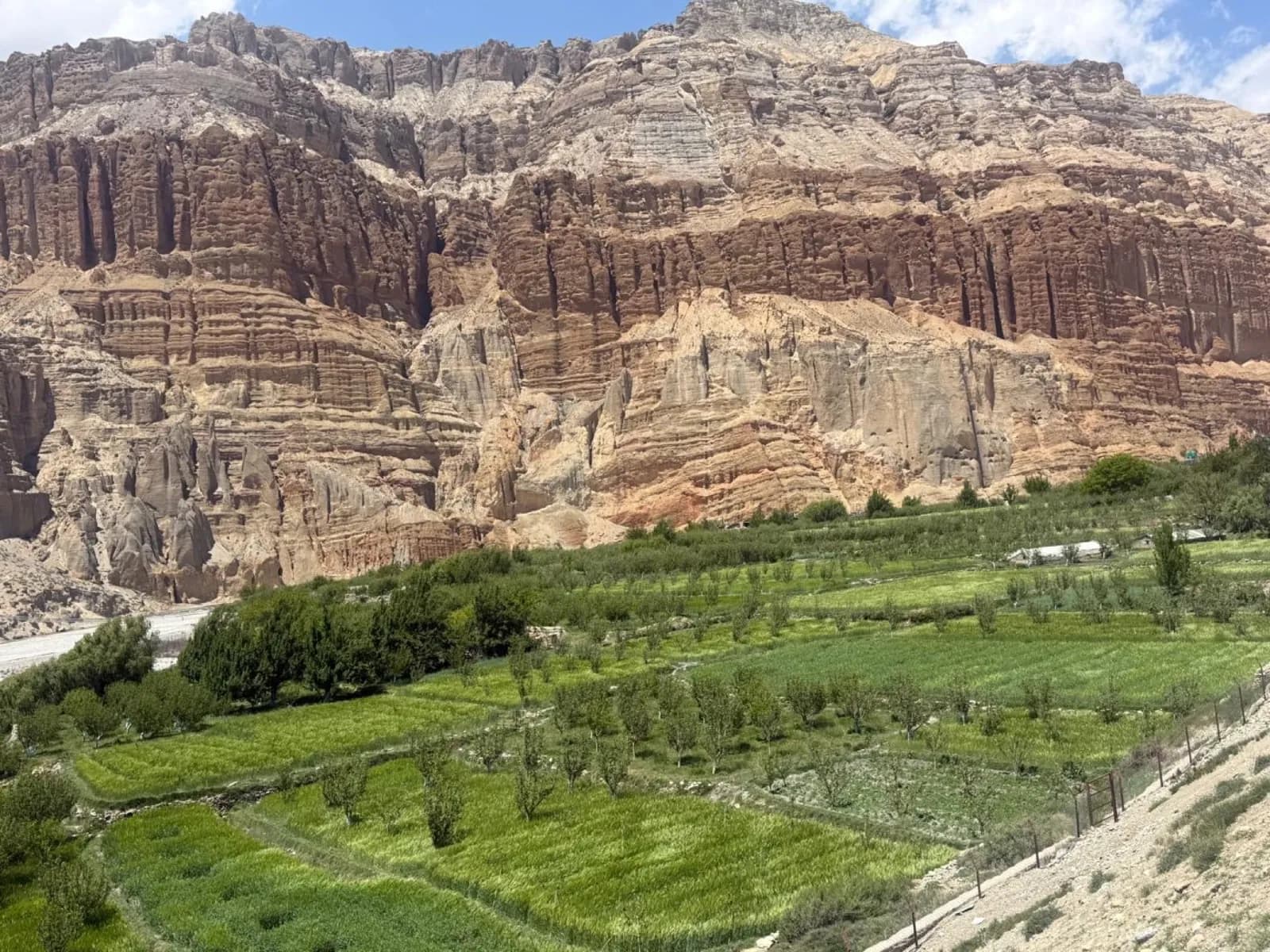
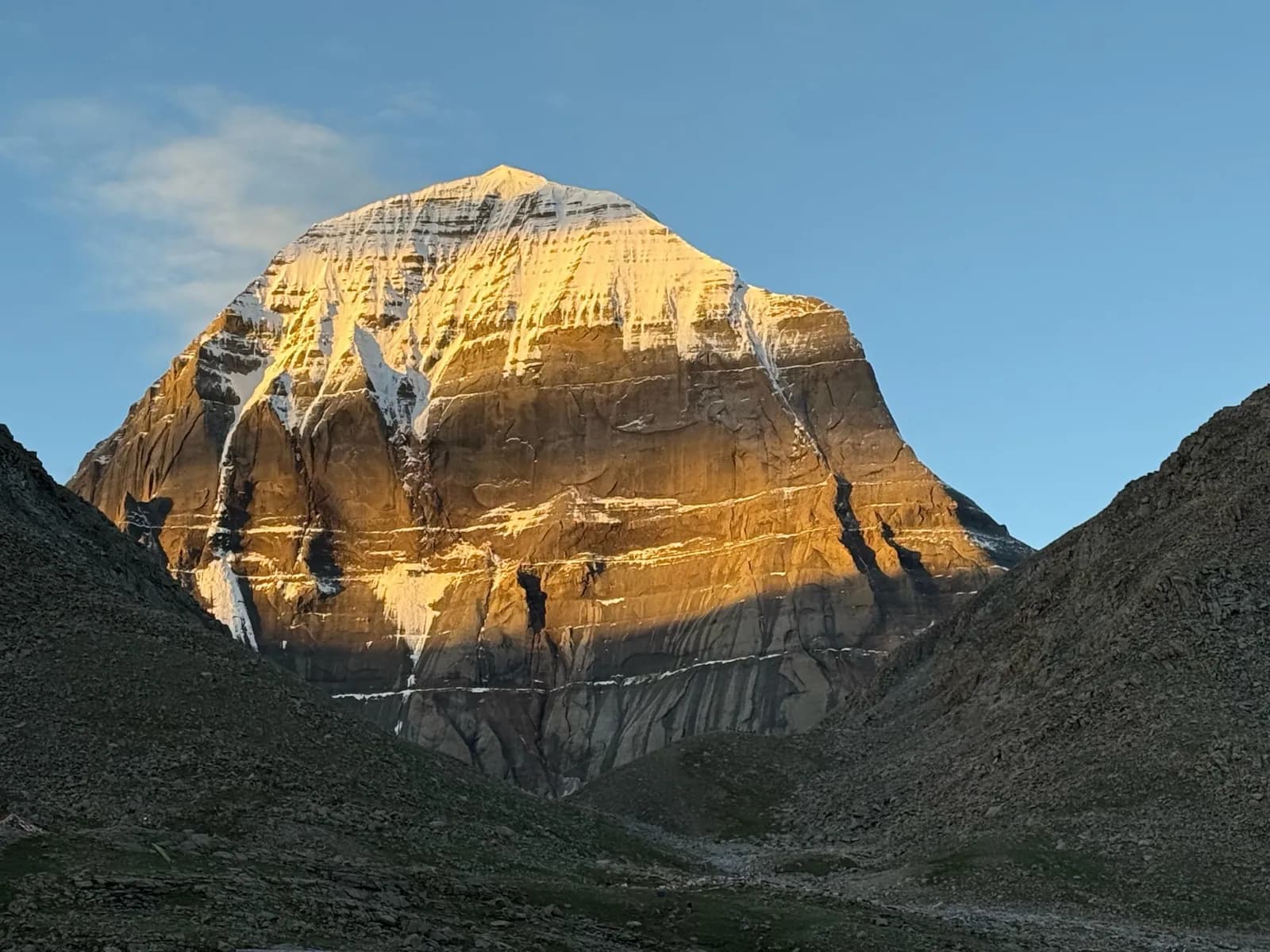
The landscape is unlike anywhere else in Nepal. You walk north from Kagbeni, out of the green valleys and into the rain shadow of Annapurna and Dhaulagiri. Within a day the landscape is ochre, grey and deep red, eroded into fins and pillars, with irrigated barley fields forming patches of green and thousands of man-made caves cut high into the cliffs. It is often compared to Ladakh and to the American south-west.
Travellers who are interested in culture rather than altitude. The walking is moderate: no day is longer than about seven hours, there is nothing technical, and the high point at 4,230 m is a pass that you cross rather than a place where you sleep. Instead, the trek requires patience with wind, dust and long days in bright sun, and an interest in what you are seeing. Trekkers who want close views of high mountains will prefer the Annapurna Circuit.
This trek can be walked during the monsoon. Upper Mustang lies behind the Himalaya in the driest rain shadow in Nepal, so June, July and August, when all our other treks are closed, are good months here. If you can only travel in the summer, this trek and Dolpo are the options, and we recommend this one.
We meet you at the airport and transfer you to your hotel, followed by a briefing with the team about the trek. Overnight in Kathmandu.
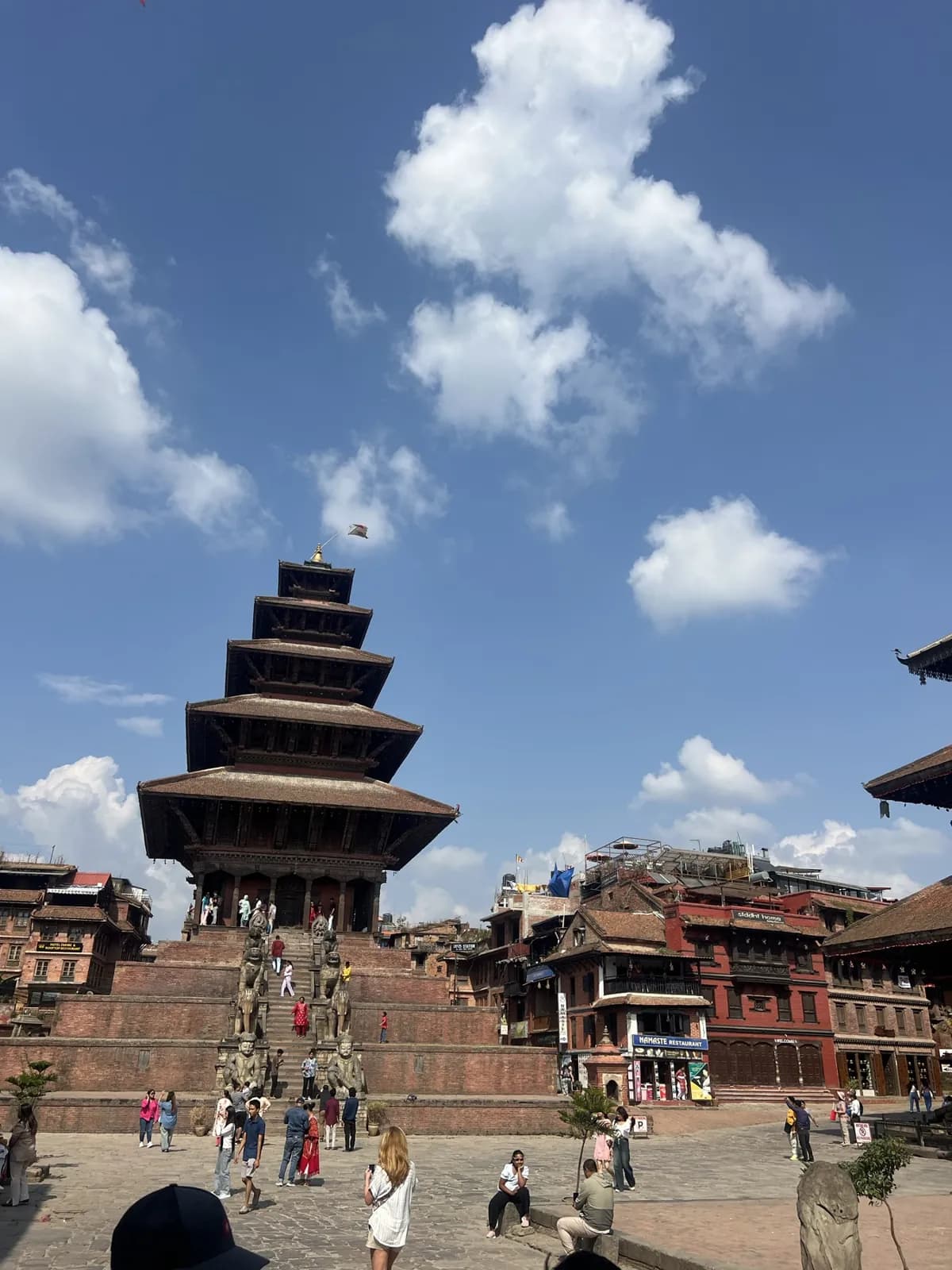
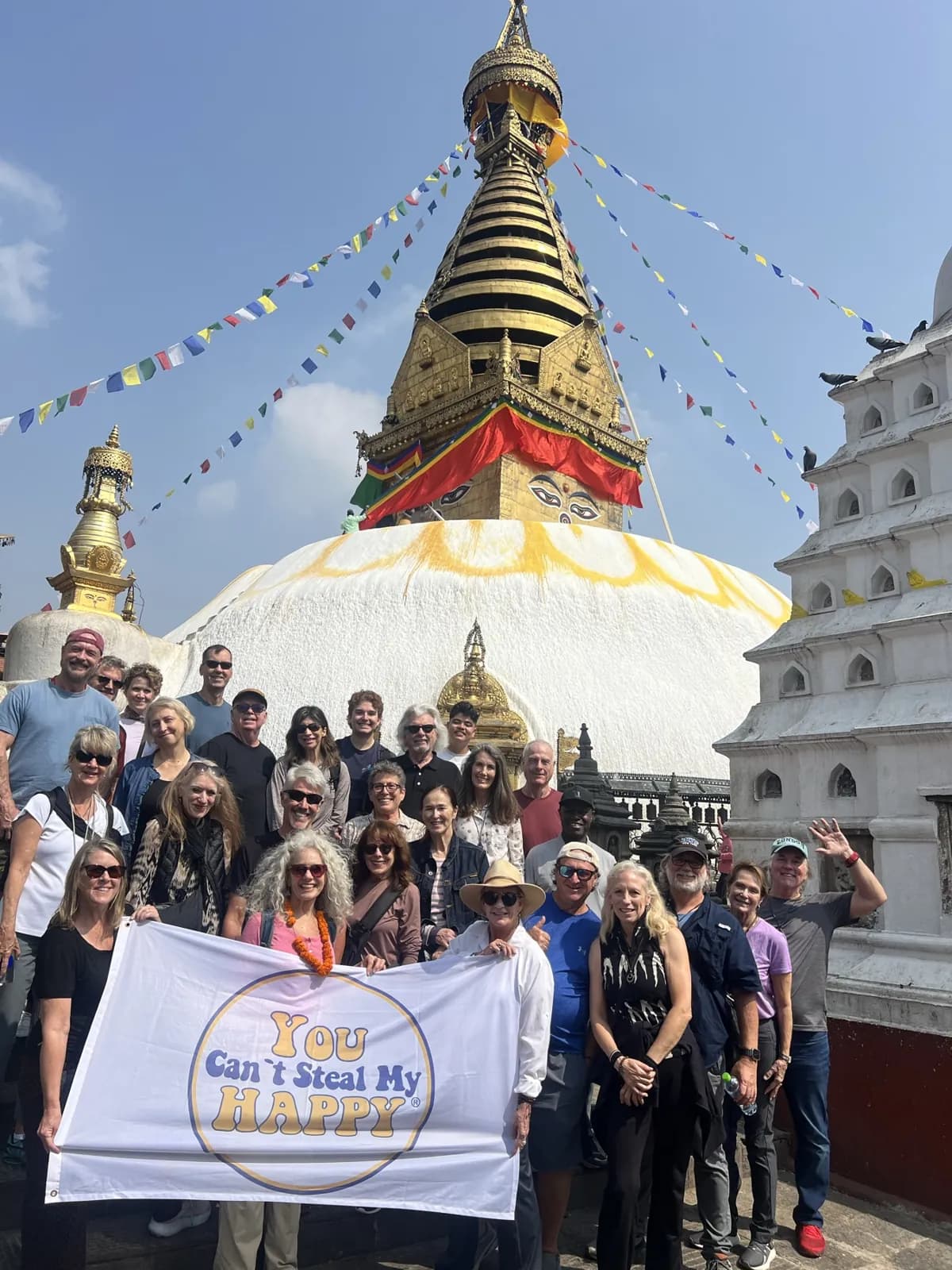
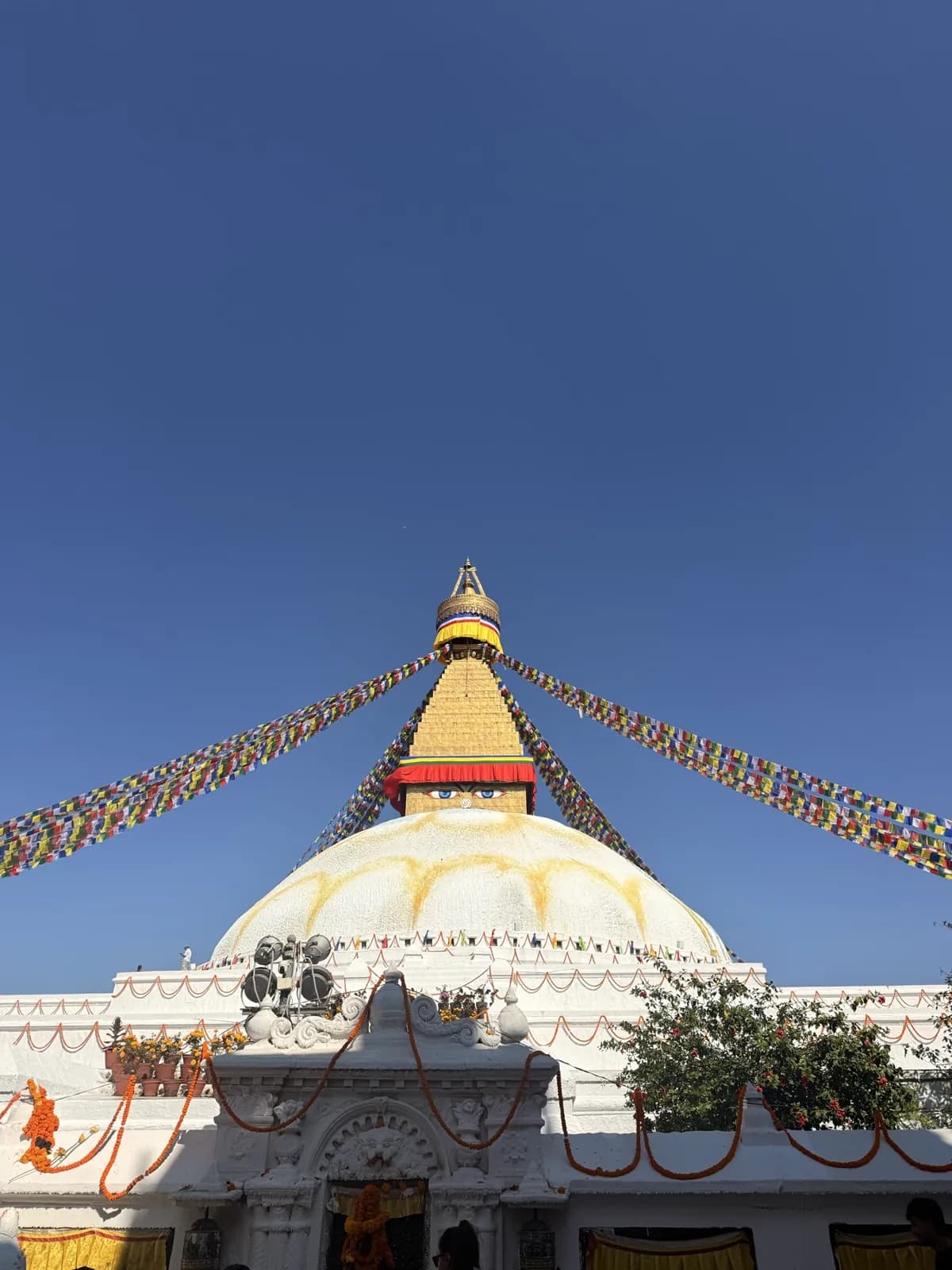
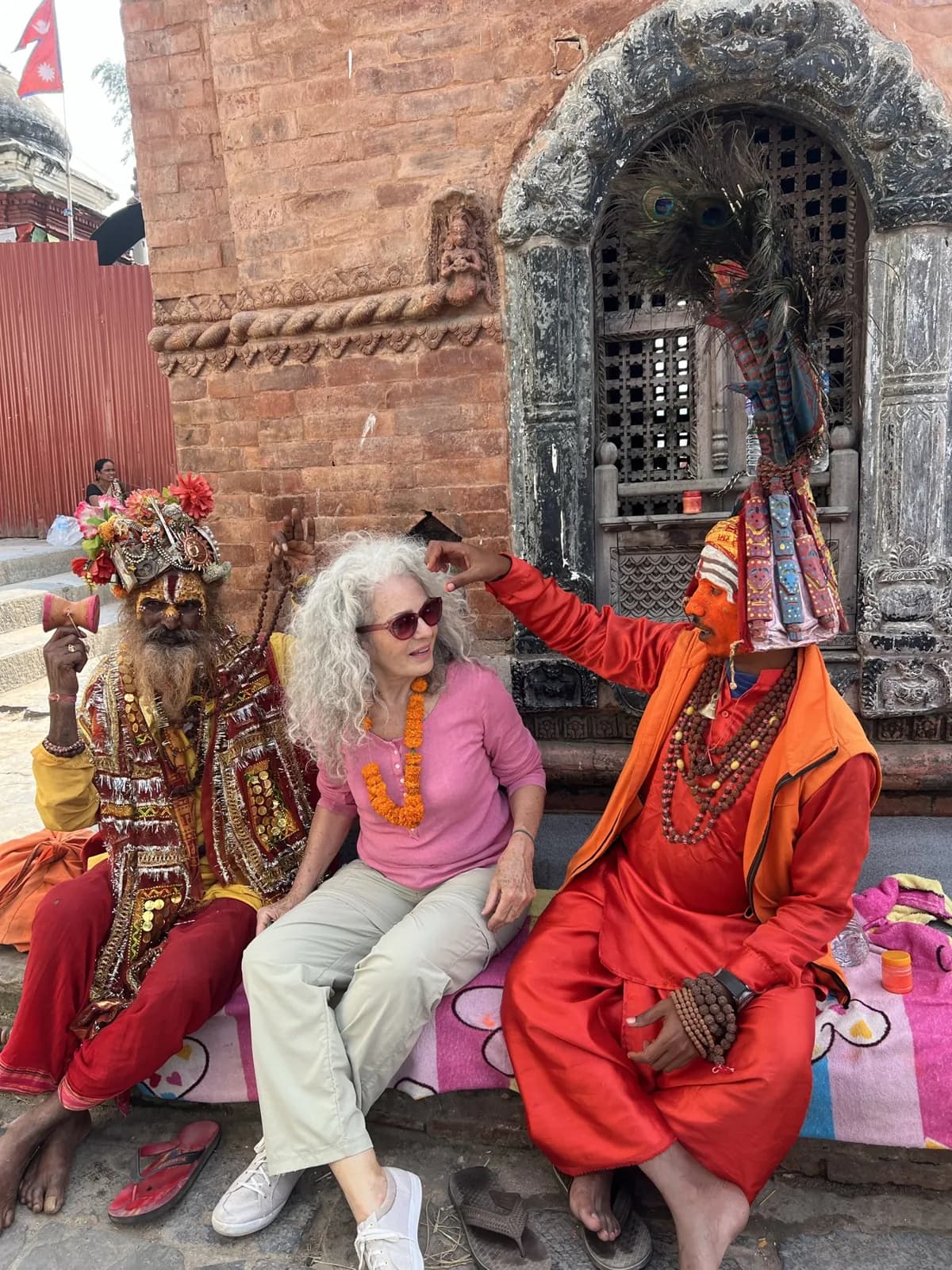
You visit Pashupatinath temple and Boudhanath Stupa, both UNESCO World Heritage Sites, and collect the official Mustang trekking permit from the Nepal Tourism Board. Overnight in Kathmandu.
A seven-hour bus journey through the middle hills along the Trishuli river, with views of the Himalaya. A flight is available as an alternative. Overnight in Pokhara.
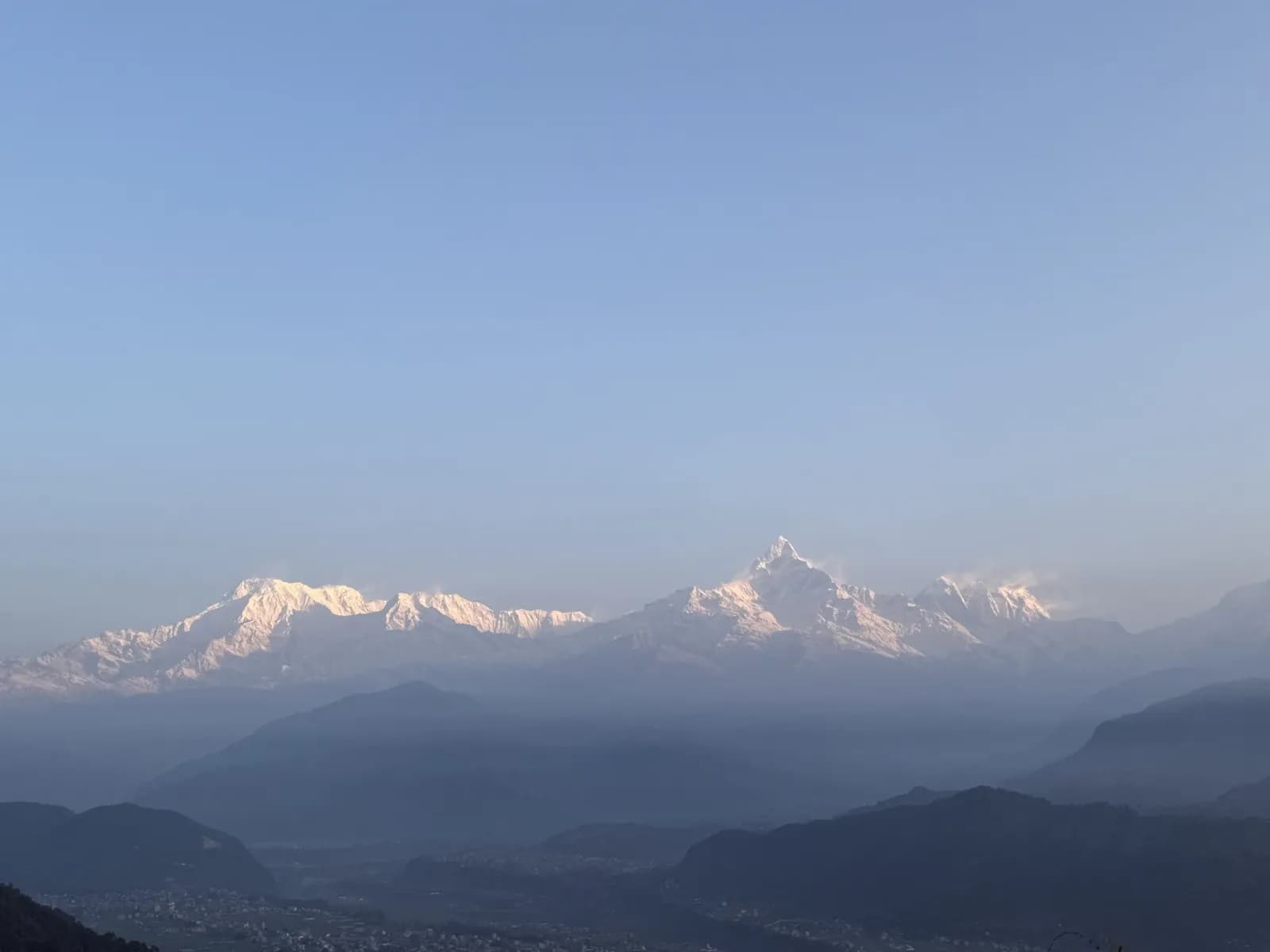
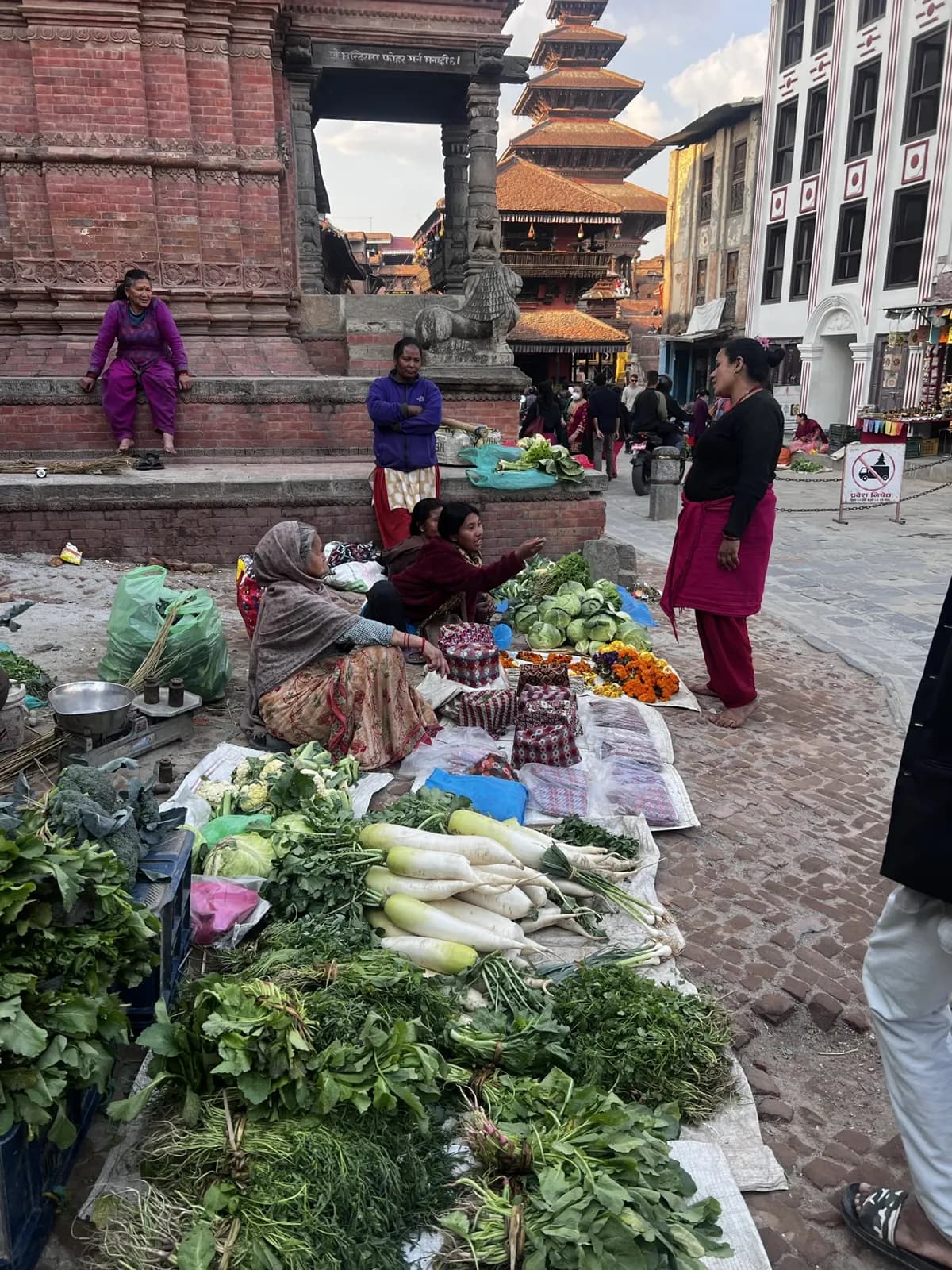
A twenty-minute flight to Jomsom and a light lunch are followed by the trek to Kagbeni, the starting point of the Upper Mustang region. Overnight in a guesthouse.
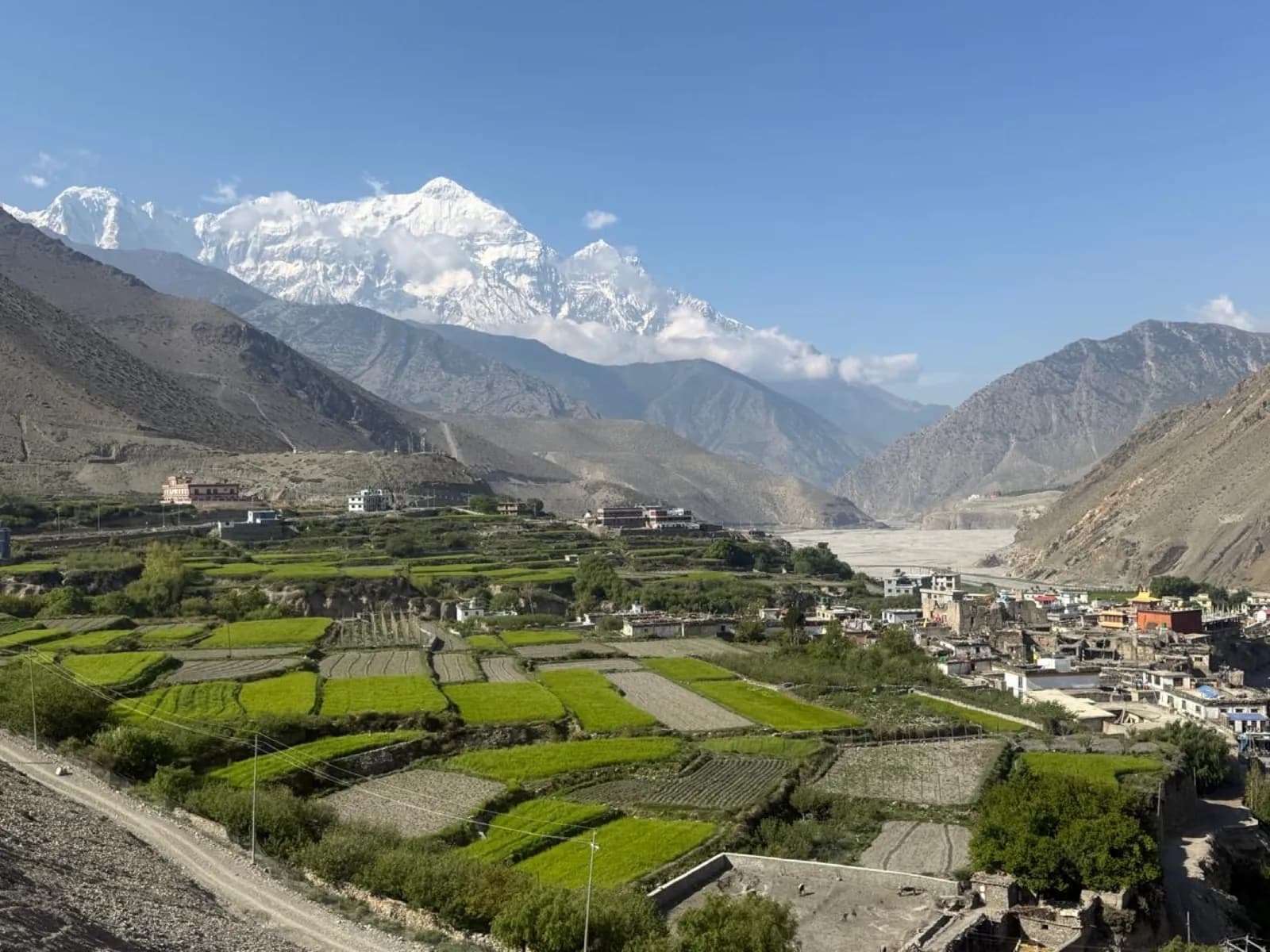
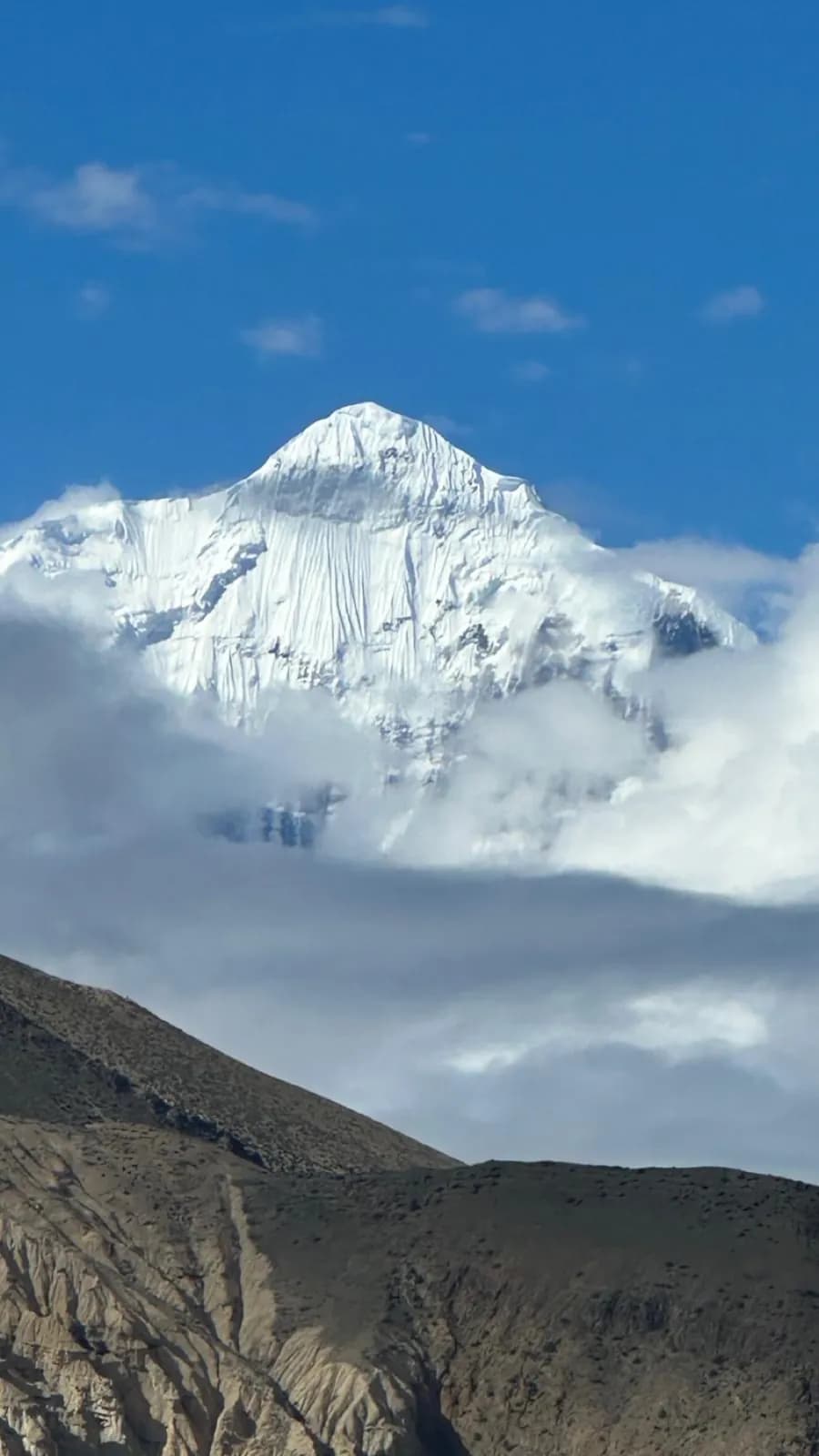
The trail follows an ancient salt trading route and passes Tangbe village, with its apple orchards, before reaching Chhusang.
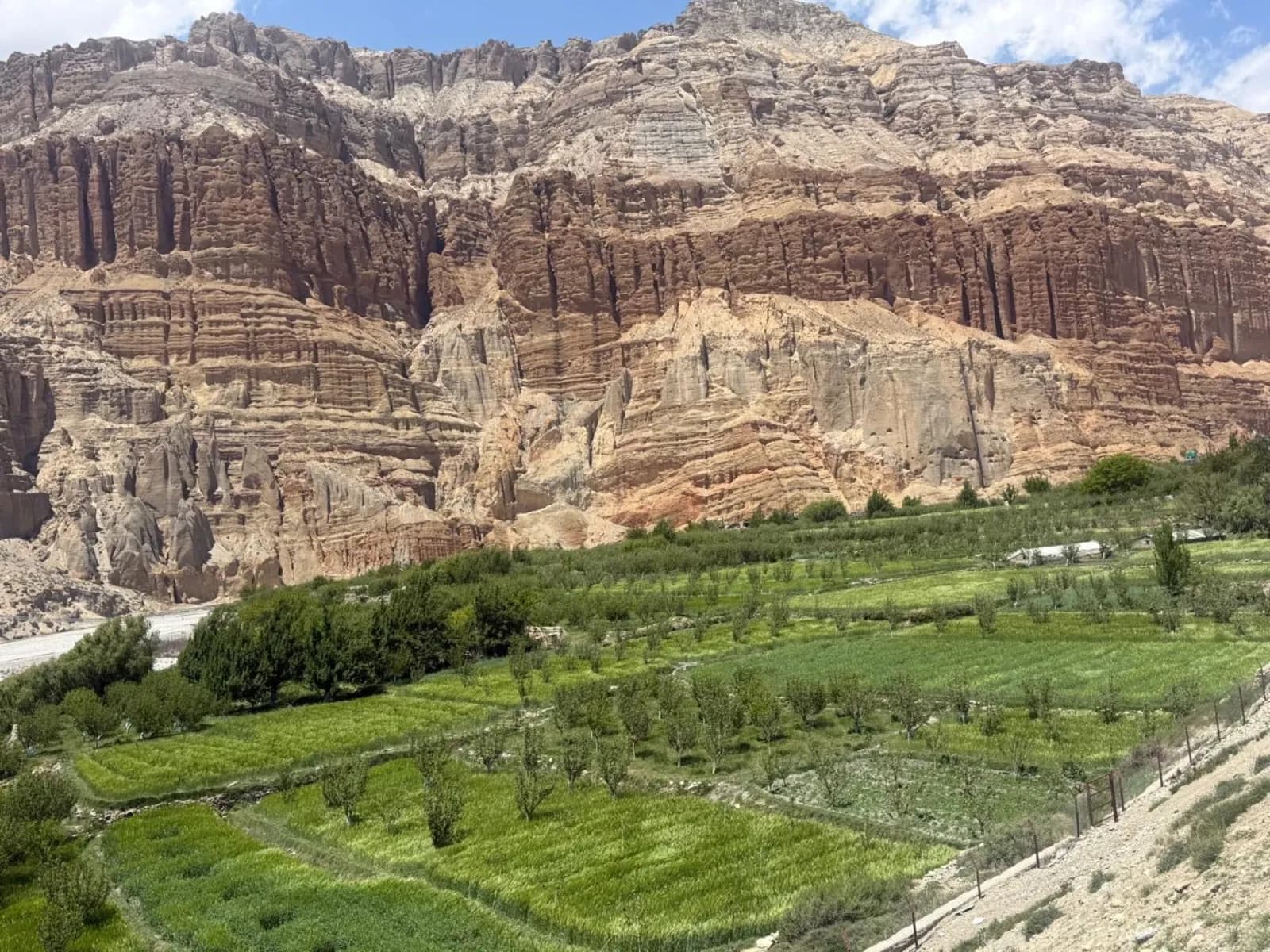
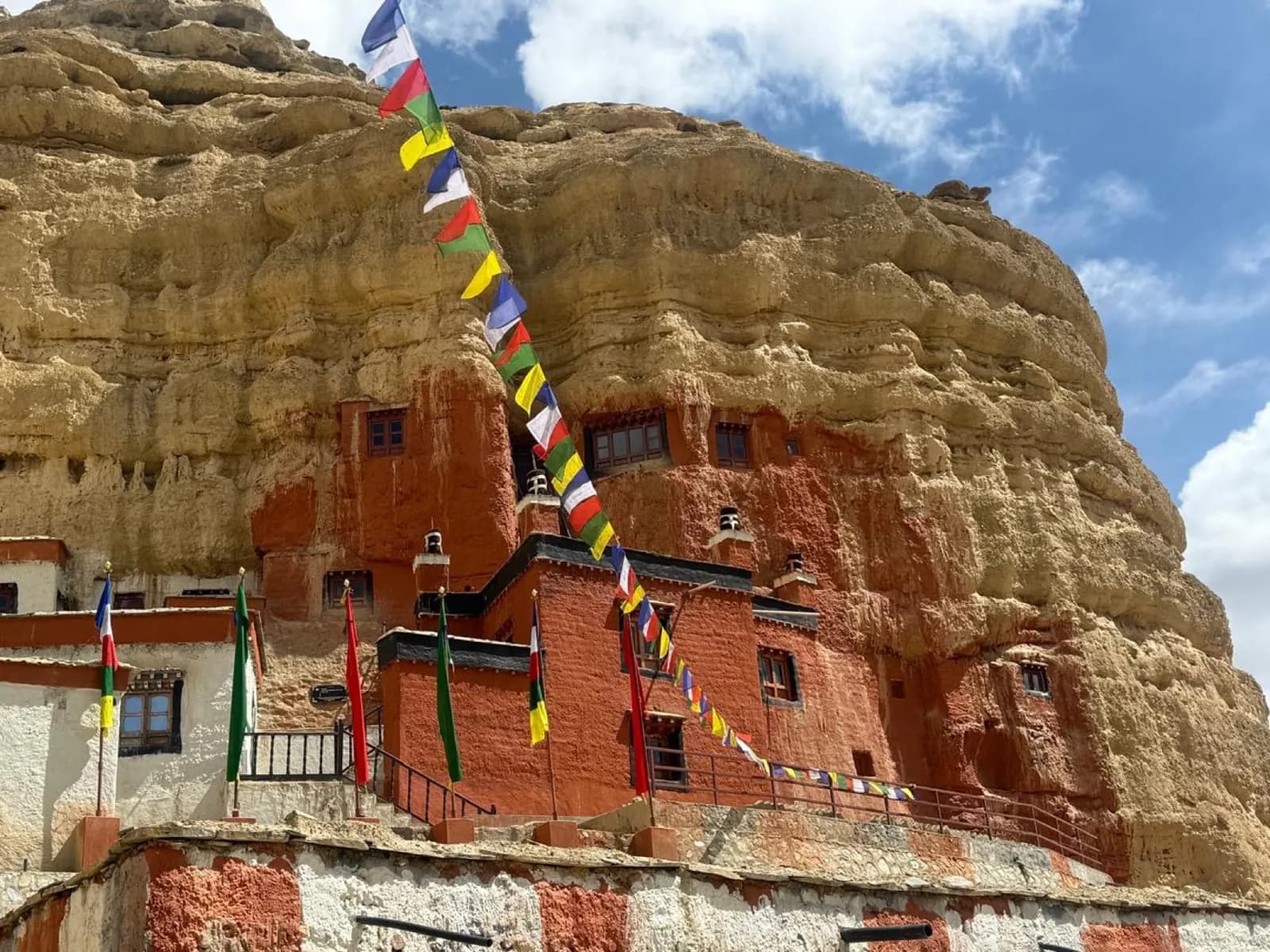
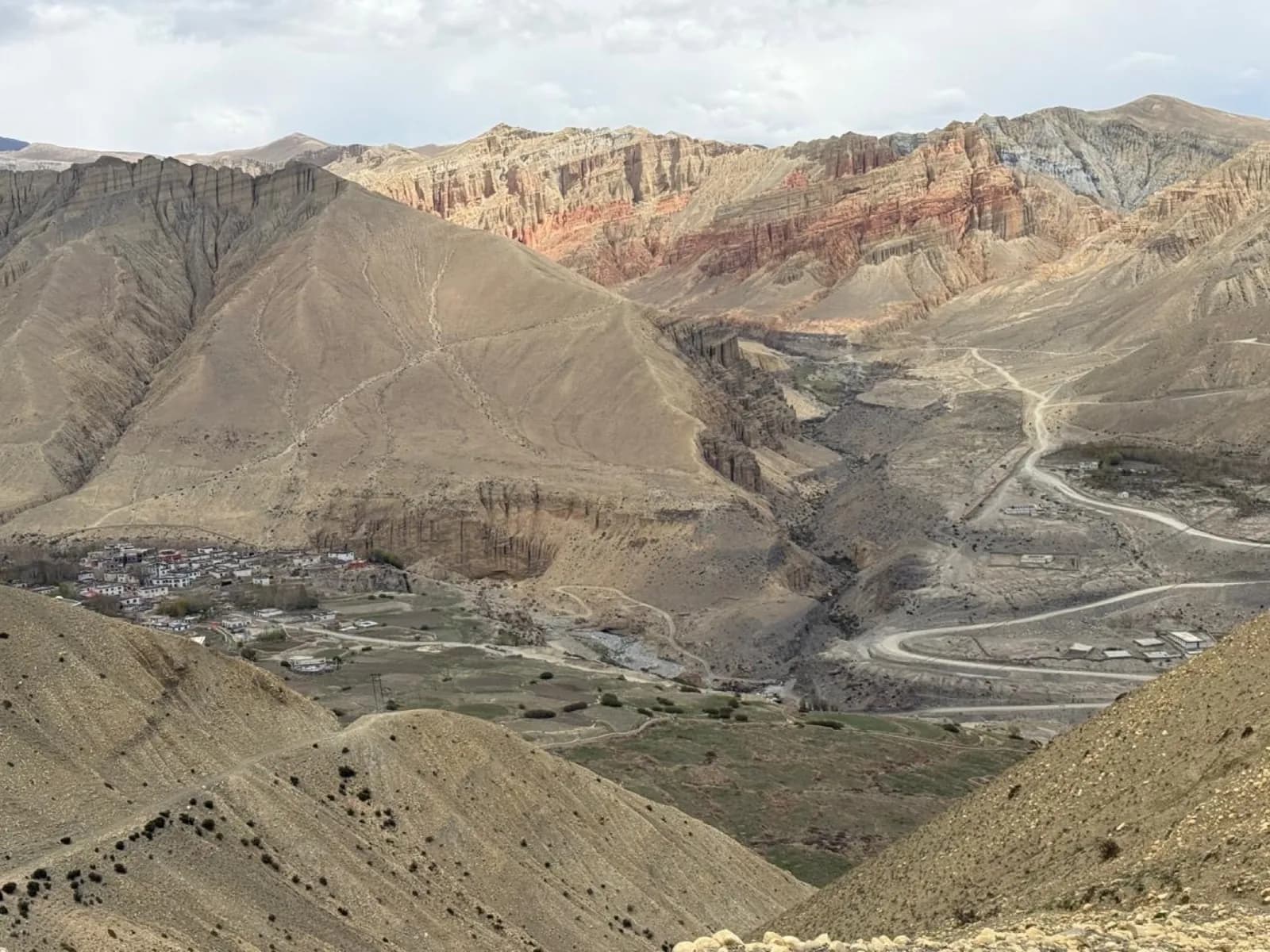
A five-hour walk along the Kali Gandaki river crosses the Dajori La pass (3,736 m) and passes through Chele village, with views of Nilgiri at Samar.
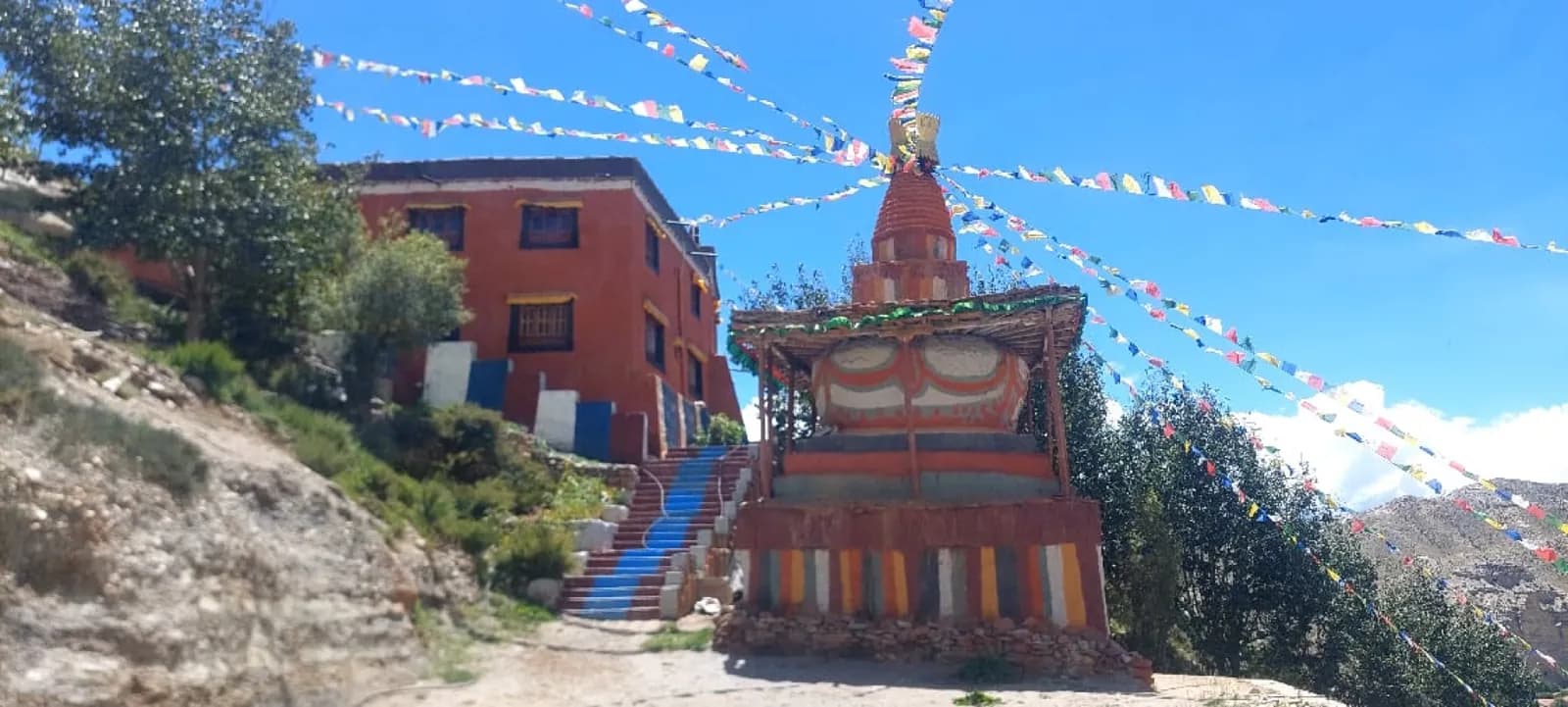
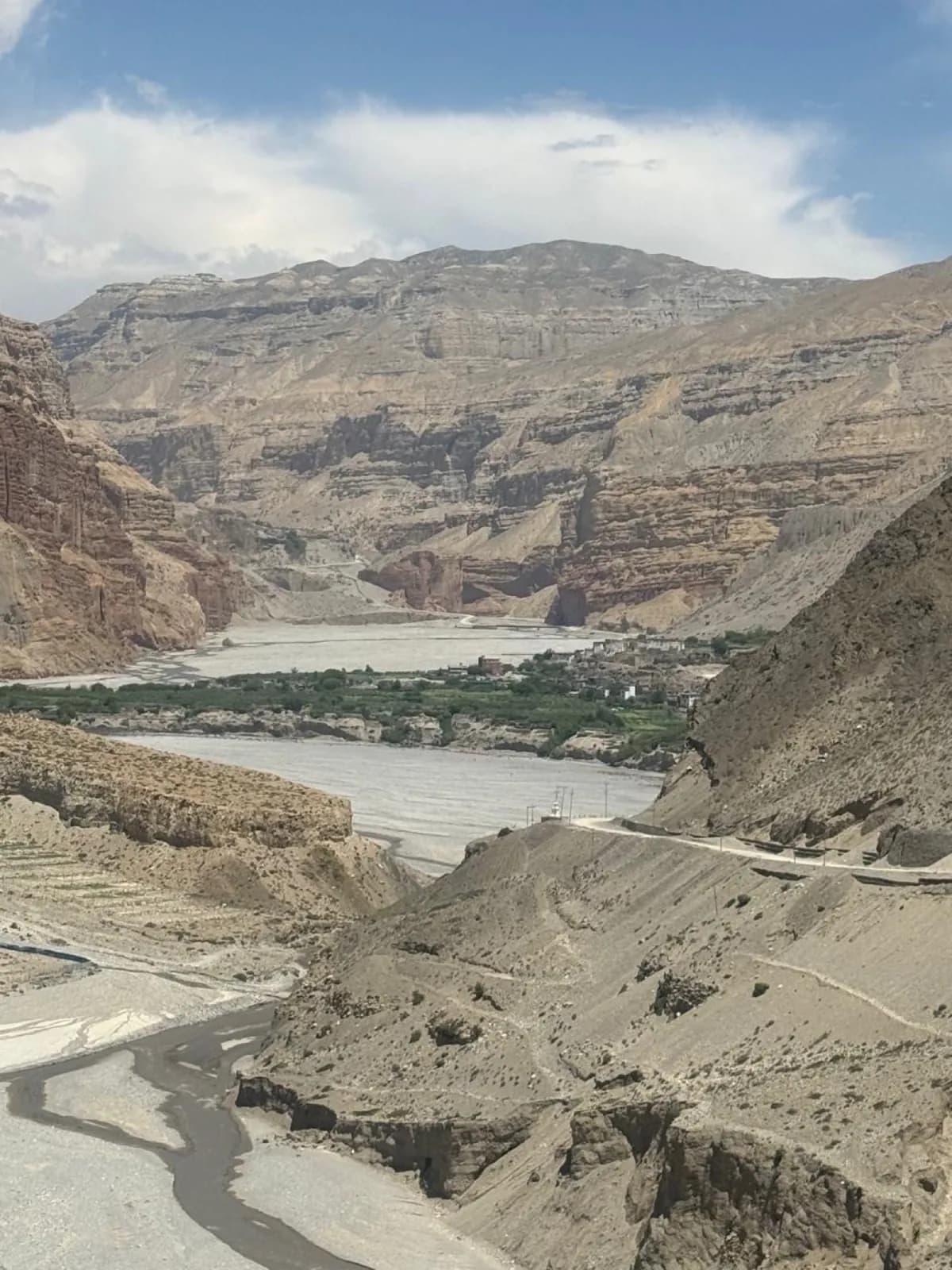
A six-hour trek via the Yamdo La and Shyangmochen reaches Gheling. You visit the 600-year-old Gheling Gompa of Mahakala and the Sakya monastery. Overnight in camp.
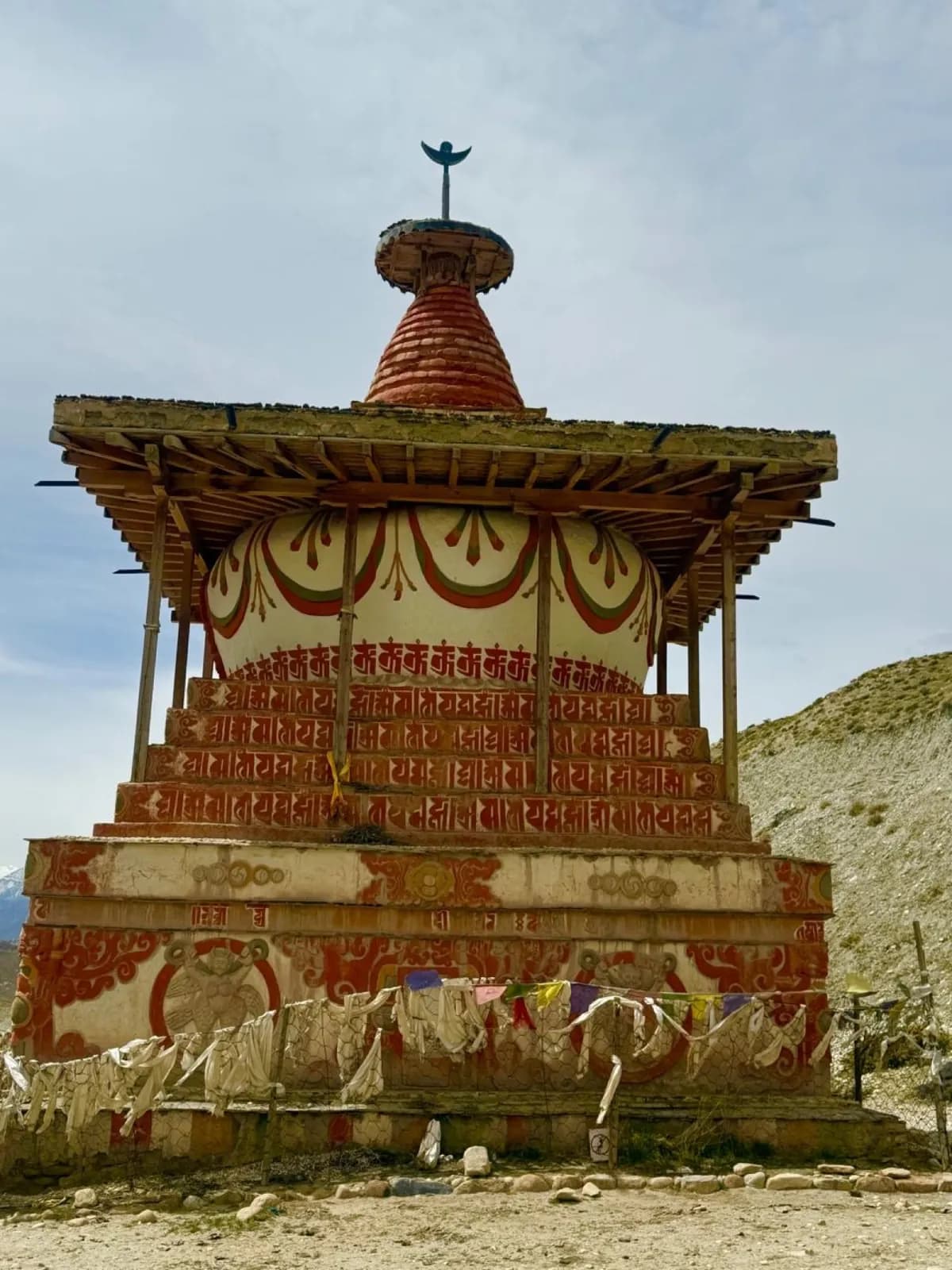
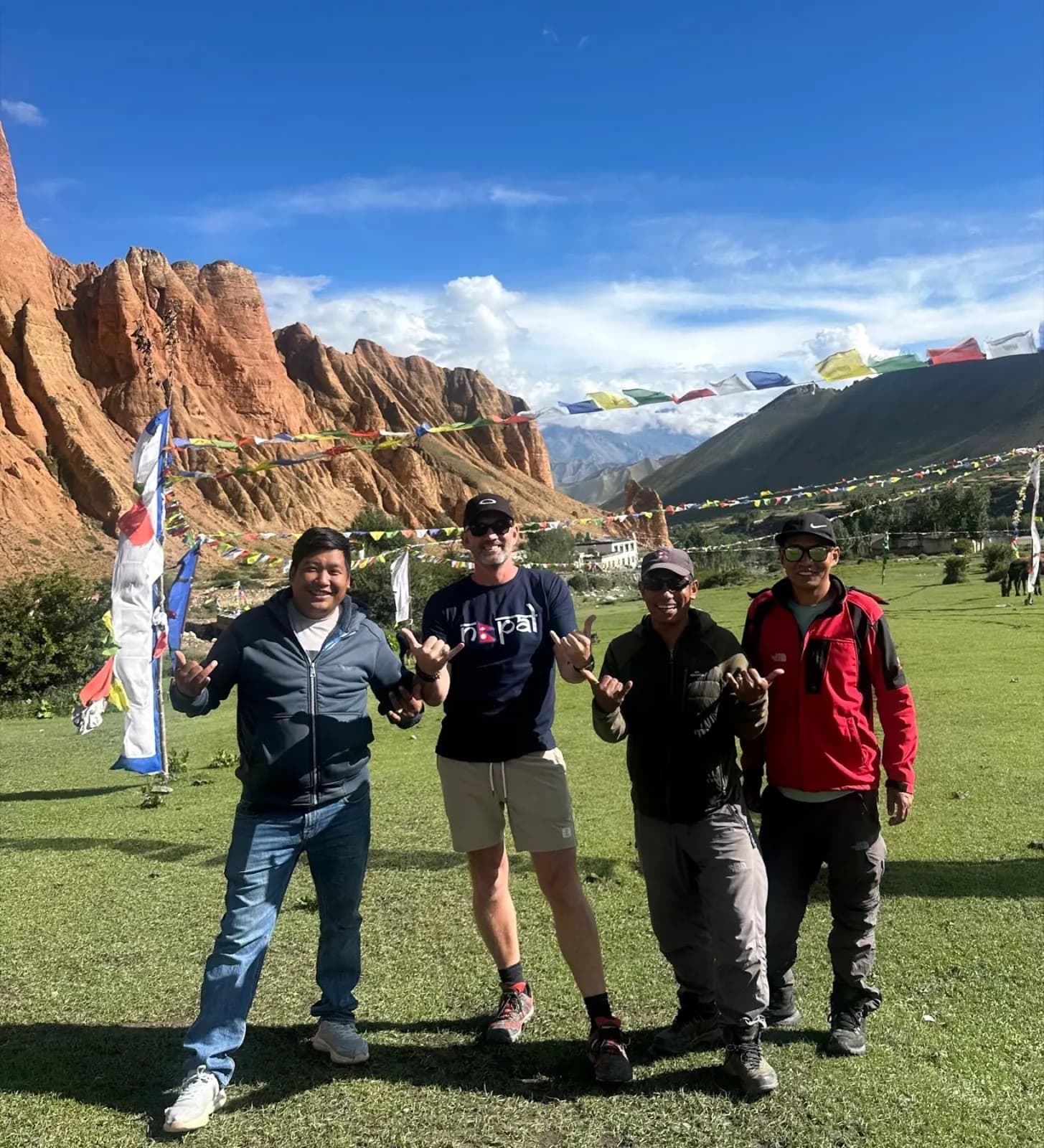
A six-hour walk crosses the Nyi La pass, with an optional climb to Lo Gekar for an earlier arrival in Lo Manthang. Overnight in camp.
The trail crosses the Mui La (4,170 m) and the Chogo La (4,230 m) and passes the oldest gompa in Mustang, believed to be 1,400 years old, reaching the capital of the former kingdom in the afternoon.
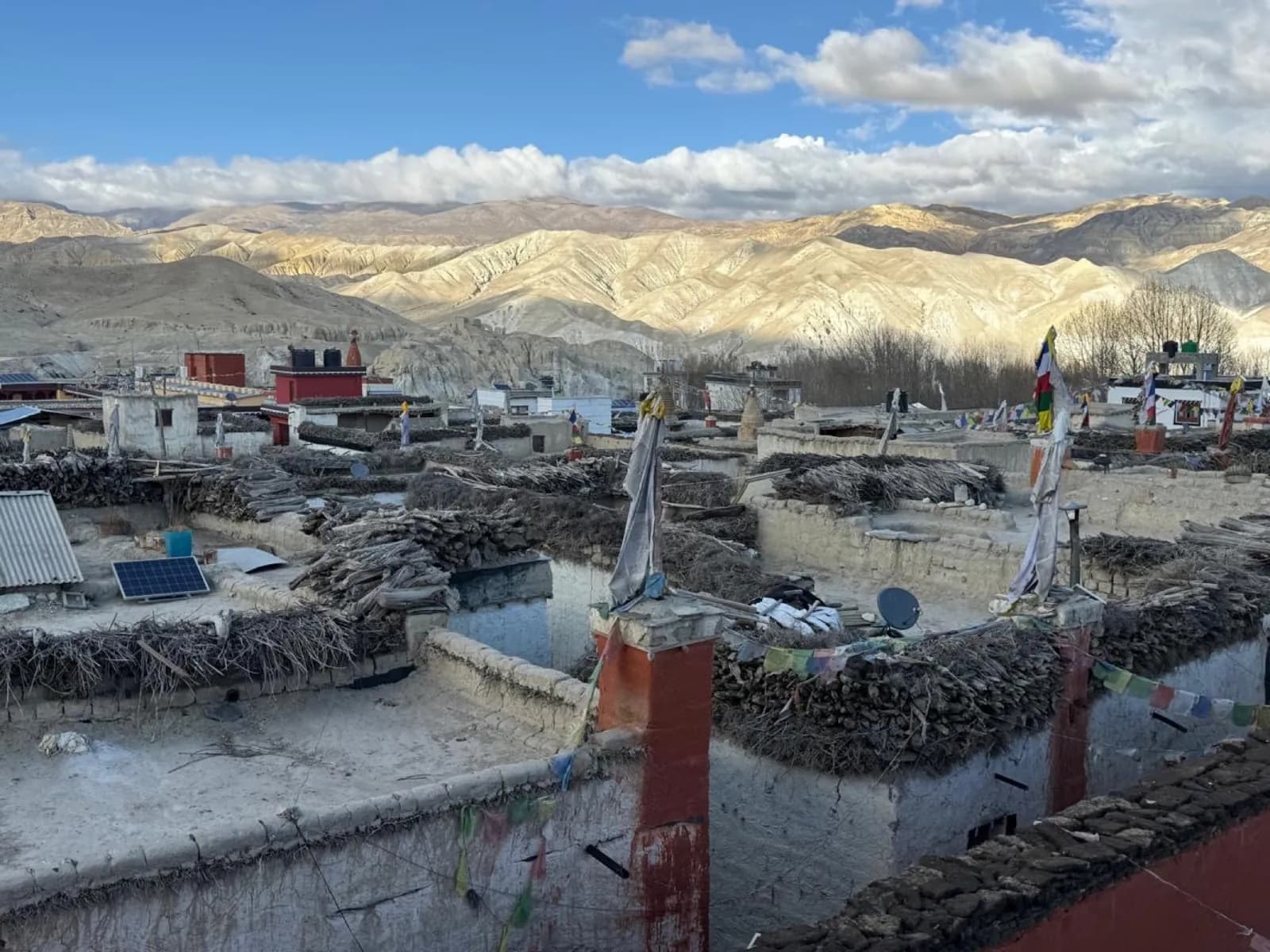
You explore the nearby villages, their way of life and heritage, the ancient monasteries and possibly the royal palace. Overnight in camp.
You walk to the Dhi Pass (4,100 m) and then descend to Dhi, regarded as one of the finest villages in the Lo Manthang region. Overnight in camp.
You explore the nearby village, its way of life and heritage, and its ancient monasteries, with a possible visit to a palace. Overnight in camp.
You explore the valley, visit the old Buddhist library and monastery of Lo Manthang, and cross the Tsarang La (3,870 m) to Ghami. You stay at a lodge run by relatives of the King.
The return journey begins, with a night in camp at a local apple orchard. There is an option to reach Jomsom the same day by jeep from Samar or Chele.
A six-hour walk along the Kali Gandaki river passes through Chhusang village to Kagbeni. Overnight in Kagbeni.
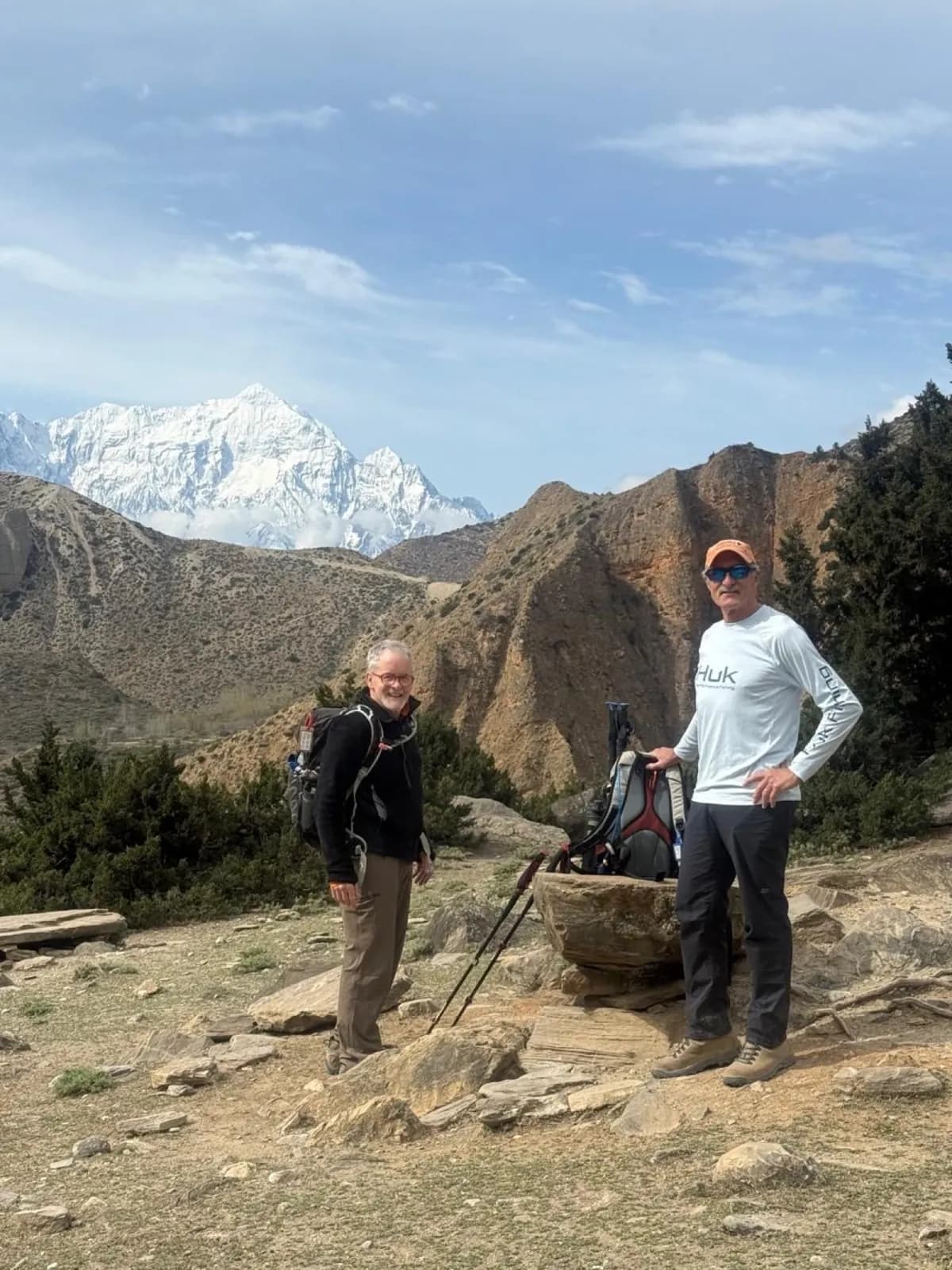
A mostly flat and easy walk of three to four hours to Jomsom, with time to explore the town. Overnight in Jomsom.
An early morning flight with views of the Himalaya, or a 10 to 12-hour bus journey if the flight is cancelled. Overnight in Pokhara.
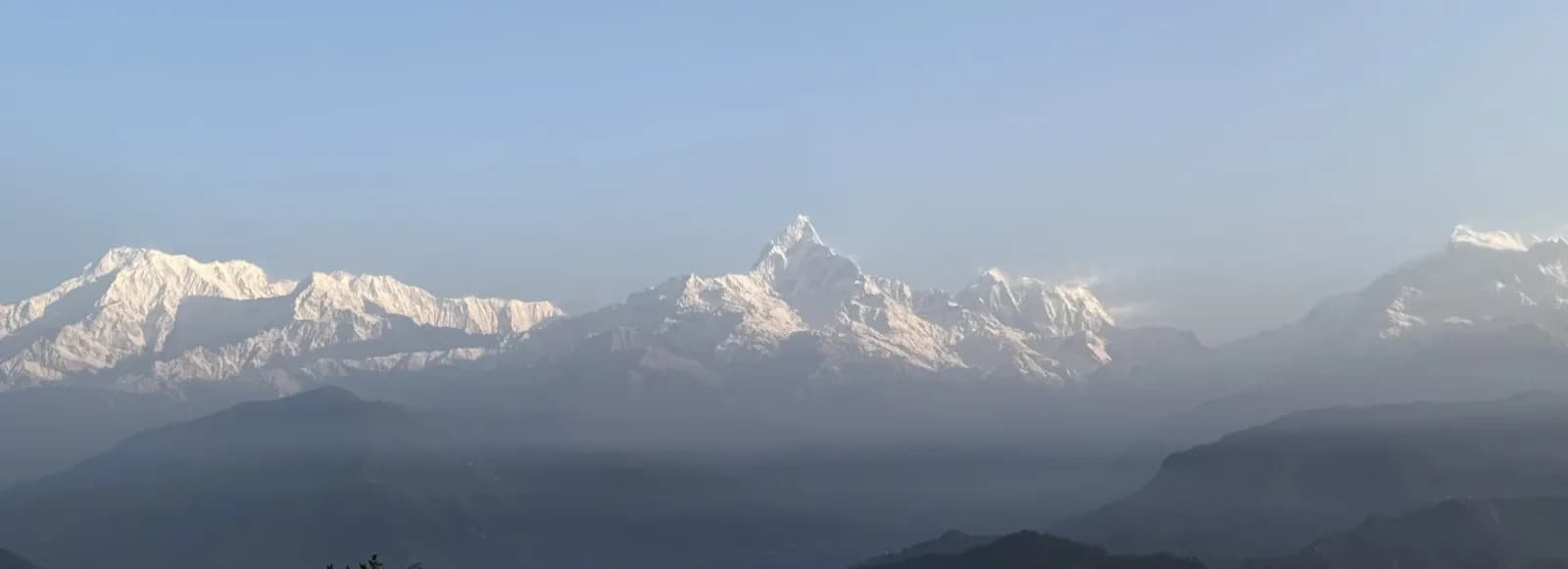
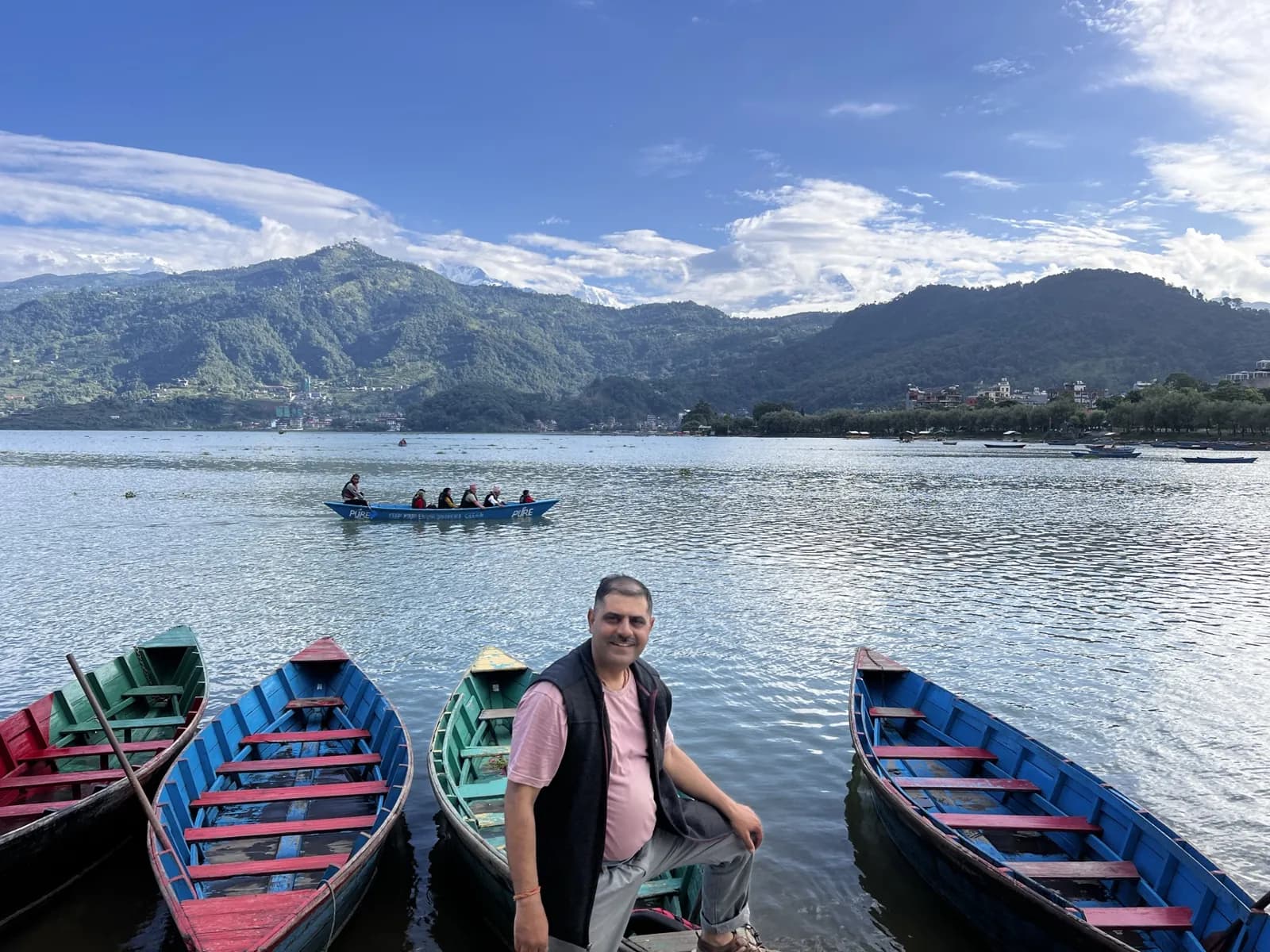
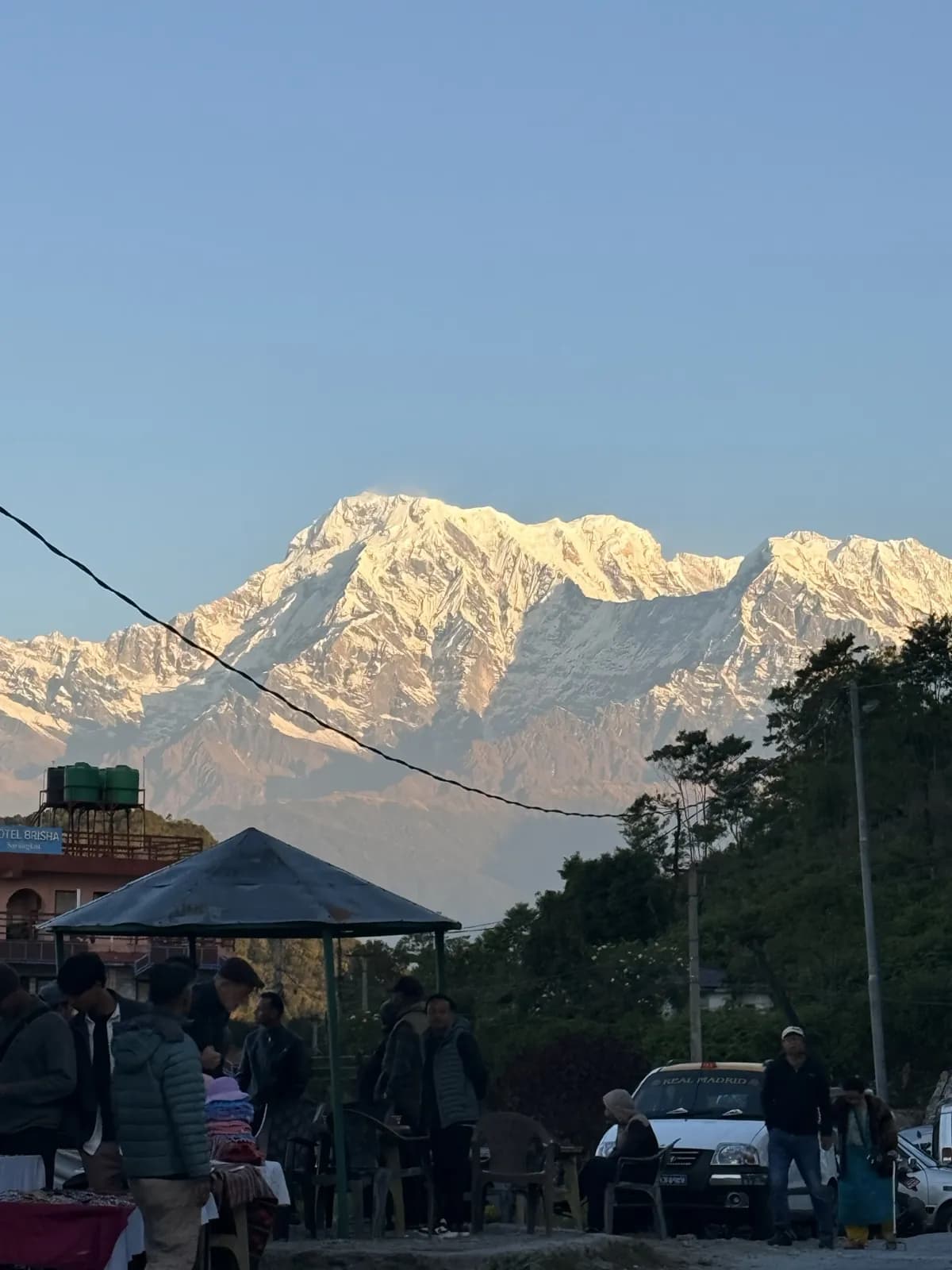
A drive of six to eight hours with stops, past small streams, green hills and farmland. Overnight in Kathmandu.
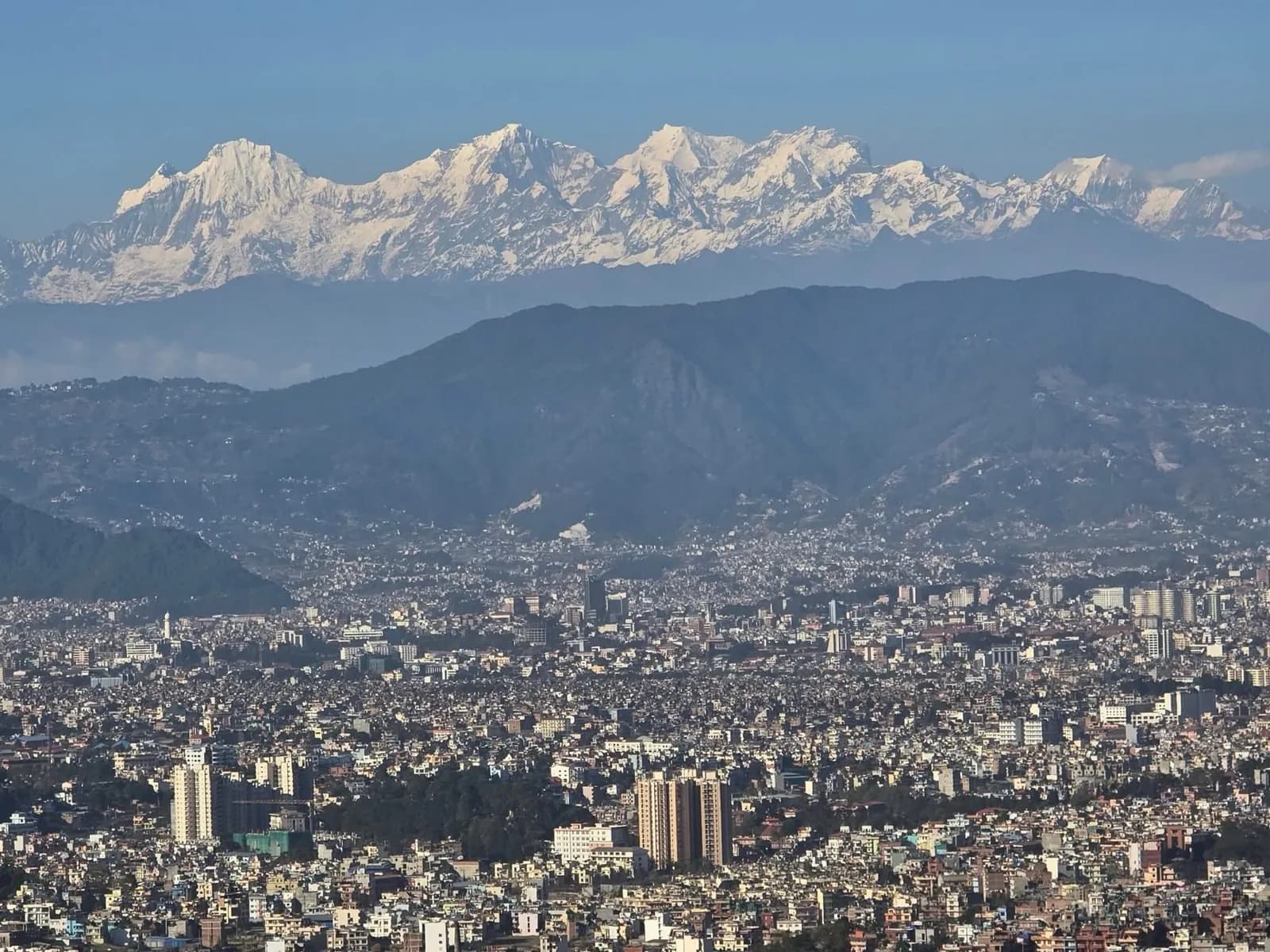
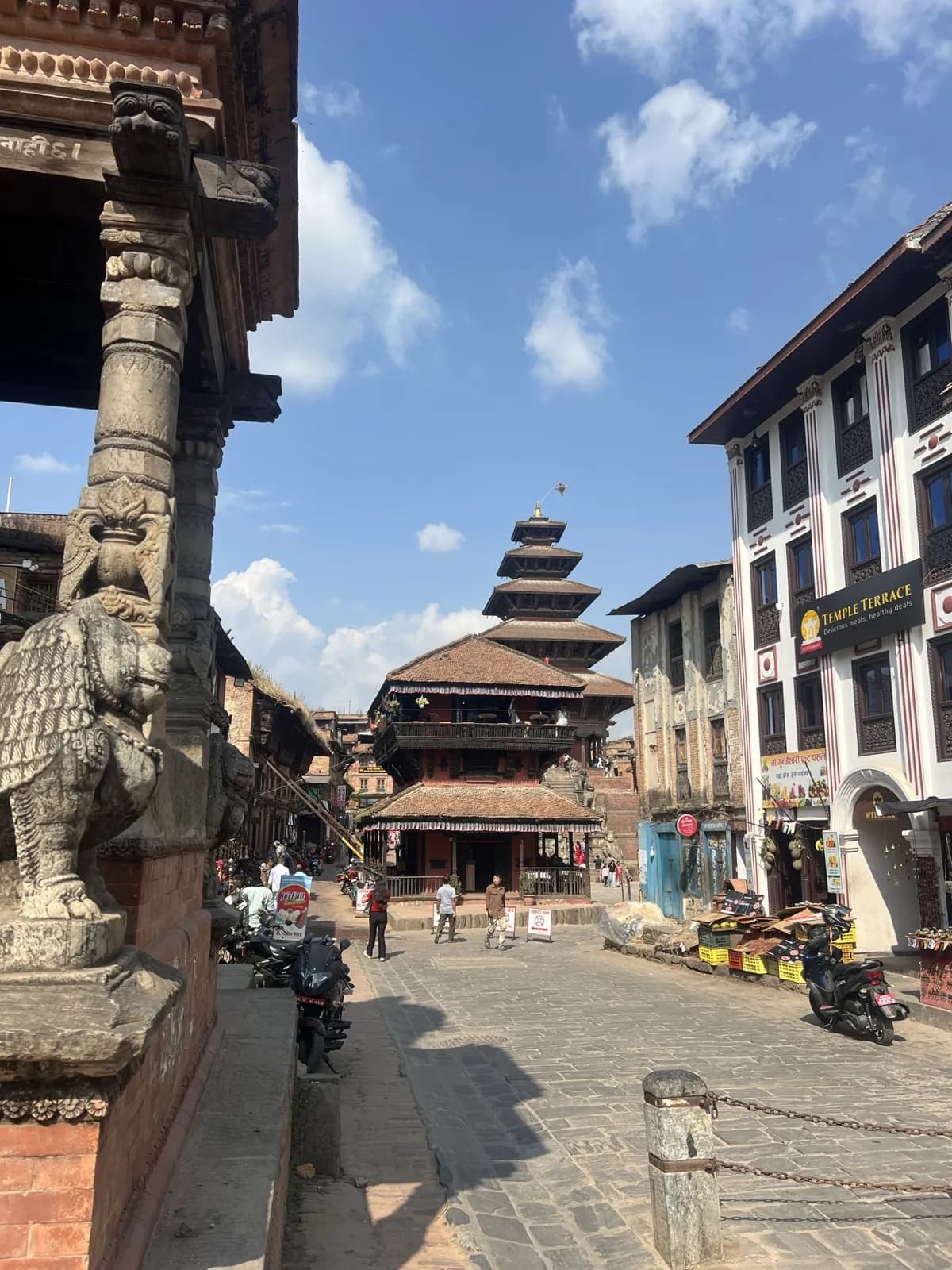
You can visit any World Heritage Sites you have not yet seen, shop in Thamel or rest. In the evening there is a farewell dinner. Overnight in Kathmandu.
Breakfast at the hotel, followed by a transfer to the airport 2 to 3 hours before your scheduled flight.
Start date
18 Oct 2027
End date
6 Nov 2027
Available
10 places left
US $2,387
Per person
Start date
5 Apr 2027
End date
24 Apr 2027
Available
10 places left
US $2,387
Per person
Start date
20 May 2027
End date
8 Jun 2027
Available
10 places left
US $2,587
Per person
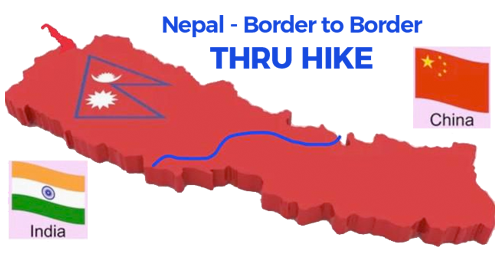
The trail from start to finish, at a glance.
Two weight limits, and the Jomsom flight is the stricter
Your porter carries a strict maximum of 20 kg, shared between two trekkers. The Pokhara to Jomsom flight allows 15 kg, luggage is weighed, and this itinerary uses the flight twice. We provide the duffel and the sleeping bag, and store the rest of your luggage free of charge in Kathmandu.
The Pokhara flight is straightforward. The twenty-minute flight to Jomsom operates only until mid-morning every day of the year, and this itinerary uses it twice.
The flight from Pokhara to Jomsom takes twenty minutes and departs at first light. The Kali Gandaki is the deepest gorge in the world, and it channels a strong up-valley wind that starts around nine or ten in the morning, after which the airstrip closes for the day. This itinerary uses the flight twice, in each direction, and it is the only unreliable part of the transport on this trip.
There is a road. The drive from Pokhara to Jomsom by jeep takes eight to nine hours on a rough track, and you arrive the same day. For this reason the trek does not include a spare day for weather: a cancelled Jomsom flight costs you a morning rather than several days, unlike flights to Lukla.
A jeep track now runs from Jomsom to Lo Manthang and on to the Korala pass on the Chinese border, where an immigration office became fully operational in 2025. This has two consequences. Trekkers who lose days can be driven forward or back from almost any point, which provides a useful safety margin. A jeep tour of Upper Mustang is also now a practical alternative to trekking, taking seven or eight days rather than twenty.
The twenty days include thirteen days of walking, two flying days, two driving days, a permit day in Kathmandu and a spare day at the end. The permit day often surprises people: the Upper Mustang restricted area permit is issued in Kathmandu against your passport, so a working day is needed between your arrival in Nepal and the start of the trek. We schedule this on day 2.
The teahouses in Mustang are flat-roofed village houses built of mud brick and stone around a courtyard, with a family living downstairs and a few twin rooms for guests. The dining room, with its stove, is where everyone gathers once the afternoon wind rises. Rooms are simple, with foam mattresses and thin walls, and bathrooms are mostly shared. Bring a sleeping bag.
Kagbeni and Jomsom, at either end, have private bathrooms in the better lodges. Chhusang, Gheling, Dakmar and Dhi are simple or basic. In Lo Manthang you stay inside or beside the walls, and two of the lodges have private bathrooms and a hot shower for a fee. At Tsarang the lodge is in a house belonging to the royal family. Charging uses solar power in some villages, so it may be limited.
| Where | Nights | Type | Room | Bathroom |
|---|---|---|---|---|
| Kathmandu | 4 | Three-star hotel | Twin or double | Private, hot water |
| Pokhara | 2 | Three-star hotel, lakeside | Twin or double | Private, hot water |
| Kagbeni | 2 | Teahouse | Twin | Private in the better lodges |
| Chhusang | 1 | Teahouse, simple | Twin | Shared |
| Samar | 2 | Teahouse | Twin | Shared |
| Gheling | 1 | Teahouse, simple | Twin | Shared |
| Dakmar | 1 | Teahouse, basic | Twin | Shared |
| Lo Manthang | 2 | Teahouse inside or beside the walls | Twin | Private in two of the lodges, hot shower for a fee |
| Dhi | 2 | Teahouse, basic | Twin | Shared |
| Tsarang | 1 | Teahouse, in a house belonging to the royal family | Twin | Shared |
| Jomsom | 1 | Teahouse | Twin | Private, hot water |
Porridge, Tibetan bread, eggs, chapati, pancakes, tea or coffee
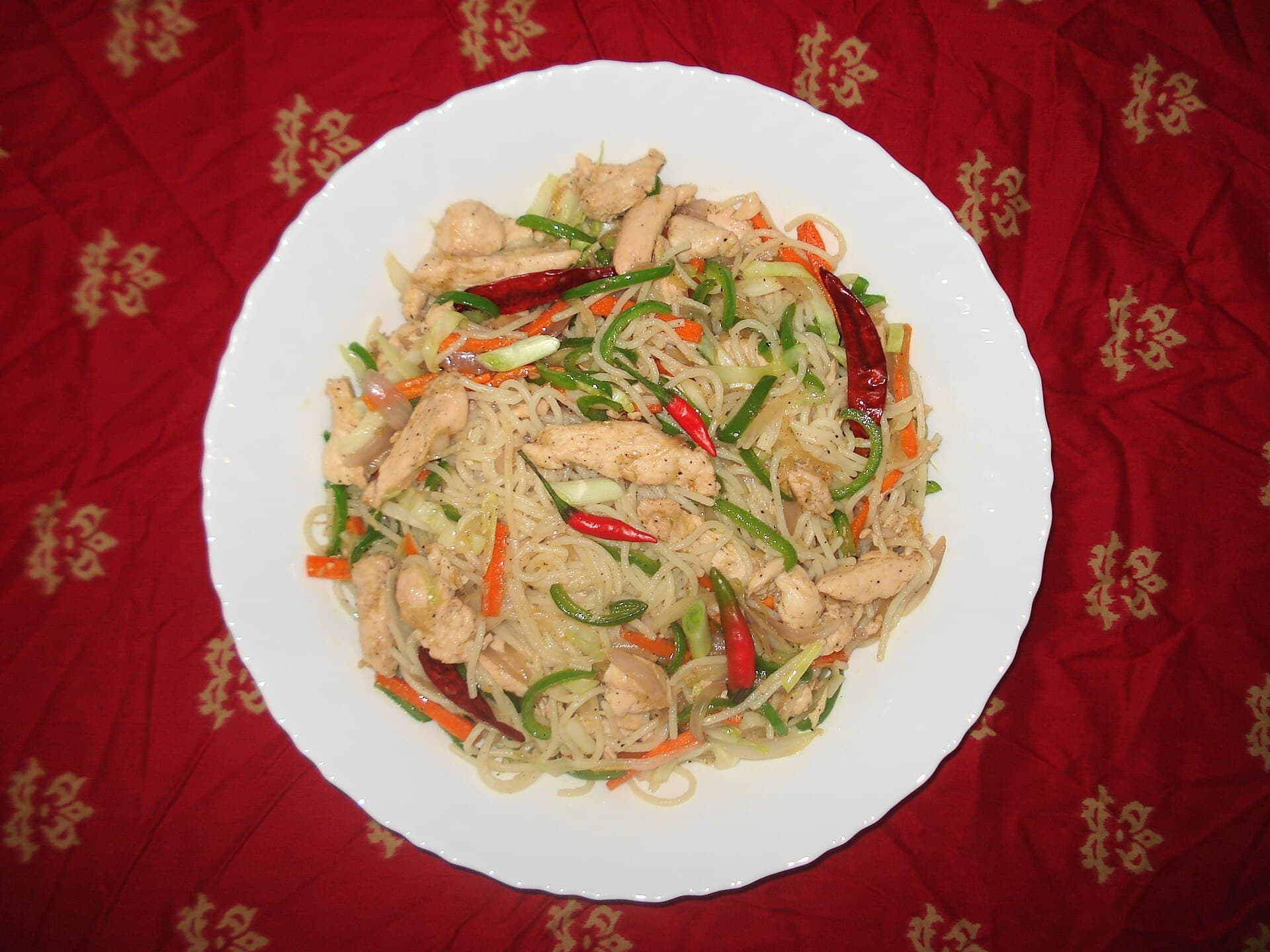
Dal bhat, fried rice, noodles, soup, momo and a variety of potato dishes

Dal bhat, pasta, thukpa, curry and rice, soup to start
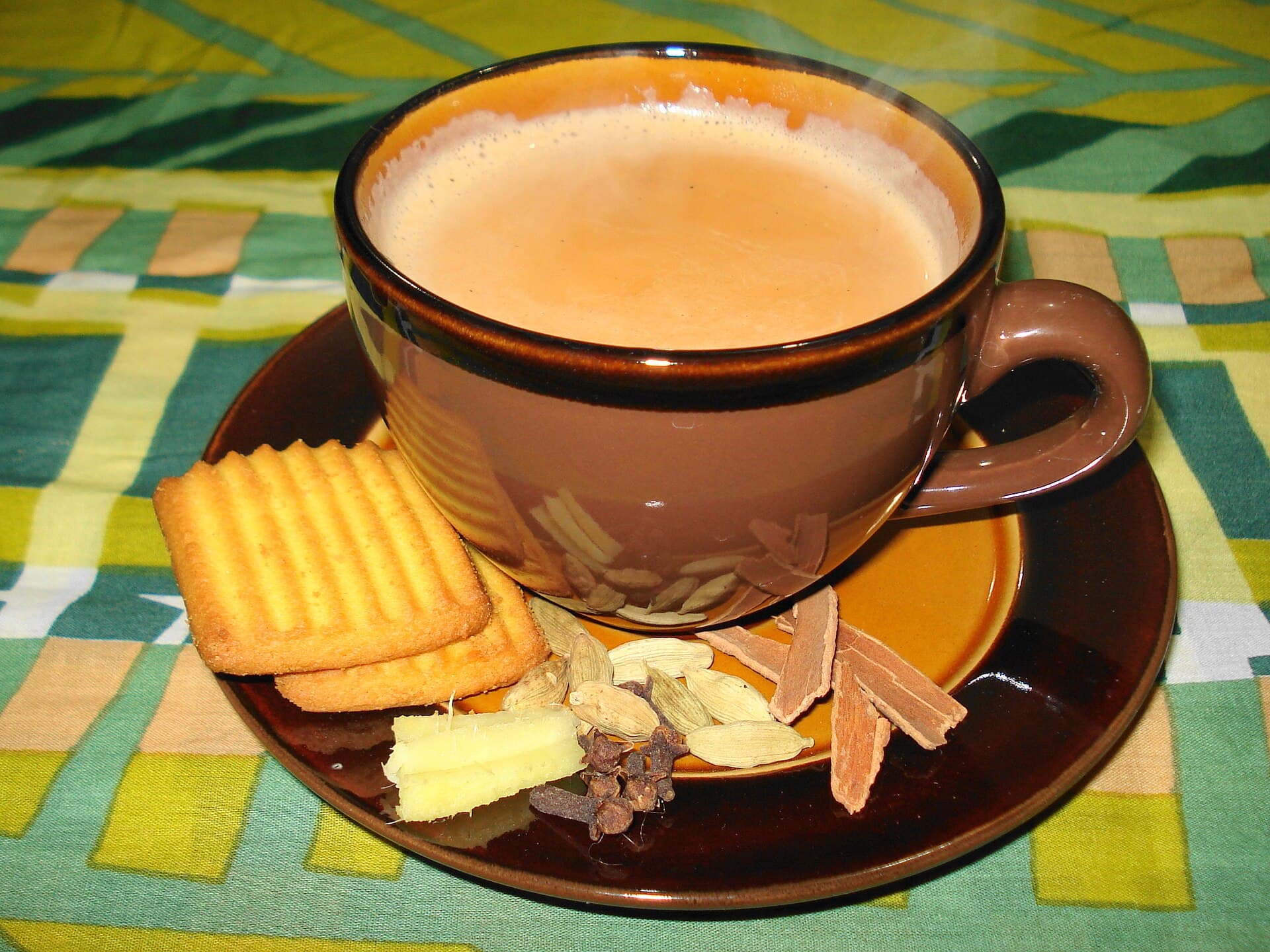
Black, milk, lemon, ginger or masala tea. Included at every stop.
5:45Tea, and a bowl of warm water for washing
6:15Pack, and leave your duffel outside your door
6:45Breakfast, earlier than on any other trek we run, to avoid the wind
7:30Start walking, to cross the pass before the wind rises
11:30Lunch, usually in the village on the far side of the day's pass
12:30One to three more hours of walking, ideally with the wind behind you
14:30Arrive, have tea, wash and rest if you need to
16:00Visit the gompa, the caves or the village with your guide. This is the main purpose of the trek
18:30Dinner, and a briefing from your guide on the next day
20:30Bed. The nights are dark, cold and very quiet
Moderate and sustained walking. The wind is more demanding than the terrain.
Written for somebody who walks a bit and does not train. If you already run or cycle regularly, start partway through. Nothing here needs a gym.
8 weeks before, stage 1 of 6
Three cardio sessions a week, 40 minutes each, at a pace at which you can hold a conversation. This trek requires endurance rather than intensity, and a good aerobic base is the main preparation.
Upper Mustang is technically a high-altitude trek, but it is not an altitude trek in the same way as the Everest or Manaslu treks. You sleep between 3,600 m and 4,000 m for about a week and cross passes up to 4,230 m, and the approach through Pokhara, Jomsom and Kagbeni gives you three nights of gradual ascent first. Acute mountain sickness does occur here, but it is usually mild, and it is rare above Kagbeni for trekkers who follow the itinerary rather than arriving by jeep. Most serious cases in Mustang affect people who drive from Jomsom to Lo Manthang in one day.
Daily health checks
From Samar onwards, your guide carries a pulse oximeter and records your oxygen saturation and pulse each evening above 3,500 m, and again on any morning when you feel unwell. The readings are written down, so any decline over several days is clear.
Mild symptoms
This is one of the few treks where a rest day can easily be added almost anywhere, as the villages are close together and the days are short. A day at Gheling or Tsarang costs very little and resolves most cases.
Serious symptoms
Descent is the only effective treatment, and in Mustang it can be done by vehicle. The jeep track runs the length of the valley, so a serious case can reach Jomsom at 2,743 m in hours rather than days. This makes Mustang a good high-altitude trek for cautious travellers.
Helicopter evacuation
Helicopters can reach Lo Manthang, Tsarang and Jomsom, and Pokhara is about forty minutes away. Your insurance covers this: the cost is $3,000 to $5,000, and the helicopter will not fly without a payment guarantee.
Hospital at Jomsom
The district hospital at Jomsom is small but staffed, and it is at the end of a road that reaches every village on this trek. This is a better safety position than on the Manaslu trek and similar to the Annapurna region.
Fitness and altitude are unrelated
This is the thing people get wrong most often. Training makes the walking easier and does nothing for how your body handles thin air. Strong young trekkers get altitude sickness and unfit older ones frequently do not. Go up slowly, and say something the first time your head hurts.
This is the only trek we offer that can be walked in every month. Pay attention to the wind column as well as the temperature, as the wind is what most trekkers find difficult here.
Excellent. Warm days, cold nights, and barley is being planted around the villages.
Averages from station data for Mustang, which sits in the driest rain shadow in Nepal. The wind rather than the temperature is what people find hard here.
A government-licensed guide leads every departure, and one porter carries for every two trekkers. On this trek we send a guide who speaks Loke or Tibetan and can explain the paintings on the gompa walls, because religious art is a large part of what you have come to see, and without explanation much of its meaning is lost. From 11 trekkers, a second guide joins the group.
Each porter carries twenty kilos, which is your duffel and one other. This is below the 25 kg permitted by the trekking association and well below the loads you will see on the trail. If your bag is overweight, the load is split rather than added to. Porters carry duffels, not daypacks: your water, camera, jacket and snacks for the day stay with you.
The salary, insurance, food and accommodation of every guide and porter are included in the price you pay, not collected during the trek. Every guide and porter is insured for altitude and for helicopter evacuation on the same terms we require of you. Porters in this industry have often carried excessive loads, in unsuitable footwear, for very low pay, and including fair pay in the package price is how we avoid contributing to this.
Tipping is customary but not compulsory, and it never replaces wages. For this trip, $180 to $280 per traveller for the whole team is usual, given together on the last evening rather than daily. Your guide will not ask for tips and would prefer that you do not tip in front of the group.
A traveller who drinks bottled water uses around 40 plastic bottles on this trip, all of which are carried in and must be carried out again. Boiled water is available at every lodge for one or two dollars a litre, and we recommend buying that instead. Bring purification as a backup rather than as your main supply.
We carry out everything we bring in that is not food. Upper Mustang has a waste problem that it did not create and cannot solve alone, and we make sure we do not add to it.
The lodges are family businesses in the villages you pass through, and the guides and porters live in this district. The restricted area fee goes to the Department of Immigration and the conservation permit fee to the National Trust for Nature Conservation. The monastery entry fees you pay in Lo go directly to the gompas and fund the ongoing restoration of the fifteenth-century murals in Thubchen and Jampa. Almost all of what you pay is spent within a few days' walk of the trail, which is a good reason to book with a Nepali operator rather than a foreign operator that subcontracts the trek to a local company.
Ask before photographing anyone. When a mule train passes, stand on the uphill side of the trail, away from the drop, and let it go by. Monasteries welcome visitors, but they are places of worship: remove your hat and shoes, and if a service is taking place, wait until it ends.
Email us or send a WhatsApp message with your approximate dates. Mustang is a restricted area, so we need scans of your passport well before you fly. The permit is issued in Kathmandu against your passport on a working day, which is why day 2 of this itinerary is a permit day rather than a sightseeing day.
A deposit of thirty per cent secures your dates, and the balance is paid on arrival in Kathmandu, in cash or by card. At the same time we ask for a copy of your passport, your insurance certificate and any dietary or medical information.
By bank transfer, or by card through a secure link. Card payments carry the bank's fee of about 4 per cent, which we show you before you pay. The balance in Kathmandu can be paid in US dollars, pounds, euros or Nepali rupees.
If you cancel more than 30 days before departure, your deposit can be transferred to any other date or trip we run, with no time limit. Within 30 days the deposit is retained, because the permits, flights and crew have been booked. If we cancel for any reason other than weather, we refund everything you have paid.
Private and group departures cost the same for a group of five or more. A private departure runs on your dates at your pace and can be arranged for one person; a group departure runs on the dates in the table above. Most travellers book privately, at no extra cost.
Three weeks' notice is comfortable, and ten days is possible outside the Tiji festival. For a Tiji departure we need six months' notice, because there are very few guesthouses inside the walls of Lo Manthang and they are booked a year in advance.
Priced per person, arranged before you travel, and none of them included in the price above.
Three days of masked dances in the square at Lo Manthang, following the Tibetan lunar calendar, usually in May. In 2027 it takes place on 1 to 3 June. It is the best reason to plan the timing of a Mustang trek, and beds inside the walls are booked a year in advance.
The Jhong caves north of Lo Manthang: five storeys of rooms cut into a cliff and reached by ladders. Their builders and date are unknown. A half-day visit.
A sacred lake at 4,890 m east of Lo Manthang, on a pilgrimage route rather than a trekking route. The trip involves camping, with no lodges, and is considerably higher and more demanding.
Drive from Jomsom to Ghami and walk only the upper half. This shortens the trek to about fourteen days, but it also removes the gradual approach, so we offer it only to travellers who are already acclimatised.
Kagbeni is a few hours from Muktinath, a major Hindu and Buddhist pilgrimage site at the end of the Annapurna Circuit. An easy and worthwhile addition at the end of the trek.
For the six hotel nights and the better guesthouses. The buildings inside the walls of Lo Manthang do not have single rooms.
4 versions of this journey. They use the same guides and the same lodges; what changes is the length, the comfort and how much of it you walk.
The Trip of a Lifetime with Earthbound Expeditions!
August 2026, Tripadvisor
There are holidays, there are adventures, and then there are journeys that stay with you forever. Our Upper Mustang trek with Rajan Simkhada Ji and his incredible team at Earthbound Expeditions was simply outstanding! From the moment we started planning the trip, Rajan Simkhada, owner of Earthbound Expeditions, was extremely helpful and highly knowledgeable . His communication was prompt, detailed and incredibly patient as we adjusted itineraries, explored options and worked through logistics. Nothing was ever too much trouble. His knowledge of Nepal is exceptional, but even more impressive is the genuine warmth and care he brings to every interaction. Our guide, Gopal Tamang, was simply awesome . Knowledgeable, professional, and wonderfully good humoured, he transformed what would have been an amazing trek into a truly unforgettable experience. Every village, monastery, mountain pass and hidden viewpoint came alive through his stories and explanations. He handled every detail seamlessly, allowing us to focus entirely on enjoying the journey. A special mention must also go to our porter, Rekman, whose strength, kindness and cheerful spirit never wavered. Whatever the weather, terrain or altitude, he was always smiling and looking after us. Trekking in the Himalayas quickly teaches you that the people supporting your journey are just as important as the landscapes, and we could not have asked for a better team. The route itself was absolutely spectacular. Starting from Kagbeni, the gateway to Upper Mustang, we entered a landscape unlike anywhere else on Earth. The dramatic desert valleys, ancient cave formations and wind-sculpted cliffs felt more like Tibet or another planet than anywhere we had visited before. The trek through Chhuksang, Tetang and Samar offered breathtaking scenery around every corner. Crossing high mountain passes such as Dajori La, Yamdo La, Nyi La, Mui La and Chogo La rewarded us with unforgettable panoramic views stretching across the Mustang region. The ancient monasteries were equally remarkable. Visiting Gheling Gompa, Shakya Monastery, Tsarang Gompa and especially the 1,400-year-old Lo Gekar Monastery provided a fascinating glimpse into a culture and spiritual heritage that has remained largely untouched for centuries. And then there was the highlight: Lo Manthang itself. Arriving in the ancient walled kingdom after days of trekking felt genuinely magical. The history, architecture, culture and atmosphere make it one of the most extraordinary destinations we have ever experienced. One of the best decisions we made was hiring a Scorpio vehicle for key sections of the journey. The combination of trekking and strategic 4x4 travel made the adventure accessible without sacrificing any of the magic. Throughout the trip, every guesthouse, meal, transfer and logistical detail was expertly arranged by Earthbound Expeditions. We never had to worry about a single thing. What sets this team apart is that they genuinely care. They don't simply guide you through Nepal, they help you connect with it. Their knowledge is brilliant, their service is flawless, and their hospitality is heartfelt and authentic. Upper Mustang should be on every traveller's bucket list as well as Muktinath Temple. What a place! If you are considering the trip, highly recommend to book it with Earthbound Expeditions. The team delivered not just a trek, but memories that will stay with us for a lifetime. Without question, we will travel with Earthbound Expeditions again and again whenever we return to Nepal. Dhanyabad Team Earthbound 🙏
Upper Mustang and Poon Hill
March 2025, Tripadvisor
Earthbound's Upper Mustang trek was a great way to experience the culture and natural beauty of the region. We were so fortunate to have arrangements made by Rajan, Gopal as our guide, and porters Ram and Beaudry. They all made the trek enjoyable, interesting, safe and adaptable. We began the trek planning to do Upper Mustang alone, however, part of the way through, we decided to make a route change for the way back from Lo Manthang which allowed us to experience the Annapurna region also. It was an ideal combination! From preparing fresh apples and pomegranates when they found out we missed fresh food to carrying special oil to help with sickness, they always made sure we had what we needed and much more. Accommodations were comfortable and food was delicious. Thankful for this experience and to be able to learn so much about Nepal's beautiful culture and nature from our wonderful guide.
Spectacular Nepal! Reviews are accurate. Earthbound Expeditions delivered a once in a lifetime adventure.
October 2023, Tripadvisor
First visit to Nepal. It was amazing. The views were even more overwhelming than anticipated and the Nepalese are some of the happiest people I have met. My brother used Earthbound Expeditions 7 times in the past and it's the only adventure/trekking agency he will use. For his 8th trip, I joined him and was amazed at Rejan Simkhada's (president of Earthbound) attention to detail. From timely emails leading up to the trip to having a driver meet us at the airport. His staff is dedicated to the mission of showing his guests warm Nepal hospitality. At our hotel, Themal Eco Resort, Rejan went over the details of our itinerary, including a last minute trip to Chitwan National park I emailed him about the day before departure. Everything went as planned. Site seeing in Kathmandu and Pokhahra, 14 day Upper Mustang trek then 4 days at Chitwan National Park. This was a once in a lifetime trip, thanks to Rejan and Earthbound Expeditions. I highly recommend dropping them an email if you are thinking about a trip to Nepal.
Lower Mustang and Upper Mustang Trip of a Lifetime
August 2022, Tripadvisor
What a fantastic trip to the land of the Forbidden Kingdom through Lower Mustang, Gorepani, Poone Hill all the way to Muktinath. I was with a great Sherpa, Gokul, who was an excellent guide navigating the landscape and making sure that I was well taken care of. It was a breath-taking adventure complete with views, culture and of course the apples in Marpha. After two weeks, I met up with the group from Active Adventures from Kagbeni to Lo Mantang. Earthbound provided the staff that kept a group of us well fed with our own chefs. Our camps were set up so well and efficiently, it made the trip run very seamlessly. It was an incredible journey and I highly recommend booking with Earthbound to provide you with a trip and memories of a lifetime!
Answers to the 22 questions travellers ask us most often. If your question is not here, contact us and we will answer it.
Both, with the emphasis on culture. You walk for thirteen days, none of them longer than about seven hours, towards a fifteenth-century walled town where the language is Tibetan and the monastery murals are being restored by conservators from New York. If your main interest is close views of high mountains, this is not the right trek. If you want to see the best-preserved area of traditional Tibetan culture that can be reached without a Chinese visa, this is the only trek that offers it.
Moderate and sustained. On most days you cross a pass between 3,700 m and 4,230 m and then descend to a village, so the route goes up and down repeatedly rather than climbing steadily. There is no technical section, no snow in season and no exposure. The main difficulty is the wind, which blows strongly up the valley every afternoon.
It is helpful but not required. The physical demands are closer to Annapurna Base Camp than to the Everest or Manaslu treks, and the altitude profile is gentle, because the approach through Pokhara, Jomsom and Kagbeni gives you three nights of gradual ascent. It is a suitable second trek, and a manageable first trek for someone who walks regularly.
Yes, you can book as a single traveller. On 22 March 2026 the Department of Immigration removed the rule that a restricted area permit required two foreign trekkers. You will still walk with a licensed guide, because a restricted area permit is only issued through an agency. A private departure for one person costs $3,090.
Fifty US dollars per person per day. On 18 November 2025 the cabinet replaced the previous flat fee of $500 for ten days, plus $50 for each additional day, with a daily rate. For this twenty-day itinerary, which spends about ten days north of Kagbeni, the cost is roughly the same $500. For shorter trips it is now much cheaper, which is why short Mustang itineraries are now available. Many operator websites still quote the old fee.
You need an Annapurna Conservation Area permit at NPR 3,000, because Mustang lies within the conservation area. You also need a licensed guide from a registered agency, which is compulsory with a restricted area permit. Everything is included in the trek price and we arrange it.
A restricted area permit is issued in Kathmandu against your passport on a working day and cannot be bought in advance. We include this day in the itinerary for that reason, and it is why arriving on a Friday for a Saturday start is not possible.
Mainly because of the permit: five hundred dollars of restricted area fees compared with twenty-two dollars for the ACAP permit. There are also two extra flights, twenty days instead of fourteen, and higher guesthouse prices, because all supplies arrive by jeep over a 4,000 m pass.
Three hundred to four hundred and fifty dollars in Nepali rupees, in small notes. There is a cash machine at Jomsom, but it is not reliable. Several monasteries in Lo charge their own entry fee in cash, and these fees help fund the mural restoration, so it is useful to carry enough notes.
Yes. It is the only trek we offer where this is the case. Upper Mustang lies behind Annapurna and Dhaulagiri in the driest rain shadow in Nepal, so June, July and August are dry and warm here while most treks in the country are closed. The one exception is the Pokhara to Jomsom road, which the monsoon damages at lower altitudes, so we rely more on the flight in those months.
The festival follows the Tibetan lunar calendar, so its dates change each year. It is usually in May, and in 2027 it takes place on 1 to 3 June. It consists of three days of masked dances in the square at Lo Manthang and is the best reason to plan the timing of a Mustang trek. There are a limited number of beds inside the city walls, and they are booked a year in advance, so please plan early.
Very cold, very quiet and partly empty. Most residents of Lo move south for the winter and many guesthouses close, so the villages you have come to see are partly closed. We do run the trek in winter, and we will tell you clearly what will and will not be open.
The wind is the main feature of the region, and most people underestimate it. From late morning a strong, dusty up-valley wind blows almost every day. For this reason our itinerary starts walking at half past seven and aims to cross each day's pass before the wind rises. Bring two buffs and wraparound sunglasses.
Simple guesthouses, which have improved in recent years but are not comparable to the Annapurna teahouses. Kagbeni, Lo Manthang and Tsarang are comfortable; Dakmar and Dhi are basic. Hot water is available for a fee as far as Lo Manthang, and the two largest villages have mains electricity from a micro-hydro scheme.
Coverage is better than many people expect. NTC covers most of the valley and the main villages, because the network was extended along with the road. Wifi is reasonable at Jomsom, Kagbeni and Lo Manthang and very limited elsewhere.
Yes, and this is an important question for Mustang in 2026. A jeep track runs from Jomsom to Lo Manthang and on to the Chinese border at Korala. It has changed the valley, but it has not spoiled it. The trekking route follows the old trails and passes rather than the road for most of the way, the villages are unchanged, and the walking days give you time to see the caves and gompas along the route. If you have only a week, the jeep tour is a good option and we offer it. If you have three weeks, we recommend walking.
About a hundred and fifty houses inside a four-hundred-metre wall of rammed earth, three major gompas, the former royal palace, and the fifteenth-century murals in Thubchen and Jampa, which attract art historians. Two days is the right amount of time; one day is not enough.
It is less likely here than on most treks at this altitude, because the approach is gradual and the overnight altitudes stay between about 3,600 and 4,000 m rather than increasing. Most cases of altitude sickness in Mustang affect people who drive from Jomsom to Lo Manthang in a single day.
You descend and, unusually for a Himalayan trek, you can do so by vehicle. The jeep track reaches every village on this route, so a serious case can reach Jomsom at 2,743 m in hours rather than days, and there is a district hospital there. Helicopters can reach Lo Manthang, and Pokhara is forty minutes away by air. Insurance covering helicopter rescue to 5,000 m is a condition of booking.
Three weeks is comfortable and ten days is possible, because the permit, rather than accommodation, is the limiting factor. The exception is the Tiji festival, for which we ask for six months' notice and prefer a year.
Yes. The Annapurna Circuit finishes at Jomsom and this trek starts there, so you can walk one directly after the other in about a month. It is an excellent combination, and we arrange it regularly.
Yes, and it is now good value. Since the permit changed to a daily rate, a nine-day itinerary combining jeep travel and walking costs about $1,690, including roughly $250 of permit fees instead of $500. It is the most significant practical change in Mustang travel in twenty years.
Didn't find what you were looking for?
Search every word on this page, or ask somebody who has walked the route.
20 days
$2,387 per person