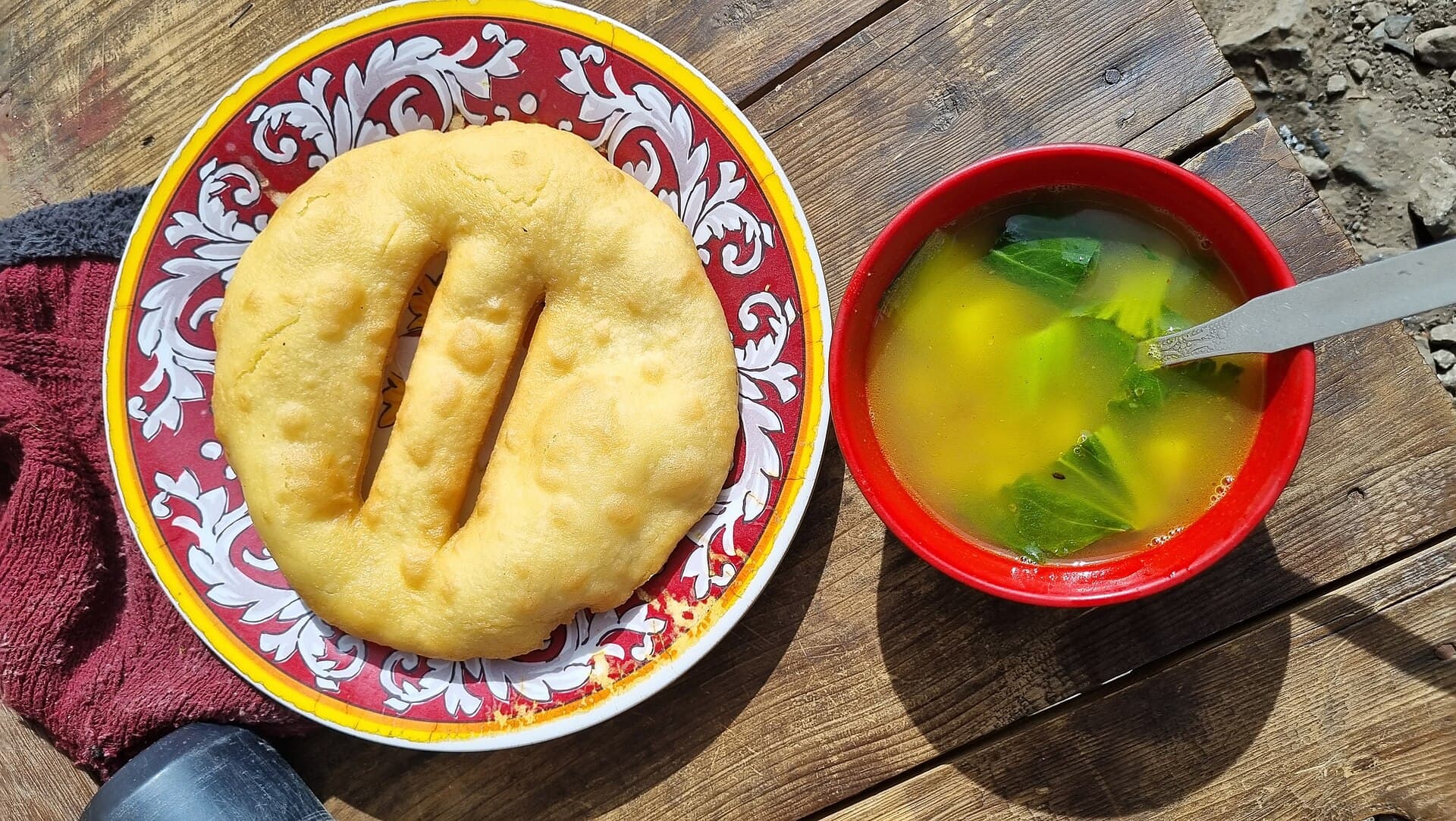
Breakfast
Porridge, Tibetan bread, eggs, chapati, pancakes, tea or coffee
A four-week trek to the foot of Kanchenjunga, the third highest mountain on earth, in the far east of Nepal, on a restricted trail used by a few hundred trekkers a year.
A four-week trek to the foot of Kanchenjunga, the third highest mountain on earth, in the far east of Nepal, on a restricted trail used by a few hundred trekkers a year.
This trek has twenty-two walking days and takes you to the north base camp of Kanchenjunga, the third highest mountain on earth, in the far eastern corner of Nepal on the border with Sikkim. It is the longest trek we offer and by far the least crowded: a few hundred foreign trekkers walk it each year, compared with tens of thousands in the Khumbu. For several days at a time you will meet only local people going about their daily lives.
This itinerary follows the full circuit rather than returning the same way. You go up the Ghunsa valley to Pangpema for the north face, then cross the Sele La at around 4,700 m into the Yalung valley for Oktang and the south face. Most Kanchenjunga itineraries visit only one side. Visiting both is why the trek takes four weeks rather than three, and it is the main purpose of this route.
Trekkers who have completed a two-week Himalayan trek and want to spend a month on the trail. It is not technically harder than the Annapurna Circuit, but it is far more remote: there is no road for two weeks, no reliable helicopter landing site above Ghunsa and no clinic, and many teahouses are simple rooms in family homes. The difficulty comes from the length and isolation of the trek rather than the altitude.
Teahouses are now available along the whole route, which was not the case ten years ago, and they are basic. Expect a plywood room, a shared long-drop toilet, dal bhat twice a day and no shower above Ghunsa. Several are run by a single family and have only four beds. Conditions are closer to Manaslu fifteen years ago than to anything in the Annapurna region today.
We meet you at the airport and take you to your hotel, with a briefing in the evening. This is a restricted area trek, so we check the permit paperwork and passport copies at the same time.
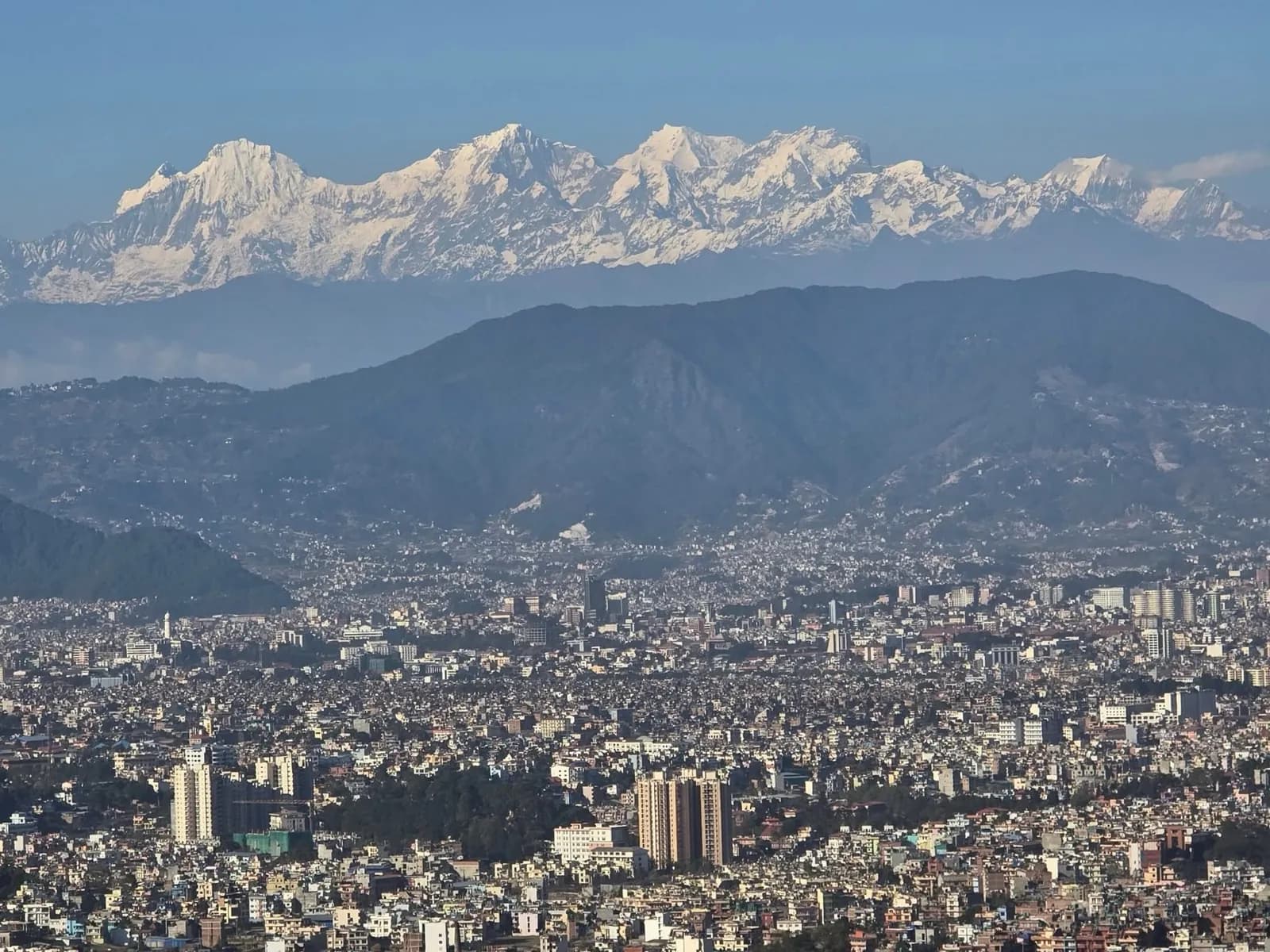
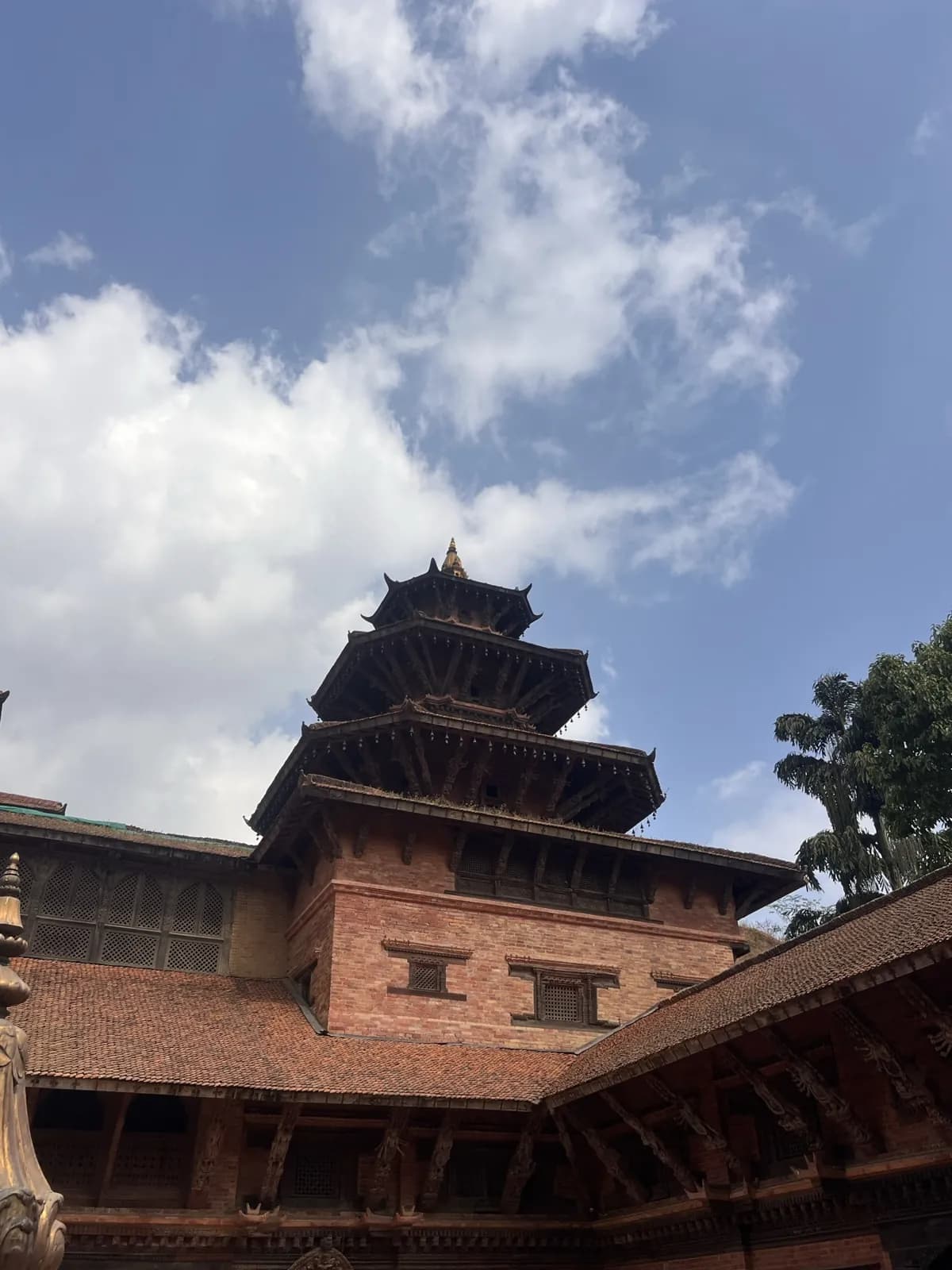
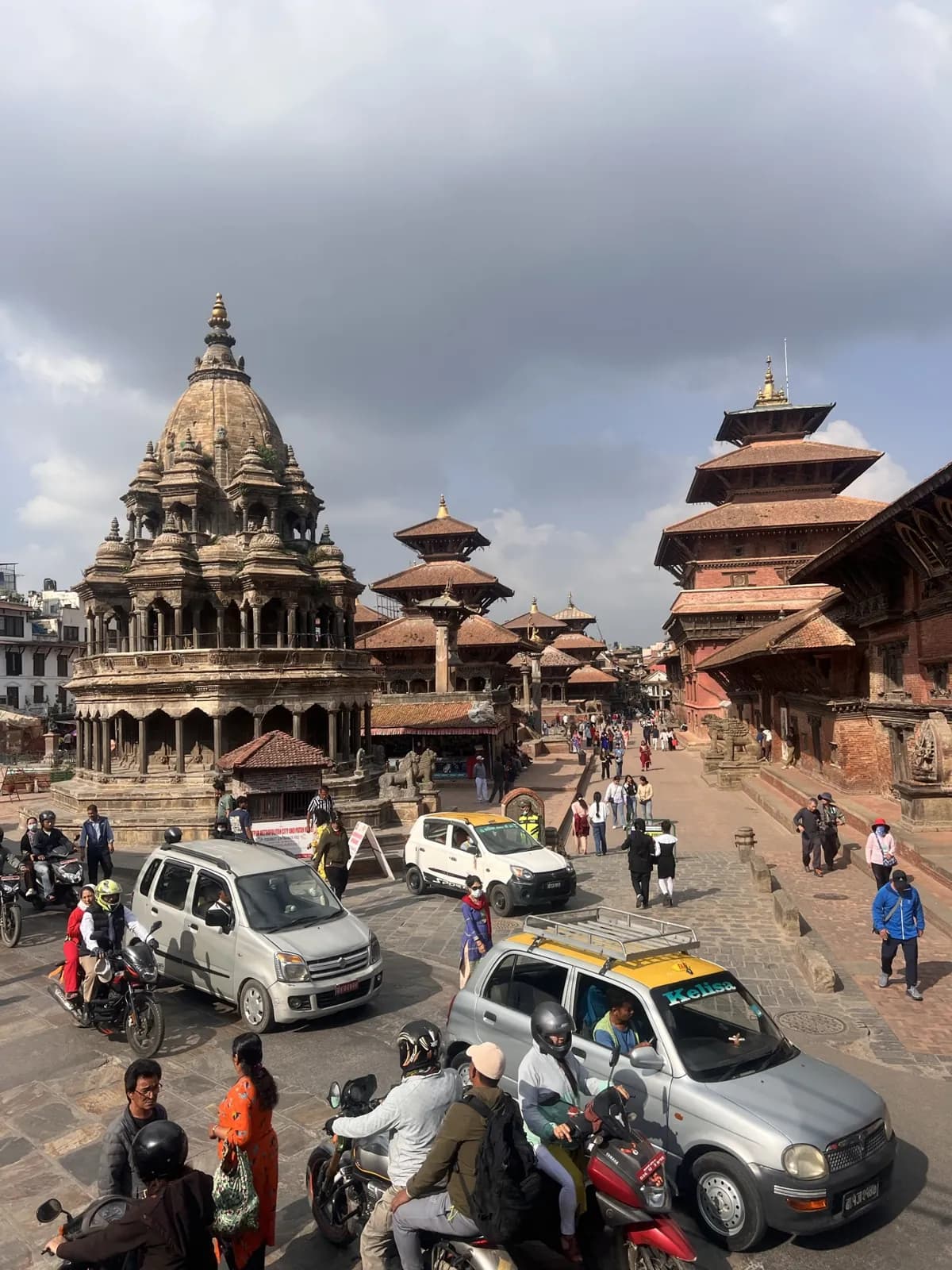
Visits to Swayambhunath, Pashupatinath, Boudhanath and Patan, and an equipment check in the afternoon. On a four-week trek, it is important to find any problem with your boots before you start.
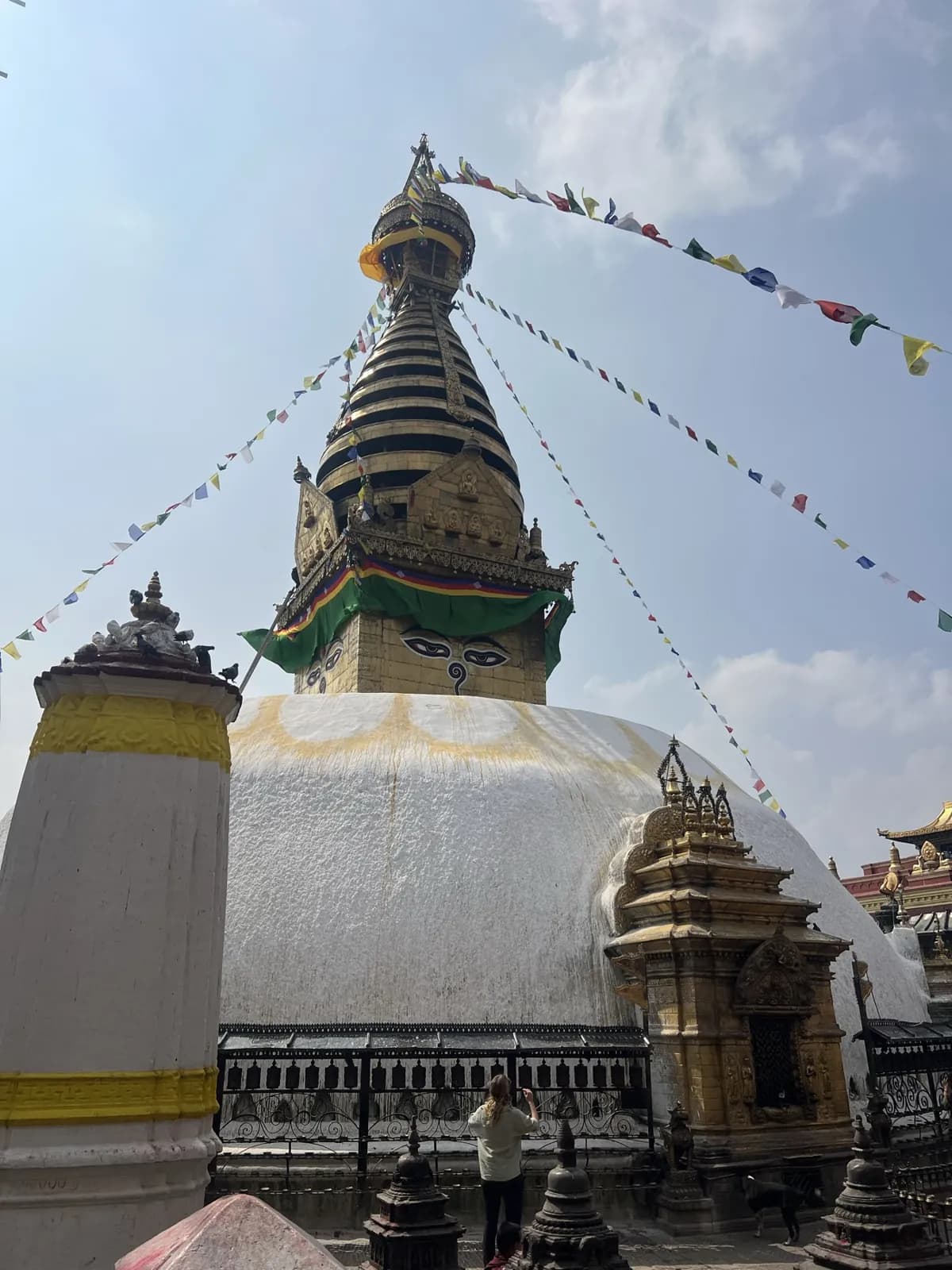
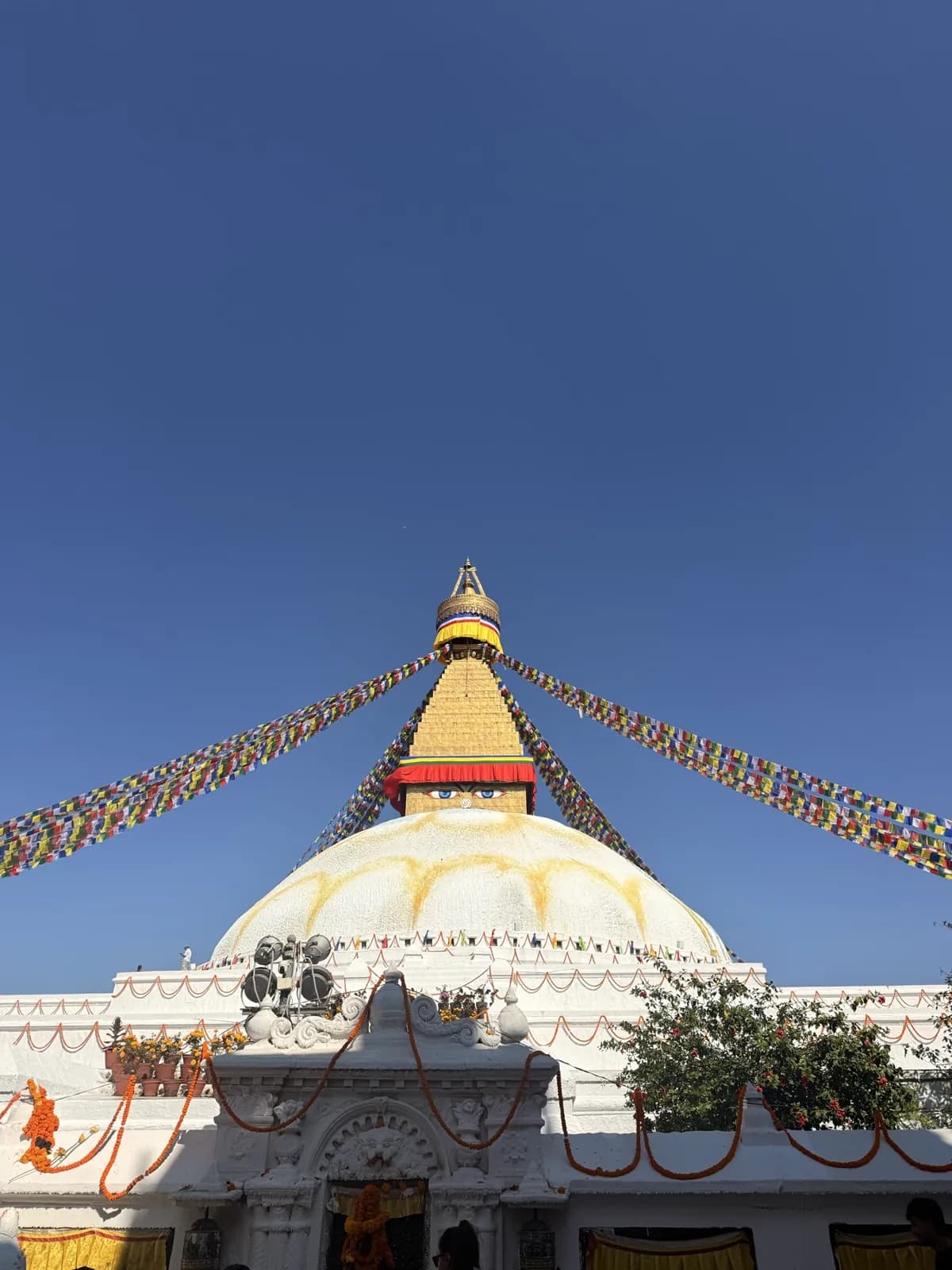
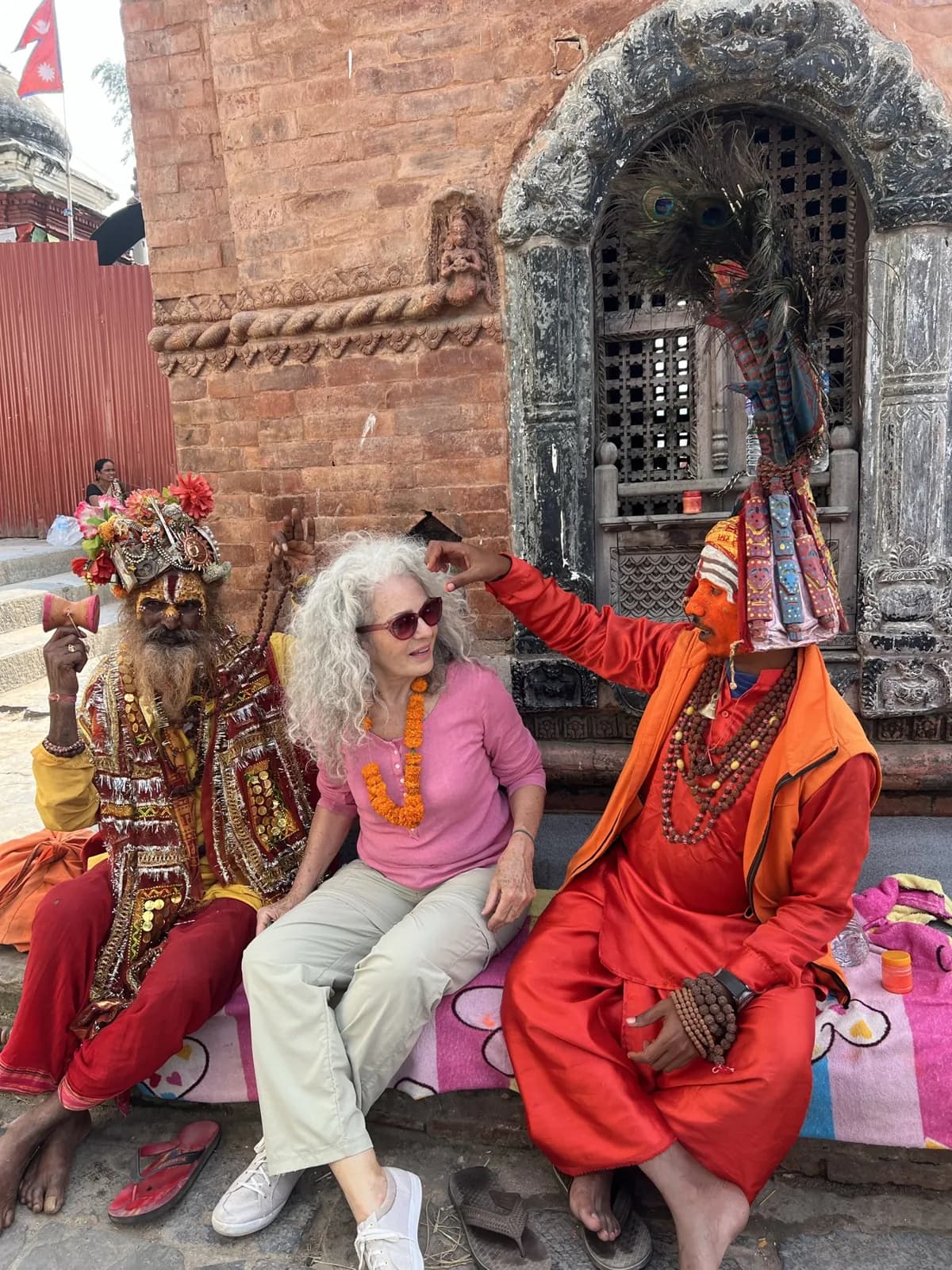
A short flight to the Terai, followed by a long drive up into the eastern hills. The far east of Nepal is greener, wetter and far less visited than any other region we cover.
The trek begins through terraced hillsides and Rai villages, on local paths used by villagers rather than dedicated trekking routes.
You climb through rhododendron and oak forest to a ridge with the first clear view east towards Kanchenjunga.
A day along the ridge, past a small sacred lake, with Makalu behind you and Kanchenjunga ahead on a clear morning.
A long descent out of the rhododendron forest into farmland and Limbu villages.
You descend to the river and climb again to the district town, the last place with shops, a bank and road access.
You enter the Tamur valley and follow the river north. From here, the trail is the only route in or out.
The trail follows the Tamur upstream through cardamom fields and across suspension bridges to the confluence at Sekathum, where the restricted area begins.
The gorge narrows and the trail, cut into its side, climbs steeply. The distance is short, but the day is physically demanding.
The trail passes through mossy forest and waterfalls as the valley narrows. The villages change from Limbu to Tibetan.
The trail leaves the gorge for an open valley and the largest village on the route, a Tibetan settlement with a gompa, a micro-hydro scheme and a school.
You climb above the treeline, crossing a landslide section slowly and carefully, as the north face of Jannu comes into view.
An acclimatisation day, with a walk up towards the Jannu glacier and back down to Khambachen to sleep.
A high, open day across rubble beside the moraine, with very little vegetation and extensive mountain views.
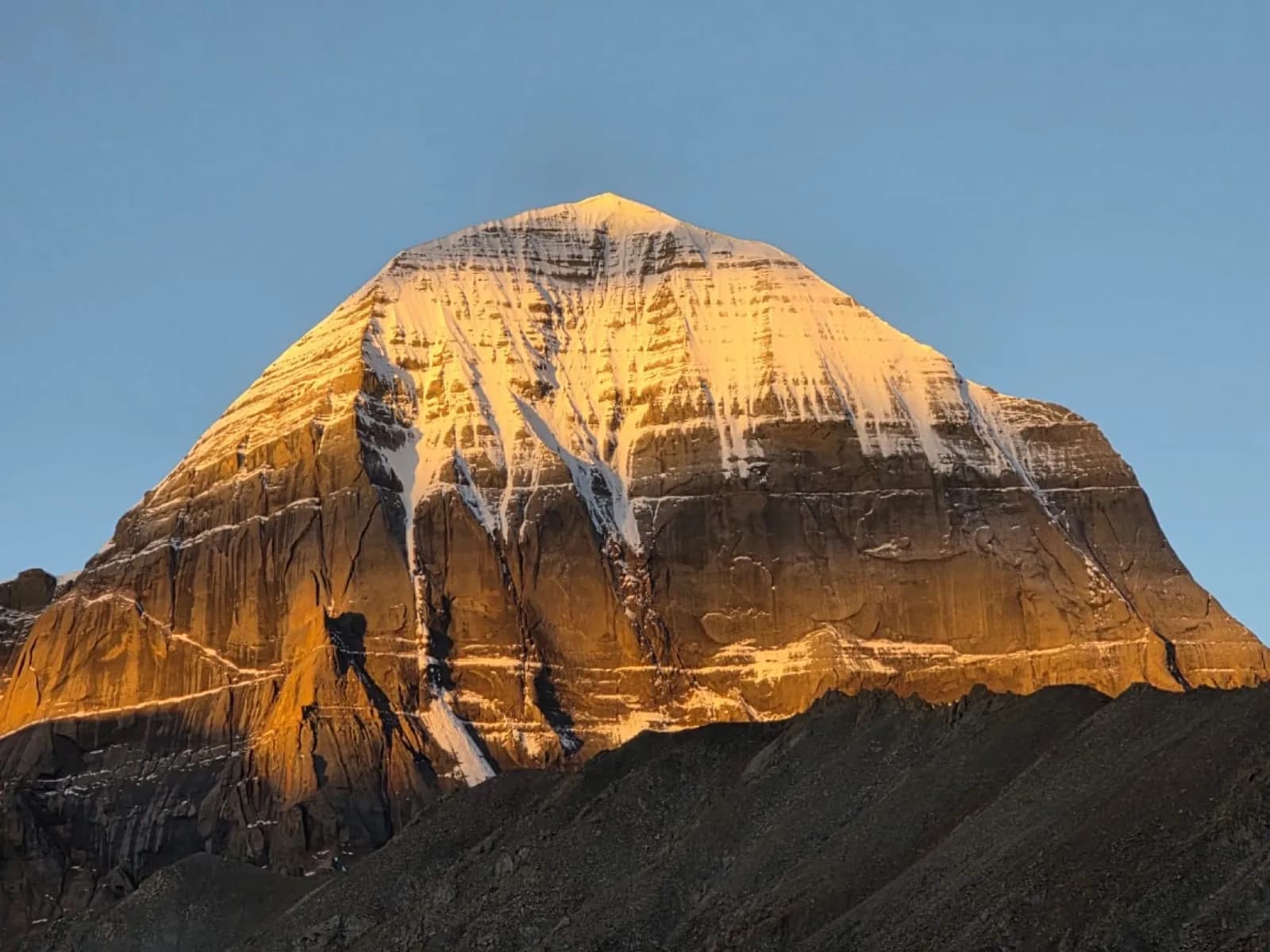
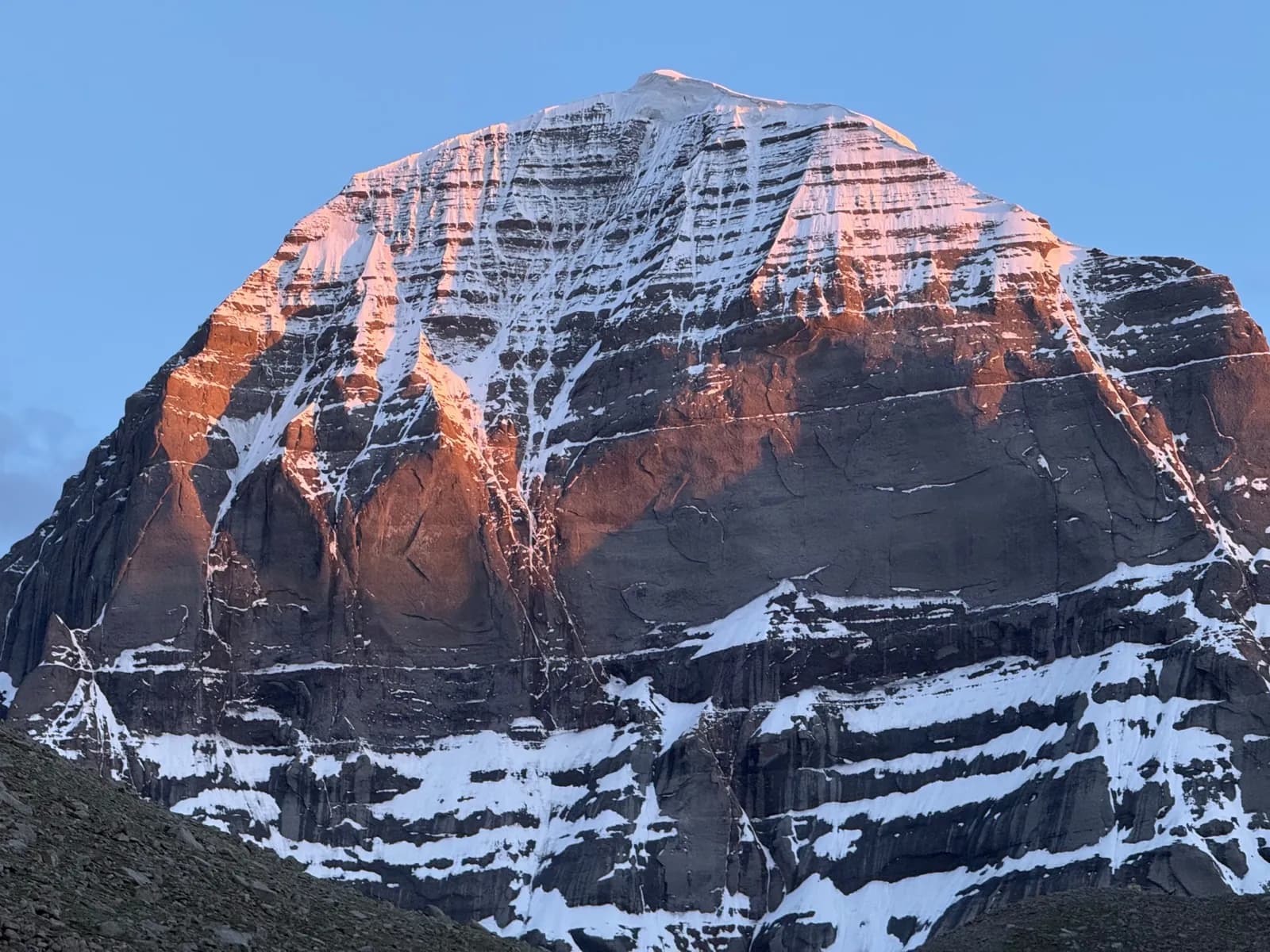
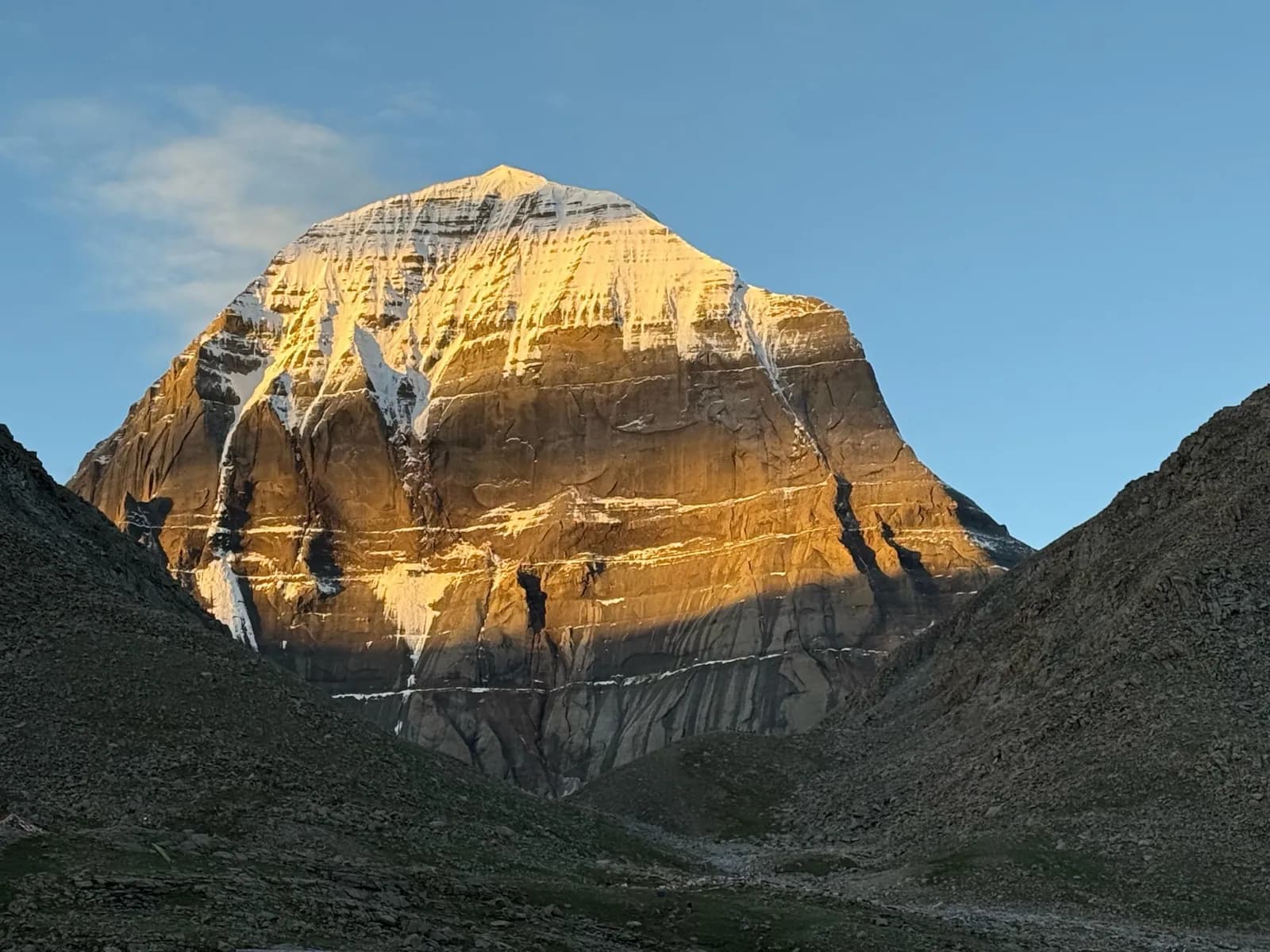
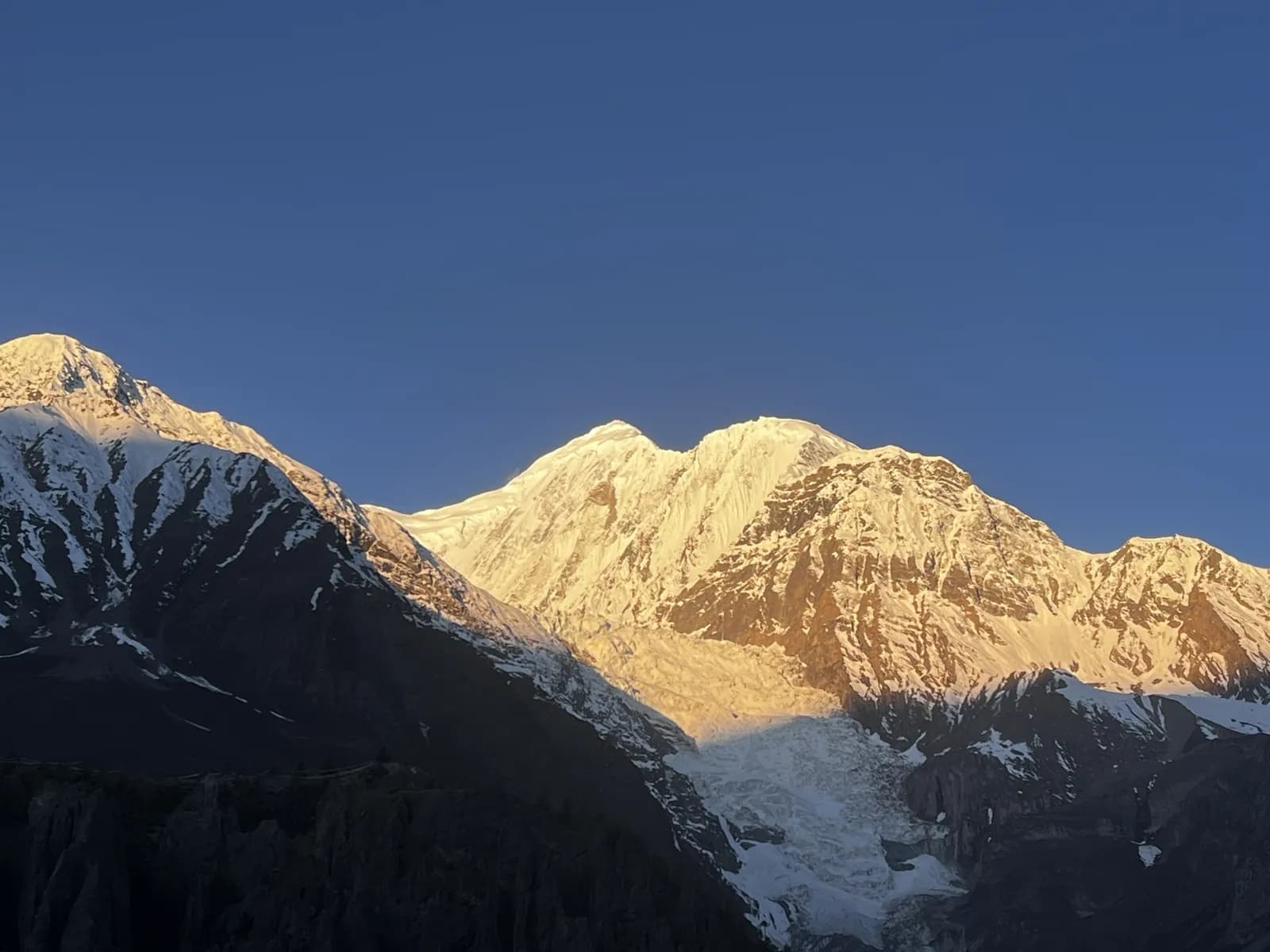
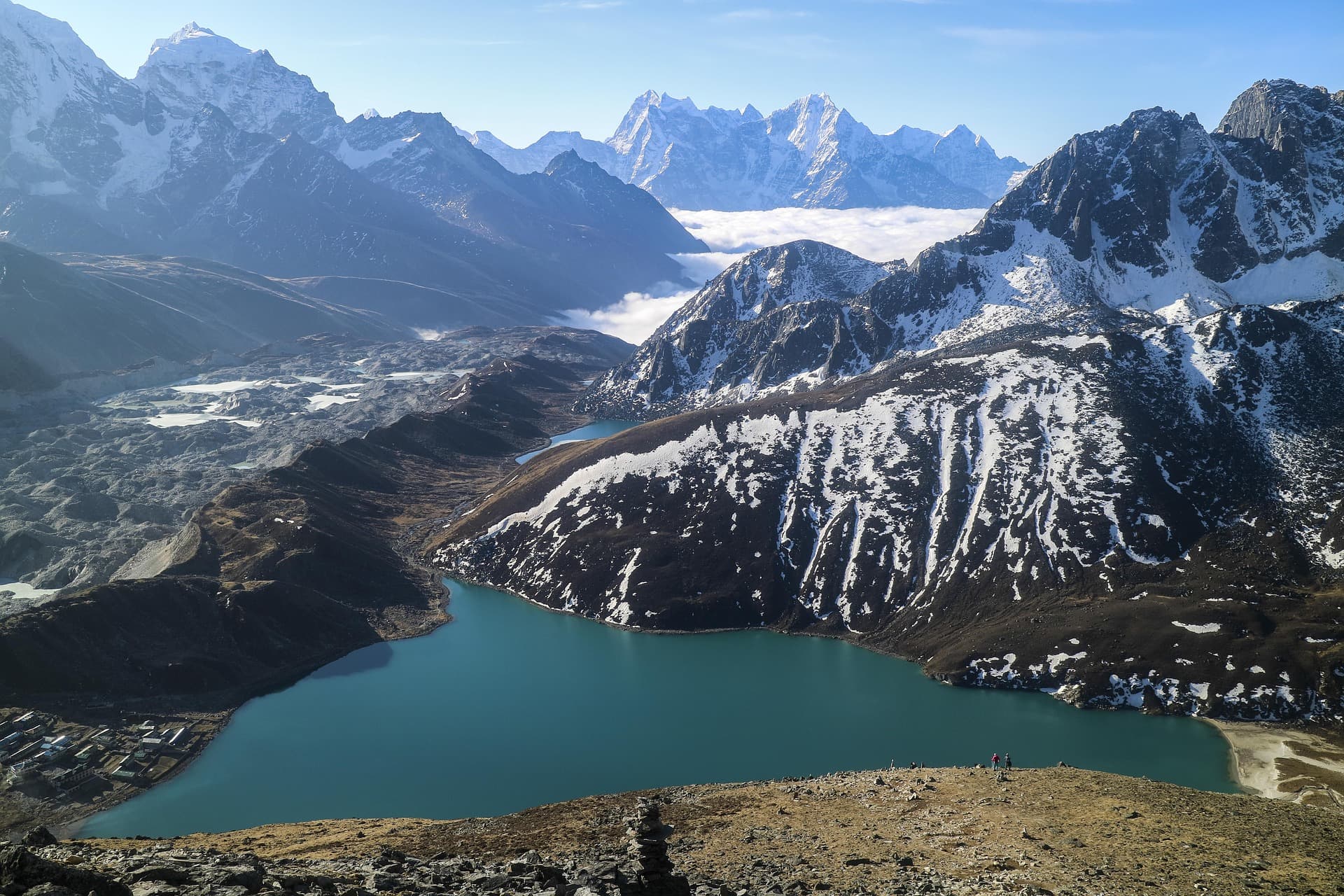
This is the main objective of the trek. You walk for four hours up the Kanchenjunga glacier to Pangpema at 5,143 m, where the entire north face rises three and a half vertical kilometres in front of you. You return to Lhonak to sleep.
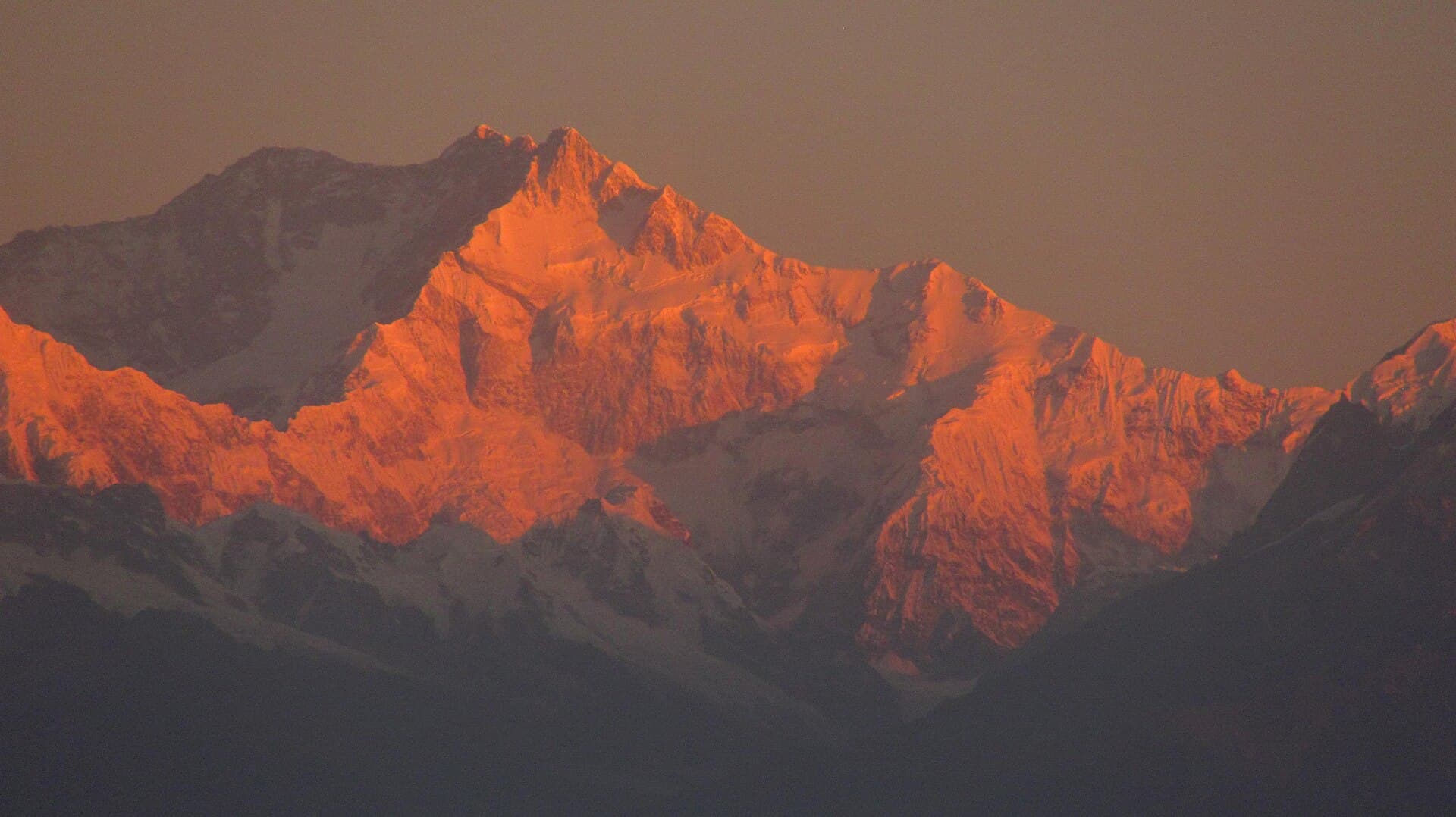
A long descent, covering the ground of two days in one, with breathing becoming easier as you lose height.
You leave the valley floor and climb through forest towards the pass, camping at a high site.
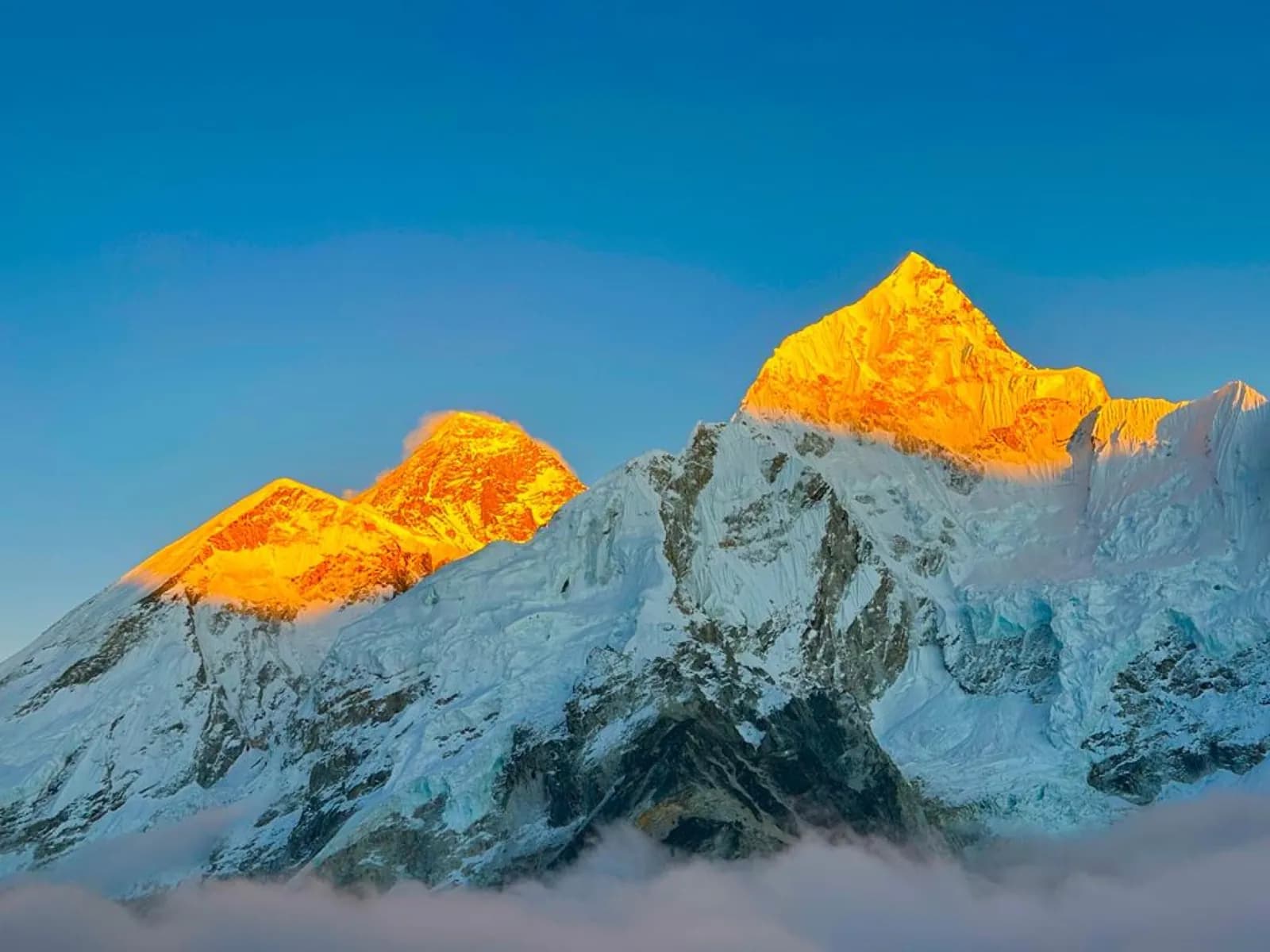
The pass crossing: a series of passes up to around 4,700 m, with Jannu, Makalu and Everest visible on a clear morning, followed by a long descent into the Simbuwa valley.
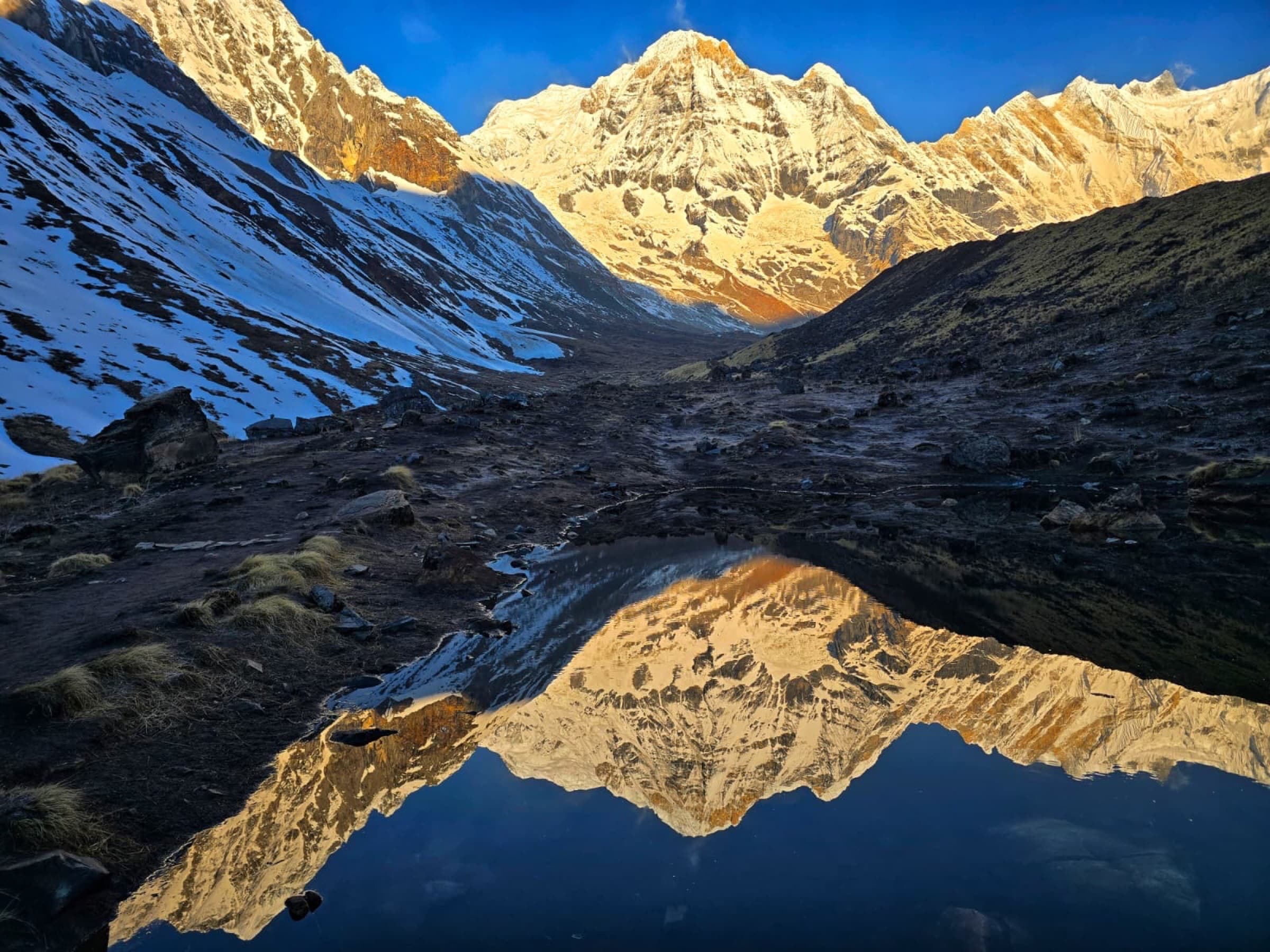
You walk up the Yalung valley to Ramche and continue to the Oktang viewpoint for the south face of Kanchenjunga.
You descend the Yalung valley back into forest, losing height quickly.
You leave the high country for farmland and reach the first village with a shop for several days.
Rolling hill country through Limbu villages and cardamom fields.
You descend to the river and follow it, on paths used daily by local people.
The last day of walking, back to the road head and a comfortable bed.
Depending on your dates, you either drive to Bhadrapur and fly west to Kathmandu, or travel the whole way by road. A farewell dinner in the evening.
We take you to the airport for your flight home. At four weeks, this is the longest trek we run.
Start date
18 Oct 2027
End date
14 Nov 2027
Available
10 places left
US $2,397
Per person
Start date
5 Apr 2027
End date
2 May 2027
Available
10 places left
US $2,397
Per person
Start date
3 Apr 2028
End date
30 Apr 2028
Available
10 places left
US $2,397
Per person
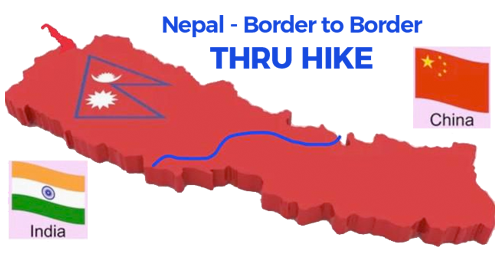
The trail from start to finish, at a glance.
Weight limits for four weeks
Your porter carries a strict maximum of 20 kg, shared between two trekkers. The flights to the east allow 15 kg, and bags are weighed. There is no shop after Taplejung on day 8, so you need to buy everything for the twenty-two days in Kathmandu. We provide the duffel bag and the sleeping bag.
This is a teahouse trek, and the teahouses are basic. On the approach, Hille and Taplejung have simple lodges. In the villages of the Tamur gorge, the teahouse is often part of a family home, with a plywood twin room, a shared long-drop toilet and meals cooked on the family stove. Ghunsa, where you spend two nights, has the best lodges on the route, and a bucket of hot water is available for a fee.
Khambachen and Lhonak have seasonal lodges, which are very basic, with twin rooms or a dormitory and no shower. On the Yalung side, after the Sele La, the lodges are again small and basic. Charging is limited and there is little or no wifi. Bring a warm sleeping bag for the whole trek.
| Where | Nights | Type | Room | Bathroom |
|---|---|---|---|---|
| Kathmandu | 3 | Three-star hotel | Twin or double | Private, hot water |
| Hille and Taplejung | 3 | Simple lodge | Twin | Shared |
| The Tamur gorge villages | 6 | Teahouse, often in a family home | Twin, basic | Shared, long-drop |
| Ghunsa | 2 | Teahouse, the best on the route | Twin | Shared, hot bucket for a fee |
| Khambachen and Lhonak | 4 | Teahouse, seasonal and very basic | Twin or dormitory | Shared, no shower |
| The Yalung side | 5 | Teahouse | Twin, basic | Shared |
Porridge, Tibetan bread, eggs, chapati, pancakes, tea or coffee
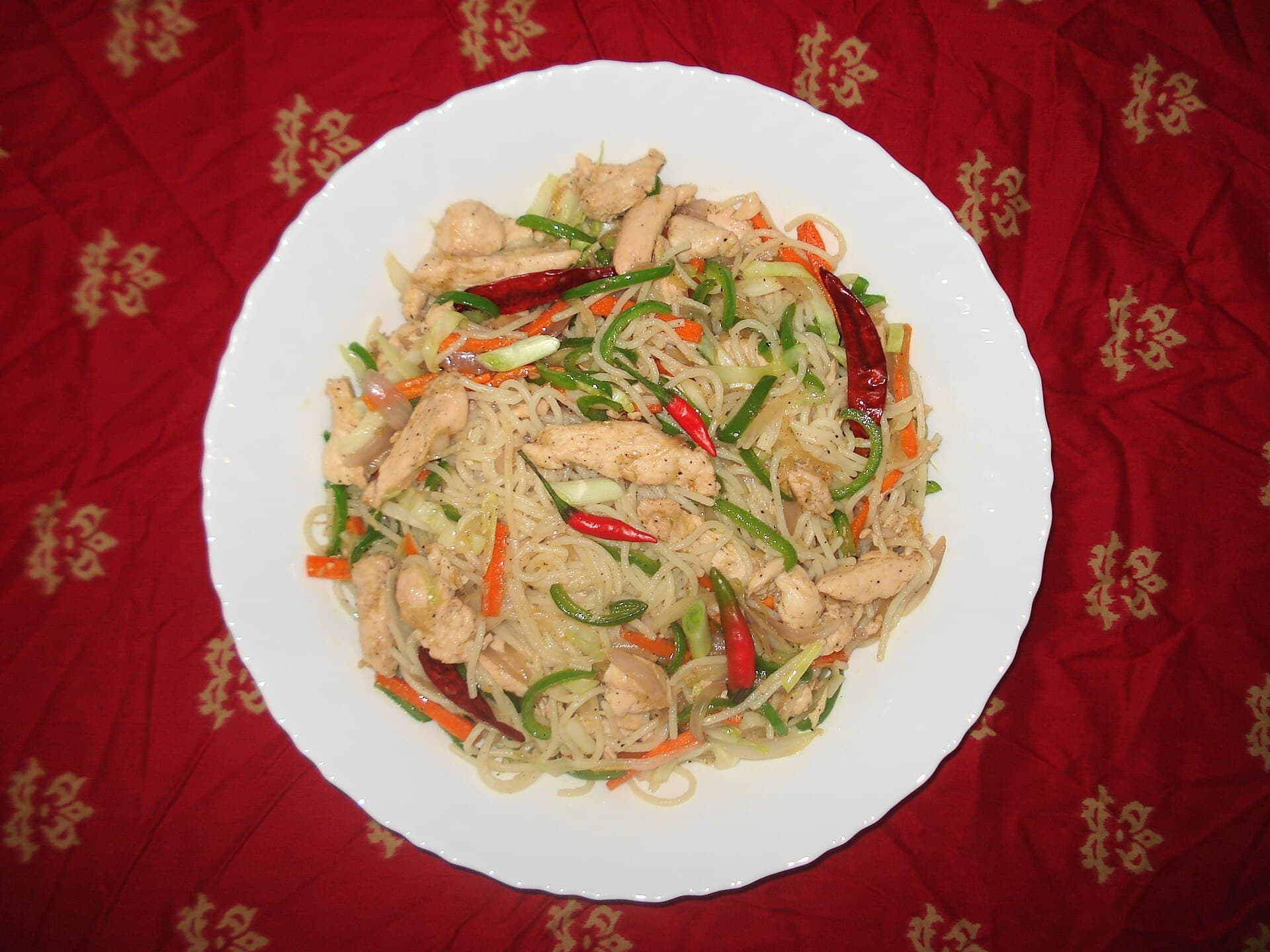
Dal bhat, fried rice, noodles, soup, momo, potatoes in every form

Dal bhat, pasta, thukpa, curry and rice, soup to start
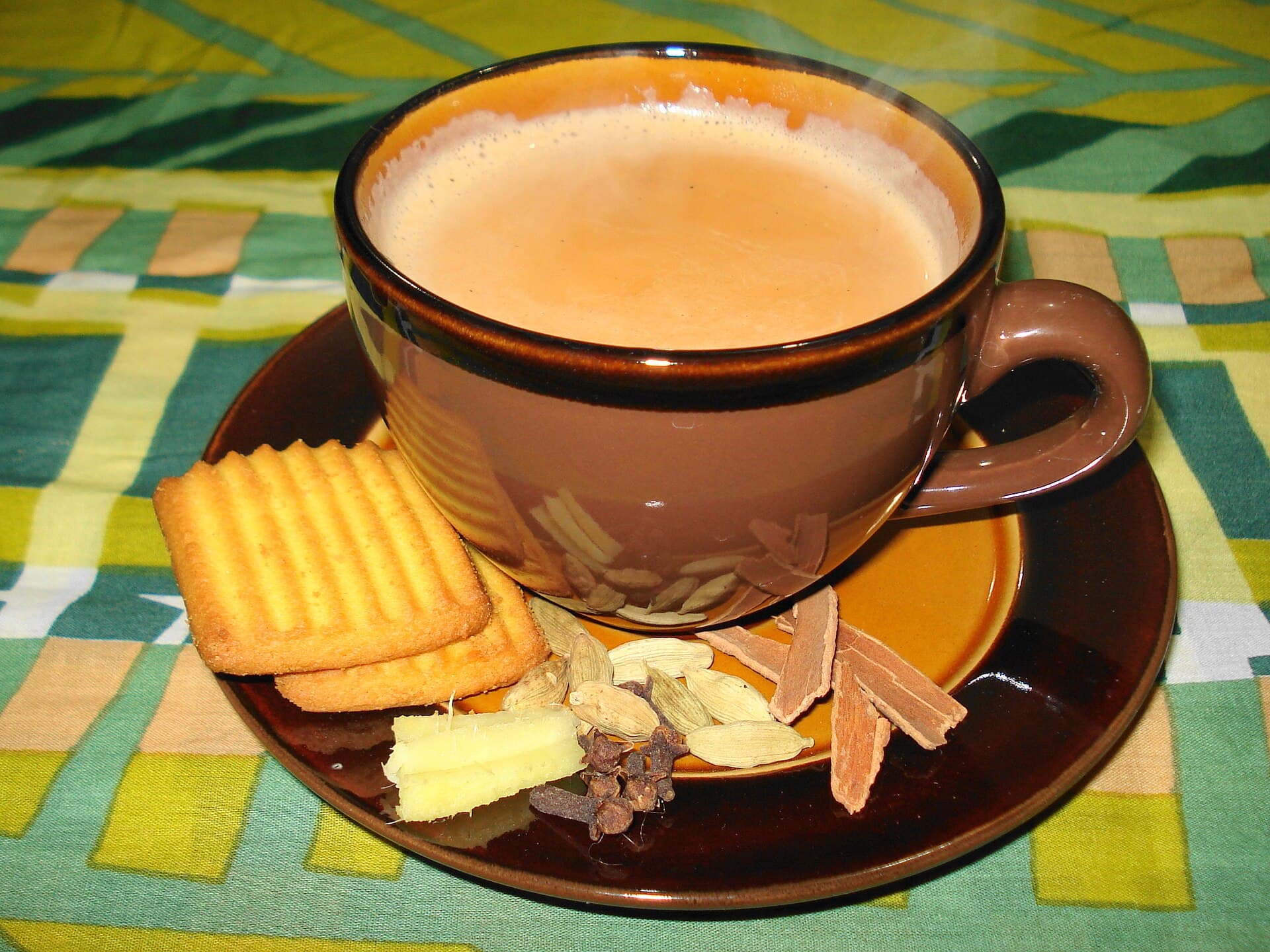
Black, milk, lemon, ginger or masala tea. Included at every stop.
6:00Tea served in your room, with a bowl of warm water to wash in
6:30Pack, and put the duffel outside your door for the porter
7:00Breakfast together in the dining room
8:00On the trail. The guide sets a slow, steady pace
12:00One-hour lunch stop at a teahouse on the route
13:00Two to four more hours of walking, depending on the day
15:30Arrive at the teahouse for tea, choose a bed, wash and rest if you need to
17:00Oxygen saturation and pulse measured and recorded
18:30Dinner, and a briefing from the guide on the next day
20:30Bedtime. At 4,000 m, most people are asleep before nine
Not technically difficult, but very long and very remote, lasting a month.
The altitude profile is gentle by Himalayan standards: eight days below 3,000 m before you begin to climb, then a steady rise to Ghunsa and a rest day at Khambachen. What makes Kanchenjunga demanding is not the altitude but the distance from help if something goes wrong. From Lhonak, Ghunsa is a hard day's walk and Taplejung is four days away. There is no aid post and no reliable landing site above Ghunsa.
Daily health checks
We record your oxygen saturation and pulse every evening above 3,400 m, and again on any morning you feel unwell.
Mild symptoms
We descend six hundred metres to Ghunsa, which has the best lodges and the only reliable communications on the route. Most cases are resolved here.
Serious symptoms
Descent is the only effective treatment, and on this route it takes days rather than hours. This is the trade-off you accept in return for the remoteness of the trek.
Helicopter evacuation
Helicopters can reliably reach Ghunsa, and Lhonak in good conditions, but Kathmandu is a long way to the west, so evacuation is not quick. The cost is $4,000 to $6,000, higher than in the Khumbu, and the helicopter will not fly without a payment guarantee.
Fitness and altitude are unrelated
This is the thing people get wrong most often. Training makes the walking easier and does nothing for how your body handles thin air. Strong young trekkers get altitude sickness and unfit older ones frequently do not. Go up slowly, and say something the first time your head hurts.
A government-licensed guide with wilderness first aid training leads every departure, and one porter carries for every two trekkers. For groups of 7 or more trekkers a second guide joins, so nobody is left alone at the back of the group. Our guides come from the hill regions they lead you through.
Each porter carries a maximum of 20 kg, which is your duffel bag and one other. This is below the 25 kg limit set by the trekking association and well below the loads you will see on the trail. If your bag is over the limit, the load is split rather than added to. Porters carry luggage, not daypacks: your water, camera, jacket and snacks for the day stay with you.
Salary, insurance, food and accommodation for every guide and porter are included in the price you pay, and are never collected on the trail. Every member of the team is insured for altitude and for helicopter evacuation on the same terms we ask of you. Porters in this industry have long been expected to carry too much, in unsuitable footwear, for very low pay. We include fair pay and insurance in the package price so that our trips do not contribute to this.
Tipping is customary but not compulsory, and it never replaces wages. The usual amount for this trip is $300 to $450 per traveller for the whole team, given together on the last evening rather than daily. Your guide will not ask for a tip, and would prefer that you do not hand it over in front of the group.
A traveller drinking bottled water uses around 60 plastic bottles on this trip, and every one of them has to be carried in and carried out again. Boiled water is available at every lodge for one or two dollars a litre, and we ask you to buy that instead. Bring purification as a backup rather than as your main supply.
We carry out everything we bring in that is not food. The Kanchenjunga Conservation Area has a rubbish problem that it did not create and cannot solve alone, and every operator should avoid adding to it.
The lodges are family businesses in the villages you pass through. The guides and porters live in this district. The conservation area is managed by a council of local user groups rather than by the government, which is unusual in Nepal, and the permit money stays in the district. Almost all of what you pay is spent within a few days' walk of the trail. This is a strong reason to book with a Nepali operator rather than a foreign company, many of which subcontract to local operators such as us.
Ask before photographing anyone. When you meet a mule train, stand on the mountain side of the trail, away from the drop, and let it pass. Monasteries welcome visitors, but they are places of worship rather than tourist attractions: remove your hat and shoes, and if a service is taking place, wait.
Email us with your dates and tell us about your previous trekking experience. This is a restricted area, so we need passport scans early. As the trek lasts four weeks, we would like to discuss its length with you openly before you pay a deposit.
A deposit of 30 per cent holds your dates, and the balance is paid when you arrive in Kathmandu, in cash or by card. At the same time, we ask for a copy of your passport, your insurance certificate and any dietary or medical information.
You can pay by bank transfer, or by card through a secure link. Card payments carry the bank's fee of about 4 per cent, which we show you before you pay. The balance in Kathmandu can be paid in US dollars, pounds, euros or Nepali rupees.
If you cancel more than 30 days before departure, the deposit can be transferred to any other date or trip we run, with no time limit. Within 30 days of departure the deposit is retained, because the permits, flights and crew are booked by then. If we cancel for any reason other than weather, you receive a full refund.
Both cost the same for a party of five or more. A private departure runs on your dates at your pace and can be arranged for one person. A group departure runs on the dates in the table above. Most travellers book privately, at no extra cost.
We need at least six weeks' notice, and three months is better. The restricted area permit is issued for named passports on working days only, and there are few flights to the east.
Excellent planning and trip for entire family
April 2023, Tripadvisor
We are a family of four traveling in Nepal - 2 adults and 2 kids (11, 14). We planned 10 days with Earthbound Expeditions to explore Nepal for the 1st time. The trip's execution was flawless and each day was a new adventure for the whole family. We experienced trekking, rafting, touring the jungle, exploring and relaxing with the most professional and knowledgable guides and were in touch daily with Rajan, the company's owner to make sure all is going well. Altough we were there for a short time and our plan was full, in no way did we feel rushed but were able to take it all in a relaxed place. אנחנו משפחה של 4 - שני הורים ושני ילדים בני 11 ו 14. יחד עם חברת Earthbound Expeditions תכננו ביקור ראשון בנפאלץ. הטיול בפועל היה ללא רבב וכל יום היה הרפתקה חדשה לכל המשפחה. חווינו טרקים, ראפטינג, ג׳ונגל, וגם קצת בטן גב באופן המקצועי ביותר עם מדריכים מקומיים וכל יום היינו בקשר עם בעל החברה לבדוק שהכל בסדר. אמנם הטיול היה רק 10 ימים והתכנית מאוד מלאה לא הרגשנו שמזרזים אותנו או לחוצים בזמן בכלל.
Family Nepal tour and himalayan hike with young children
April 2023, Tripadvisor
We have just arrived back from an absolutely fabulous 2 week family holiday in Nepal. This was my 4th time in this incredible country but my 1st time since I had children. I have been here as a solo traveller, with parents and also on my honeymoon, and every time I have used Rajan and Earthbound Expeditions. In fact I would never use anyone else. I completely trusted Rajan to create an itinerary perfect for my family. We have 3 children aged 9, 7 and 5, and Rajan didn't disappoint, providing a varied and interesting itinerary, which would be achievable for all the children. In the 2 weeks we toured Kathmandu, went white water rafting on the Trishuli River, visited the beautiful Newari town of Bandipur, did a 4 day trek in the Annapurna Himalayan range, spent time in lovely Pokhara and last but not least went on a jungle safari in Chitwan National Park. We all loved every part of the holiday, enhanced by Rajan always providing such excellent and professional guides. Namaraj, who was with us from the Kathmandu tour to the end of the trek was first class, and we were joined on the trek by Som and Robindra as porters and also extra help for the children, and the kids loved them! I think the highlight was making dance off videos with them for TikTok! Rajan remained in contact throughout the whole 2 weeks. When we decided that the drive from Pokhara to Chitwan was a bit too much for the children (a little bumpy and slow going at the moment whilst they upgrade the roads), he very quickly booked us onto flights. He also changed a hotel for us at the last minute because we thought it would be nice to reward the children with a pool after they had done so well on the trek. Overall I have nothing but positive things to say about our experience, both of Rajan, Earthbound Expeditions, and Nepal in general. It may not seem like an obvious family destination, however the people were incredible with the children, the experiences are life enhancing for the children, and even on the trek there are always food options, even for fussy children albeit basic. It is very accessible and children and parents alike will never be bored with the wealth of experiences to be had here. As their tourism slogan goes, Naturally Nepal once is not enough. Our family will definitely be back. We might even tackle Everest Base Camp next time!
Nepal tour 2023 , religious , fun and more
April 2023, Tripadvisor
While my husband was trekking EBC , I sought Rajanji ‘s help to tour Nepal from Muktinath , Pokhara, Lumbini , Kathmandu and Janakpur. We culminated our Himalayan adventure with an Everest heli tour. Rajanji helped organize a very complex program elegantly. We enjoyed perfect stays at all locations, had the able help of your guides at all places. Sightseeing and stays, food and fun was well organized and we had an amazing experience
Brief tour with reluctant teenagers!!
April 2023, Tripadvisor
Our second time in Nepal after a 15 year break. The people remain beautiful and friendly and the scenery absolutely beautiful. Our organisation, transport and guides were all seamless and made travelling a pleasure. The accommodation was first rate and if you have a few spare pennies (actually a lot) then a stay at the Dwarikas Hotel in Dhulikhel is a once in a lifetime treat. Meeting Badri in person has inspired us to go for the base camp trek in 2 years. Badri and all his team are absolute exceptional. One final tip….leave the teens at home 😱🤔😂
Answers to the 6 questions travellers ask us most often. If your question is not here, contact us and we will answer it.
We grade it Strenuous. You reach about 5,143 m, so the main challenge is the altitude rather than technical climbing. Rest days are built in to help you adjust, and a good level of everyday fitness is enough to enjoy it. Tell us about your experience when you enquire and we will give you an honest assessment of whether the trip suits you.
The best time to go is spring and autumn (April to May, and October to November), when the weather is most settled and the views are clearest. We also run the trip outside these months on request. Ask us and we will tell you what to expect.
Groups are small. Many of our trips run for just one or two people, and we keep group sizes low so that the pace suits you and your guide has time for everyone. You can also book the whole trip privately.
A 30% deposit, about $719 on this trip, holds your place, and the balance is due before you travel. You can change your dates free of charge up to 60 days before departure.
Yes. We arrange all national park fees and trekking permits for this route, and they are included in the price. You need a valid passport and a Nepal entry visa, which you can obtain on arrival.
Every itinerary can be adjusted to suit your dates, your pace and the time you have. If you would like extra rest days, a different start, or to add another region, tell us and we will plan the trip around you.
Didn't find what you were looking for?
Search every word on this page, or ask somebody who has walked the route.
28 days
$2,397 per person