Breakfast
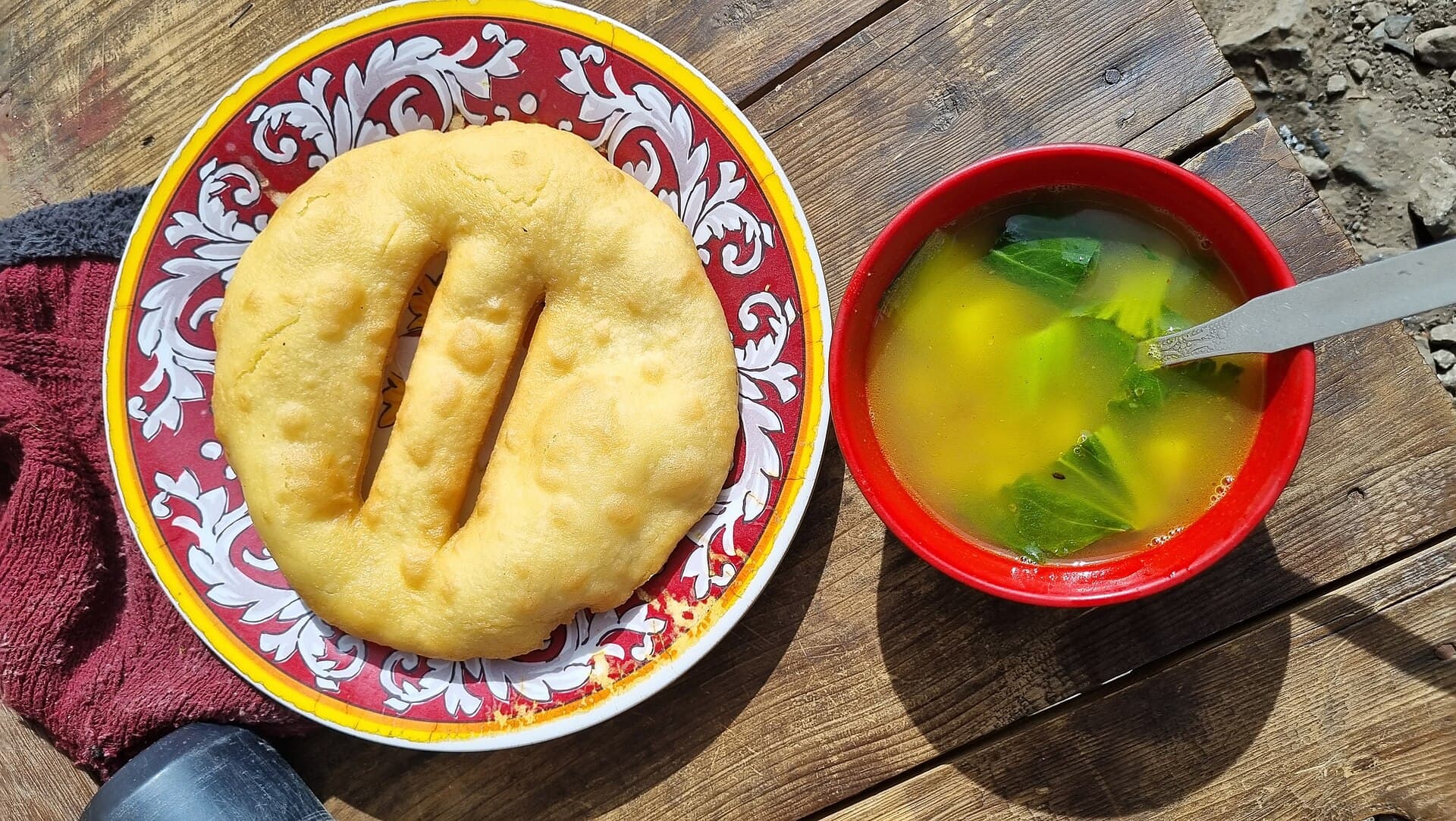
Porridge, Tibetan bread, eggs, chapati, pancakes, tea or coffee
The closest Himalayan wilderness to Kathmandu: glacier valleys, yak pastures and Tamang hospitality within a short drive of the city.
Update, September 2026: the August 2026 flood damaged the road through Syabrubesi, the usual start of this trek. We confirm the road and the starting point when you book.
The closest Himalayan wilderness to Kathmandu: glacier valleys, yak pastures and Tamang hospitality within a short drive of the city.
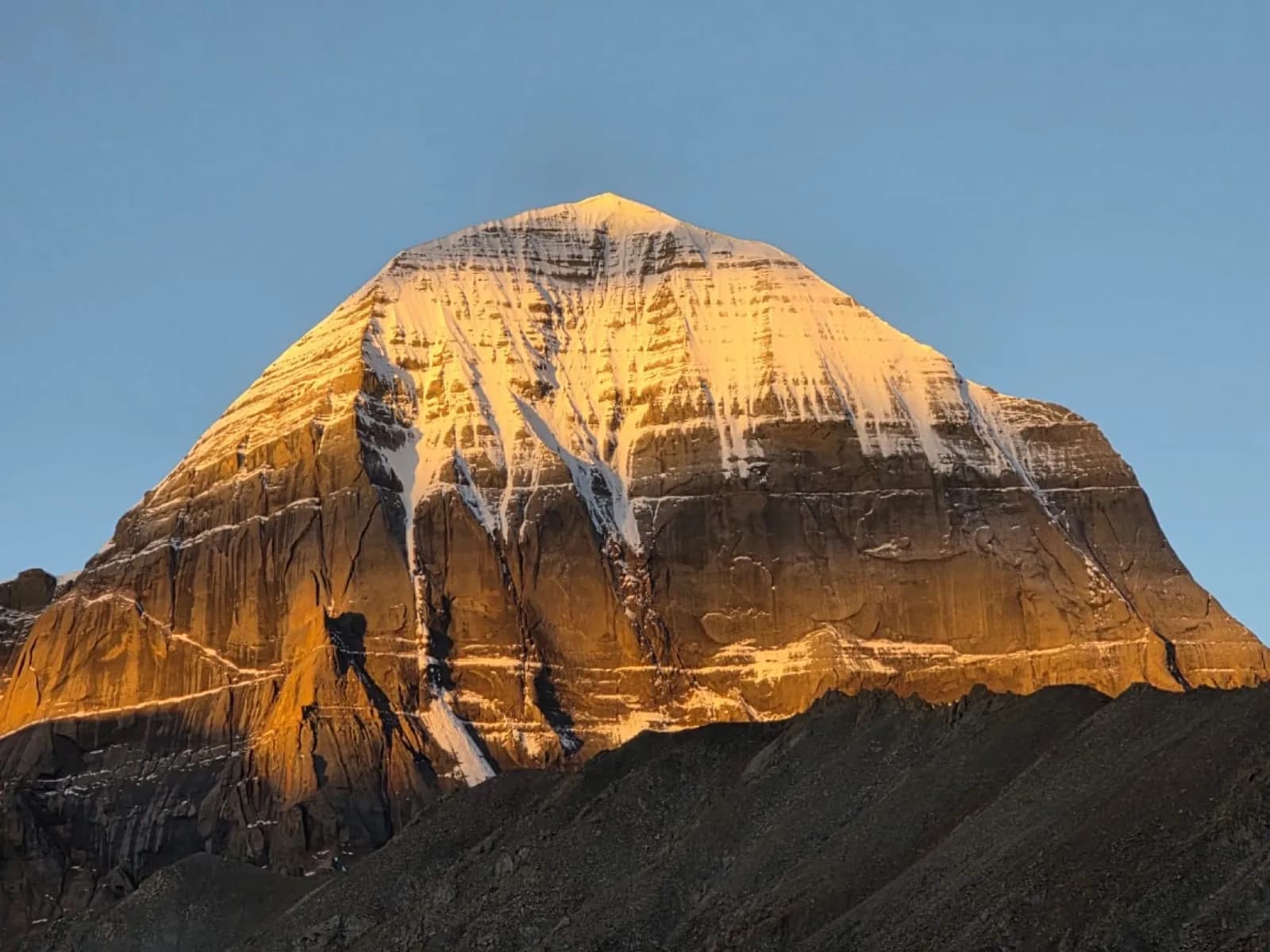
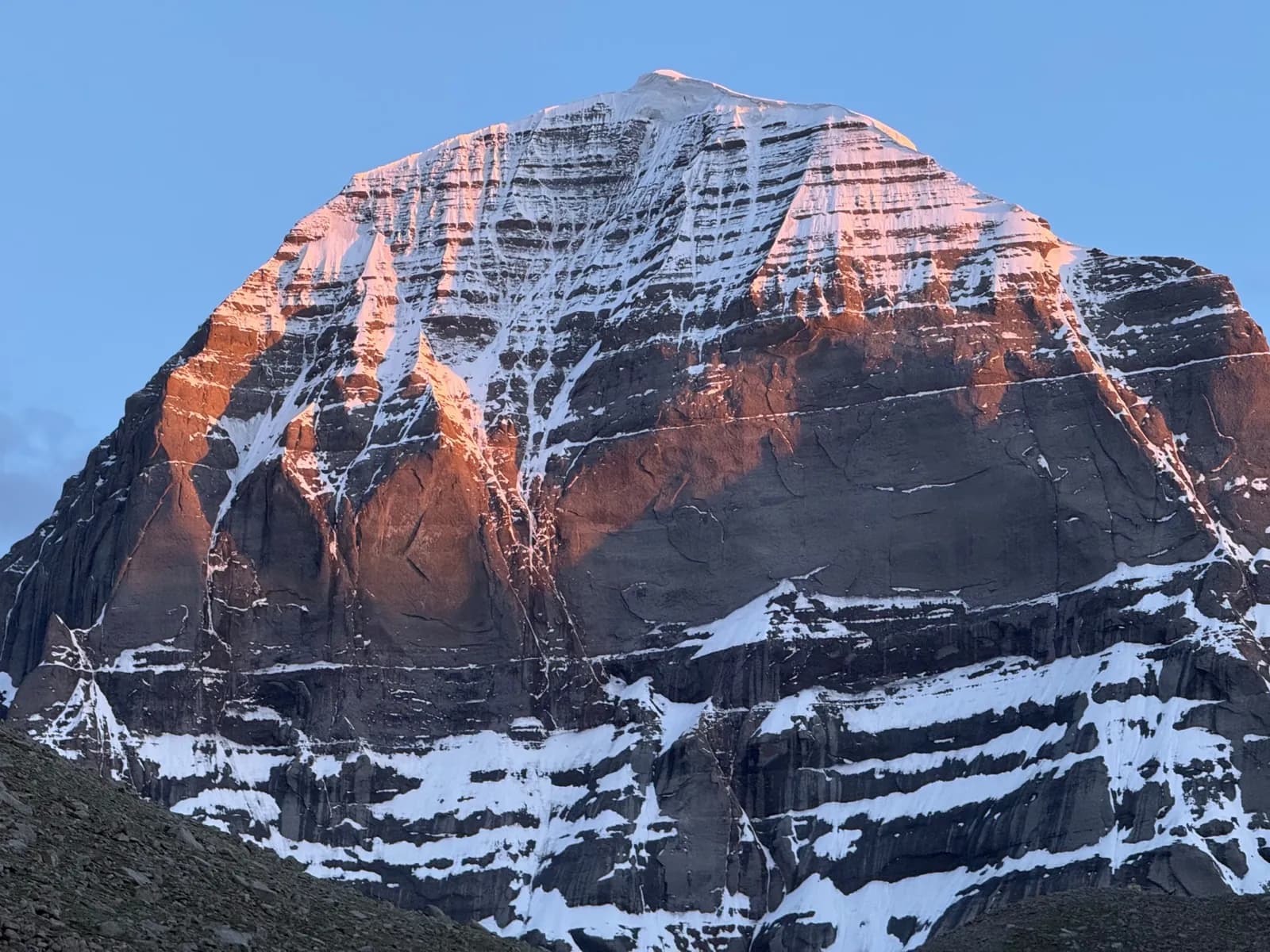
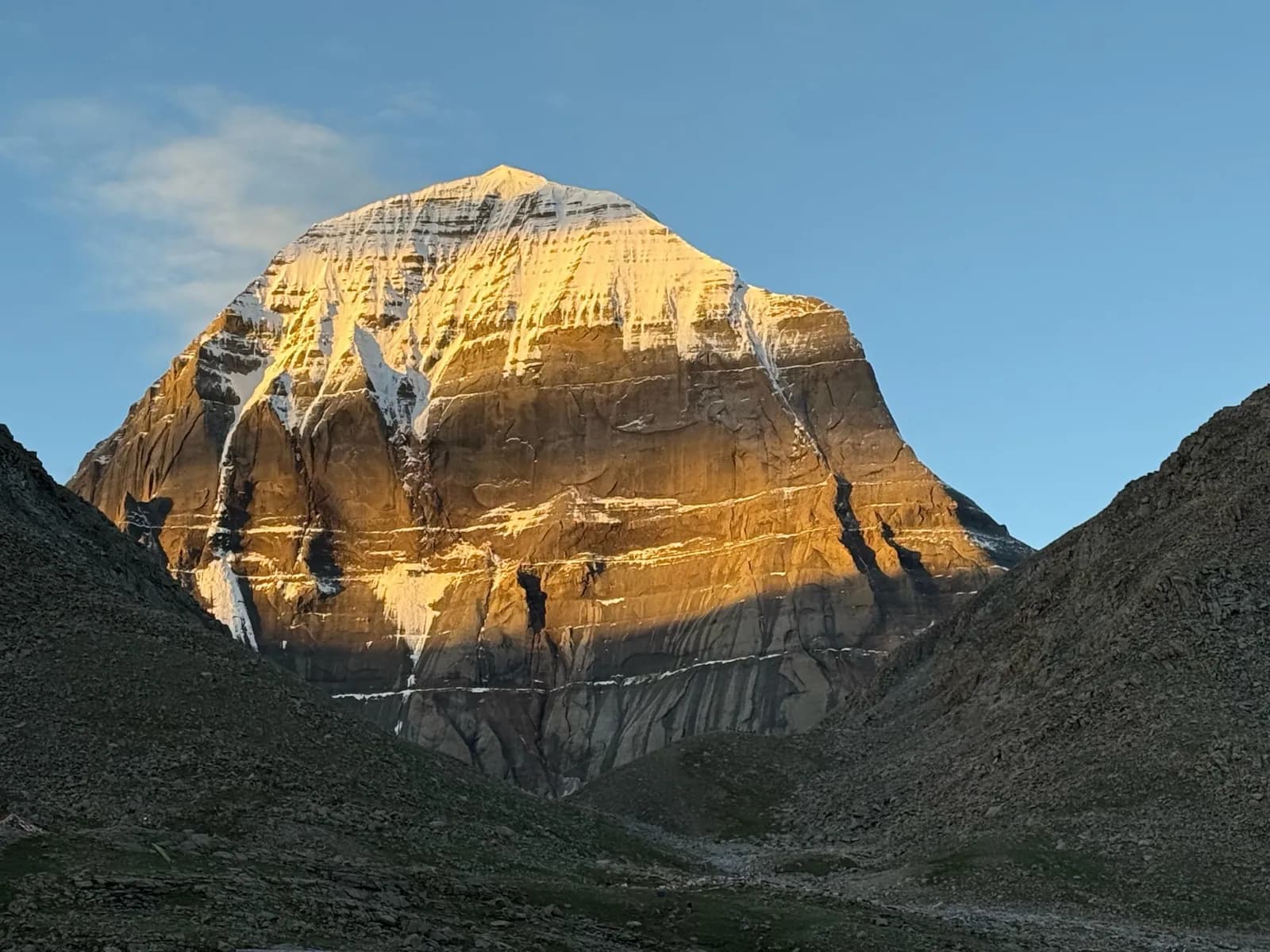
Langtang is the nearest Himalayan valley to Kathmandu, and the shortest route from a capital city to a glacier anywhere in Nepal. You drive north for seven hours to Dhunche, walk for four days up a forested gorge into an open yak-grazing valley at 3,800 m, and reach the foot of Langtang Lirung at 7,227 m. There is no flight and no complicated acclimatisation schedule: the valley climbs steadily until you are above the treeline.
On 25 April 2015 the earthquake triggered an ice and rock avalanche from Langtang Lirung onto Langtang village, killing over three hundred people: villagers, guides, porters and trekkers. The old village lies under the debris and is now marked by a memorial and by mani walls carved with the names of the dead. The surviving Tamang families rebuilt the village a short distance away, largely with income from trekking. Trekking here directly supports the valley, and we ask you to pass the memorial quietly and respectfully.
This trek suits travellers with less than two weeks, or anyone who wants a first Himalayan trek without a mountain flight. It is the least expensive trek in our catalogue and one of the easiest, but it is still a full Himalayan trek: Kyanjin Gompa lies in a high valley with glaciers at its head, and the day hike up Tserko Ri at 4,984 m goes higher than Annapurna Base Camp. Families take this trek, as do people who want to find out how they cope with altitude before committing to Everest.
At Kyanjin Gompa the climb up the valley ends and the day hikes begin. Kyanjin Ri, at 4,770 m, is a two to three hour climb behind the village. Tserko Ri, at 4,984 m, is a longer and harder day to the east, up the valley, and has the better view: a full panorama of Langtang Lirung, Dorje Lakpa and the peaks on the Tibetan border. Our itinerary includes a day for one of them, and if you are feeling strong you can do both by adding a night.
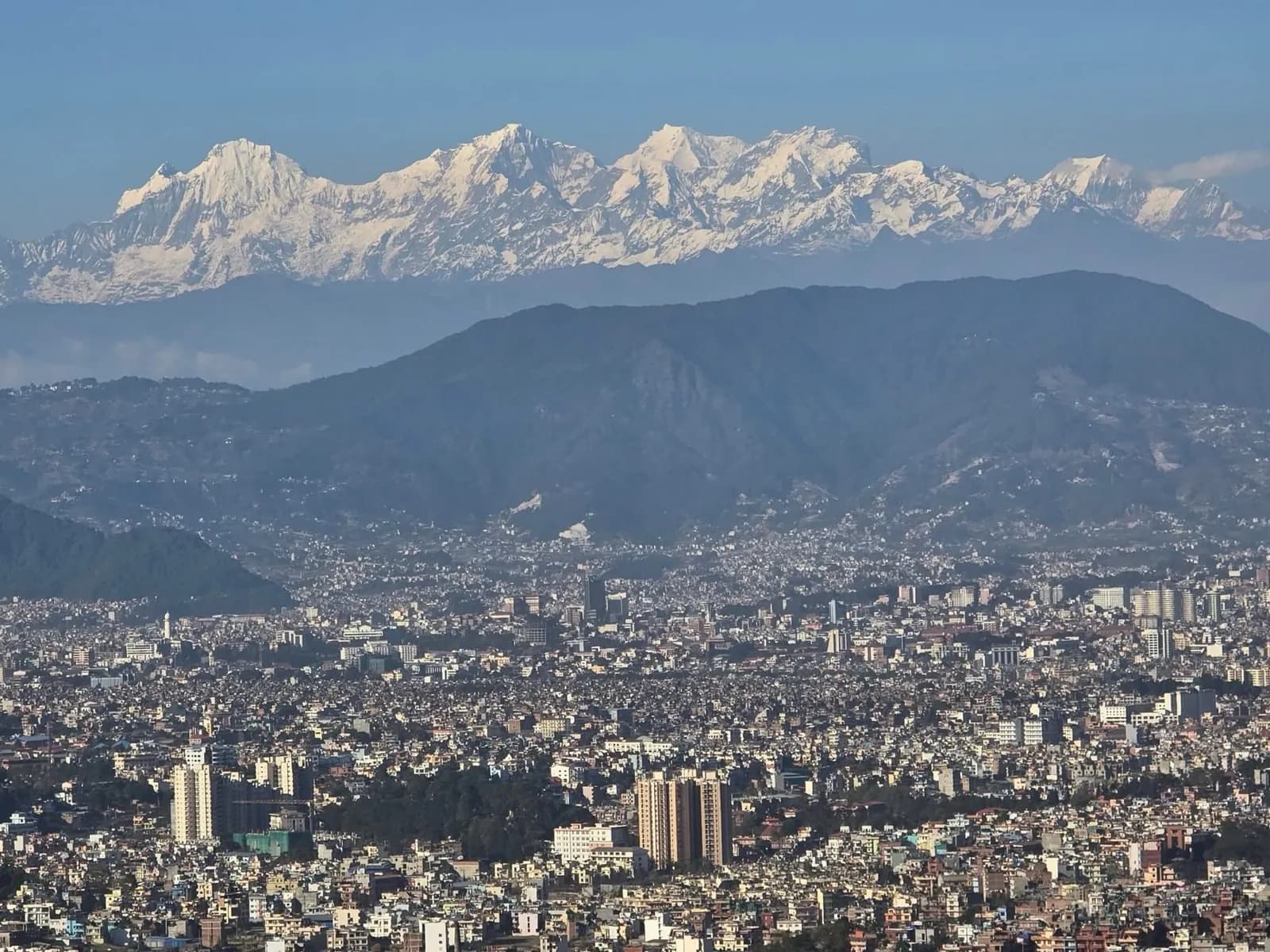
A representative meets you at Tribhuvan International Airport and transfers you to your hotel. In the evening you can rest, and we give you a briefing about the trek.
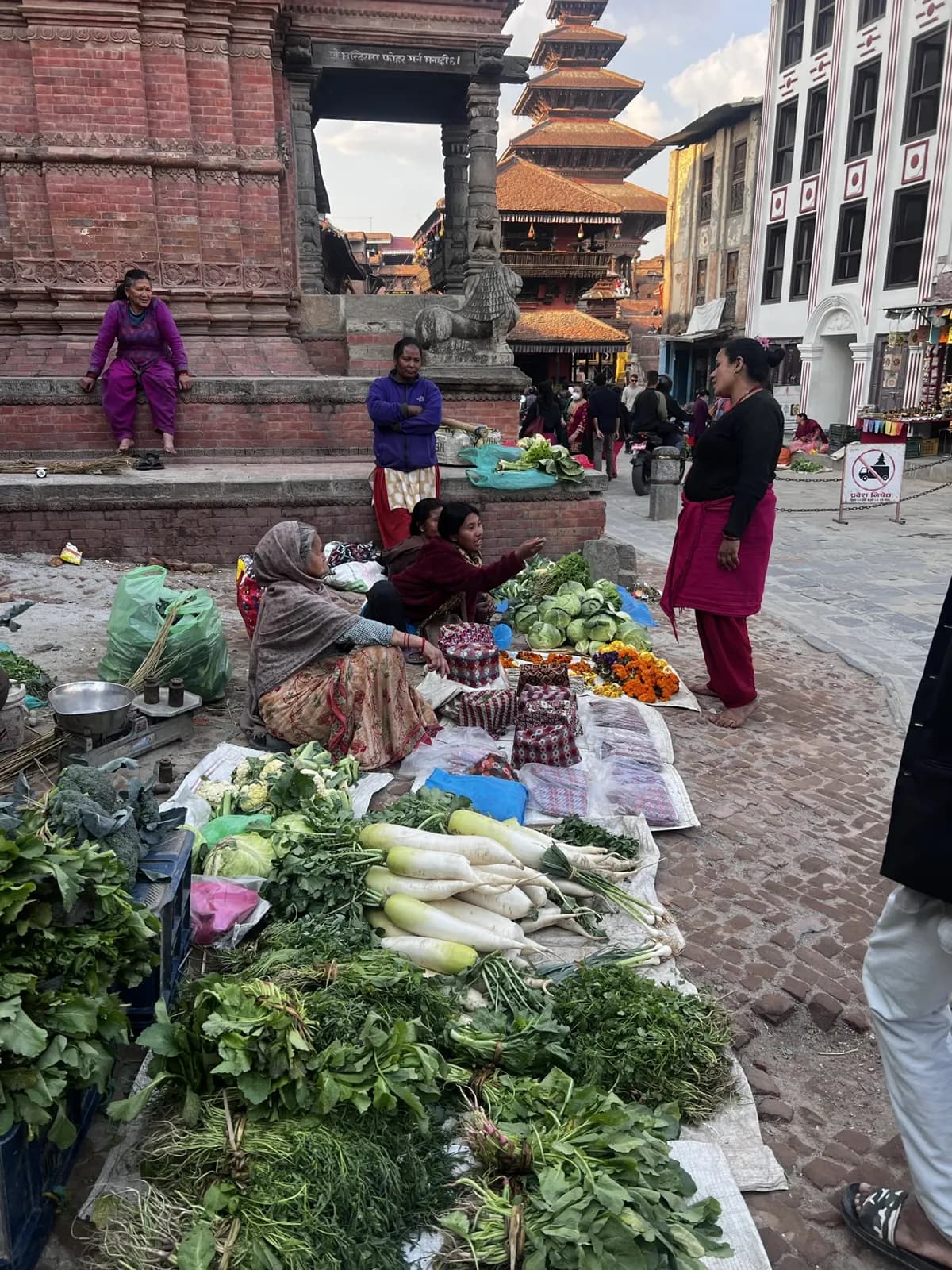
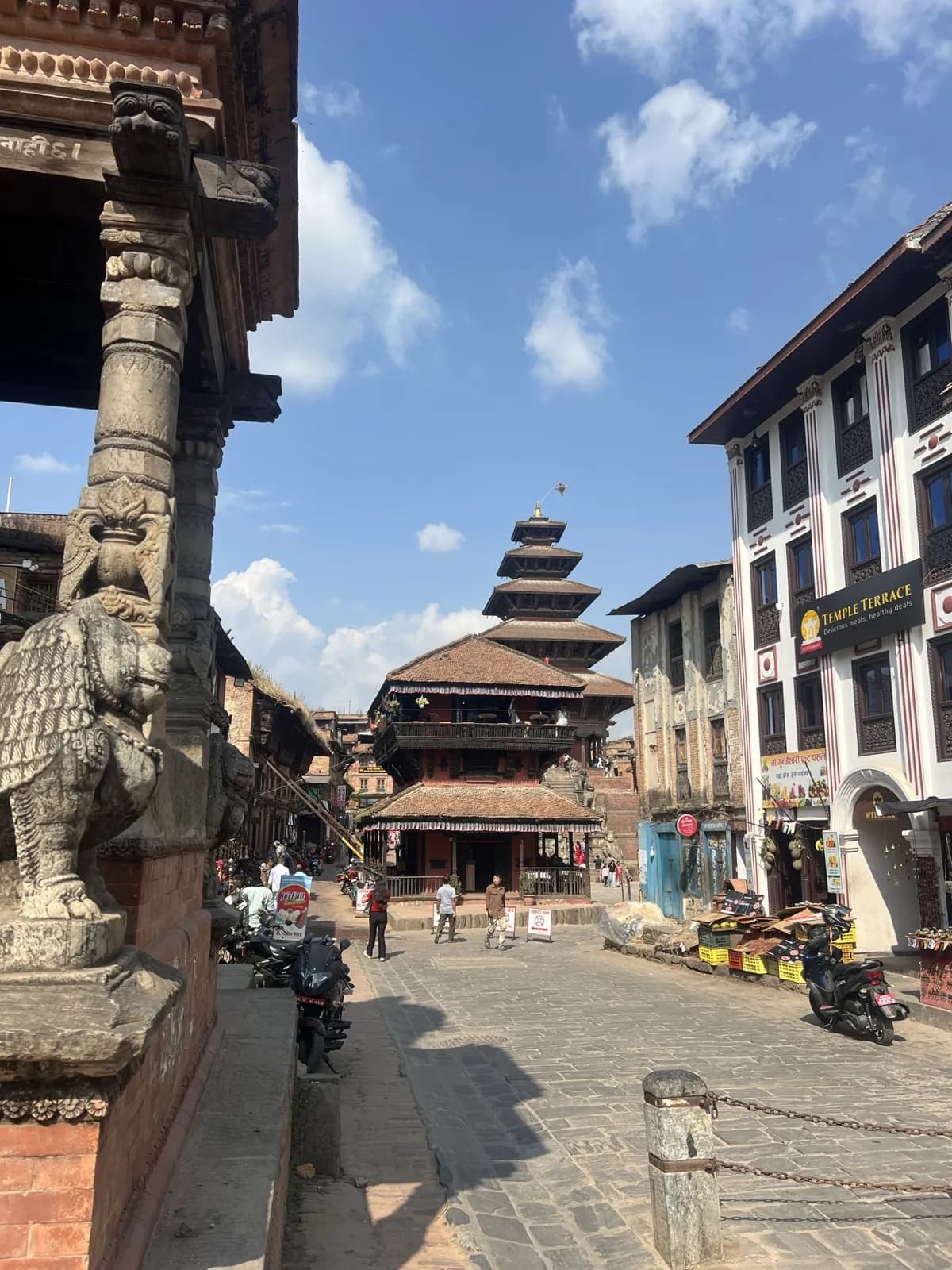
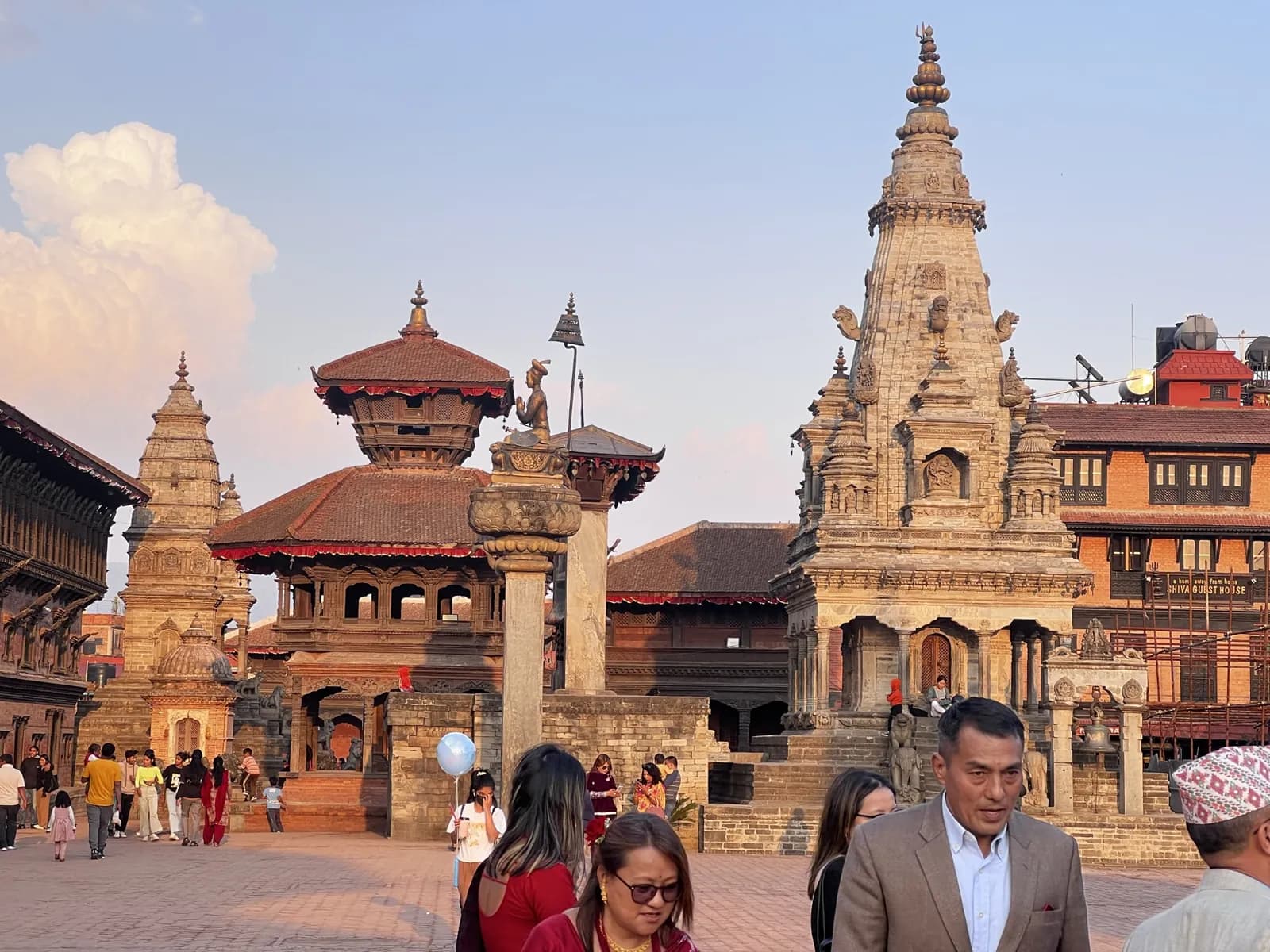
After breakfast, you visit UNESCO World Heritage Sites including Swayambhunath, Pashupatinath, Boudhanath and Patan Durbar Square. The day covers Buddhist stupas, sacred Hindu sites and medieval royal palaces.
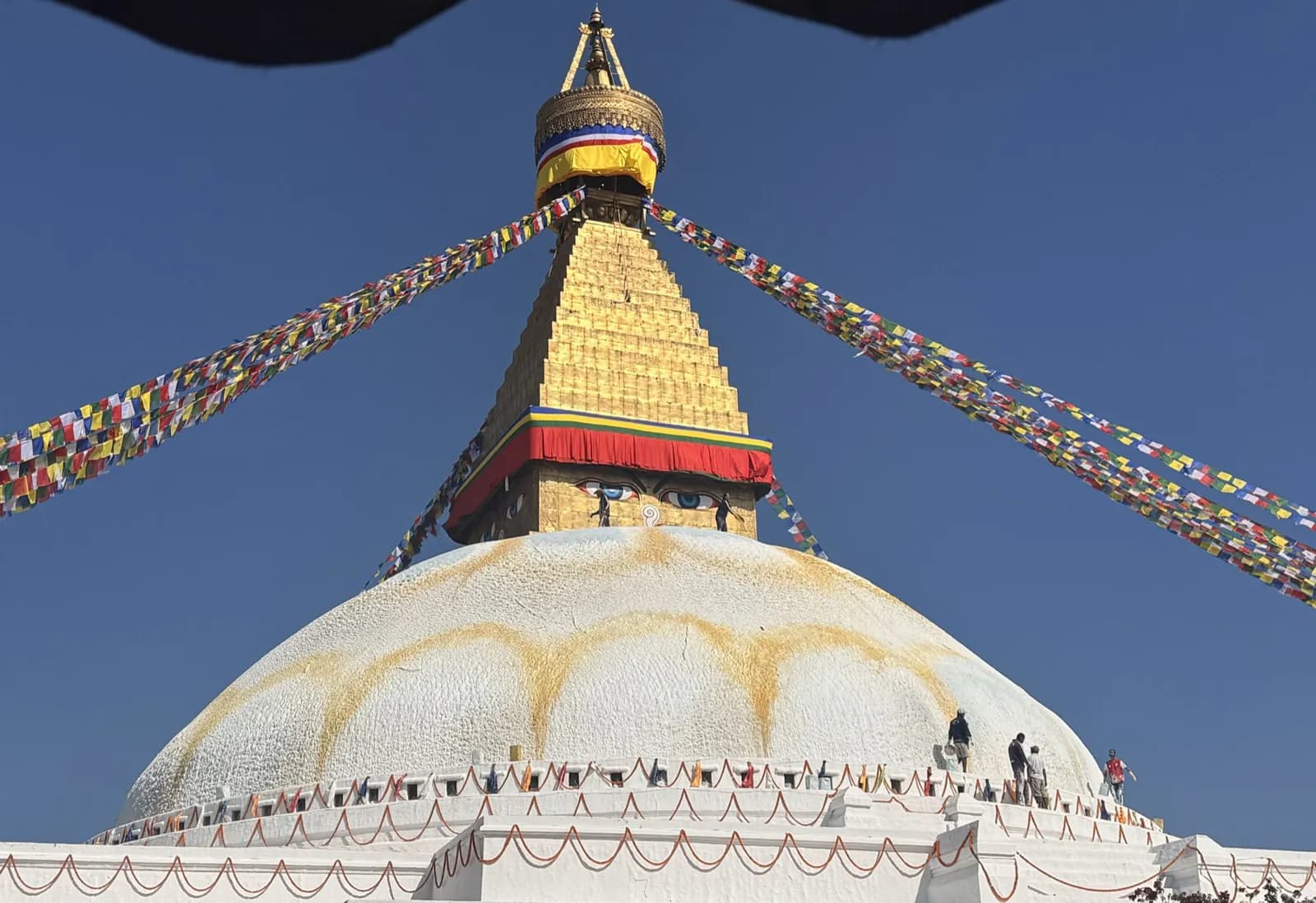
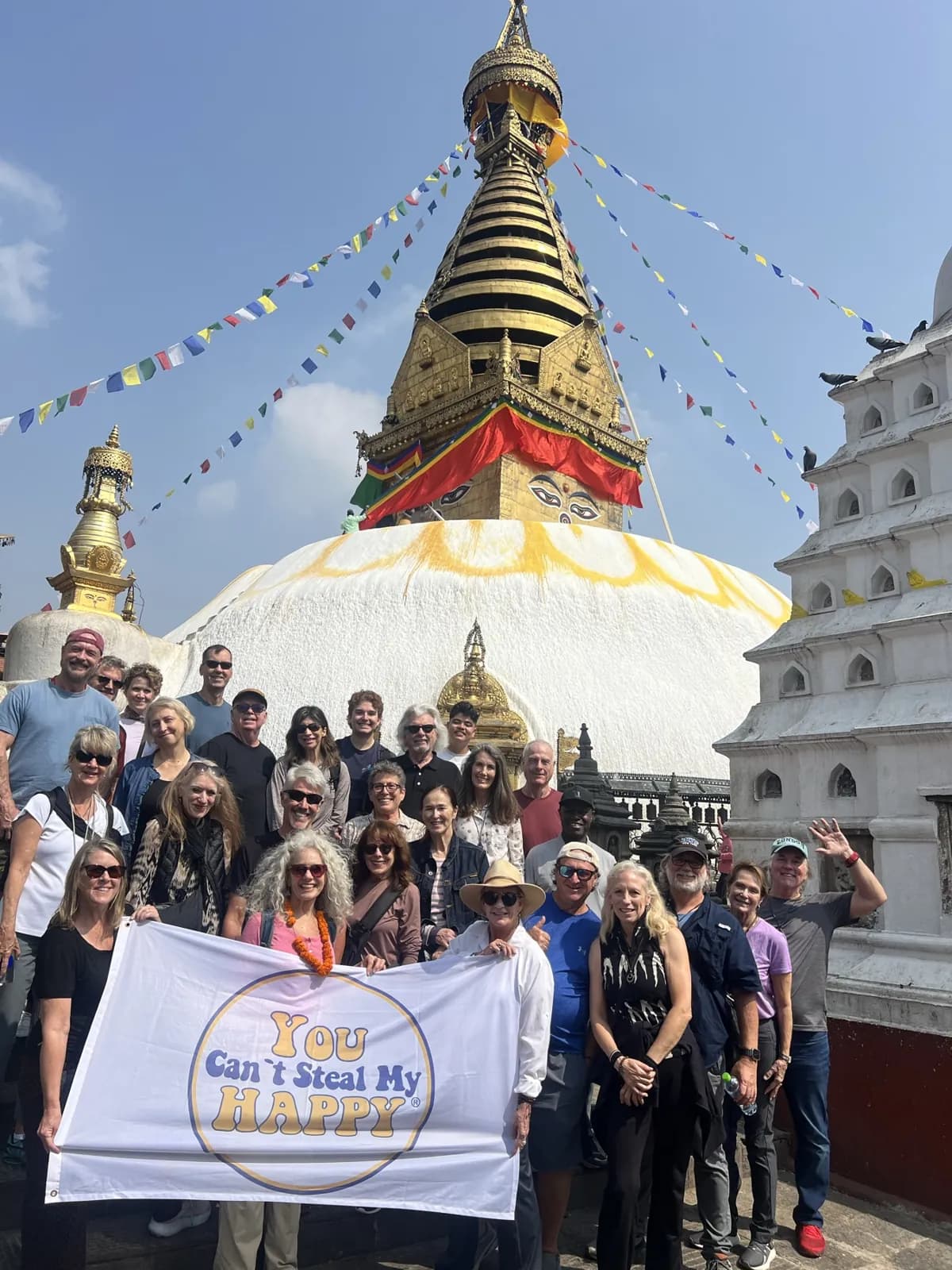
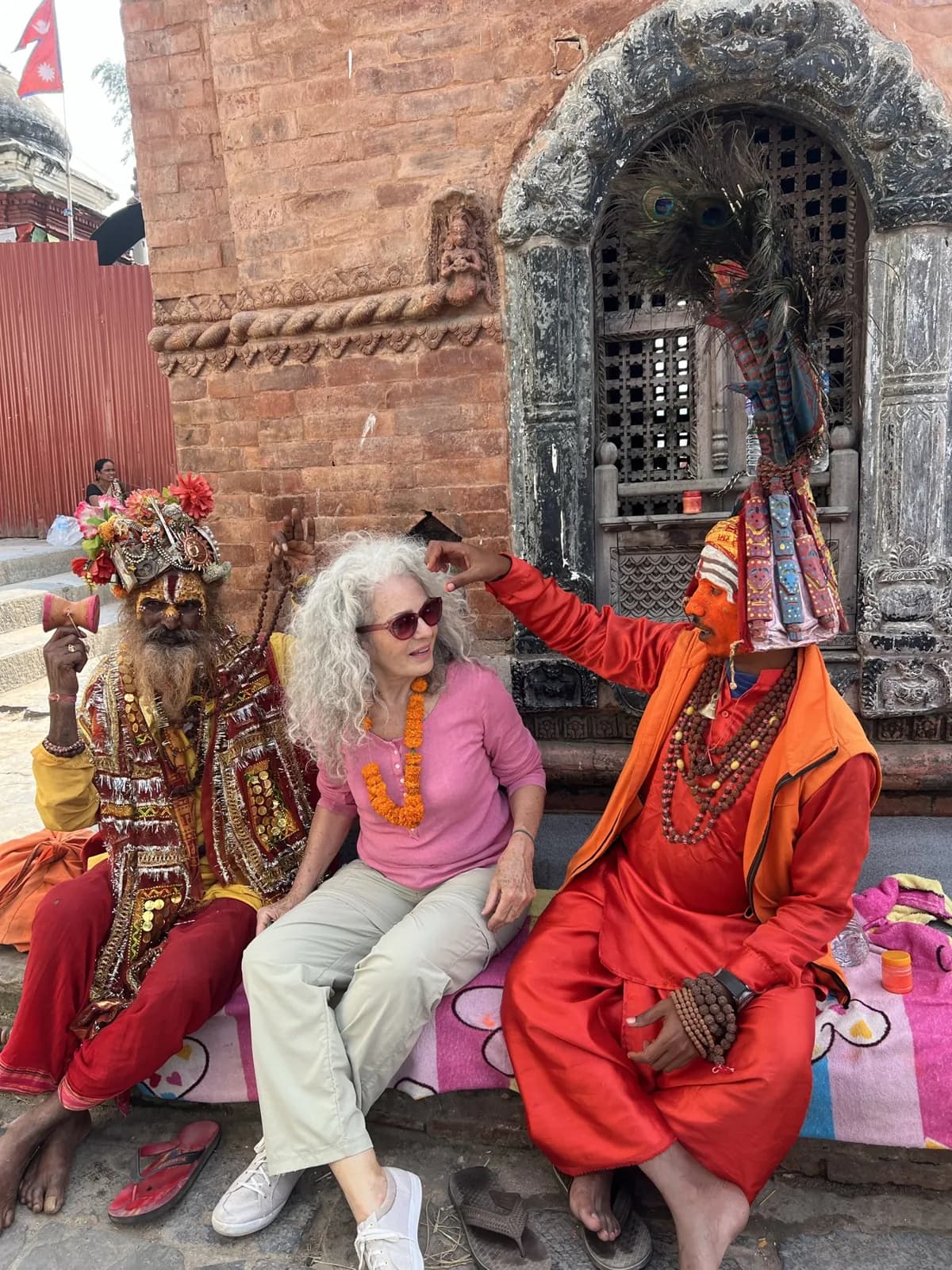
The bus journey from Kathmandu to Dhunche takes about seven hours and passes through villages and forests, with views of rural Nepali life along the way.
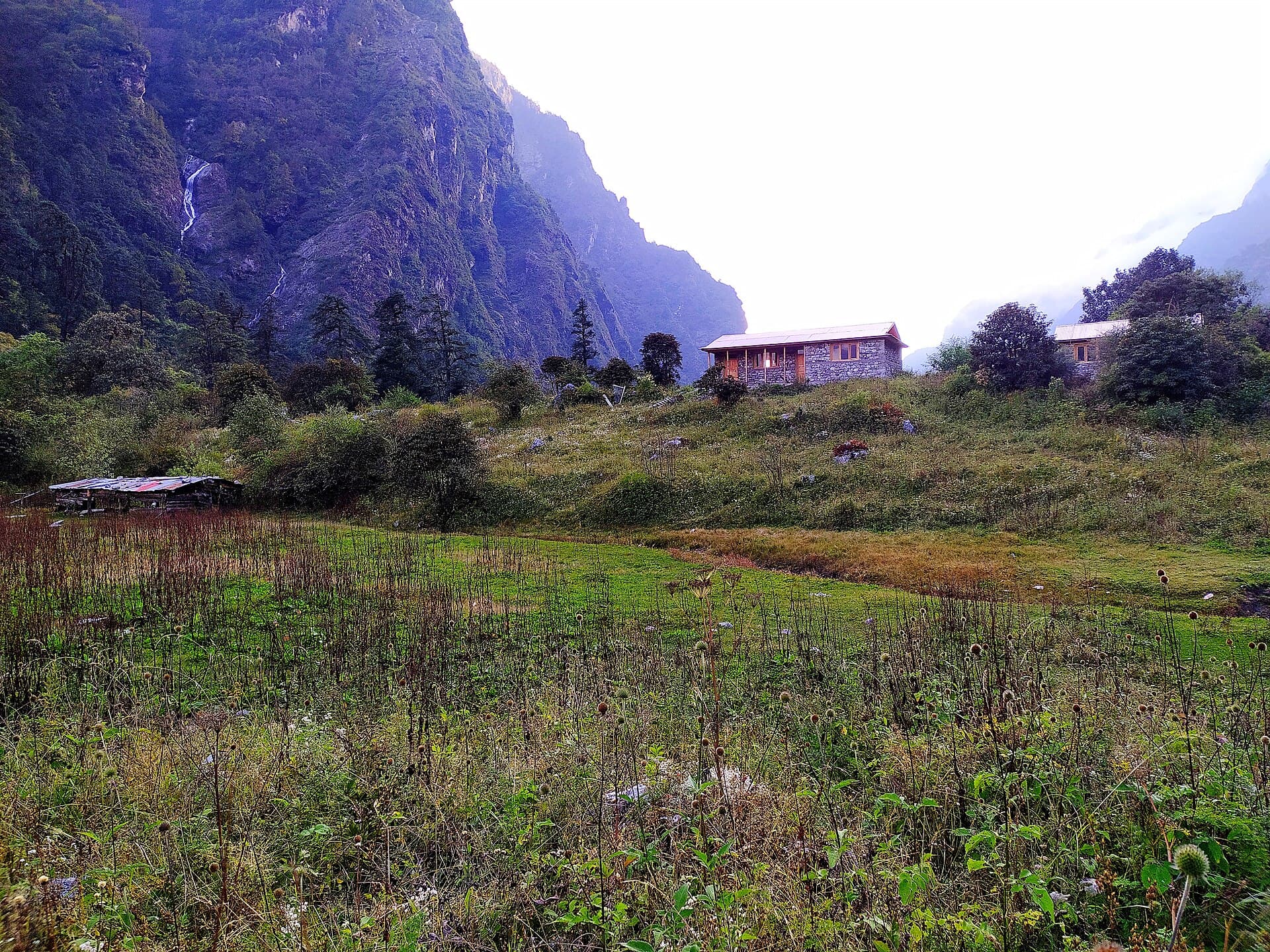
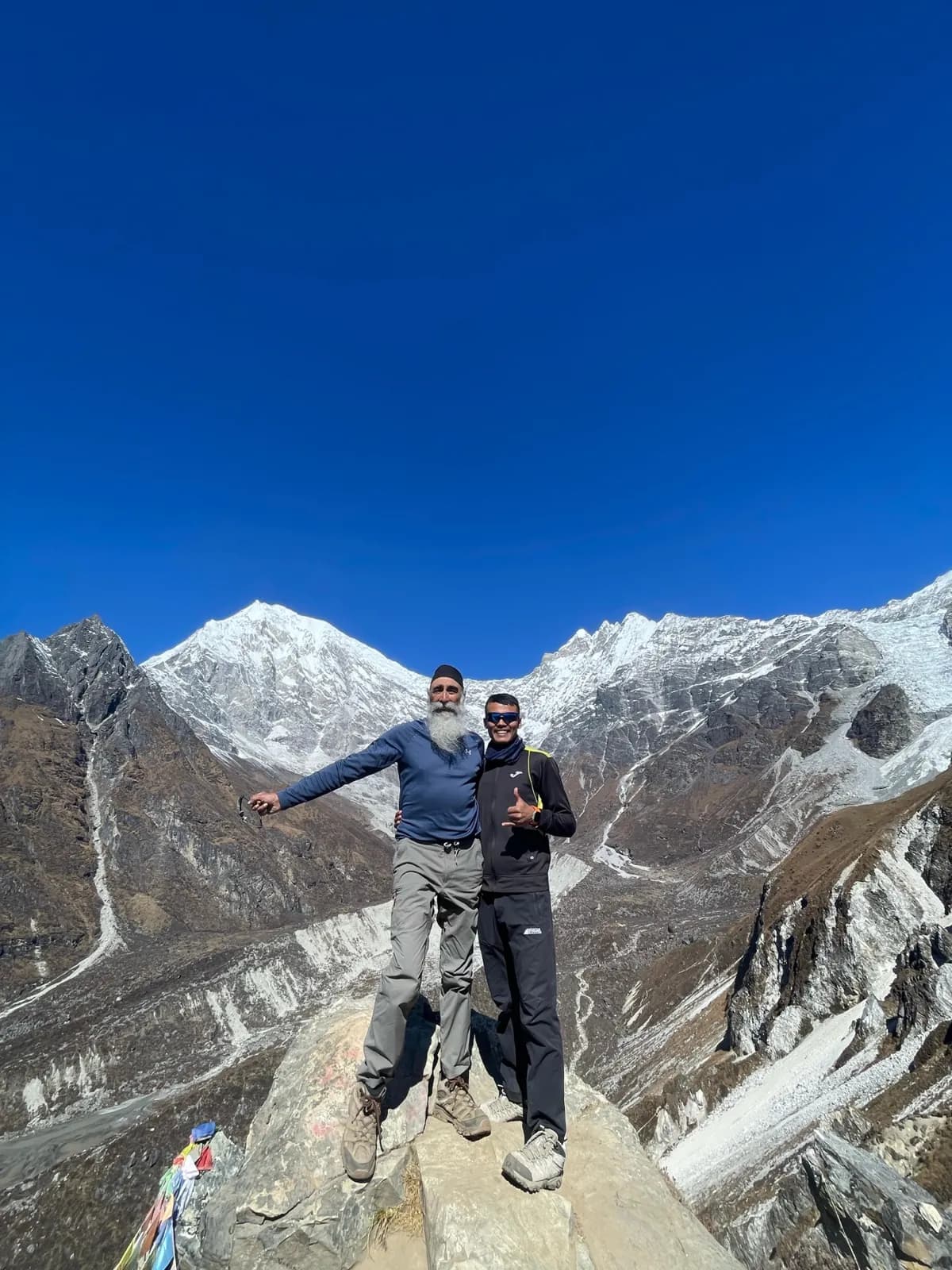
After an early breakfast, you begin the first day of trekking, a six-hour walk through forests and villages, with views of Langtang Lirung and other peaks.
You head north, cross the Bhote Kosi on a suspension bridge and pass Old Syabru. The trail continues through forest beside streams and waterfalls, crossing more bridges, and reaches Lama Hotel in about seven hours.
You trek through Ghoda Tabela, known for its horse stables, and continue above the treeline to Langtang village. In the evening you can watch the sunset behind the mountains.
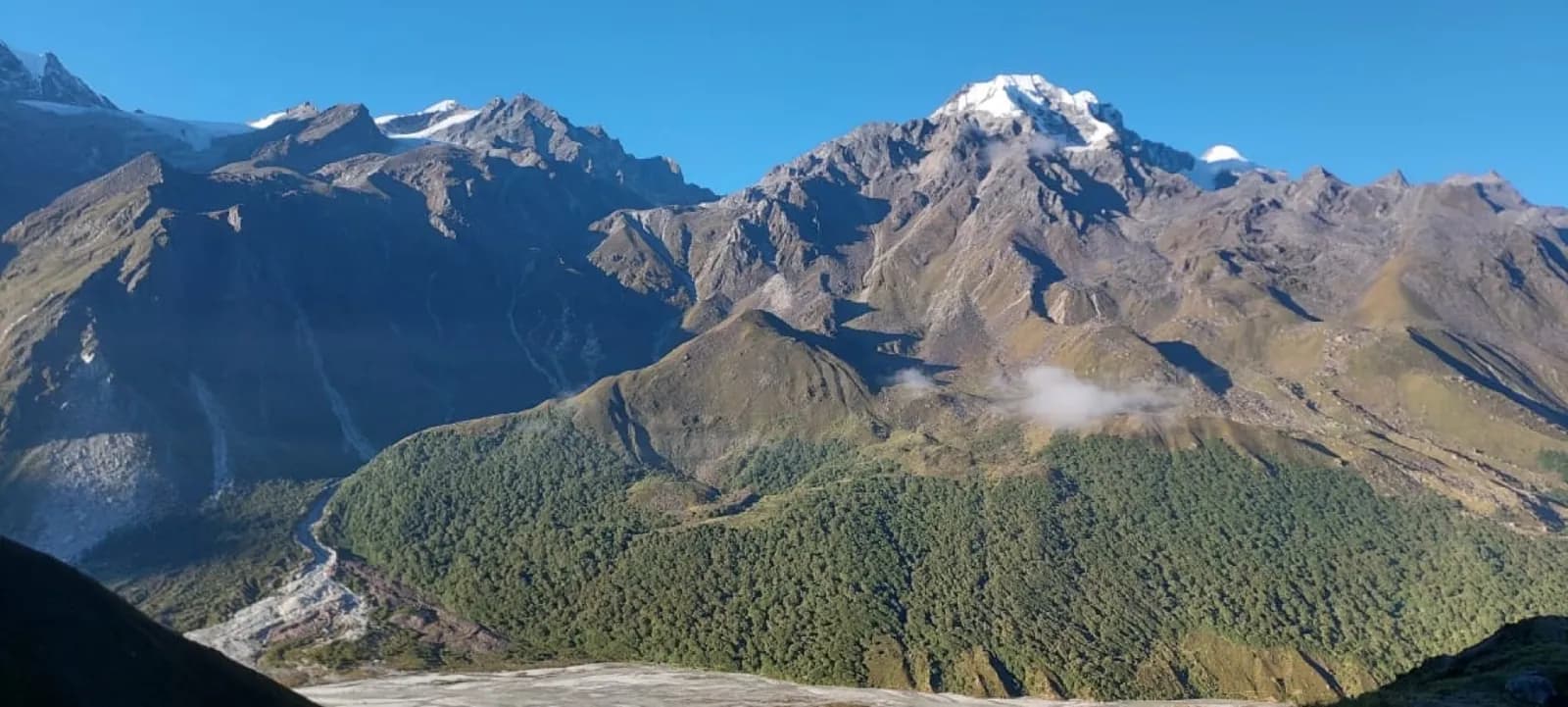
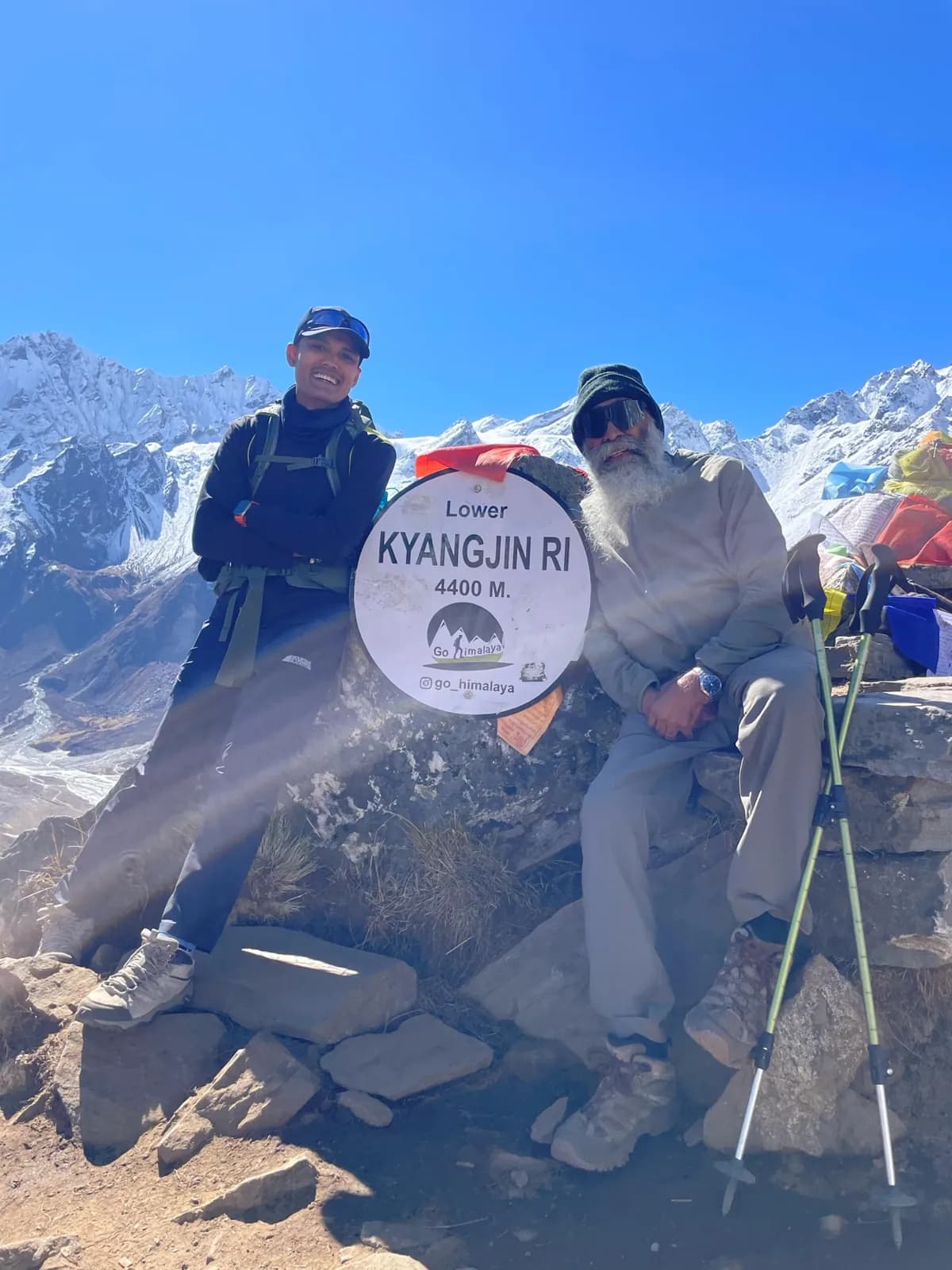
A short walk takes you to the mountain village of Kyanjin Gompa, with close views of the Langtang range. You visit the monastery and see the snow-capped peaks.
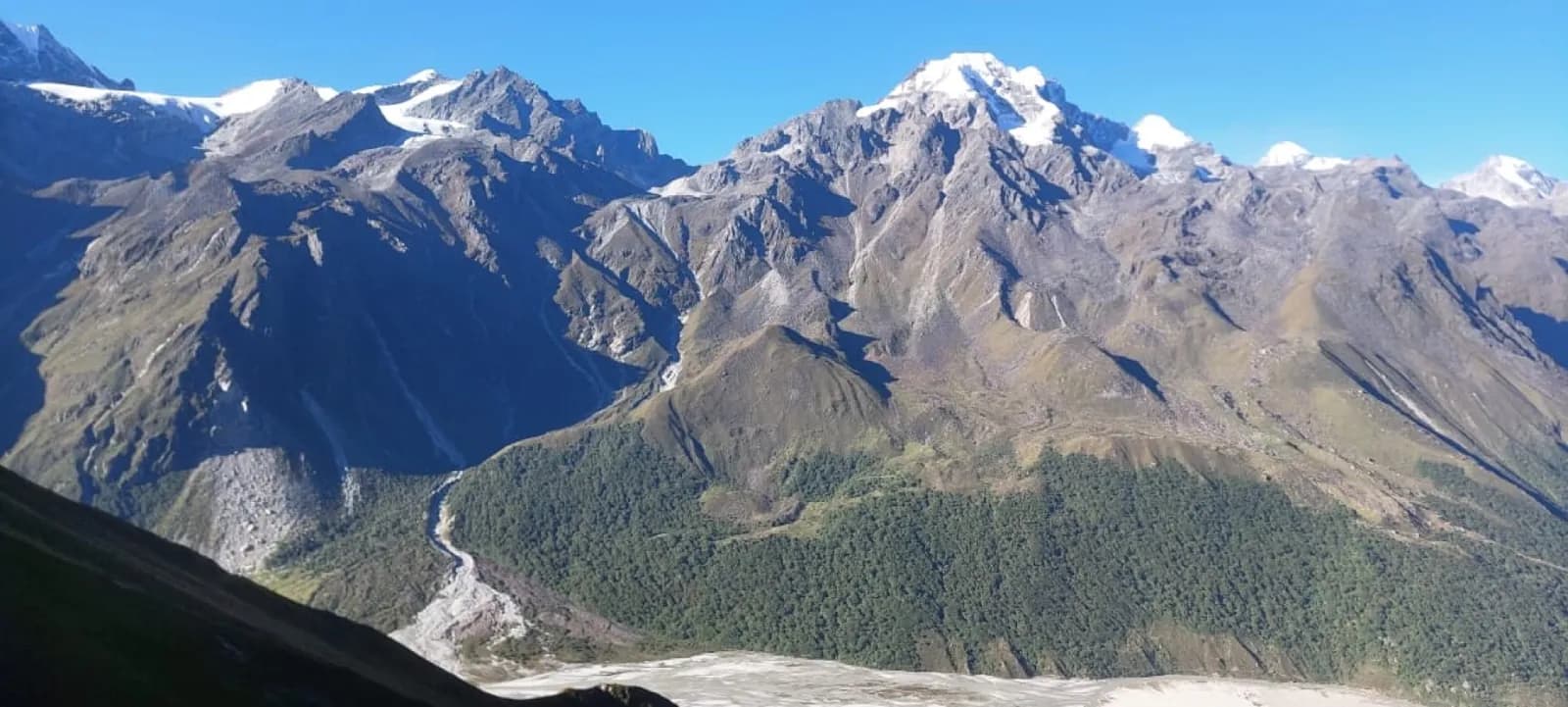
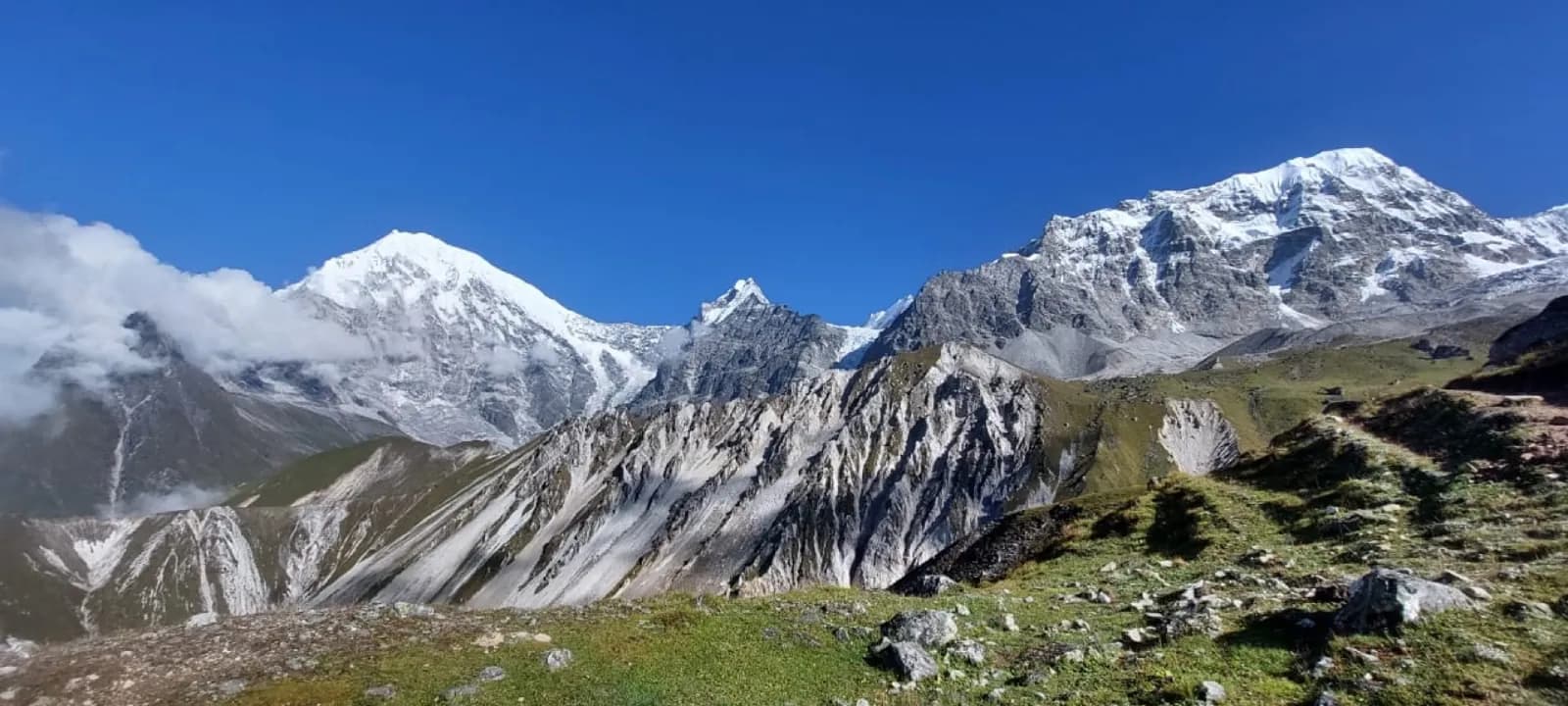
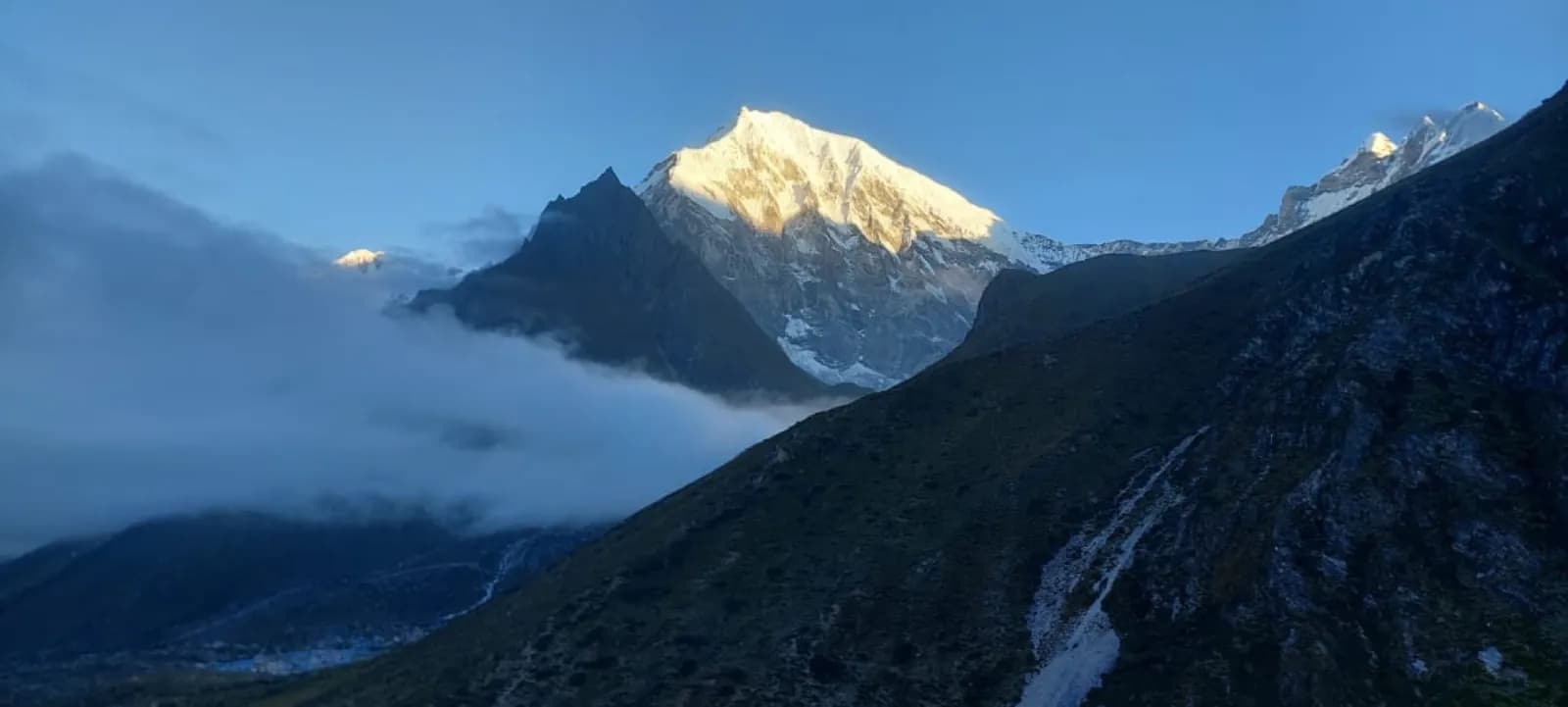
You stay in Kyanjin Gompa to acclimatise, with a hike up Kyanjin Ri (4,770 m) or Tserko Ri (4,984 m) for mountain views. You return to the village for the night.
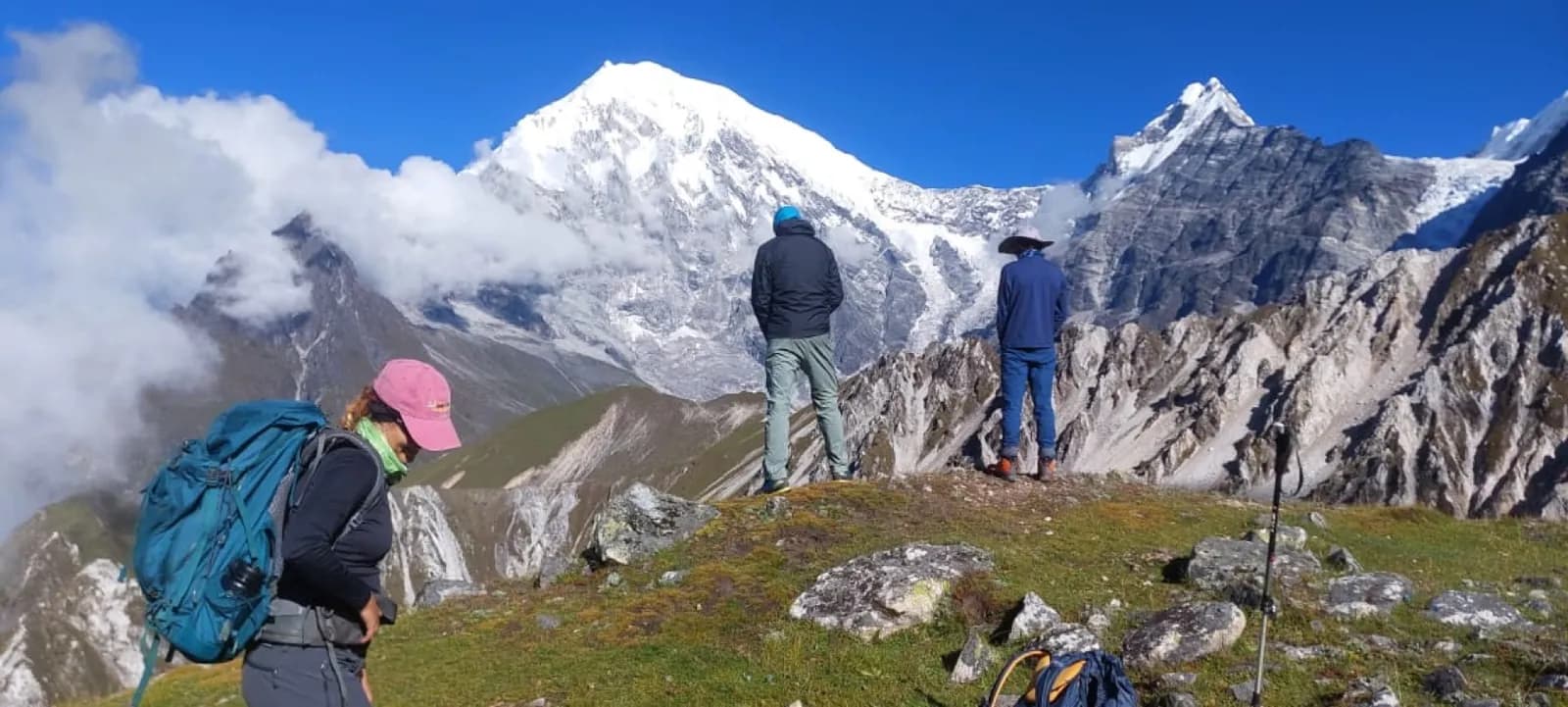
After exploring the Langtang region, you retrace your route to Lama Hotel via Langtang village. Overnight at a teahouse.
A five-hour walk takes you back to Syaprubesi, on the Trishuli River. The town is known for white-water rafting.
After breakfast, you take a seven-hour public bus back to Kathmandu and check in to your hotel. In the evening there is a cultural show and dinner.
We arrange your transfer to the airport according to your flight schedule.
Start date
8 Mar 2027
End date
19 Mar 2027
Available
10 places left
US $1,037
Per person
Start date
27 Sept 2027
End date
8 Oct 2027
Available
10 places left
US $1,087
Per person
Start date
16 Nov 2026
End date
27 Nov 2026
Available
10 places left
US $1,037
Per person
The trail from start to finish, at a glance.
Luggage allowance
Your porter carries a strict maximum of 20 kg, shared between two trekkers. Because you travel by road, no luggage is weighed on this trek. We provide the duffel bag and the sleeping bag, and store anything else free of charge at our Kathmandu office.
There is no airstrip and no reliable helicopter pad on this route, and the only access is one mountain highway that is damaged by the monsoon every year. This section explains the journey by road.
No part of this trek can be cancelled because of cloud. The Everest itineraries depend on a nineteen-seat aircraft landing on a sloping runway at Lukla, whereas this trek starts with a bus. If you have twelve days rather than sixteen and cannot risk losing three of them to weather, this is the main reason to choose Langtang.
Kathmandu to Dhunche is about 120 km and takes seven hours, because the road climbs from 1,400 m to 1,960 m over a ridge at 2,400 m, with many hairpin bends. The drive is spectacular, but it does mean seven hours in a vehicle at each end of the trek, which is the trade-off for a trailhead this close to the capital.
The Trishuli road is cut into steep, wet hillside and is damaged by the monsoon every year. Between June and September the drive takes longer, sometimes much longer, and may involve walking around a landslide and changing vehicles. We do not run this trek in the monsoon, mainly because of this road.
Walking out from Kyanjin to Syabrubesi takes two to three days, and from there you travel by road. Helicopters land at Kyanjin Gompa and Langtang village and reach Kathmandu in about forty minutes. Because the valley is so close to the city, this is the shortest rescue flight of any trek in our catalogue.
Every night on the trail is spent in a teahouse: a family-run lodge, usually kept by a Tamang family, with one warm dining room heated by a single stove and simple twin rooms with foam mattresses and thin walls. Bring a sleeping bag. In Dhunche, Thulo Syabru and Syabrubesi, most lodges, or the better ones, have private bathrooms.
Lama Hotel, where you stay on the way up and again on the way down, is a group of lodges in the forest with shared bathrooms. The lodges in Langtang village were all rebuilt after the 2015 earthquake. Kyanjin Gompa, where you spend two nights, has the best lodges on the route, with shared bathrooms and a hot shower for a fee. Higher up, charging and wifi are paid for separately.
| Where | Nights | Type | Room | Bathroom |
|---|---|---|---|---|
| Kathmandu | 3 | Three-star hotel | Twin or double | Private, hot water |
| Dhunche | 1 | Teahouse | Twin | Private in most lodges |
| Thulo Syaphru | 1 | Teahouse | Twin | Private in the better lodges |
| Lama Hotel | 2 | Teahouse in the forest | Twin | Shared |
| Langtang village | 1 | Teahouse, fully rebuilt since 2015 | Twin | Shared, hot shower for a fee |
| Kyanjin Gompa | 2 | Teahouse, the best on the route | Twin | Shared, hot shower for a fee |
| Syabrubesi | 1 | Teahouse | Twin | Private, hot water |
Porridge, Tibetan bread, eggs, chapati, pancakes, tea or coffee
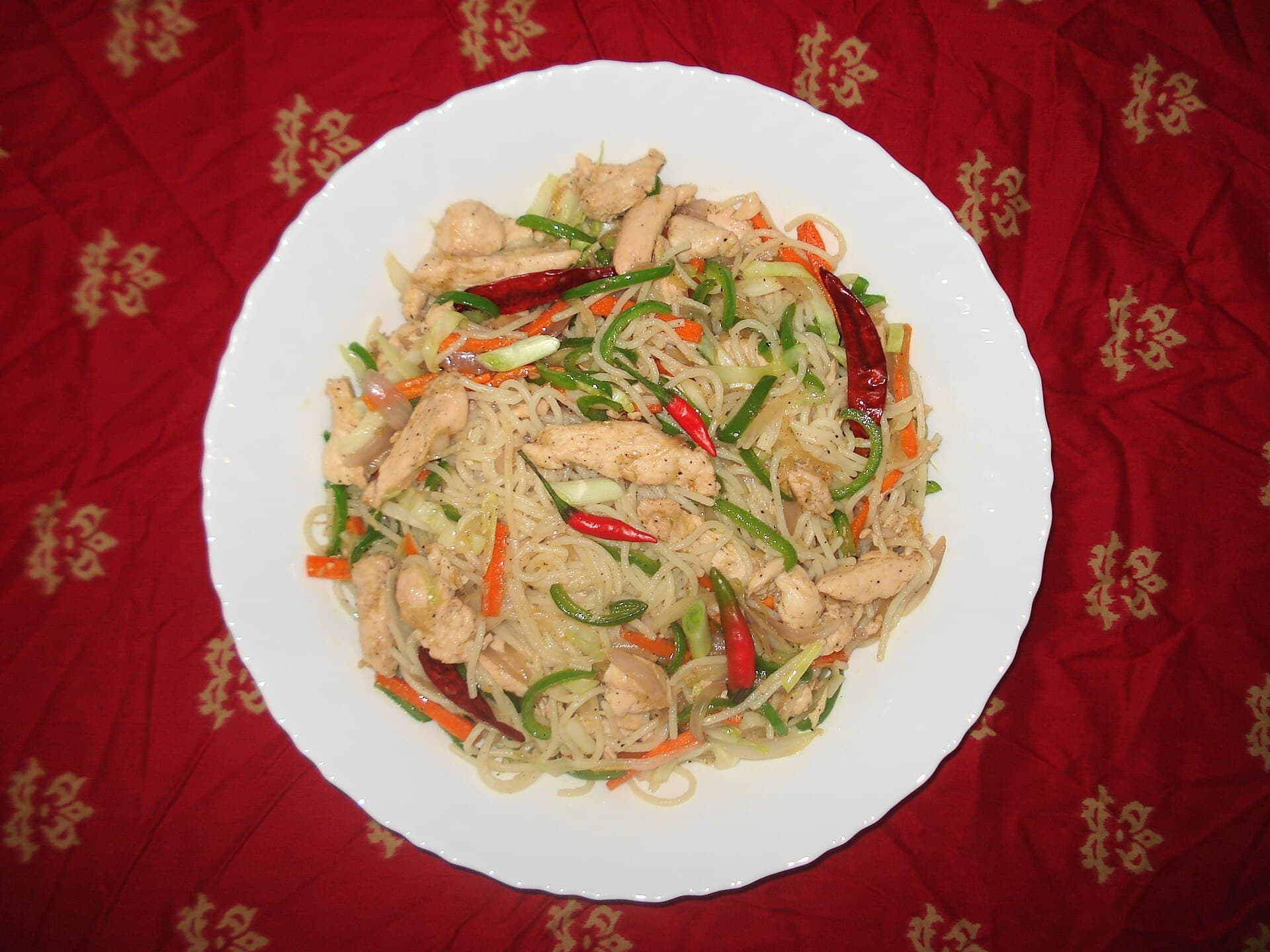
Dal bhat, fried rice, noodles, soup, momo, and potatoes prepared in many ways

Dal bhat, pasta, thukpa, curry and rice, soup to start
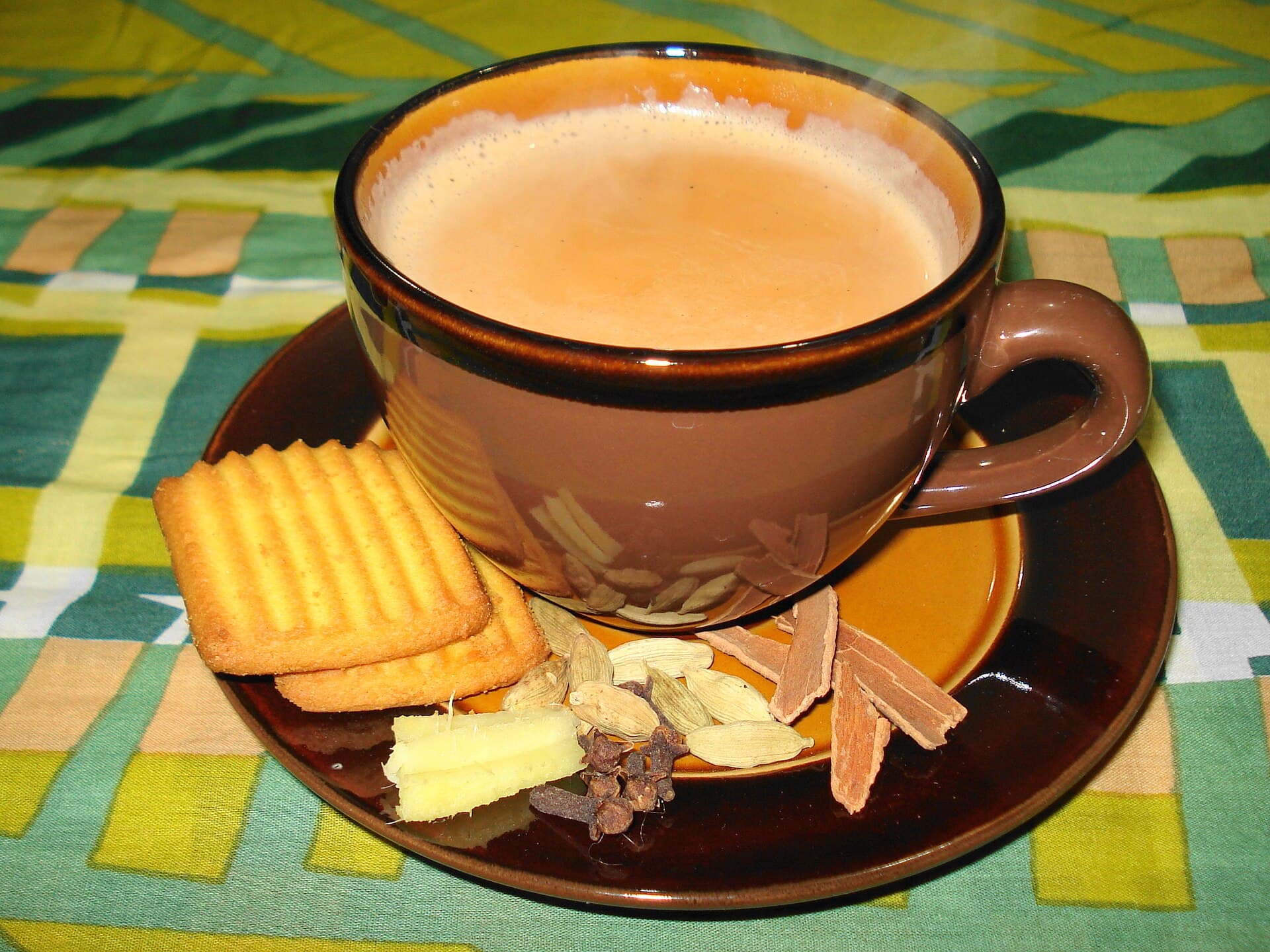
Black, milk, lemon, ginger or masala tea. Included at every stop.
6:00Tea in your room and a bowl of warm water for washing
6:30Pack, and put the duffel outside your door for the porter
7:00Breakfast together in the dining room
8:00On the trail. The guide sets a steady, slow pace
12:00Lunch at a teahouse on the route, about an hour
13:00Two to four hours more, depending on the day
15:30Arrive at the teahouse, tea, check in to your room, wash and rest
17:00Oxygen saturation and pulse taken, and written down
18:30Dinner, and the guide briefs you on the next day
20:30Bed. At 4,000 m most people are asleep by nine
A steady walk up one valley, with one hard optional day at the top.
Written for somebody who walks a bit and does not train. If you already run or cycle regularly, start partway through. Nothing here needs a gym.
8 weeks before, stage 1 of 5
Three cardio sessions a week, 40 minutes each, at a conversational pace. For a trek of this length, that covers most of what you need.
You sleep at 3,870 m at Kyanjin Gompa and, if you choose, climb to 4,984 m on Tserko Ri. This is higher than Annapurna Base Camp, and you reach it with less time to adjust, because Langtang is a short trek that gains height steadily rather than a long one with rest days built in. The steepest gain in the profile is on day 6, from Lama Hotel at 2,470 m to Langtang village at 3,430 m, a gain of 960 m to sleep. Most altitude headaches on this trek begin on that day, which is why day 7 is kept short.
Daily health checks
Your guide carries a pulse oximeter and records your oxygen saturation and pulse each evening above 3,400 m, from Langtang village onwards, and again on any morning you feel unwell.
Mild symptoms
The itinerary includes a spare day at Kyanjin, which also serves as a buffer. A rest day at 3,870 m resolves most mild cases, and the only cost is missing the hill climb.
Serious symptoms
Langtang village is 440 m below Kyanjin and Lama Hotel is 1,400 m below it, and both can be reached in a day. Descent is the only effective treatment, and it is straightforward in a single valley with a good trail.
Helicopter evacuation
Helicopters land at Kyanjin Gompa and Langtang village and reach Kathmandu in about forty minutes, the shortest rescue flight of any trek we run. Your insurance must cover this: the cost is $2,500 to $4,000, and the helicopter will not take off without a payment guarantee.
Medical facilities
Langtang has no Himalayan Rescue Association post. There is a small health post at Kyanjin, staffed intermittently in the season. Your guide's first aid training and the daily readings provide your medical cover.
Fitness and altitude are unrelated
This is the thing people get wrong most often. Training makes the walking easier and does nothing for how your body handles thin air. Strong young trekkers get altitude sickness and unfit older ones frequently do not. Go up slowly, and say something the first time your head hurts.
This trek is lower than most in our catalogue, which gives it a longer season and makes it possible to walk in winter.
The season opens and the rhododendrons in the lower gorge begin to flower. Excellent conditions.
Averages from Nepal DHM station data for the Langtang valley. This trek tops out lower than the others here, which is why its usable season is longer.
A government-licensed guide with wilderness first aid training leads every departure, and there is one porter for every two trekkers. From 11 trekkers a second guide joins the group, so nobody is left alone at the back. Our guides come from the hill regions where they lead treks.
Each porter carries a maximum of 20 kg, which is your duffel and one other. This is below the 25 kg limit set by the trekking association and well below the loads you will see on the trail. If your bag is over the limit, the load is split rather than added to. Porters carry luggage, not daypacks: you keep your water, camera, jacket and snacks for the day with you.
Salary, insurance, food and accommodation for every guide and porter are included in the price you pay, and are not collected on the trail. Every guide and porter is insured for altitude and helicopter evacuation on the same terms we require of you. Porters in this industry have often carried too much, in unsuitable footwear, for very low pay. We include fair pay in the package price so that this does not happen on our treks.
Tipping is customary but not compulsory, and it never replaces wages. For this trip, $100 to $150 per traveller for the whole team is usual, given together on the last evening rather than daily. Your guide will not ask for a tip, and would prefer that you do not hand it over in front of the group.
On 25 April 2015 an avalanche from Langtang Lirung buried Langtang village and killed over three hundred people. The valley was left with almost no economy and no buildings from which to rebuild one. The surviving Tamang families rebuilt it lodge by lodge over about five years, funded by income from trekking. This is not a reason to visit out of sympathy, as the trek is worthwhile in its own right. It is a reason to spend your money in the valley rather than bringing supplies in and out.
The old village site lies under the debris field you cross before reaching the new village, and is marked by a memorial stone and mani walls carved with the names of the dead. Some of your porters and guides may have lost family members there. Pass quietly, do not photograph people at the memorial, and if your guide does not raise the subject, do not raise it yourself.
A trekker who relies on bottled water uses around twenty-five plastic bottles on this trip, all of which are carried up a seven-hour road and must be carried back down. Boiled water costs a dollar or two a litre at every lodge, and there are safe drinking water stations at Thulo Syabru and Langtang village. Bring purification as a backup rather than as your main supply.
The yak cheese factory at Kyanjin Gompa was set up in 1955 with Swiss help and rebuilt after the earthquake, again with Swiss help. It provides employment in the highest village in the valley, the cheese is very good, and buying a slab is the most direct way to support the local economy on this trek.
Write to us, or send a message on WhatsApp, and tell us your approximate dates. You will receive a reply from someone who has done this trip, not a form. Nothing is payable at that stage, and there is no obligation until you pay a deposit.
A deposit of thirty per cent holds your dates, and the balance is paid when you arrive in Kathmandu, in cash or by card. At the same time we ask for a copy of your passport, your insurance certificate and any dietary or medical information.
You can pay by bank transfer, or by card through a secure link. Card payments carry the bank's fee of about 4 per cent, which we show you before you pay. The balance in Kathmandu can be paid in US dollars, pounds, euros or Nepali rupees.
If you cancel more than 30 days before departure, your deposit can be transferred to any other date or trip we run, with no time limit. Within 30 days the deposit is retained, because the permits, flights and crew have been booked by then. If we cancel for any reason other than weather, you receive a full refund.
Both cost the same for a group of five or more. A private departure runs on your dates at your pace and can be arranged for one person. A group departure runs on the dates in the table above. Most travellers book privately, at no extra cost.
A week's notice is enough, and we have organised this trek with two days' notice. Nothing on this trek depends on a flight seat or a government permit office, so Langtang is a good option when another plan has fallen through.
Priced per person, arranged before you travel, and none of them included in the price above.
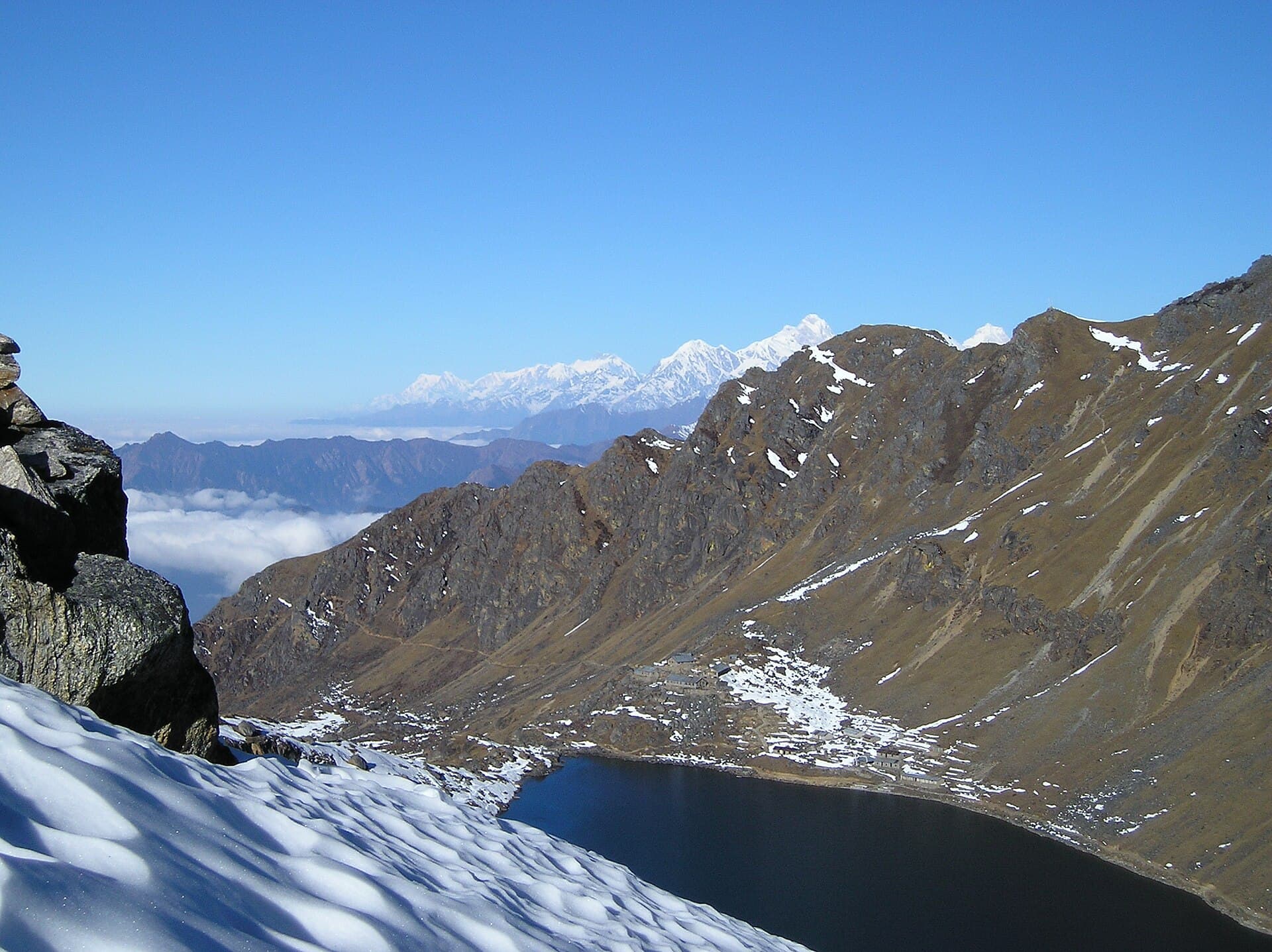
Return over the Lauribina La at 4,610 m, past a chain of sacred lakes, instead of walking back down the valley. This turns the out-and-back route into a loop, and it is the extension we recommend most on this trek.
A lower loop west of Syabrubesi through Tamang villages, with a hot spring at Tatopani and views into Tibet. It focuses on culture rather than altitude and works well at the start of the trek.
An extra night at Kyanjin, so you can climb Kyanjin Ri and Tserko Ri on separate days instead of choosing one. We recommend this low-cost addition.
Continue south from Gosaikunda through the Helambu villages and finish a couple of hours' drive from Kathmandu. This covers three regions in one trek.
For both road days. Seven hours on a mountain road is much more comfortable in a jeep with six people than in a bus with forty.
For the nights in Kathmandu and wherever the lodges have single rooms. Above Lama Hotel, most lodges do not.
4 versions of this journey. They use the same guides and the same lodges; what changes is the length, the comfort and how much of it you walk.
Awesome experience
April 2025, Tripadvisor
The arrangements are fantastic. Guides and porters are also great... They make us feel very comfortable. We did lantang trek with them.
Amazing first-time trekking experience with Bharat and Dinesh
February 2023, Tripadvisor
We went on a 7-day trek to the Langtang region with our guide Bharat and our porter Dinesh. Both were extremely helpful for all aspects of the trip and Bharat was very knowledgeable on the region. Both were attentive to our needs and provided helpful advice on the best way to complete the trek (walking pace, breaks, food, etc.). Thanks to their help we reached Tsergo Ri at ~5,000m of altitude and we definitely recommend their services to anyone thinking of trekking in Nepal. Bharat has over 23 years of trekking experience in the various Himalayan regions (he’s completed several hundred treks in Annapurna / Everest / Langtang !!) Rajan, the president of Earthbound was extremely accommodating throughout the trip, even with last minute changes on our itinerary. He proved to be an invaluable resource for the remainder of our journey in Nepal providing great advice. We 100% recommend Earthbound Expeditions and particularly Bharat and Dinesh!
Langtang Valley Trekking
November 2019, Tripadvisor
This was my first trip to Nepal and I highly recommended the Langtang Valley Trekking 12 Days with Earthbound expeditions.The tour covers a lot of ground. I had a wonderful and helpful trek guide named Ramjee bhatta. Ramjee and his team were great we had a lot of memorable time. He made us feel like home and never fails to cheer up on us throughout the whole trip. Looking forward to another trip with Earthbound Expeditions!
Langtang Valley Trek
May 2019, Tripadvisor
Rajan at Earthbound Expeditions organised my 12 day trek in the Langtang Valley, Gokul was my guide and he was AMAZING. Between the two of them they organised it and made everything run so smoothly, I felt like I was in great hands the whole time. Gokul had so much knowledge about the region we were trekking in and about the mountains, and he would regularly stop to tell me about stuff. He also was super professional and careful and made sure we took breaks and didn’t go up in elevation too quickly etc. Food on the trail was delicious. I was there mid-May and had great weather and great views pretty much the whole time. Amazing country, amazing scenery, amazing people and Earthbound Expeditions is an amazing company that will look after you and give you the trip of a lifetime.
Answers to the 20 questions travellers ask us most often. If your question is not here, contact us and we will answer it.
Yes. It is one of the two treks we recommend most for a first trek, alongside Annapurna Base Camp. It takes twelve days, has no flights that can be cancelled, follows a single valley that is easy to understand, and has a highest overnight stop of 3,870 m, with a 4,984 m hill above it if you want to go higher. It is also the least expensive trek we offer, so it is a low-risk way to find out whether trekking suits you.
Langtang is shorter, lower, less expensive, closer to Kathmandu and much less likely to be interrupted. The Everest trek reaches 5,545 m, takes sixteen days and depends on a flight to Lukla. On the Langtang trek you sleep no higher than 3,870 m, the trek takes twelve days, and it starts with a bus journey. The scenery at Kyanjin is fully Himalayan, and Langtang Lirung, at 7,227 m, rises directly above the village.
You need to be able to walk for six hours a day for eight days. The hardest walking day is day 6, which climbs 960 m from Lama Hotel to Langtang village. The Tserko Ri climb on day 8 is harder than any other day, but it is optional, and a shorter hill is available as an alternative.
Yes. Families choose this trek more often than any other in our catalogue. The days are manageable, the altitude is moderate, the lodges are close together, and there is a road at both ends instead of a mountain flight. The minimum age is ten.
On 25 April 2015 the earthquake triggered an ice and rock avalanche from Langtang Lirung onto Langtang village, killing over three hundred people. The valley is safe to walk today: the trail and the lodges have been rebuilt, and the geological risk is no higher than in any other Himalayan valley. The debris field remains, and you cross it before reaching the new village.
Yes. The old village site is marked with a memorial stone and mani walls carved with the names of the dead, on the trail as you approach the new village. Some of your guides and porters may have lost family members there. Please pass quietly and do not photograph people at the memorial.
Yes, completely, and most are better than before. The surviving families rebuilt Langtang village a short distance from the original site, and Kyanjin Gompa now has the best lodges in the valley. Much of the rebuilding was funded by trekking income, which is worth considering when you decide where to spend your money on this trip.
You may have mild symptoms. The steepest gain in the profile is on day 6, which climbs 960 m to sleep at 3,430 m, and this is where most headaches on the Langtang trek start. Day 7 is kept short for that reason. Tserko Ri, at 4,984 m, is high, but you spend only about an hour at the top.
Choose Tserko Ri if you slept well and feel strong, because it has the better panorama. Choose Kyanjin Ri if you did not: it is 200 m lower, takes half the day, and still gives a close view of Langtang Lirung. Your guide will help you decide at breakfast on the day rather than the night before.
Yes, it is a condition of booking. Your policy must cover you to 5,000 m, because Tserko Ri is 4,984 m. A rescue flight from Kyanjin to Kathmandu is the shortest of any trek we run, about forty minutes, but it still costs $2,500 to $4,000, and a payment guarantee is needed before the helicopter takes off.
The lodges are simple and improving quickly, as most of them are less than ten years old. Kyanjin Gompa has the best lodges, with hot showers and good food. Lama Hotel is a small group of buildings in the forest and is the most basic night. Micro-hydro power makes charging more reliable here than on treks that rely on solar power.
Yes. Wifi works well all the way to Kyanjin and is free or costs a couple of dollars in most lodges. Langtang is one of the better-connected treks in Nepal.
Yes. The yak cheese factory at Kyanjin Gompa was built in 1955 with Swiss assistance and rebuilt after the earthquake, again with Swiss assistance. You can visit it. It provides employment in the highest village in the valley, and the cheese is very good. A slab costs four dollars, and buying it is one of the most direct ways to support the local economy.
Each drive takes seven hours on a winding road with many hairpin bends, and the drives are the most tiring part of the trip. A private jeep instead of the tourist bus makes a real difference and costs $160 for both days.
Two: the Langtang National Park entry permit at NPR 3,000 and a TIMS card at NPR 2,000. Both are included and we arrange them. No restricted area permit is required, which is a main reason this is the least expensive trek we offer.
There is no mountain flight, no restricted area permit and no second conservation permit, and the trek takes twelve days instead of sixteen. Together these account for a difference of about $700. Staff are not paid less: the guide and porter rates on this trek are the same as on our Annapurna treks.
Bring 150 to 250 US dollars in Nepali rupees, in small notes. There is a cash machine at Dhunche, but it is unreliable, so plan to withdraw what you need in Kathmandu.
October and November, or March and April. Langtang also has the longest season of any high trek we run: February and December are also suitable. They are cold, clear and very quiet.
A week's notice is enough, and we have organised the trek with two days' notice. Nothing on this trek depends on a flight seat or a permit office, so Langtang is a good alternative when another plan falls through, including a cancelled Lukla flight.
Gosaikunda. Returning over the Lauribina La at 4,610 m, past the sacred lakes, turns the trek into a loop instead of an out-and-back route. It adds four days and is the best-value extension in our catalogue.
Didn't find what you were looking for?
Search every word on this page, or ask somebody who has walked the route.
12 days
$1,087 per person