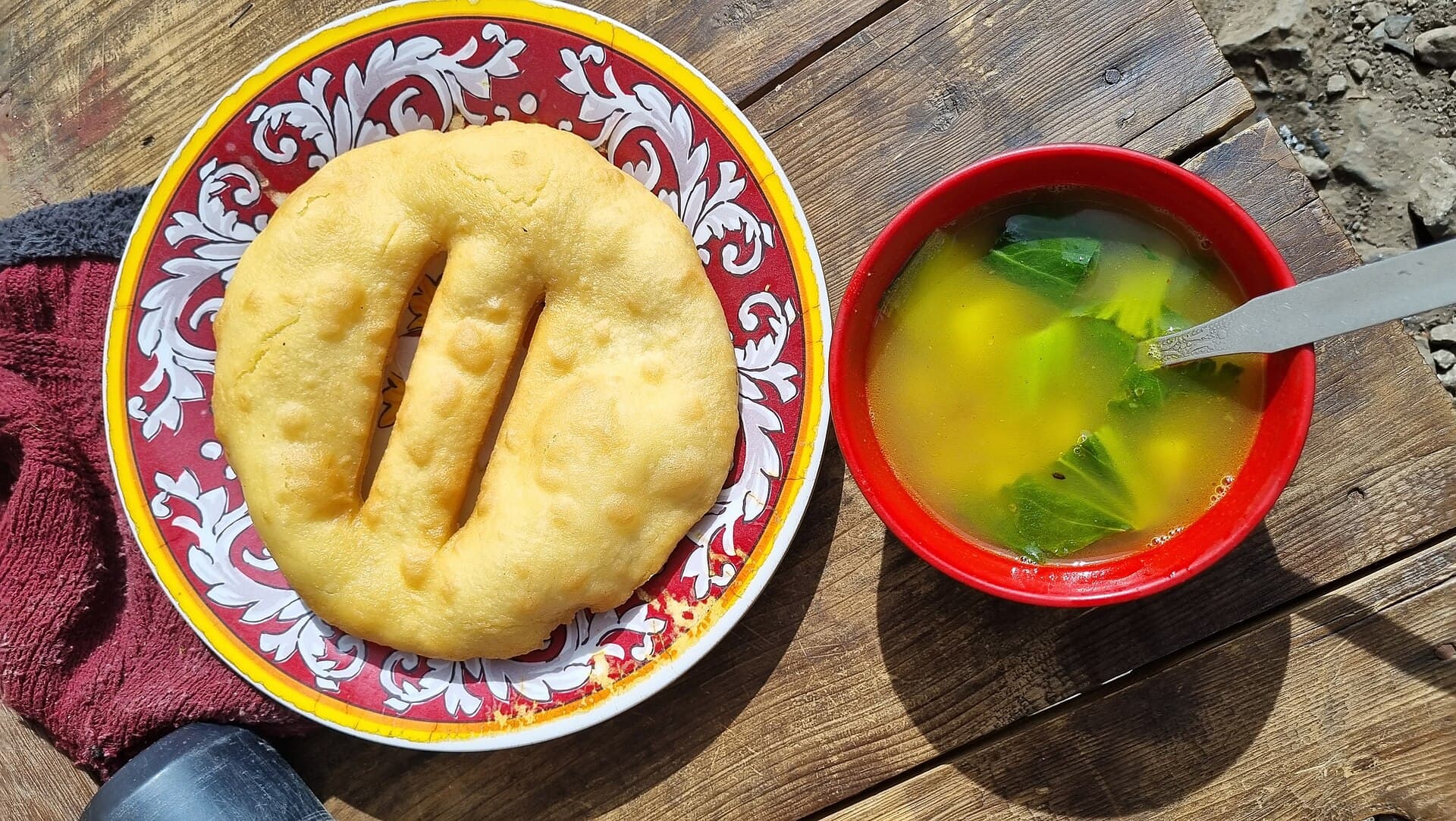
Breakfast
Porridge, Tibetan bread, eggs, chapati, pancakes, tea or coffee
All destinations
All destinationsEvery valley in the Khumbu, three passes above 5,300 m, the Gokyo lakes and Everest Base Camp. The complete circuit of the Everest region, and the hardest trek we offer.
Every valley in the Khumbu, three passes above 5,300 m, the Gokyo lakes and Everest Base Camp. The complete circuit of the Everest region, and the hardest trek we offer.
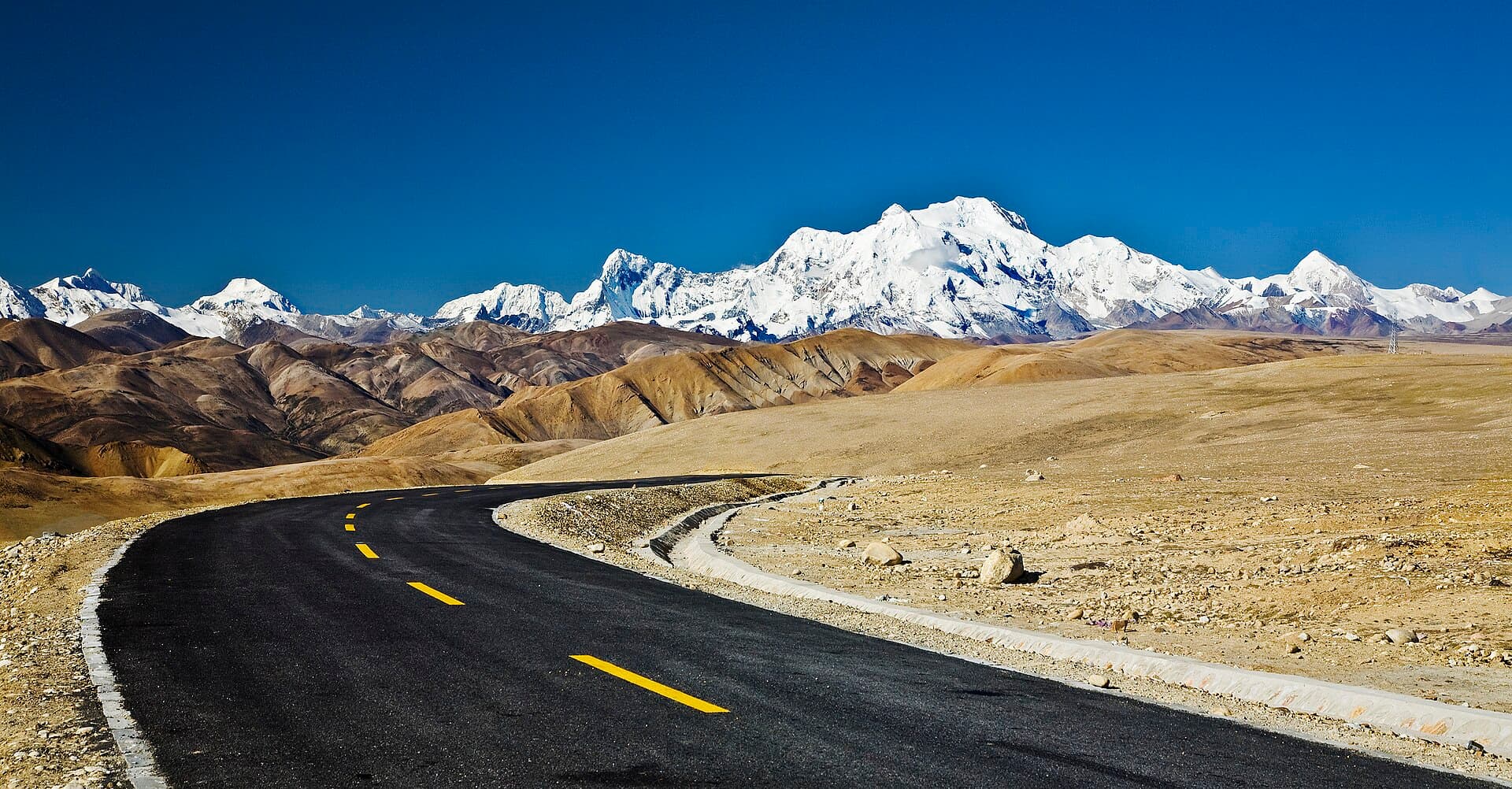
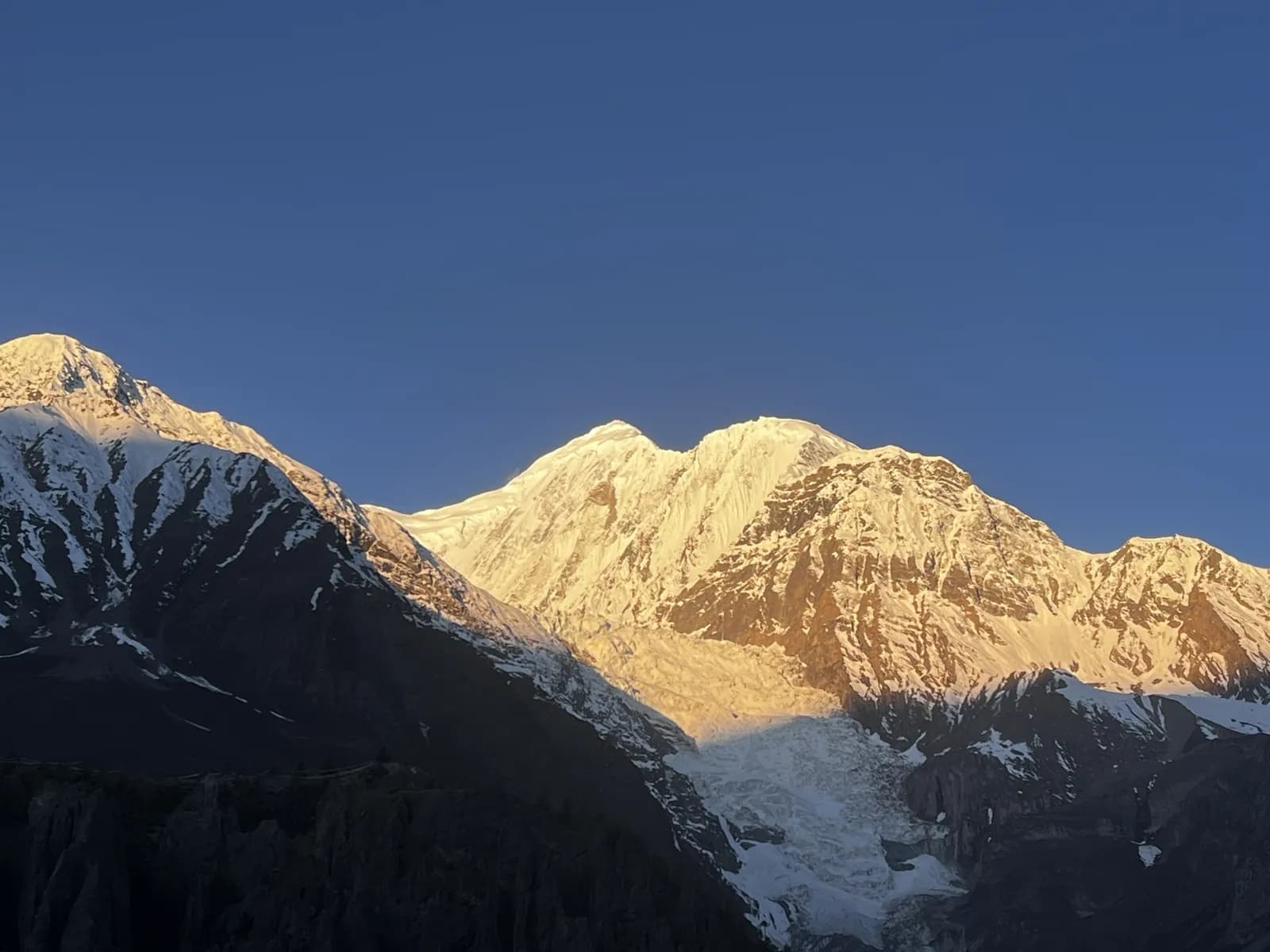
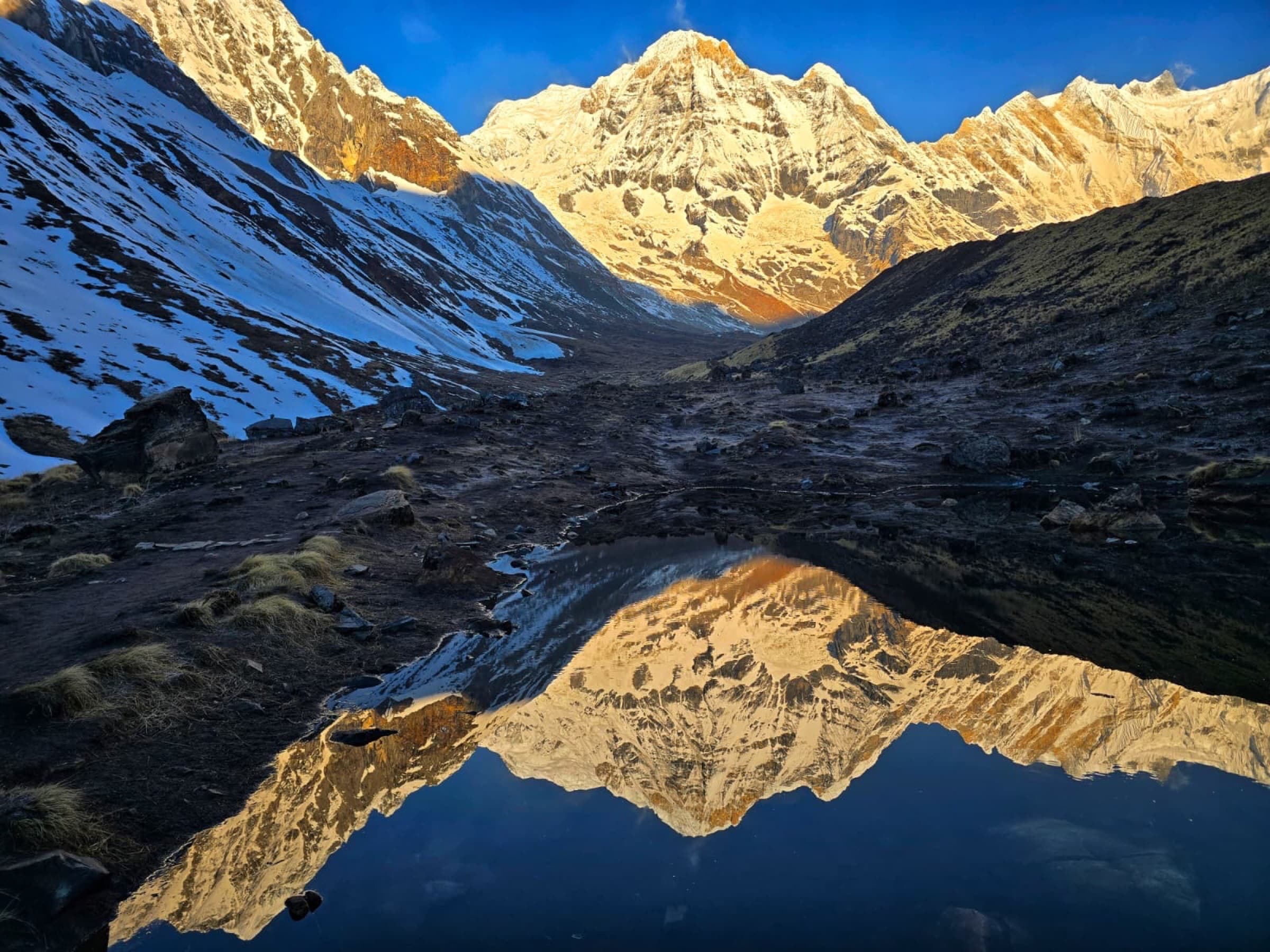
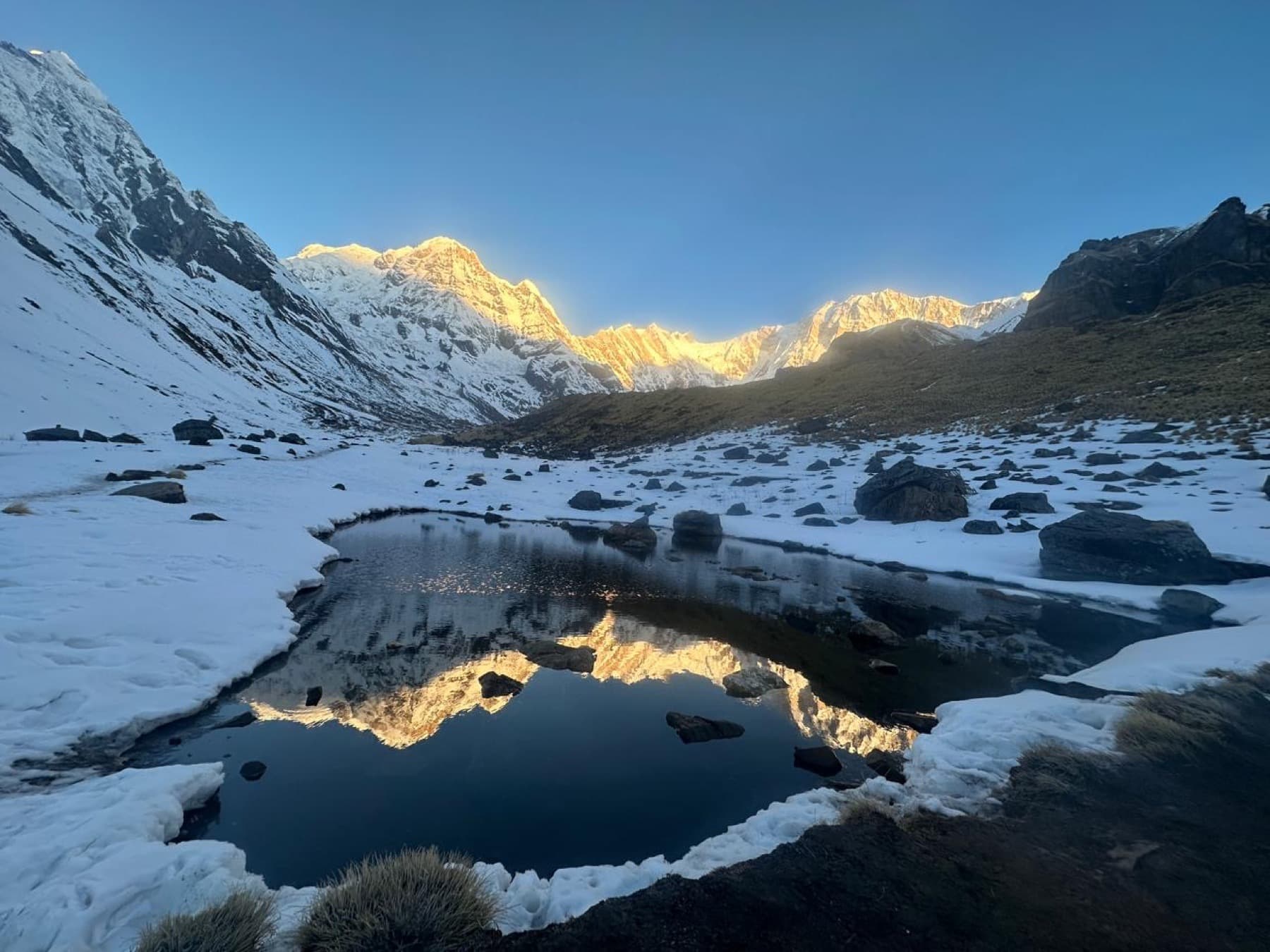
This trek links the whole of the Khumbu: four valleys, three passes over 5,300 m, the Gokyo lakes, Everest Base Camp and Kala Patthar, walked as a single anticlockwise circuit over eighteen days on the trail. The Base Camp trek goes up one valley and back; this trek crosses every ridge between the valleys. It is the most complete route in this region that can be walked without ropes.
The Renjo La, at 5,340 m, is the easiest: a steady climb from the Bhote Koshi valley to a saddle with Everest ahead and the Gokyo lakes below. The Cho La, at 5,420 m, is the most technical, with a short, flat glacier crossing at the top where you wear microspikes, and a steep, loose descent on the east side. The Kongma La, at 5,535 m, is the highest and by far the hardest: eight to ten hours, with a glacier crossing at the start and a long, continuous climb after it, on day 17 after two weeks of trekking.
This is the hardest trek we offer, and the one for which we most often decline bookings. It is for people who have already completed a Himalayan trek of two weeks or more, who were comfortable at 5,000 m rather than simply completing it, and who are genuinely fit. It is not suitable as a first Himalayan trek or as the next step after a week in the Alps. Enthusiasm is no substitute for previous experience at altitude.
We walk the route anticlockwise, from west to east, for good reason. This puts the easiest pass first, when you are least acclimatised, and the hardest pass last, after two weeks above 4,000 m. It also means every pass is crossed from its lower side, so each involves a climb followed by a descent rather than the reverse. Itineraries in the other direction exist, but they place the Kongma La after only eight days in the mountains.
We meet you at the airport and take you to your hotel. In the evening, we go through the trek in detail, because it has more elements than most: three passes, four valleys and a decision point at each pass.
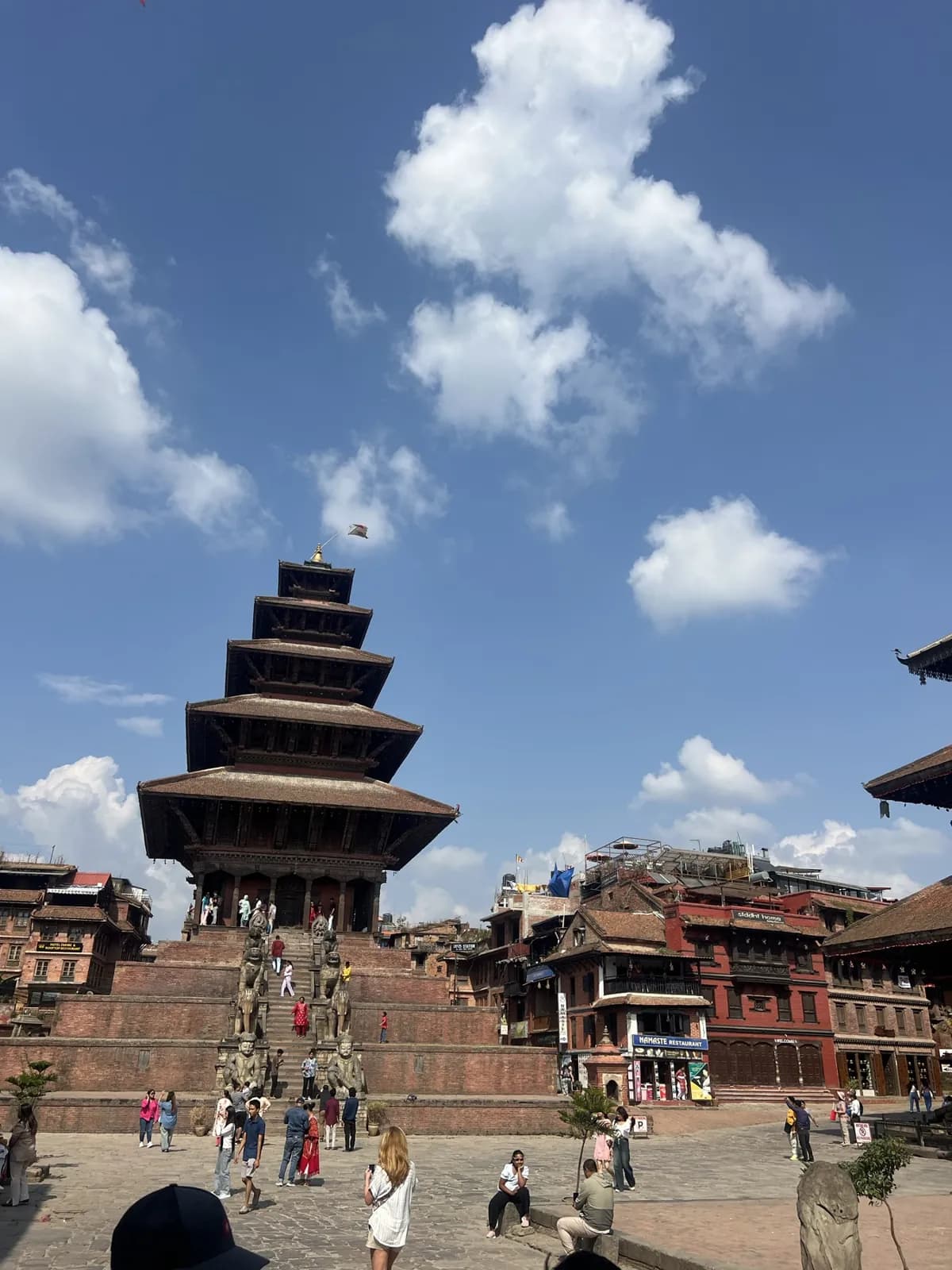
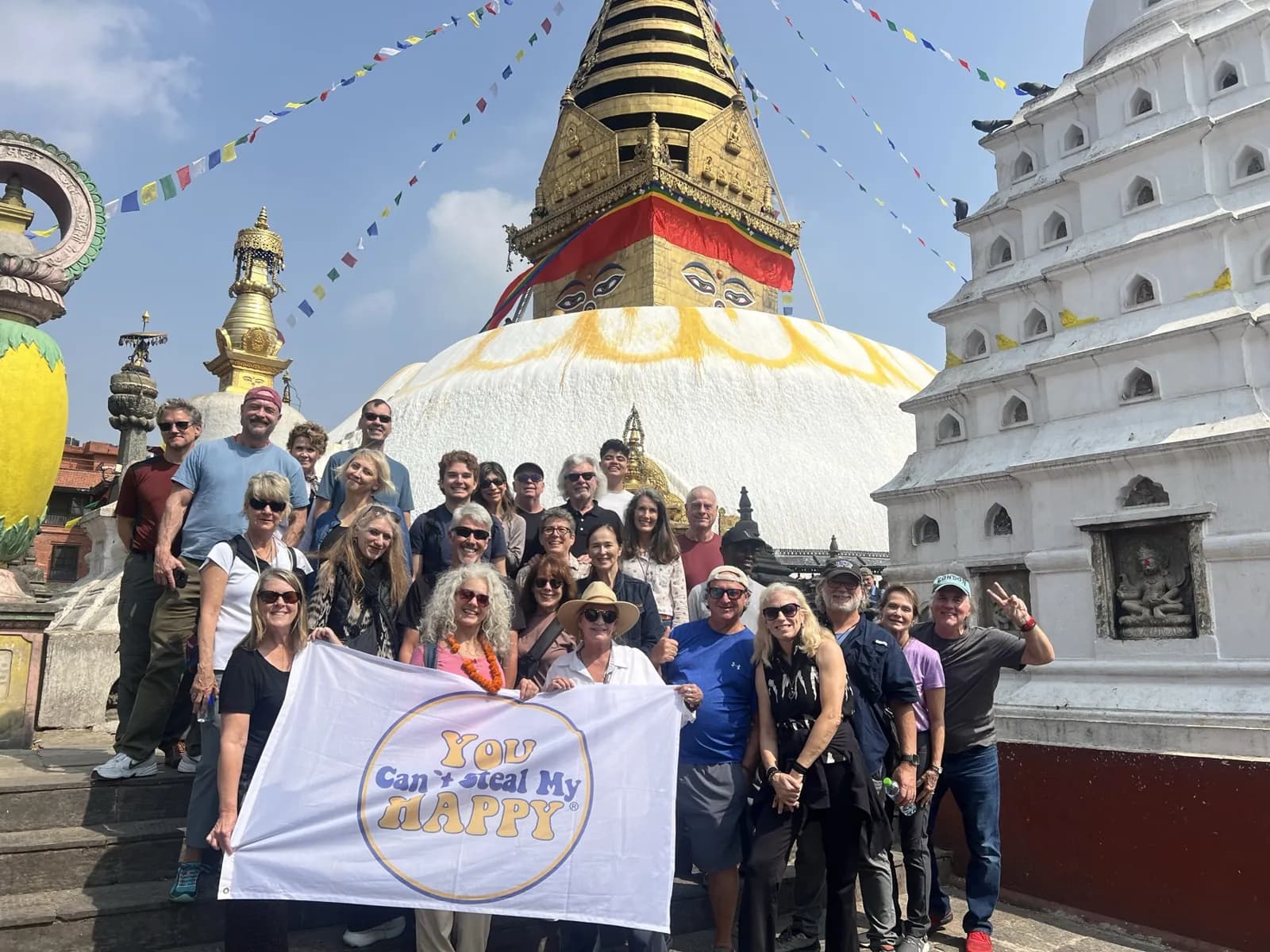
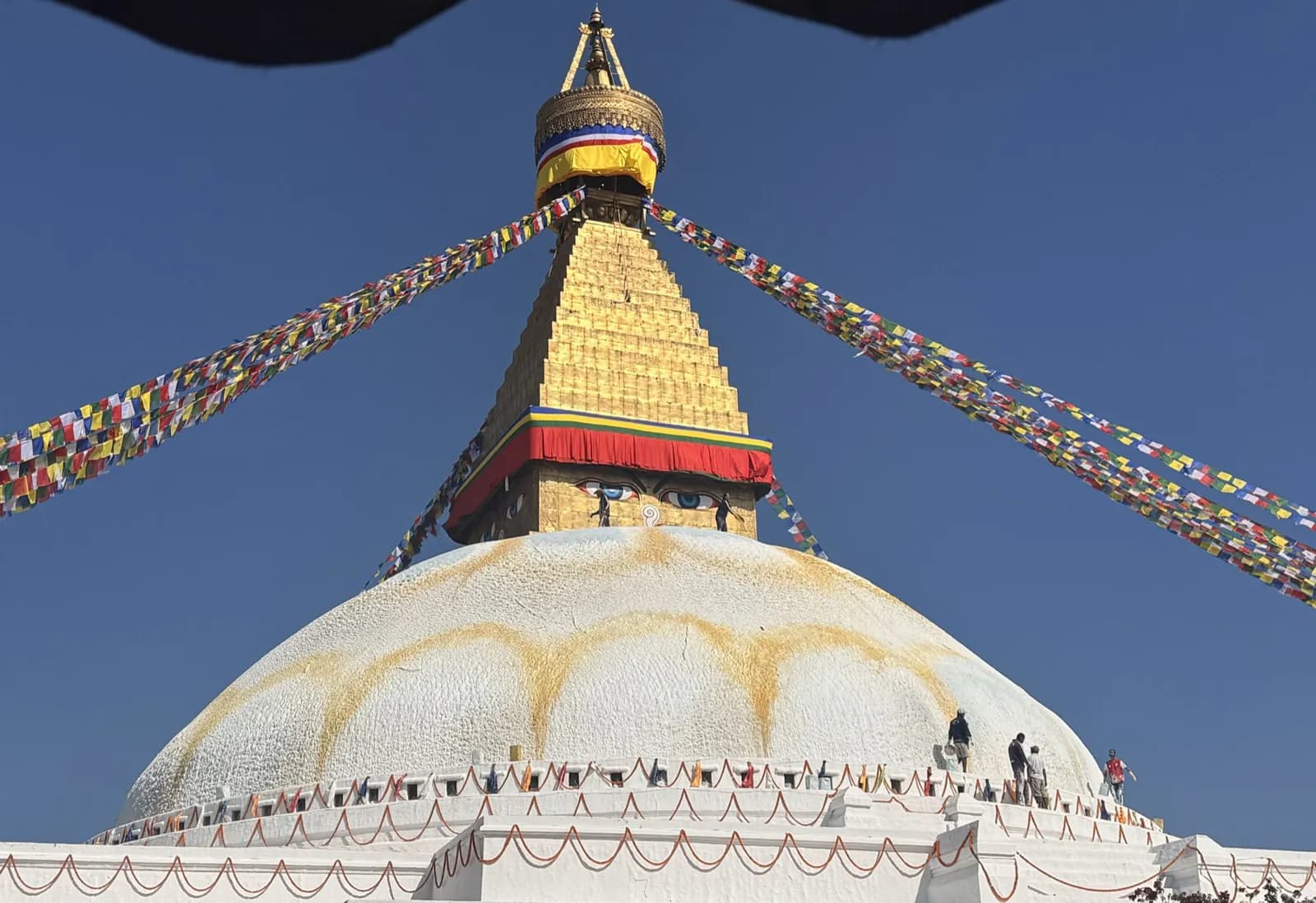
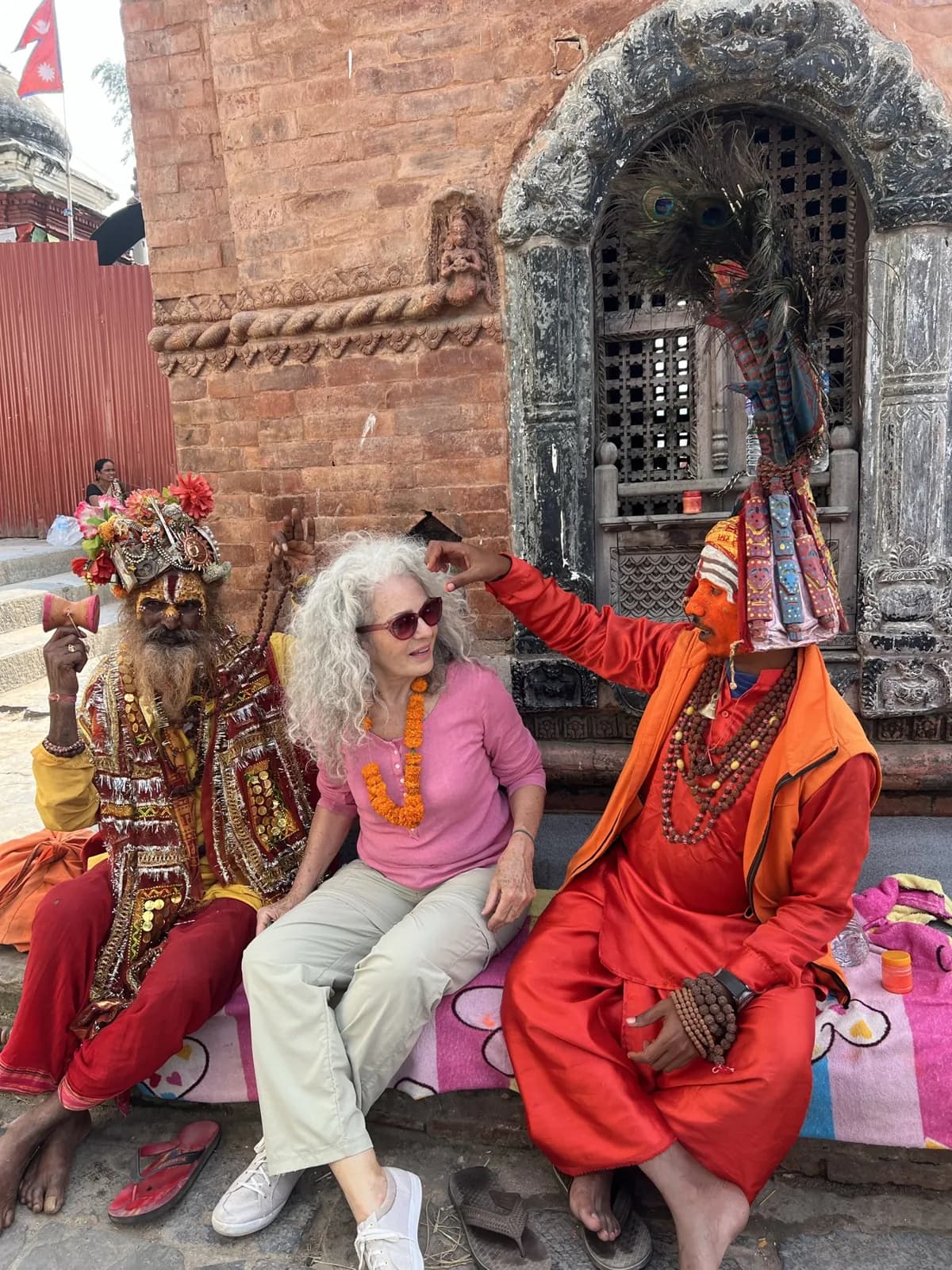
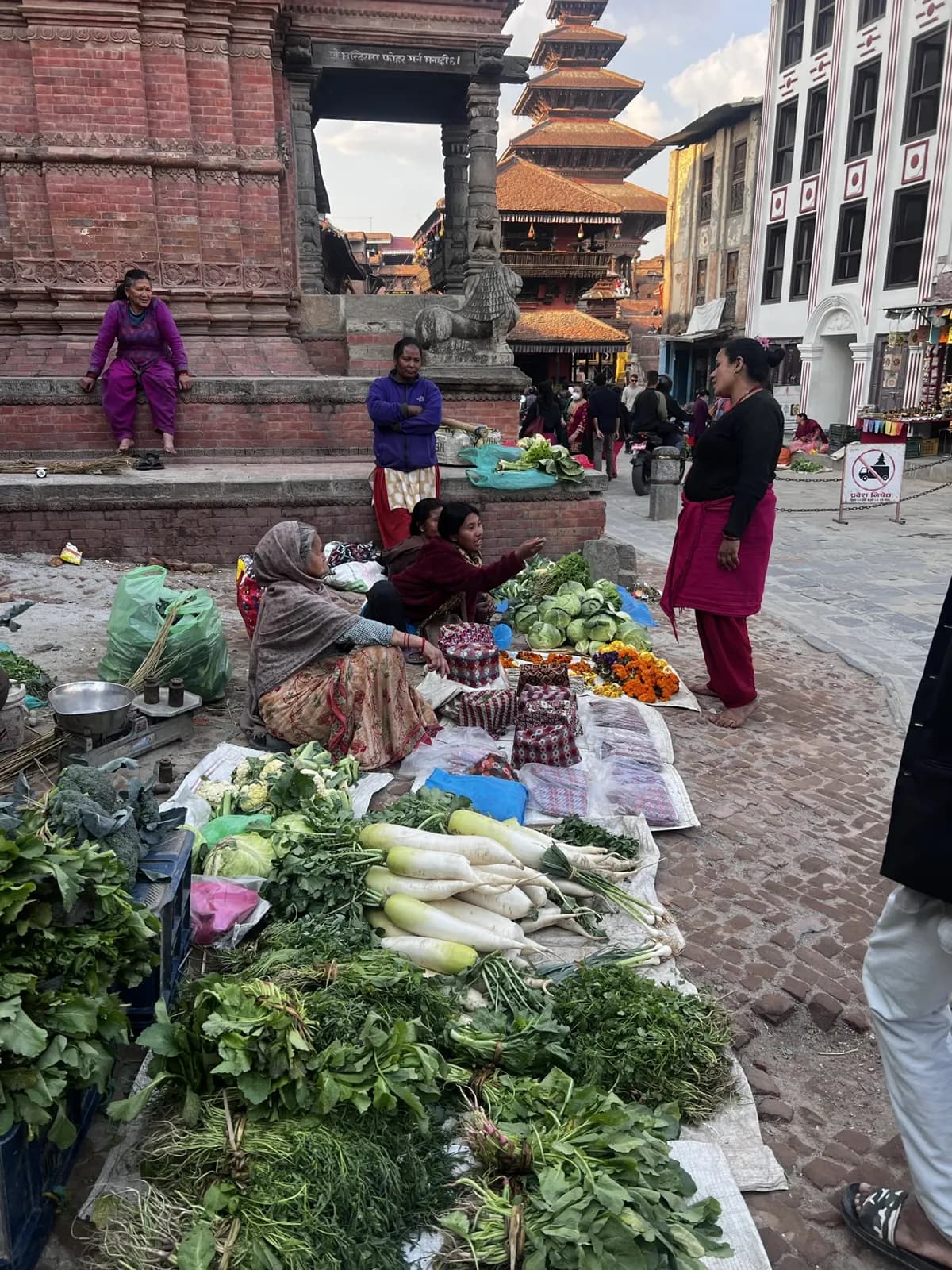
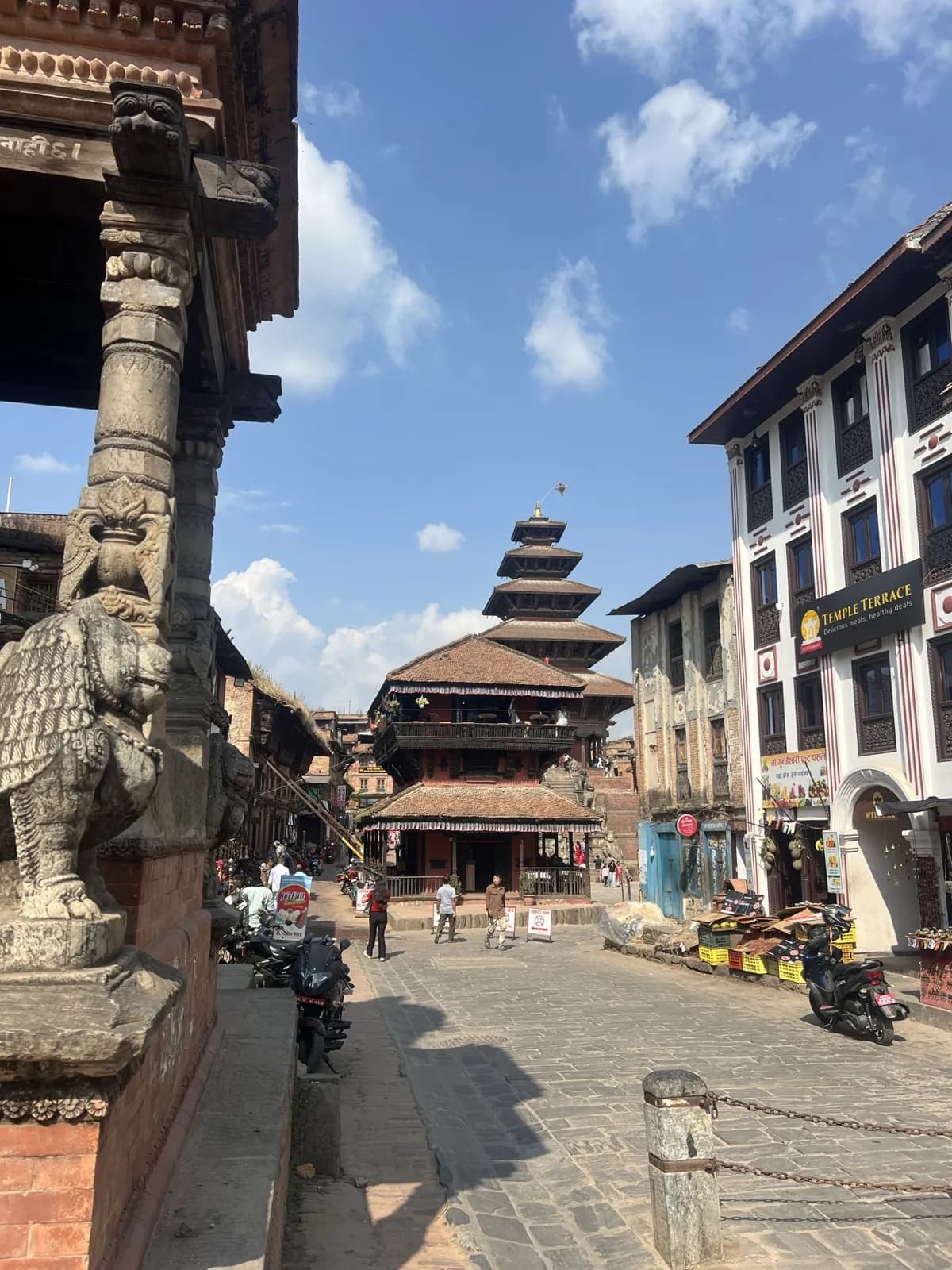
Visit the hilltop stupa at Swayambhunath, the riverside temples at Pashupatinath, the great dome of Boudhanath and the carved squares of Patan. In the afternoon, we check your equipment, paying particular attention to your boots on this trek.
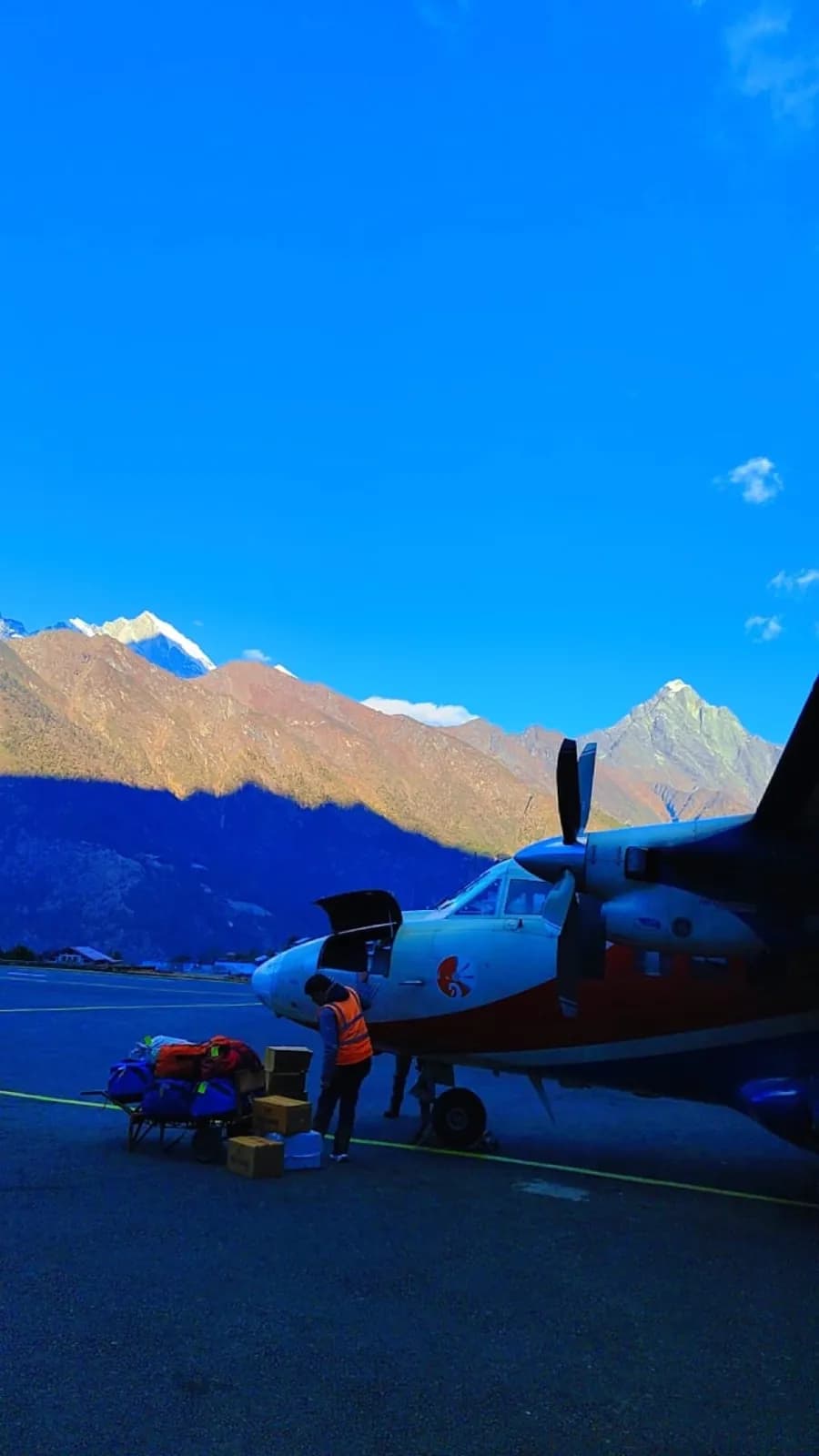
After the mountain flight, trek down the Dudh Koshi past Phakding to Monjo at the national park gate. This is a little further than the usual first day, which makes the climb to Namche tomorrow shorter.
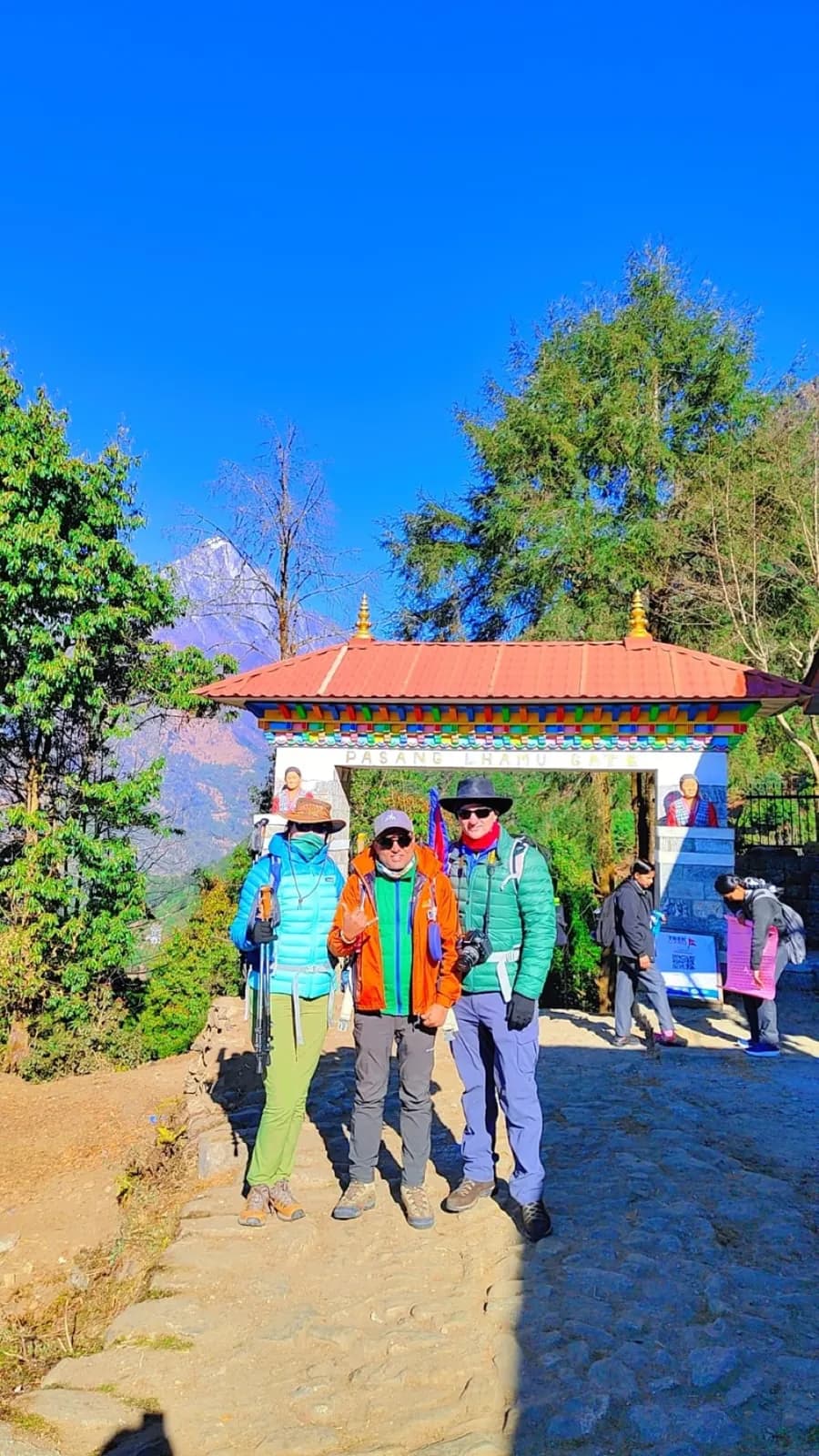
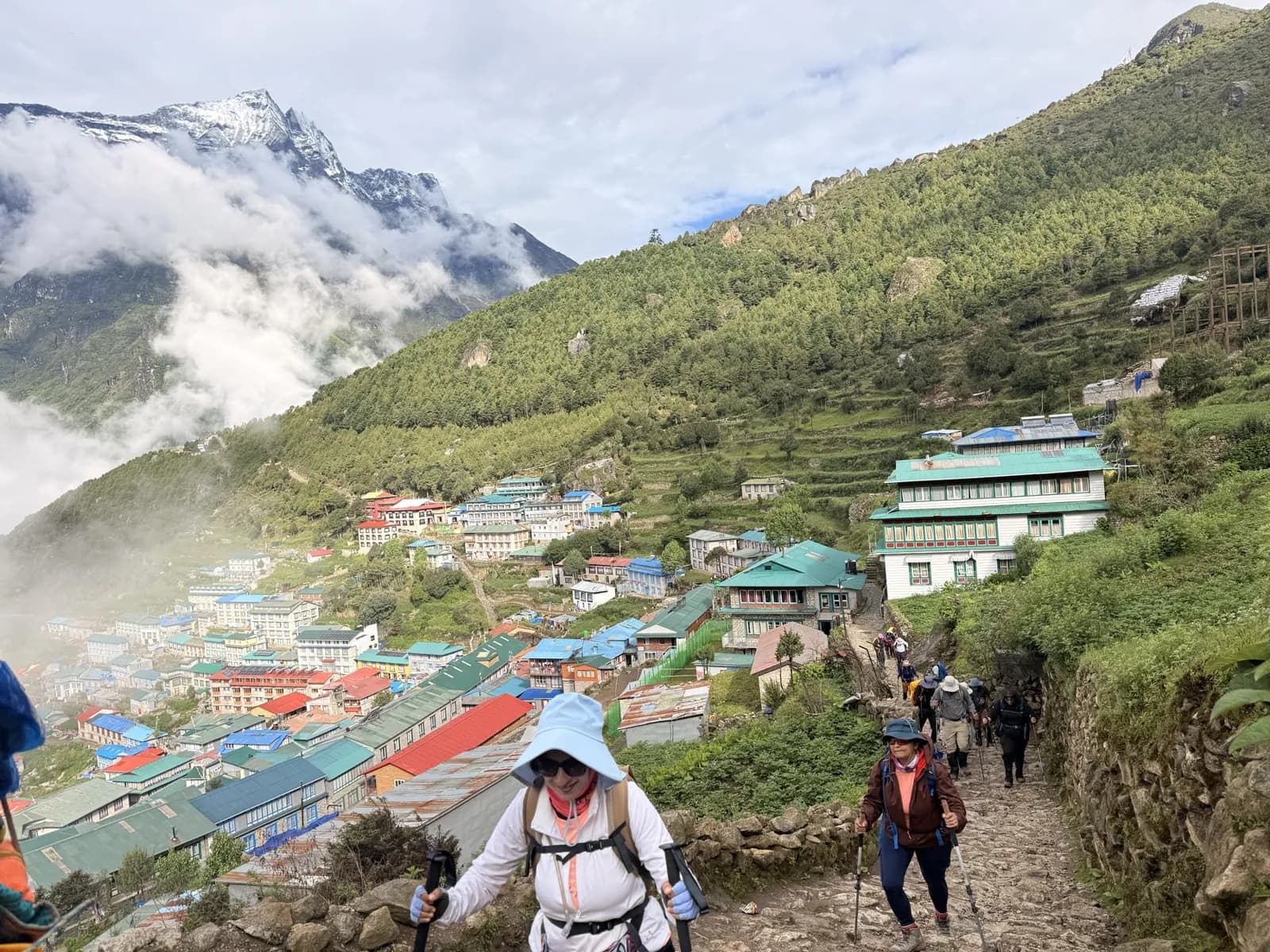
Pass through the park gate, cross the high Hillary bridge, and make the long climb through pine forest to Namche. On a clear day, you have your first view of Everest on the way up.
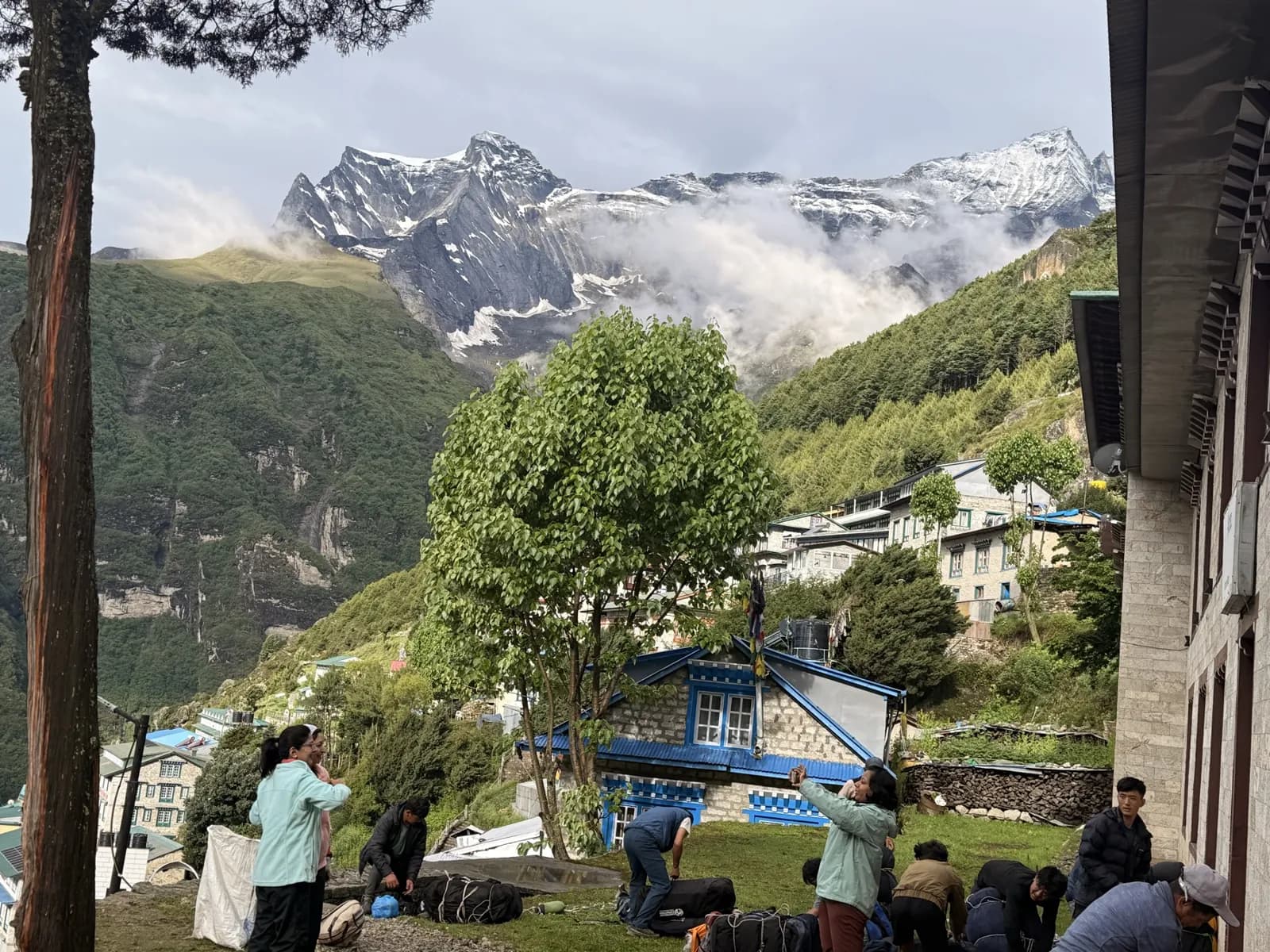
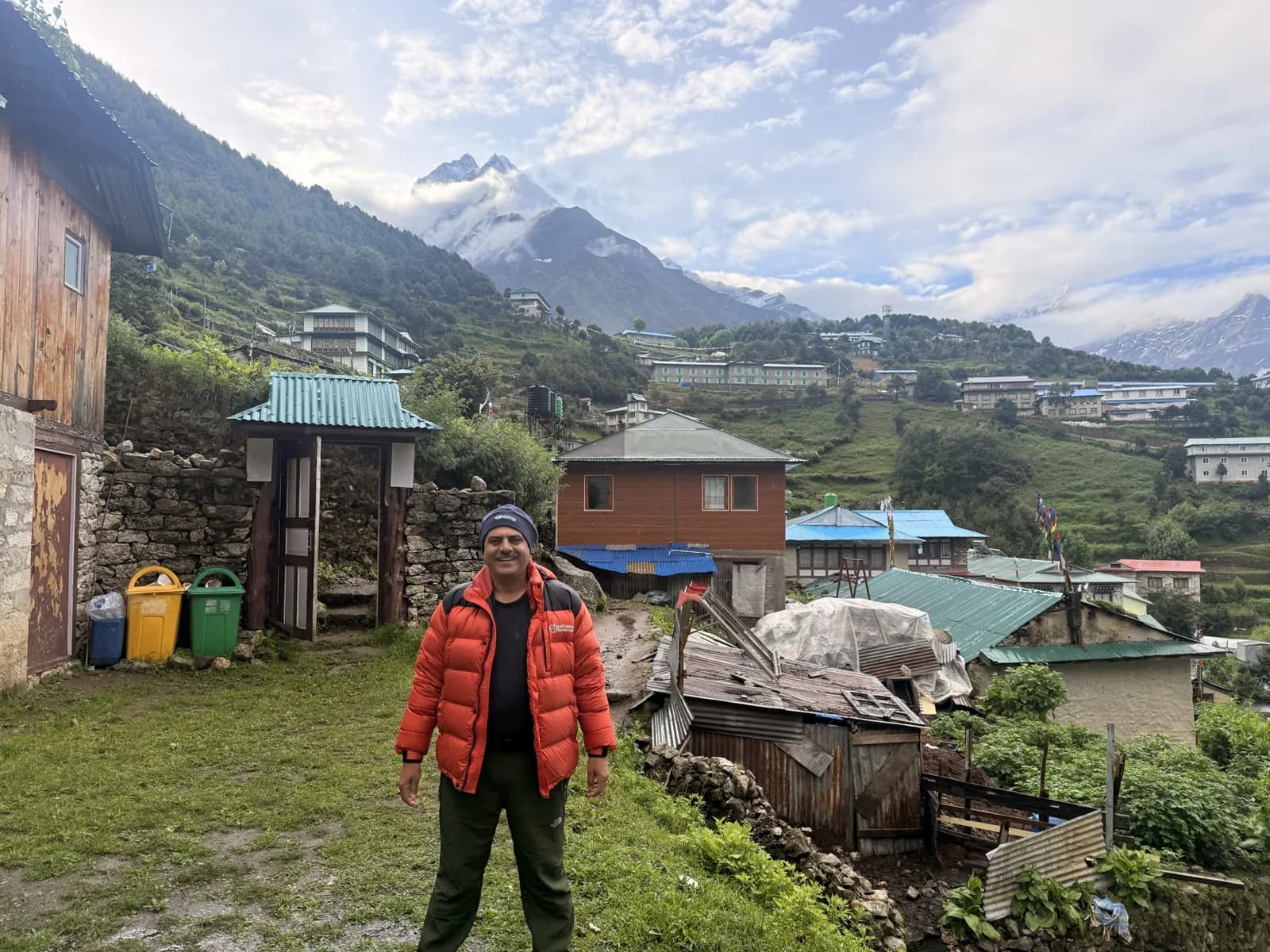
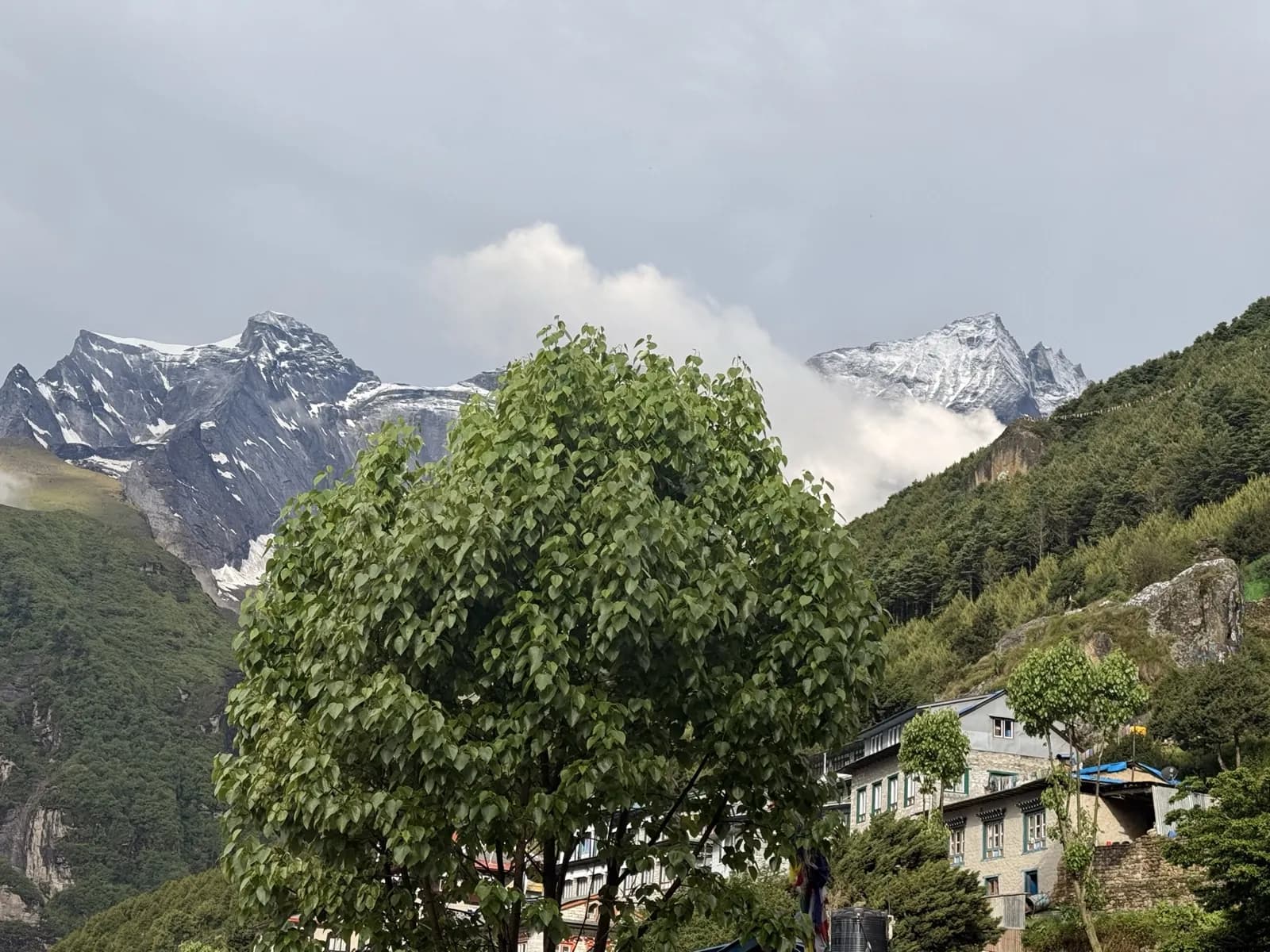
The first acclimatisation day. Walk up to the viewpoint above the town for views of Everest, Lhotse and Ama Dablam, then return to Namche to sleep. Buy anything you have forgotten here, as it is the last well-stocked shop for two weeks.
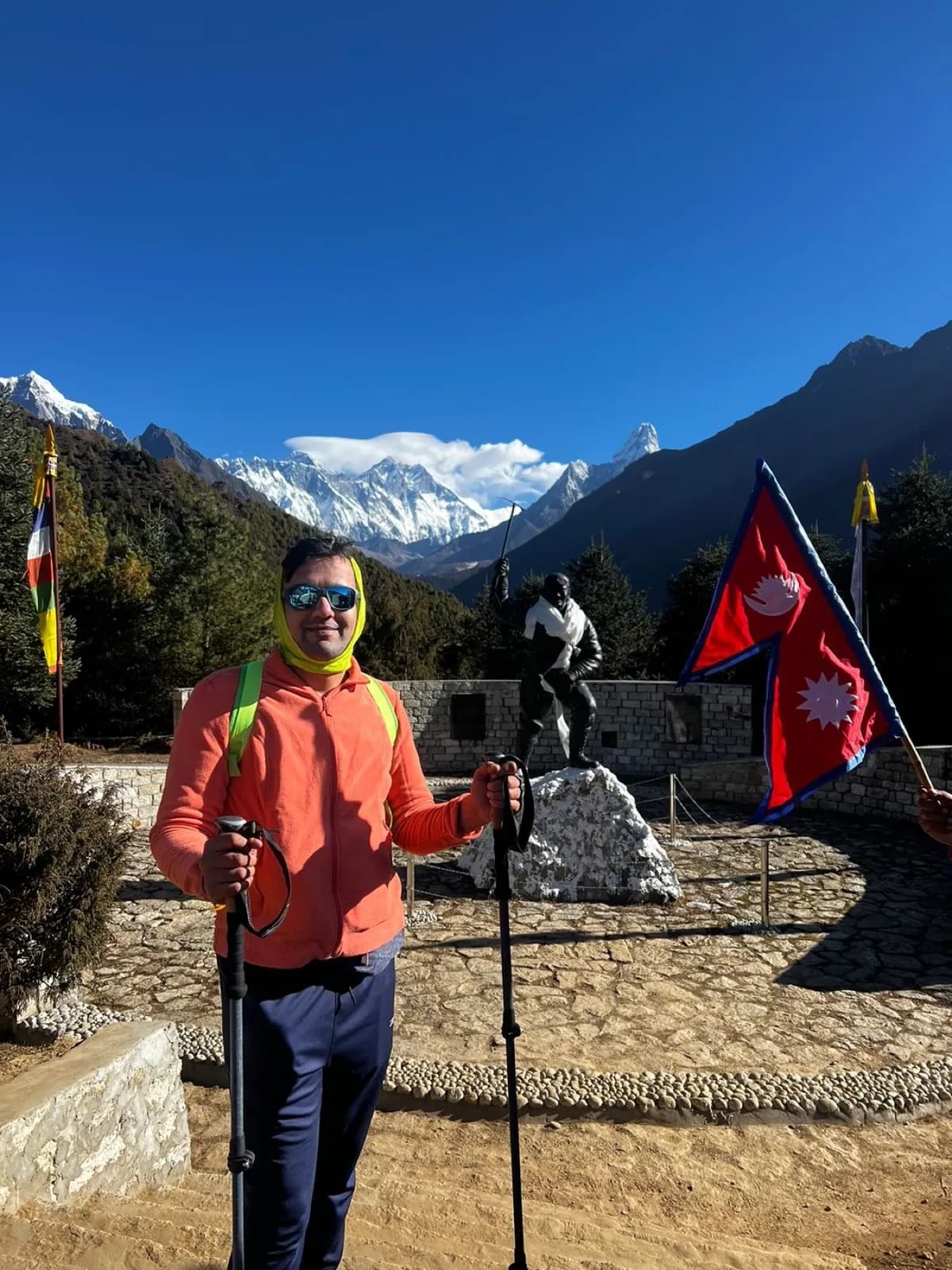
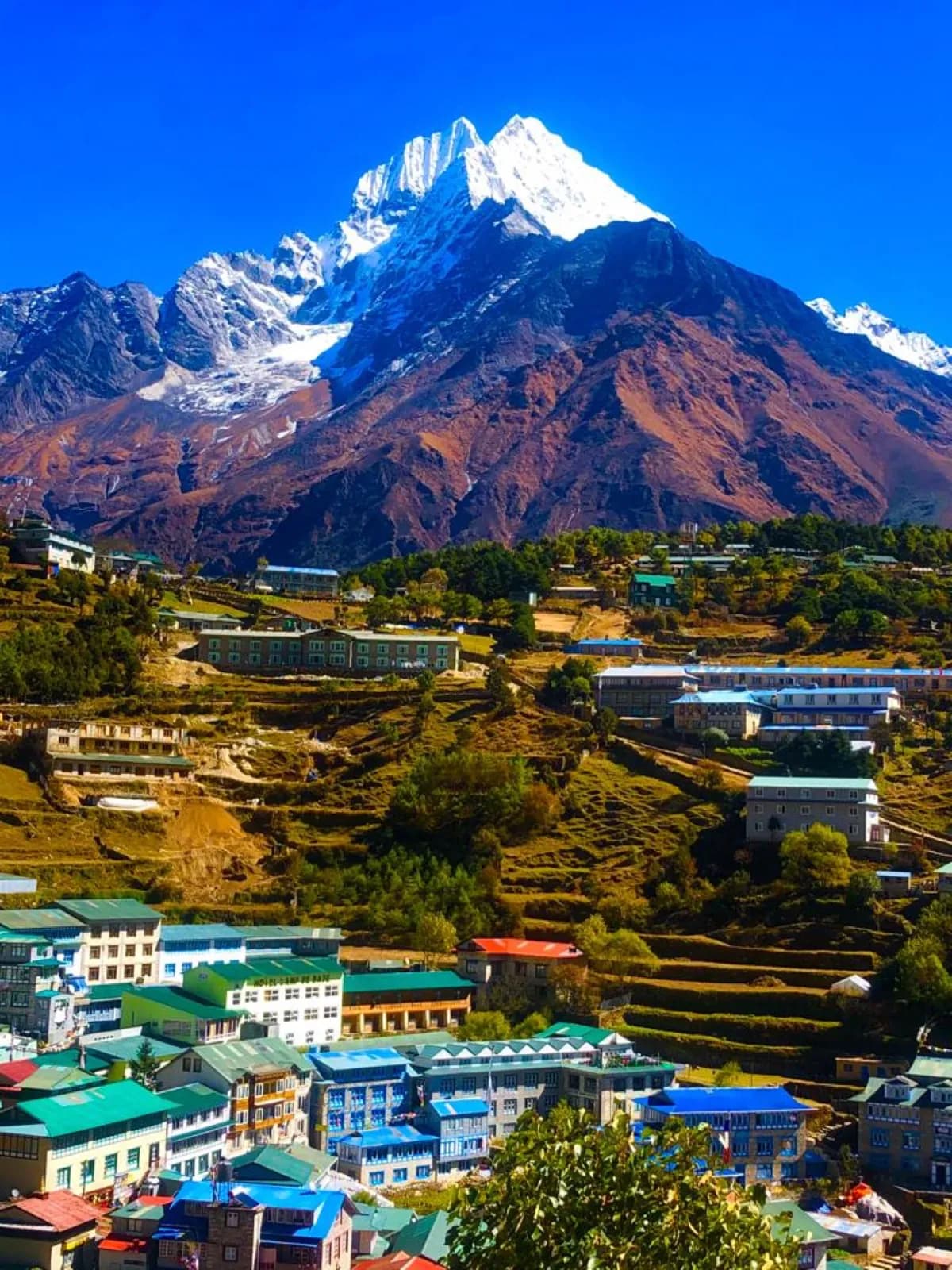
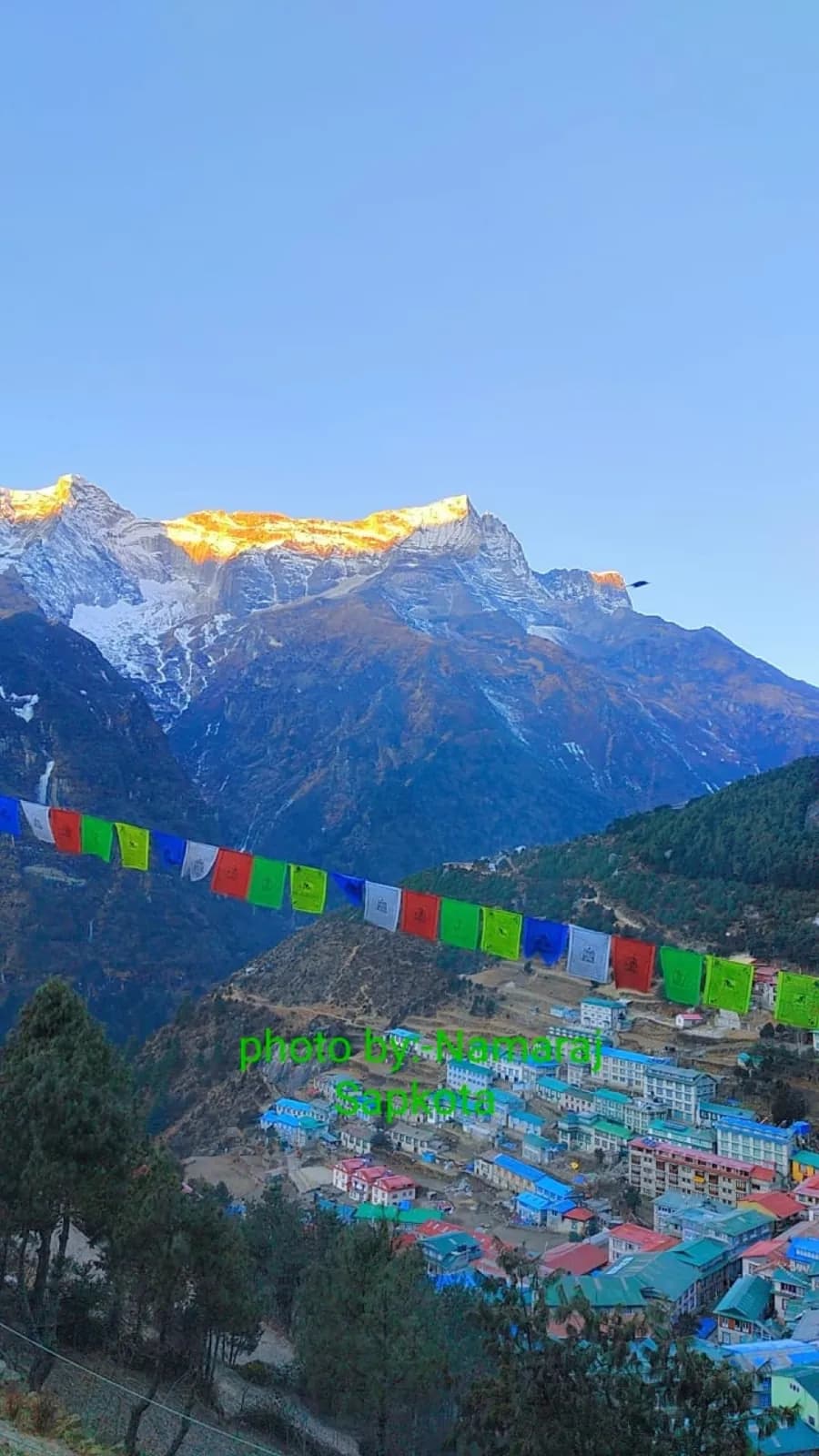
From here, the trek leaves the Base Camp route. You turn west up the Bhote Koshi into a valley that Base Camp trekkers do not visit. This is the old salt-trading route to Tibet. Thame is a village that has produced a remarkable number of Everest summiteers, including members of Tenzing Norgay's family and Apa Sherpa.
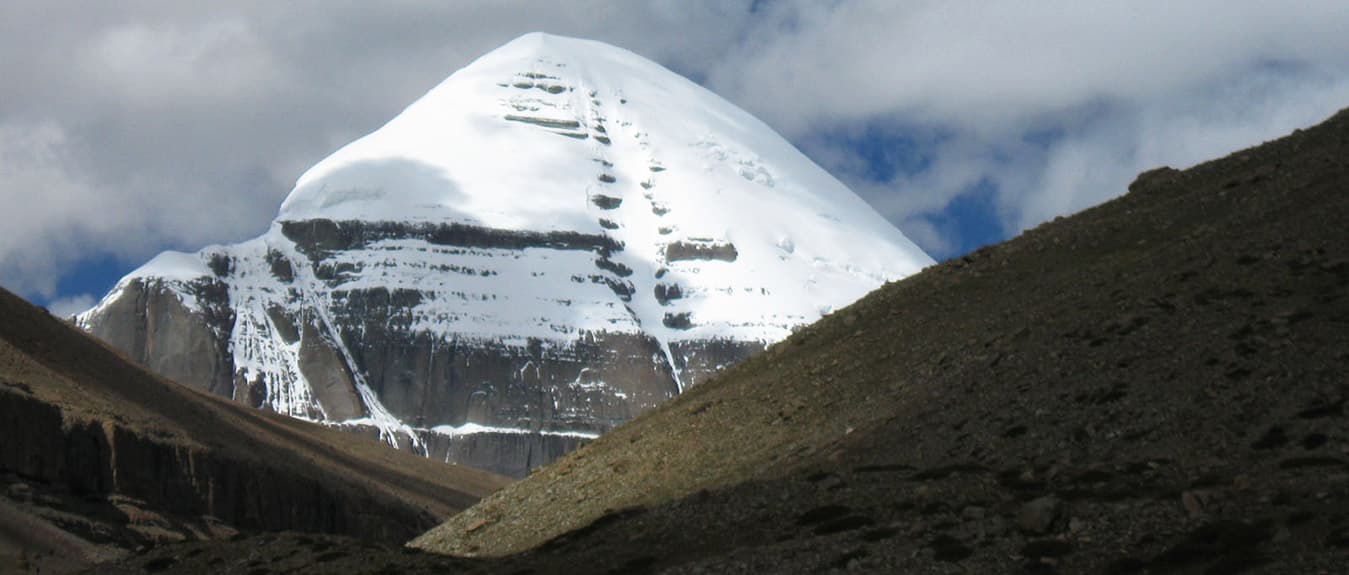
Continue up the Bhote Koshi valley, which becomes narrower and quieter. You pass yak pastures and a few stone houses, with Tibet beyond the ridge ahead. The day is kept short on purpose, because the altitude is now rising steadily.
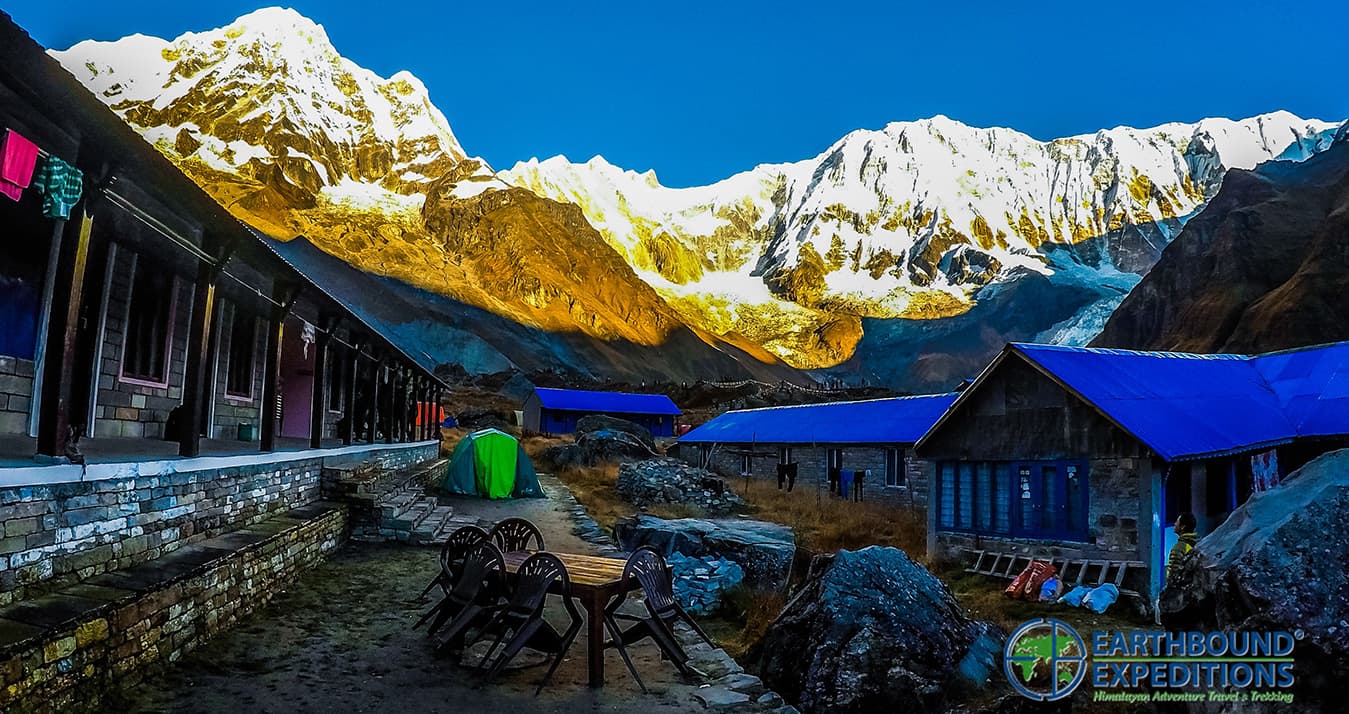
Another short day at altitude to the last settlement in the valley. Lungden has two or three buildings and wide open views, and from here the trek becomes truly remote.
A short walk up to a high camp below the first pass, which divides the crossing into two manageable stages. The afternoon is for resting and drinking plenty of water, and the guide checks your oxygen readings before dinner.
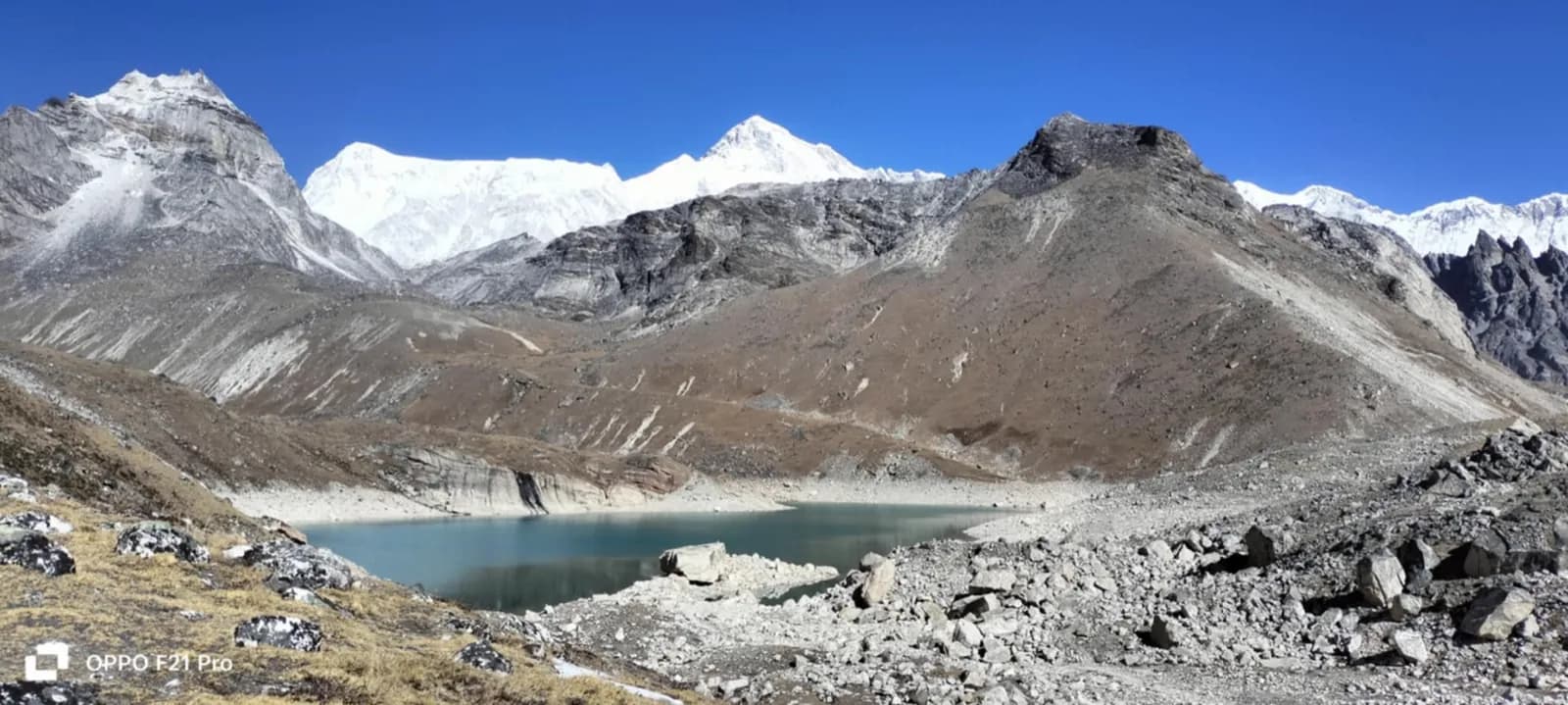
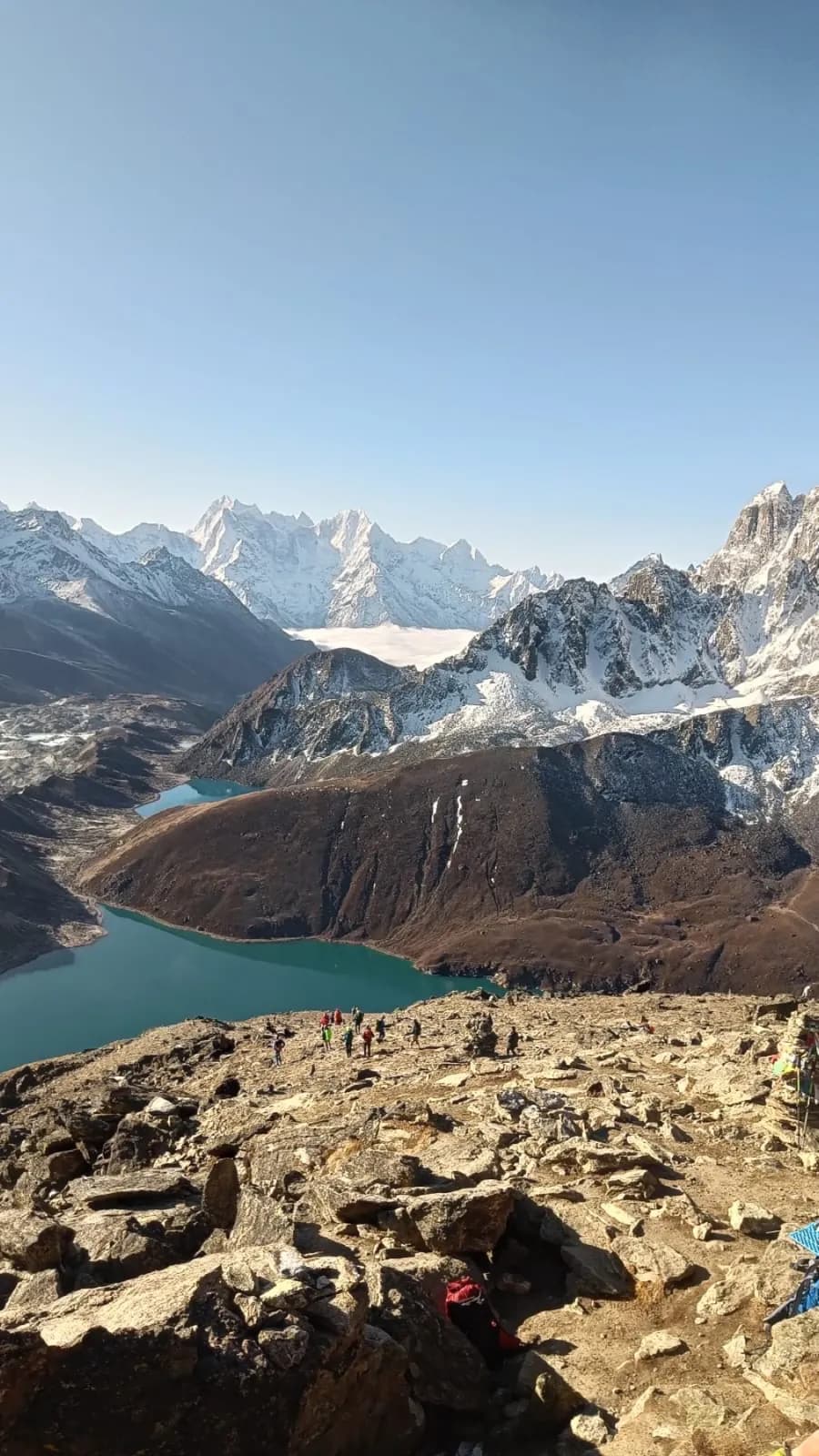
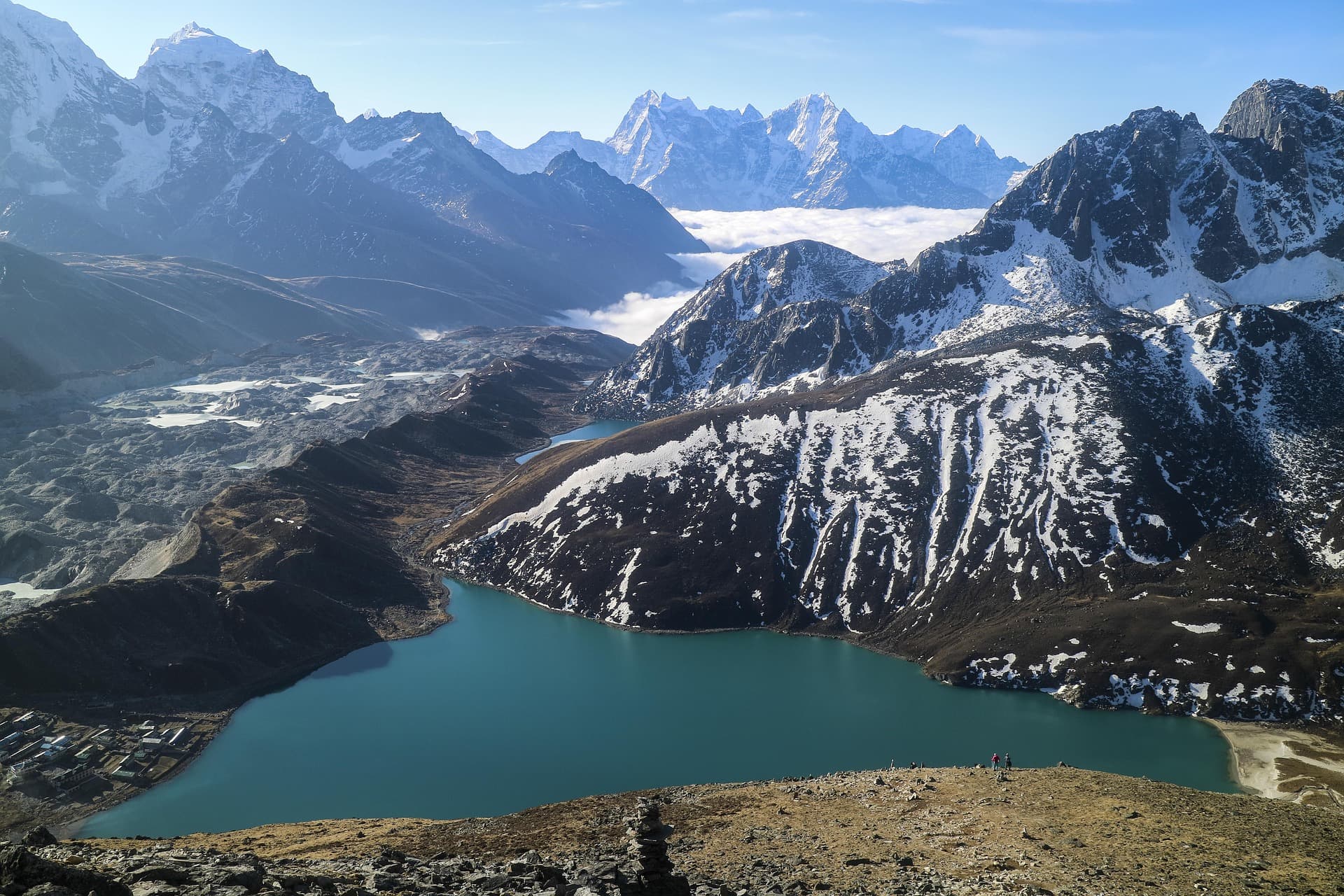
The first pass, at 5,340 m, is the easiest of the three. A steady climb leads to a saddle hung with prayer flags, with views of Everest, Lhotse and Makalu straight ahead and the Gokyo lakes directly below. A steep stone staircase descends to the third lake and the village.
Climb the hill behind the village at dawn to 5,357 m for views of Everest, Lhotse, Makalu and Cho Oyu, four of the six highest mountains in the world. The rest of the day is a full rest day, which you will need after the first pass.
A short day that crosses the Ngozumpa Glacier, the longest glacier in Nepal, which looks like a field of rubble with ice beneath it. On the far side there are a few buildings at Thangnak. The walk takes two or three hours, and the guide chooses the route across the glacier.
The most technical pass. After an early start, a steep climb leads to the pass at 5,420 m, followed by a short glacier crossing at the top that is flat but icy, where the guide will fit you with microspikes. The descent on the east side is steep and loose. This is a long and demanding day with outstanding scenery.
A short, easy and scenic day, traversing above the Khumbu glacier with Ama Dablam behind you and Pumori ahead. You join the Base Camp trail at Lobuche, where you meet larger numbers of trekkers for the first time in a week.
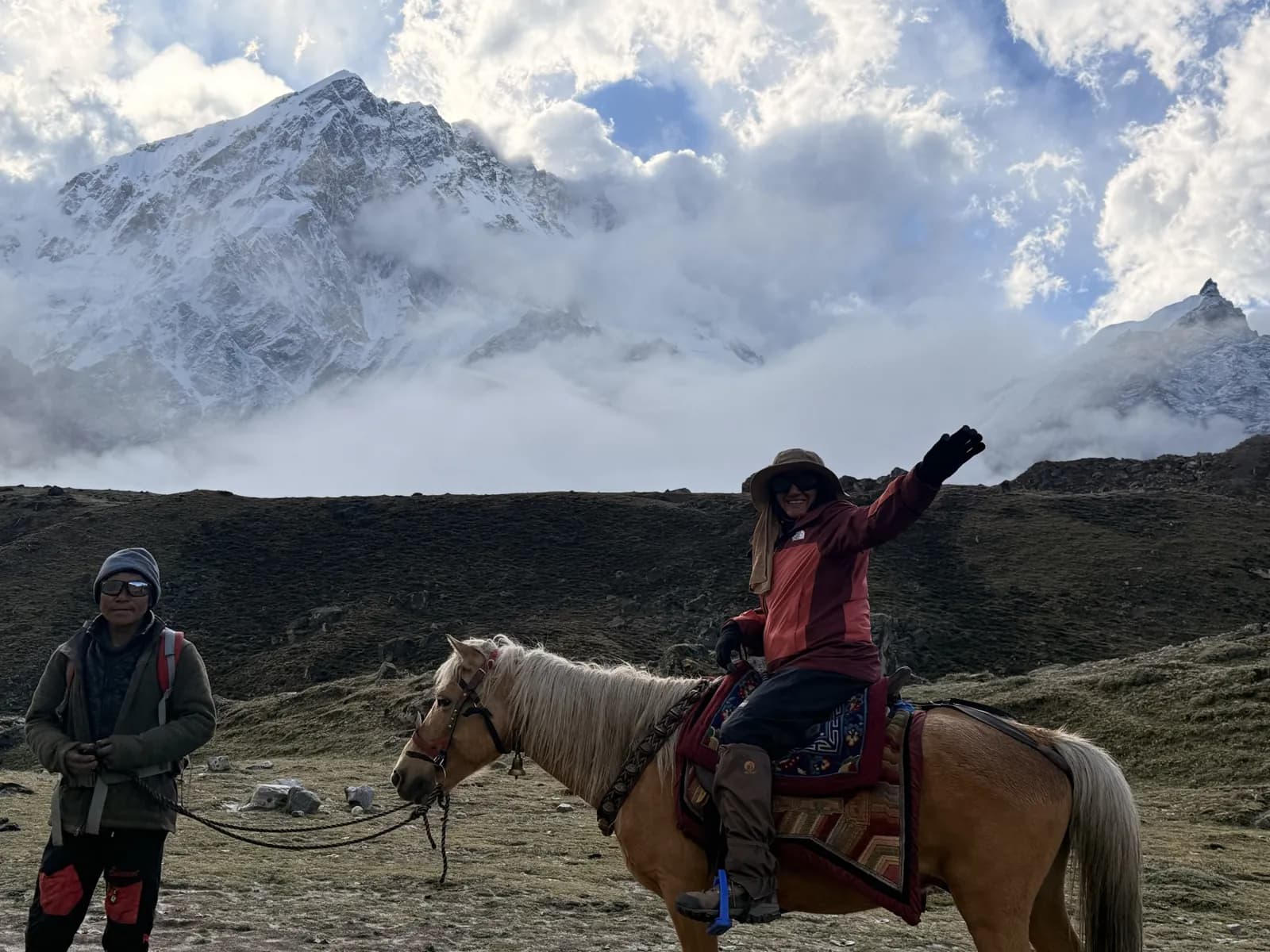
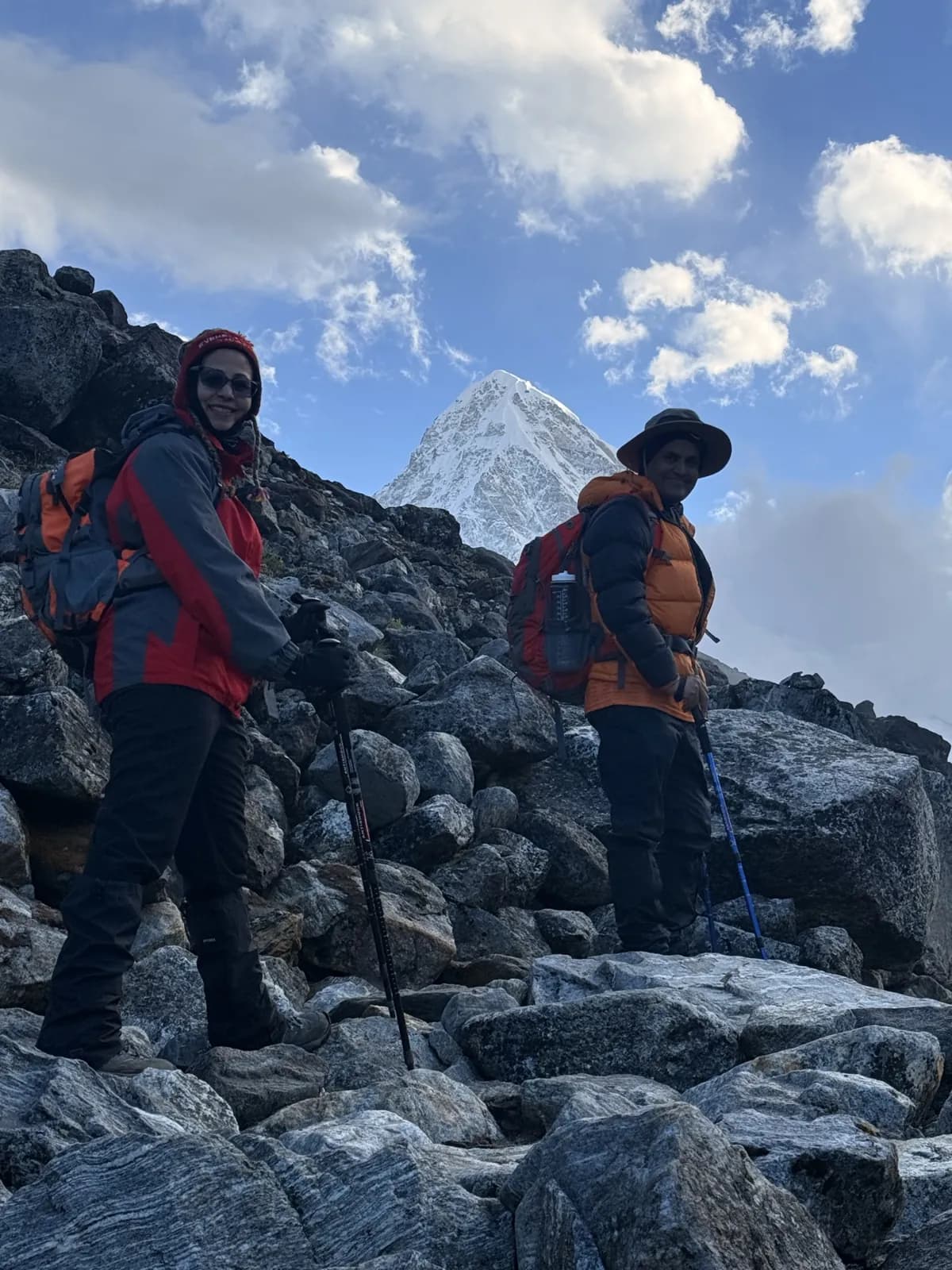
Follow the glacier to Gorak Shep for lunch, then cross the moraine to Base Camp below the Khumbu Icefall. In spring, it is filled with the tents of climbing expeditions. Return to Gorak Shep to sleep.
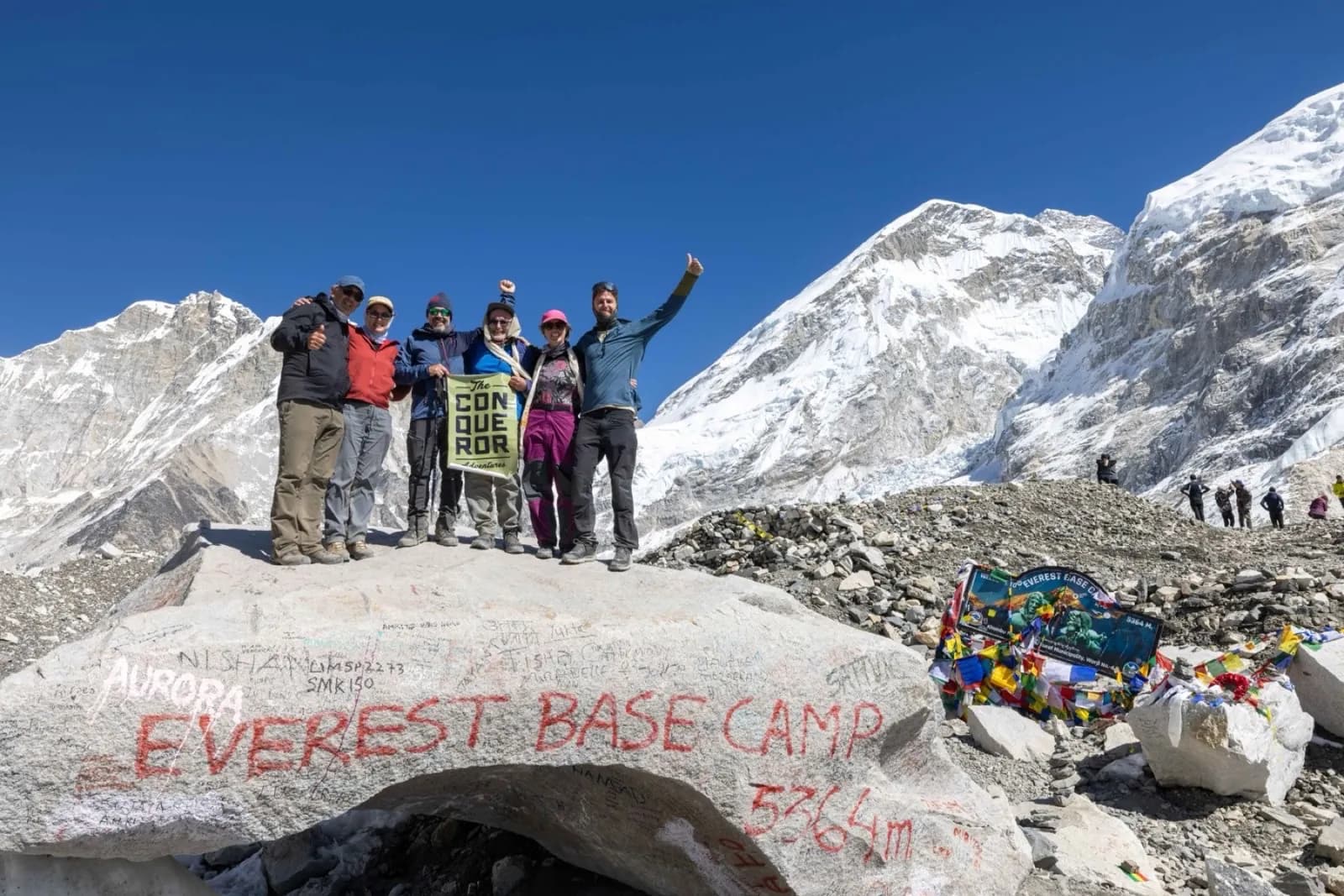
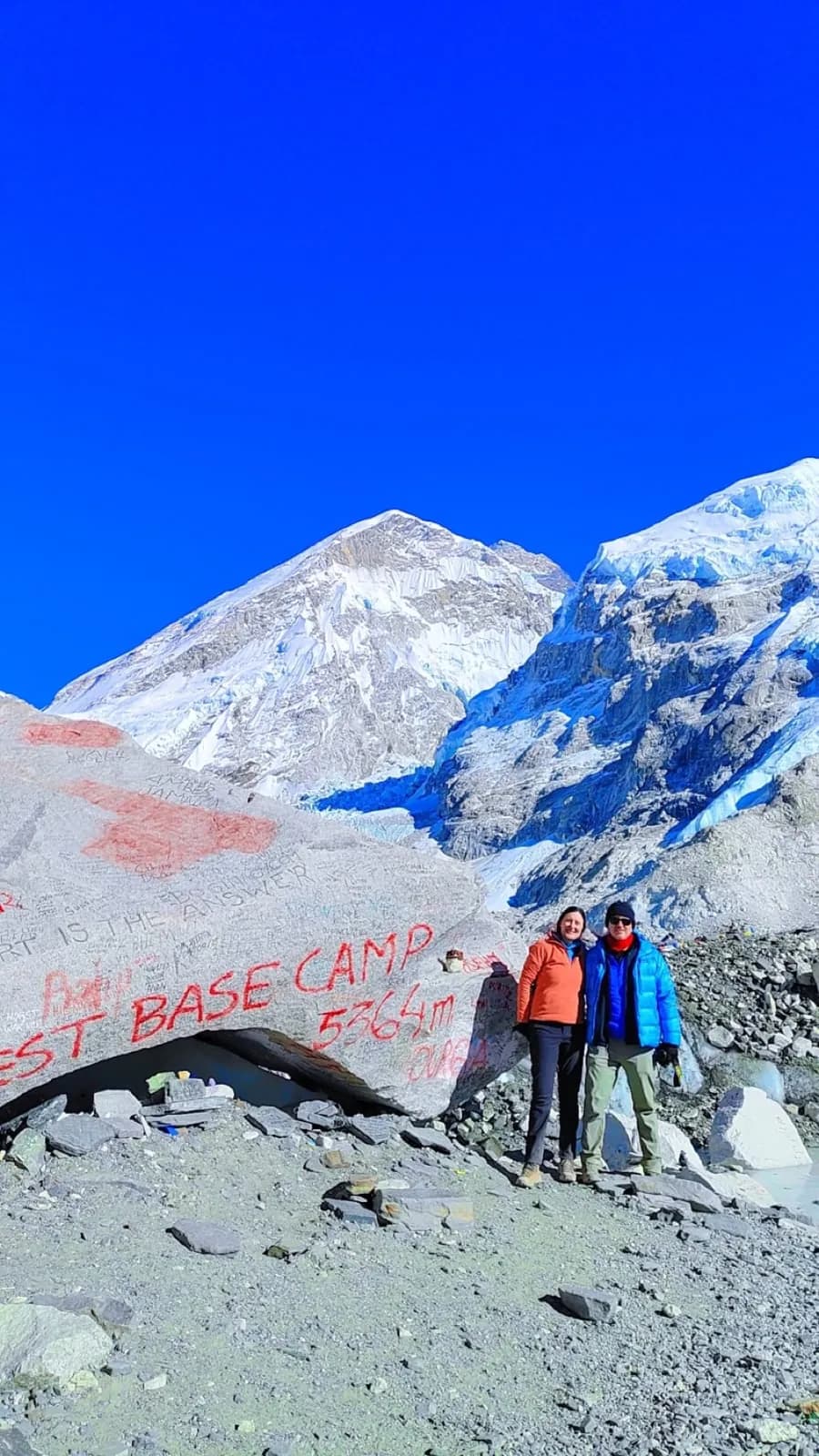
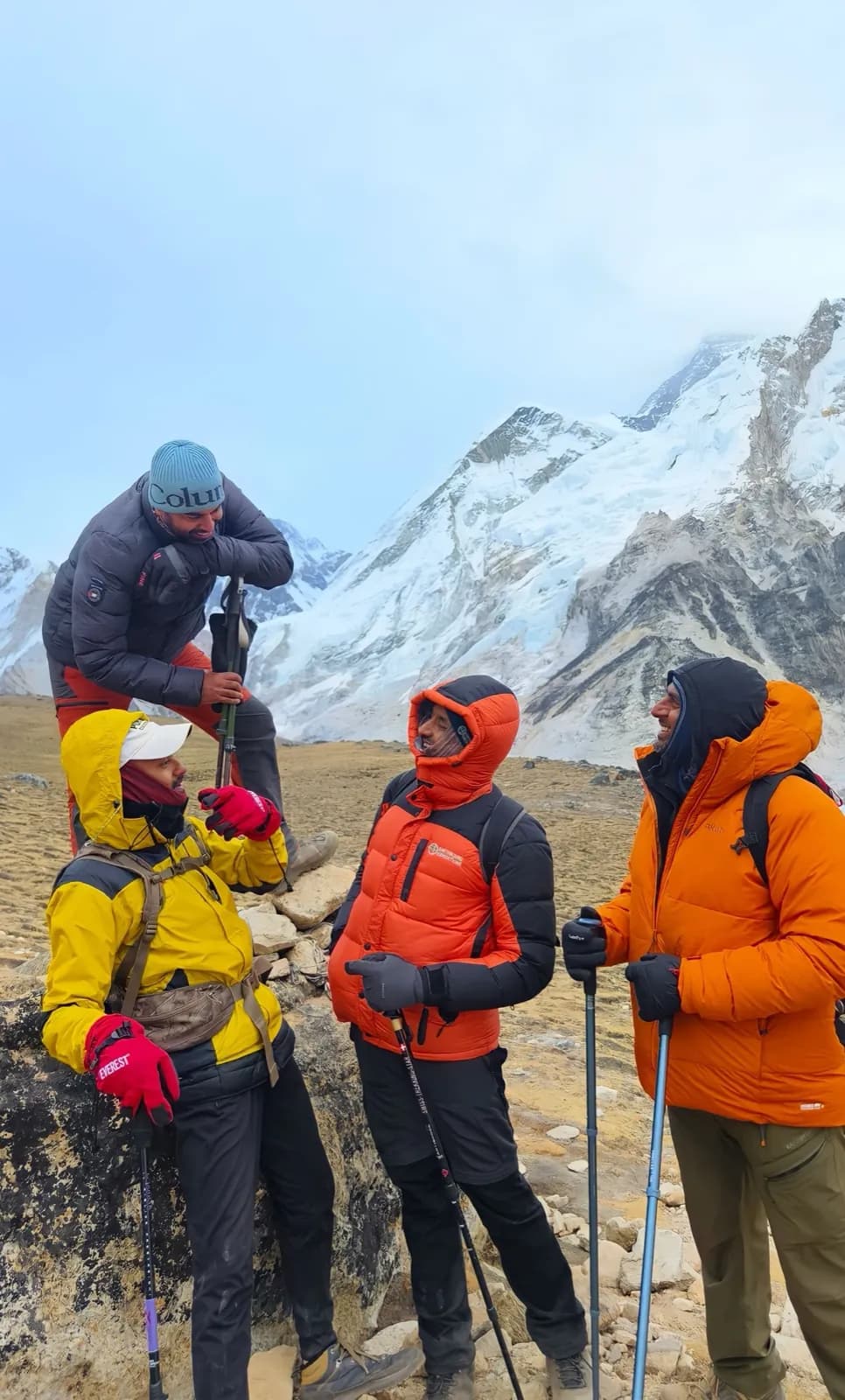
An early start in the cold and dark to climb Kala Patthar for the best view of Everest at sunrise, then descend to Lobuche to prepare for the last pass. This is the highest point of the trek, but not the hardest day.
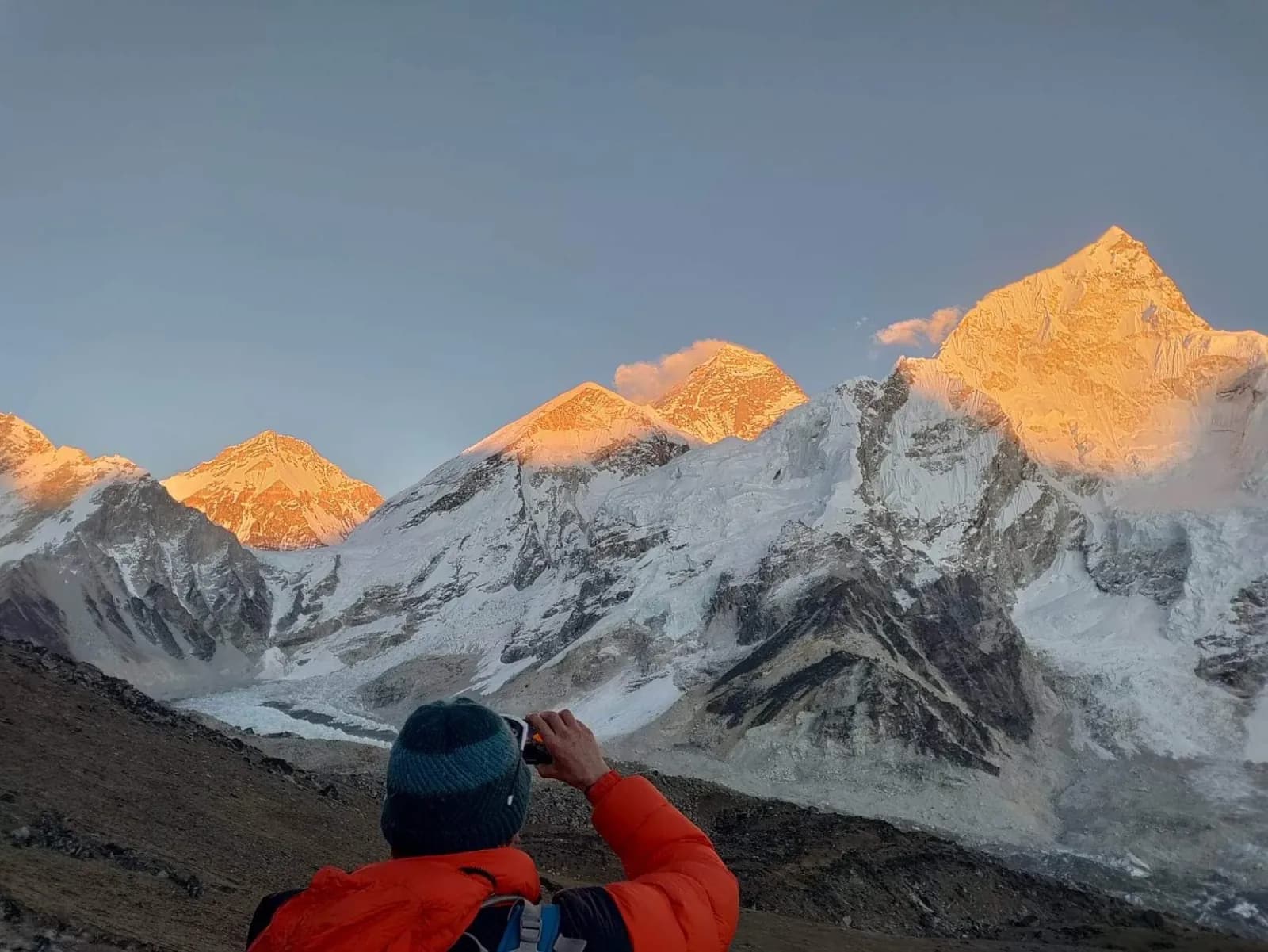
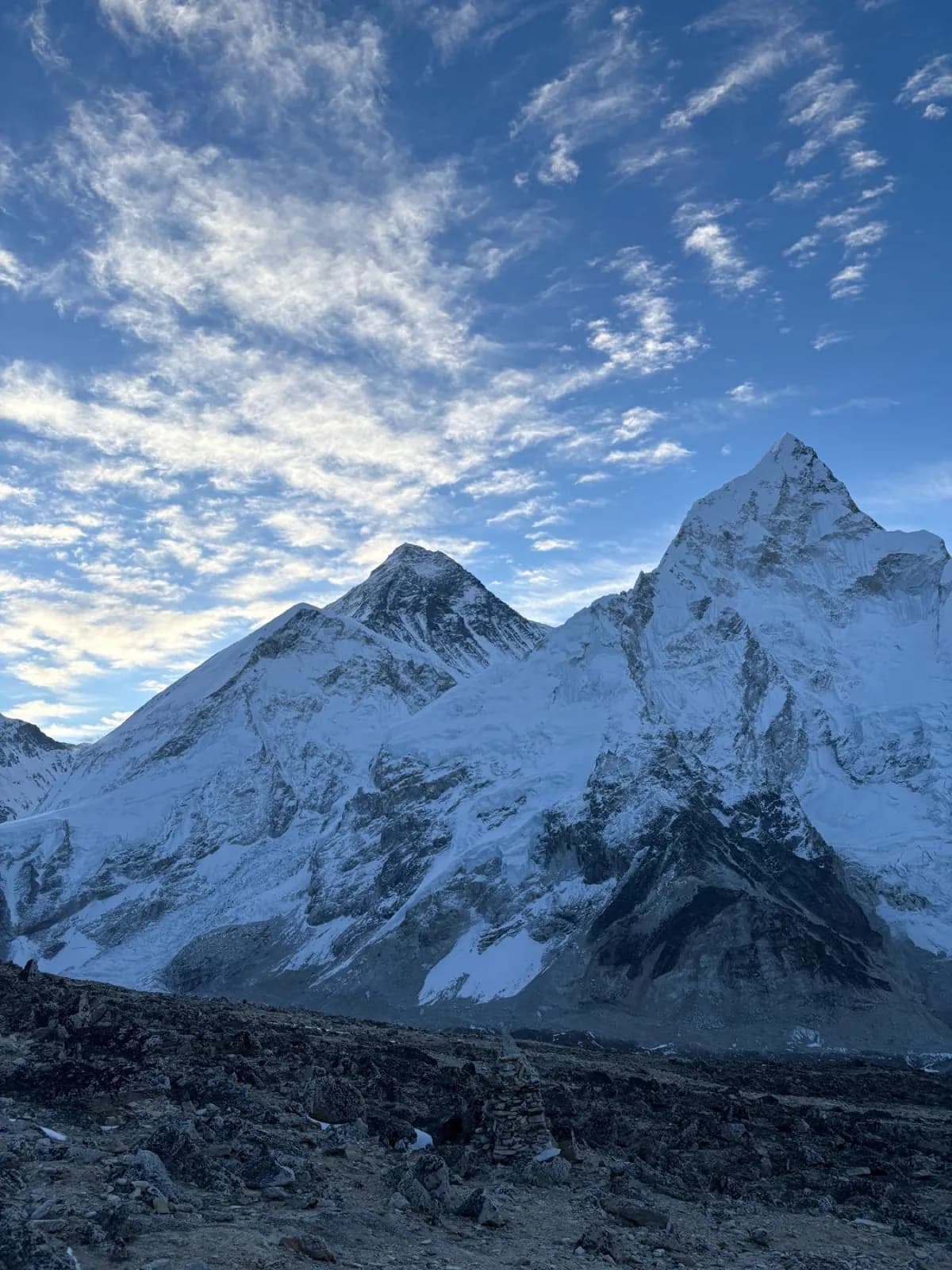
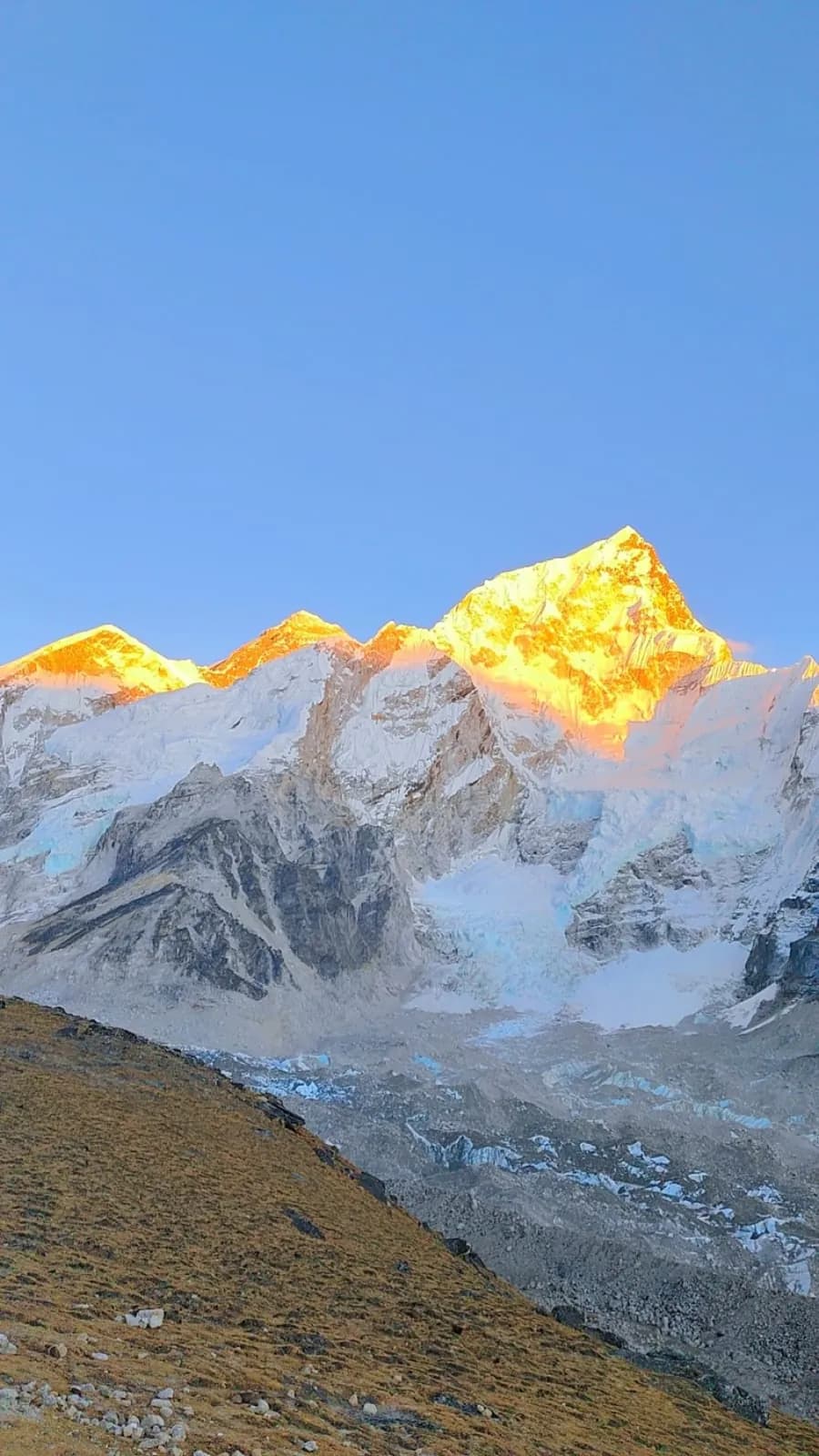
The hardest day of the trek and the highest pass, at 5,535 m. You first cross the Khumbu Glacier, then climb steadily for a long time to a saddle with frozen lakes and prayer flags, followed by a long descent into the Imja valley. The day takes eight to ten hours, and the whole trek has been preparing you for it.
Descend the Imja valley through Dingboche and Pangboche, losing height all day and breathing more easily, to the monastery at Tengboche on its ridge with Ama Dablam behind. The hardest part of the trek is now over.
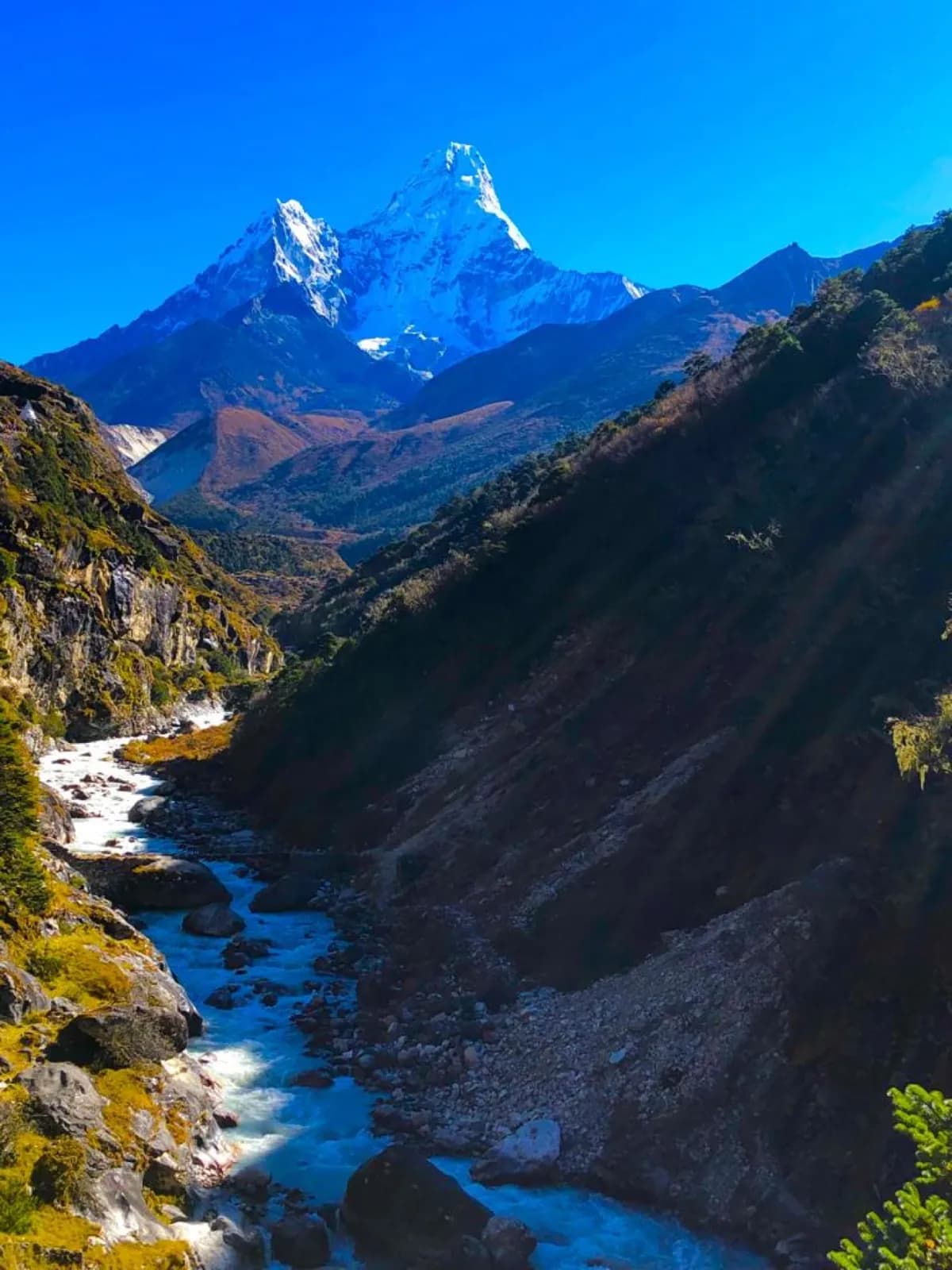
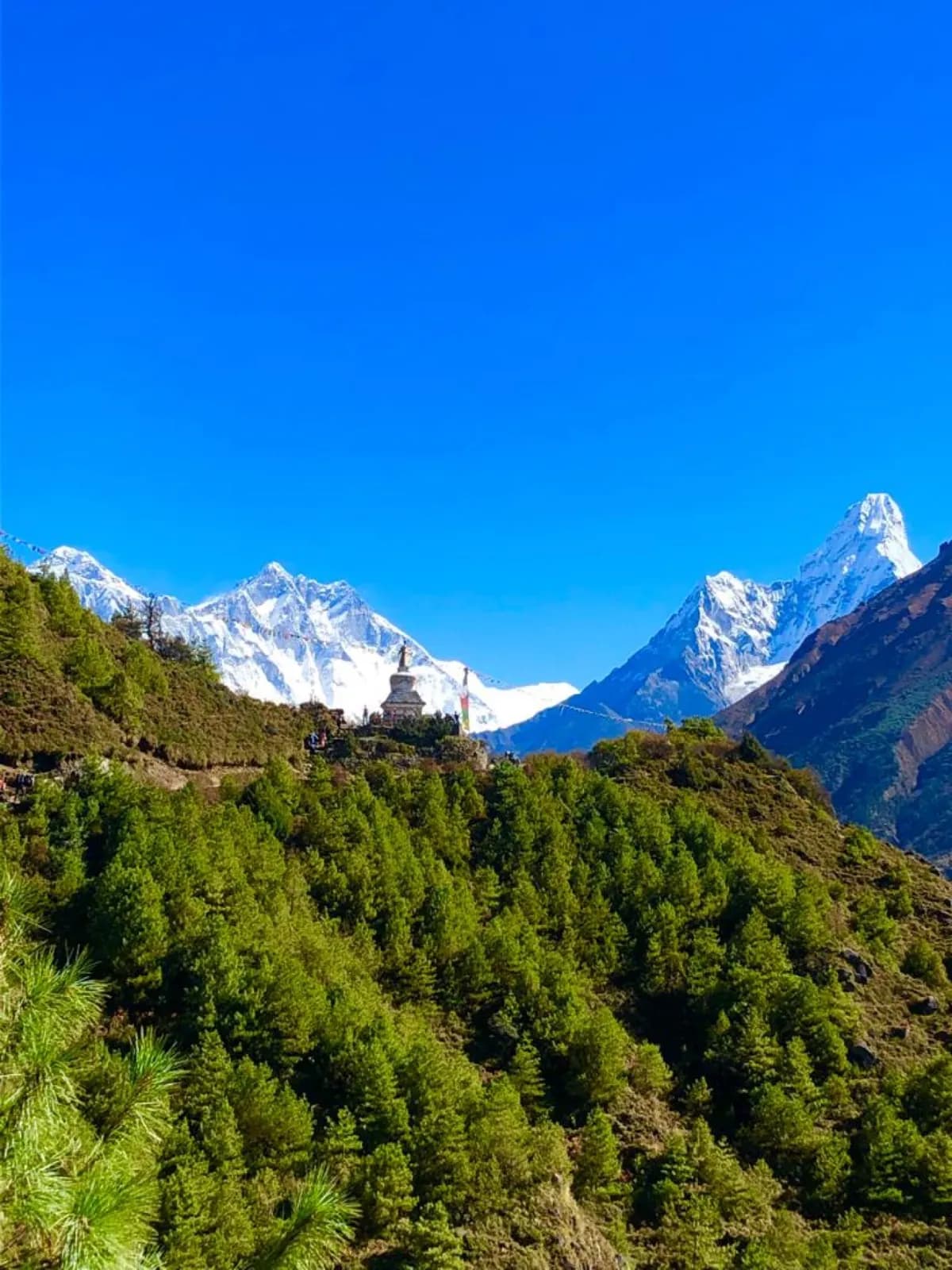
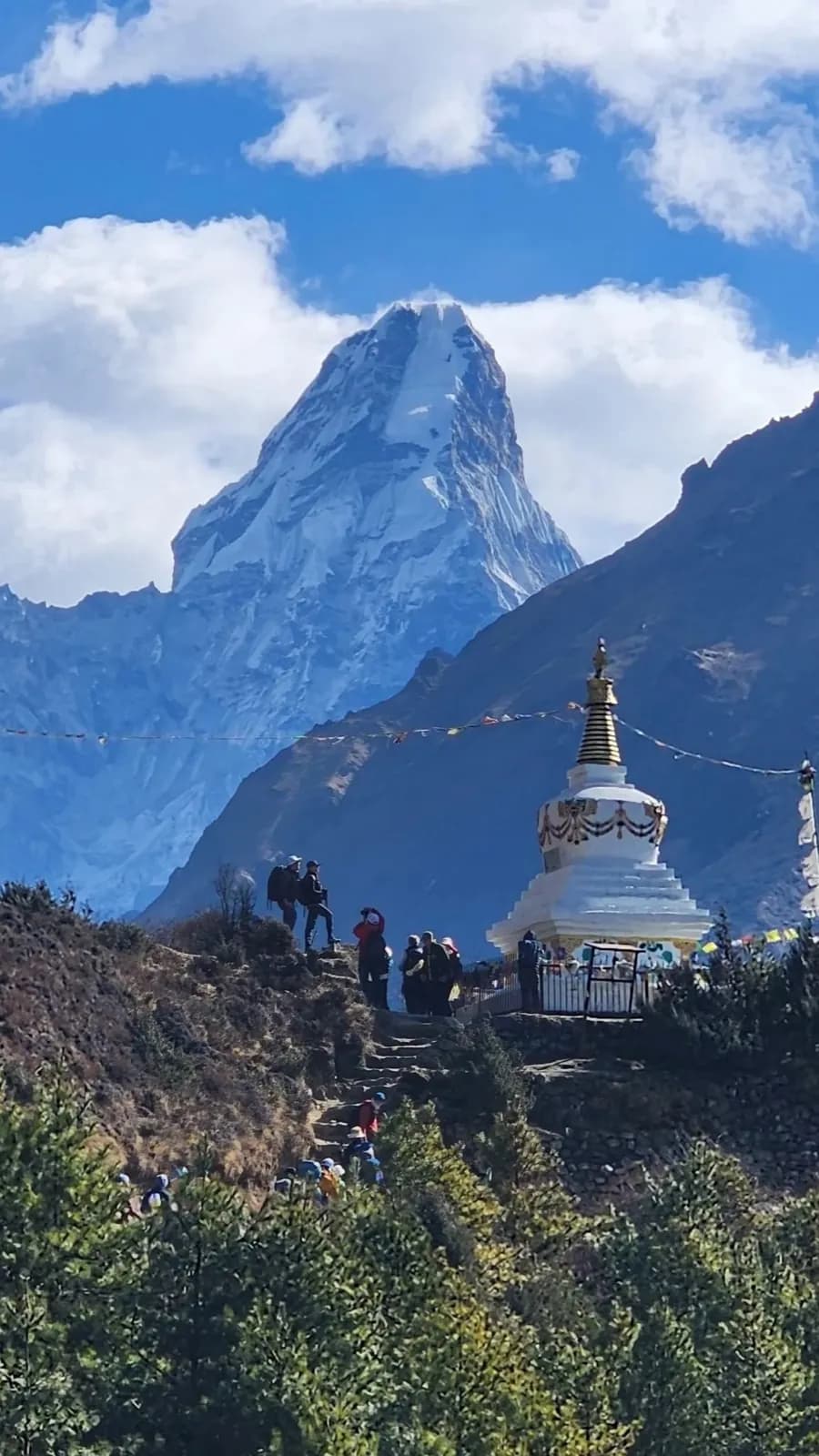
Descend to the river at Phunki Tenga and climb back up to Namche, through forest with birdsong, to a hot shower. The rest of the trek is relatively easy.
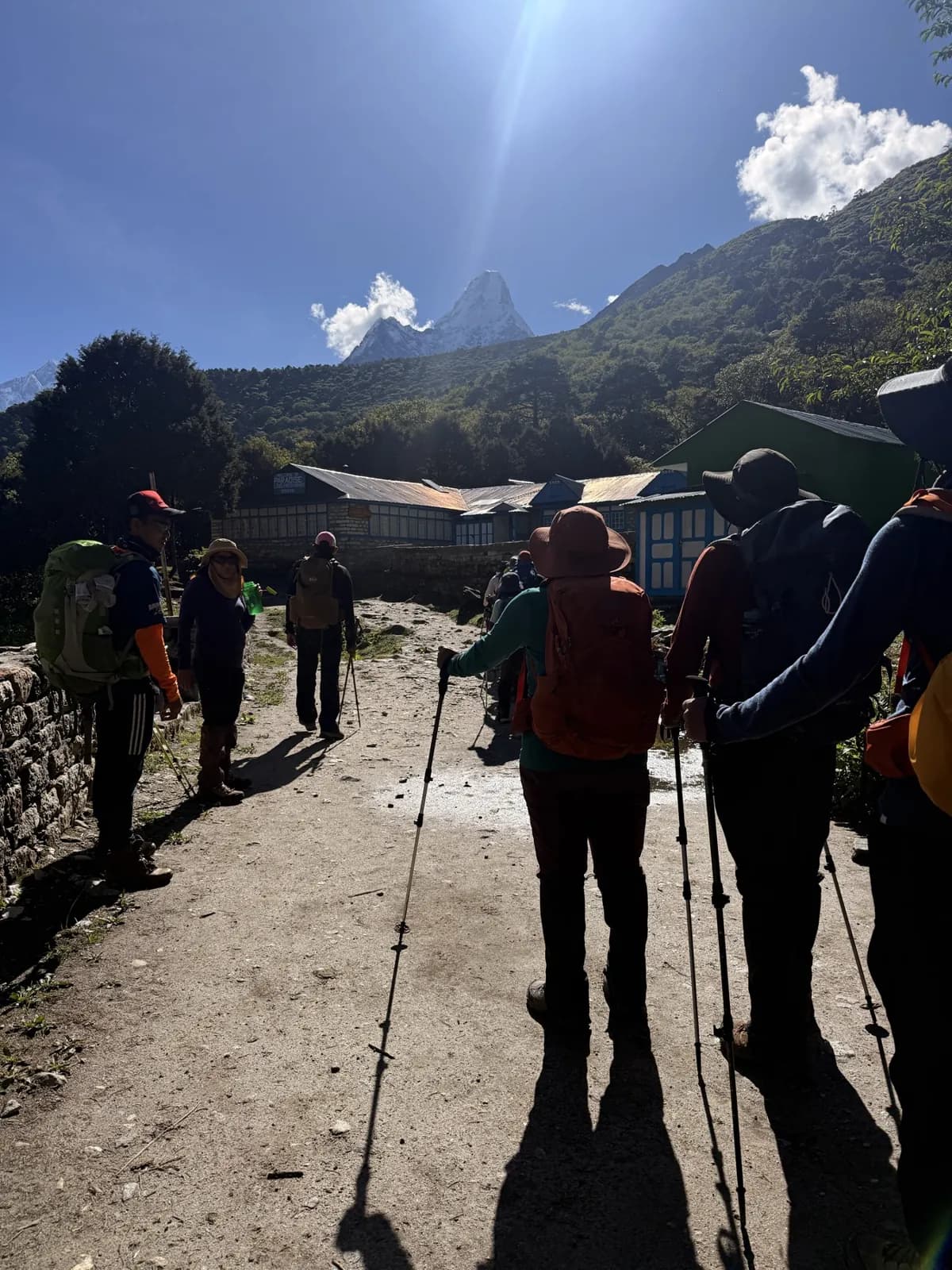
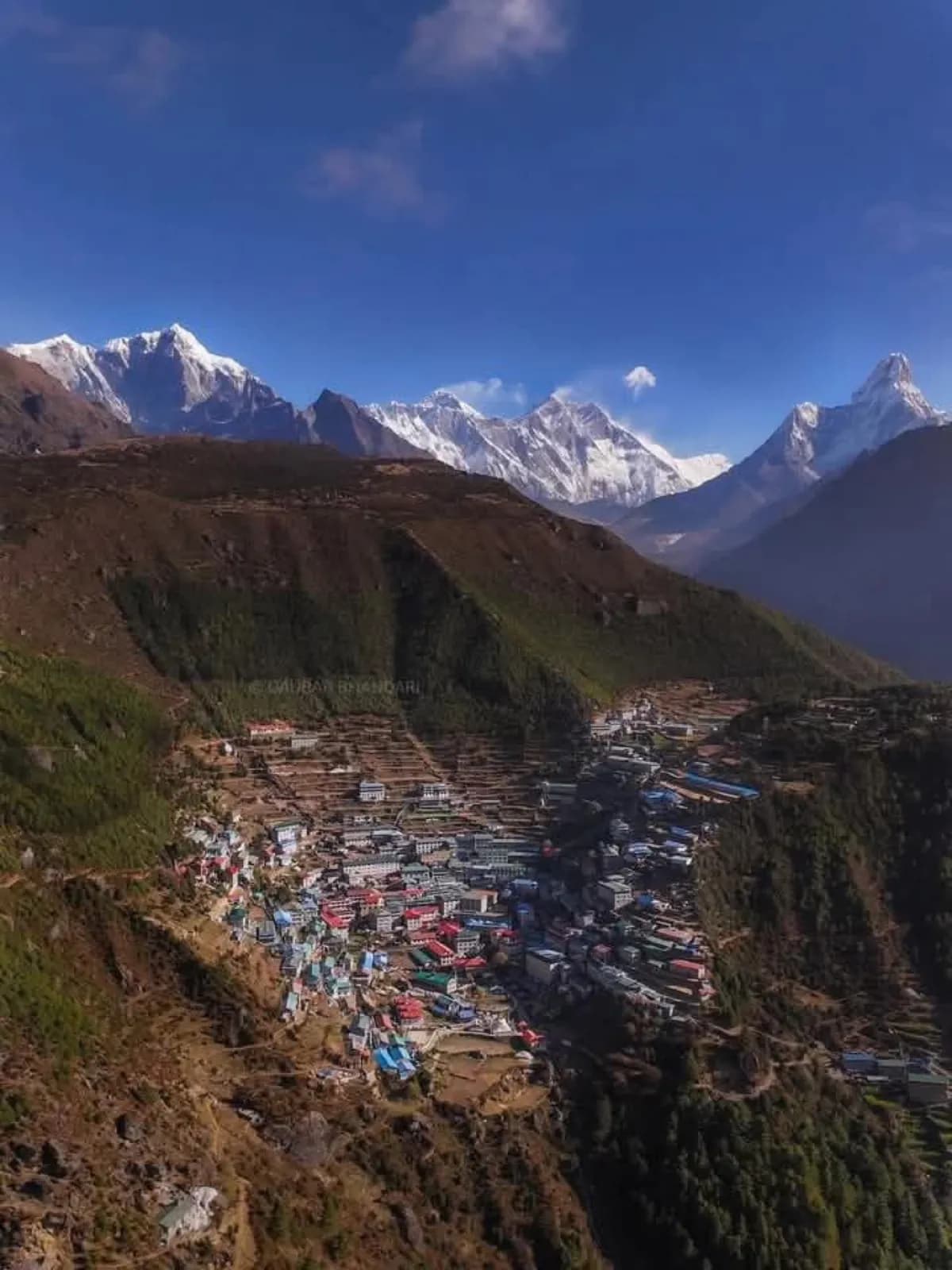
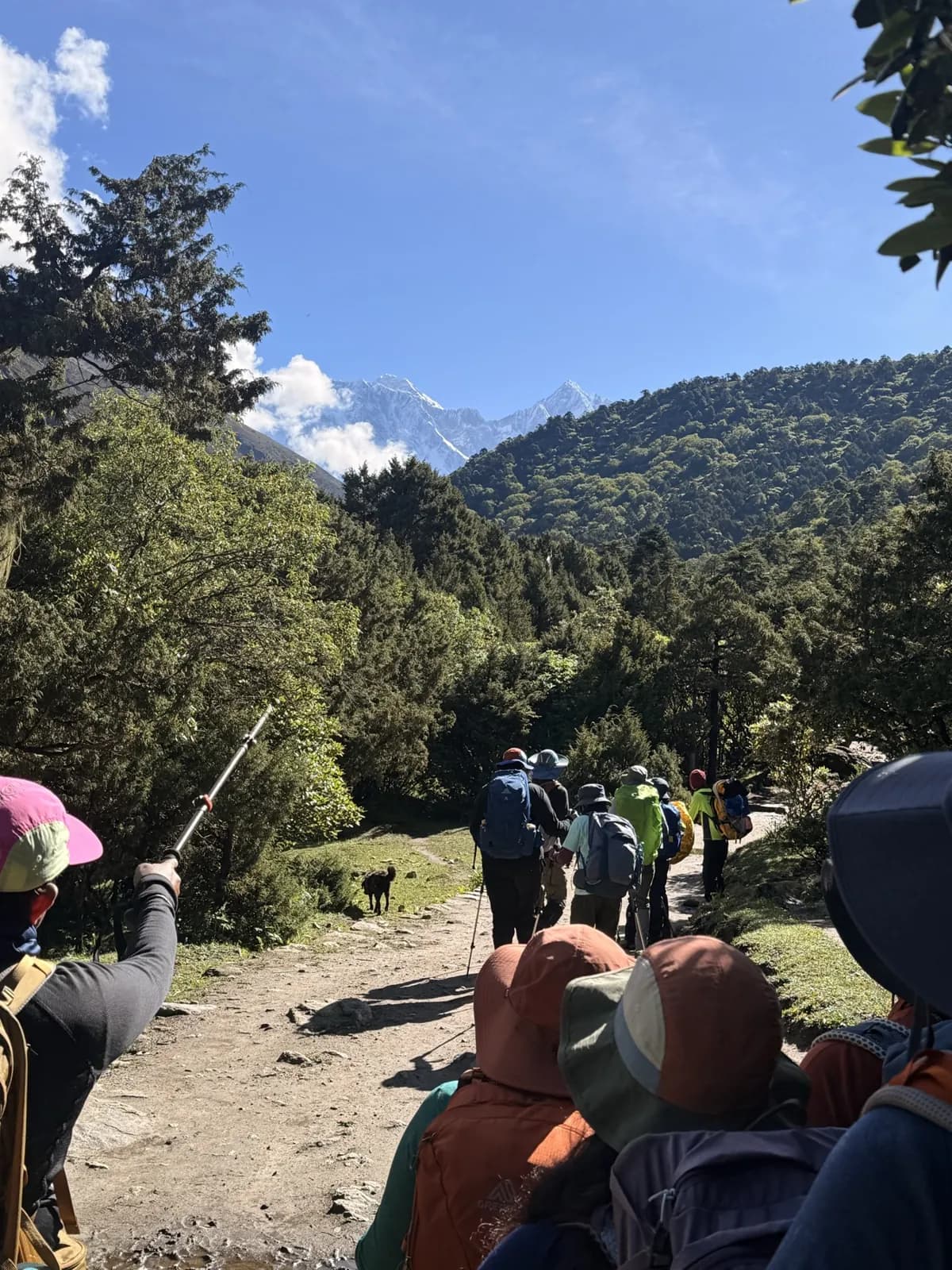
The last full day on the trail, back across the bridges and through the villages to Lukla. In the evening, we have dinner with the guides and porters, which is a special occasion at the end of this trek.
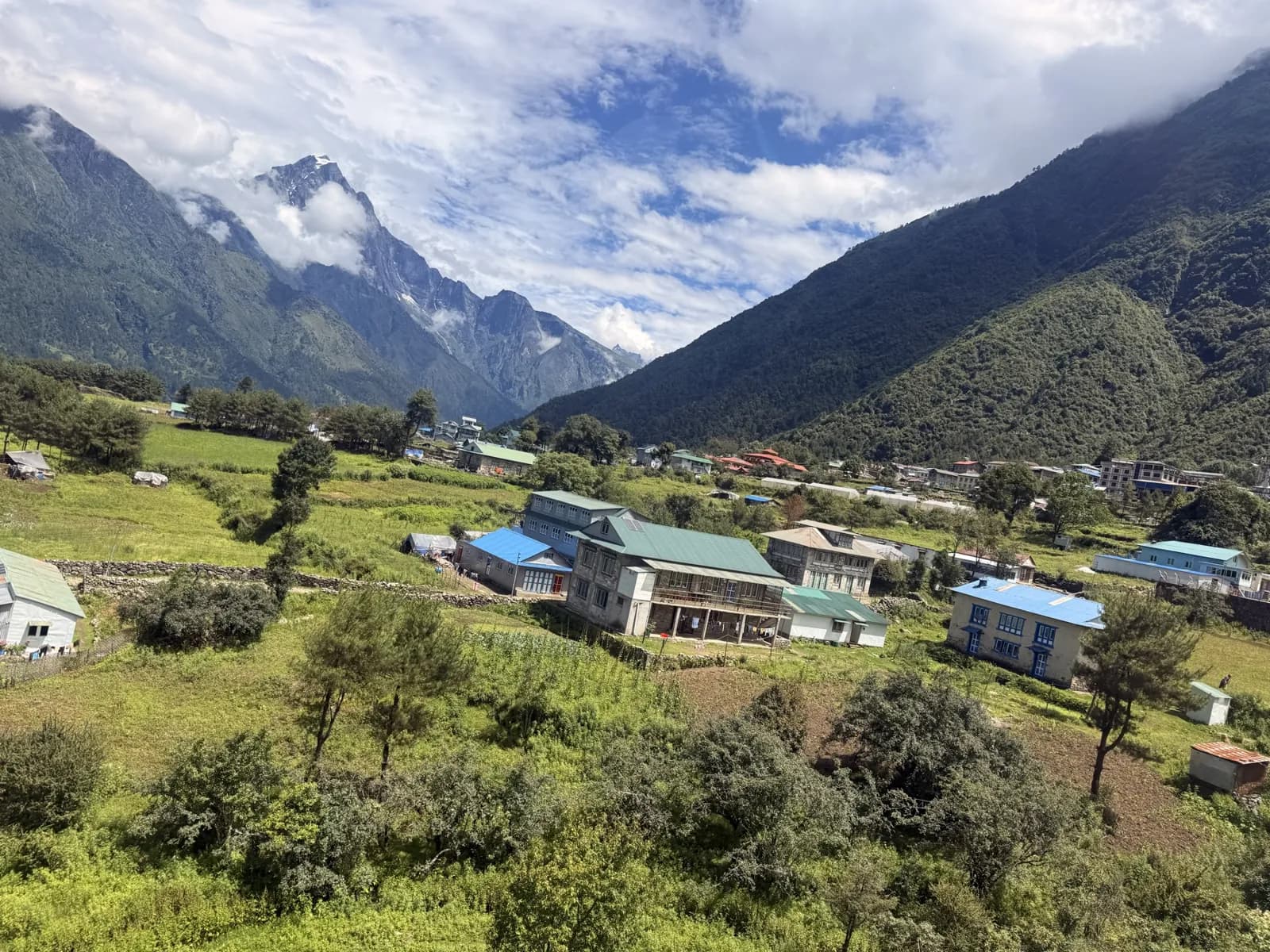
A short morning flight back to Kathmandu, with the rest of the day free. A farewell dinner in the evening, and a comfortable hotel bed.
We take you to the airport, or on to any extension you have booked. As on any Khumbu trek, allow a spare day in your wider plans in case of weather delays at Lukla.
Start date
11 Oct 2027
End date
1 Nov 2027
Available
8 places left
US $2,387
Per person
Start date
25 Sept 2028
End date
16 Oct 2028
Available
8 places left
US $2,387
Per person
Start date
25 Oct 2027
End date
15 Nov 2027
Available
8 places left
US $2,387
Per person
The trail from start to finish, at a glance.
Baggage weight limits
Your porter carries a maximum of 20 kg, shared between two trekkers. The Lukla flight allows 15 kg in total, 10 kg checked and 5 kg as hand luggage, and all baggage is weighed. On a trek this long, it is tempting to pack more, but the flight limit does not allow it. We provide the duffel bag, the sleeping bag and the down jacket.
Flight delays at Lukla affect every Everest trek. On a twenty-two-day itinerary, a lost day has less impact than on a twelve-day one. This section explains how delays are handled.
Outside the two busiest periods of the year, the flight leaves from Kathmandu and takes about 35 minutes. During most of March to May and late September to November, air traffic control moves Lukla departures to Manthali airport at Ramechhap to reduce congestion at Kathmandu. This means a four to five-hour drive leaving Kathmandu at around 2 am, followed by a twenty-minute flight. The trek is the same, but the night before is much shorter. We tell you which applies to your dates before you book.
The allowance is 15 kg in total: 10 kg of checked baggage and 5 kg of hand luggage. Excess baggage costs about $1.50 per kilo, and the limit is enforced, because the aircraft is a nineteen-seat Twin Otter or Dornier and the runway is 527 metres long and built on a slope. Anything you do not take on the trek is stored free at our office in Kathmandu.
Cloud closes Lukla airport several times a month in every season. A delay of one day is common and two days is not unusual. Days 18 and 19 can be walked as one very long day to make up for this. If flights are cancelled for more than three days, we change the itinerary to an equally good trek at lower altitude rather than shorten this one, at no extra charge. If you prefer to fly out by helicopter on the day, a seat costs around $500, and we can usually arrange one within a few hours.
Whatever your itinerary says, book an international flight that leaves at least one clear day after your scheduled return to Kathmandu. This is the least expensive precaution you can take on this trip, and our most important advice.
Every night on the trail is spent in a teahouse: a family-run lodge with one warm dining room, heated by a single stove, and simple twin rooms with foam mattresses and thin walls. Bring a sleeping bag. At Monjo, Namche and Lukla, most rooms have a private bathroom. Above Namche, bathrooms are shared, and hot showers, charging and wifi are paid for separately.
West of Thame, there are fewer lodges. Marlung is basic, Lungden has two or three buildings, and the night below the Renjo La is in a seasonal lodge with no shower. Gokyo, on the lake shore, is the comfortable stop in the middle of the trek. Thangnak and Dzongla, on either side of the Cho La, are small and basic, and Gorak Shep is the highest night. On pass days, you eat early and go to bed early.
| Where | Nights | Type | Room | Bathroom |
|---|---|---|---|---|
| Kathmandu | 3 | Three-star hotel | Twin or double | Private, hot water |
| Monjo | 1 | Teahouse | Twin | Private in most rooms |
| Namche Bazaar | 3 | Teahouse | Twin | Private, hot shower for a fee |
| Thame | 1 | Teahouse | Twin | Shared |
| Marlung | 1 | Teahouse, basic | Twin | Shared |
| Lungden | 1 | Teahouse, in a settlement of two or three buildings | Twin, basic | Shared, no shower |
| Below the Renjo La | 1 | Teahouse, seasonal | Twin, basic | Shared, no shower |
| Gokyo | 2 | Teahouse on the lake shore | Twin | Shared, hot shower for a fee |
| Thangnak | 1 | Teahouse, two buildings on the far side of the glacier | Twin, basic | Shared, no shower |
| Dzongla | 1 | Teahouse, basic | Twin | Shared, no shower |
| Lobuche | 2 | Teahouse | Twin | Shared |
| Gorak Shep | 1 | Teahouse, the highest on the route | Twin, basic | Shared, no shower |
| Chhukung | 1 | Teahouse | Twin | Shared |
| Tengboche | 1 | Teahouse | Twin | Shared |
| Lukla | 1 | Teahouse | Twin | Private |
Porridge, Tibetan bread, eggs, chapati, pancakes, tea or coffee
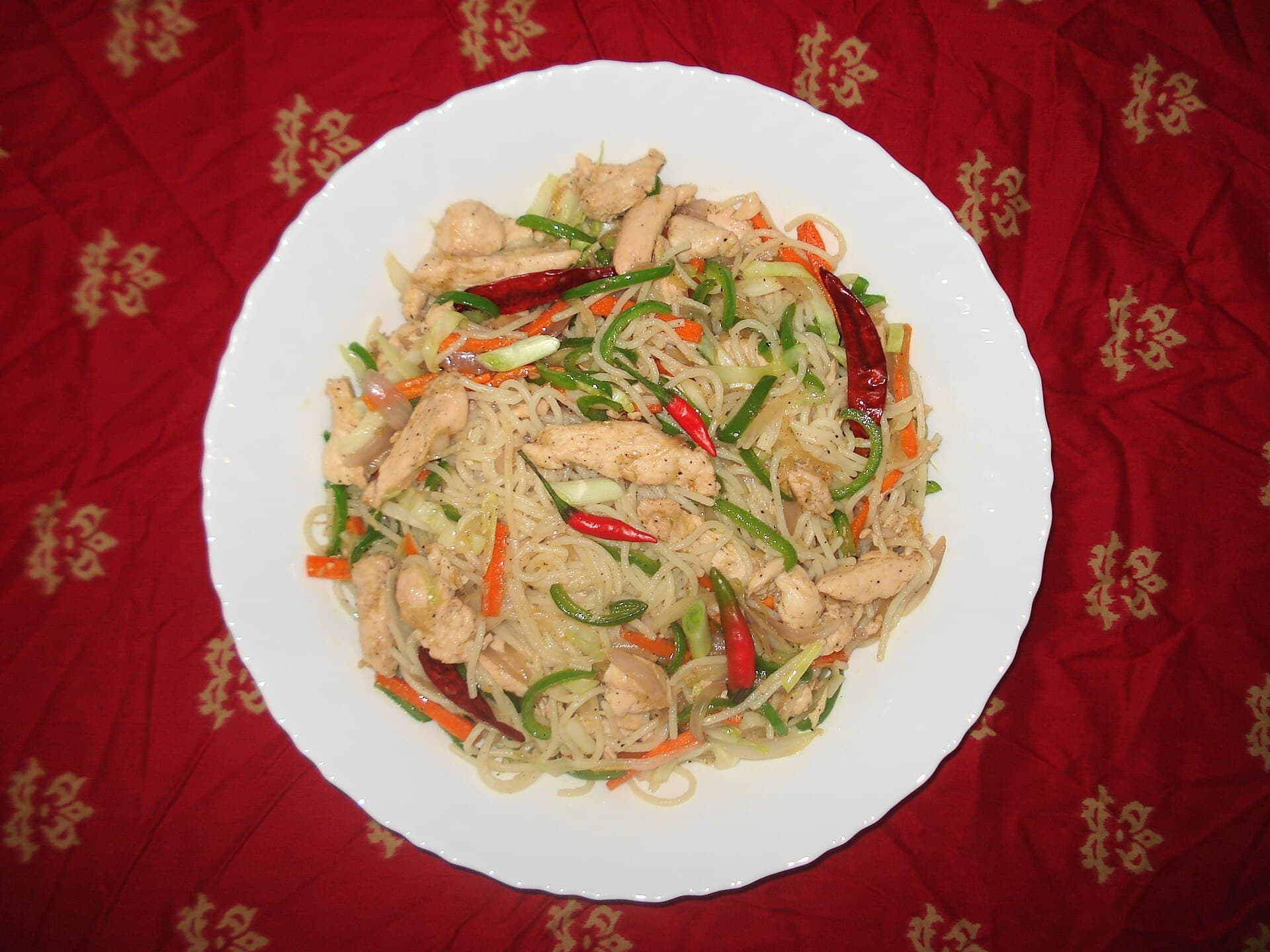
Dal bhat, fried rice, noodles, soup, momo and potatoes cooked in many ways

Soup to start, then dal bhat, pasta, thukpa, or curry and rice
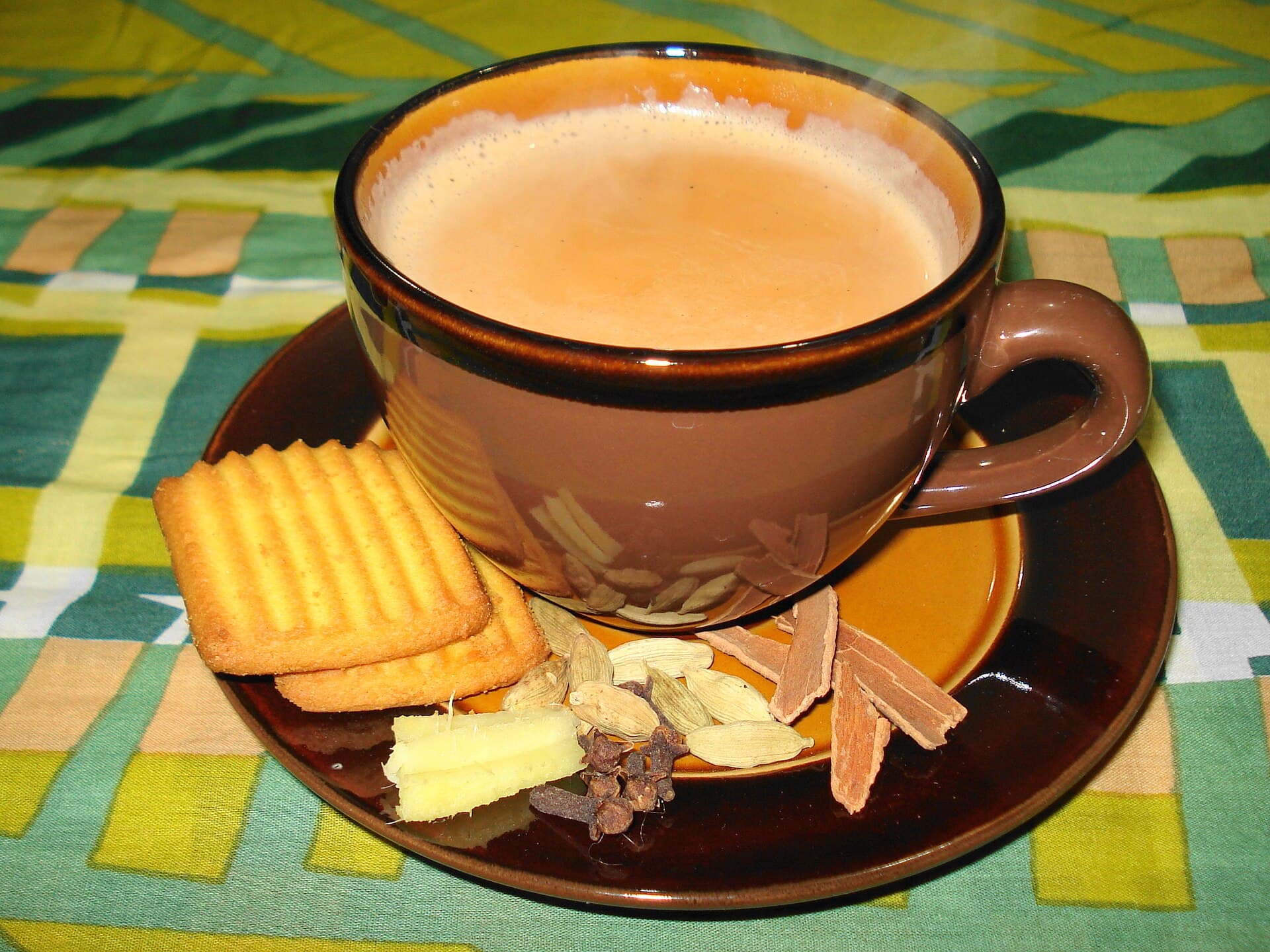
Black, milk, lemon, ginger or masala tea. Included at every stop.
6:00Tea in your room, and a bowl of warm water to wash in
6:30Pack, and put the duffel outside your door for the porter
7:00Breakfast together in the dining room
8:00On the trail. The guide sets a slow, steady pace
12:00Lunch at a teahouse on the route, for about an hour
13:00Two to four more hours of walking, depending on the day
15:30Arrive at the teahouse for tea, choose a bed, wash, and rest if you need to
17:00Oxygen saturation and pulse measured and recorded
18:30Dinner, and a briefing from the guide on the next day
20:30Bed. At 4,000 m, most people are asleep by 9 pm
The hardest trek we run: three passes and eighteen days, with no rope work.
Written for somebody who walks a bit and does not train. If you already run or cycle regularly, start partway through. Nothing here needs a gym.
Before you book, stage 1 of 8
You need to have completed a Himalayan trek of two weeks or more on which you were comfortable at 5,000 m, not one you simply got through. This is the only trip for which we decline bookings on this basis, and we prefer to do this when you enquire rather than at Lungden. If you have not done such a trek, complete the Base Camp or Gokyo trek first. You will enjoy this trek far more in a couple of years.
This is the most demanding altitude profile of any of our treks, because of the length of time at altitude rather than the maximum height. The highest point is 5,545 m, the same as on the Base Camp trek, but on this trek you spend nine consecutive nights above 4,600 m and five separate days above 5,300 m. Your body does not fully recover at these altitudes; at best it stays stable. Appetite and sleep decline, and small injuries stop healing. Everyone finishes this trek lighter than they started. The acclimatisation schedule is well designed, with the rest day in Namche, the gradual approach up the Bhote Koshi valley and a day at Gokyo between the first two passes, but you are still living at high altitude for two weeks.
Daily health checks
Above Namche, your guide carries a pulse oximeter and records your oxygen saturation and pulse every evening, and on any morning when you feel unwell. Over eighteen days, this record is the most useful document on the trek, because a slow decline over two weeks is hard to notice from day to day but clear in the written figures.
Pass crossing decisions
Three times on this trek, we decide in the evening whether the group will cross the pass the next morning: at the Renjo La camp, at Thangnak and at Lobuche. Turning back is straightforward from each of these places, but each pass has a point beyond which it is not. The guide makes the decision, based on the readings.
Alternative routes
Any pass can be skipped without ending the trek. Most itineraries do not explain this. If the Cho La cannot be crossed, we go back over the Renjo La or around via Dole and rejoin the Base Camp route from Namche. If the Kongma La cannot be crossed, we walk out from Lobuche through Dingboche. You miss a pass, not the trip, and in most seasons this happens to someone.
Serious symptoms
Descent is the only effective treatment. From Gokyo, Lobuche and Chhukung, it is a straightforward walk of one or two days to lower altitude. From the top of a pass it is not, which is why the two steps above are so important.
Helicopter evacuation
Helicopters can reach Gokyo, Lobuche, Gorak Shep, Dingboche and Chhukung. They cannot reliably reach Thangnak or Dzongla, and they cannot land on a pass. This is why you need insurance: an evacuation costs $3,000 to $5,000, and the helicopter will not fly without a payment guarantee.
Hospital on the route
The Himalayan Rescue Association clinic at Pheriche, at 4,371 m, is staffed by volunteer doctors in both seasons and can be reached from Dzongla, Lobuche and Chhukung.
Fitness and altitude are unrelated
This is the thing people get wrong most often. Training makes the walking easier and does nothing for how your body handles thin air. Strong young trekkers get altitude sickness and unfit older ones frequently do not. Go up slowly, and say something the first time your head hurts.
This is the Khumbu weather table, but on this trek the seasons are more limited than on the others. On a pass at 5,535 m, snow matters more than temperature, and the suitable period is shorter than the ratings below suggest.
The best month. Warm days, stable weather, and the forests below Namche are in flower.
Averages from Nepal DHM station data for the Khumbu. Read them strictly on this trek: a pass at 5,535 m is a snow question rather than a temperature one.
A senior government-licensed guide with wilderness first aid training and experience of all three passes leads the trek, and a second guide joins from five trekkers rather than from nine. This is the most important staffing difference on this trek: on a pass descent, the group spreads out, and one guide cannot be at both the front and the back. There is one porter for every two trekkers, and the guides carry microspikes and a rope for the Cho La.
Each porter carries 20 kg, which is your duffel bag and one other. This is below the 25 kg limit set by the trekking association and well below the loads you will see on the trail. If your bag is overweight, the load is split rather than added to. Porters carry duffel bags, not daypacks: you carry your own water, camera, jacket and snacks for the day.
Salary, insurance, food and accommodation for every guide and porter are included in the price you pay, and are not requested from you on the trail. All staff are insured for altitude and helicopter evacuation on the same terms we require of you. The trekking industry has a long history of porters carrying too much, in poor footwear, for very low pay. Including fair pay in the package price is the way to avoid this.
Tipping is customary but not compulsory, and it never replaces wages. On this trip, $250 to $400 per traveller for the whole team is usual, given together on the last evening rather than daily. Your guide will not ask for a tip and would prefer that it is not given in front of the group.
A traveller drinking bottled water uses around 50 plastic bottles on this trip, each of which was carried in and must be carried out again. Boiled water is available at every lodge for one or two dollars a litre, and we ask you to buy that instead. Bring water purification as a backup.
We carry out everything we bring in that is not food. The Khumbu has a waste problem that it did not create and cannot solve alone, and every operator should avoid adding to it.
The lodges are family businesses in the villages you pass through. The guides and porters live in this district. Permit fees fund Sagarmatha National Park and the Khumbu Pasang Lhamu Rural Municipality. Almost everything you pay is spent within a few days' walk of the trail, which is a good reason to book with a Nepali operator rather than a foreign one that subcontracts to a local company.
Ask before photographing anyone. Stand on the mountain side of the trail, not the drop side, when a mule train passes. Monasteries welcome visitors but are places of worship: remove your hat and shoes, and if a service is taking place, wait.
Between Thame and Gokyo, you walk through villages that receive far fewer visitors than Namche, where a group of eight arriving without notice makes a big difference to a settlement of two buildings. Our guides book ahead where there is a phone and send word ahead where there is not. Please be patient with the meals that a place like Lungden can provide at 4,600 m. Patient visitors help these valleys keep their character.
Write to us and tell us about your previous trekking experience. This is the only trip we offer with a firm requirement: a previous Himalayan trek of two weeks or more on which you were comfortable at 5,000 m. We will ask about it, and we do decline bookings. We would much rather do this when you enquire than at Lungden on day 8.
A 30% deposit secures your dates, and the balance is due on arrival in Kathmandu, in cash or by card. At the same time, we ask for a copy of your passport, your insurance certificate and any dietary or medical information.
You can pay by bank transfer or by card through a secure link. Card payments carry a bank fee of about 4 per cent, which we show you before you pay. The balance in Kathmandu can be paid in US dollars, pounds, euros or Nepali rupees.
If you cancel more than 30 days before departure, your deposit can be transferred to any other date or trip we run, with no time limit. If you cancel within 30 days, the deposit is kept, because the permits, flights and crew have been booked by then. If we cancel for any reason other than weather, you receive a full refund.
Both cost the same for a group of five or more. A private departure runs on your dates at your pace and can be arranged for one person. A group departure runs on the dates in the table above. Most travellers book privately, and many are surprised that it costs no more.
Book at least six weeks ahead, and preferably three months. The season for this trek is shorter than for Base Camp, there are fewer departures, and we want time to discuss your experience in detail before either of us commits.
Priced per person, arranged before you travel, and none of them included in the price above.
You descend from the Kongma La to Chhukung, which is the base for Island Peak at 6,189 m. Adding the climb is a natural next step and requires a day of rope and crampon training. Together, the trek and the climb take about a month.
This allows you to visit Gokyo Ri and the fifth lake on separate days and gives you a full rest day between the Renjo La and the Cho La. On a trek with one rest day in eighteen, this is the extra we recommend most.
An extra night at Lobuche between Kala Patthar and the last pass. Day 17 is the hardest day of the trek and otherwise follows a dawn climb to 5,545 m. A rest day in between makes it considerably easier.
If the Kongma La cannot be crossed, or if you wish to finish after Base Camp, this is the way out. The helicopter is chartered as a whole rather than by the seat.
A one-hour flight along the Himalaya from Kathmandu, with a guaranteed window seat. It gives you a view of the whole circuit you have just walked.
Lowland jungle, rhinos and a bed at 150 m. After nine nights above 4,600 m, this is good for your recovery as well as enjoyable.
Where the route passes a premium lodge, we book it in place of the standard teahouse. Mountain Lodges of Nepal has lodges at Lukla, Phakding, Monjo, Namche and Deboche, and Everest Summit Lodges has lodges at Lukla, Monjo, Tashinga and Pangboche. Expect warmer rooms, better beds, attached bathrooms in most rooms and a quieter dining room.
There are no premium lodges above Pangboche, so the higher nights are in standard teahouses. We confirm which lodges have rooms on your dates before you book.
4 versions of this journey. They use the same guides and the same lodges; what changes is the length, the comfort and how much of it you walk.
Three Passes Trek
April 2026, Tripadvisor
Second trekking experience with Earthbound Expeditions, and another great one! Rajan Simkhada (President of Earthbound Expeditions) had organised a custom Manaslu Trek/Upper Mustang Trek for us in 2023, which my partner and I will remember forever. It is therefore without hesitation that we contacted Rajan again for the Three Passes Trek. We completed the 17-day trek (20 days total with travels) without any issues in April-May 2026. Our guide Hem Rai was very efficient and such a lovely human being. He did this trek 6 times as porter and assistant guide, but it was only his first time as an actual guide. We are so glad to have been his first trekkers for his maiden guiding experience! Hem selected a young but experienced porter (Dhiraj Kulung), he knows all the main and alternate trails in the Khumbu region, he made it his mission to pick the best rooms in each tea house, and he knew so many people along the way (tea house managers, other guides and porters, even horsemen and seemingly random people) that we felt we were in good hands at all times. We highly recommend Hem for a smooth and fun experience! First practical note: We decided to do the Three Passes Trek clockwise (Renjo La - Cho La - Kongma La), while the large majority of trekkers do it anti-clockwise (Kongma La - Cho La - Renjo La). You may have read or heard that Kongma La is the hardest pass, but after talking to the very few trekkers doing it clockwise and the many doing it anti-clockwise, we believe that the first pass is invariably the hardest. After that, you are generally well acclimatised to complete the rest of the trek, whether clockwise or anti-clockwise. My arguments for trekking clockwise: much less people, the view of Everest and other peaks from Renjo La when coming from Lungden is breathtaking, and I am convinced it is safer to go up (clockwise) the very steep slope to Kongma La when it is still frozen early in the morning, rather than going down (anti-clockwise) when the snow/ice/sand/gravel starts melting around late morning/midday. Second practical note: listen to Rajan’s advice to plan buffer days to travel to and from Lukla. We were very lucky to catch a flight to Lukla directly from Kathmandu (~30 minutes; albeit with a 3-hour delay due to clouds in Lukla), but leaving Lukla turned out to be challenging due to bad weather. Our flight to Kathmandu was cancelled, but Hem and Rajan managed to book an early flight to Ramechhap (~20 minutes) the following day and they organised a bus ride to Kathmandu (~6.5 hours).
Trip of a lifetime
April 2026, Tripadvisor
Just completed the Everest 3 Passes trek with Earthbound Expeditions. One of the hardest physical challenges I have ever done but the amazing views made the effort worth it. Rajan and his team of guides and porters were attentive to the details that made our trek so enjoyable. Our group of 7 had multiple flights in and out of Kathmandu and every flight was met at the airport and transported to a beautiful hotel no matter the time of day. He actually had some members of our group stay in his home for several days. If you are considering a trip to Nepal or the surrounding region I would look no further than Earthbound Expeditions.
Fantastic adventure
April 2026, Tripadvisor
Just finished the Everest Three Pass trek with Earthbound (my second trip with them). Fantastic experience from arrival in Kathmandu to the trekking in the mountains and back. Rajan and his team handled all the logistics and the trip was seamless. Great team of guides and porters. Wouldn't hesitate to use them again!
Everest Three Pass Trek and Kathmandu Tour
April 2026, Tripadvisor
You will be in good hands with Rajan and his team of guides and drivers. Rajan will welcome you into his home, literally, and make you part of his family. A seamless trek in the Himalayas and tour through Kathmandu with every detail down to tea time taken care of. Look no further than Earthbound if you plan on heading to this region of the world. You will be forever in my heart Rajan, see you on the next adventure! 🙏⛰️
Answers to the 19 questions travellers ask us most often. If your question is not here, contact us and we will answer it.
No, and we will tell you so when you enquire rather than take a deposit. We require a previous Himalayan trek of two weeks or more on which you were comfortable at 5,000 m, not one you simply completed. You cannot prepare at home for nine consecutive nights above 4,600 m, and the only useful evidence is how you have managed altitude before. Complete the Base Camp or Gokyo trek first and then return for this one.
It is much harder. The Base Camp trek has eleven walking days up one valley, with two rest days and a highest night at 5,164 m. This trek has eighteen walking days with one rest day, five separate climbs above 5,300 m, three passes and nine consecutive nights above 4,600 m. The individual days are not much longer, but there are many more of them and they are all at high altitude.
There is no rope work and no full crampons. The Cho La has a short, flat glacier crossing at the top that is icy, where the guide will fit you with microspikes and will have a rope available. Otherwise it is walking: steep, loose, cold and very high, with no exposure that would concern an experienced hillwalker.
You miss that pass, not the rest of the trek. Most itineraries do not explain this. If the Cho La cannot be crossed, we go back over the Renjo La or around via Dole and rejoin the Base Camp route. If the Kongma La cannot be crossed, we walk out from Lobuche through Dingboche. In most seasons, this happens to someone because of weather or altitude, and it is a normal outcome, not a failure.
The Kongma La, at 5,535 m on day 17, is by far the hardest. It takes eight to ten hours, with a glacier crossing at the start and then a long, continuous climb, after two weeks of trekking. The Cho La is the most technical and the Renjo La is the easiest, which is why we cross them in that order.
This direction puts the easiest pass first, when you are least acclimatised, and the hardest pass last, after two weeks above 4,000 m. It also means each pass is crossed from its lower side. Itineraries in the other direction put the Kongma La early, after only a week in the mountains, which increases the risk considerably.
There is usually some snow on the Cho La and the Kongma La in every season. This is why microspikes are carried as standard and why gaiters are on the packing list for this trek in all seasons. Deep fresh snow closes a pass, and the decision is made on the evening before, on the spot.
The decision is made three times, each on the evening before a crossing: at the Renjo La camp, at Thangnak and at Lobuche. Turning back is straightforward from each of these places. The guide decides based on the oximeter readings, the weather and how the group walked that day. The decision is not made by a vote at 4 am halfway up the pass.
This is the most important feature of this trek. Your body does not recover at that altitude; at best it stays stable. Appetite and sleep decline, cuts stop healing, and everyone finishes the trek lighter than they started. The acclimatisation schedule is well designed, but you are still living at high altitude for two weeks.
Not eating enough. On a trek this long, the most common problem is not acute altitude sickness on day 8, but reaching the Kongma La on day 17 after two weeks of eating too little. Appetite is the first thing to go at altitude, and making yourself eat anyway is the most useful habit on this trip.
The Himalayan Rescue Association clinic at Pheriche, staffed by volunteer doctors in both seasons, can be reached from Dzongla, Lobuche and Chhukung. Between Thame and Gokyo, during the first week, there is no medical facility, and this is where our safety procedures are strictest.
The lodges at Namche and Gokyo are comfortable. Thame, Lobuche, Chhukung and Tengboche have standard teahouses. Lungden, Thangnak and Dzongla each have two or three buildings, which are basic and cold, with no shower and often no charging. This is the most basic accommodation of any of our treks, apart from Dharamsala on the Manaslu trek.
Not reliably, and you need to plan for this. Charging at Lungden, Thangnak and Dzongla is solar-powered and limited, and there are three-day stretches with almost no charging. Bring two power banks, keep them in your sleeping bag overnight, and expect to limit your use.
Bring $450 to $700 in Nepali rupees, in small notes. The last cash machine is at Namche on day 5, and after that there are eighteen days of tea, charging, showers and tips to pay for.
There is no formal spare day, but days 18 and 19 can be walked as one long day if a flight delay has cost you time. On a twenty-two-day itinerary, a lost day has less impact than on a twelve-day one. Even so, book your international flight home with a clear day after this trek.
From mid-April to mid-May, and from late September to early November. This is a narrower season than for Base Camp, which is why there are fewer departures for this trek than for others on this site. On a 5,535 m pass, snow matters more than temperature.
At least six weeks ahead, and preferably three months. This is partly because of the short season and small number of departures, and partly because we want time to discuss your previous trekking experience before either of us commits.
Most of the difference is the cost of six more days of guide, porter, accommodation and food. The other additional costs are a second guide from five trekkers rather than nine, a guide chosen for experience on the passes, and the microspikes and rope for the Cho La.
We recommend adding a day at Gokyo and a day at Lobuche, in that order. One rest day in eighteen walking days is very little, and an extra night before the Kongma La makes day 17 considerably easier. If you would like a bigger challenge, Island Peak at 6,189 m is climbed from Chhukung, which you reach on day 17.
Didn't find what you were looking for?
Search every word on this page, or ask somebody who has walked the route.
22 days
$2,387 per person