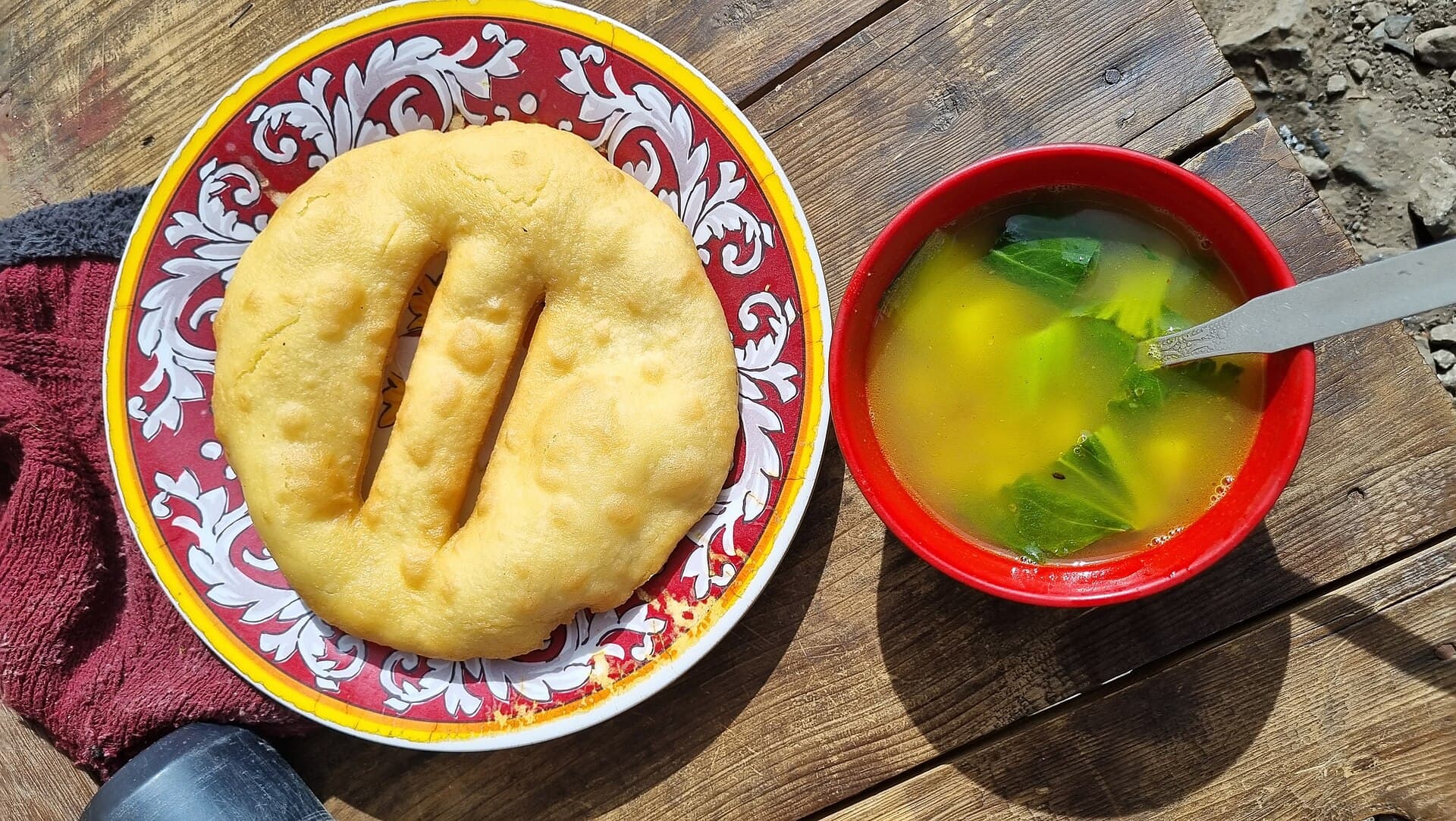
Breakfast
Porridge, Tibetan bread, chapati, eggs, pancakes, tea or coffee
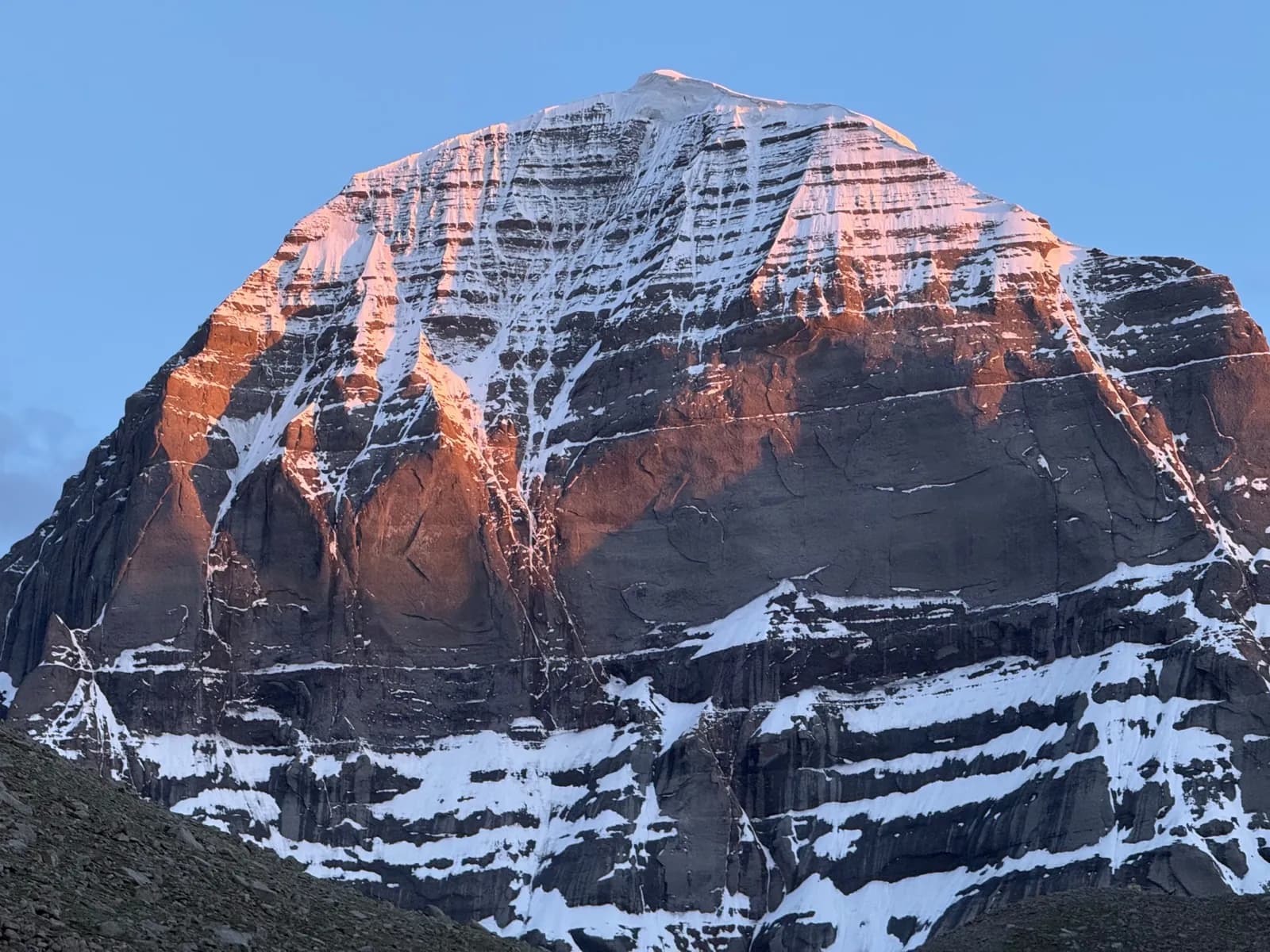
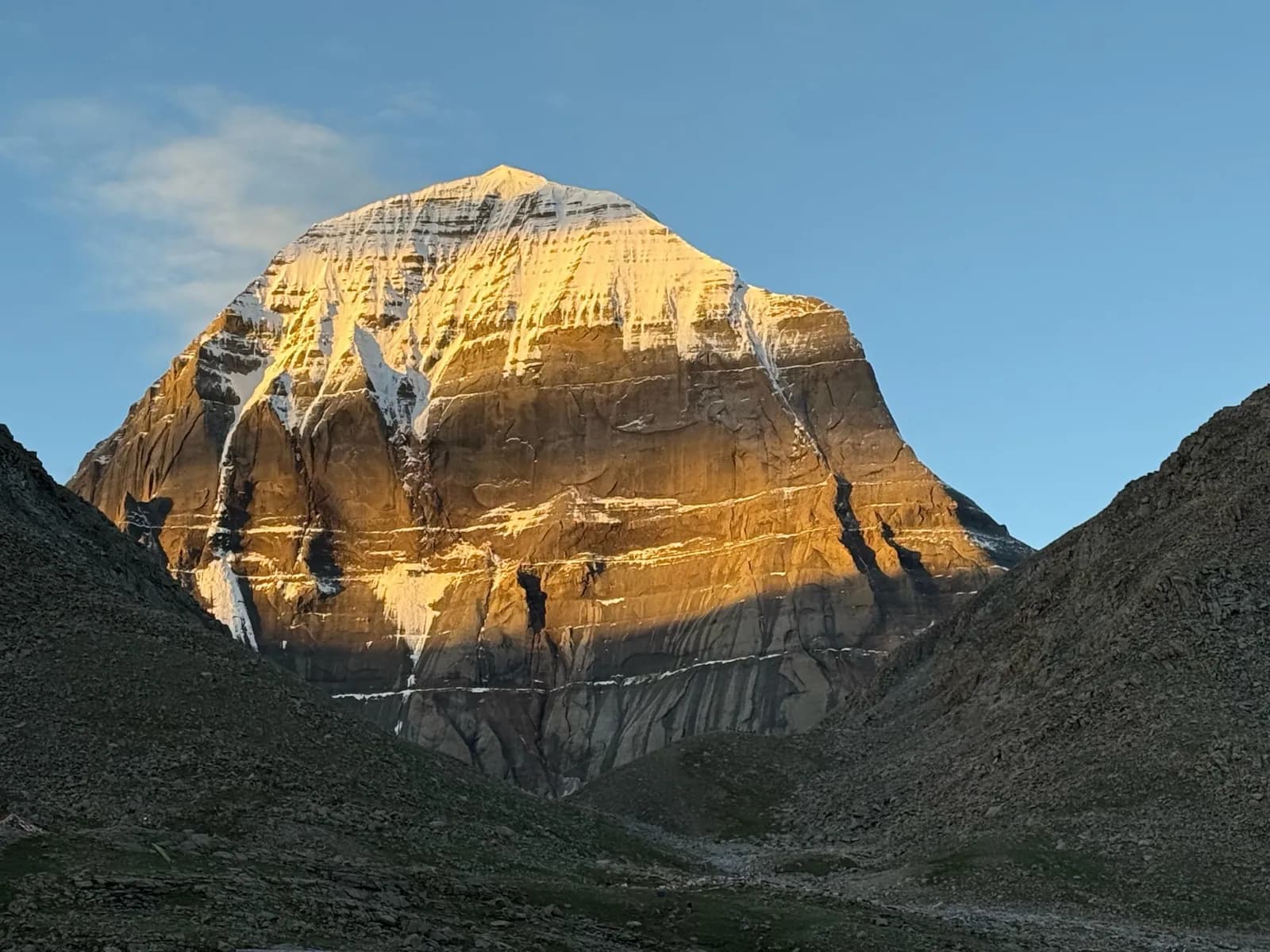
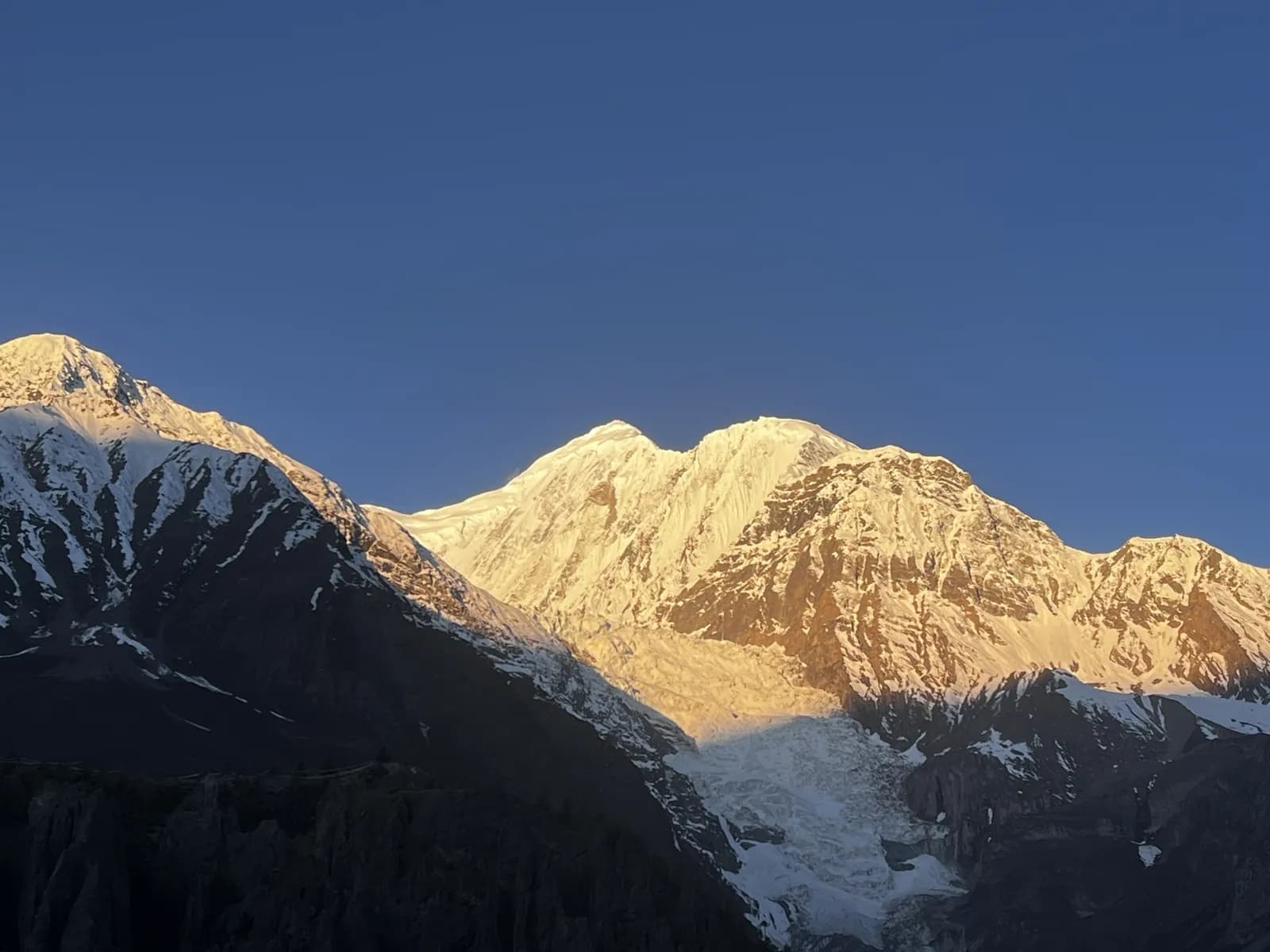
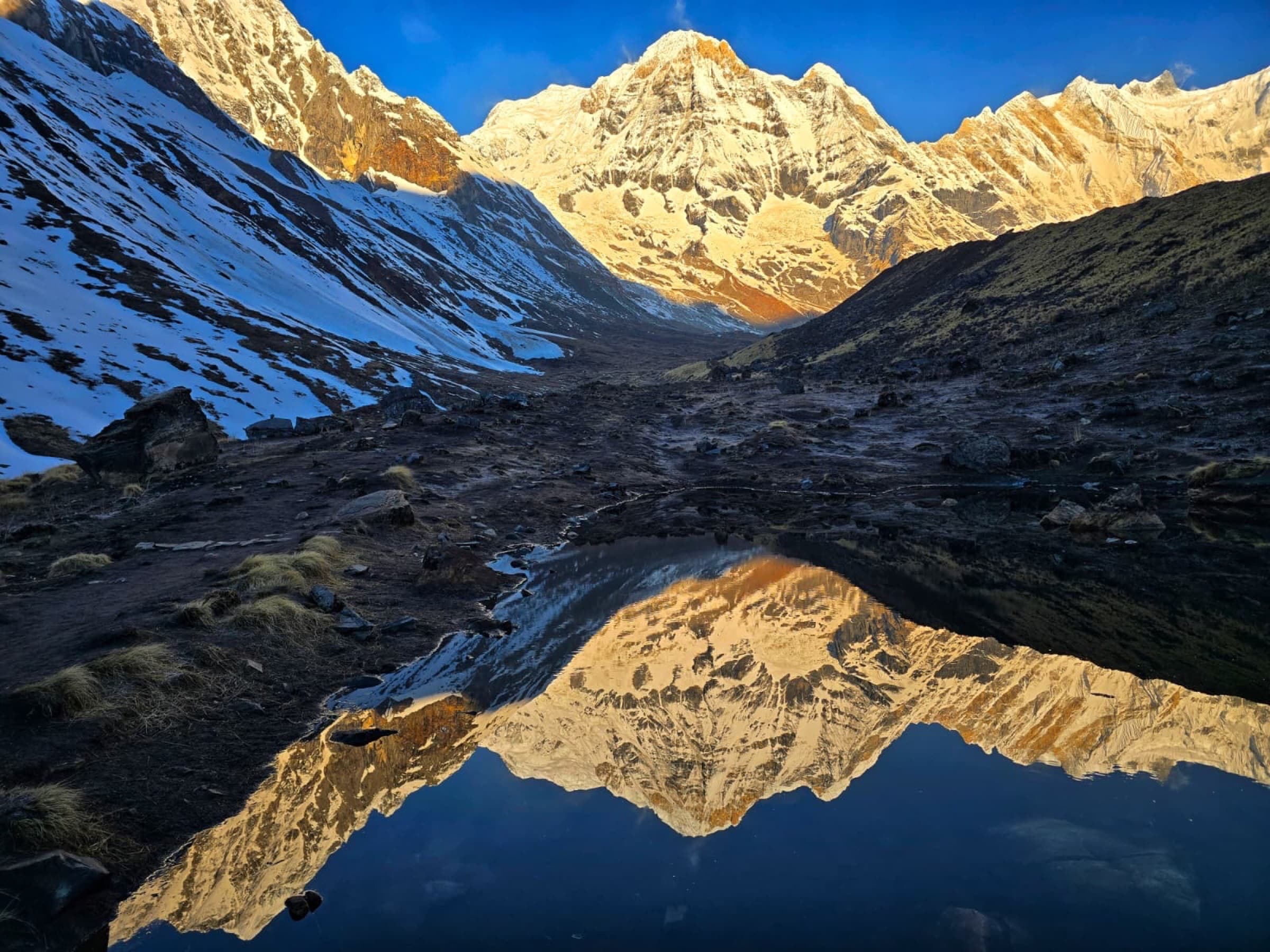
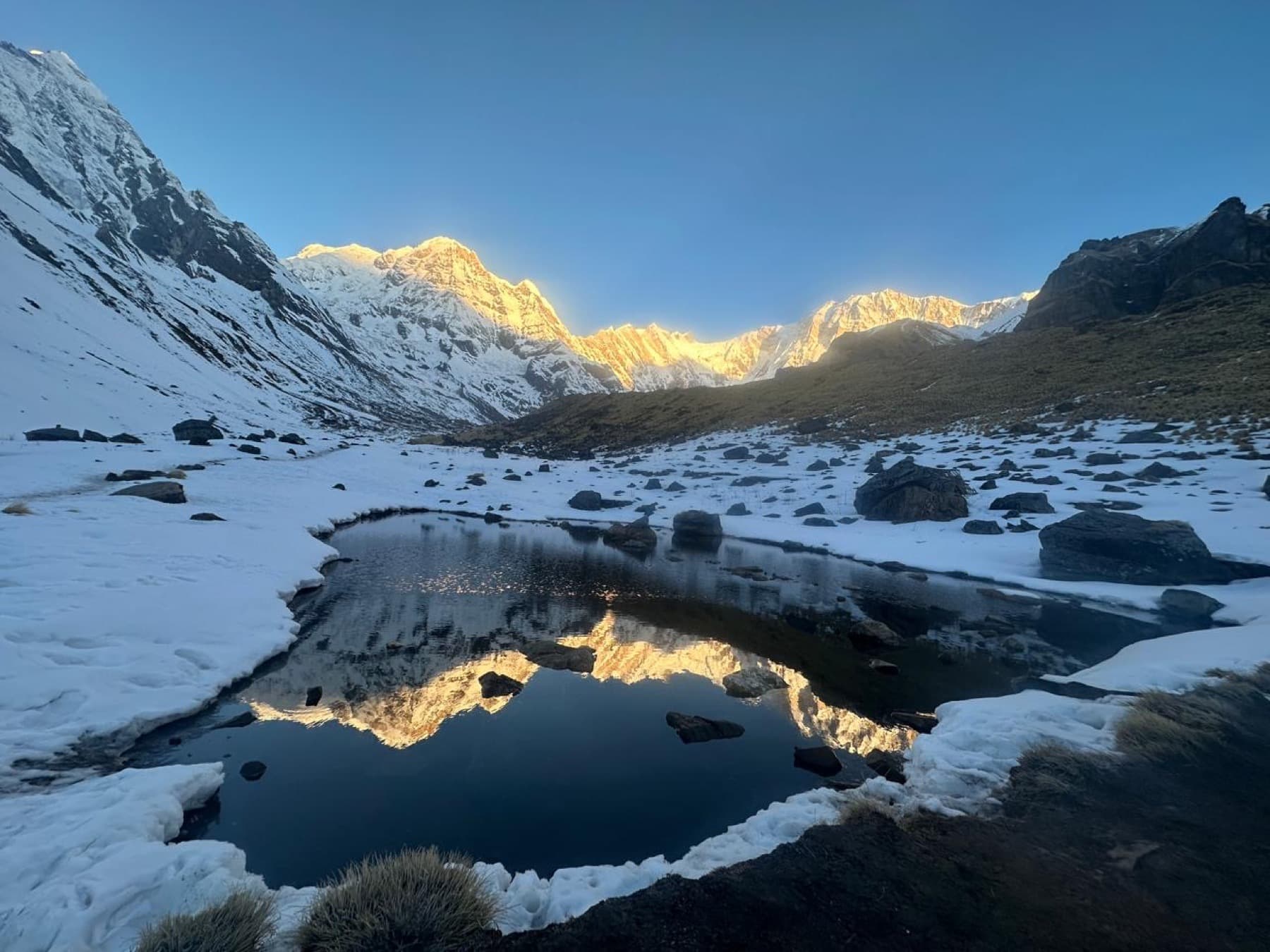
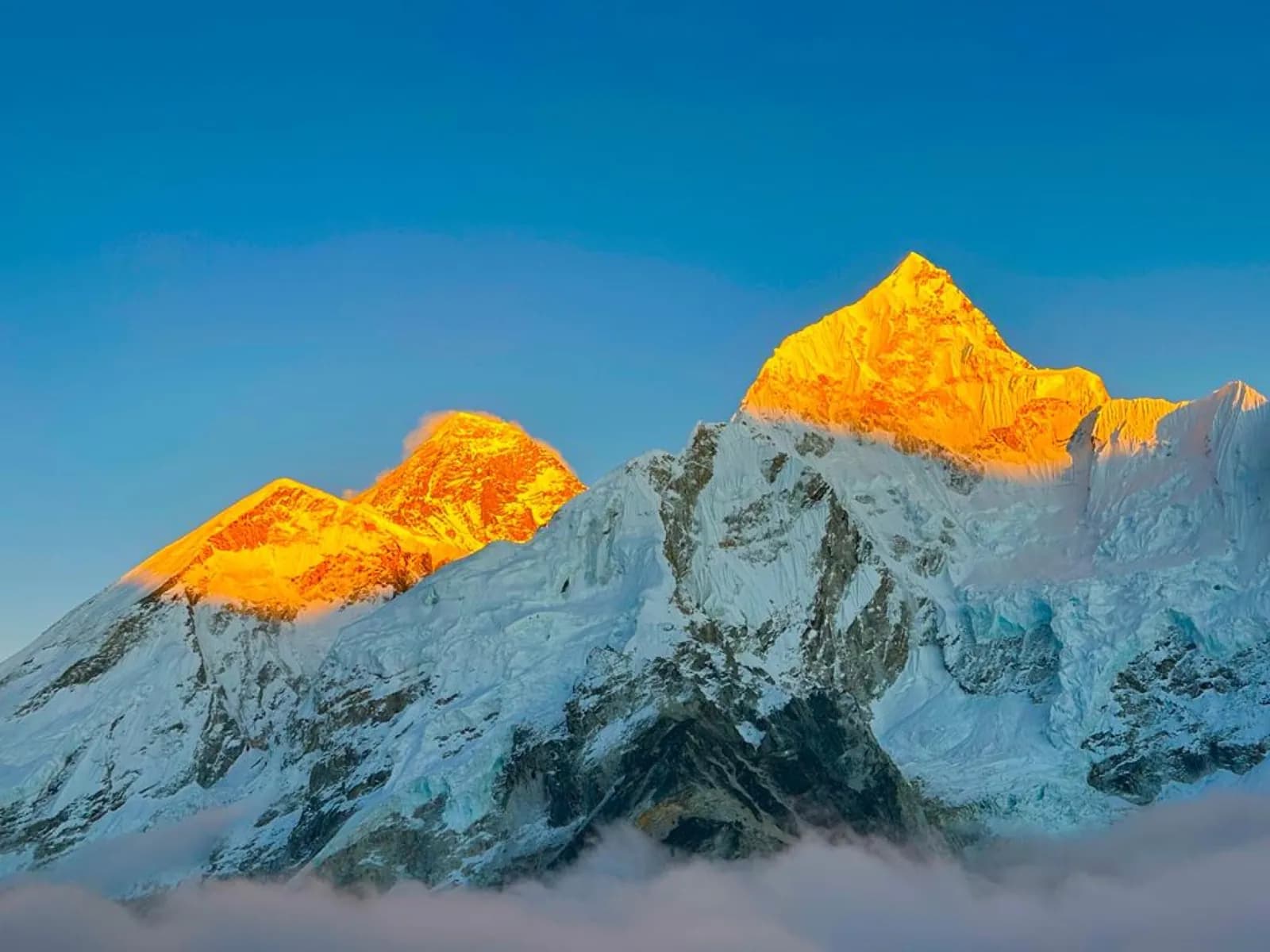
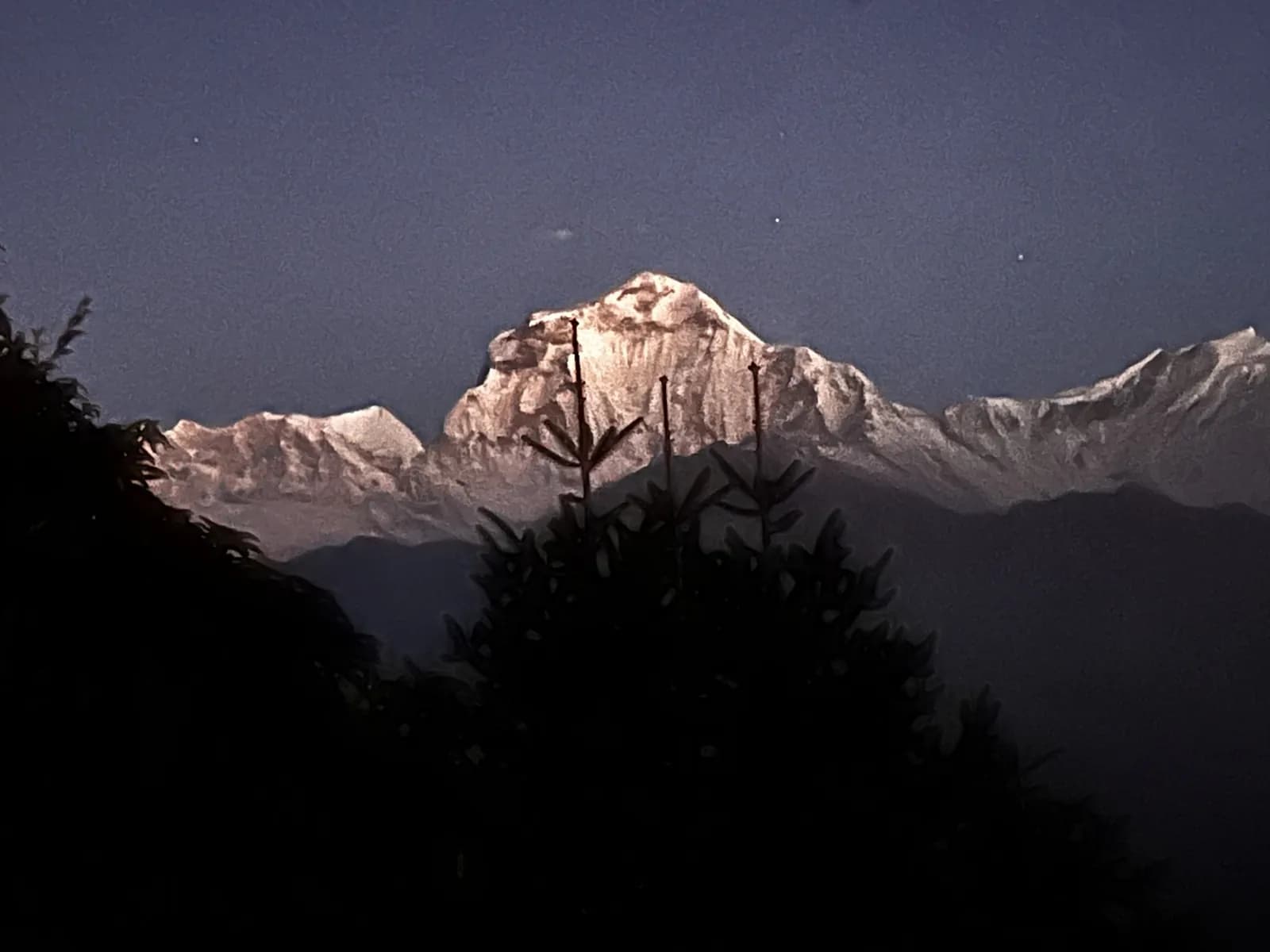
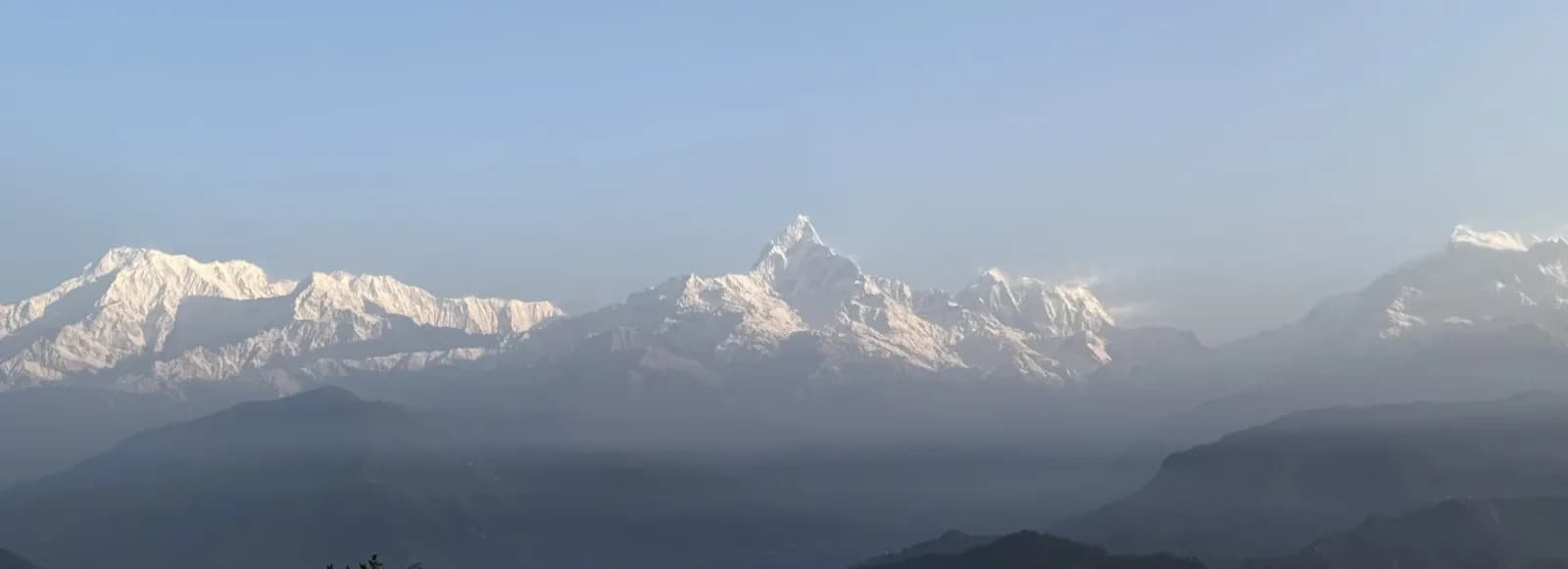
A quiet ridge above the busy Poon Hill trail, where the lodges belong to the villages and Dhaulagiri fills the western sky.
A quiet ridge above the busy Poon Hill trail, where the lodges belong to the villages and Dhaulagiri fills the western sky.
This is a twelve-day trip, with eight days of walking, on a ridge one valley west of the busy Poon Hill trail. You drive to Ghandruk, climb through forest to Dobato, cross to Chistibung and go up onto Khopra Danda at 3,660 m, where a single community lodge stands on a grass ridge facing Dhaulagiri across the valley. From there the trek descends through Swanta and Ghorepani.
On the main Annapurna trails, the lodges are family businesses competing with each other. At Chistibung, Khopra and Swanta they are owned by the villages. They were built from about 2014 on a model promoted by Mahabir Pun, and households from the community take turns to manage them. A large share of the profit goes to village funds for the school and the health post rather than to an owner.
This trek suits people who have walked in the hills at home, want five to seven hours of walking a day rather than nine, and prefer to share a dining room with fourteen people rather than a hundred and forty. It is not technical and there is no pass to cross. If you have done the Poon Hill trek and found it busy, this route goes through the same forest to a much quieter ridge above it.
The lodges are simpler than the commercial ones an hour away: fewer rooms, shorter menus, solar power that can run out after a cloudy day, and hot water that sometimes comes in a bucket. The Khayer Lake day is long, high and dependent on the weather, and many trekkers either skip it or turn back. Neither is a problem if you know about them before you book.
We meet you at Kathmandu airport and drive you to your hotel. The rest of the day is free to rest after your flight or explore the streets around Thamel. In the evening we have dinner together, check your equipment and brief you on the trek.
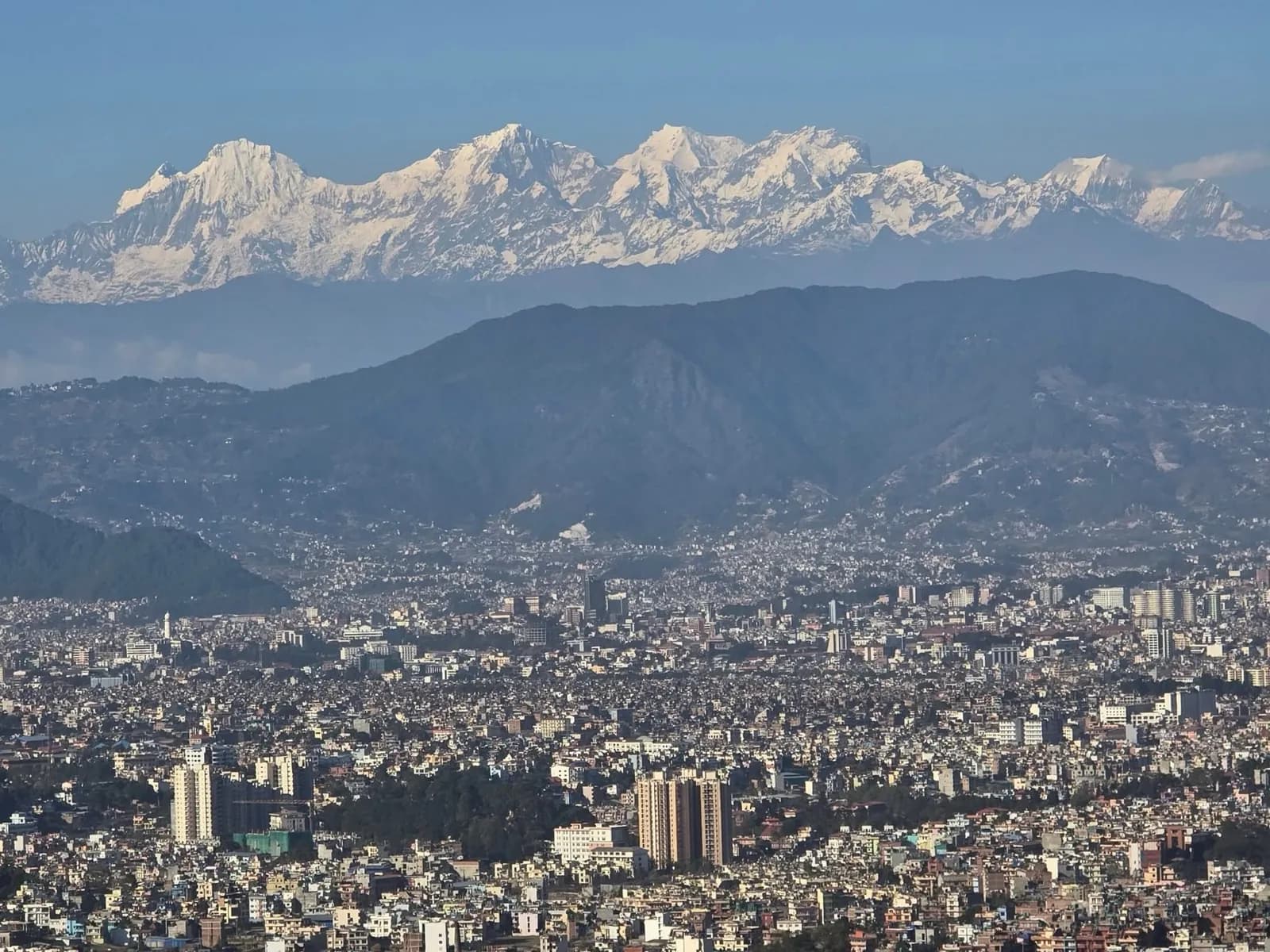
A twenty-five minute flight, or six hours by road west along the Trishuli river, depending on what you chose when you booked. Pokhara lies at 820 m beside a lake, with the Annapurnas above it, and the afternoon is free. Buy anything you have forgotten here, as there are no proper shops on the trek.
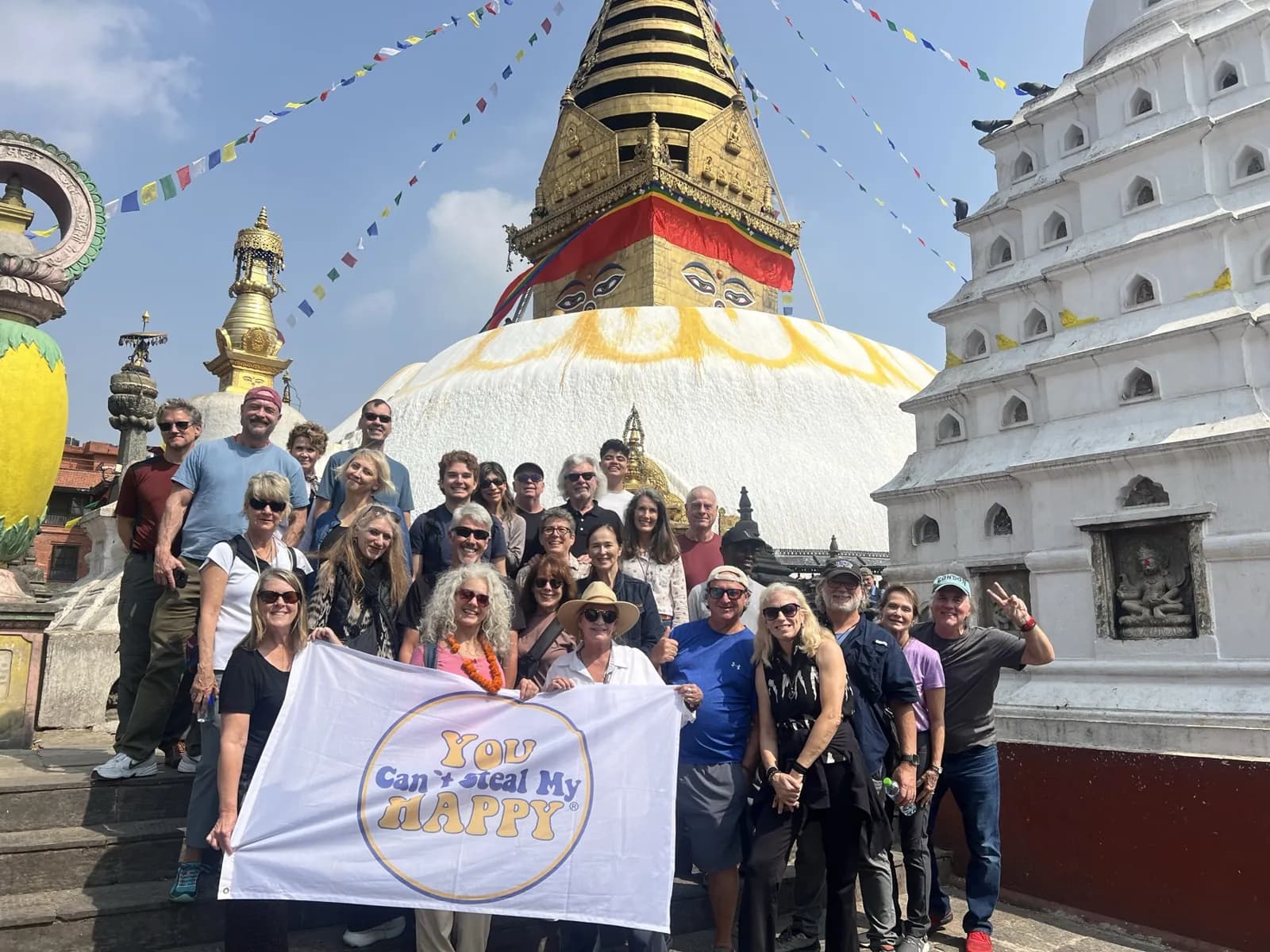
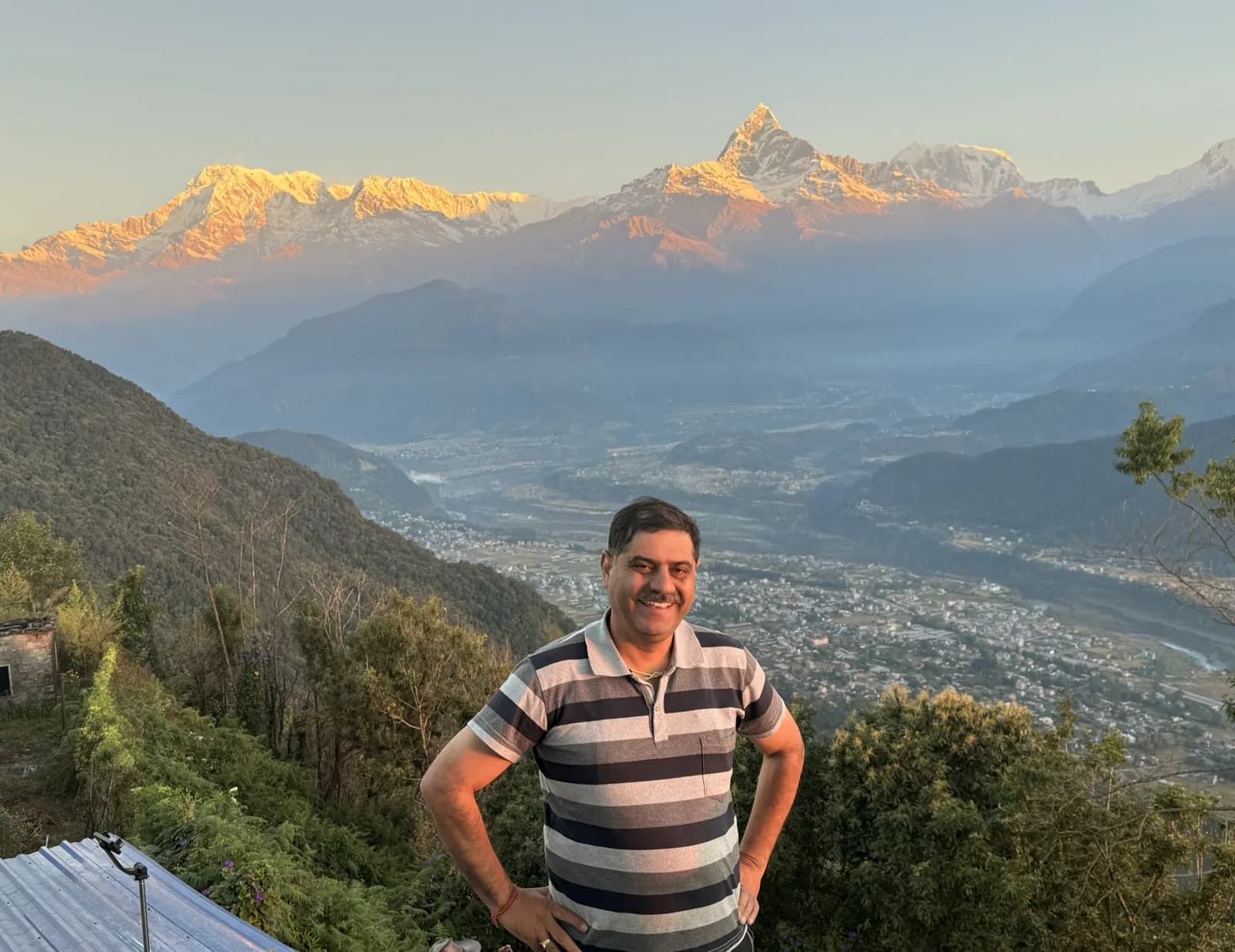
The drive up the Modi Khola to Ghandruk takes three to four hours by jeep. Ghandruk is a large Gurung village at 1,940 m, with slate roofs and views of Annapurna South. From there a short afternoon walk through rhododendron and oak forest takes you to Tadapani, a gentle start to the trek.
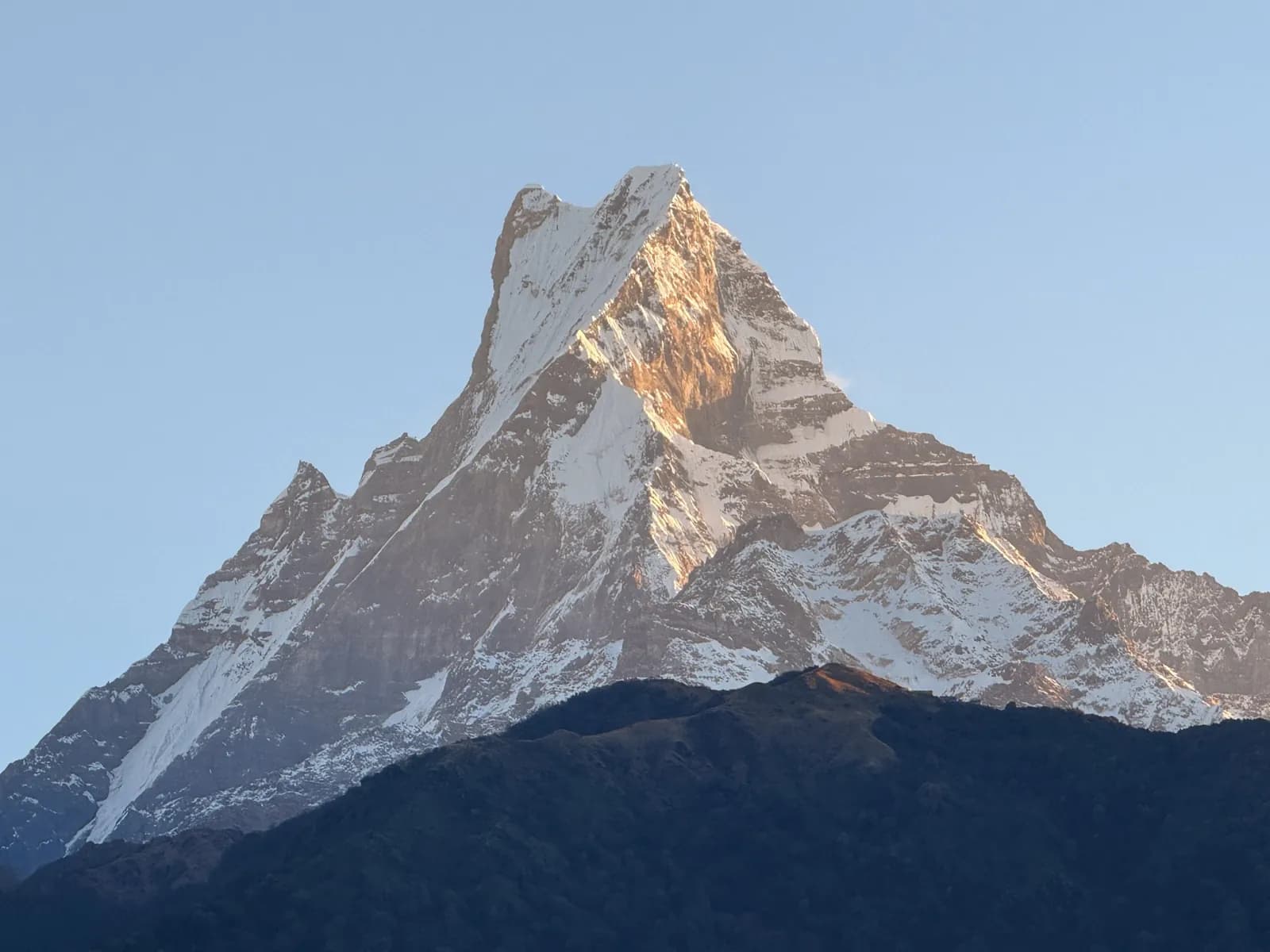
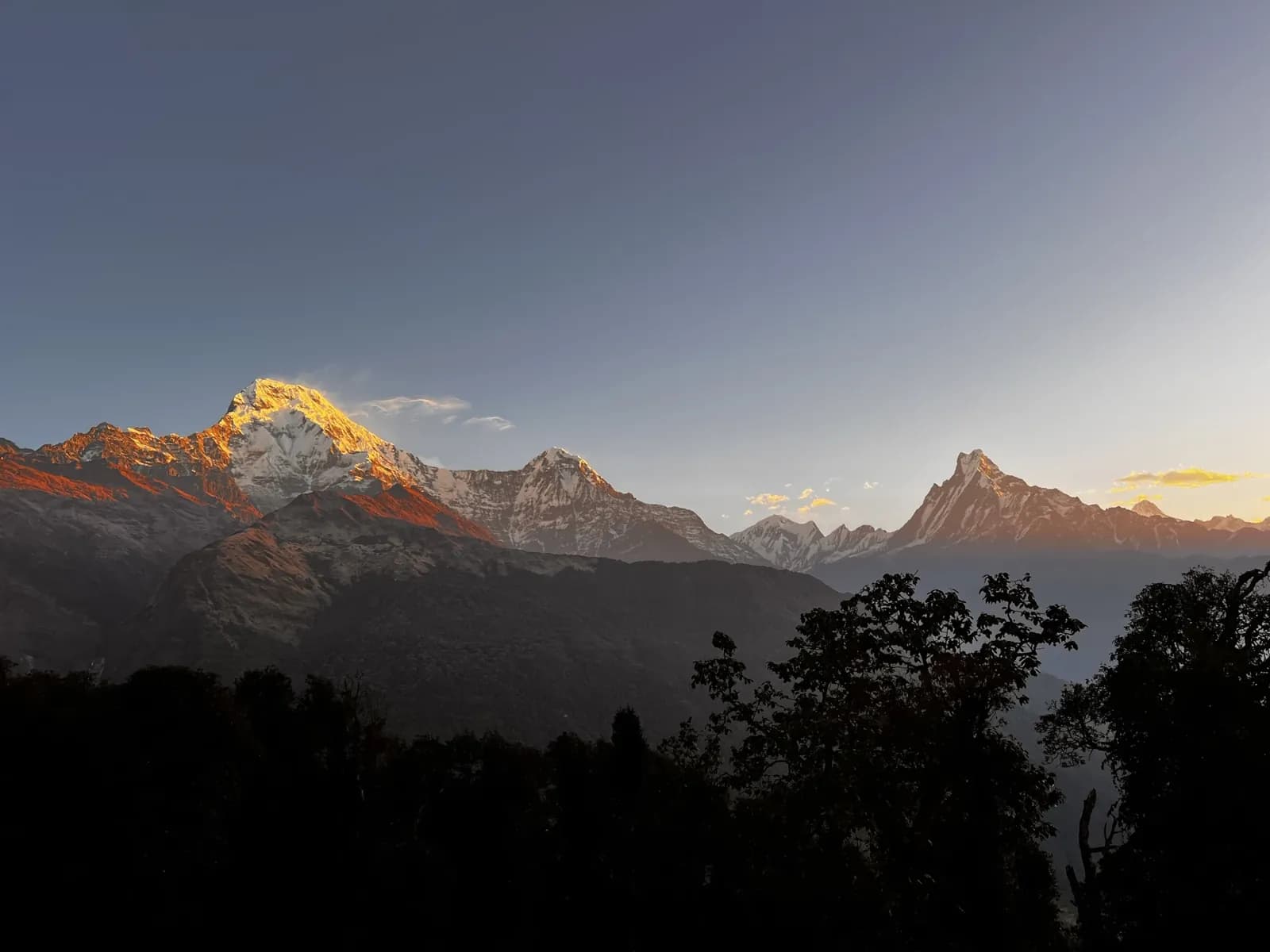
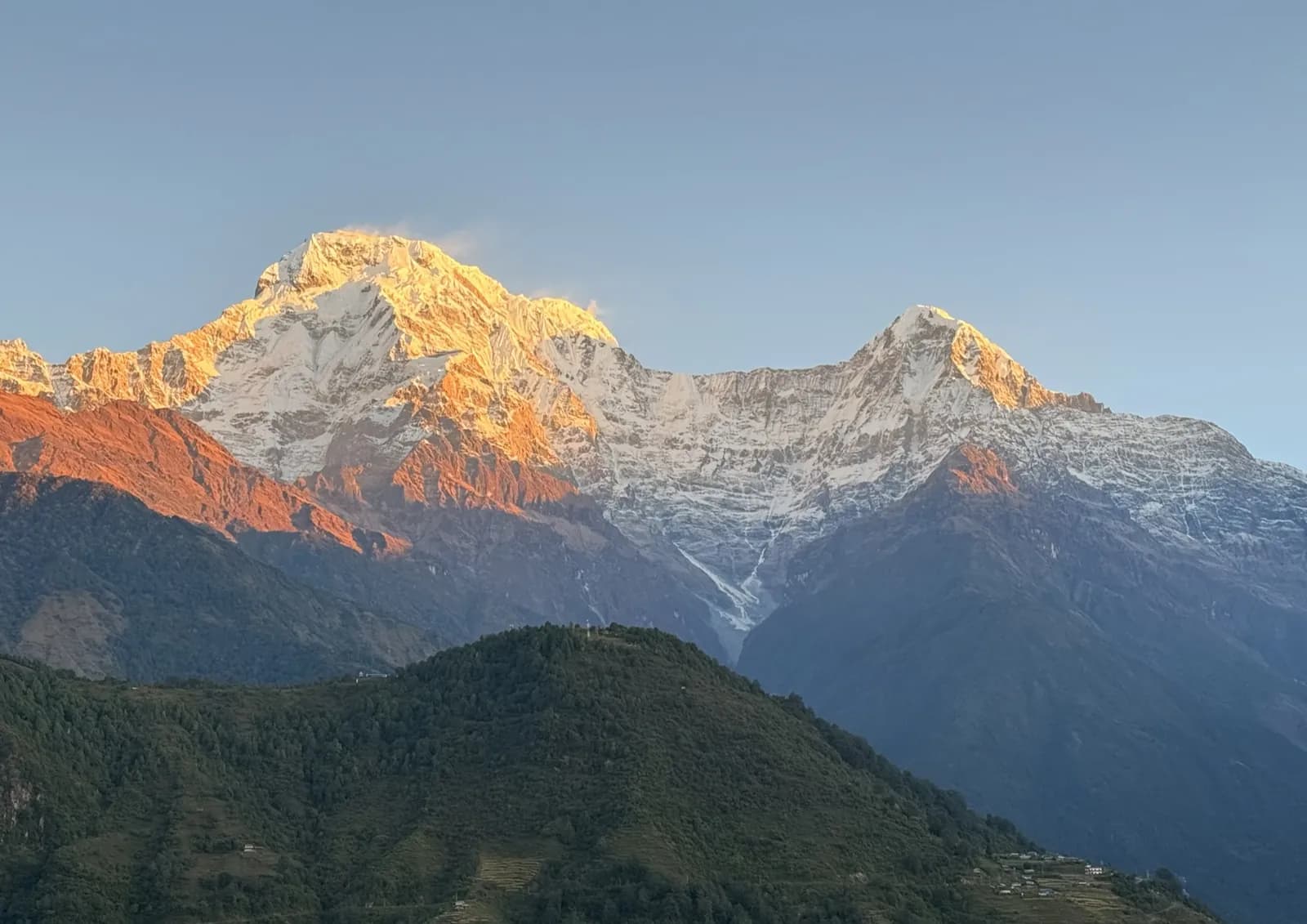
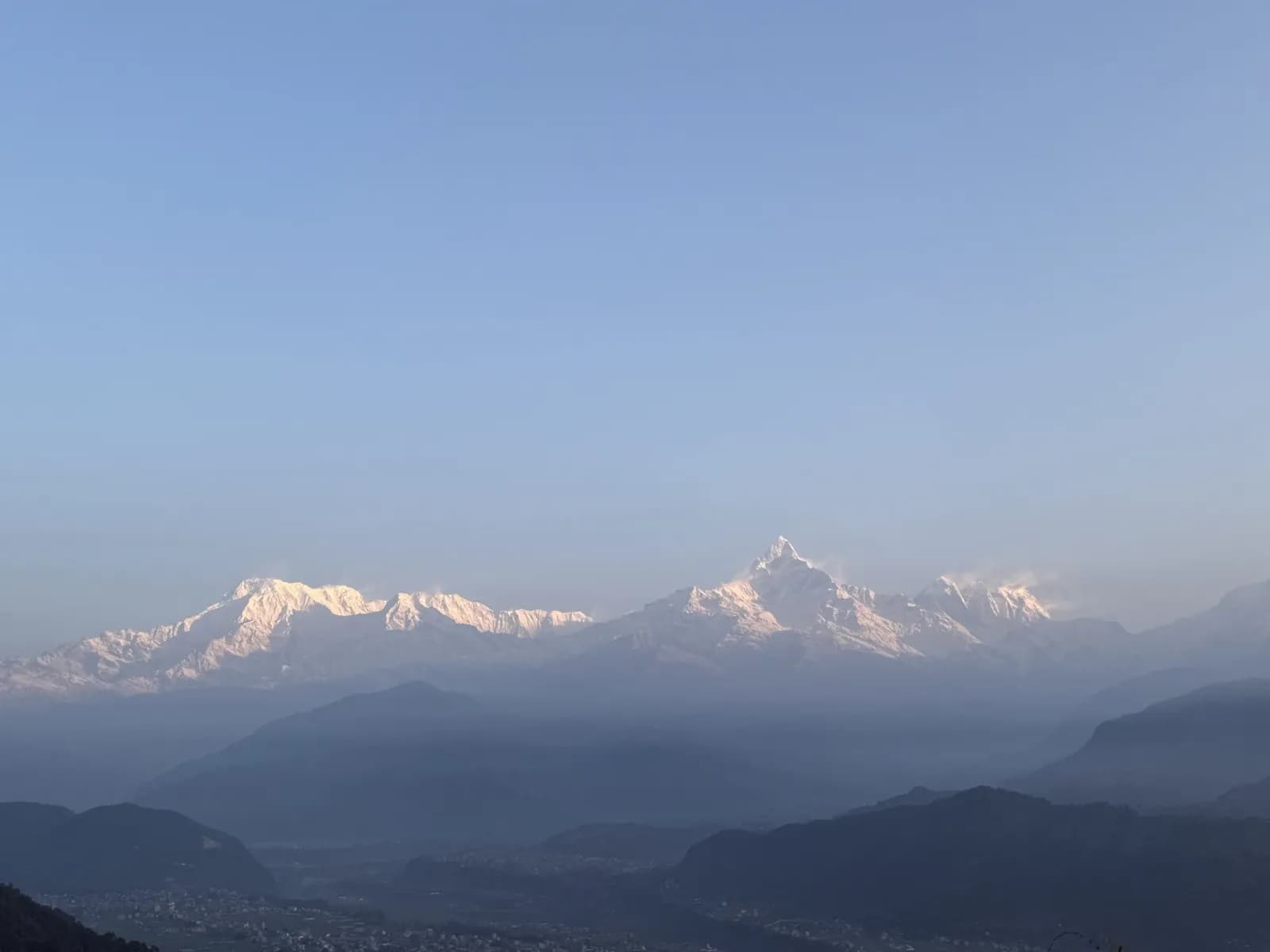
The main climbing begins today. The trail goes through forest all morning, thinning as you gain height, with views of Machhapuchhre behind you through the trees. Dobato is a clearing with three lodges at 3,420 m. This is the biggest climb of the trek, so your guide will keep the pace slow.
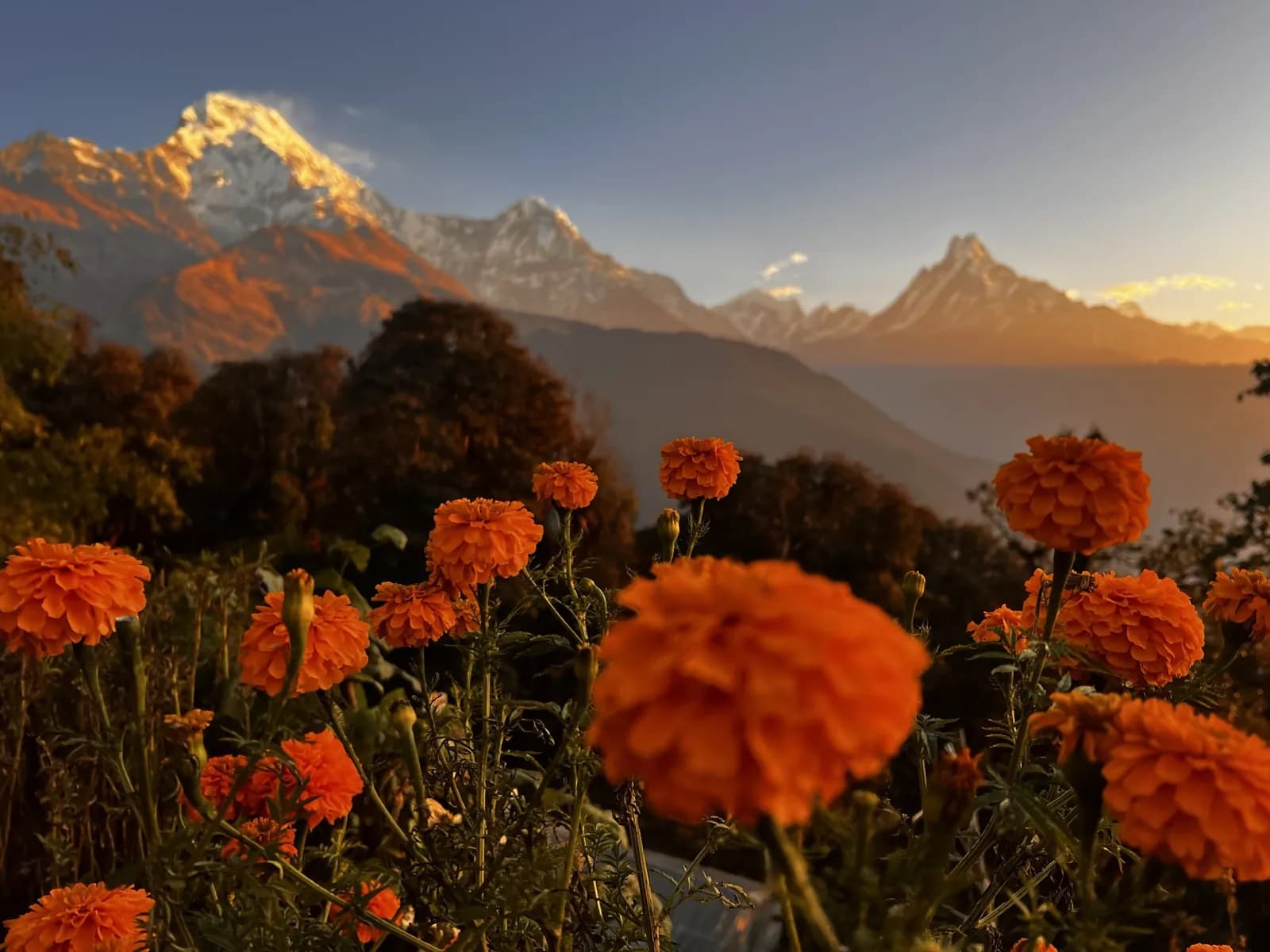
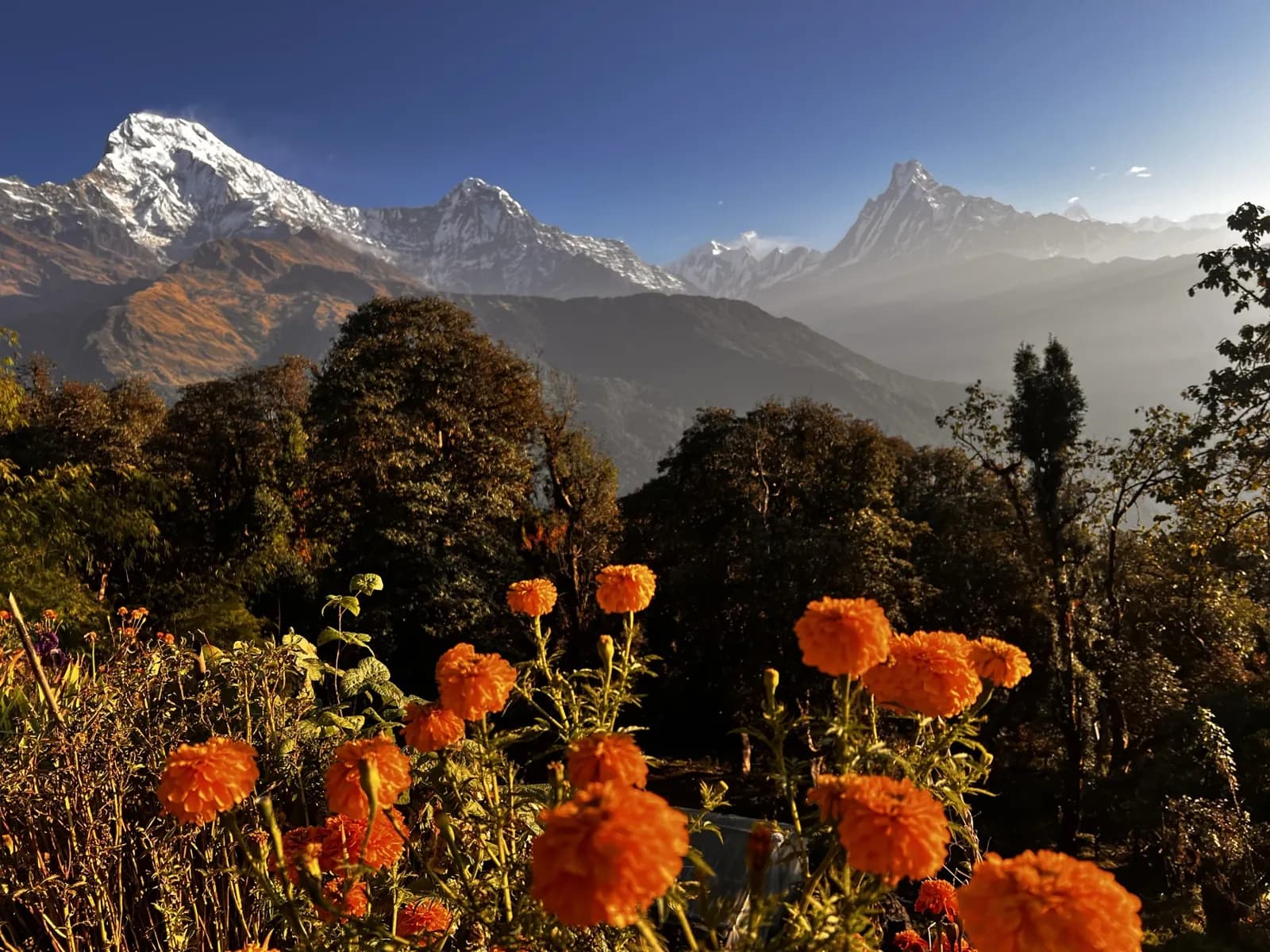
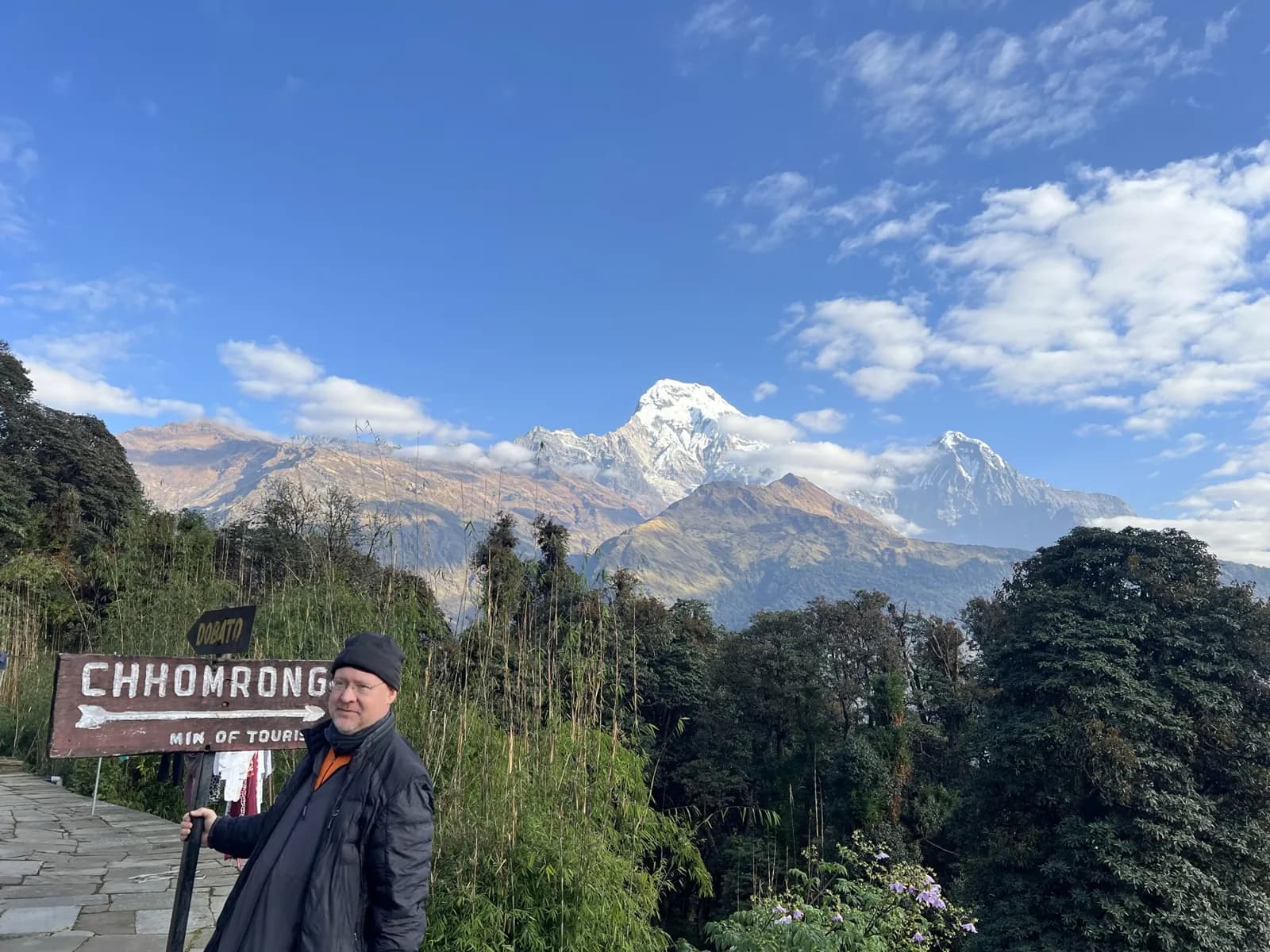
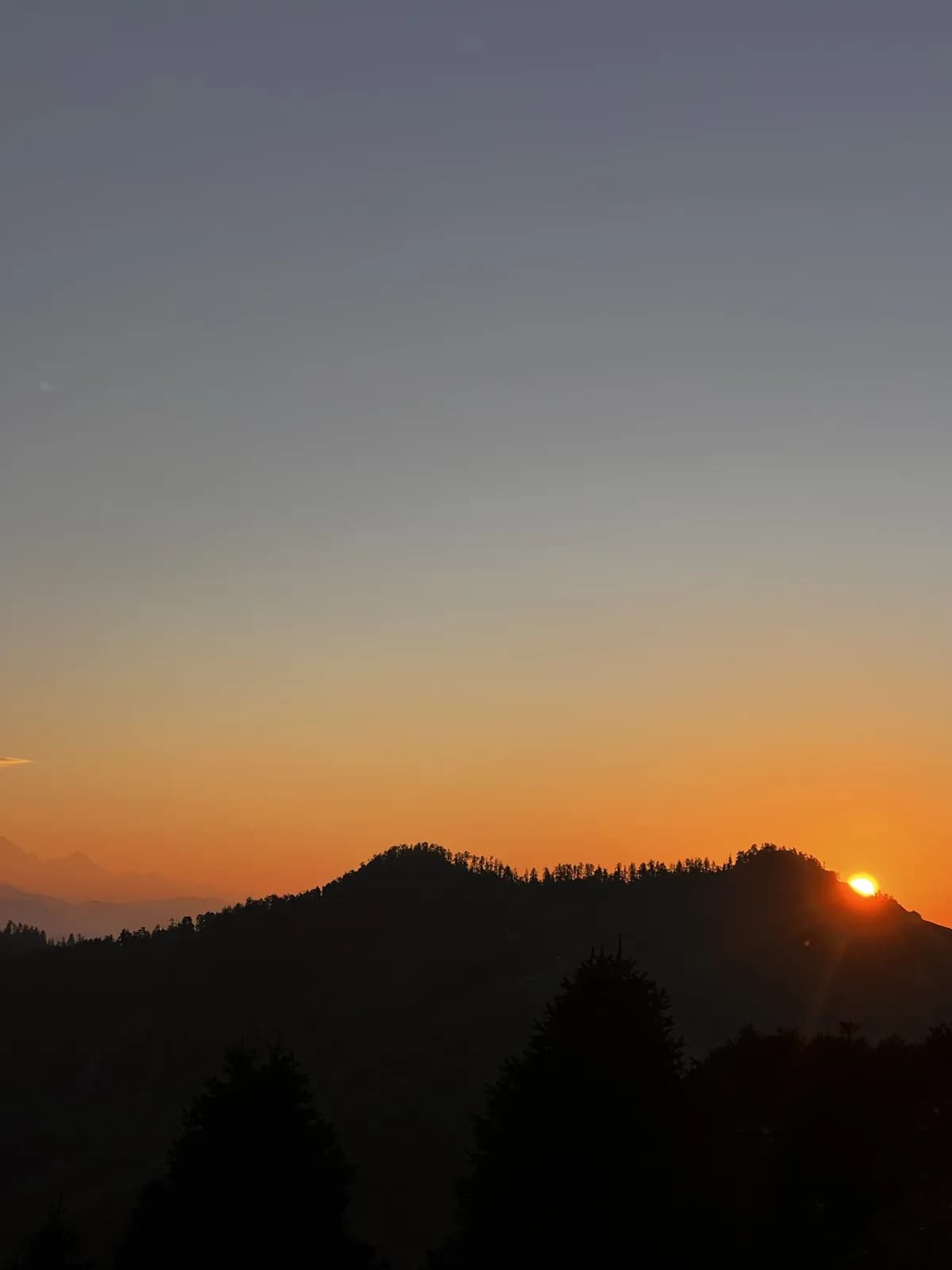
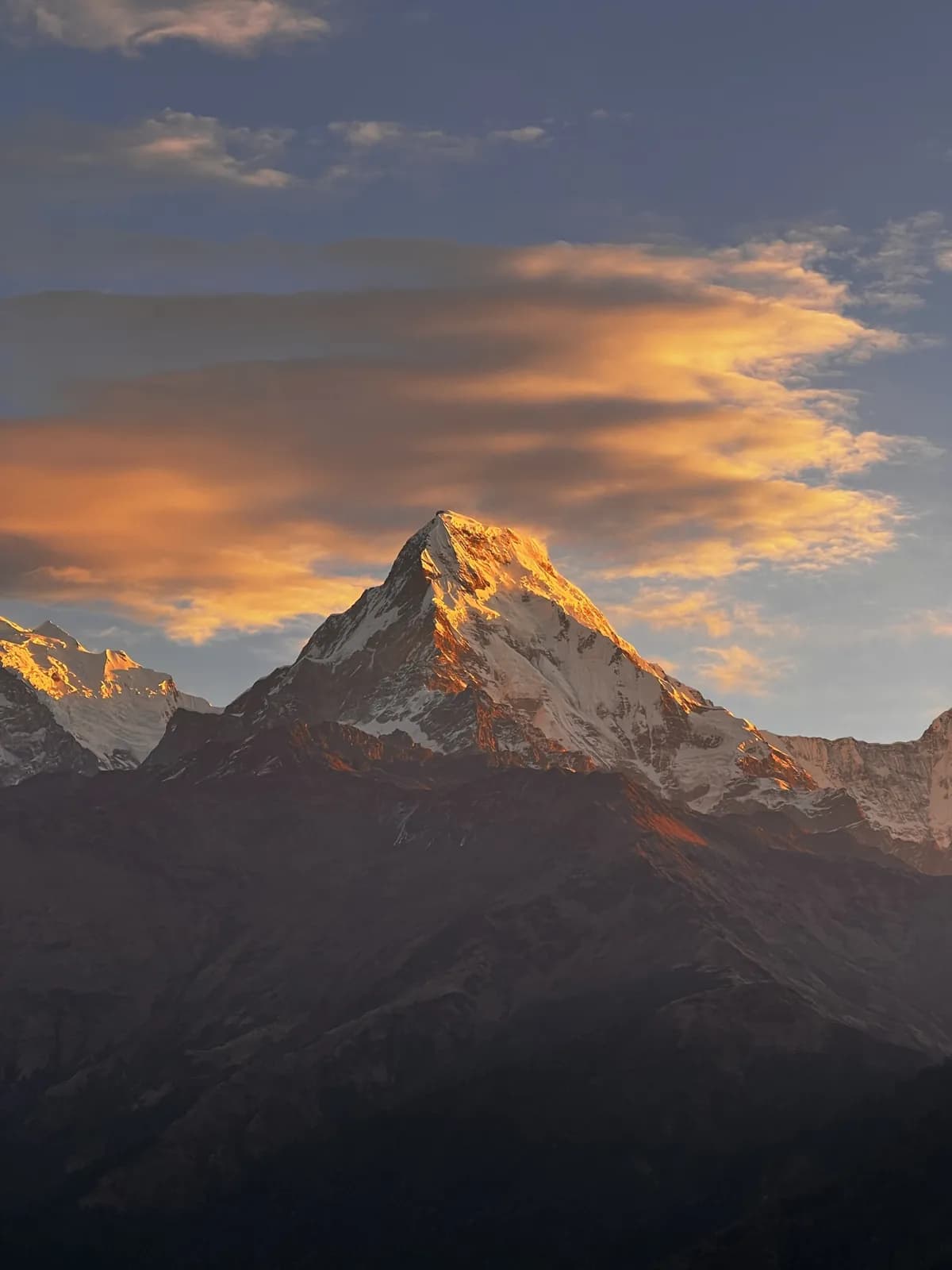
You set off in the dark for the forty-five minute climb to Muldai at 3,637 m, where Dhaulagiri, the Annapurnas and Machhapuchhre are visible together, usually with few other people. After returning for breakfast, you descend a long way through forest to Chistibung at 2,975 m. Sleeping lower than the high point of the day helps your acclimatisation.
This is a deliberately short day. The trail leaves the last trees behind and climbs open pasture onto the ridge, where the community lodge stands alone at 3,660 m with Dhaulagiri filling the western sky. You arrive by early afternoon and have the rest of the day to rest and enjoy the view.
This is the hardest day of the trek, and it is optional. You leave before dawn and follow the ridge north above 4,000 m to the sacred lake and the shrine at Khayer Barah, then return the same way. It takes eight to ten hours, there is no lodge or shelter, and in some weeks snow closes the route completely. Your guide decides on the morning whether it goes ahead.
After a final sunrise from the ridge, you make a long descent, losing nearly 1,400 m through pasture and terraced fields to Swanta. The village grows apples, runs its own lodge and has a warmer climate. The descent is hard on the knees, and trekking poles are more useful here than anywhere else on the trek.
You descend to the river, cross it, then climb the far side through Chitre to rejoin the main trail at Ghorepani. After five quiet days, you are back among lodges with long menus, hot showers and many more trekkers.
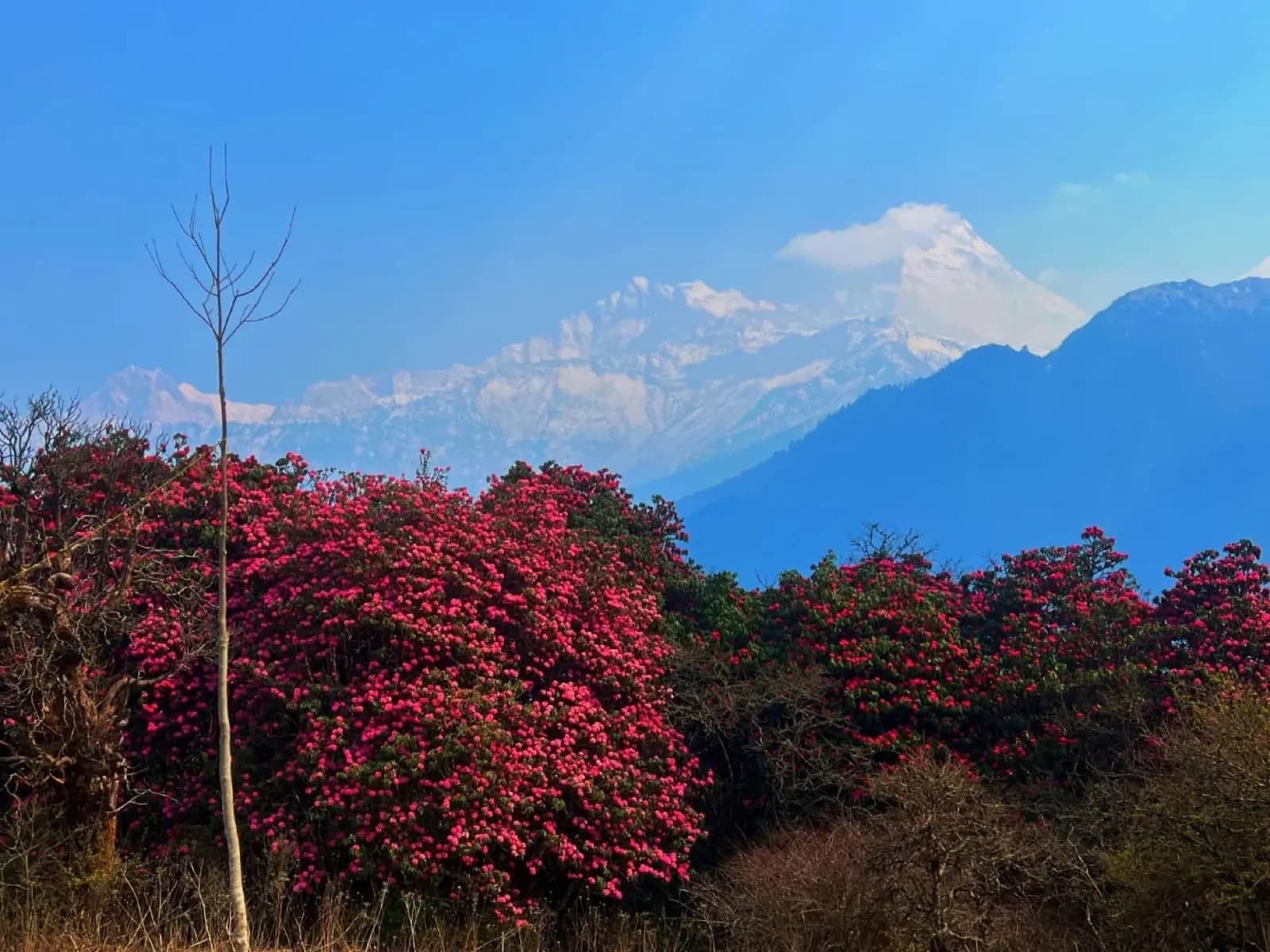
You start in the dark to reach Poon Hill at 3,210 m, the best-known viewpoint in this area. It is usually busy, with around a hundred other people, but the view is worth the hour's climb. You then make a long descent on the stone staircase through Ulleri to Birethanti, where a jeep takes you back to Pokhara for a hot bath and dinner.
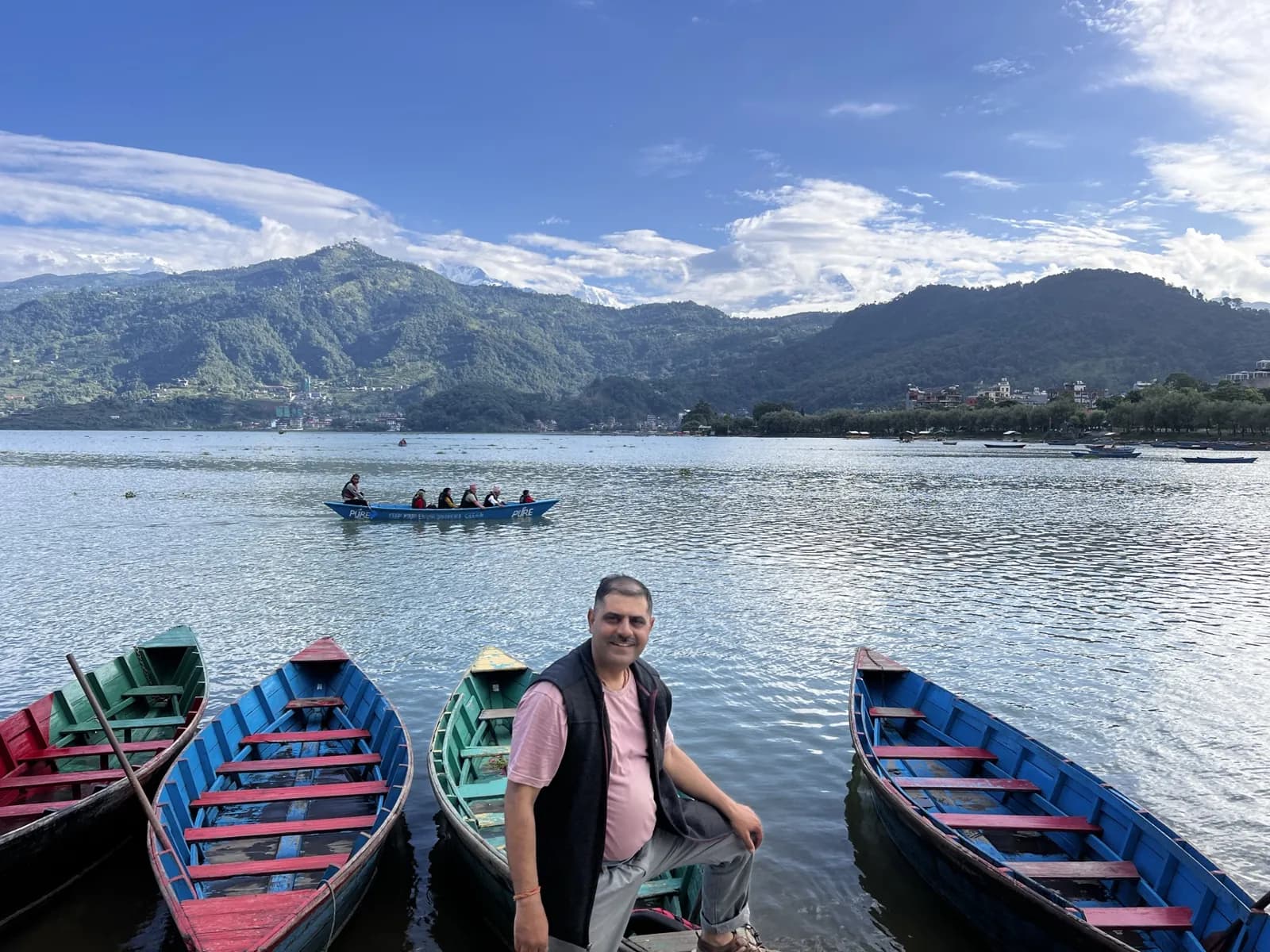
The morning is free in Pokhara, and a boat trip on the lake is a relaxing option. You fly or drive back to Kathmandu in the afternoon, and in the evening we have a farewell dinner together with the guide and the crew.
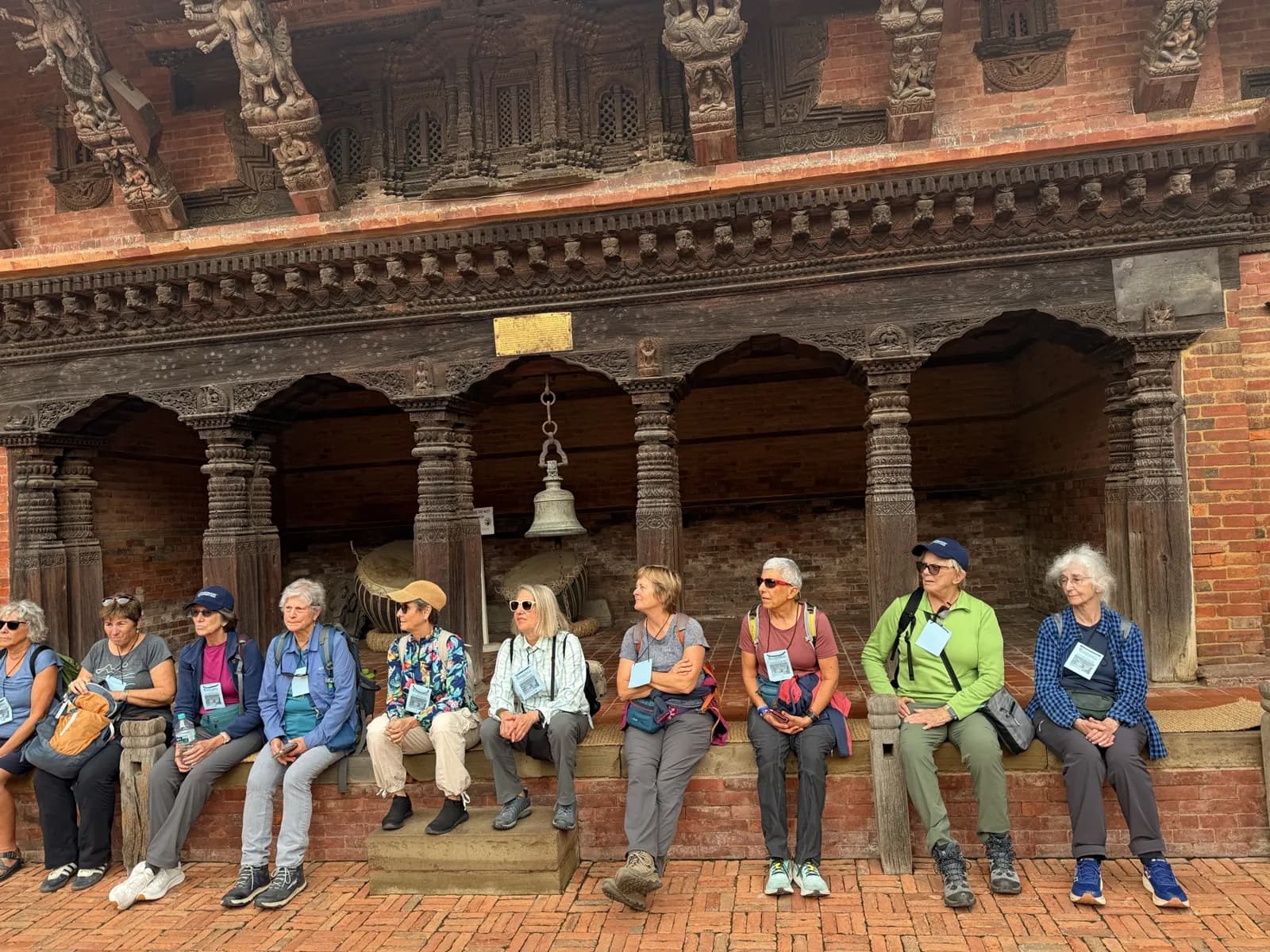
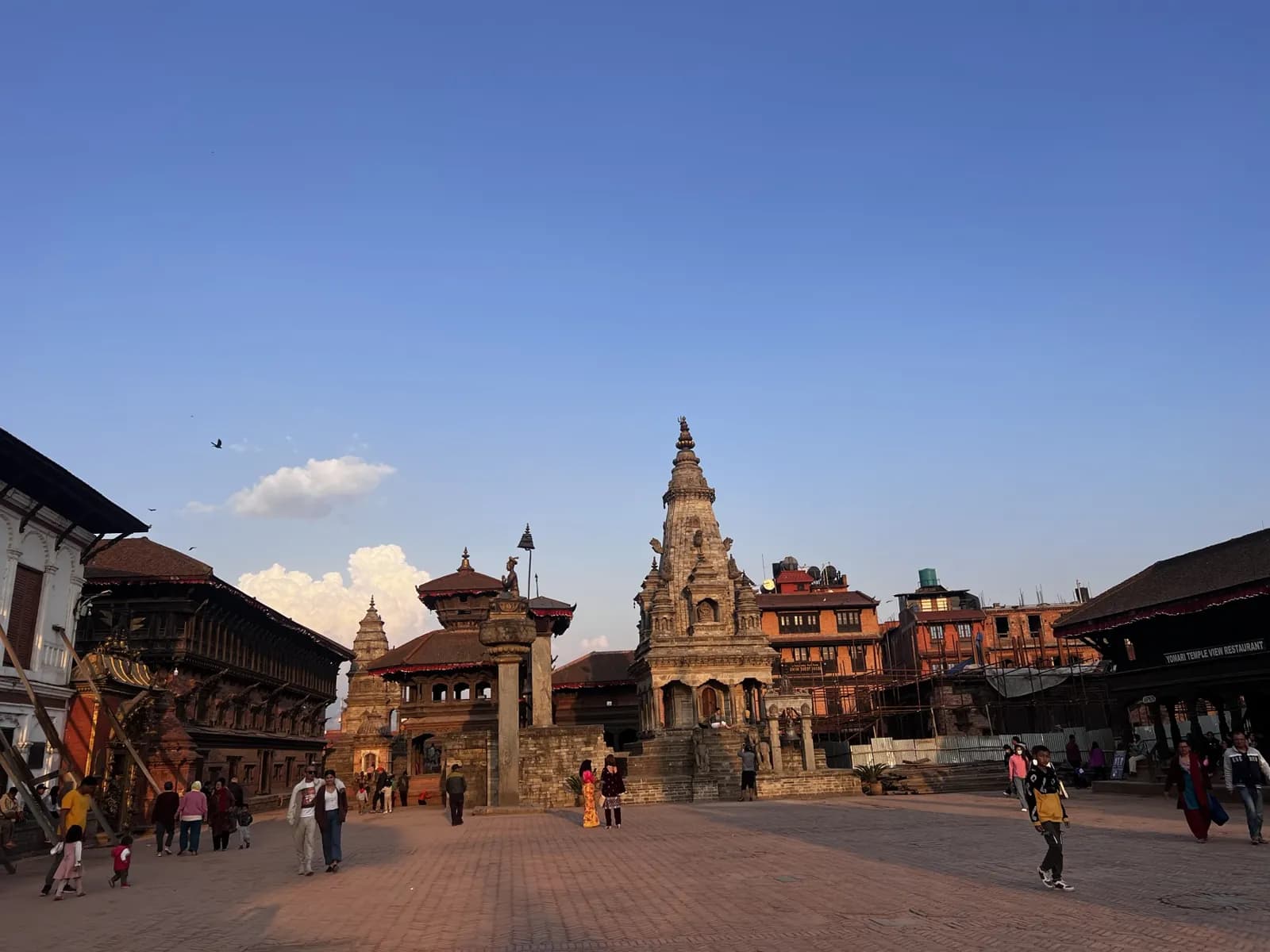
We take you to the airport for your flight home. If you have a free morning, Bhaktapur and Patan are an hour away, and we can arrange a car and a guide who can explain the carvings to you.
Start date
3 Oct 2027
End date
14 Oct 2027
Available
10 places left
US $1,090
Per person
Start date
8 Nov 2026
End date
19 Nov 2026
Available
10 places left
US $1,090
Per person
Start date
28 Mar 2027
End date
8 Apr 2027
Available
10 places left
US $1,090
Per person
The trail from start to finish, at a glance.
Porters and baggage limits
Your porter carries a strict maximum of 20 kg, which is your duffel and one other. There is no 15 kg flight limit on this trek because there is no mountain airstrip, so the only limit is what a porter should carry. Anything you do not need on the trek can be stored free of charge at our office in Kathmandu or at your hotel in Pokhara. We provide the duffel, the sleeping bag and the down jacket, so you do not need to bring these.
There is no mountain airstrip on this trek, so weather delays are short, and a jeep road is within a day's walk of most of the route.
The flight from Kathmandu takes twenty-five minutes and lands at an airport on flat ground at 820 m. Delays are measured in hours, not days, and the six-hour drive along the Trishuli river is a practical alternative. Nothing on this trek depends on a seat in a small mountain aircraft, which is why the itinerary has no spare day at the end.
The drive takes three to four hours on a road that was a footpath fifteen years ago, climbing to 1,940 m. A seat in a shared jeep costs a few dollars, and a private vehicle costs around $60. The road is bumpy and slow, the last hour is very scenic, and it saves a day of walking on a jeep track.
From Ghorepani you walk down the stone staircase to Birethanti and take a jeep for the ninety-minute drive back to Pokhara. If you would prefer to avoid the Ulleri steps, tell us and we will finish down the Kali Gandaki through Shikha to the hot springs at Tatopani instead, then drive back to Pokhara.
This is one of the Himalayan treks closest to a road. From Khopra Danda, Swanta and a jeep track are a day's walk away, and from Ghandruk or Ghorepani you are an afternoon's drive from Pokhara. A helicopter can land on the ridge, and a charter to Pokhara costs about $2,500 for the aircraft. Most problems here can be solved by descending on foot.
Five of the eight nights on the trail are in lodges owned by the villages. They are warm, clean and simple.
Three of the nights, at Chistibung, Khopra Danda and Swanta, are in community lodges owned by the villages. They are simple: twin rooms, with a dormitory if the lodge is full, and shared bathrooms. At Khopra Danda, where you spend two nights, the lodge is the only building on the ridge, with twin or four-bed rooms, blankets on every bed and a bucket of hot water when there is any. Bring a sleeping bag.
Tadapani is a privately run teahouse with a hot shower for a fee. Dobato is three basic lodges in a clearing, with no reliable shower. Ghorepani, on the way out, is the most comfortable night on the trek, with private bathrooms in the better lodges.
| Where | Nights | Type | Room | Bathroom |
|---|---|---|---|---|
| Kathmandu | 2 | Three-star hotel | Twin or double | Private, hot water |
| Pokhara | 2 | Three-star hotel, lakeside | Twin or double | Private, hot water |
| Tadapani | 1 | Teahouse, privately run | Twin | Shared, hot shower for a fee |
| Dobato | 1 | Lodge, one of three in a clearing | Twin, basic | Shared, no reliable shower |
| Chistibung | 1 | Community lodge | Twin, and a dorm if the lodge is full | Shared |
| Khopra Danda | 2 | Community lodge, the only building on the ridge | Twin or four-bed, blankets on every bed | Shared, with a bucket of hot water when available |
| Swanta | 1 | Community lodge, in the apple orchards | Twin | Shared, hot shower for a fee |
| Ghorepani | 1 | Teahouse, the most comfortable night on the trek | Twin | Private in the better lodges |
Porridge, Tibetan bread, chapati, eggs, pancakes, tea or coffee
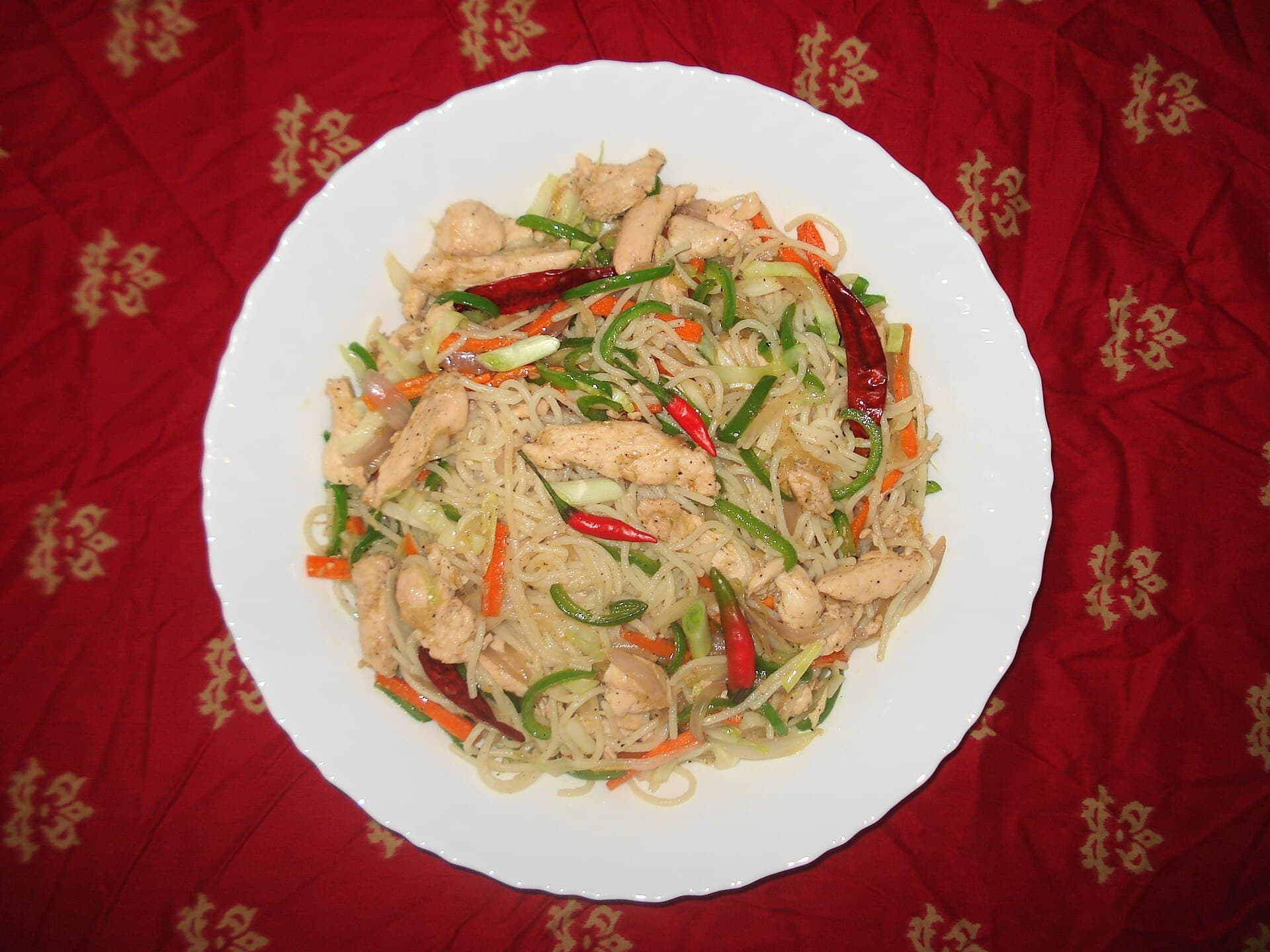
Dal bhat, fried rice, noodles, soup, potatoes, seasonal greens

Dal bhat, thukpa, curry and rice, pasta, soup to start
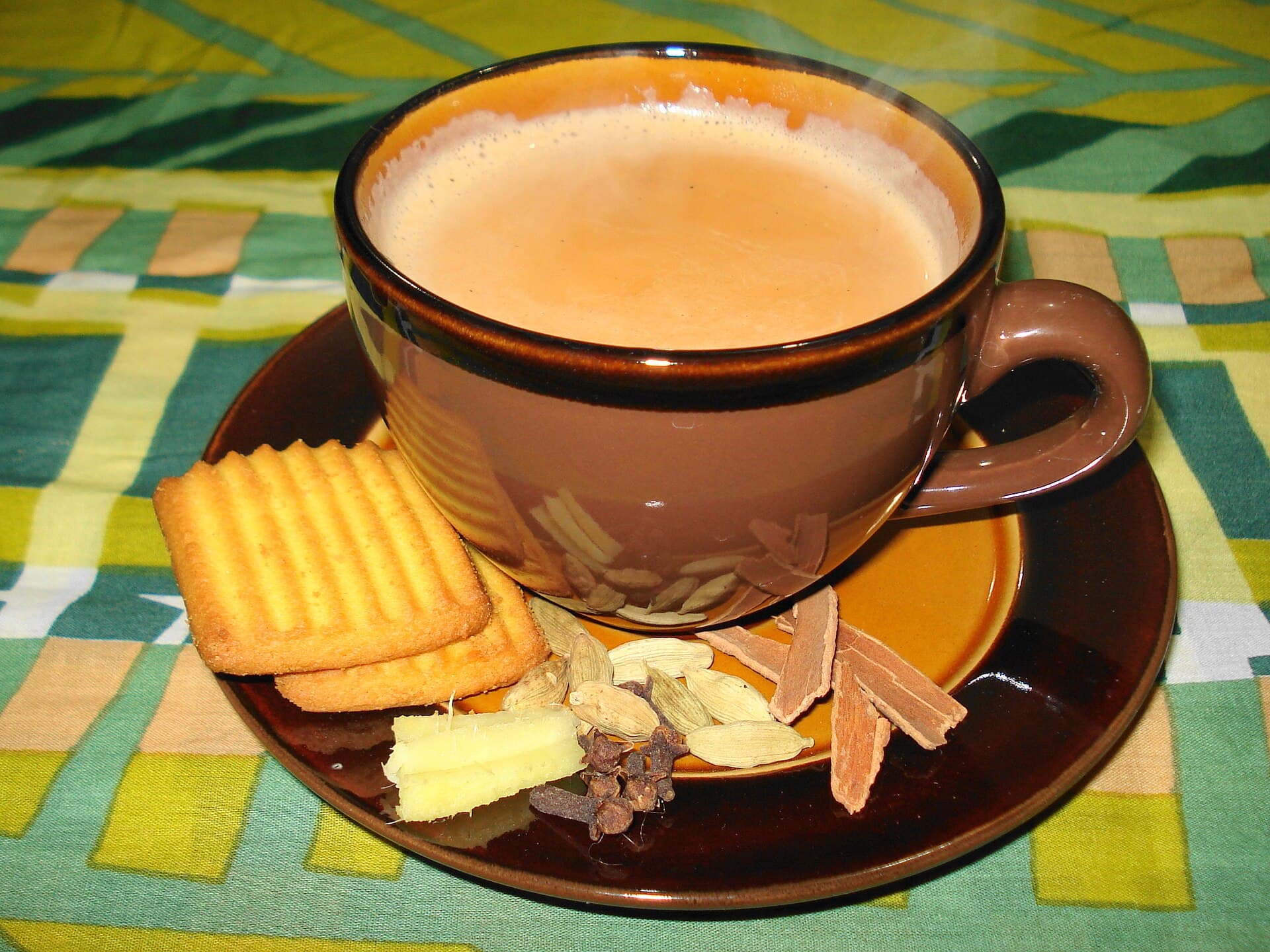
Black, milk, lemon, ginger or masala tea. Included at every stop.
6:15Tea in the dining room, and a bowl of warm water to wash with
6:45Pack, and leave the duffel by the door for the porter
7:15Breakfast together, cooked to order and unhurried
8:15On the trail, at a slow and steady pace set by the guide
12:00Lunch at a lodge on the route, about an hour
13:00Two to three hours more, depending on the day
15:00Arrive at the lodge, have tea, choose a bed, wash and rest
17:00Oxygen saturation and pulse measured and recorded, from Dobato upwards
18:30Dinner together, and the guide briefs you on the next day
20:30Bed. The stove goes out and the ridge gets cold quickly
Moderate walking, with one hard optional day.
Written for somebody who walks a bit and does not train. If you already run or cycle regularly, start partway through. Nothing here needs a gym.
10 weeks before, stage 1 of 6
Do three cardio sessions a week, 40 minutes each, at a pace where you can still hold a conversation. Walking, cycling, swimming or rowing are all suitable. This is the most important part of your preparation.
You sleep two nights at 3,660 m and, if the weather allows, reach about 4,500 m. This altitude needs care, but most people manage it well.
You sleep two nights at 3,660 m on the ridge and, if the weather allows, reach about 4,500 m at Khayer Lake. Acute mountain sickness can occur at these altitudes, and people do get it here, usually at Dobato on the fourth night after climbing 800 m that day. This itinerary is manageable because of its profile: you climb to 3,420 m, descend to 2,975 m, then climb again, and after the highest day you return to a lodge where you have already slept.
Daily health checks
Your guide carries a pulse oximeter and measures your oxygen saturation and pulse every evening from day 4, and again on any morning you feel unwell. The readings are recorded, so any decline over two days is clear.
Mild symptoms
This itinerary descends twice on its own. A night at Chistibung, or a rest day on the ridge while the others walk to the lake, resolves most cases here without changing the trek for the rest of the group.
Serious symptoms
Descent is the only effective treatment. From Khopra Danda, Swanta at 2,270 m can be reached in an afternoon, which is low enough for anything short of an emergency. This decision is made by the guide and is not open to discussion.
Helicopter evacuation
A helicopter can land on the ridge at Khopra and reach Pokhara in twenty minutes. Your insurance must cover this: the cost is $2,500 to $4,000, and the helicopter will not take off without a guarantee of payment.
Road access
No point on this trek is more than a long day's walk from a jeep track, and the hospital in Pokhara is a couple of hours' drive beyond that. This is very different from being four days from an airstrip.
Fitness and altitude are unrelated
This is the thing people get wrong most often. Training makes the walking easier and does nothing for how your body handles thin air. Strong young trekkers get altitude sickness and unfit older ones frequently do not. Go up slowly, and say something the first time your head hurts.
We do not run this trek in two months of the year, and in two further months the Khayer Lake day is often not possible.
The season begins and the rhododendron below Tadapani starts to flower. Old snow can still block the Khayer Lake traverse early in the month.
Built from Nepal DHM station data for the Ghorepani area, adjusted for the ridge some 800 m higher. Any week can run several degrees either side, and the wind on Khopra Danda makes the difference between cold and very cold.
A government-licensed guide with wilderness first aid training leads every departure, and there is one porter for every two trekkers. From 11 trekkers, a second guide joins the group. Our guides on this route are from these valleys, which is a real advantage on a trail with many unmarked junctions above Chistibung.
Each porter carries a maximum of twenty kilos, which is your duffel and one other. This is below the 25 kg limit set by the trekking association and well below the loads you will see on the trail. If your bag is over the limit, the load is split rather than added to. Porters carry the duffels, not daypacks: your water, camera, jacket and snacks for the day stay with you.
Salary, insurance, food and accommodation for every guide and porter are included in the price you pay, not collected on the trail. Every guide and porter is insured for altitude and for helicopter evacuation on the same terms we ask of you. Porters in this industry have often carried too much, in poor footwear, for very low pay. Including fair pay in the package price is how we avoid this.
Tipping is customary but not compulsory, and it never replaces the wage. The usual amount for this trek is $100 to $160 per trekker for the whole team, given together on the last evening rather than daily. Your guide will not ask for a tip, and it is best not to hand it over in front of the group.
Between Chistibung and Swanta you stay in buildings owned by the villages. They were built from about 2014 on a model promoted by Mahabir Pun, who is also known for bringing wireless internet to these hills. Households take turns to run them, and a large share of the profit goes into village funds for the school and the health post. Your accommodation and meals directly support this.
On most teahouse treks it makes little difference whether you buy your tea at the lodge or carry your own. Here it does. Eat where you sleep, buy boiled water rather than bottled water, pay for the shower and the charging, and avoid bringing packaged snacks. The benefit of this route to the villages depends on the lodges earning an income.
A trekker drinking bottled water uses about twenty plastic bottles on this trip, each one carried up by a porter and carried down again. Boiled water costs $1 to $2 a litre at every stop, and there are spring taps throughout the route. We carry out everything we bring in that is not food.
Ask before photographing anyone. When a mule train passes, stand on the mountain side of the trail, not the drop side, and let it go by. Khayer Lake is a shrine as well as a viewpoint: do not bathe in it, do not walk through offerings, and if pilgrims are there, wait until they have finished.
Write to us or send a message on WhatsApp and tell us roughly when you would like to travel. You will receive a reply from a member of our team who has walked this ridge. Nothing is payable at this stage, and there is no obligation before you pay a deposit.
A deposit of thirty per cent holds your dates, and the balance is paid when you arrive in Kathmandu, in cash or by card. At the same time we ask for a copy of your passport, your insurance certificate and any dietary or medical information, because the ridge lodges order food days in advance.
You can pay by bank transfer or by card through a secure link. Card payments carry a bank fee of about 4 per cent, which we show you before you pay. The balance in Kathmandu can be paid in US dollars, pounds, euros or Nepali rupees.
If you cancel more than 30 days before departure, the deposit can be transferred to any other date or trek we run, with no time limit. Within 30 days of departure, the deposit is retained, because the permits, the lodges and the crew have been booked. If we cancel for any reason other than weather, you receive a full refund.
Both cost the same for a group of five or more. A private departure runs on your dates at your pace and can be arranged for one person. A group departure runs on the dates in the table above, with a maximum of ten people. Most people book a private trek, which costs no more.
Outside October, a week's notice is enough, because nothing on this trek depends on a flight seat. In October the limit is accommodation: there is one lodge on Khopra Danda, it holds about thirty people, and trekkers who arrive without a booking in high season can be sent back to Chistibung after dark.
Priced per person, arranged before you travel, and none of them included in the price above.
Continue west from Swanta to Mohare Danda at 3,300 m and descend through Nangi, the villages where the community lodge model started. This is an excellent extension to the trek, and few trekkers take it.
Descend from the ridge down the Kali Gandaki through Shikha to the hot springs at Tatopani, then drive back to Pokhara. This route avoids the Ulleri staircase entirely.
A thirty-minute flight from Sarangkot with views of the Annapurnas across the valley. Pokhara is one of the best places in the world for paragliding, and the morning of day 11 is free.
Two extra nights by the lake at the end of the trek, to rest before travelling home.
Travel down to the lowlands to see rhino. This is an easy addition between Pokhara and Kathmandu, with flat ground, a warm climate and no trekking.
A room to yourself for all four hotel nights. On the ridge, the lodges offer only twin-share rooms or a dormitory.
4 versions of this journey. They use the same guides and the same lodges; what changes is the length, the comfort and how much of it you walk.
Amazing trek and amazing service!!
April 2013, Tripadvisor
We booked to do a private trek in the Annapurna range. On the way to the start point we realised that the trek we were on was quite popular, we requested to go on a quiter route and in a flash our fantastic guide Gautam rearranged the route and granted our wish... We were not disappointed!! The quiter route was called the Eco Trek, and we were told we were the first to go from Earthbound. It took us to a place called Khopra and the place was incredible! Beautiful scenery throughout, incredible views and no crowds! We were superbly looked after by our guide Gautam and porter Leela, who really ensured we were at comfort throughout the trek. The service with Earthbound was great, with a very personal service which made us feel very special! We would highly recommend this tour operator to anyone looking for some guided fun in the Himalayas.
Top notch experiences with Earthbound Expeditions
April 2018, Tripadvisor
Rajan was such a pleasure to coordinate my Nepal adventures. After our Annapurna Santuary Trek, we had two weeks free to explore the wonders of Nepal. Rajan provided us with several incredible options, then facilitated all the necessary details. Truly a seamless process. He and his team coordinated transportation, accommodations, meals and excursions. We visited Chitwan National Park; which included a jungle safari with elephant ride, visit to an elephant breeding center, jungle walk, local authentic canoe ride and visit to native Tharu village. Then we traveled to Lumbini; which is known as the birth place of Buddha. We toured several Buddhist temples (including Maya Devi Temple), monasteries and experienced several religious activities. Upon our return to Kathmandu, they arranged for us the Everest Mountain Flight experience. Truly a trip of a lifetime. Highly recommend Earthbound Expeditions with Rajan.
51 Days in Nepal, Tibet, India and Bhutan
November 2018, Tripadvisor
5 stars are not enough to describe our experience with Earthbound Expeditions. Mr. Rajan Simkhada, owner of EE, worked with us to custom design the perfect adventure. We used Rajan's hotel, Thamel Eco Resort in Kathmandu, as a "home base", where we stopped to catch our breath in between each country. 9 days in Tibet, 12 days in northern India, 9 days in southern and western Nepal, and 6 days in Bhutan, with a week at the end in Kathmandu. My husband and I had private guides and drivers the whole way. They were professional, attentive to our needs and wishes, and spoke very good English. Guides can make/break your experience, and ours were exceptional. The hotels were clean and comfortable. Our guides helped us select foods that allowed us to safely sample local cuisine. Our itinerary included six flights and one train ride, we changed hotels nearly every day - and the execution was seamless and flawless. We were well taken care of the entire trip, and made to feel special by each EE associate. The attention to detail was incredible. This adventure more than exceeded our expections, and we will definitely use Earthbound Expeditions again. A huge thank you to Rajan and his entire crew!
Wonderful Kailash Tour
September 2018, Tripadvisor
The only tour agency I'll ever use! Earthbound Expeditions exceeded mine and our tour groups expectations! They a delivered 5* service throughout our 20 days with them. From the very start, they gave of the best impressions, answering any questions we had quickly and clearly. We had a group of 24 that went on the Mt Kailash and Lake Manasarovar tour. Earthbound went above and beyond to organise a wonderful tour based on our wants and needs. Upon arrival in Nepal, we were greeted in a lovely manner and treated so well by all the Earthbound team. There's nothing about Earthbound I can fault. Accommodation was great, food was amazing and the Earthbound team, well they are spectacular. Some of the best people you'll have the pleasure of meeting! Each member of staff treats you like family, and after 20 days with them you end up becoming a family! That's the beauty of Earthbound Expeditions, they treat you how they would treat their families and that's what makes the trip an even more enjoyable one. Reaching Mt Kailash and Lake Manasarovar is no easy task. It's days of travelling, acclimatising and taking in breathtaking views! Rajan, Mr Earthbound himself, made the long journeys the most enjoyable ones. His endless jokes, knowledge and signing passed the time by. The entire team, like I said before were just amazing. If you're thinking of any Expeditions or treks in the near future, Earthbound Expeditions must be your go to! There is nothing I fault about this company. Everyone on our tour had the most amazing time and it's all down to how well Earthbound planned, organised and executed everything. Thank you Rajan, Arjun, Bharat, Kedar, Badri and all the other boys for an amazing, truly once in a lifetime trip!
Answers to the 26 questions travellers ask us most often. If your question is not here, contact us and we will answer it.
It is easier on every day except one. The days are four to six hours rather than five to eight, the highest overnight stop is 3,660 m rather than 3,700 m, and there are far fewer stone steps. The exception is the Khayer Lake day, which is harder than any day on the Annapurna Base Camp trek.
No. There are no ropes, no crampons and no pass to cross. The route is on forest trails and open pasture. The only section that needs care is the traverse towards Khayer Lake when it holds snow, and in those conditions your guide will cancel that day.
Yes, it is one of the best. The altitude profile is gentle, a road is never far away, the days are short, and you reach a 3,660 m ridge facing Dhaulagiri without the crowds of the better-known routes. Treat the lake day as an optional extra rather than the main goal.
There is no upper age limit, and we have taken trekkers in their seventies onto this ridge. The minimum age is ten, with a parent, and children usually do well here because the days are short. Your walking experience matters more than your age.
Ten at most, and departures run from one person. From 11 people we add a second guide. In practice the size of the lodge on the ridge sets the limit, which is why we cap this trek lower than our Everest treks.
It takes eight to ten hours, covers about 16 km there and back with roughly 850 m of climbing, and starts before dawn. There is no lodge or shelter anywhere on the route. It is the hardest day on any of our moderate treks. Many trekkers choose to stay on the ridge instead, and they still see the best of the trek.
In October, November and April, the chances are good. In March and December they are about even, because old snow stays on the traverse long after the trail below is dry. In January and February, expect it not to go ahead. Your guide decides on the morning, and sometimes the decision at five in the morning is not to go.
About 4,500 m, although different maps give heights from 4,500 m to 4,660 m. It is the highest point on this trek, roughly 850 m above the ridge where you sleep, and the altitude makes the return walk feel longer than the walk out.
The itinerary does not change and there is no refund, because the cost is the same either way. You spend the whole day on the ridge facing Dhaulagiri, with the option of a shorter walk up towards the shepherds' pastures, and a hot lunch at the lodge while the others eat a packed lunch at 4,500 m.
The lodges at Chistibung, Khopra Danda and Swanta belong to the villages rather than to families. Households take turns running them for a few months at a time, and a large share of the profit goes to village funds for the school and the health post. The model dates from about 2014 and was promoted by Mahabir Pun.
They are simpler. There are fewer rooms and shorter menus, the solar power can run out after several cloudy days, and hot water may come in a bucket. The dining rooms are warm, the blankets are thick and the food is good. If you need a private bathroom and a wide international menu, this trek is not the right choice.
We book every night in advance, and in October this is important: there is one lodge on Khopra Danda and it fills up. We also aim to arrive there before lunch. Independent trekkers who arrive late in high season are sometimes sent back down to Chistibung.
It is possible. Acute mountain sickness can start around 2,500 m, and on this trek the most difficult night is usually at Dobato, after the biggest climb. Your guide measures and records your oxygen saturation every evening from day 4, and the route drops back to 2,975 m the next day, which resolves most symptoms.
On the ridge at Khopra Danda, expect roughly −3°C to −8°C after dark in the trekking seasons, colder in December and January, and windier than the figures suggest. Daytime temperatures on the trail are 13°C to 18°C and pleasant in the sun. The bedrooms are not heated, so you will need the sleeping bag.
You need a policy covering trekking to 5,000 m, with helicopter evacuation and repatriation. We ask to see the certificate before you leave Pokhara. A rescue here costs $2,500 to $4,000, and the helicopter will not take off without a guarantee of payment.
There is usually free wifi at Khopra Danda, and it works better than the phone signal at Dobato. Ncell and NTC cover the villages reasonably well. Buy a SIM card in Kathmandu or Pokhara, because you cannot register one on the trail.
Yes, for $2 to $3 per device in the dining room, from solar panels. After two cloudy days in a row the lodge on the ridge may have no power available. Bring a 20,000 mAh power bank, charge it in Pokhara, and keep it in your sleeping bag overnight.
At Tadapani, Swanta and Ghorepani, for $2 to $4. At Dobato and on the ridge there is a bucket of hot water when the lodge has fuel to spare, which is not every day. Plan on using wet wipes for those two nights.
Yes. Dal bhat is the best choice on every menu: it is cooked fresh and refills are free. Avoid meat above Dobato, because it has been carried up without refrigeration. Vegetarian food is easy to find, and vegan and gluten-free diets can be managed with notice, so please tell us when you book.
You need two permits. The first is the ACAP entry permit, NPR 3,000 (about $22), issued at Nepal Tourism Board counters in Kathmandu or Pokhara on behalf of the National Trust for Nature Conservation. The second is a TIMS card, NPR 2,000 (about $15), which only a registered agency can issue. Both are included in your trek price, and we arrange them before you leave the city.
Yes. Since April 2023 foreign trekkers must have a licensed guide in Nepal's conservation areas, and the TIMS card is only issued through an agency. On this route a guide is also important for navigation: above Chistibung the junctions are unmarked, and in cloud the ridge looks the same in both directions.
$150 to $250 changed into rupees, in small notes. This covers showers, charging, drinks, snacks and tips. There is no ATM after Ghandruk and no lodge on the route accepts cards, including the community lodges.
You fly or drive to Pokhara on day 2, then take a three to four hour jeep ride up to Ghandruk at 1,940 m on day 3. No mountain airstrip is used on this trek, so there is no spare day at the end and bad weather causes delays of hours rather than days.
For October, book two to three months ahead, because the single lodge on the ridge fills first. For April, six weeks ahead is usually enough. Outside the peak season a week is often enough, and if you are already in Pokhara we can usually start your trek within two days.
Yes, and most people do. You can add a second night on the ridge so the lake day has a spare morning, finish down the Kali Gandaki to the hot springs at Tatopani instead of over Poon Hill, shorten the trek to nine days from Pokhara, or continue west to Mohare Danda. From five people, a private trek costs the same as joining a group.
Treat Khayer Lake as an optional extra rather than the goal. Trekkers who feel the trek only counts if they reach the lake are the ones who continue in poor snow conditions. The ridge at sunrise is the main reason to do this trek.
Didn't find what you were looking for?
Search every word on this page, or ask somebody who has walked the route.
12 days
$1,090 per person