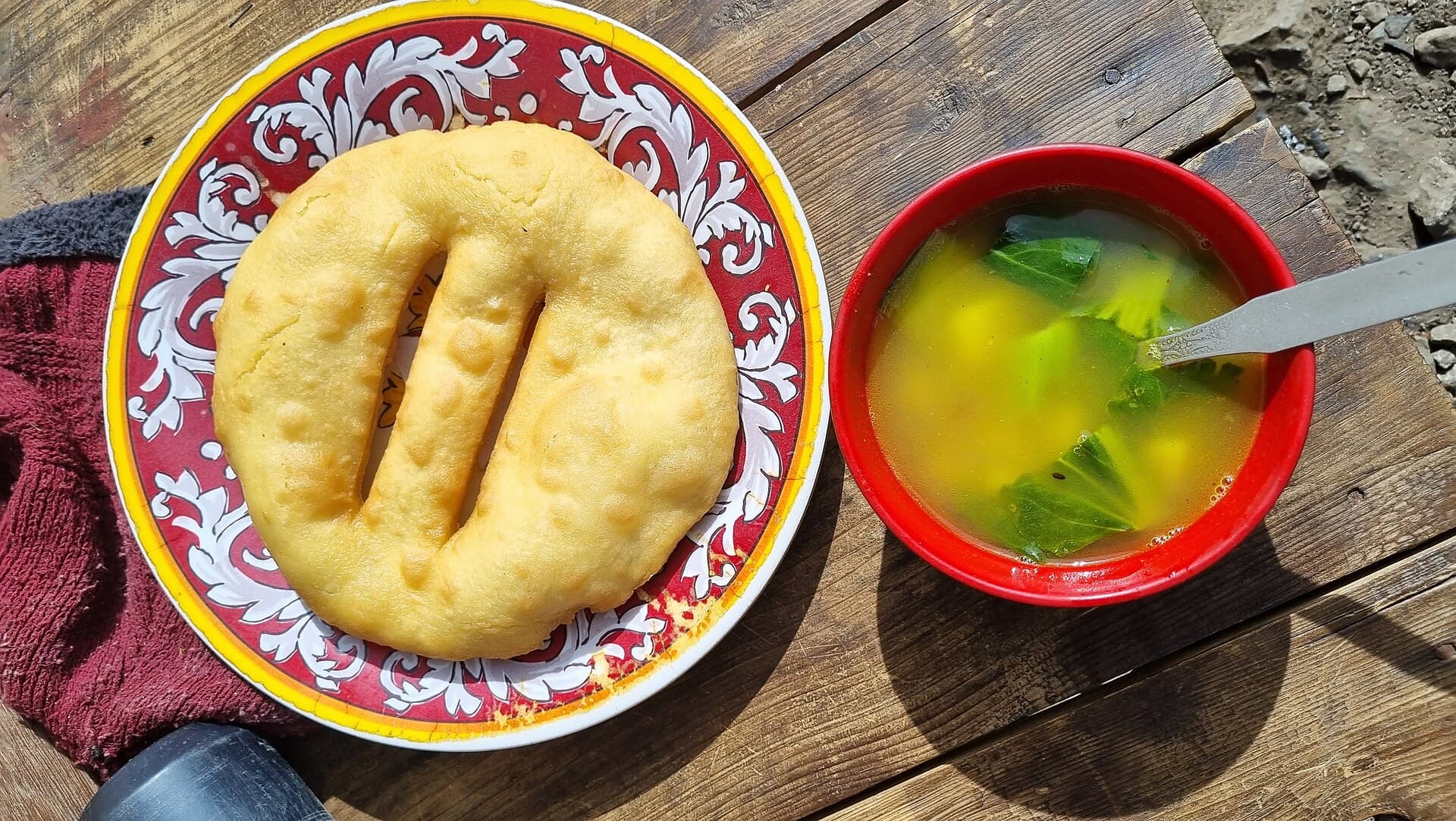
Breakfast
Porridge, Tibetan bread, eggs, chapati, pancakes, tea or coffee
All destinations
All destinationsSix turquoise lakes, the longest glacier in Nepal, and a summit view of four of the six highest mountains in the world. The Everest region with far fewer trekkers.
Six turquoise lakes, the longest glacier in Nepal, and a summit view of four of the six highest mountains in the world. The Everest region with far fewer trekkers.
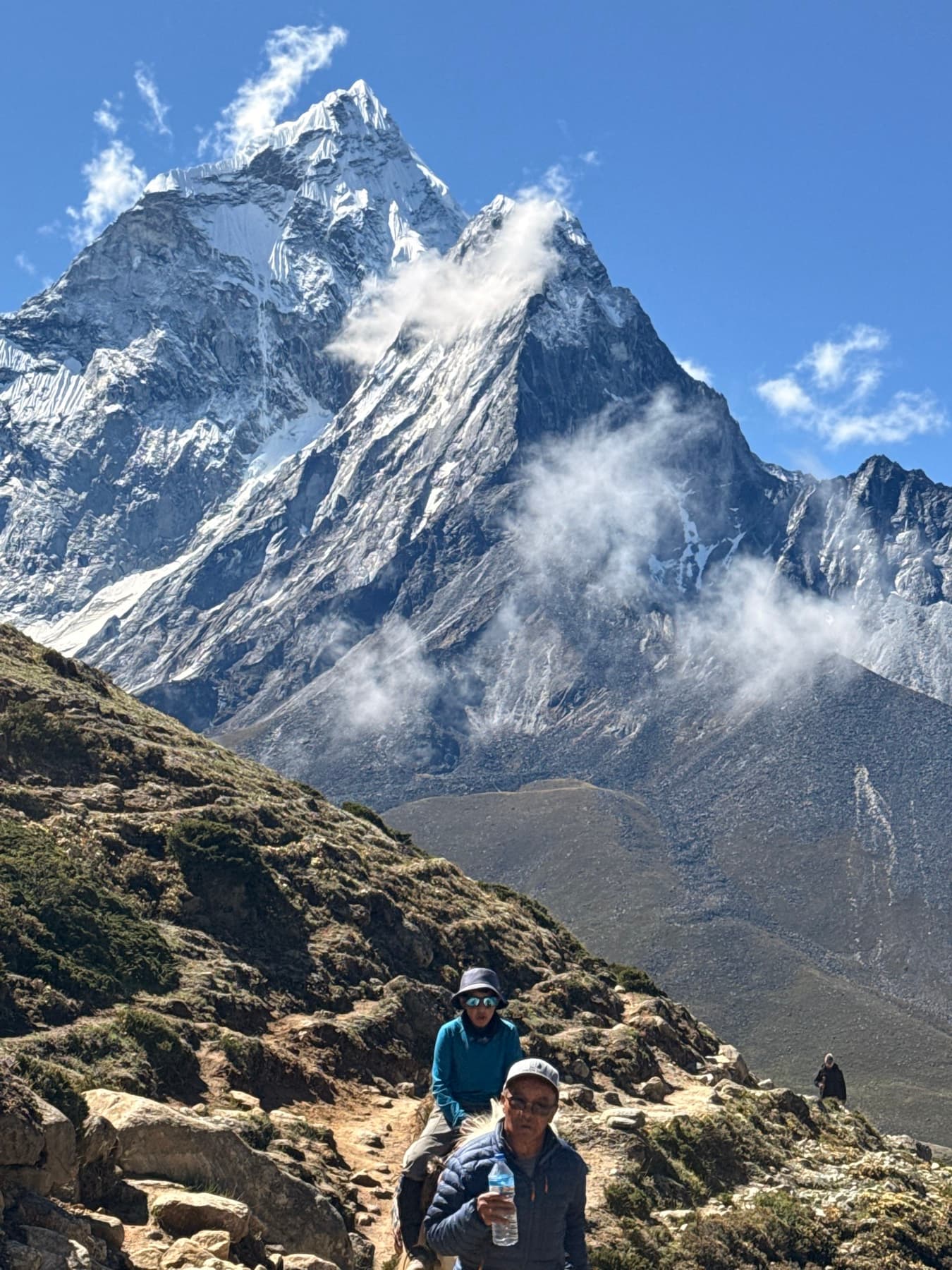
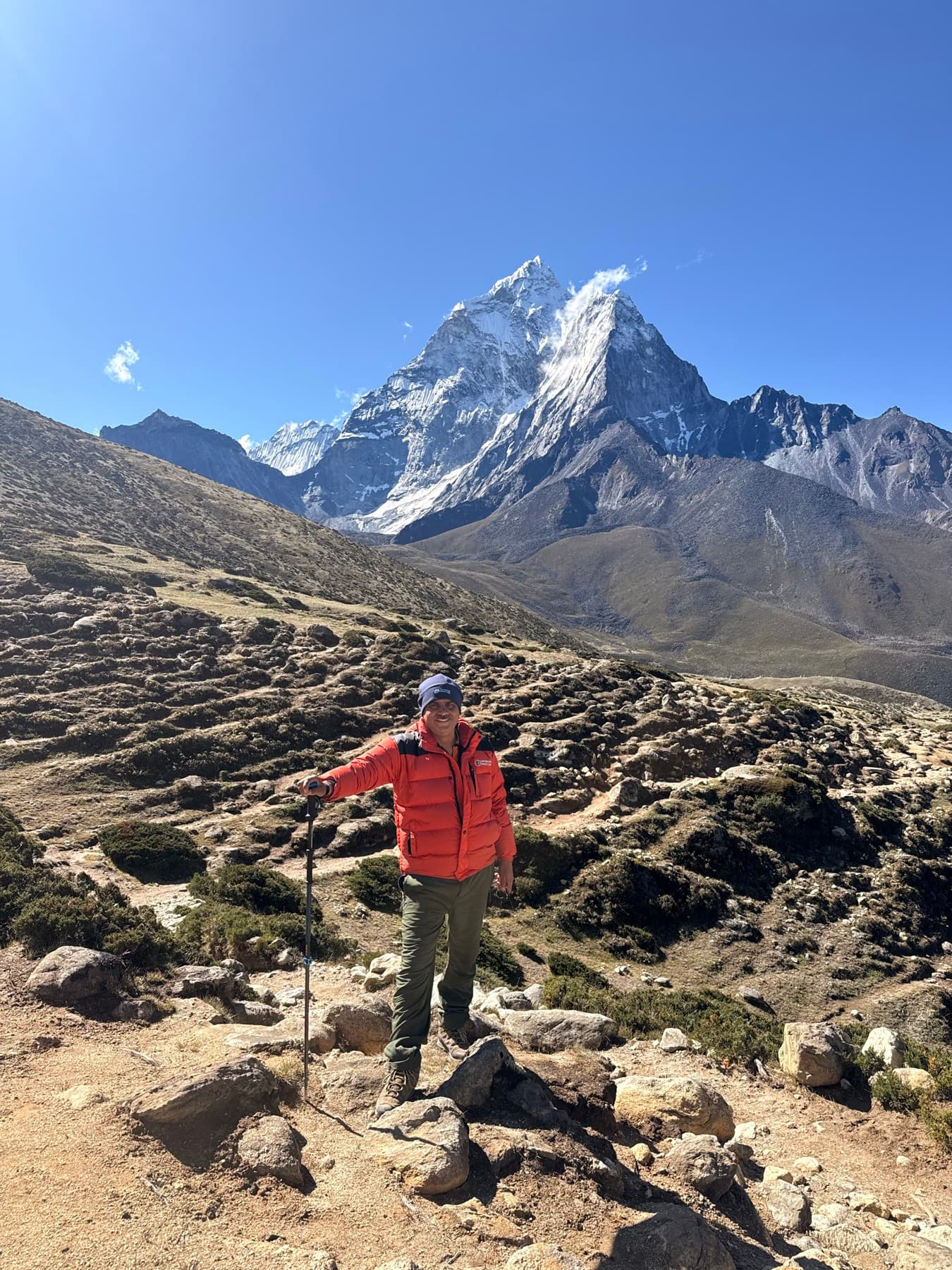
This trek visits the other main valley of the Khumbu. You fly to Lukla and walk for two days to Namche, as on every Everest trek, and on day 6 the trail divides: right for Base Camp, left for Gokyo. Five more days take you up beside the Ngozumpa Glacier, past a chain of six turquoise lakes, to a village on the shore of the third lake at 4,790 m, below a hill with one of the best views in Nepal.
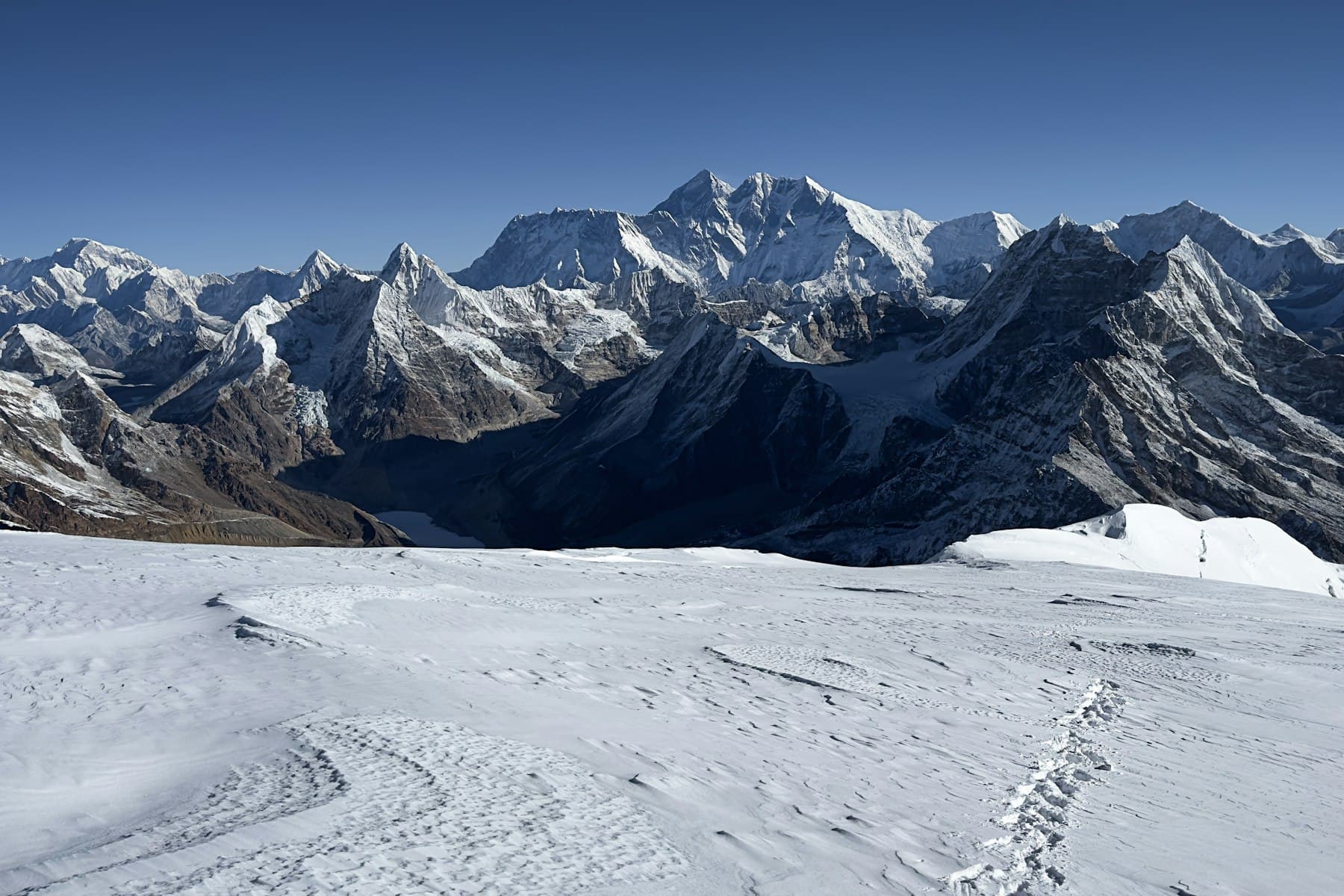
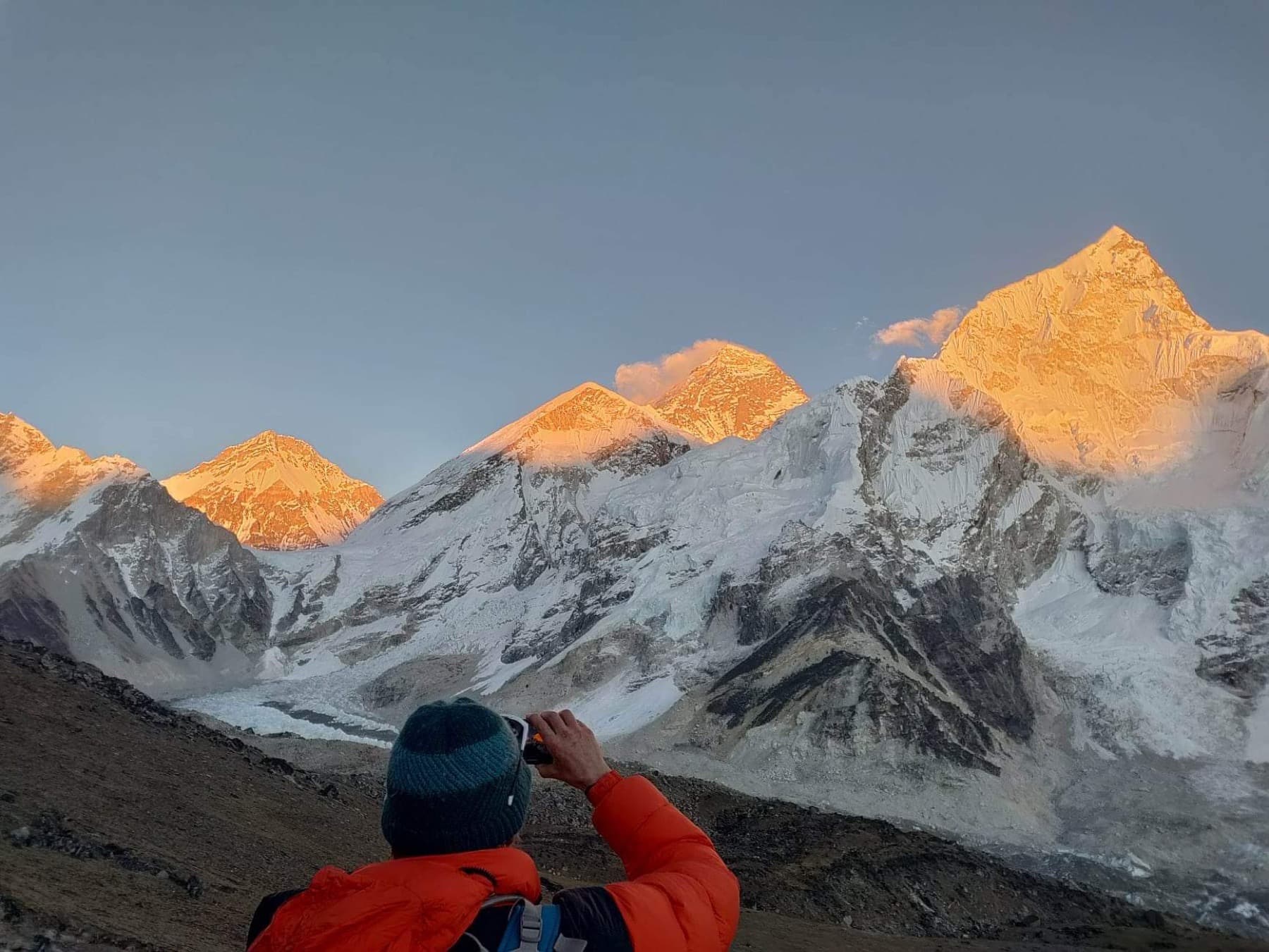
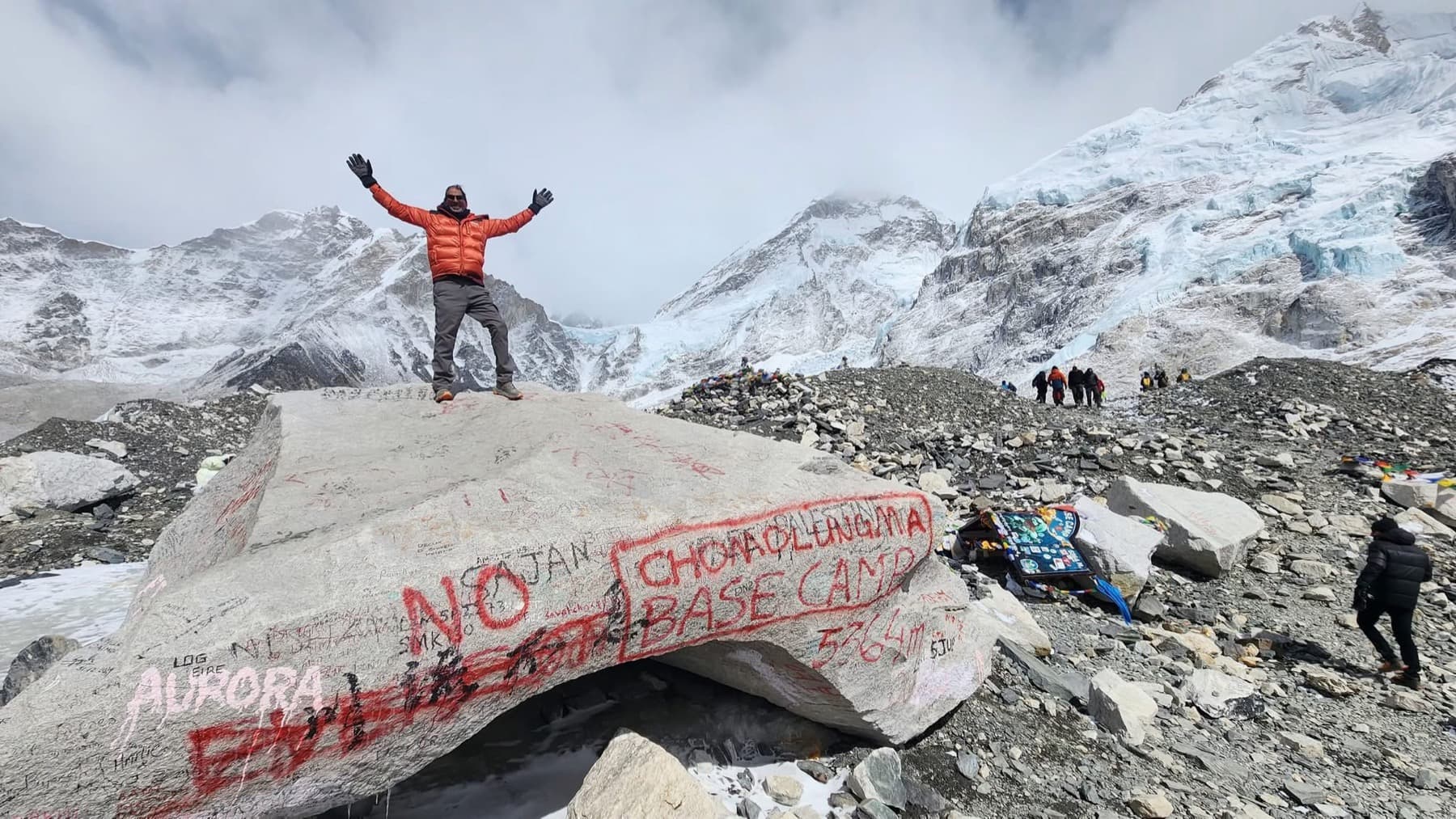
Base Camp is a destination rather than a viewpoint: you stand on the moraine at 5,364 m below the Khumbu Icefall, and you cannot see Everest from there. From Gokyo Ri, at 5,357 m, you can see Everest, Lhotse, Makalu and Cho Oyu, four of the six highest mountains in the world, with the lakes and a 36 km glacier below. Base Camp is the more famous destination and Gokyo has the better view, and a significant number of people who have done both treks say they would choose this one if they were to repeat one.
This trek requires the same fitness as the classic Base Camp trek: five or six hours of walking a day for eleven days at altitude. It particularly suits two groups: people who have already been to Base Camp and want to see more of the Khumbu, and people who want to avoid the October crowds on the Base Camp trail. This valley has far fewer trekkers.
Six lakes lie along the valley, fed by the Ngozumpa Glacier and held in place by its moraine, and together they form the highest freshwater lake system in the world. Gokyo village is on the third lake, Dudh Pokhari. The lakes are a Ramsar wetland site and are sacred to both Hindus and Buddhists, which is why there is a small shrine at the third lake and why people bathe there in August, at 4,790 m.
We meet you at the airport and take you to your hotel. In the evening, we go through the trek, check your equipment and weigh your bag, because the Lukla baggage allowance is strictly enforced.
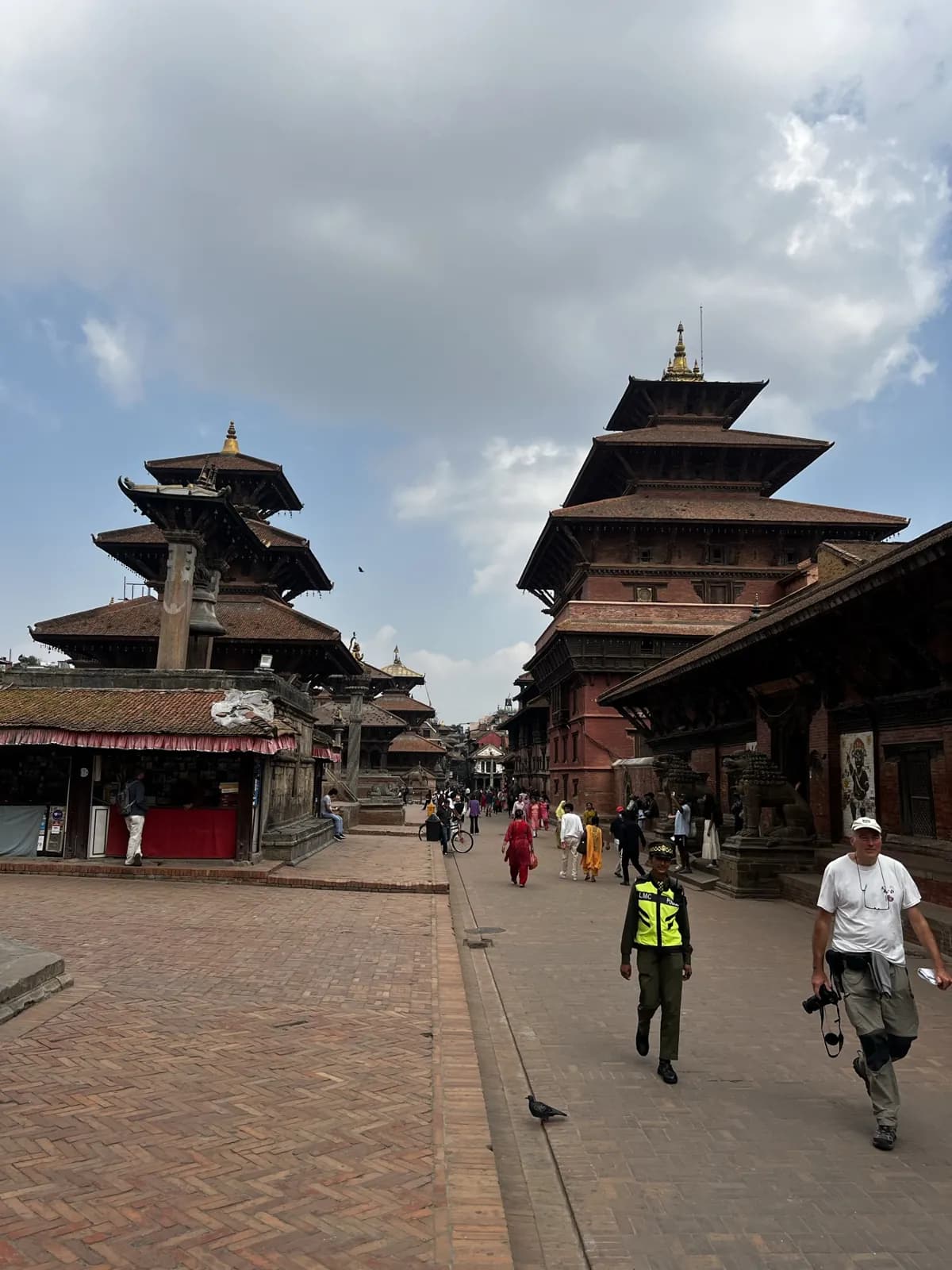
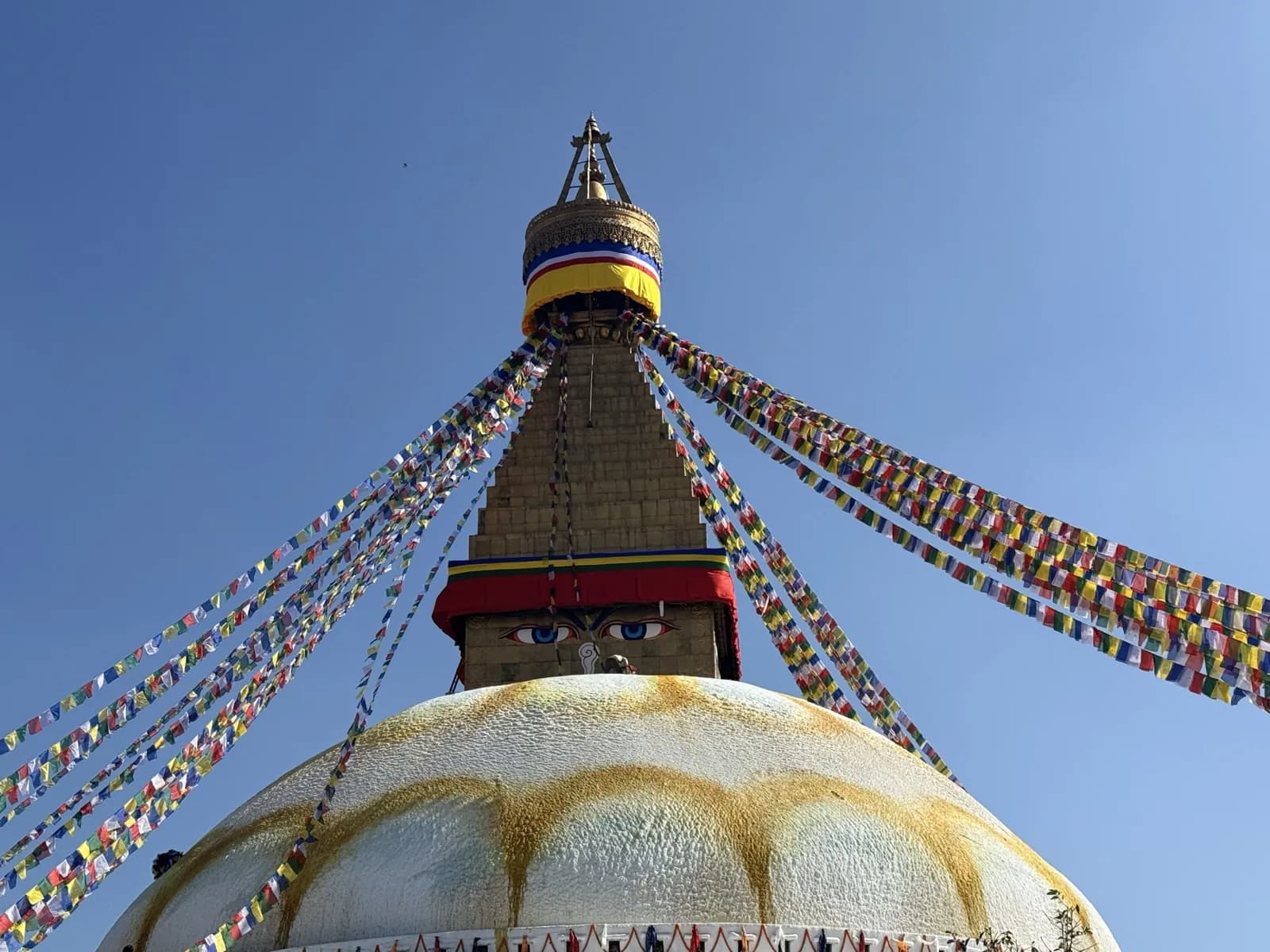
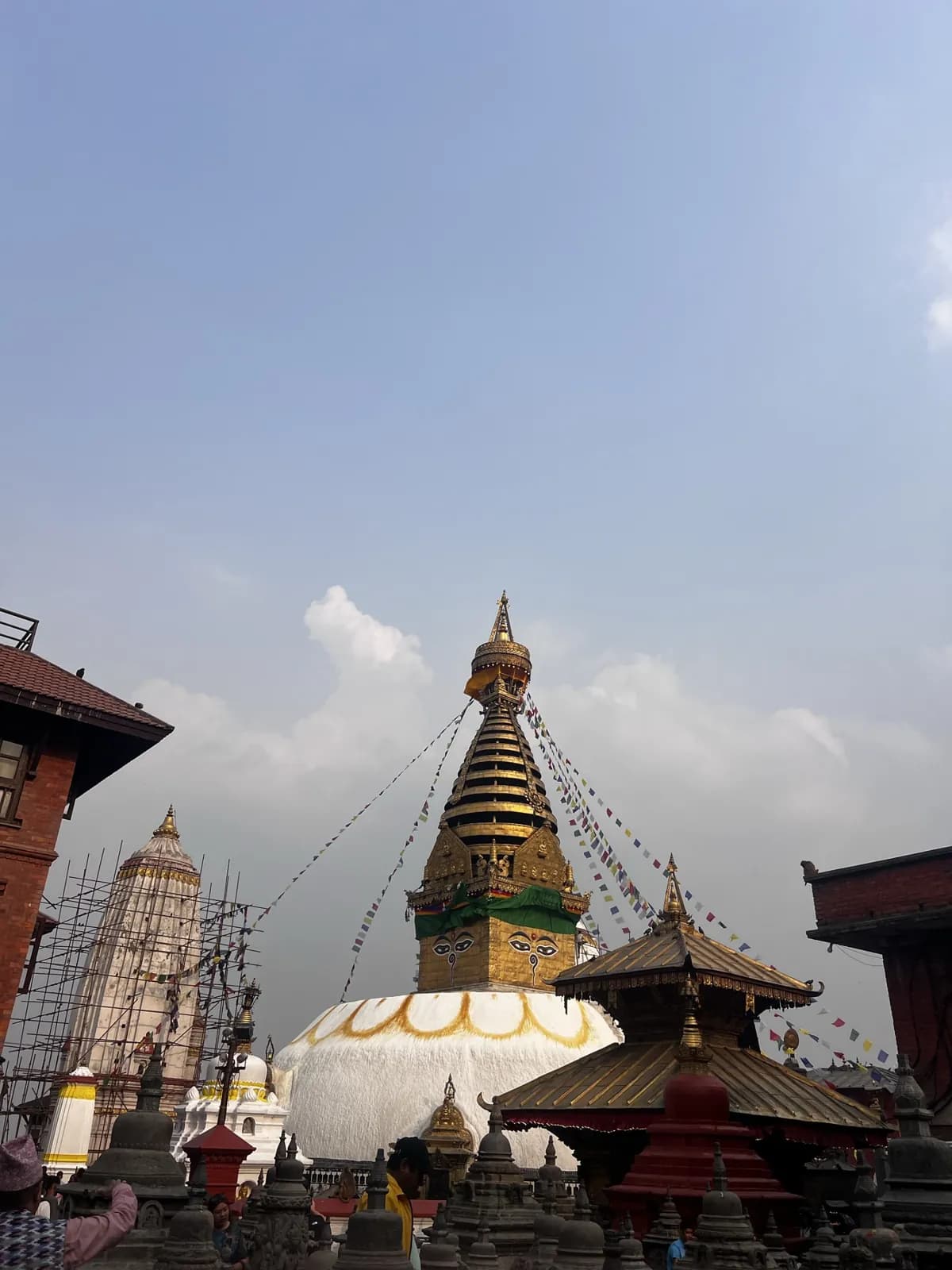
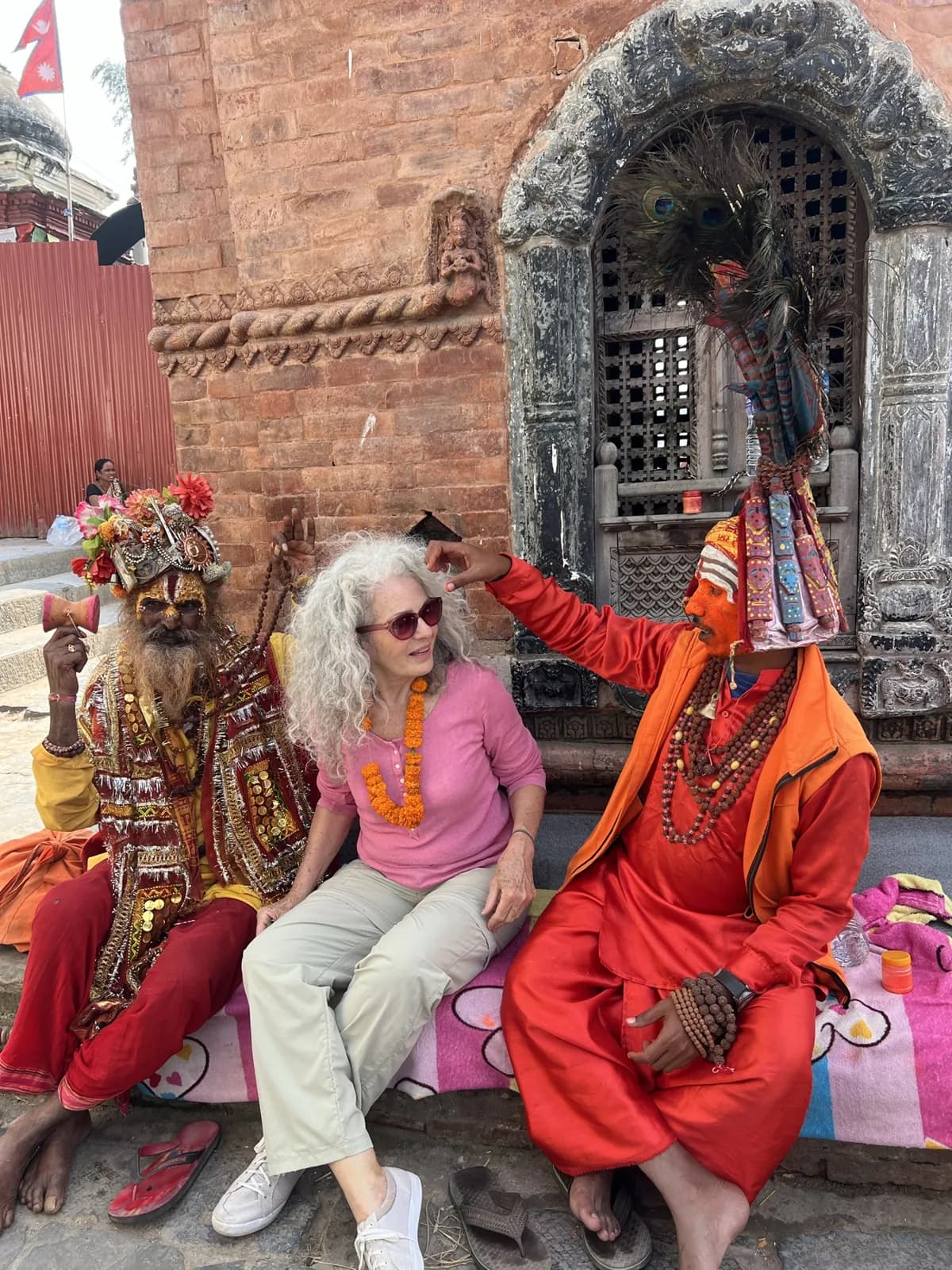
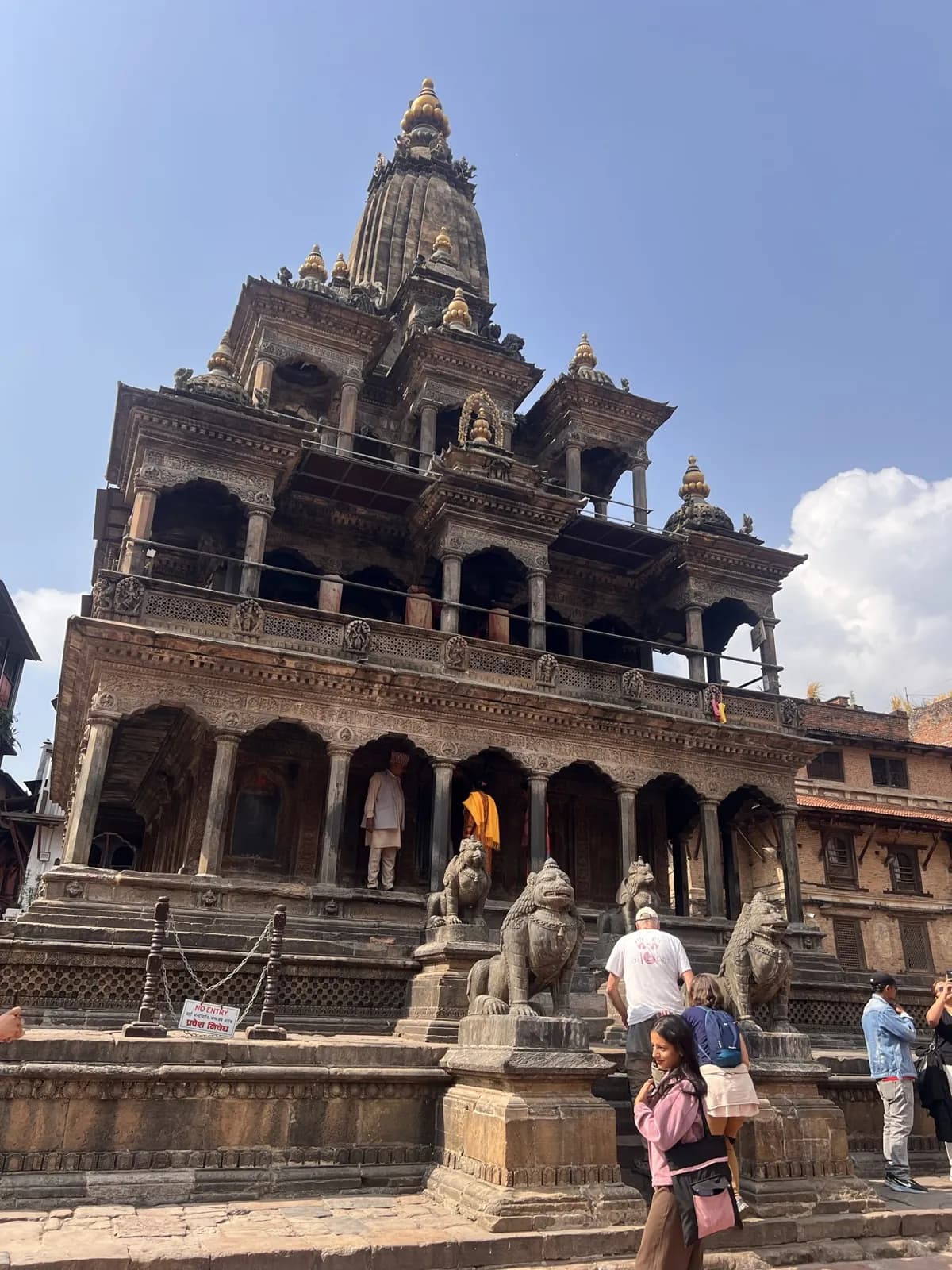
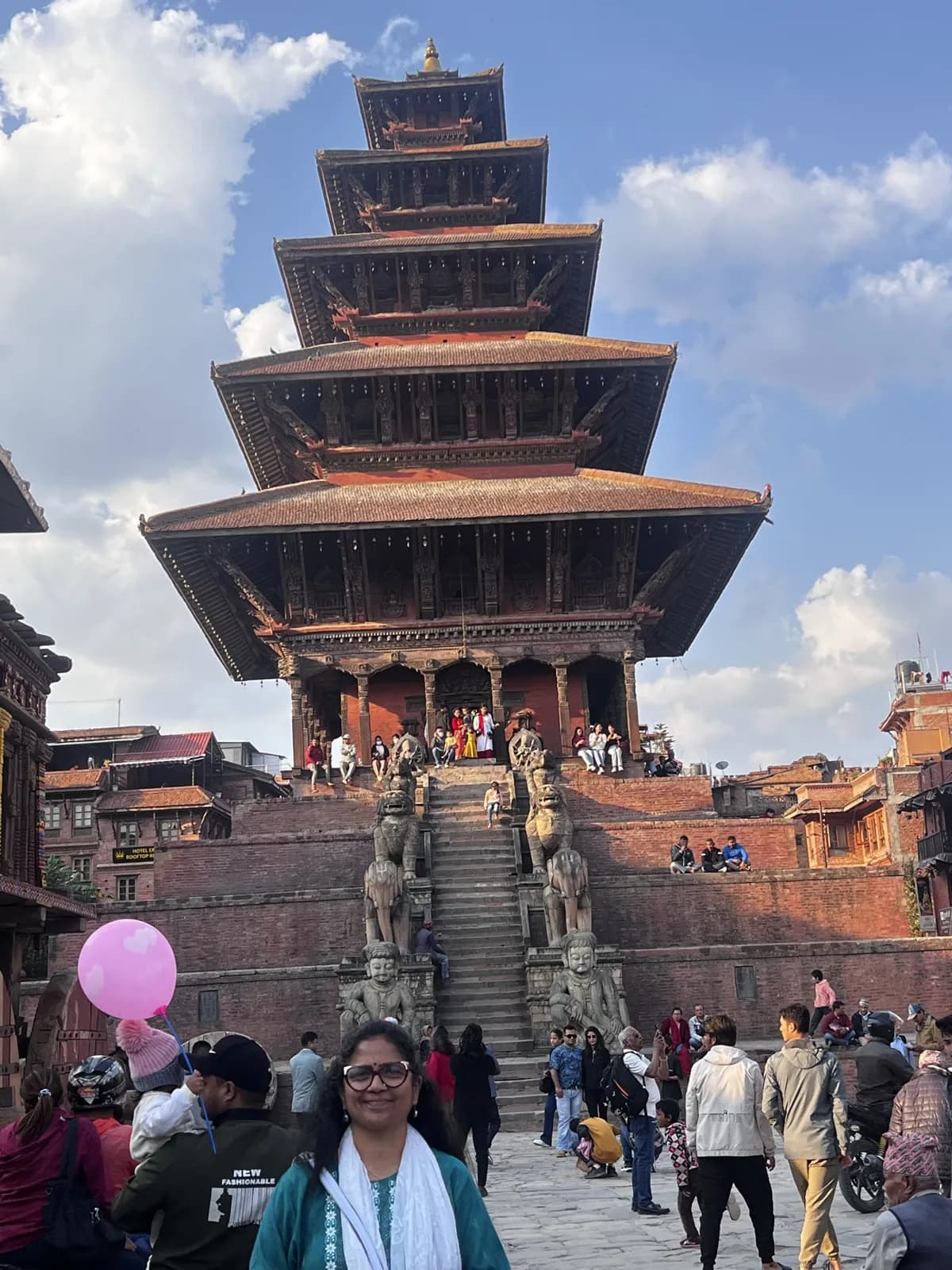
Visit the historic sites of the valley: the hilltop stupa at Swayambhunath, the riverside temples at Pashupatinath, the great dome of Boudhanath and the carved squares of Patan. A good way to recover from the flight.
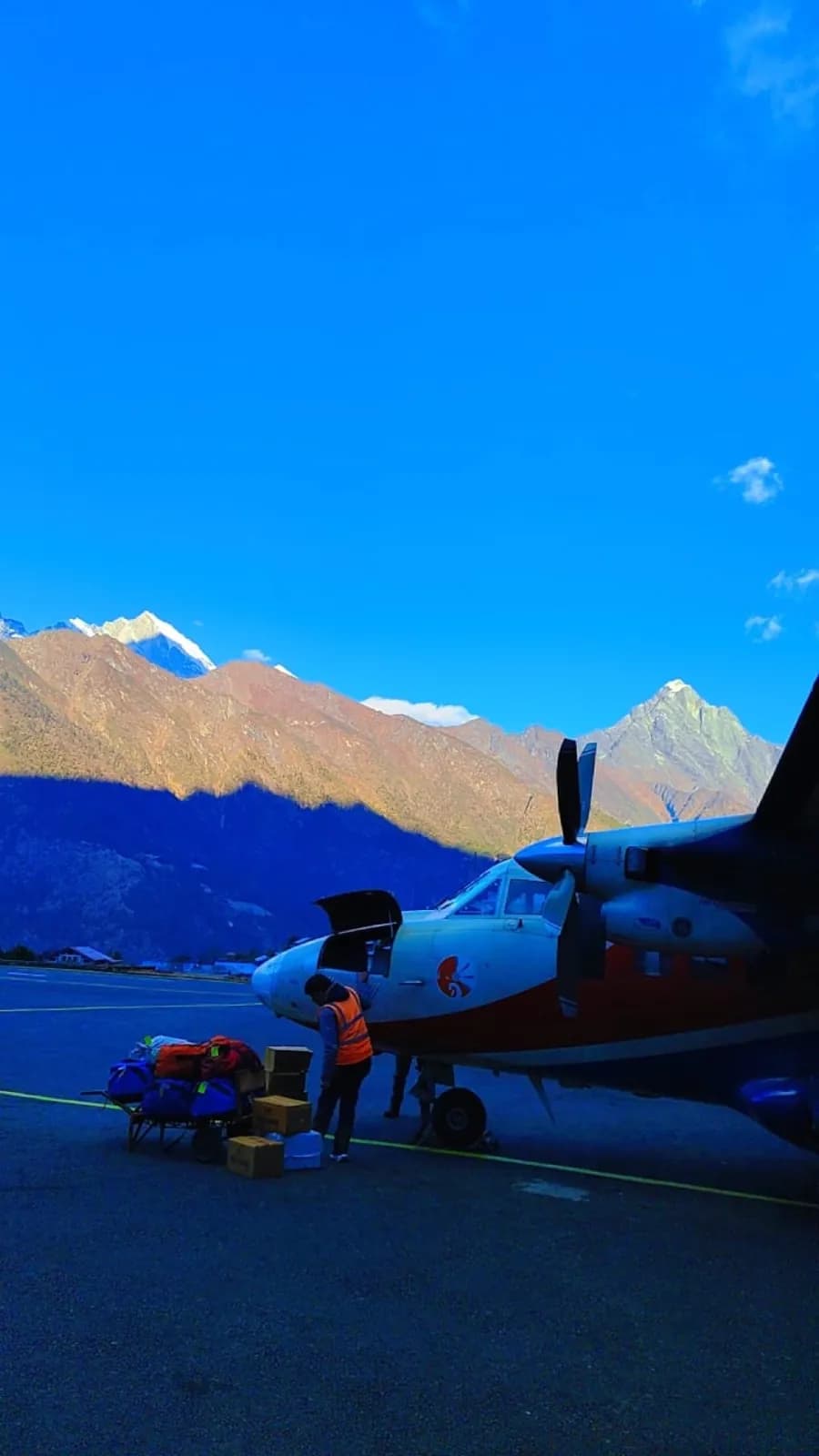
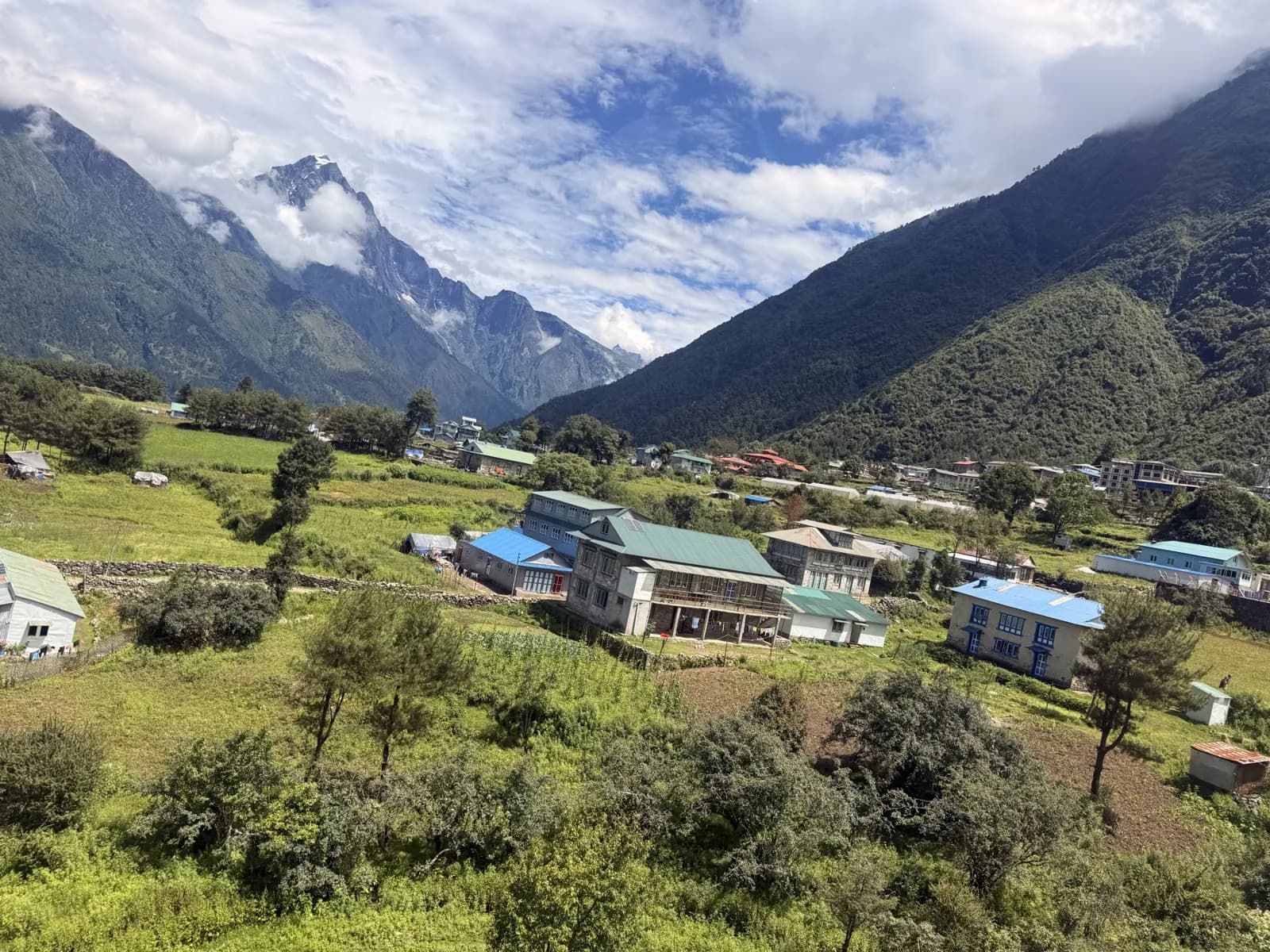
After the mountain flight, walk gently downhill for half a day beside the Dudh Koshi. This is easy walking, and the same first afternoon as on every Khumbu trek.
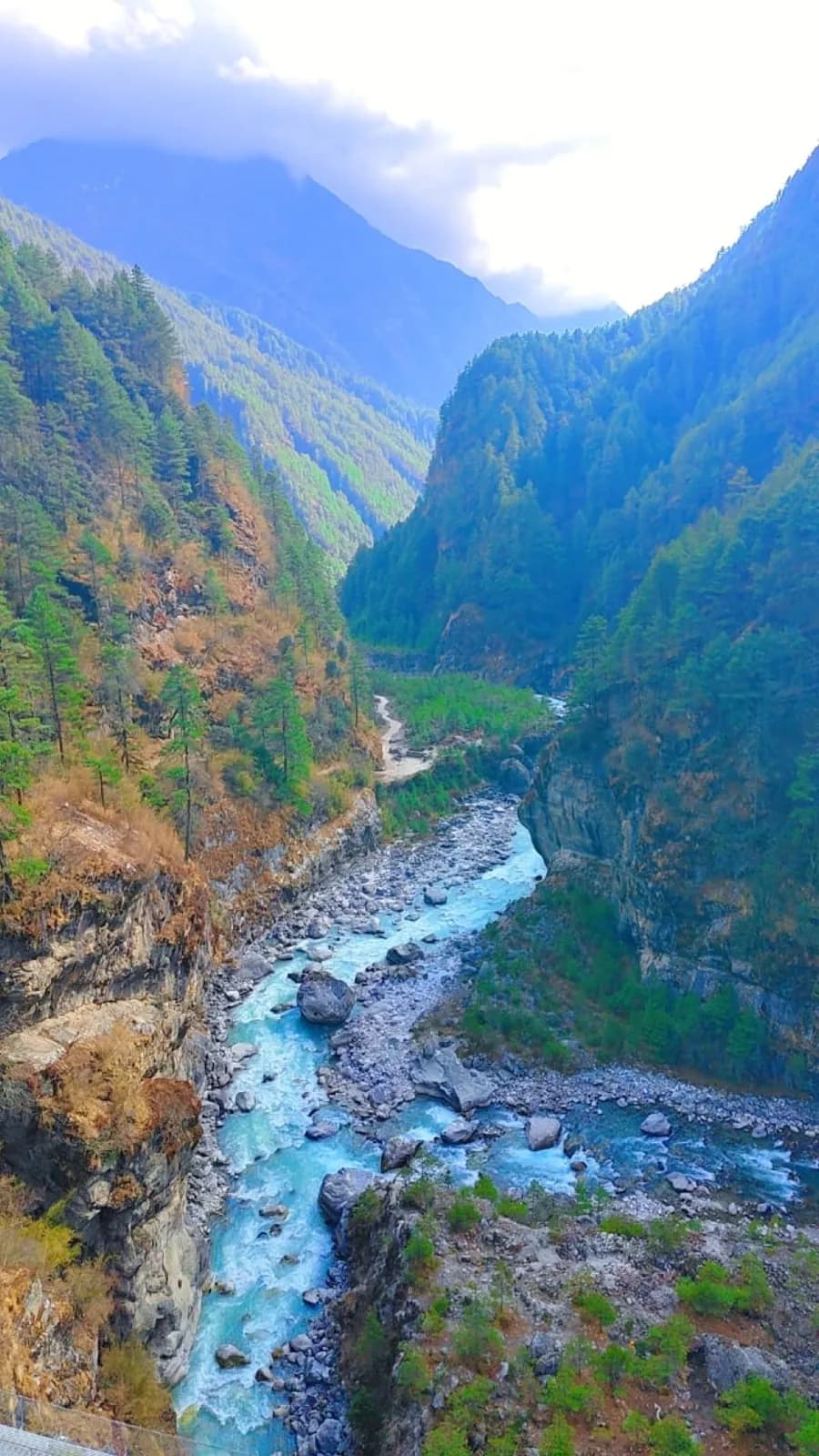
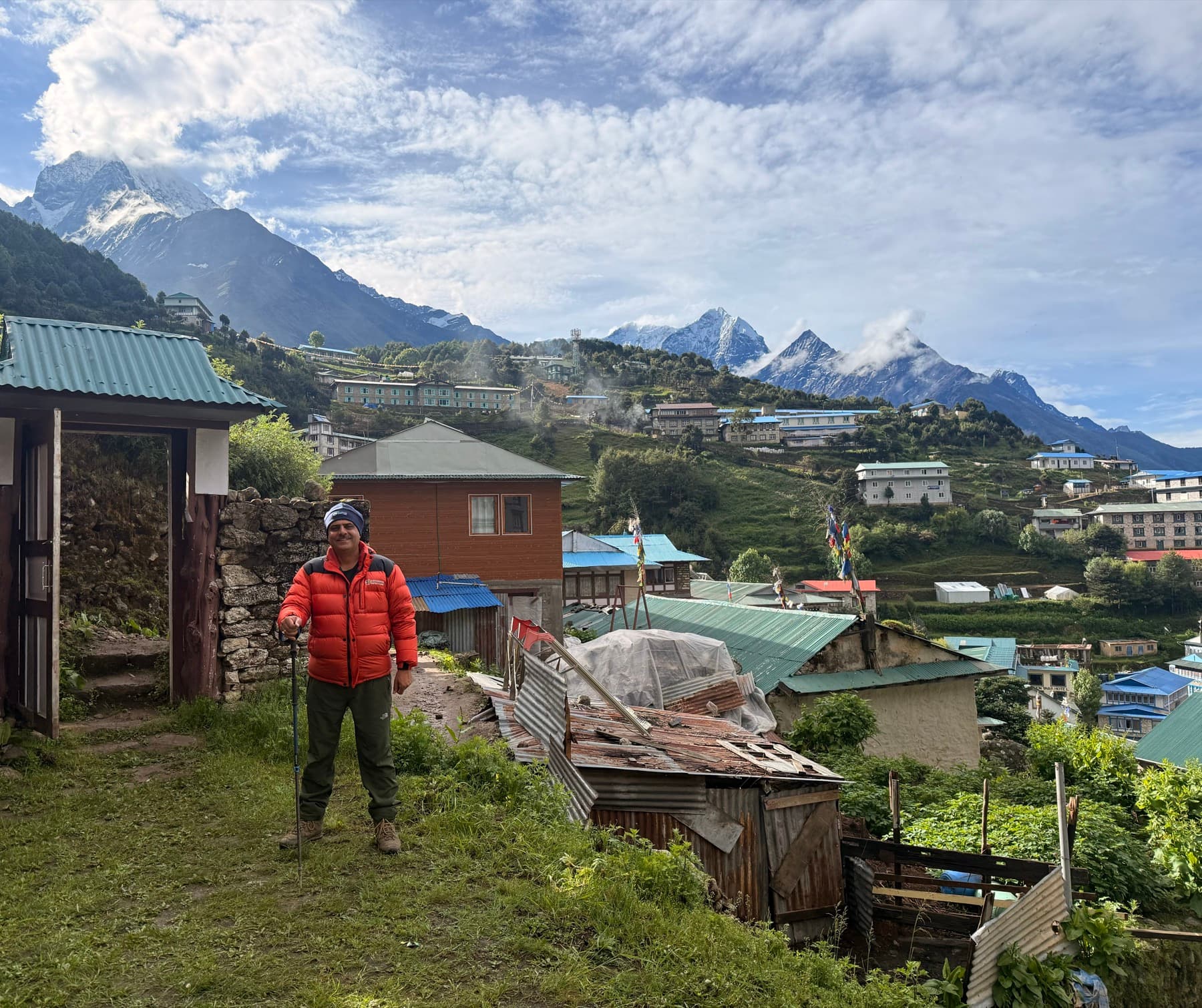
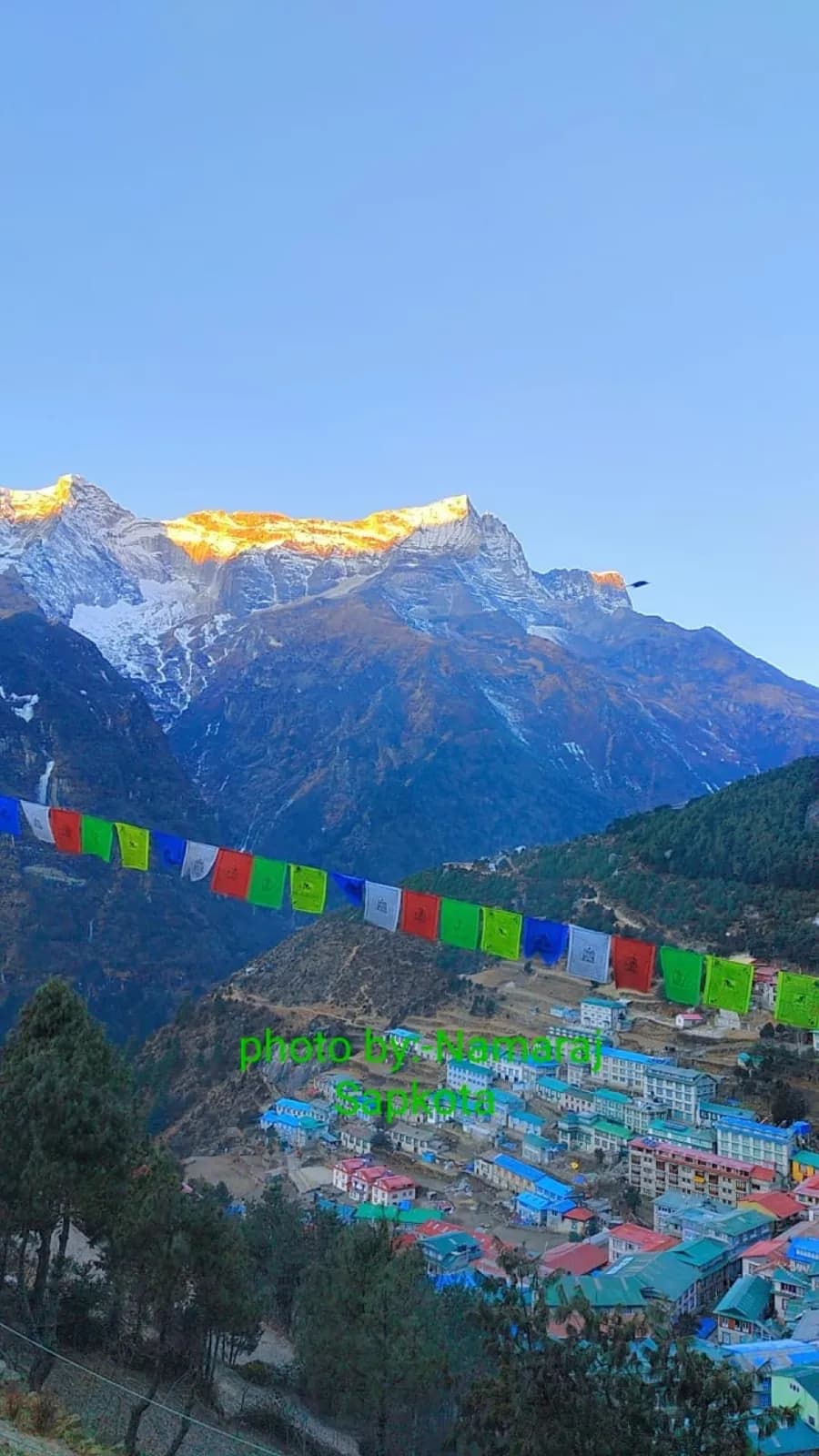
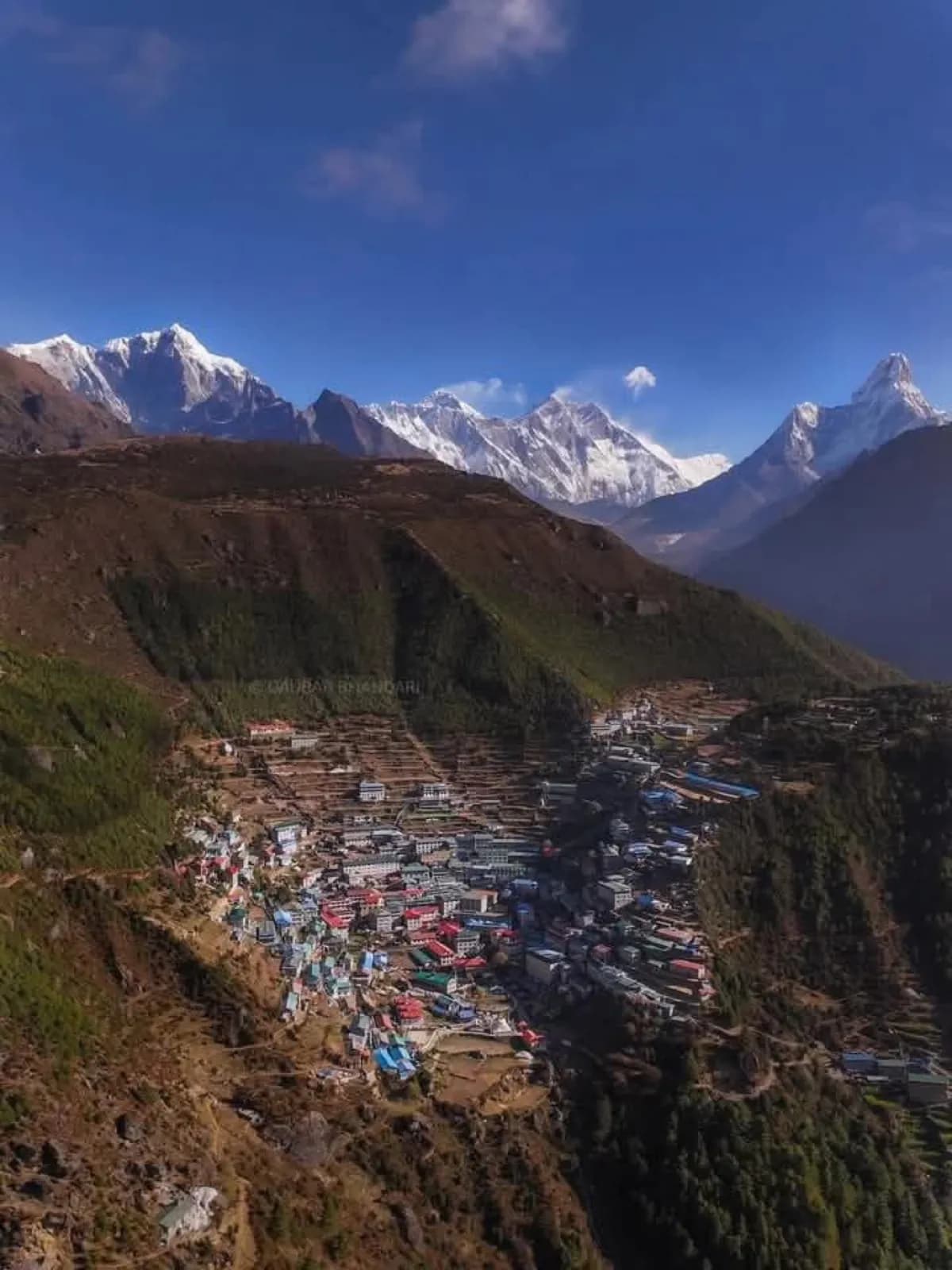
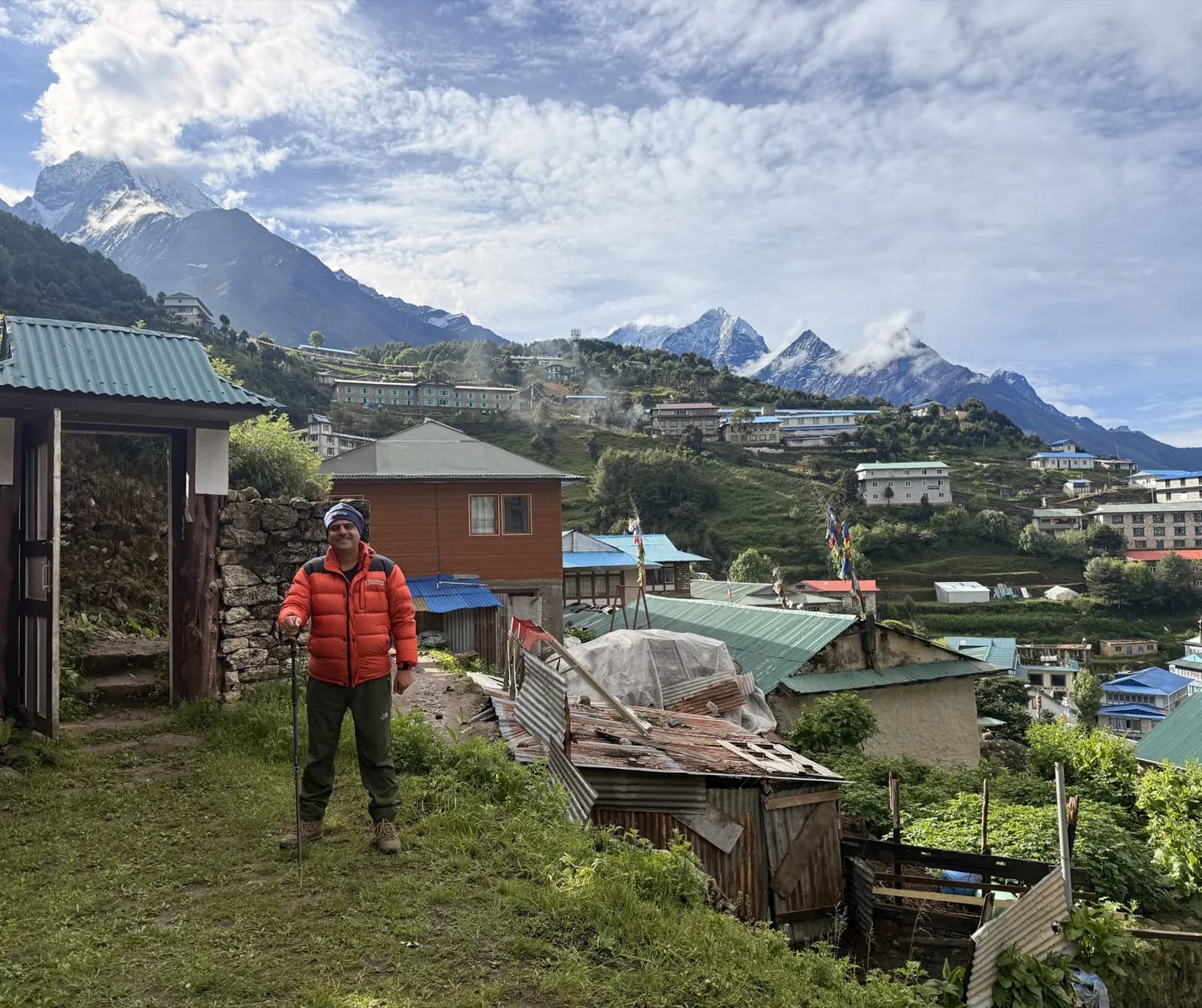
Cross the suspension bridges and make the long climb through pine forest to Namche. On a clear day, you have your first view of Everest on the way up. Namche is the last town with cash machines, bakeries and a bookshop.
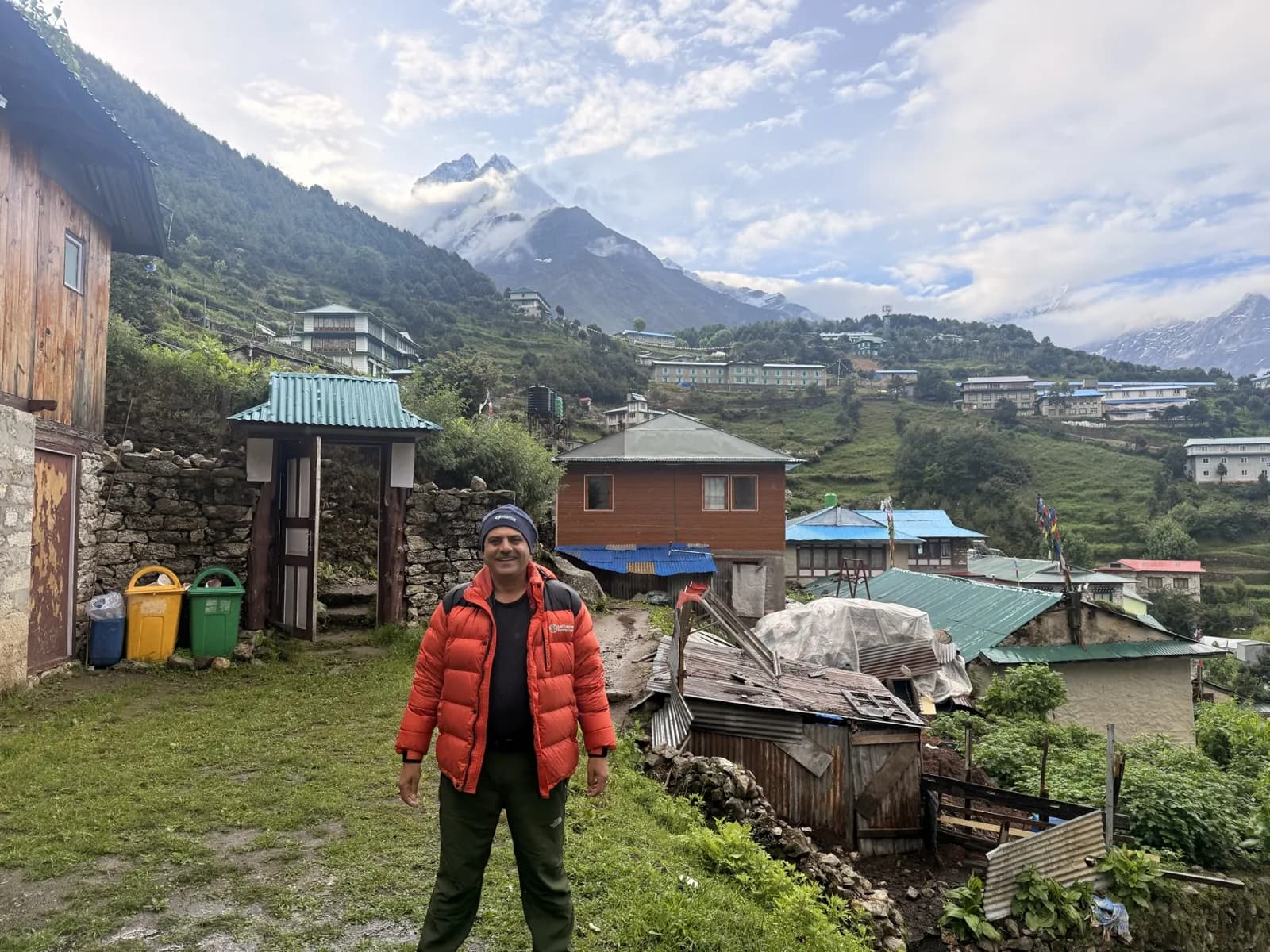
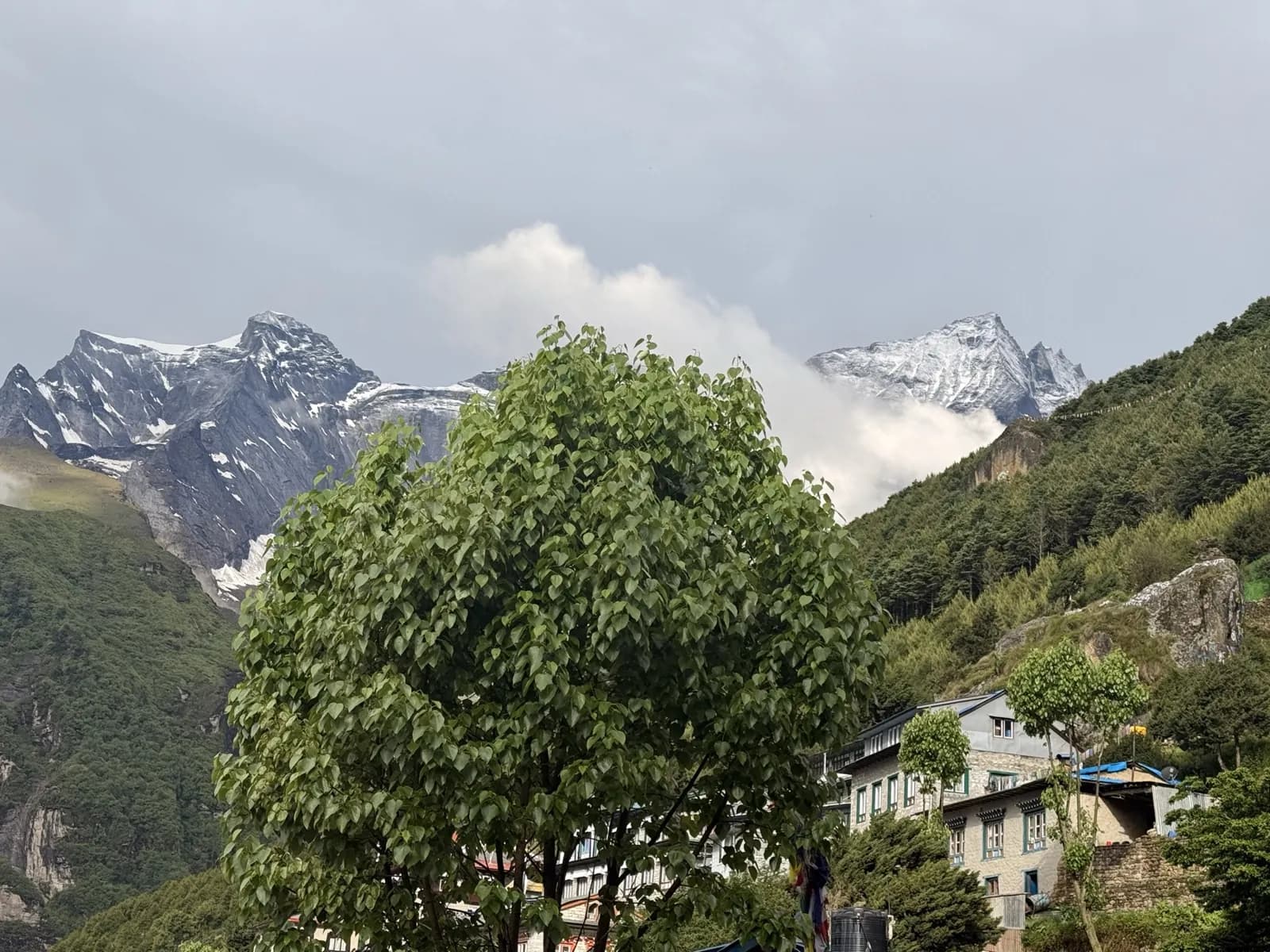
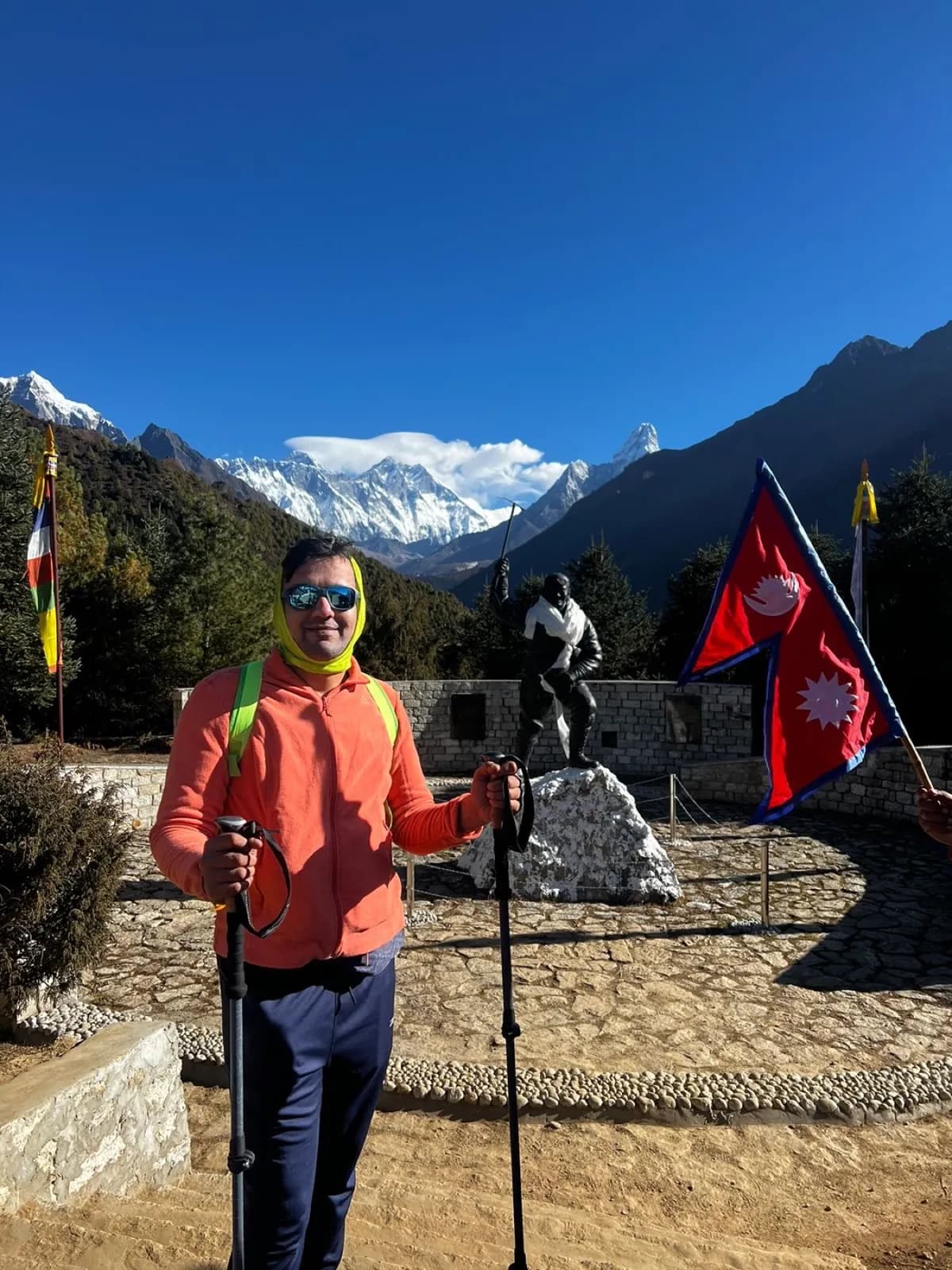
A day to allow your body to adjust to the altitude. Climb to the viewpoint above the town for views of Everest, Lhotse and Ama Dablam, then return to Namche to sleep, following the principle of climbing high and sleeping low.
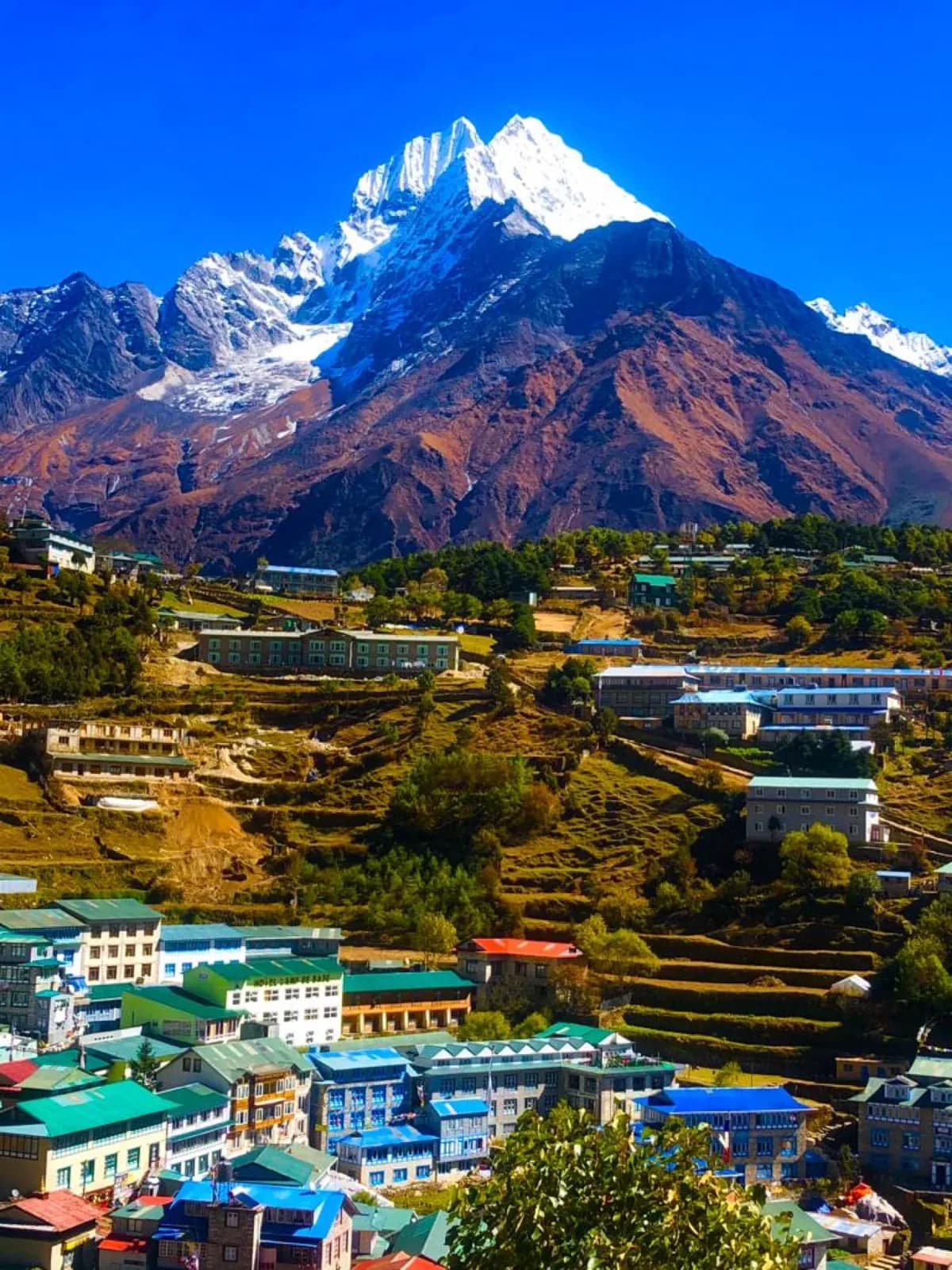
Here the Gokyo trail leaves the Base Camp route. Base Camp trekkers turn right for Tengboche; you turn left, climb past Mong La with views of the Khumbu behind you, and descend into the other branch of the Dudh Koshi valley. From here, the trail is quiet.
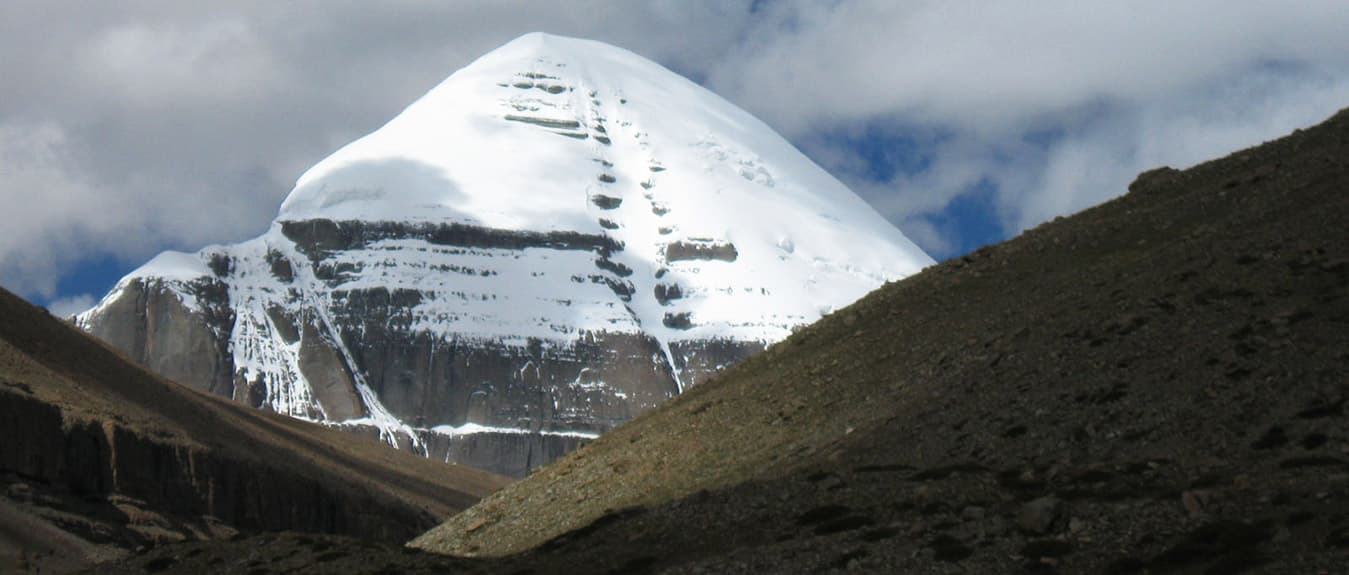
A short day at altitude up an increasingly open valley, with Cho Oyu ahead and Kangtega behind. Machhermo is a small group of lodges in a side valley, with a Himalayan Rescue Association aid post that gives a free talk on altitude every afternoon during the season.
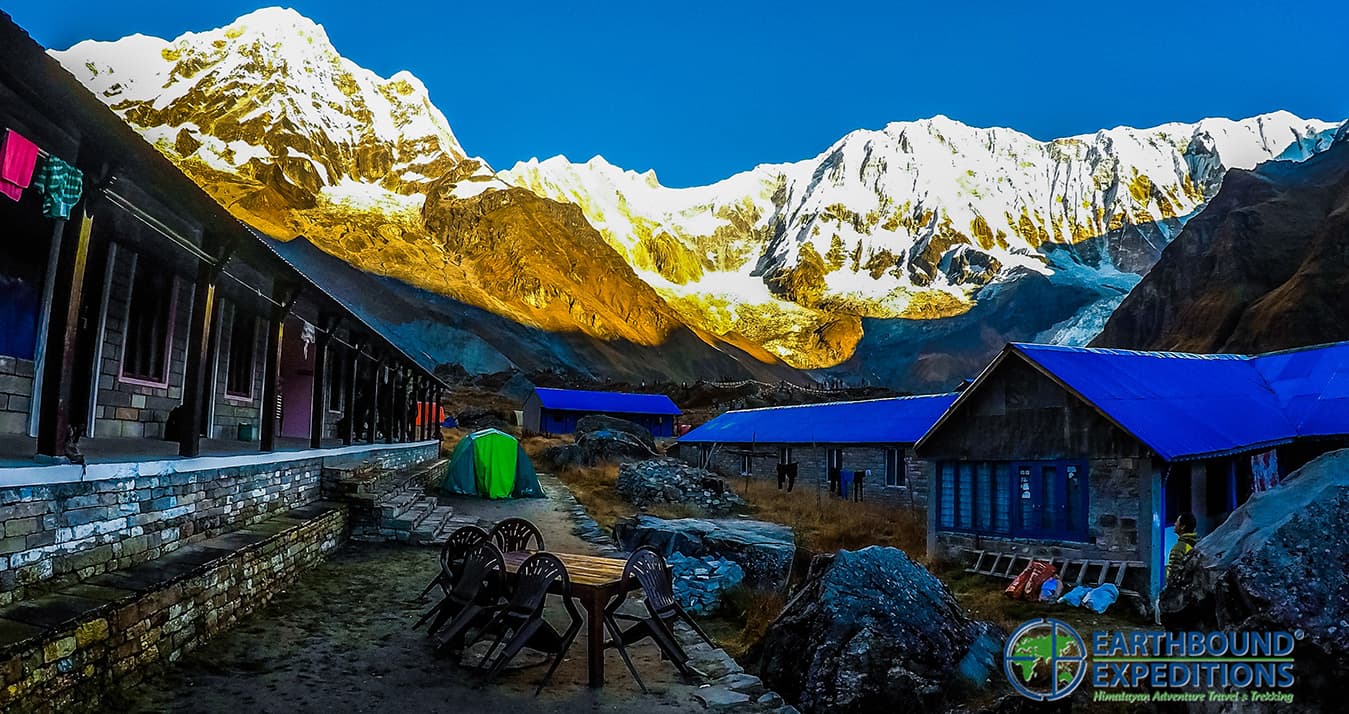
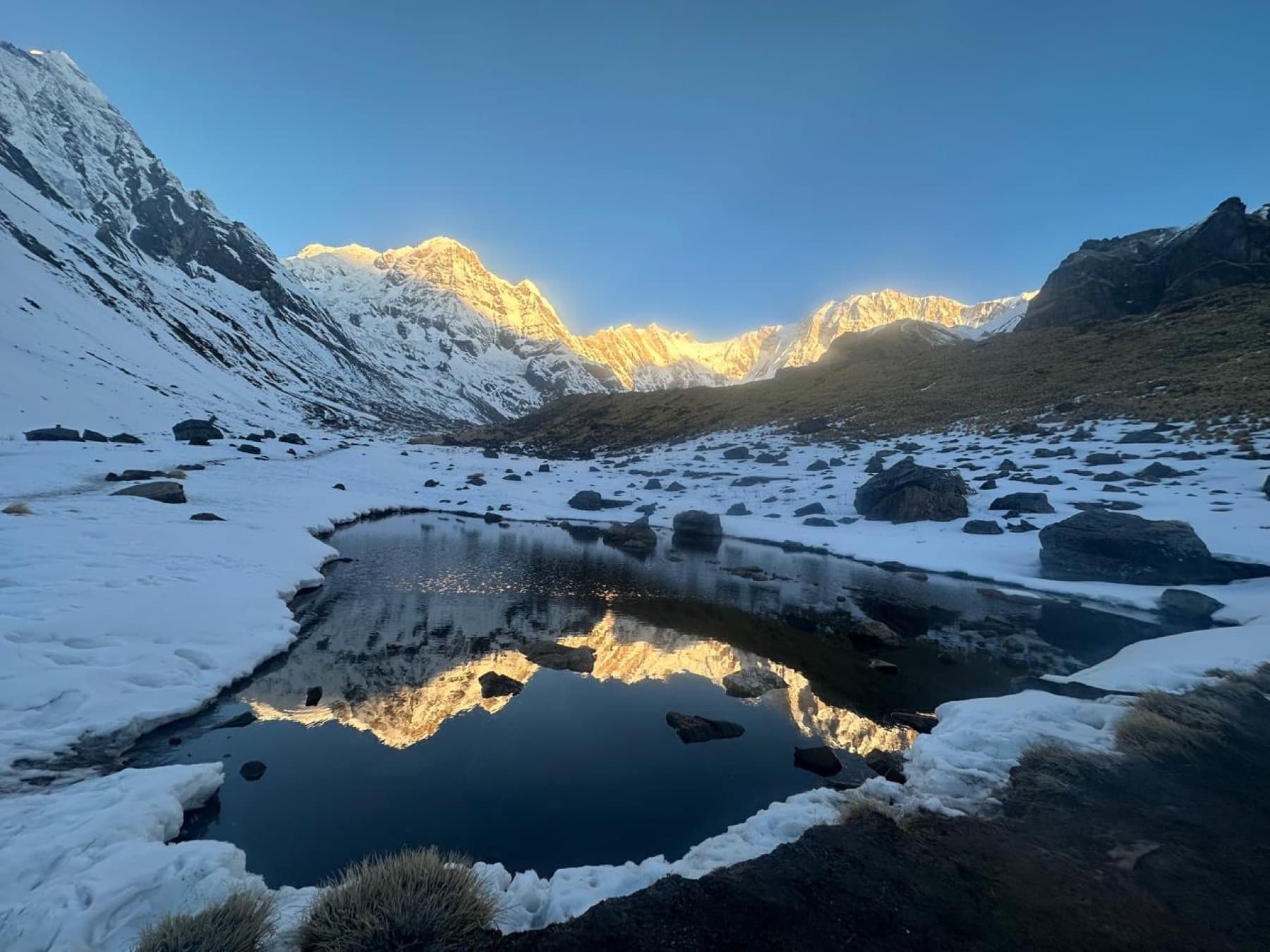
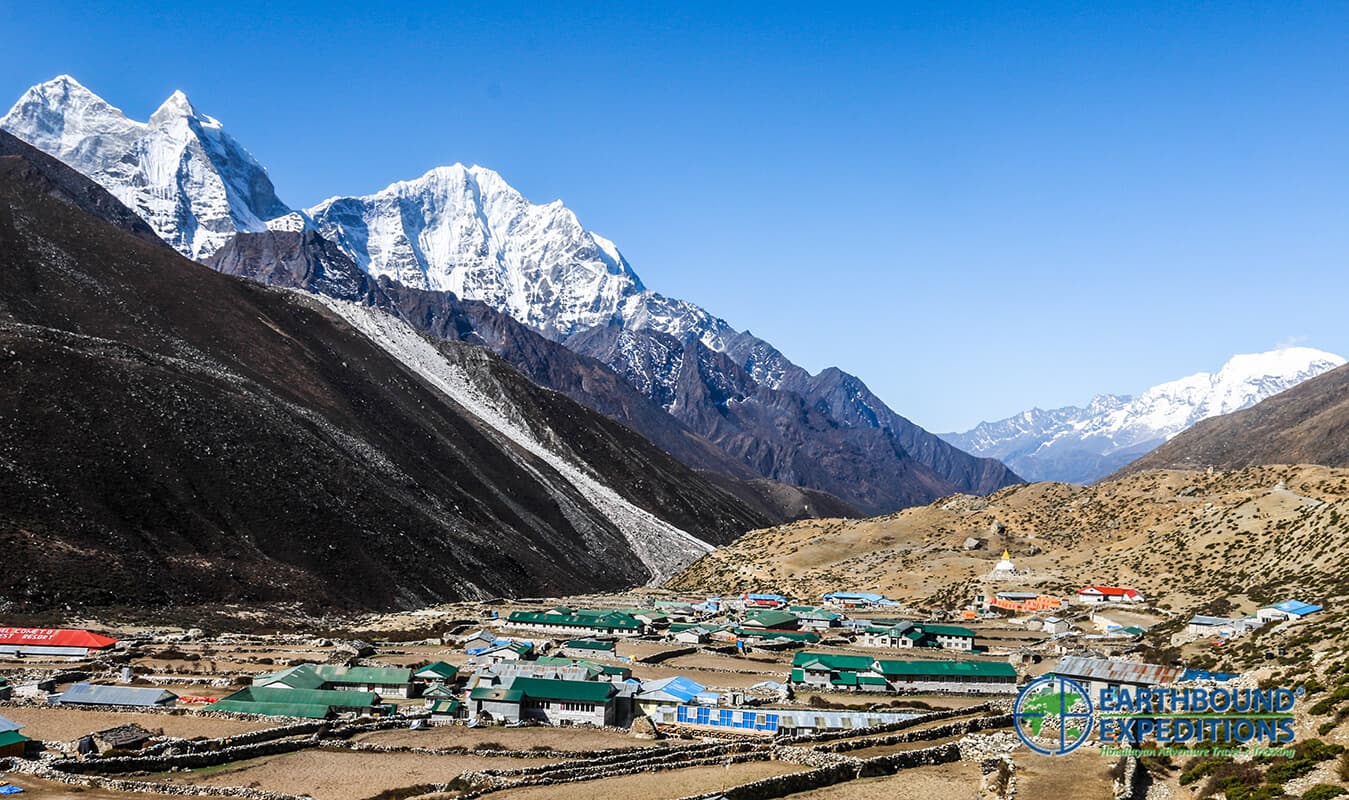
The trail climbs onto the lateral moraine of the Ngozumpa, the longest glacier in Nepal, and then passes the first, second and third lakes. Gokyo village is on the shore of the third lake, which is a striking turquoise against the grey rock and white ice.
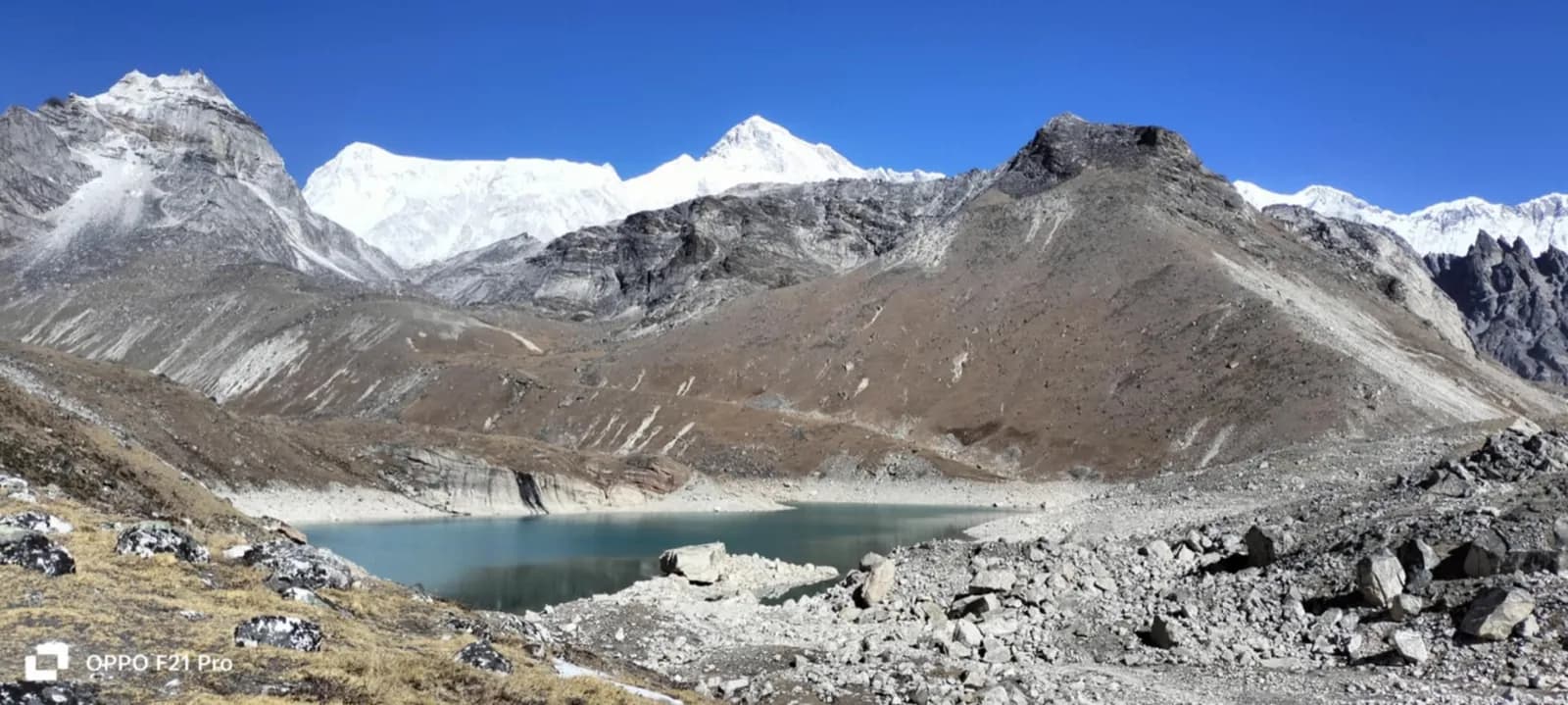
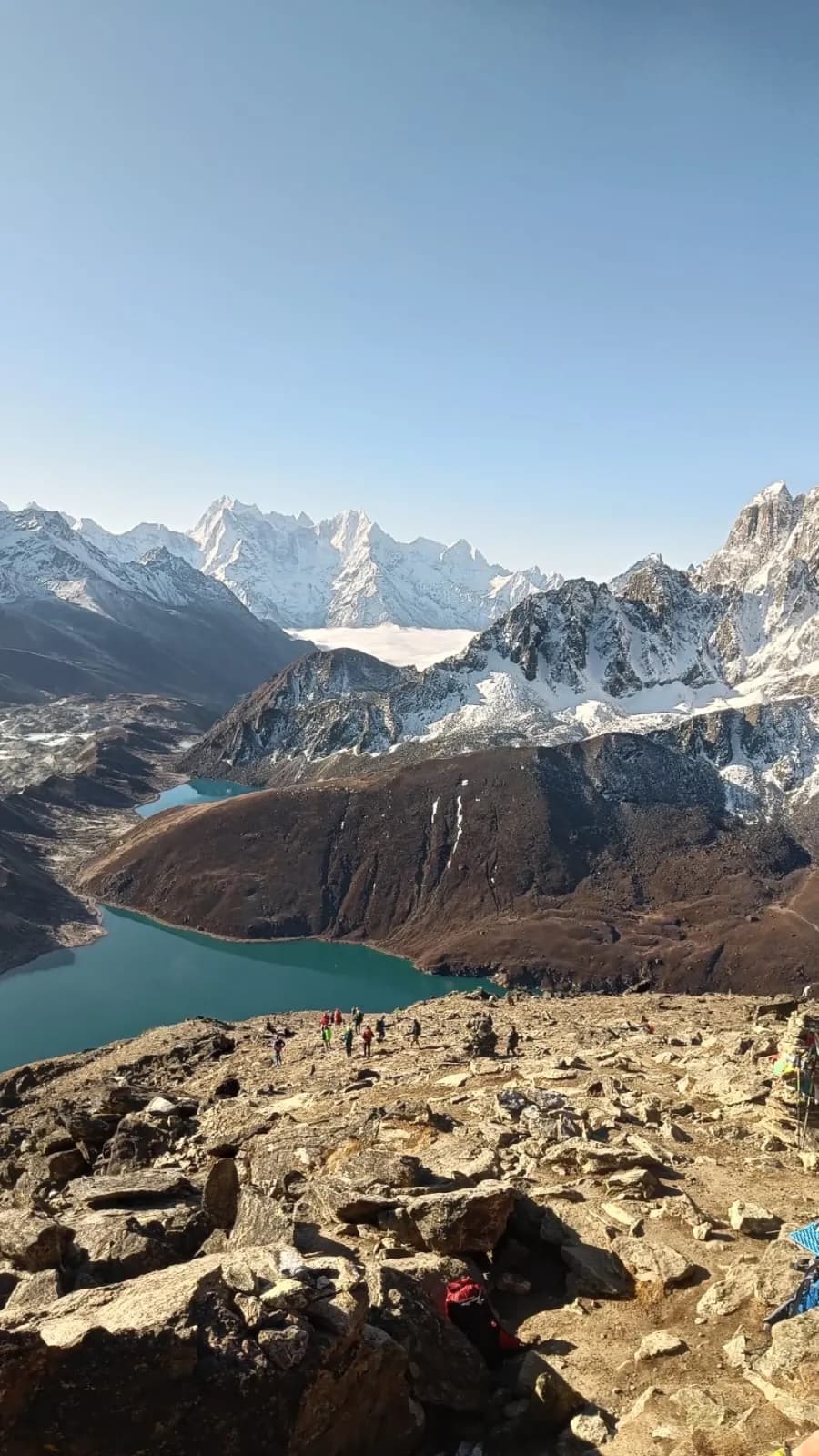
The main highlight of the trek. Climb for two to three hours in the dark up the hill behind the village to watch the sunrise from 5,357 m. The view includes Everest, Lhotse, Makalu and Cho Oyu, four of the six highest mountains in the world, from one summit, with the lakes below and the glacier stretching away to the north. It is the best viewpoint in the Khumbu, and many people consider it better than Kala Patthar.
Walk north along the edge of the glacier to the fourth and fifth lakes, and climb to Scoundrel's Viewpoint above the fifth lake for views of the north face of Everest and the full 36 kilometres of the Ngozumpa Glacier. The walk is gentler than the previous day but spends longer at altitude, and very few trekkers come here.
You return the way you came, but walking downhill feels very different: breathing becomes easier as you descend, the lakes are behind you and the valley opens out ahead. A long but easy day.
Cross back over Mong La and descend into the forest. By the afternoon, you have a hot shower, a bakery and easier breathing than at any time in the past week.
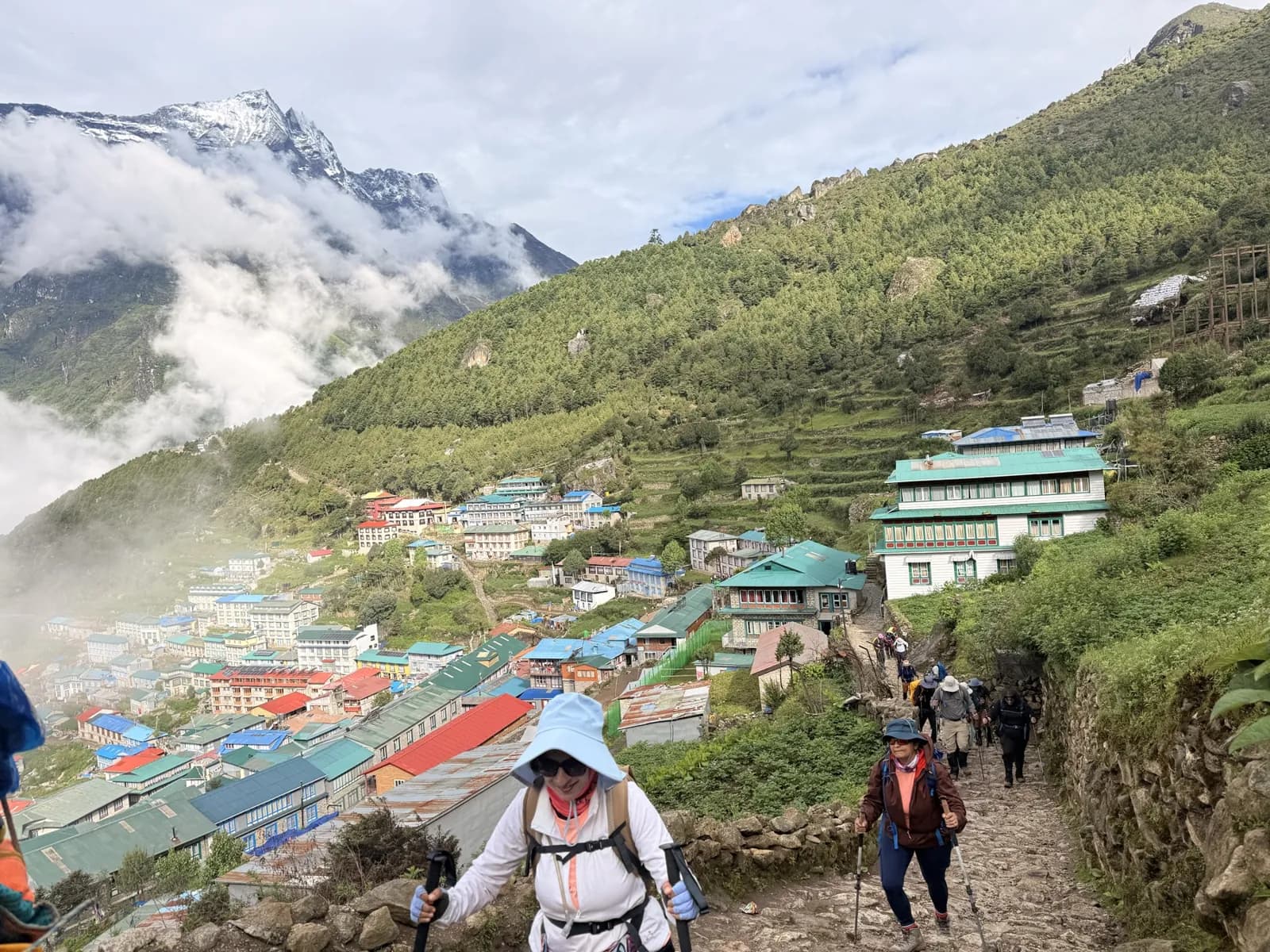
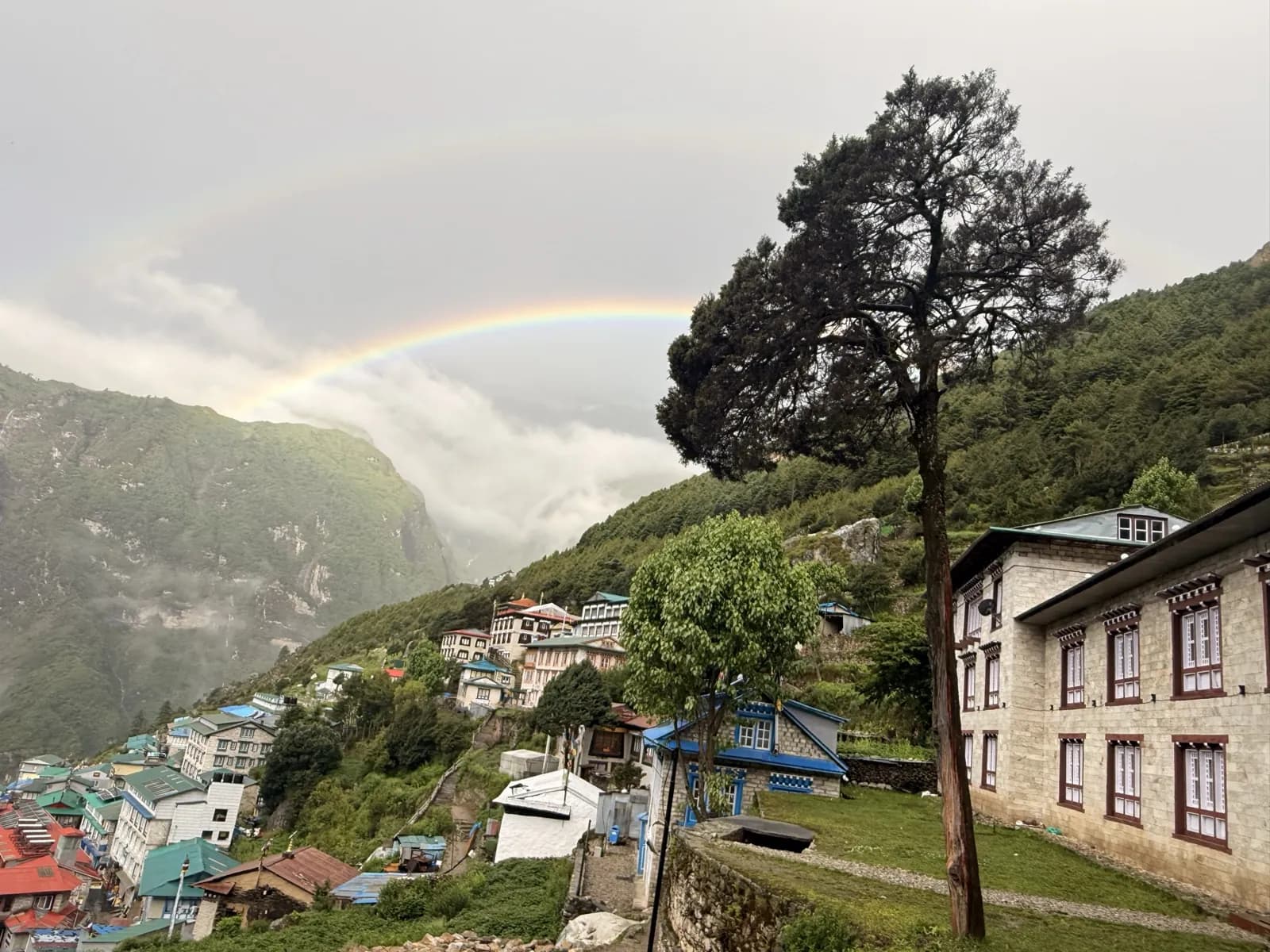
The last full day on the trail, back across the bridges and through the villages to Lukla. In the evening, we have dinner with the guides and porters to mark the end of the trek.
A short morning flight back to Kathmandu, with the rest of the day free to rest or shop. A farewell dinner in the evening.
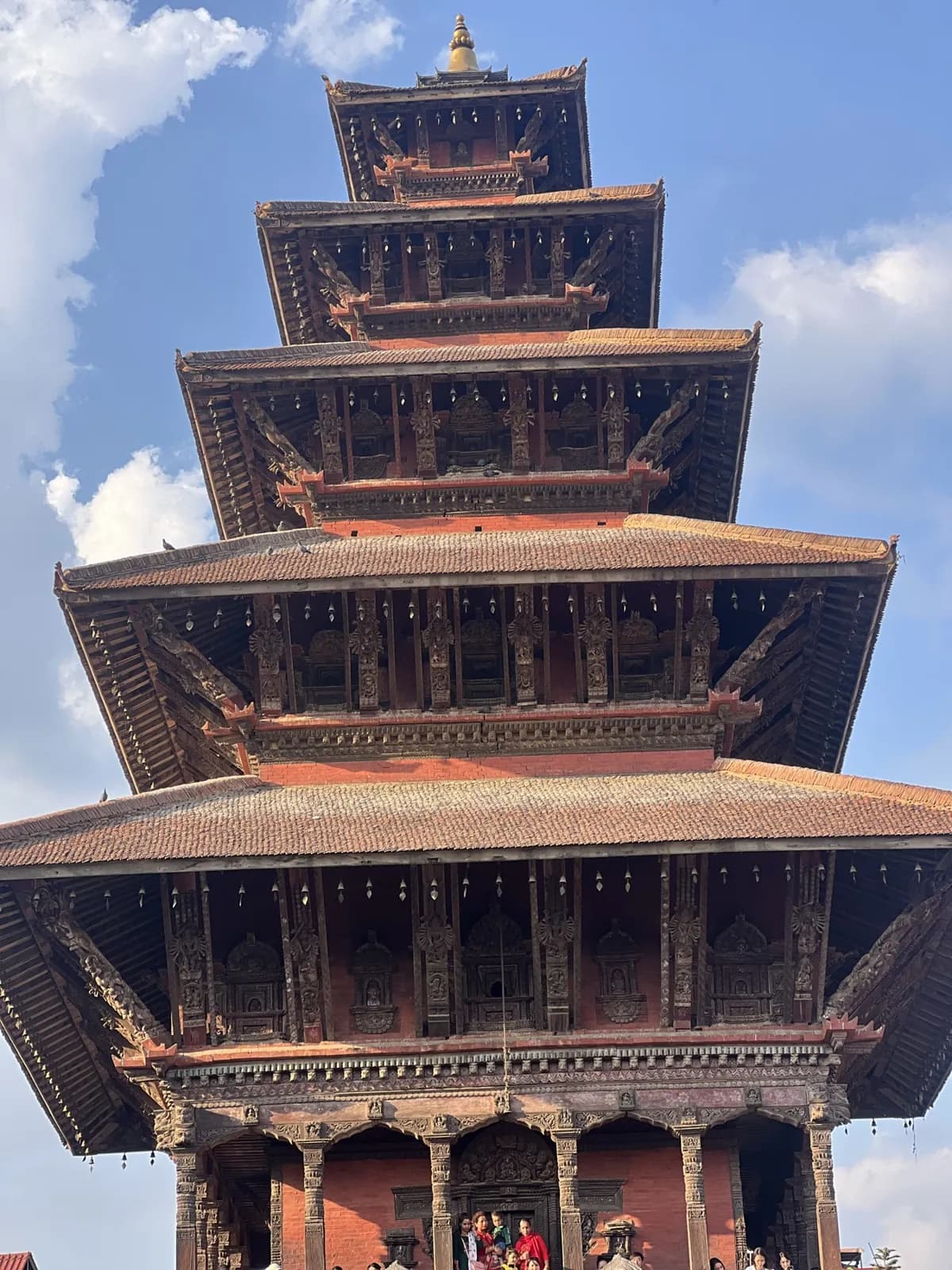
We take you to the airport. As on any Khumbu trek, allow a spare day in your wider plans in case of weather delays at Lukla.
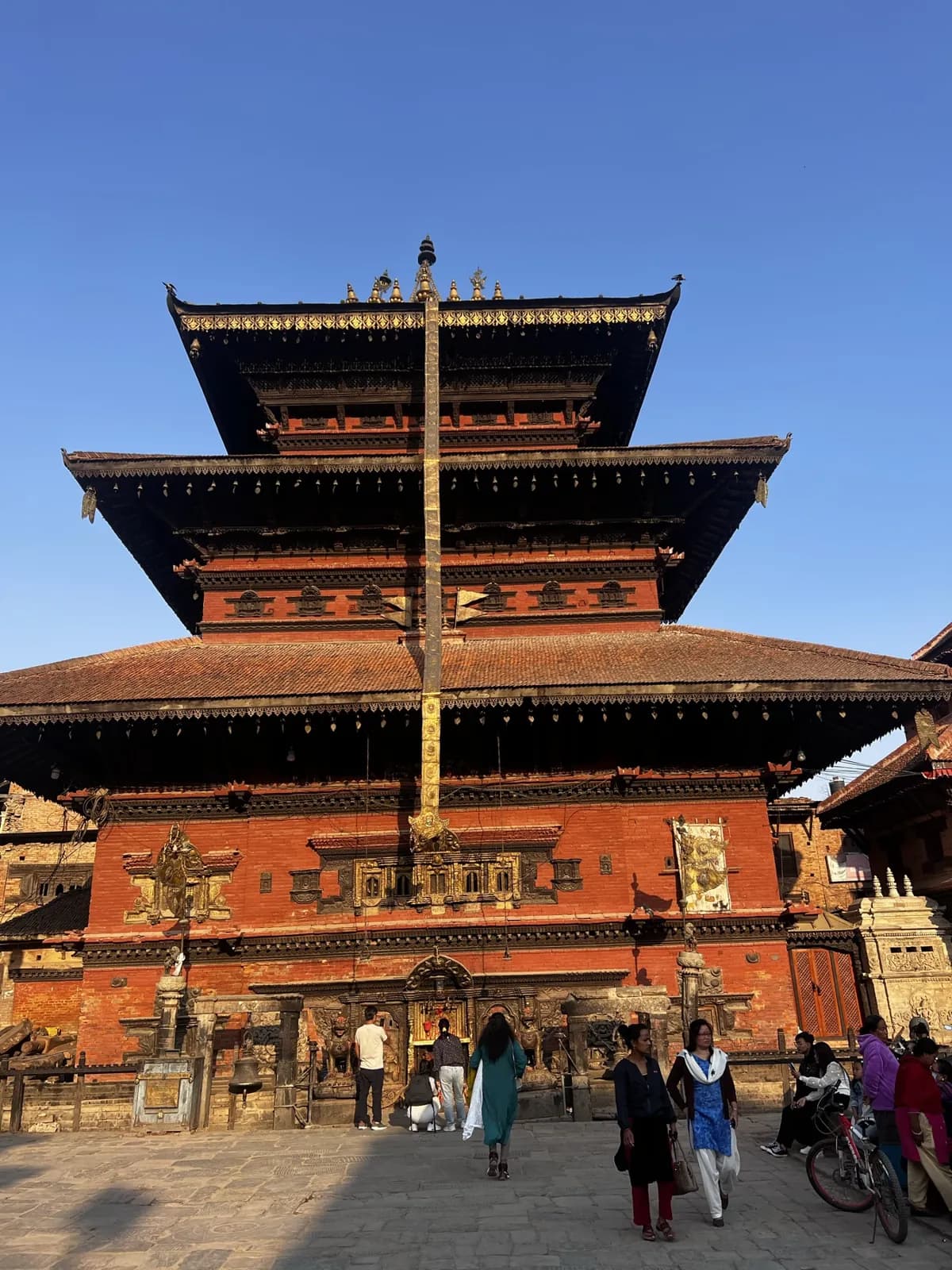
Start date
6 Oct 2028
End date
20 Oct 2028
Available
8 left
US $1,787
Per person
Start date
8 Oct 2027
End date
22 Oct 2027
Available
8 left
US $1,787
Per person
Start date
12 Nov 2027
End date
26 Nov 2027
Available
8 left
US $1,787
Per person
The trail from start to finish, at a glance.
Baggage weight limits
Your porter carries a maximum of 20 kg, shared between two trekkers. The Lukla flight allows 15 kg in total, 10 kg checked and 5 kg as hand luggage, and all baggage is weighed. Anything you do not take on the trek is stored free at our Kathmandu office, and we provide the duffel bag, the sleeping bag and the down jacket.
Flight delays at Lukla affect every Everest trek, which is why this itinerary includes some spare time. This section explains how delays are handled.
Outside the two busiest periods of the year, the flight leaves from Kathmandu and takes about 35 minutes. During most of March to May and late September to November, air traffic control moves Lukla departures to Manthali airport at Ramechhap to reduce congestion at Kathmandu. This means a four to five-hour drive leaving Kathmandu at around 2 am, followed by a twenty-minute flight. The trek is the same, but the night before is much shorter. We tell you which applies to your dates before you book.
The allowance is 15 kg in total: 10 kg of checked baggage and 5 kg of hand luggage. Excess baggage costs about $1.50 per kilo, and the limit is enforced, because the aircraft is a nineteen-seat Twin Otter or Dornier and the runway is 527 metres long and built on a slope. Anything you do not take on the trek is stored free at our office in Kathmandu.
Cloud closes Lukla airport several times a month in every season. A delay of one day is common and two days is not unusual. Days 11 and 12 can be walked as one long day to make up for this. If flights are cancelled for more than three days, we change the itinerary to an equally good trek at lower altitude rather than shorten this one, at no extra charge. If you prefer to fly out by helicopter on the day, a seat costs around $500, and we can usually arrange one within a few hours.
Whatever your itinerary says, book an international flight that leaves at least one clear day after your scheduled return to Kathmandu. This is the least expensive precaution you can take on this trip, and our most important advice.
Every night on the trail is spent in a teahouse: a family-run lodge with one warm dining room, heated by a single stove, and simple twin rooms with foam mattresses and thin walls. Bring a sleeping bag. At Phakding, Namche and Lukla, most rooms have a private bathroom, and Namche has good hot showers and charging.
Above Namche, there are fewer lodges than on the Base Camp trail, and they are quieter. At Dole and Machhermo, bathrooms are shared, and the rooms are cold once the dining room stove goes out. Machhermo has an aid post next door. At Gokyo, you spend three nights in a lodge on the lake shore, with shared bathrooms and a hot shower for a fee. Charging and wifi are paid for separately. The Gokyo lodges are fully booked in October, which is why we book them in advance.
| Where | Nights | Type | Room | Bathroom |
|---|---|---|---|---|
| Kathmandu | 3 | Three-star hotel | Twin or double | Private, hot water |
| Phakding | 1 | Teahouse | Twin | Private in most lodges |
| Namche Bazaar | 3 | Teahouse | Twin | Private, hot shower for a fee |
| Dole | 2 | Teahouse | Twin | Shared |
| Machhermo | 1 | Teahouse, with an aid post next door | Twin | Shared |
| Gokyo | 3 | Teahouse on the lake shore | Twin, fully booked in October | Shared, hot shower for a fee |
| Lukla | 1 | Teahouse | Twin | Private |
Porridge, Tibetan bread, eggs, chapati, pancakes, tea or coffee
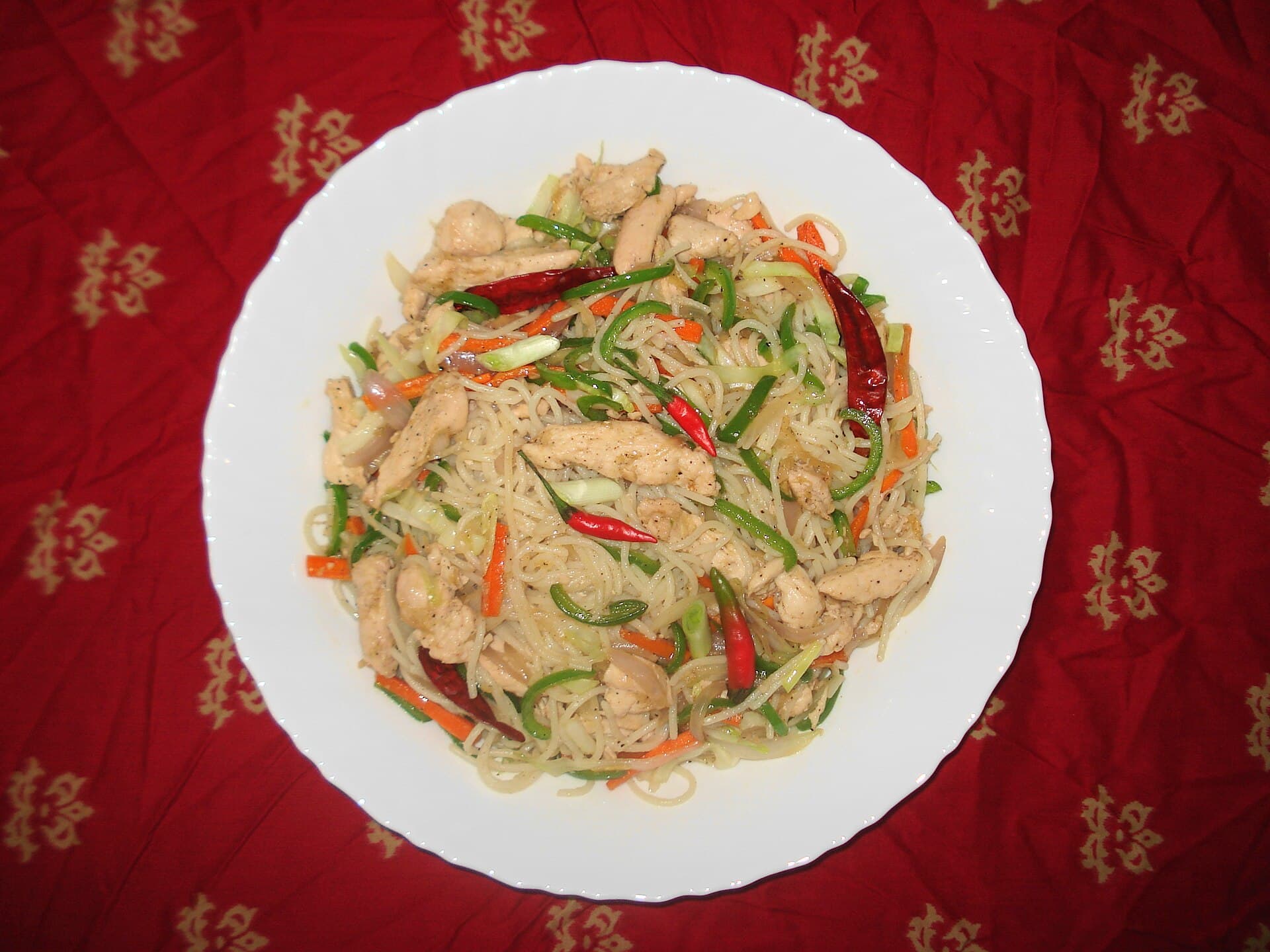
Dal bhat, fried rice, noodles, soup, momo and potatoes cooked in many ways

Soup to start, then dal bhat, pasta, thukpa, or curry and rice
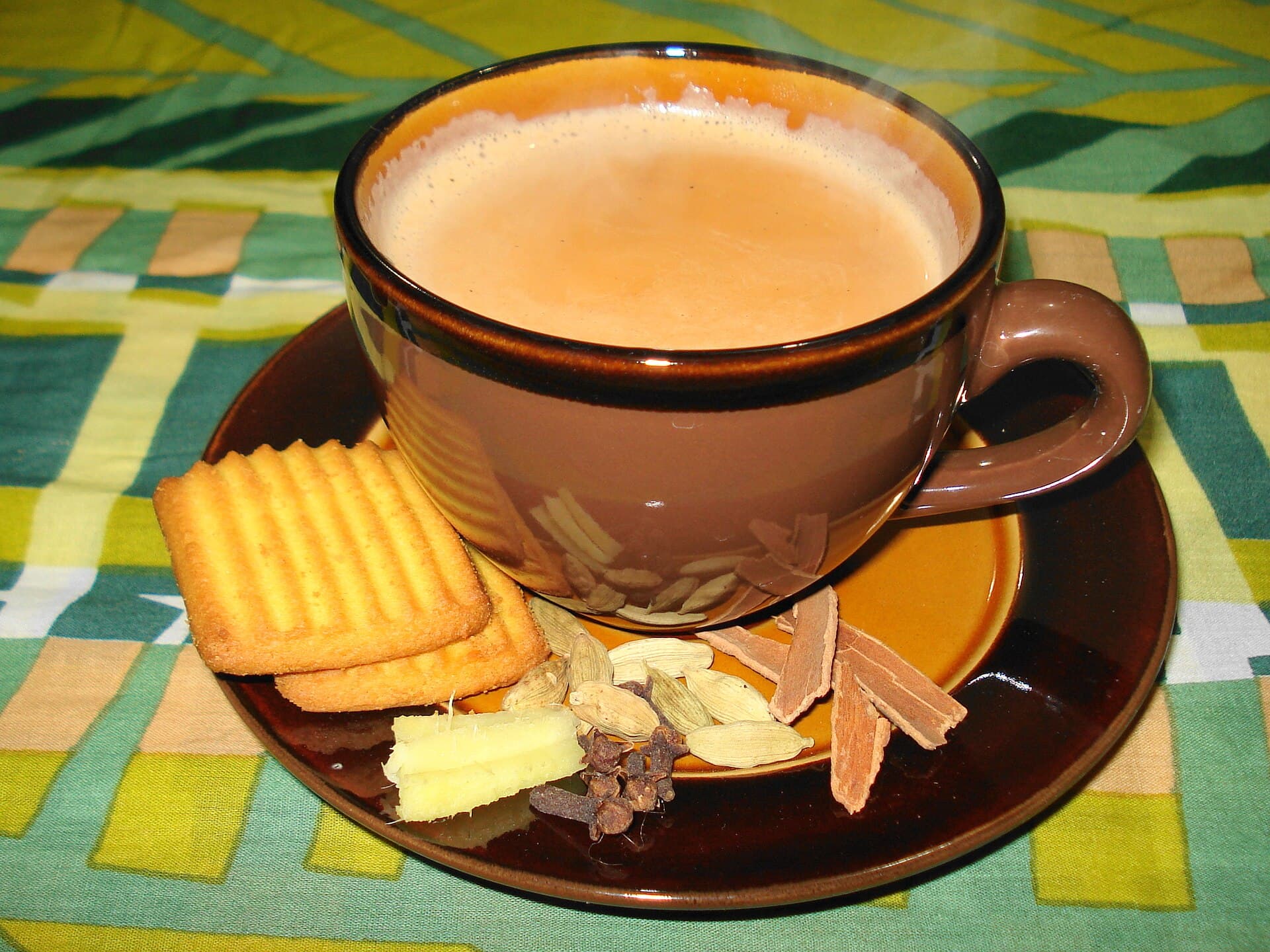
Black, milk, lemon, ginger or masala tea. Included at every stop.
6:00Tea in your room, and a bowl of warm water to wash in
6:30Pack, and put the duffel outside your door for the porter
7:00Breakfast together in the dining room
8:00On the trail. The guide sets a slow, steady pace
12:00Lunch at a teahouse on the route, for about an hour
13:00Two to four more hours of walking, depending on the day
15:30Arrive at the teahouse for tea, choose a bed, wash, and rest if you need to
17:00Oxygen saturation and pulse measured and recorded
18:30Dinner, and a briefing from the guide on the next day
20:30Bed. At 4,000 m, most people are asleep by 9 pm
As demanding as the Base Camp trek, with a steeper middle section and a better view.
Written for somebody who walks a bit and does not train. If you already run or cycle regularly, start partway through. Nothing here needs a gym.
12 weeks before, stage 1 of 6
Do three cardio sessions a week of 45 minutes each, at a pace at which you can still hold a conversation. Walking, cycling, swimming or rowing are all suitable. This is the most important part of your preparation.
Gokyo affects the body slightly differently from the Base Camp trek. Its highest point is 200 m lower, but you stay high for longer: three consecutive nights at 4,790 m, compared with one night at 5,164 m. It also climbs more steeply through the middle section, gaining 1,350 m from Namche to Gokyo over three days, where the Base Camp route has a full rest day over the same distance. To compensate, the two days at the top follow best practice: on day 9 you climb 570 m above your overnight altitude and return to it, and on day 10 you climb 200 m above it and return again. These two days give excellent acclimatisation, and they are why we do not offer a twelve-day version of this trek.
Daily health checks
Above Namche, your guide carries a pulse oximeter and measures your oxygen saturation and pulse every evening, and again on any morning when you feel unwell. The readings are recorded, so any decline over the three nights at Gokyo is clearly visible.
Doctor at Machhermo
The Himalayan Rescue Association aid post at Machhermo, at 4,470 m, is staffed by volunteer doctors in both trekking seasons and is on our route on day 7 and again on the way down. This trek has better medical cover on the ascent than the Base Camp route.
Mild symptoms
We descend 320 metres to the aid post at Machhermo. Most cases resolve here, and the trekker climbs back up the next day. The itinerary has enough spare time to allow this.
Serious symptoms
Dole, at 4,110 m, is a long day from Gokyo, and Namche, at 3,440 m, is two days. Descent is the only effective treatment, and the decision is made by the guide, not by a vote.
Helicopter evacuation
Helicopters can land at Gokyo, Machhermo and Dole and reach Kathmandu in about an hour. This is why you need insurance: an evacuation costs $3,000 to $5,000, and the helicopter will not fly without a payment guarantee.
Fitness and altitude are unrelated
This is the thing people get wrong most often. Training makes the walking easier and does nothing for how your body handles thin air. Strong young trekkers get altitude sickness and unfit older ones frequently do not. Go up slowly, and say something the first time your head hurts.
This is the Khumbu weather table. On this trek, check the winter months carefully, because the lakes freeze and many lodges at the top of the valley close.
The best month. Warm days, stable weather, and the forests below Namche are in flower.
Averages from Nepal DHM station data for the Khumbu. Any given week can be ten degrees either side, and three nights at 4,790 m is colder than the numbers make it sound.
A government-licensed guide with wilderness first aid training leads every departure, and there is one porter for every two trekkers. A second guide joins from 9 trekkers, so that nobody is ever alone at the back of the group. Our guides come from the region you trek through.
Each porter carries 20 kg, which is your duffel bag and one other. This is below the 25 kg limit set by the trekking association and well below the loads you will see on the trail. If your bag is overweight, the load is split rather than added to. Porters carry duffel bags, not daypacks: you carry your own water, camera, jacket and snacks for the day.
Salary, insurance, food and accommodation for every guide and porter are included in the price you pay, and are not requested from you on the trail. All staff are insured for altitude and helicopter evacuation on the same terms we require of you. The trekking industry has a long history of porters carrying too much, in poor footwear, for very low pay. Including fair pay in the package price is the way to avoid this.
Tipping is customary but not compulsory, and it never replaces wages. On this trip, $150 to $250 per traveller for the whole team is usual, given together on the last evening rather than daily. Your guide will not ask for a tip and would prefer that it is not given in front of the group.
You leave the lodge at 4:30 am with a headtorch for a climb of two to three hours on steep zigzags up the hill behind the village, and the sun rises over Everest while you are at the top, at 5,357 m. It is cold and there is no shelter at the top, so carry your down jacket in your pack and put it on when you stop. You are back at the lodge for a second breakfast by 9 am.
Day 10 is longer and gentler and spends more of the day at altitude: you walk north along the edge of the Ngozumpa Glacier to the fourth and fifth lakes, then climb onto the moraine at Scoundrel's Viewpoint for views of the north face of Everest and the full 36 kilometres of the glacier. Very few trekkers walk this route, which makes for a quiet day.
A traveller drinking bottled water uses around 35 plastic bottles on this trip, each of which was carried in and must be carried out again. Boiled water is available at every lodge for one or two dollars a litre, and we ask you to buy that instead. Bring water purification as a backup.
We carry out everything we bring in that is not food. The Khumbu has a waste problem that it did not create and cannot solve alone, and every operator should avoid adding to it.
The lodges are family businesses in the villages you pass through. The guides and porters live in this district. Permit fees fund Sagarmatha National Park and the Khumbu Pasang Lhamu Rural Municipality. Almost everything you pay is spent within a few days' walk of the trail, which is a good reason to book with a Nepali operator rather than a foreign one that subcontracts to a local company.
Ask before photographing anyone. Stand on the mountain side of the trail, not the drop side, when a mule train passes. Monasteries welcome visitors but are places of worship: remove your hat and shoes, and if a service is taking place, wait.
The Gokyo lakes are a Ramsar wetland site and are sacred to both Hindus and Buddhists; there is a shrine at the third lake, and people bathe there in August as an act of worship. Do not wash yourself or anything else in the lakes, and do not take water from them. Boiled water at the lodge costs about a dollar. This rule exists out of respect for local beliefs.
Write to us or send a WhatsApp message with your approximate travel dates. You will receive a reply from someone who has been on this trek. Nothing is payable at this stage, and there is no obligation until you pay a deposit.
A 30% deposit secures your dates, and the balance is due on arrival in Kathmandu, in cash or by card. At the same time, we ask for a copy of your passport, your insurance certificate and any dietary or medical information.
You can pay by bank transfer or by card through a secure link. Card payments carry a bank fee of about 4 per cent, which we show you before you pay. The balance in Kathmandu can be paid in US dollars, pounds, euros or Nepali rupees.
If you cancel more than 30 days before departure, your deposit can be transferred to any other date or trip we run, with no time limit. If you cancel within 30 days, the deposit is kept, because the permits, flights and crew have been booked by then. If we cancel for any reason other than weather, you receive a full refund.
Both cost the same for a group of five or more. A private departure runs on your dates at your pace and can be arranged for one person. A group departure runs on the dates in the table above. Most travellers book privately, and many are surprised that it costs no more.
Outside October, two weeks' notice is usually enough. For October, we need two months' notice, because of limited accommodation at Gokyo rather than the flights: it is a small village with only a few lodges and no alternative village nearby, and groups arriving late in the day in peak season have slept in dining rooms.
Priced per person, arranged before you travel, and none of them included in the price above.
Cross the 5,340 m Renjo La west from Gokyo and descend the Bhote Koshi valley through Thame, the old salt-trading village and home of a remarkable number of Everest summiteers. It turns the trek into a loop and is the best extension to this trek.
Cross the 5,420 m Cho La east from Gokyo and join the Base Camp route at Dzongla. Both valleys and both viewpoints in one trip. A demanding extension, and a popular Khumbu combination.
This allows you to do the Gokyo Ri climb and the walk to the fifth lake on separate days. The two main days are otherwise consecutive at 4,790 m, so this is a very good-value extra.
Priced for the whole helicopter rather than by the seat, so it is reasonable when shared between five and expensive for one person. Dependent on the weather at 4,790 m.
A one-hour flight along the Himalaya from Kathmandu, with a guaranteed window seat. A good alternative if bad weather stops you reaching Lukla.
A room to yourself for the three hotel nights. At Gokyo, the lodges only have twin rooms and are fully booked in October, so single rooms are not available there.
Where the route passes a premium lodge, we book it in place of the standard teahouse. Mountain Lodges of Nepal has lodges at Lukla, Phakding, Monjo, Namche and Deboche, and Everest Summit Lodges has lodges at Lukla, Monjo, Tashinga and Pangboche. Expect warmer rooms, better beds, attached bathrooms in most rooms and a quieter dining room.
There are no premium lodges above Pangboche, so the higher nights are in standard teahouses. We confirm which lodges have rooms on your dates before you book.
4 versions of this journey. They use the same guides and the same lodges; what changes is the length, the comfort and how much of it you walk.
May 2019, Tripadvisor
Starting with the ease of payment and the advance information, Rajan Simkhada came across as a great professional. Upon meeting him at the Thamel hotel in Kathmandu on Day 1, it confirmed my impression. Every aspect of the logistics and trekking experience was extremely well handled. The guide, Bishal Rai was not only a great trekker, but he had great tips on what to wear when, including at night. Even closed lodges (we trekked at the end of the season) did not faze him and he found alternatives. Gokyo was fantastic and is highly recommended but the credit in completing, what was a difficult trek, successfully, lies with the organisers and with Bishal. The team was ably supported by Patan and Abhishek, our tireless porters who always had a smile on their faces even when they were going through torture on a climb up a hill. If you are going for a trek in Nepal, I would recommend that you consider Earthbound
June 2019, Tripadvisor
Did a wonderful trek with Earthbound to Gokyo earlier this month. It was very well organised, and the trek information provided prior to the trek was also good. The team from Earthbound for the trek consisted of a guide Bishal Rai, and two porters Abhisekh and Patan. All were excellent. Bishal is not only a good guide, he also was very patient and able to think on the foot, which is required as on treks last minute changes do occur. Overall, I recommend Earthbound to other trekkers.
October 2017, Tripadvisor
My wife and I toured with Earthbound Expeditions starting with river rafting, 1 day safari in Chitwan, 11 day Gokyo Lakes/Ri trek (4-15 Oct 2017) + 1 day Katmandu UNESCO sites tour. Rajan is exceptional. He responds to your emails, puts together a personalised itinerary and has a network of reliable Guides. Rajan contacts you at the end of each step and explains and agrees when and where you need to be for your next stage of your journey. Very reassuring. Our trekking Guide, Namaraj Sapkota, was also very experienced, attentive, and so well known in the community that he was able to get us to and from Lukla when many couldn't. A total adventure. So long as you're willing to accept you're in a developing country, then you'll be rewarded with stunning views and the hard working yet smiling Nepalese people. (TIP: make sure you're booked on the 'first' flight in or out of Lukla, anything later is prone to clouds closing the airport).
April 2017, Tripadvisor
My third trip to Nepal with Earthbound. Had a great guide Bishal and we went to some favourite places in Kathmandu and then flew to Lukla and walked to Gokyo and Thame. Stayed at some great lodges and Bishal was particularly helpful and a great companion. Stayed at Eco resort in Kathmandu, all professionally and thoughtfully arranged by Rajan and Kedar of Earthbound. And all at a very competitive cost.
Answers to the 17 questions travellers ask us most often. If your question is not here, contact us and we will answer it.
Base Camp is the more famous destination, and Gokyo has the better view. At Base Camp, you stand at 5,364 m on the moraine below the Khumbu Icefall, where expeditions start, but you cannot see Everest from there. From Gokyo Ri, at 5,357 m, you can see Everest, Lhotse, Makalu and Cho Oyu, four of the six highest mountains in the world, with six lakes and a 36 km glacier below. Many people who have done both treks would choose this one if they were to repeat one.
Yes, much quieter, and this is another reason people choose it. The two treks share the trail from Lukla to Namche and separate on day 6, where most trekkers head for Base Camp. From Dole upwards, the trail has far fewer trekkers, and the fourth and fifth lakes on day 10 are almost empty.
The days are slightly shorter and the highest point is slightly lower, but it is not easier. The middle section is steeper: from Namche to Gokyo, you gain 1,350 m over three days, where the Base Camp route has a full rest day over the same distance. You also sleep three nights at 4,790 m rather than one at 5,164 m, which is lower but for longer.
Yes, and this is a popular Khumbu combination. Cross the Cho La at 5,420 m east from Gokyo and join the Base Camp route at Dzongla, which adds about five days. For the complete route, the twenty-two-day Three High Passes trek covers both valleys and all three passes.
You leave the lodge at 4:30 am with a headtorch for two to three hours of steep, loose zigzags up the hill, starting from 4,790 m. These are the hardest two hours of the trek, and the sun rises over Everest while you are at the top. Carry your down jacket in your pack, as there is no shelter and you will cool down quickly.
Yes. It is one of the most rewarding days in the Khumbu and is often overlooked. It is longer and gentler than the climb to Gokyo Ri, spends more of the day at altitude, and ends on the moraine at Scoundrel's Viewpoint, with views of the north face of Everest and the full length of the Ngozumpa Glacier. Very few trekkers go there, and many consider it the better of the two mornings.
No, and please do not wash in them either. They are a Ramsar wetland site and sacred to Hindus and Buddhists, with a shrine at the third lake where people bathe in August as an act of worship. Boiled water is available at the lodges for one or two dollars a litre.
You see three lakes on the way in on day 8, and the fourth and fifth on day 10. The sixth lake is further north, a long day beyond the fifth. It is not included, but we can add it if you wish.
Yes, at Machhermo, which is an advantage of this valley. The Himalayan Rescue Association runs an aid post there at 4,470 m, staffed by volunteer doctors in both seasons, with a free talk on altitude every afternoon. It is on our route on day 7 and again on the way down, which gives better medical cover on the ascent than the Base Camp trail has.
This is deliberate. Days 9 and 10 both climb well above your overnight altitude and return to it, following the principle of climbing high and sleeping low, which gives excellent acclimatisation. It is also why we do not offer a twelve-day version: the days at Gokyo are the main part of the trek.
Yes, with cover to 6,000 m, and it is a condition of booking. A rescue from Gokyo to Kathmandu costs $3,000 to $5,000, and the helicopter will not fly without a payment guarantee, so we ask to see your insurance certificate.
The lodges are the same as on the Base Camp route until day 6, and simpler after that. Dole and Machhermo are basic but adequate. Gokyo has a small number of lodges on the shore of the third lake, which are reasonably comfortable, run on solar power and are fully booked in October. There is no other village nearby, which is the main logistical risk on this trek.
In October, securing beds at Gokyo is our main planning priority. Our guides radio ahead to book, and groups arriving without a booking in peak season have slept in dining rooms. This is why we ask for two months' notice for an October departure, compared with two weeks for the rest of the year.
There is no formal spare day, but days 11 and 12 can be walked as one long day back to Namche if a flight delay has cost you time. As on every Khumbu trek, book your international flight home with at least one clear day after the end of this itinerary.
April and October are the most reliable months, and November is the clearest and quietest. Avoid mid-winter on this trek: the lakes freeze, the top of the valley empties, and several lodges at Gokyo close.
You need two permits: the Sagarmatha National Park permit at NPR 3,390 and the Khumbu Pasang Lhamu Rural Municipality permit at NPR 2,000. Both are included. A TIMS card has not been required in the Khumbu since 2018.
We recommend the Renjo La. Crossing this 5,340 m pass west from Gokyo and descending through Thame turns the trek into a loop and adds three days. The route passes through the old salt-trading village of Thame, which has produced a remarkable number of Everest summiteers. It is the best three-day extension to any of our treks.
Didn't find what you were looking for?
Search every word on this page, or ask somebody who has walked the route.
15 days
$1,787 per person