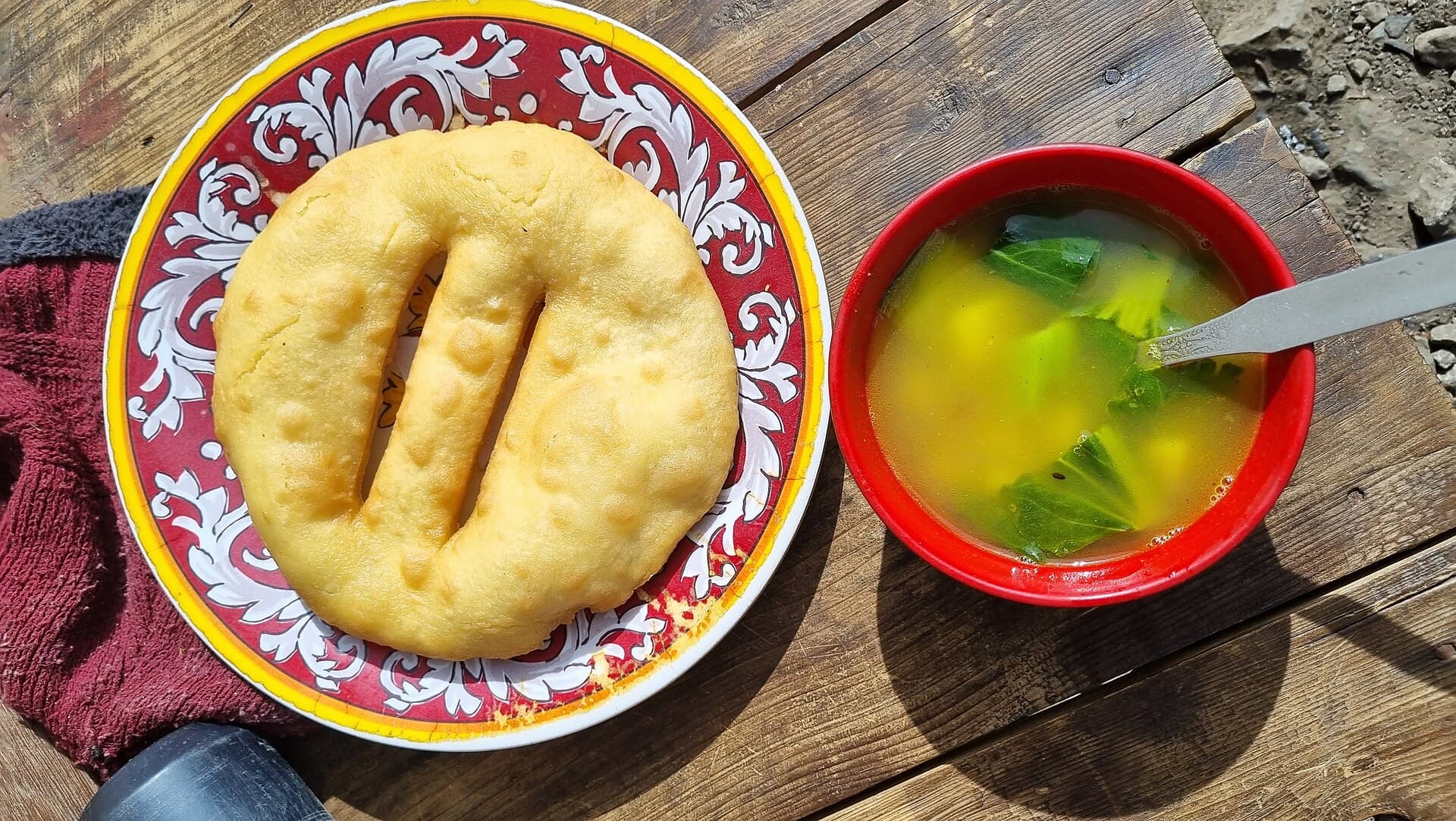
Breakfast
Eggs, Tibetan bread, porridge and tea, served early on flying days
All destinations
All destinationsThe shortest route to Kailash, by air to Simikot and by helicopter to the border, for pilgrims who cannot take three weeks away.
The shortest route to Kailash, by air to Simikot and by helicopter to the border, for pilgrims who cannot take three weeks away.
Most journeys to Kailash take almost a week to reach the mountain. This one reaches Taklakot, a short drive from Lake Mansarovar, on the fourth day, by flying to the far north-west of Nepal and crossing the border by helicopter. It is designed for pilgrims who cannot take three weeks away.
The disadvantage is the speed of the ascent. Nepalgunj is at 150 m on the plains and Taklakot at 3,900 m, and this itinerary allows one day between them. For this reason, the fifth day is a rest day, oxygen and a pressure chamber travel with the group, and we advise some travellers to choose the overland trip instead.
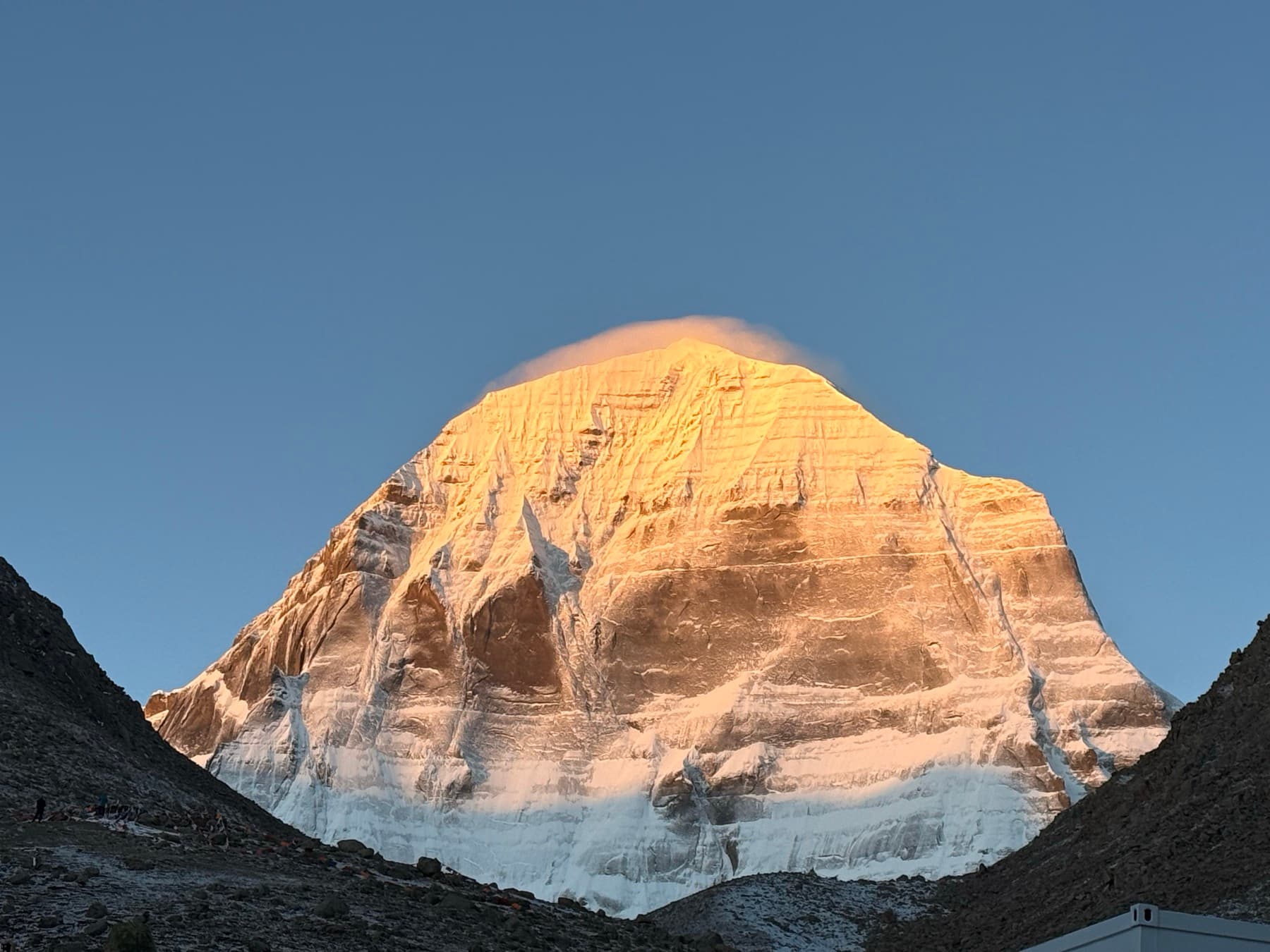
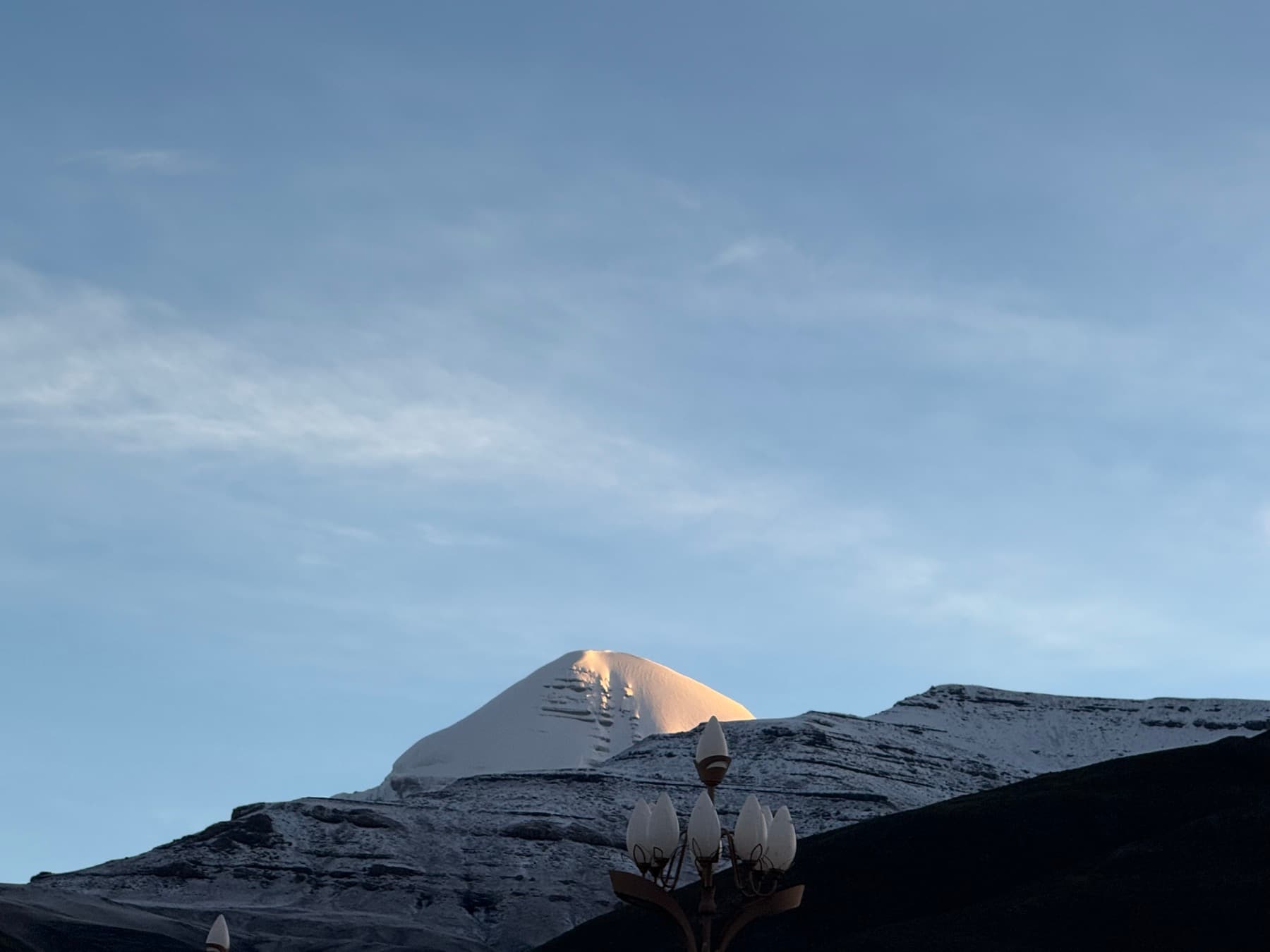
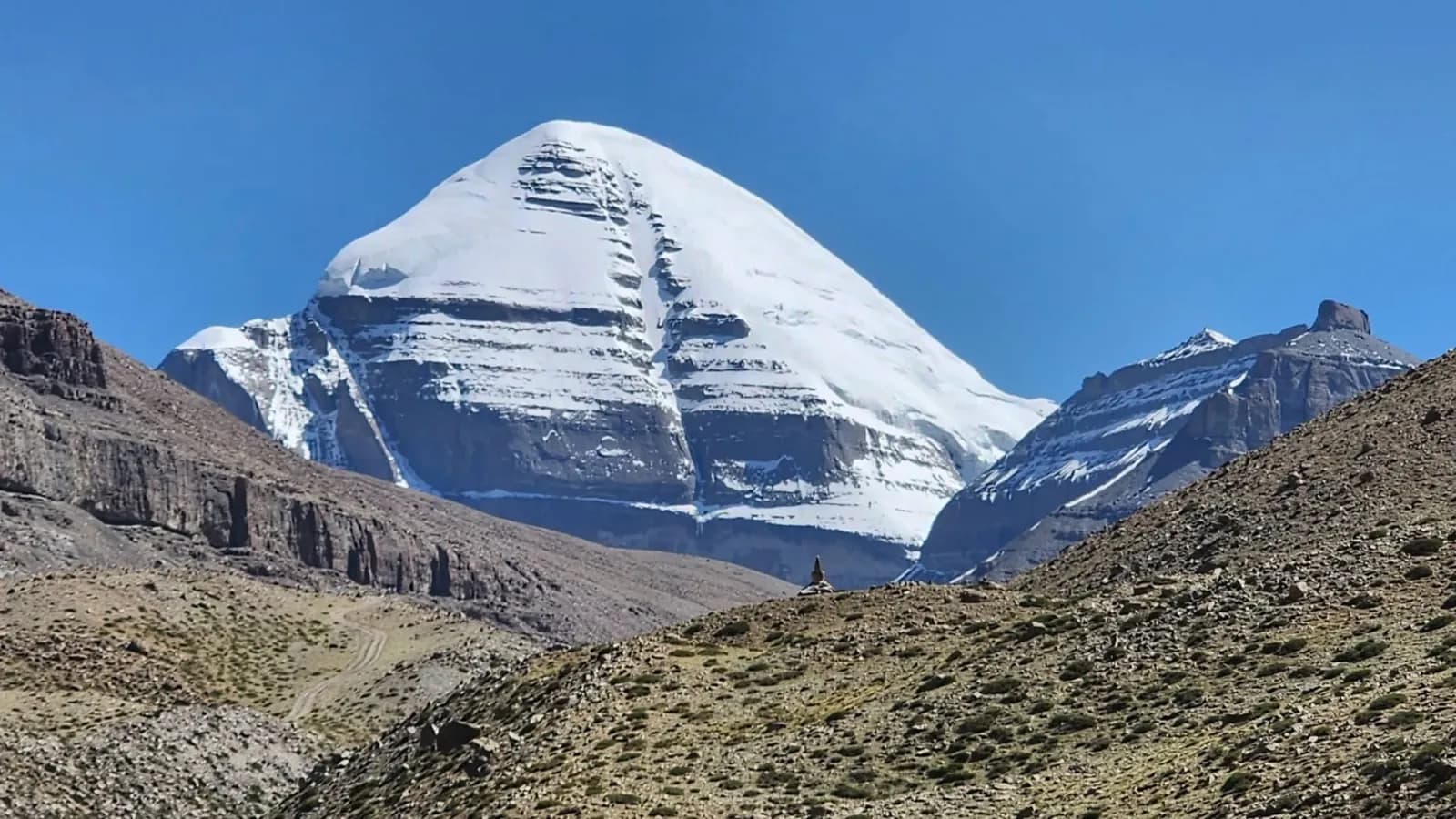
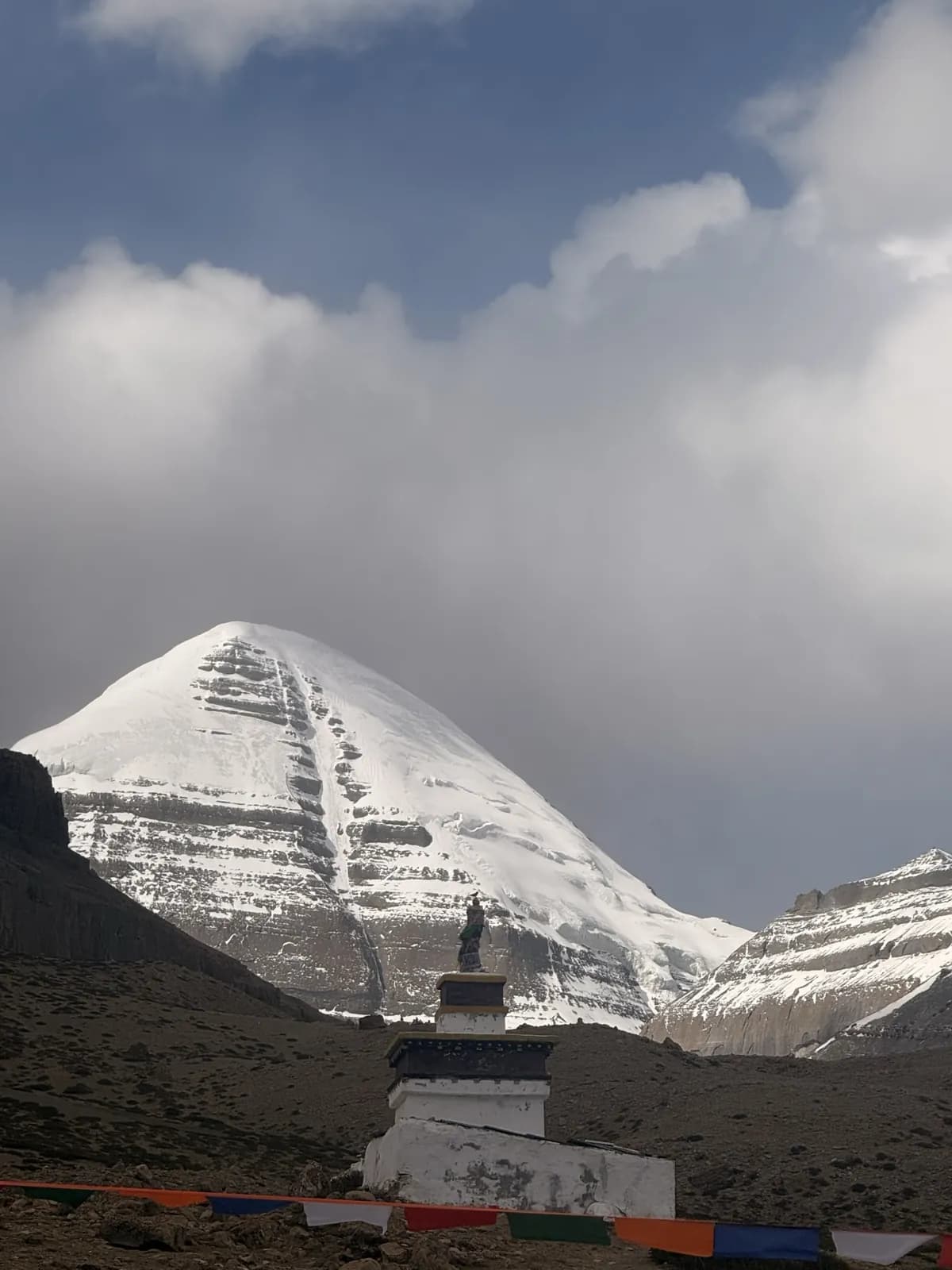
Kailash rises to 6,638 m in the far west of Tibet and has never been climbed, because climbing it is not permitted. Hindus regard it as the abode of Shiva, Buddhists as the home of Demchok, and Jains as the place where Rishabhadeva attained liberation. Bon followers walk around it anticlockwise, while all others walk clockwise.
The kora is fifty-three kilometres, starting and ending at Darchen. It goes north to Dirapuk below the west face, over the Dolma La at 5,630 m on the long second day, and down the Zhong Chu valley to the plain on the third day. It is a walk, not a climb, but the altitude makes it demanding.
We meet you at the airport and take you to your hotel. In the evening we give a full briefing, because this route gains height faster than any other and you need to understand how this is managed before you start. We check your equipment and hire anything that is missing.
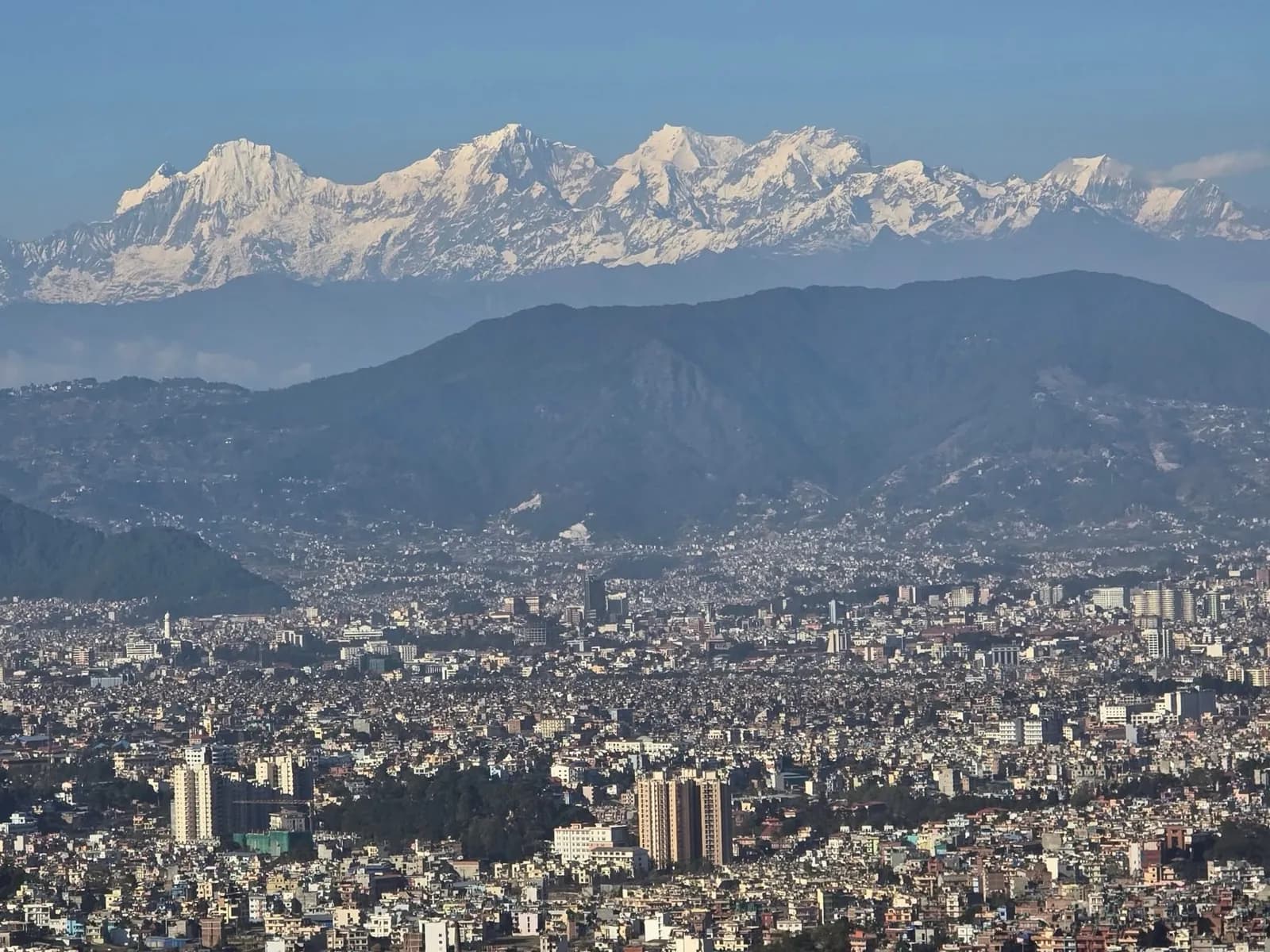
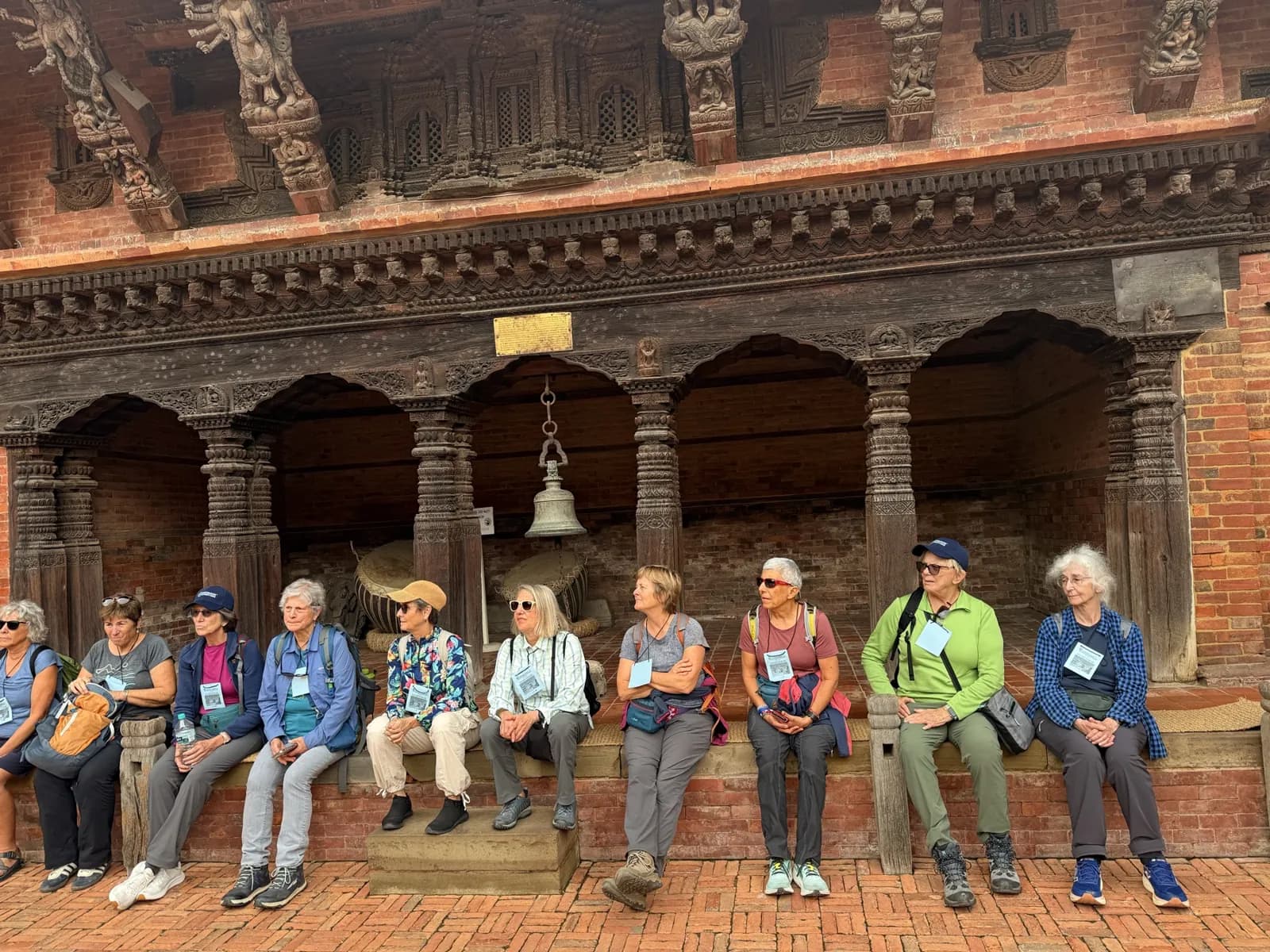
Your passport goes to the Chinese Embassy with those of the rest of the group. Meanwhile, we visit Pashupatinath, where many pilgrims begin their journey, and repack your belongings into one duffel bag and one daypack. The baggage limit on the Simikot flight is strict and low, which is why we do this today rather than at the airport.
A one-hour flight south-west to the Terai, where the climate is very different: Nepalgunj is hot, flat and 150 m above sea level. We stay here because the Simikot flights leave from Nepalgunj at first light. Have an early night, with your bags packed for an early start.
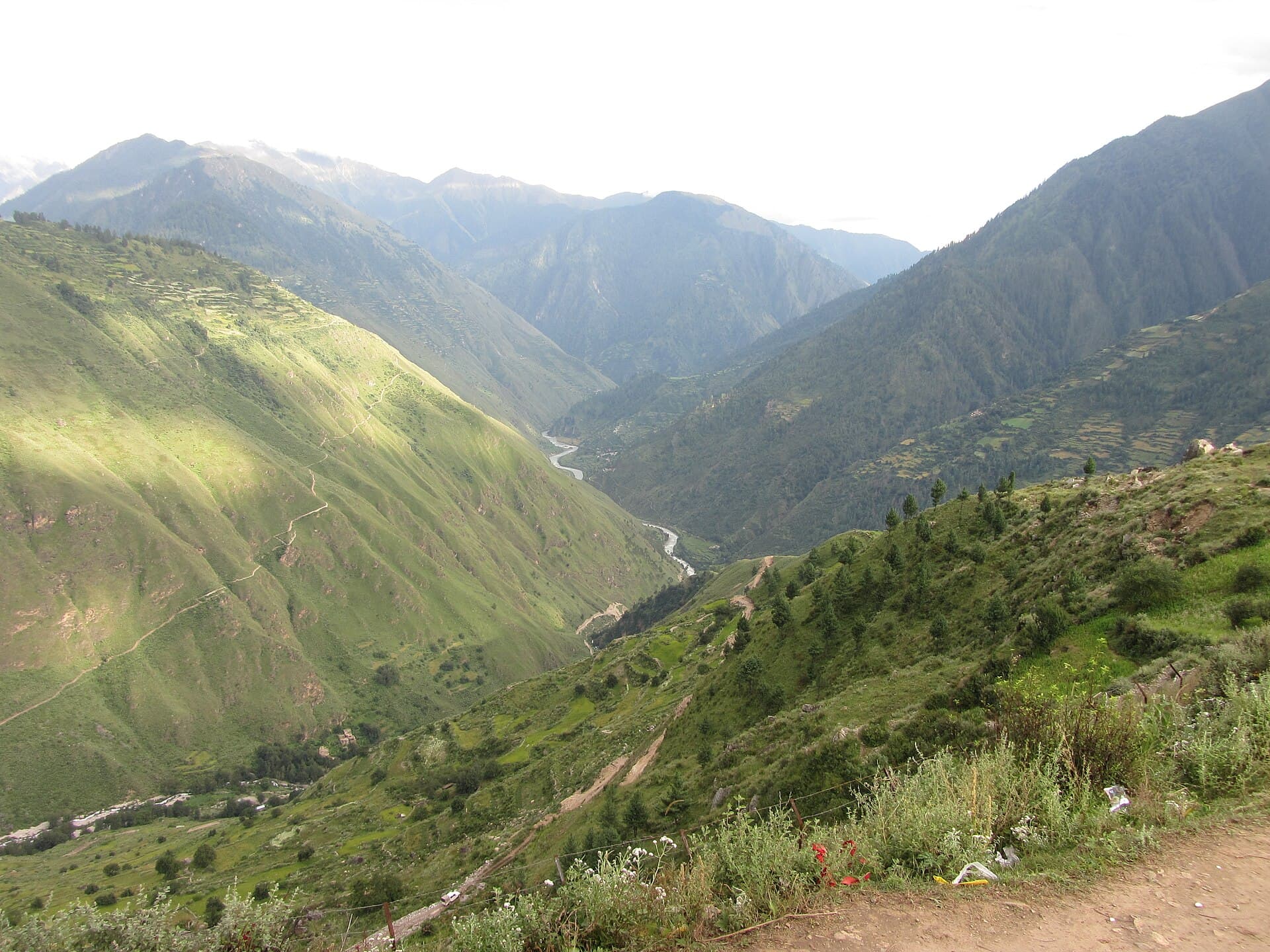
Fly by Twin Otter to Simikot at 2,910 m, landing on a 549 m runway, which is why flights operate only in clear morning conditions. Then a twenty-minute helicopter flight over the Humla gorges to Hilsa at 3,640 m, the bridge across the Karnali, Chinese formalities at Zherwa, and a short drive to Taklakot. It is a very long day.
This is the most important day of the itinerary. You have climbed from 150 m to 3,900 m within twenty-four hours. We take a gentle walk up the hill above the town, return, drink plenty of water, and measure everyone's oxygen saturation twice. Nobody goes higher until the readings allow it.
Drive north over the Gurla La, with views of Gurla Mandhata, to Lake Mansarovar, the main destination of the trip. The afternoon is spent on the shore. Those who wish to bathe do so briefly, because the water is only a few degrees above freezing at 4,590 m.
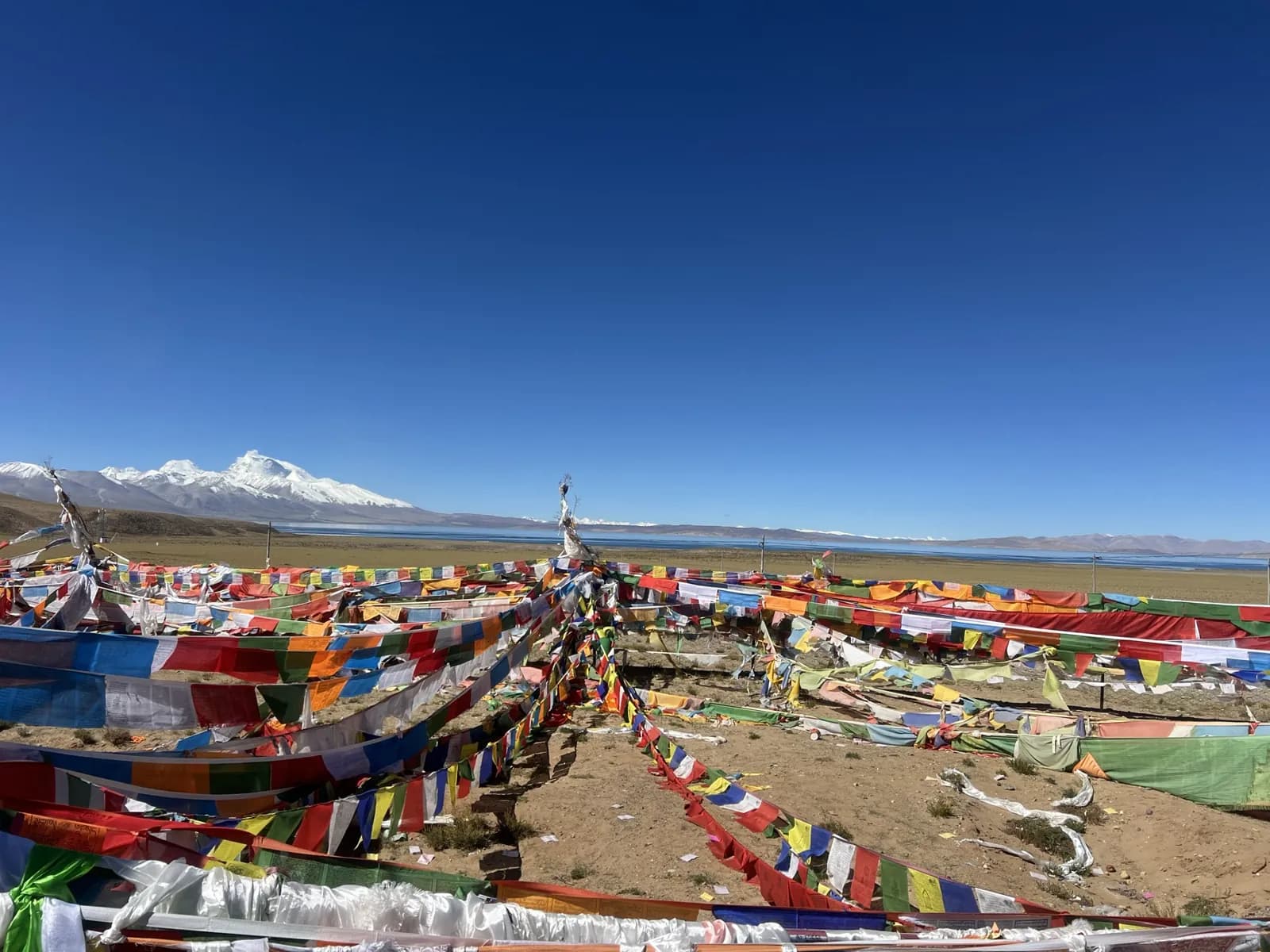
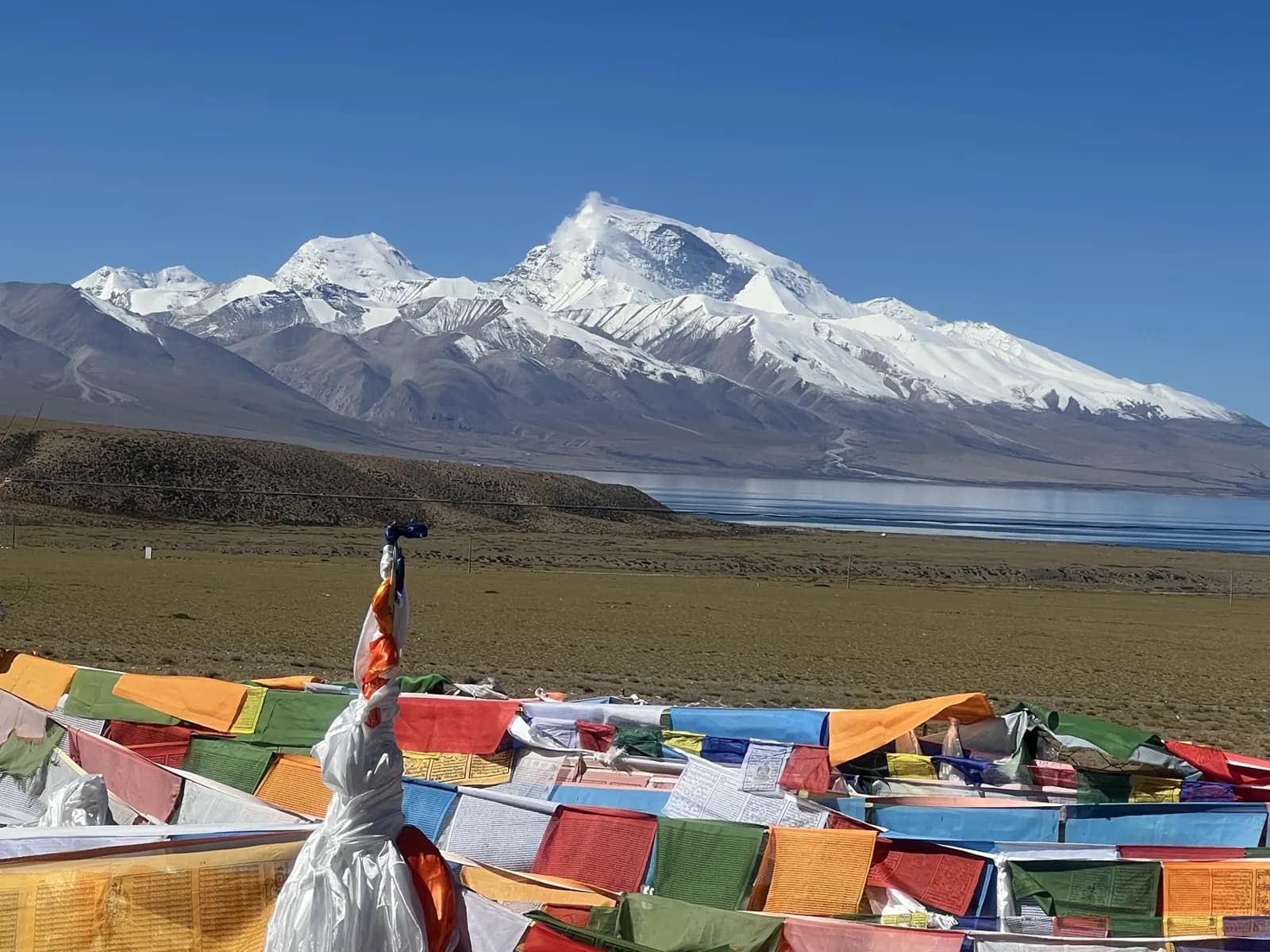
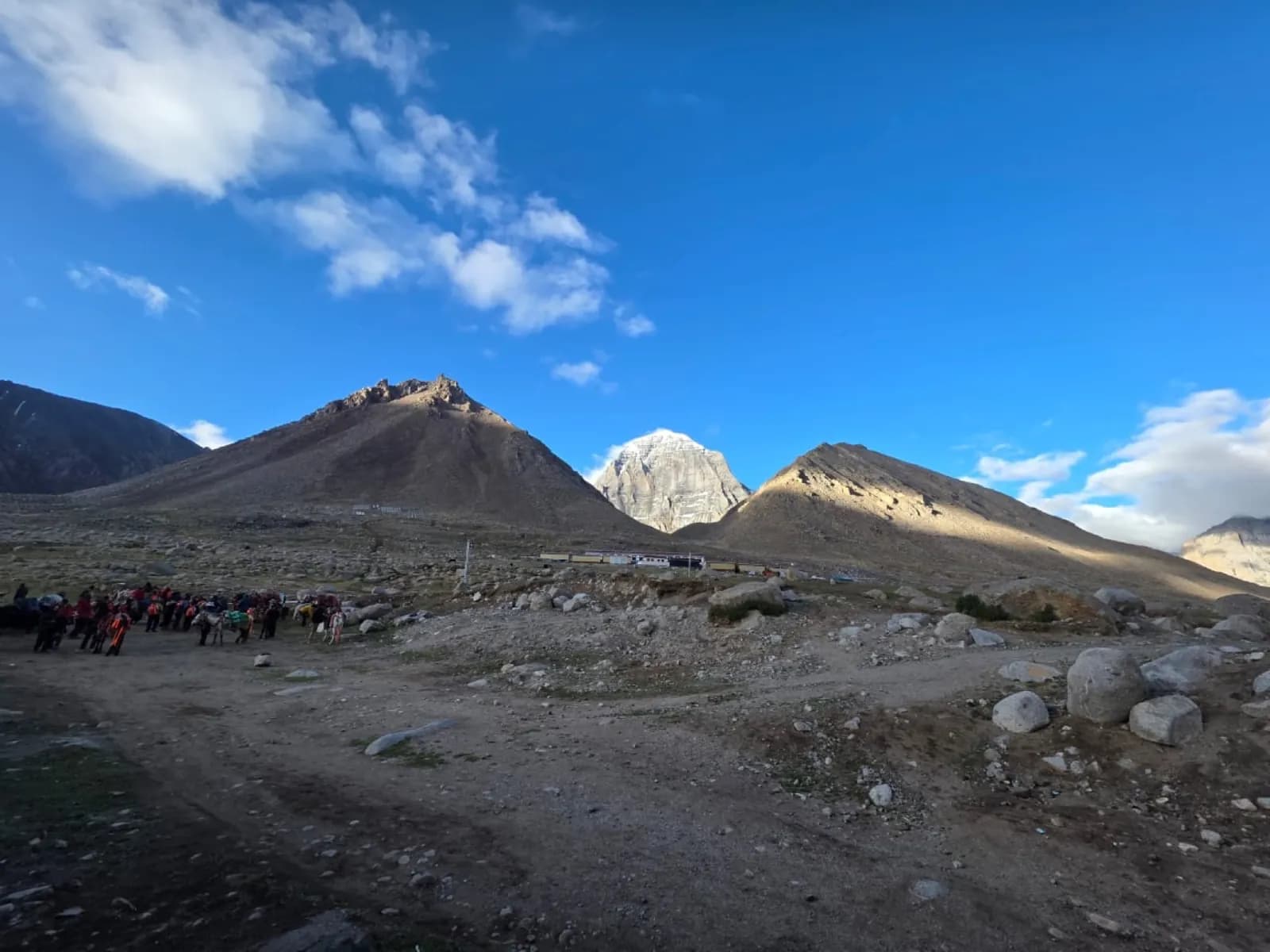
Sunrise at the lake, then a short drive to Darchen and on to Yam Dwar, the gate where the kora begins. We walk twelve kilometres north up the Lha Chu valley below the west face, with little height gain, and arrive at Dirapuk in the late afternoon, facing Kailash.
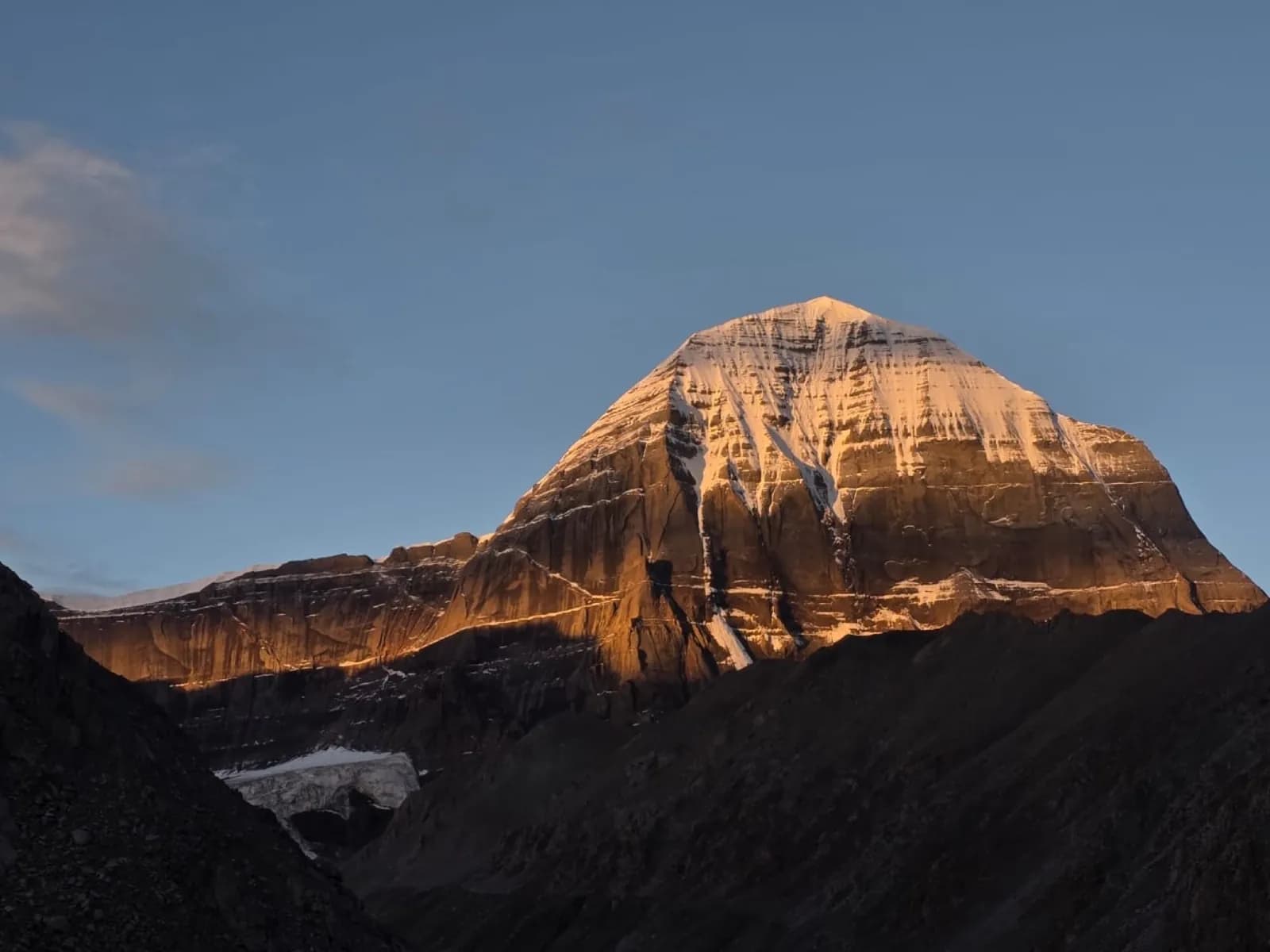
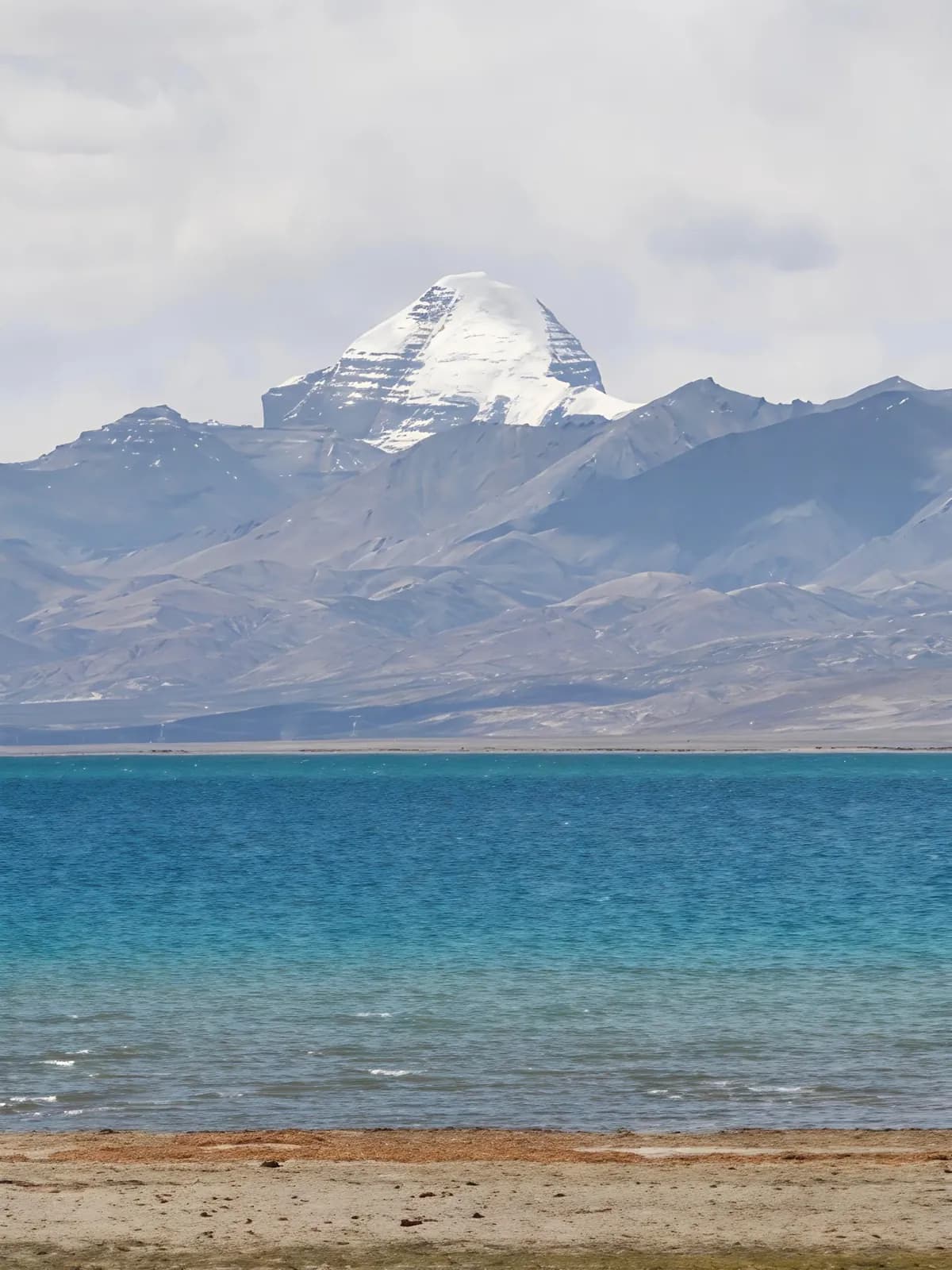
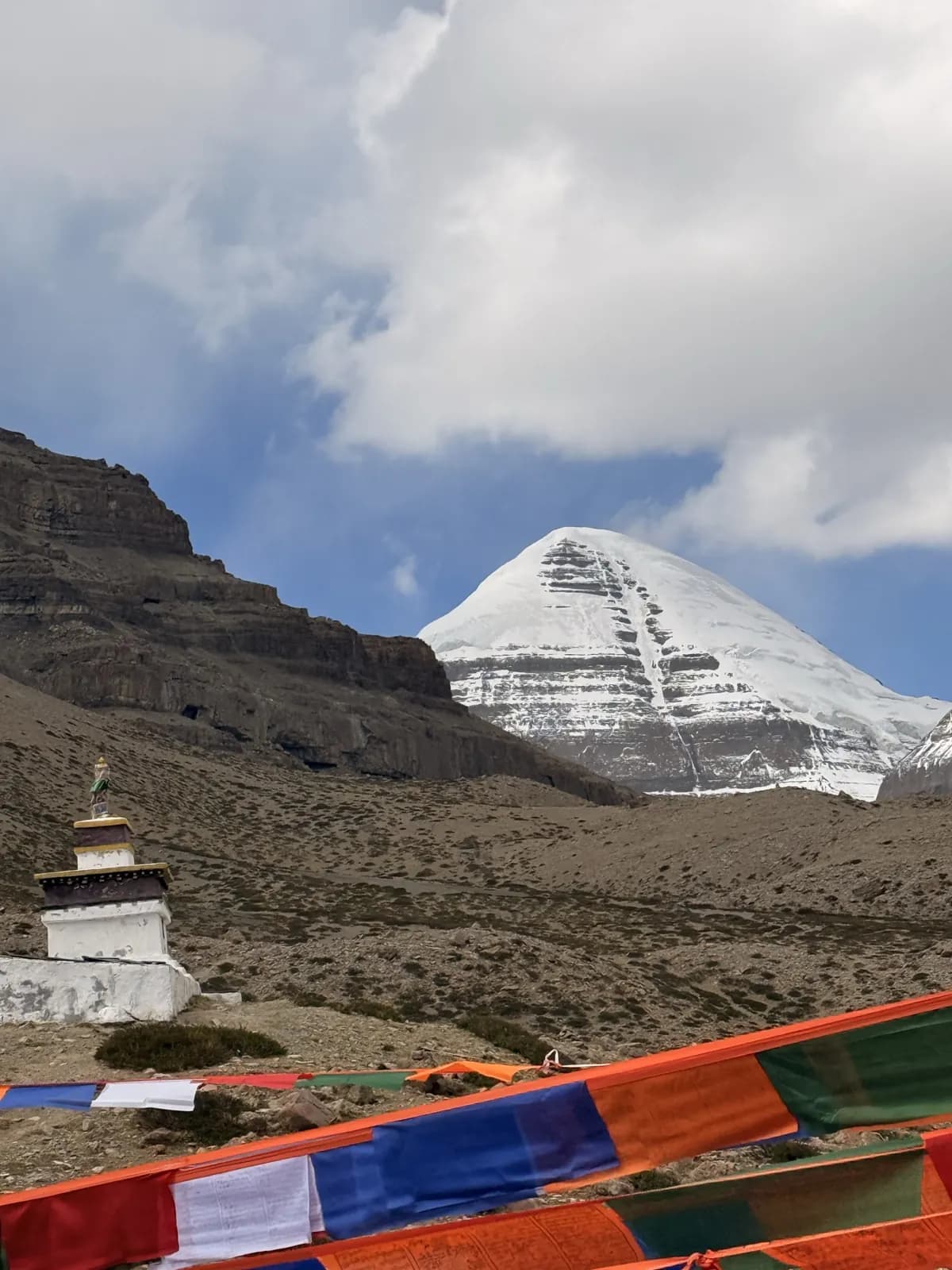
The hardest day of the journey. We leave before dawn, climb the moraine past Shiva Tsal, and make a long, slow ascent to the Dolma La at 5,630 m, which is covered in prayer flags. The descent to the valley is steep and loose, and the trail then flattens and continues for several hours. The day takes nine to ten hours in total.
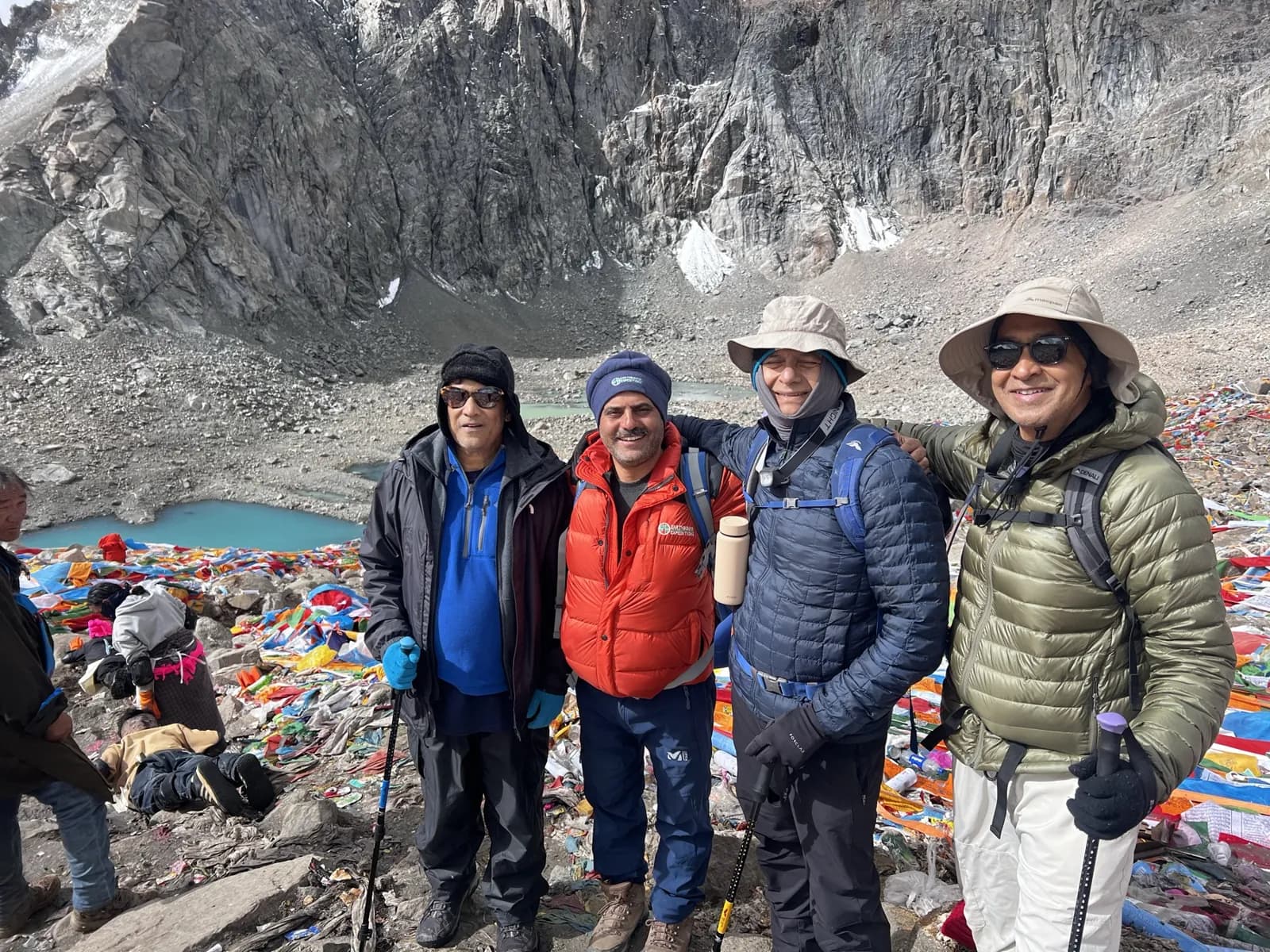
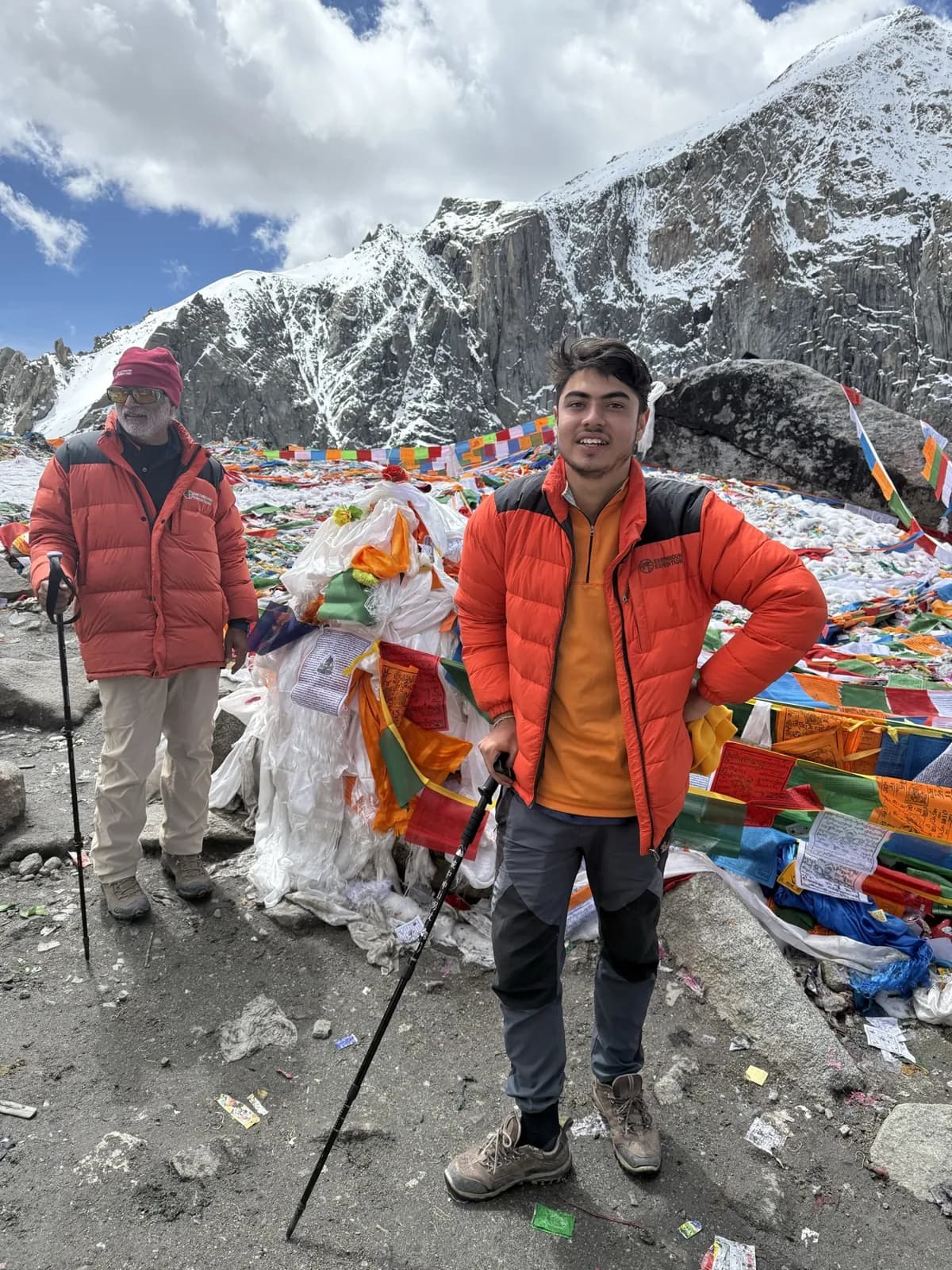
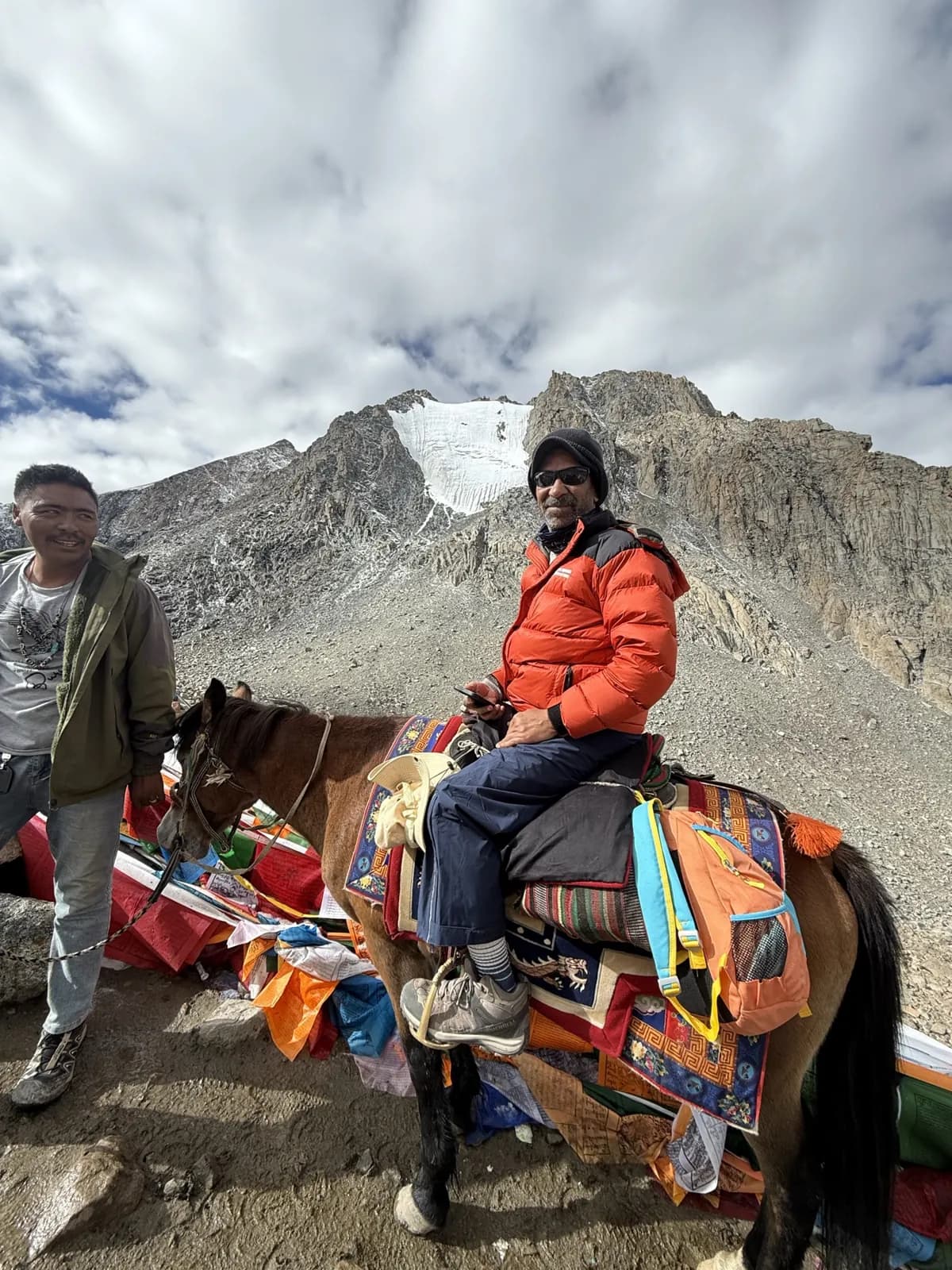
An easy final stage down the Zhong Chu valley, past Milarepa's cave, to the plain where the vehicles wait. The circuit is complete before lunch. We drive south to Taklakot, and the descent of eight hundred metres helps your recovery after three days at high altitude.
Complete the Chinese exit formalities, cross the bridge back into Nepal at Hilsa, and take the helicopter to Simikot when the weather allows. Then take the fixed-wing flight to Nepalgunj. The schedule includes its only spare time here, because the Simikot flight is the least reliable in the country.
Take the morning flight back to Kathmandu. The afternoon is free. If your international flight is the same evening, we book a day room for you. If weather delayed you at Simikot for an extra day, this day covers the delay, and we will already have contacted your airline.
Start date
14 May 2027
End date
24 May 2027
Available
12 left
US $3,290
Per person
Start date
10 Sept 2027
End date
20 Sept 2027
Available
12 left
US $3,290
Per person
Start date
9 Jul 2027
End date
19 Jul 2027
Available
12 left
US $3,290
Per person
Baggage limit of 15 kg
The Simikot aircraft and the helicopter have a strict baggage limit of about 15 kg, plus a small daypack. This limit is the main constraint on this trip. Pack for eleven days within it, keep a change of clothes and your medication in your daypack in case your duffel bag travels on a later flight, and leave everything else at your Kathmandu hotel, free of charge.
Simikot has a short runway at nearly 3,000 m, and flights operate only in clear morning conditions.
Kathmandu to Nepalgunj by jet, one hour. Nepalgunj to Simikot by Twin Otter or Dornier at first light, landing on a 549 m runway at 2,910 m. Simikot to Hilsa by helicopter, twenty minutes over the gorges. Then a short road journey into Tibet. Every stage depends on the weather, and the two middle stages depend on it completely.
Humla has no proper road connection to the rest of Nepal, so everything arrives by air. The aircraft are small, the airstrip is short and high, and pilots fly only in clear, calm morning conditions. Delays of one to three days happen in every season. We include a spare day for this and ask you to book a flexible ticket.
Hilsa is at 3,640 m on the Karnali river, and the Chinese border post at Zherwa is across a bridge on the north bank. Formalities are thorough, bags are searched, and any political material about Tibet will be confiscated. It is a remote crossing with short opening hours, so we keep to the schedule.
The Tibet Travel Permit takes eight or nine working days and cannot be applied for until the trip is paid. The Kathmandu group visa takes four more days, during which the embassy holds your passport. The Kailash permits are issued in Ngari on their own schedule. Eight weeks is the minimum and ten weeks is comfortable.
The helicopter that takes you to Hilsa is a Nepali charter and cannot cross into Tibet to collect a casualty. Once you are over the border, descent means travelling by vehicle on the road to Taklakot, and then crossing the same border during its opening hours. This is the most important difference between this trip and a trek in Nepal.
| Where | Nights | Type | Room | Bathroom |
|---|---|---|---|---|
| Kathmandu | 2 | Three-star hotel | Twin or double | Private, hot water |
| Nepalgunj | 2 | Business hotel | Twin or double | Private, air conditioned |
| Taklakot | 3 | Simple hotel | Twin | Private, hot water |
| Mansarovar | 1 | Lakeside guesthouse | Shared by two to four people | Shared, outside |
| Dirapuk and Zuthulpuk | 2 | Kora guesthouse | Shared by several people, mattress and quilt | Outside, no running water |
Eggs, Tibetan bread, porridge and tea, served early on flying days
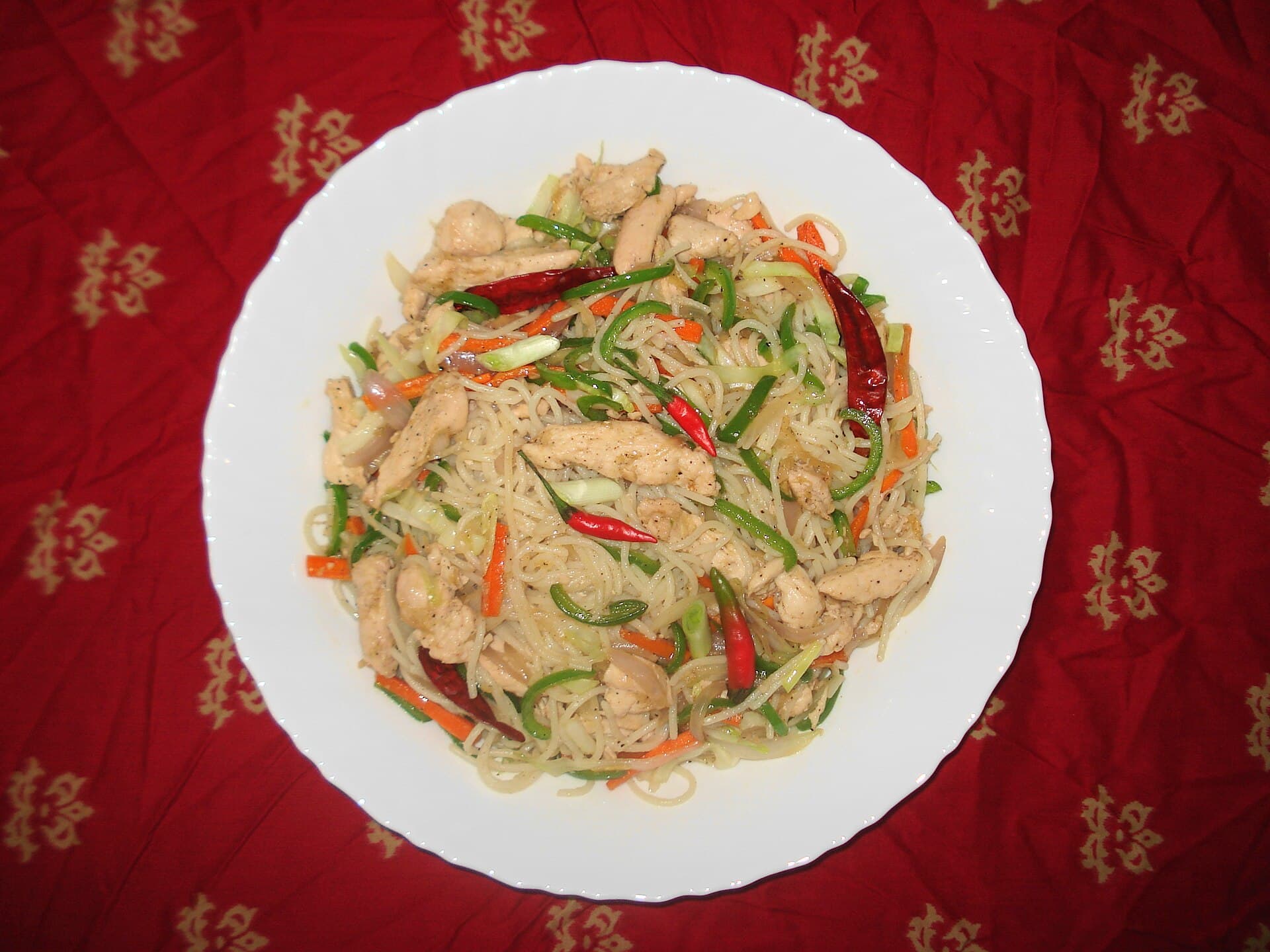
Noodle soup, fried rice, or a packed lunch on the kora

Dal bhat, momos, vegetable curry, with soup first at altitude

Our cook goes ahead, so hot soup is ready when you arrive at Dirapuk
5.00Tea, and oxygen saturation measured and recorded
5.30Early breakfast, because the mountain flights leave early
6.30To the airstrip, or start walking
9.00First rest stop, sheltered from the wind where possible
12.30Lunch, packed on the kora days
15.00Arrival on the shorter days, and time to rest
17.00Second oxygen saturation check, and a short walk uphill
18.30Soup, then dinner
19.30Briefing on the next day's plan, including how the weather may affect it
21.00Bed
A short trip that is demanding because it is short. There are three days of walking, and the ascent to altitude happens in a single day, which is the main difficulty.
Written for somebody who walks a bit and does not train. If you already run or cycle regularly, start partway through. Nothing here needs a gym.
4 months before, stage 1 of 6
Walk for six hours on hills with a daypack. On this route, good fitness partly compensates for the speed of the ascent.
This trip has the steepest altitude profile of any we run, and you should know this before you book. You sleep at 150 m on the third night and at 3,900 m on the fourth. This is not ideal, and it is the consequence of an eleven-day yatra. We take every available precaution: a full rest day at Taklakot before going higher, oxygen saturation measured and recorded morning and evening, bottled oxygen and a portable pressure chamber with the group at all times, descent to 3,900 m as soon as the kora finishes rather than another night at altitude, and a guide whose decision to send someone down is final. If you have had altitude sickness before, or have never been above 3,000 m, book the overland trip instead. It costs less, takes five days longer and is much easier on your body.
A full rest day at Taklakot
At 3,900 m, with a short walk higher and a return to sleep, before anyone goes to the lake.
Daily health checks
From Taklakot onwards, oxygen saturation is measured twice a day and recorded, so that any decline is clearly identified.
Oxygen and pressure chamber
These travel with the group for treatment and descent, not to allow someone who is unwell to continue.
Descent to 3,900 m after the kora
We descend immediately rather than spending a fourth night above 4,500 m, as a shorter itinerary would.
The guide's decision is final
There is no helicopter rescue in Ngari, so decisions to descend are made earlier than they would be in Nepal.
Fitness and altitude are unrelated
This is the thing people get wrong most often. Training makes the walking easier and does nothing for how your body handles thin air. Strong young trekkers get altitude sickness and unfit older ones frequently do not. Go up slowly, and say something the first time your head hurts.
The season runs from May to September, with the clearest flying weather in May and September.
Warm and busy on the kora. Pre-monsoon cloud begins to affect the Humla flights.
Averages for the Ngari prefecture. On this route the Nepali weather matters as much as the Tibetan: the monsoon does not reach Ngari but it does close Simikot.
A Nepali leader travels with you from Kathmandu and back, and a licensed Tibetan guide meets the group at the border and, as required by law, stays with you until you leave Tibet. A cook and kitchen crew go ahead on the kora, so hot food is ready at Dirapuk and Zuthulpuk.
Land Cruisers carry the group, and a support vehicle carries the baggage, food, oxygen and pressure chamber. The distances are short compared with the overland routes, but the vehicle is still the only way to bring someone down quickly if needed.
Loads are carried by yaks, arranged through the Darchen association, which shares the work among local families in turn. Your 10 kg allowance travels with them. A riding horse with a handler can be booked at Darchen the evening before the walk, and the payment goes to the same families.
Tips are not included and are customary. About $90 to $140 per traveller covers the guide, the drivers and the kora crew on a trip of this length. We collect tips at the end and hand them over together, and we will tell you what a fair amount is.
Almost everyone on the path is walking it for religious reasons. Walk clockwise unless you follow Bon. Ask before photographing anyone, and respect a refusal. At Shiva Tsal, where pilgrims leave clothing and hair, leave the ground as you found it.
Humla is one of the poorest districts in Nepal. Simikot has a short, busy season of Kailash travellers and little other income. We use local lodges and porters in Humla rather than flying a full crew in from Kathmandu, and we pay Kathmandu rates for the work.
We carry out everything we bring. There is no waste collection on the kora, and nothing decomposes at 5,000 m. Our crew carries out our rubbish and often other people's as well. Bring a refillable bottle, since we boil and filter water, and take your used batteries home.
Do not use soap, shampoo or detergent in the lake, including biodegradable products. Pilgrims bathe briefly as a ritual and wash elsewhere. The lake is a source of drinking water and a sacred site for the people who live beside it.
No Tibetan permits can be applied for until the itinerary is booked and paid for. We take a deposit and apply for everything, and your place is confirmed once the permits are issued. If the permits are not issued, we refund your payment in full.
A clear scan of your passport at least eight weeks before departure, valid for six months beyond the trip with two blank pages, and four passport photographs. Your occupation as you would write it on any official form. Details of any medication you take and any previous problems with altitude, which we will ask you about directly on this route.
The Kathmandu group visa is issued only to a group of five or more who enter and leave China together. If there are two of you, we will place you on a scheduled departure. A private Express trip for fewer than five people is not possible, because the embassy will not issue the visa.
We ask all travellers on this trip to book a flexible ticket home. The Simikot flight is the least reliable in Nepal, and a delay can become very expensive if you hold a non-changeable international ticket two days after your scheduled return to Kathmandu.
Priced per person, arranged before you travel, and none of them included in the price above.
Recommended on this trip as a buffer against delays at the end.
Sleeping at 2,910 m before Taklakot reduces the effect of the rapid altitude gain. We recommend it.
A seat on the first helicopter from Simikot when the group is split across two flights.
Jungle and a warm climate, and it also makes your return date more flexible.
In Kathmandu, Nepalgunj and Taklakot only. Not available at the lake or on the kora.
This is the shortest route with the fastest altitude gain. The overland trip is the same pilgrimage over five more days, with a more gradual ascent.
3 versions of this journey. They use the same guides and the same lodges; what changes is the length, the comfort and how much of it you walk.
April 2017, Tripadvisor
Amazing service from day 1. Fantastic food and accomodation even though we expected the worse. From morning to night arjun, sarki, badree, narayan, kaji, amrit and all the porters are smiling and always ensuring the whole group is well and healthy. They want you to succeed in the trek probably more than u want to finish !! Highly impressed and would recommend without needing a second thought. Love u guys
April 2017, Tripadvisor
The Earthbound Expeditions team really made our trip to Nepal memorable. Nothing was too much trouble for them. The president of the company, Rajan Simkhada sent emails with the information required for preparing for the trip, and happily answered any enquiries. We were met at the airport by Shree and taken to our Kathmandu accommodation where we met Rajan. What an inspiring man...he and his company do so much for the Nepalese people. When you book with Earthbound Expeditions part of your trekking fees go to supporting education in the villages. Our guides Shree and Bishal were amazing. Nothing was too much trouble for them. They met you first thing in the morning with a smile, and your hot drink of choice. When we arrived at our accommodation, they were taking orders for your hot drink. I'm a keen photographer, and me stopping to take photos was not an issue for them. In fact, they would point out things if I missed them. I will be recommending Earthbound Expeditions to anyone asking who they should trek with and will definitely be looking them up for further tours. Thanks Rajan, Shree and Bishal for such a memorable experience.
April 2017, Tripadvisor
14 day trek with Badri and his team. It was tough but we were well taken care of from food to meds to acclimatization. he knew how hard to push our group to get to the next camp but didn't exhaust us. got good food and place to sleep. they managed to get cake for 4 peoples birthdays. overall i couldn't recommend them enough.
May 2017, Tripadvisor
We just did a 7 day trek in the Himalayas with this company - it was the trip of a lifetime - amazing, incredible scenery - the guides were fantastic, anticipating every need/want and helping out if anyone got sick in any way. They went above and beyond to make sure everyone enjoyed themselves and fed us like kings! We have made the best memories and will definitely look this company up again to do another trek in the future. They also give part of the profits back to the poor Nepalese people and have built over 100 schools/hospitals etc. Fantastic effort. Thank you so much for such a chance to experience your wonderful country.
Answers to the 22 questions travellers ask us most often. If your question is not here, contact us and we will answer it.
Because it avoids the drive across the plateau. The overland routes spend four days crossing western Tibet by road from Kerung or Lhasa. This route flies to the far north-west of Nepal, crosses the border by helicopter, and reaches Taklakot, twenty kilometres inside Tibet, on the fourth day. The approach is a fifth of the distance.
Less time to acclimatise. On day three you sleep at 150 m in Nepalgunj. On day four you sleep at 3,900 m in Taklakot. This is a larger gain than any doctor would recommend, which is why day five is a compulsory rest day. This route suits travellers who are fit, who have been to high altitude before, or who have time to arrive in Nepal early and trek first.
Overland by road in both directions takes sixteen days and is the easiest on the body. The route via Lhasa takes fourteen days and includes the monasteries. The route via Beijing is the most comfortable and the most expensive. This trip takes eleven days and is the most difficult for acclimatisation. It is designed for pilgrims who cannot take three weeks away.
Anyone who has had altitude sickness before, anyone over seventy without a recent high-altitude trip, anyone with heart or lung disease, and anyone who has never been above 3,000 m. This is not about fitness. It is about how quickly this itinerary gains height, and the overland trip is more suitable in all these cases.
Delays are common enough that we include a spare day for them. Simikot has a 549 m runway at nearly 3,000 m, and aircraft fly only in clear, calm morning conditions. Delays of one to three days happen every season, in both directions. Most trips lose no time. Some lose a day, and a few lose more.
We provide your food and accommodation and immediately start arranging your onward flight. The itinerary includes one spare day for this. After that day, extra nights and any change to your airline booking are at your own cost, which is why we ask everyone to book an international flight that can be changed and to take out insurance for travel delay.
Yes. A 51 km road and bridge were built from Simikot to the border in 2016. The road is rough, slow and prone to landslides, and the journey takes most of a day each way. We use the helicopter because it takes twenty minutes and because the road is not reliable during the season.
The limit is strict. The Simikot aircraft and the helicopter allow about 15 kg of checked baggage and a small daypack. Anything over the limit either stays in Nepalgunj or travels on a later flight if there is space. Pack for eleven days within the limit and leave everything else at your Kathmandu hotel, free of charge.
The kora takes three days and covers 53 km, the same circuit that every Kailash pilgrim walks. The first day is twelve kilometres and gentle. The second is twenty-two kilometres over the Dolma La at 5,630 m, takes nine to ten hours and is very demanding. The third is twelve kilometres downhill and ends before lunch.
On the first and third days, yes. A horse with a handler is arranged at Darchen for about $180 to $260. On the pass day, a horse can take you only as far as the terrain allows, and everyone walks the steep section above Shiva Tsal. Decide the evening before, because the horses are allocated in turn.
You return to Darchen with a crew member and rejoin the group when it completes the circuit. This decision is made at Dirapuk in the morning, before the pass, not partway up it. Nobody is carried over the Dolma La, and on this route in particular we prefer that someone stops early rather than continues.
We include a rest day at Taklakot, measure and record your oxygen saturation twice a day, carry bottled oxygen and a portable pressure chamber with the group, and your guide's instruction to descend is final. We also take you down to Taklakot at 3,900 m as soon as the kora is finished, rather than keeping you at altitude for another night.
No, and this is especially important on this route. There is no helicopter evacuation anywhere in Ngari. Descent means travelling by vehicle and road, back the way you came, and the border at Hilsa may not be open at the time you need it. Your insurance must cover evacuation to 6,000 m, and we check your policy.
Ask your own doctor, early enough to try it at home first. Because this route gains height quickly, more travellers take it than on our other Kailash trips. It does not replace the rest day, drinking enough water, or telling your guide as soon as you have a headache.
The same four permits as any Kailash journey: a Tibet Travel Permit, an Alien's Travel Permit, a military permit and a foreign affairs permit, all arranged by us. In addition, you need the Chinese group visa issued in Kathmandu, which takes four working days and requires a group of at least five travelling together.
At least eight weeks. The Tibet Travel Permit takes eight or nine working days once the itinerary is paid for, and the Kailash area permits are issued in Ngari on their own schedule. With the group visa and the Simikot flight, which sells out in the season, two months is the realistic minimum.
From May to September. Outside these months the Dolma La has snow, the kora guesthouses close for the winter, and Tibet usually closes to foreign visitors for the whole of March. On this route, the Simikot flights are most reliable in the clear weeks of May and September.
Hotels in Kathmandu and Nepalgunj, a simple hotel in Taklakot with heating and hot water, a lakeside guesthouse at Mansarovar, and two nights in kora guesthouses at Dirapuk and Zuthulpuk. The kora guesthouses have shared rooms with a mattress and quilt, no heating and an outside toilet.
Vegetarian throughout, as is customary around the mountain. Dal bhat and Nepali food as far as Simikot, Tibetan and Chinese food beyond, and our own cook carries supplies for the kora. Appetite decreases at altitude, so we serve soup first and often, and make sure nobody skips a meal.
In the hotels, yes, using a Chinese adaptor after the border. At Mansarovar and on the kora, no. Your Nepali SIM card stops working in Tibet, Chinese SIM cards have no coverage on the kora, and many common apps are blocked in China. Bring a battery pack and keep it inside your jacket, because the cold drains batteries quickly.
Wind protection is more important than extra warmth, because the wind on the plateau is constant and dry. A four-season sleeping bag for the two kora nights. More sun cream and lip balm than you expect to need. A change of clothes in your daypack, because if the helicopter is delayed your duffel bag may be on a later flight.
If this happens before departure, we refund everything you have paid us, and where dates allow we offer you the overland trip instead. If a border closure leaves the group inside Tibet, we bring you out through the other crossing at our own cost.
Didn't find what you were looking for?
Search every word on this page, or ask somebody who has walked the route.
11 days
$3,290 per person