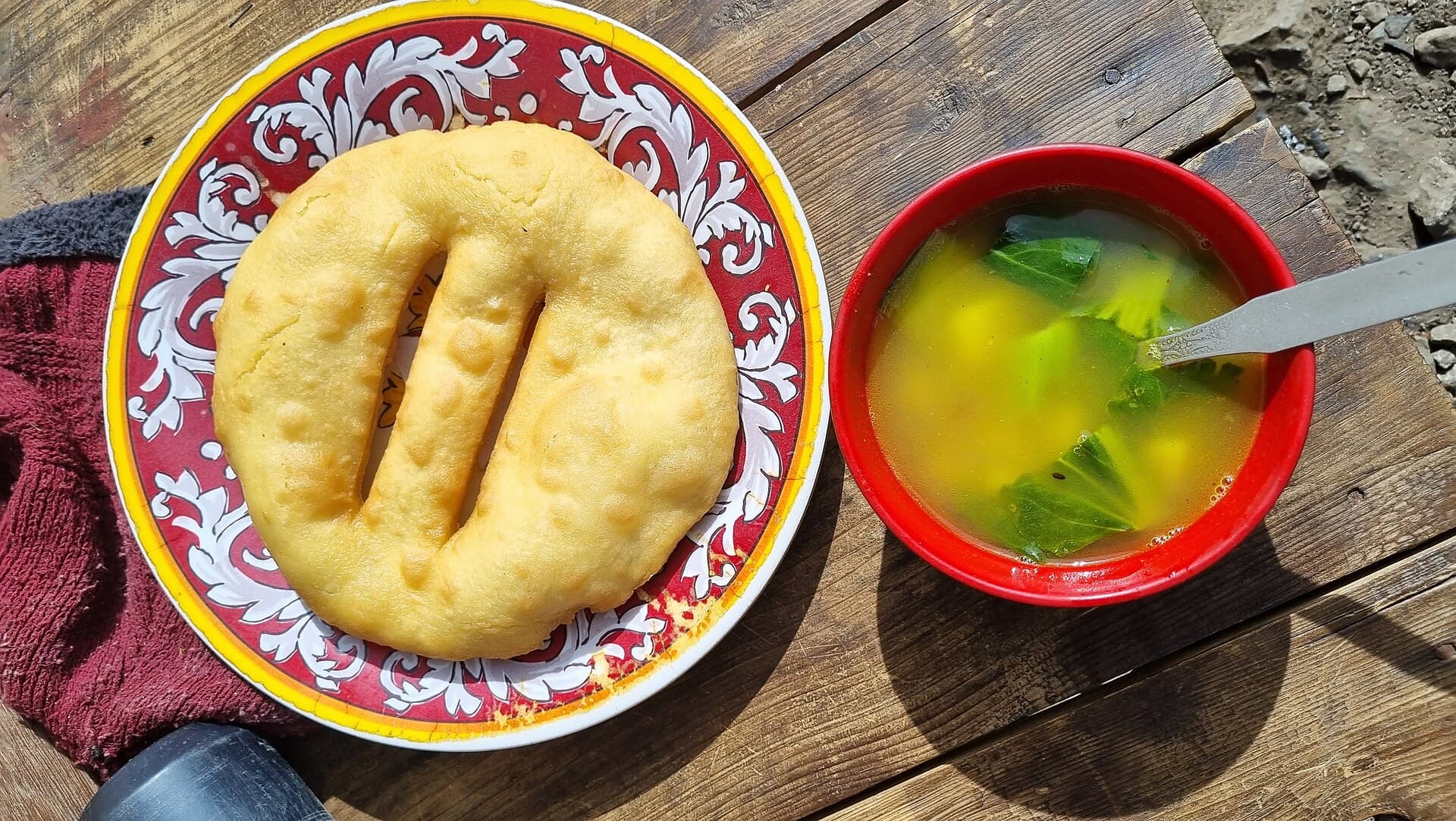
Breakfast
Tibetan bread, eggs, porridge, tsampa, butter tea or ordinary tea
All destinations
All destinationsOne of the most sacred journeys in Asia: walk around Mount Kailash and bathe at Lake Mansarovar on the Tibetan plateau.
Update, September 2026: the flood of 26 August 2026 closed the border at Rasuwagadhi and Kerung and the road to it, and there is no date yet for reopening. Until it reopens we run this trip flying to Lhasa and back, or out through Simikot and Hilsa. Ask us for the current route before you book.
One of the most sacred journeys in Asia: walk around Mount Kailash and bathe at Lake Mansarovar on the Tibetan plateau.
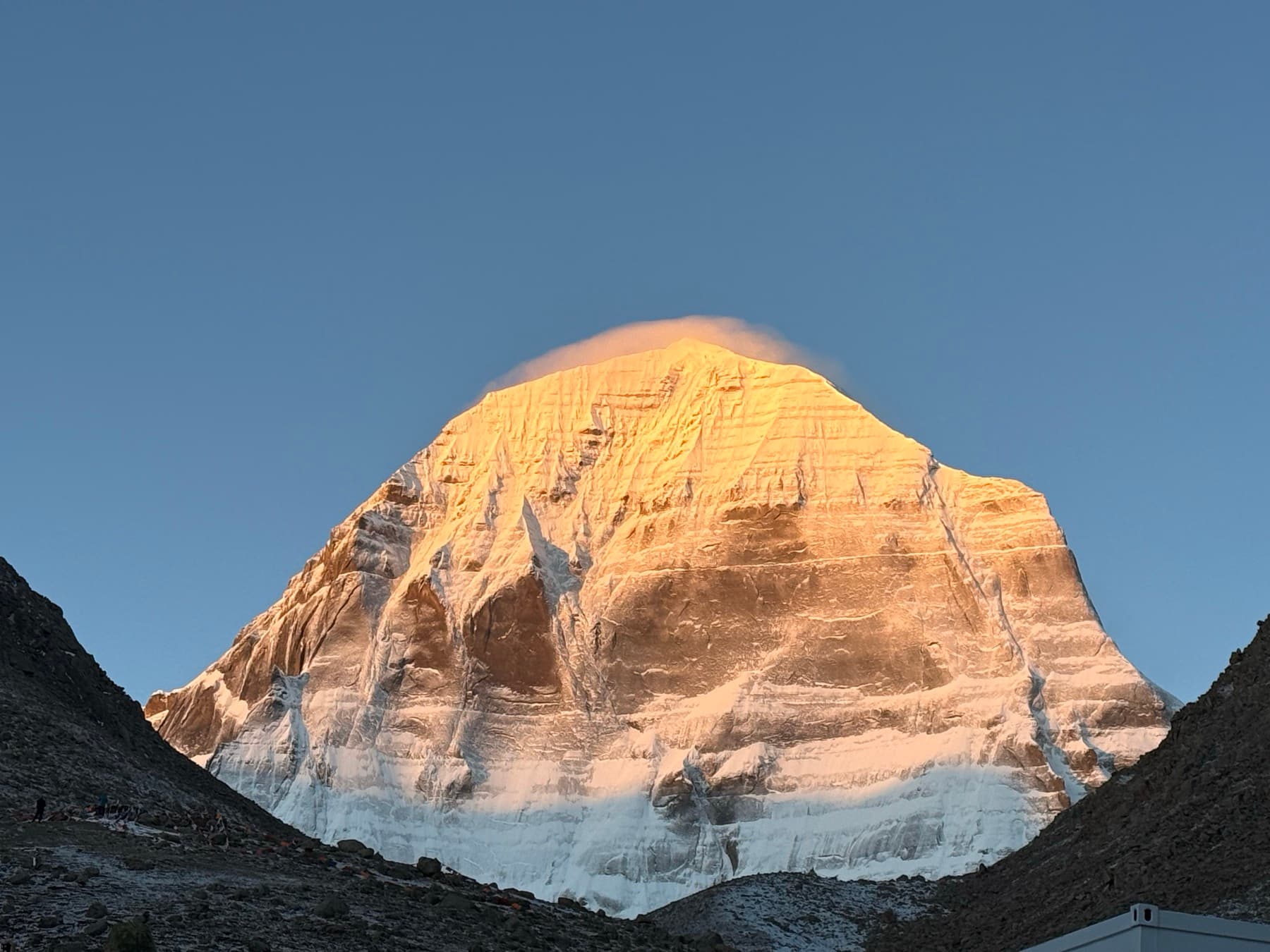
This is a pilgrimage rather than a trek, and the difference affects what it requires of you. Ten of the fourteen days are spent flying, driving and acclimatising; three are spent walking the 52 km circuit of Mount Kailash, crossing a 5,630 m pass on the second day. Kailash is sacred to Hindus as the abode of Shiva, to Buddhists as the home of Demchok, to Jains as the place where Rishabhanatha attained liberation, and to followers of Bon as the seat of their spiritual power. Nobody has climbed it, and climbing it is not permitted.
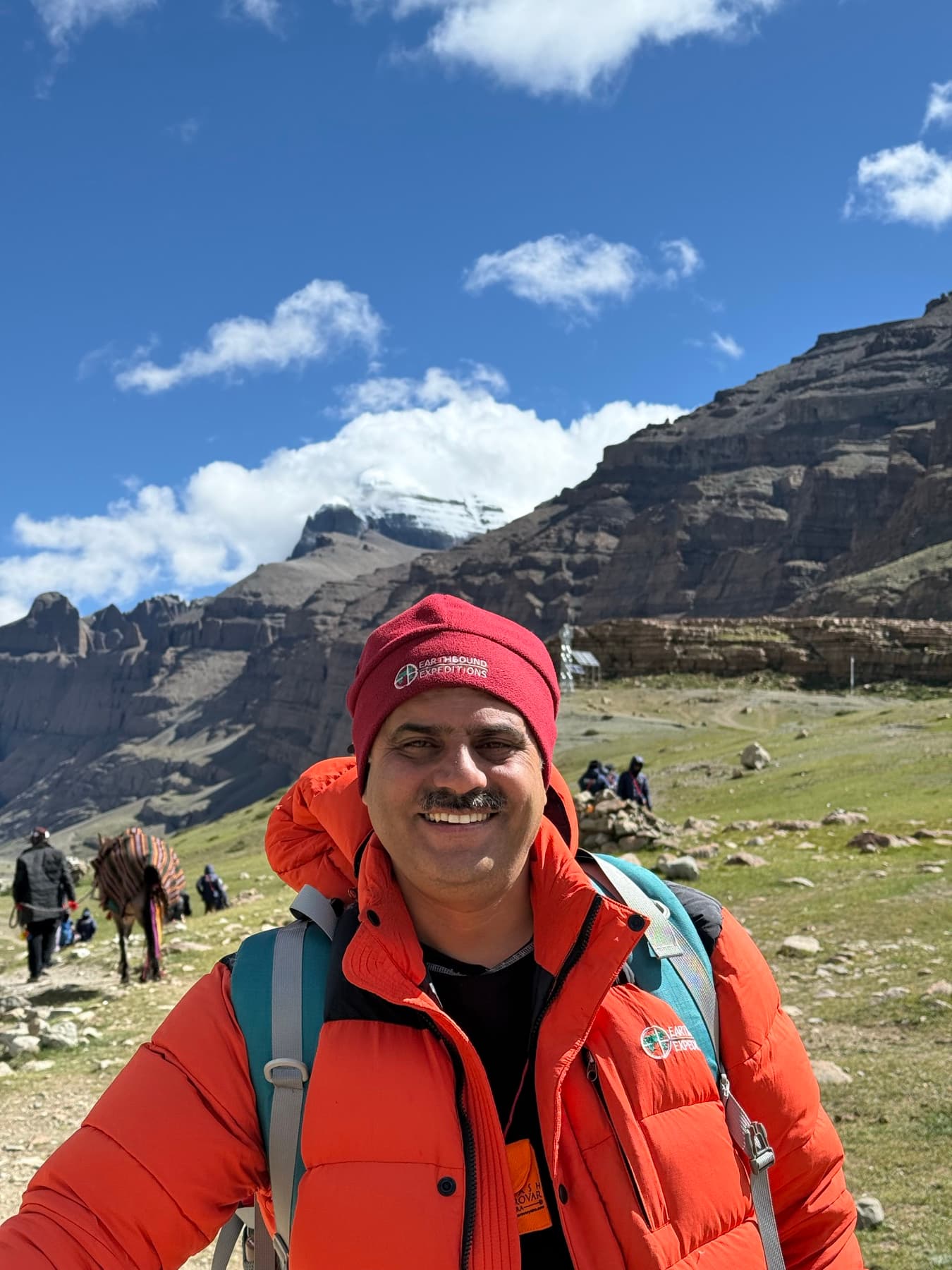
The kora is fifty-two kilometres over three days, walked anticlockwise by followers of Bon and clockwise by everyone else. Day one is 14 km along a gradually rising valley to Dirapuk, directly below the north face. Day two is the most difficult: 18 km over the Dolma La at 5,630 m, past Gauri Kund lake, followed by a long, steep descent. Day three is 8 km on easy ground to Darchen. Horses and yaks are available for the whole circuit and many pilgrims use them, but everyone walks over the Dolma La, because horses cannot be ridden across it.
The whole trip is at high altitude, and almost all the height is gained by aircraft and vehicle rather than on foot. You fly from Kathmandu at 1,400 m to Lhasa at 3,656 m in one morning, then drive to 4,350 m at Saga and 4,600 m at Mansarovar, sleeping higher each night. By the time you start the kora, you have spent five nights above 3,600 m without walking to any of them. This is more demanding for acclimatisation than any of our treks, which is why the itinerary is fourteen days rather than ten.
The Tibetan Fire Horse year runs from 17 February 2026 to 5 February 2027. A kora walked in a Horse year is believed to carry the merit of thirteen ordinary koras. This happens once every twelve years, and Kailash is much busier as a result. If the merit is important to you, this is the year to go. If you prefer a quieter visit, next year will be less crowded.
We meet you at the airport and take you to your hotel. In the evening there is a briefing about the tour.
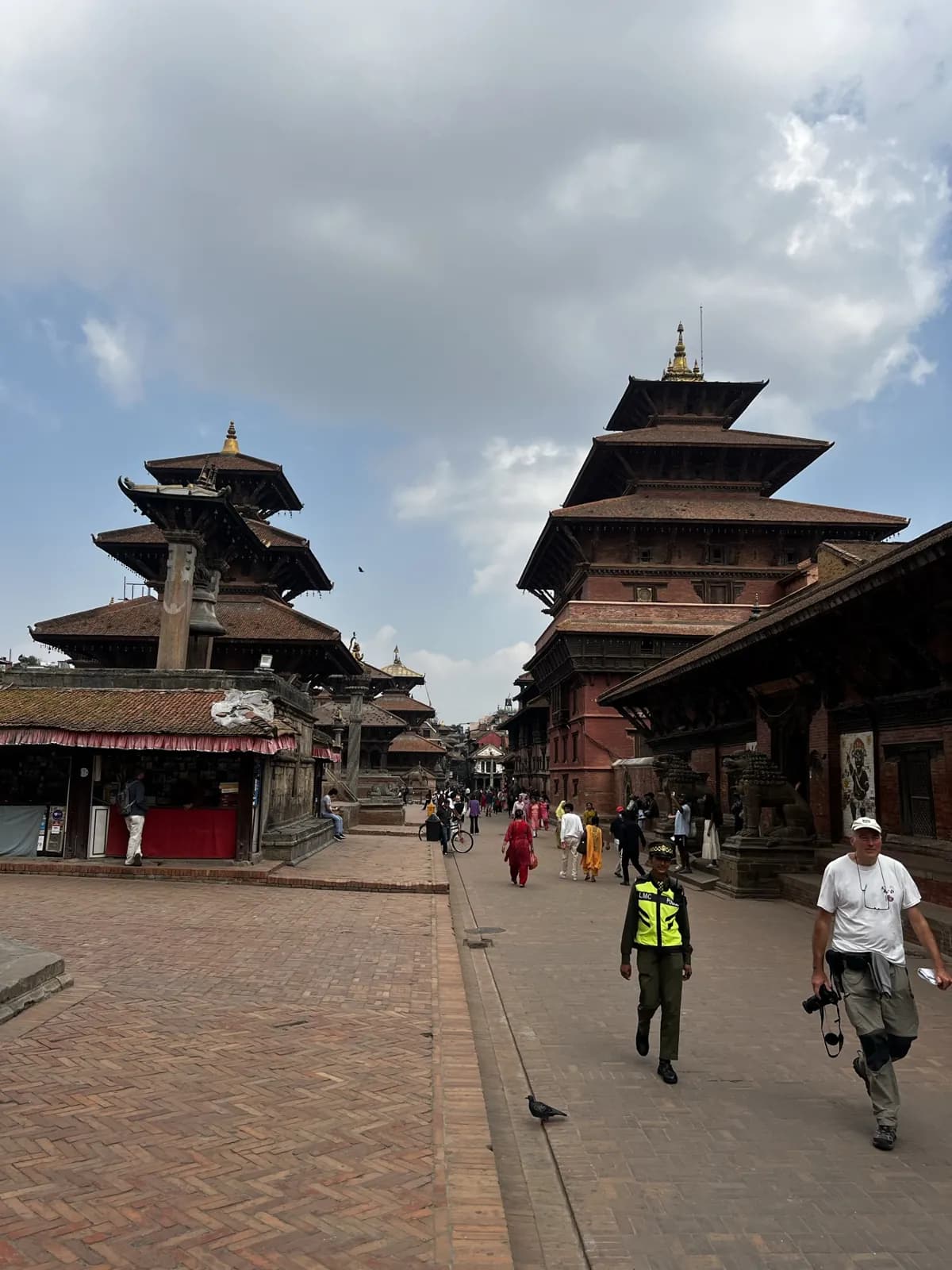
Morning puja and rituals at Pashupatinath Temple and a visit to the Sleeping Vishnu. Then drive to the hill station of Nagarkot for the views and acclimatisation.
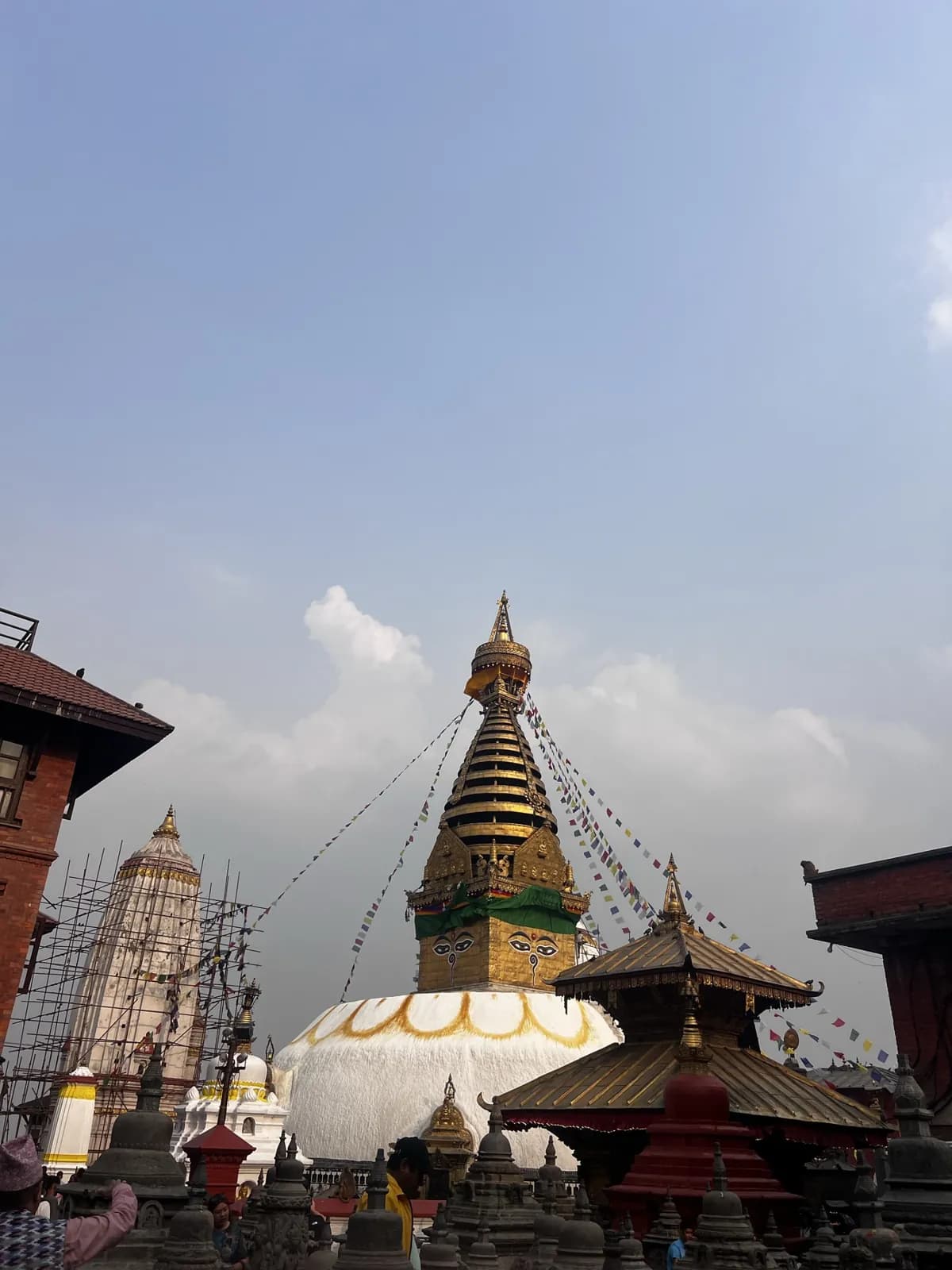
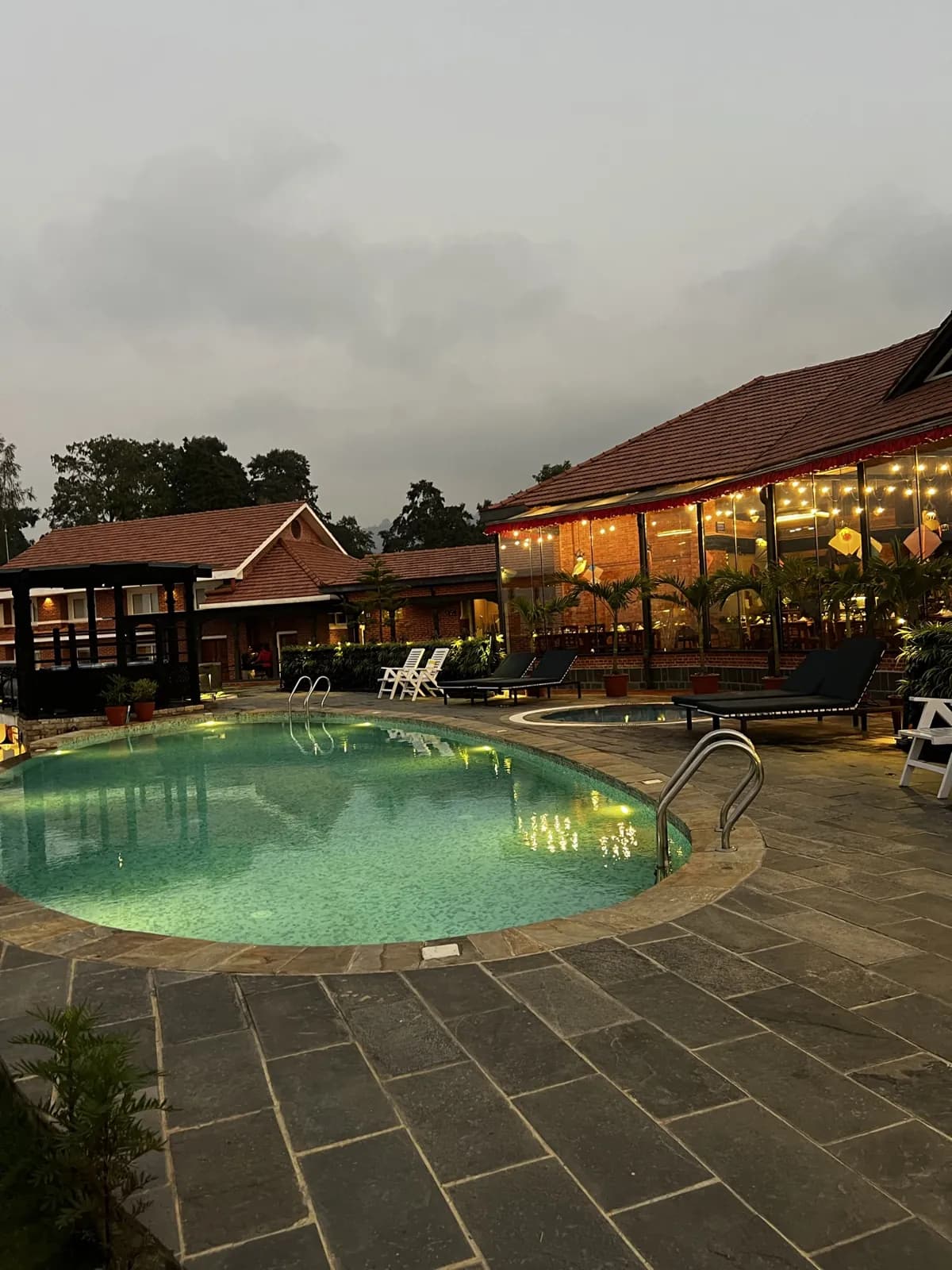
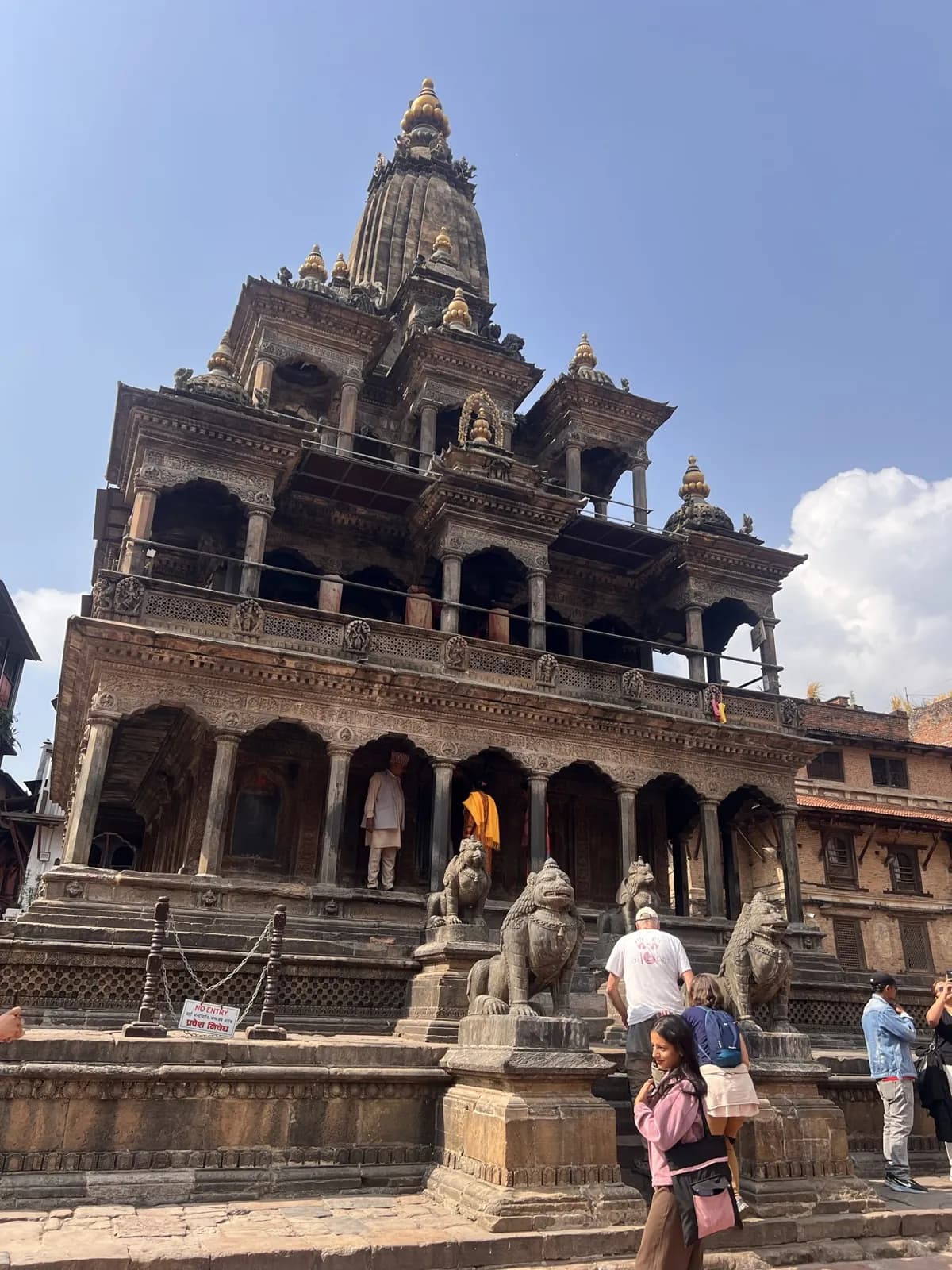
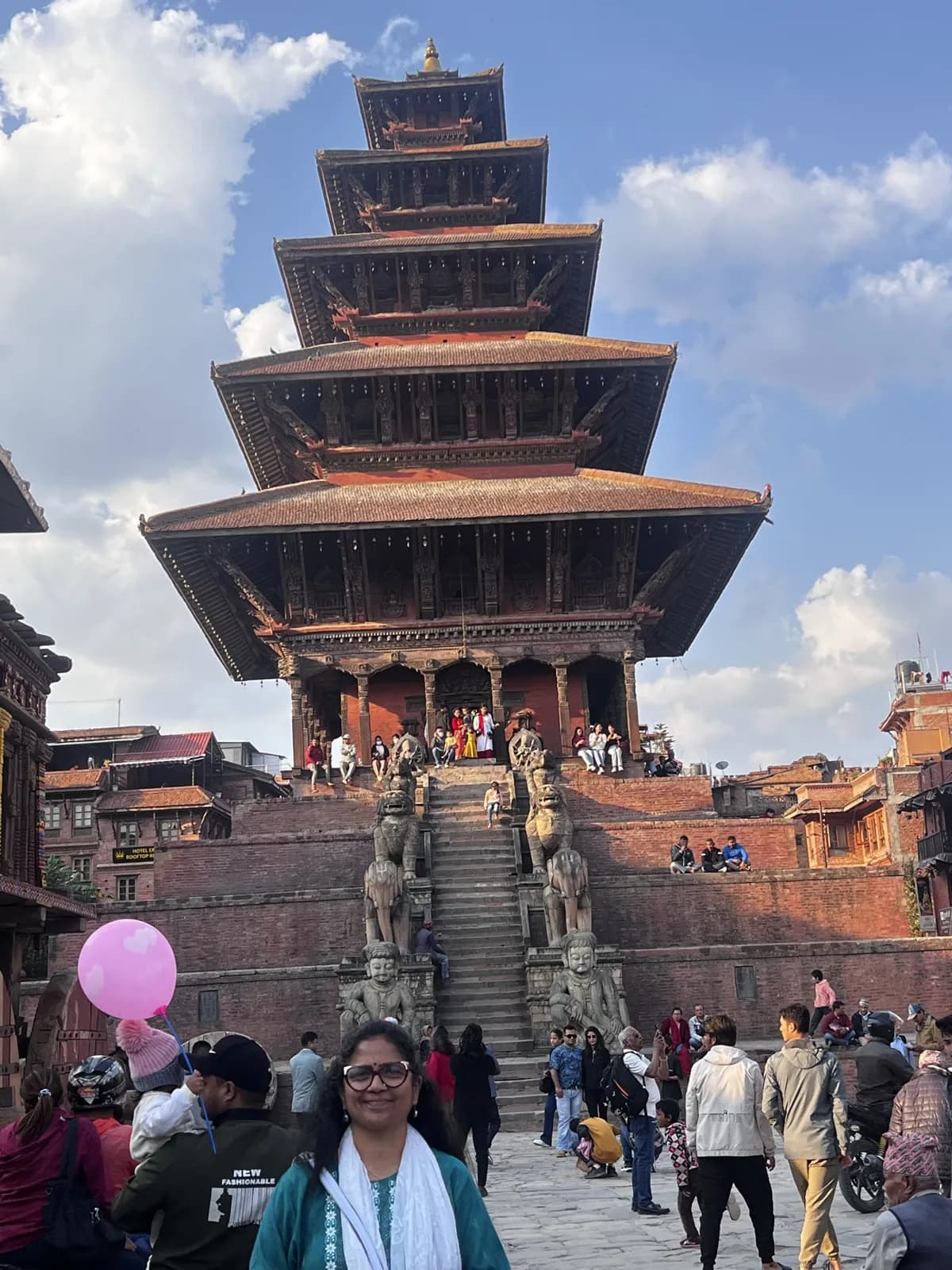
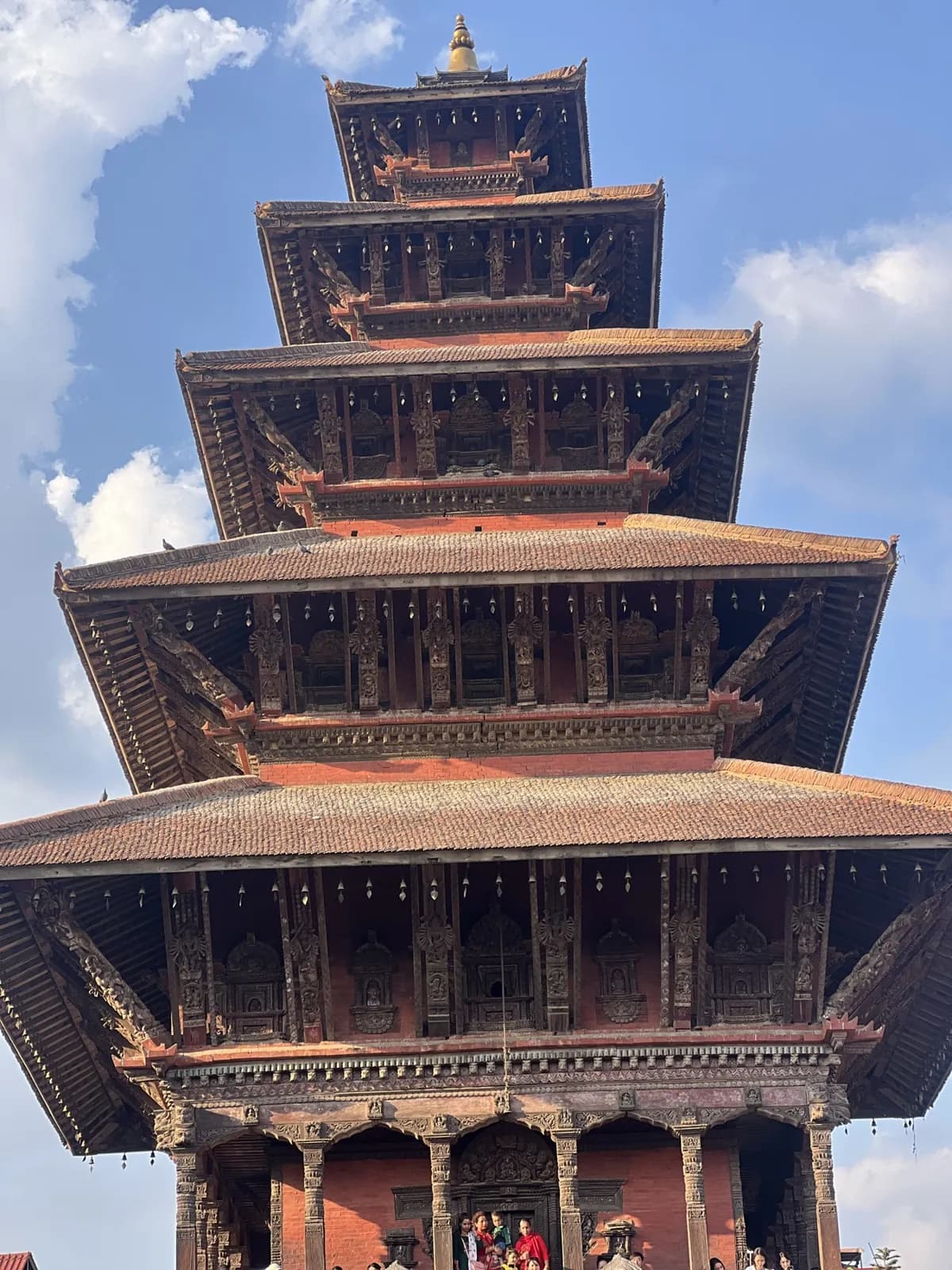
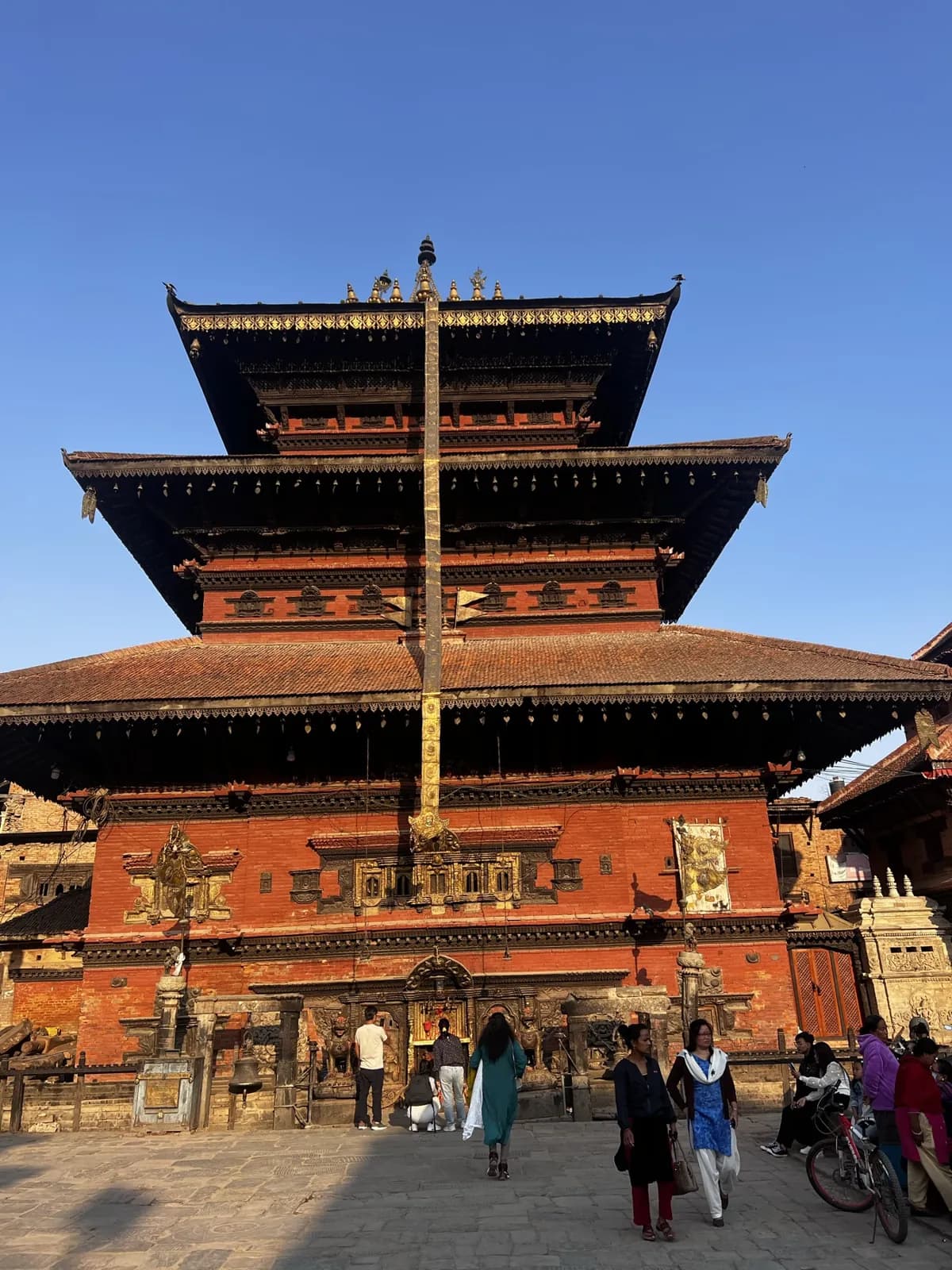
Watch the sunrise and mountain views from Nagarkot. On the drive back, visit Doleshwor Mahadev and Patan Durbar Square.
Early morning flight to the holy city of Lhasa in Tibet. Transfer to the hotel for the night.
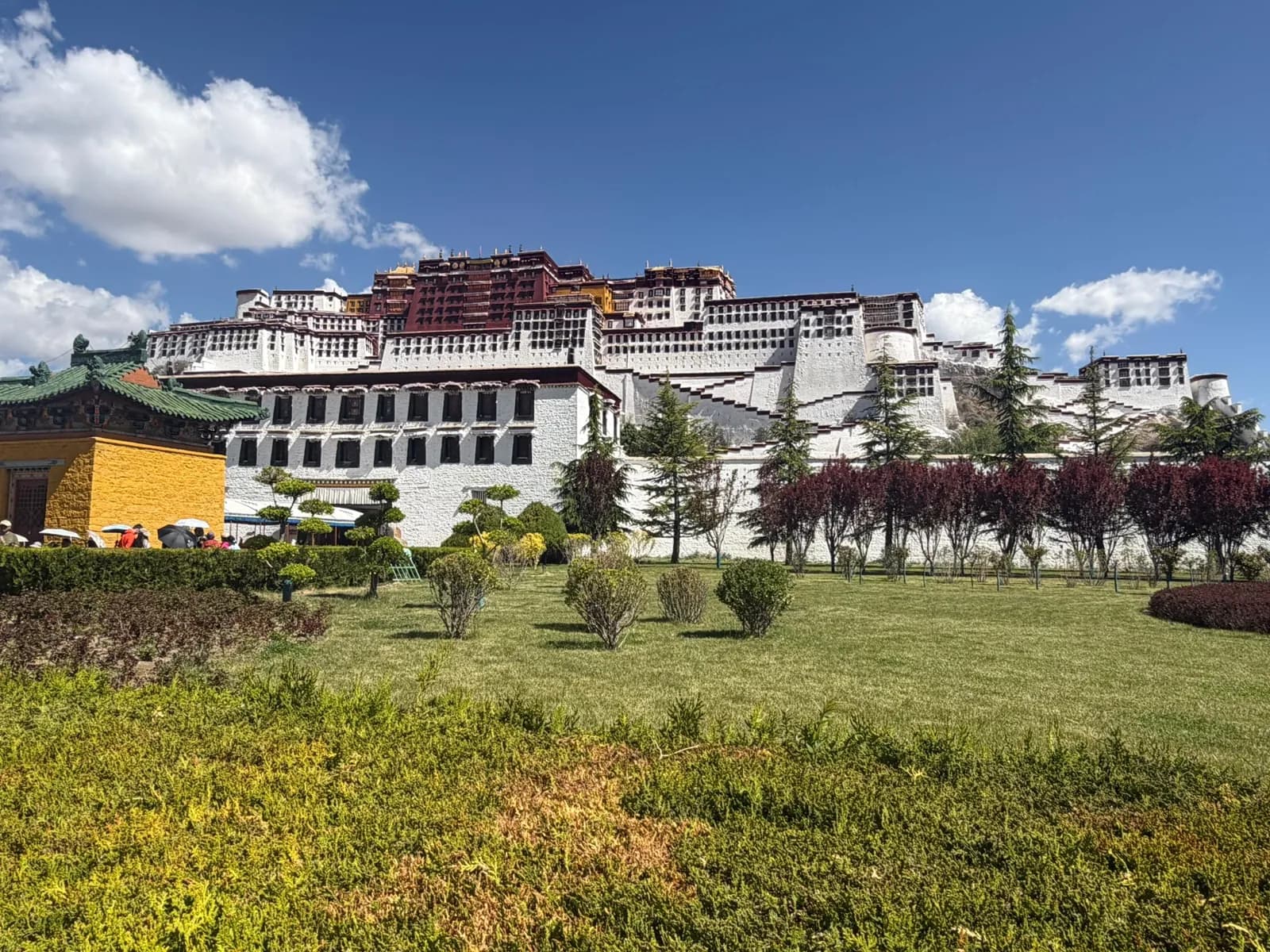
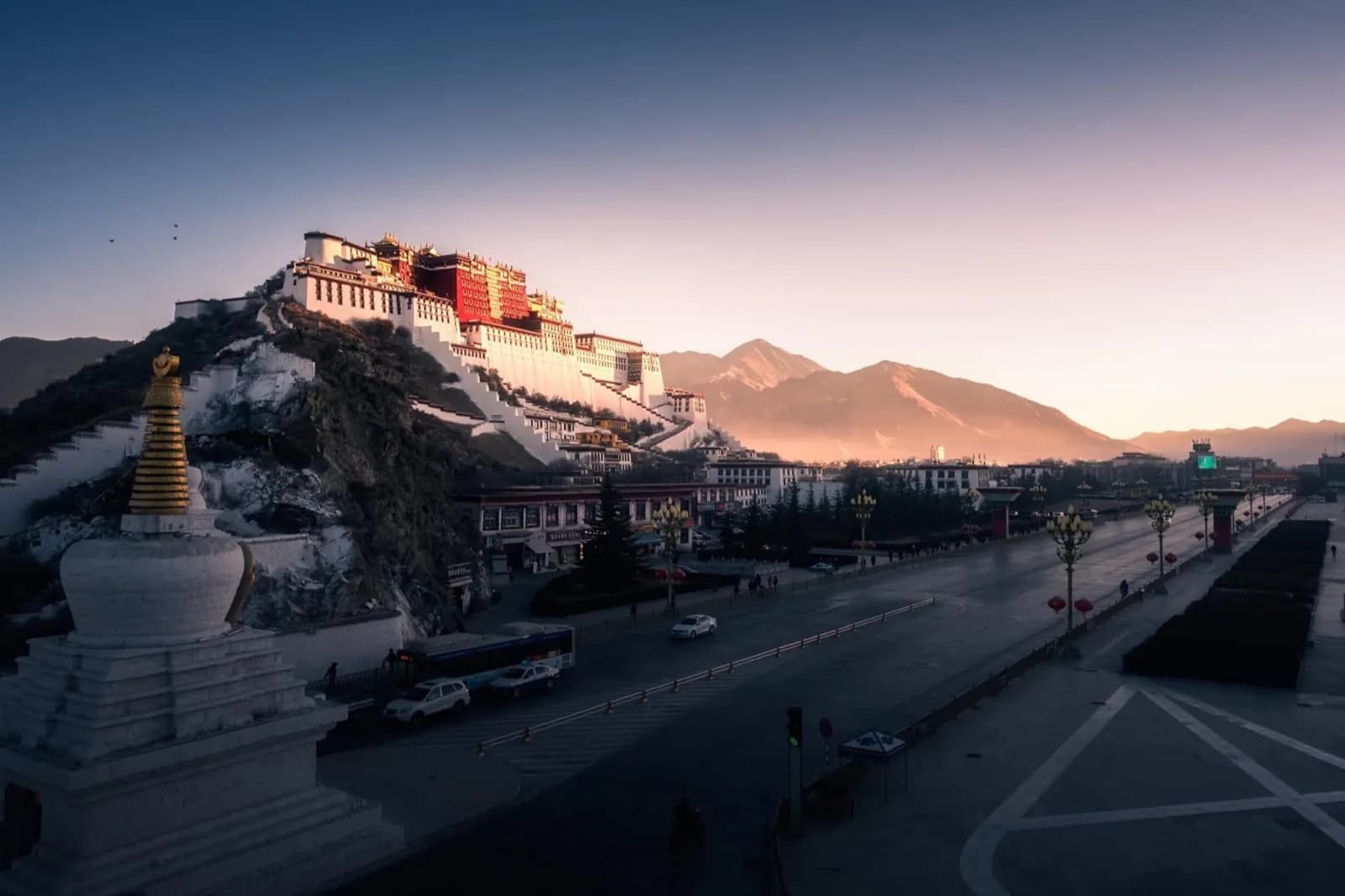
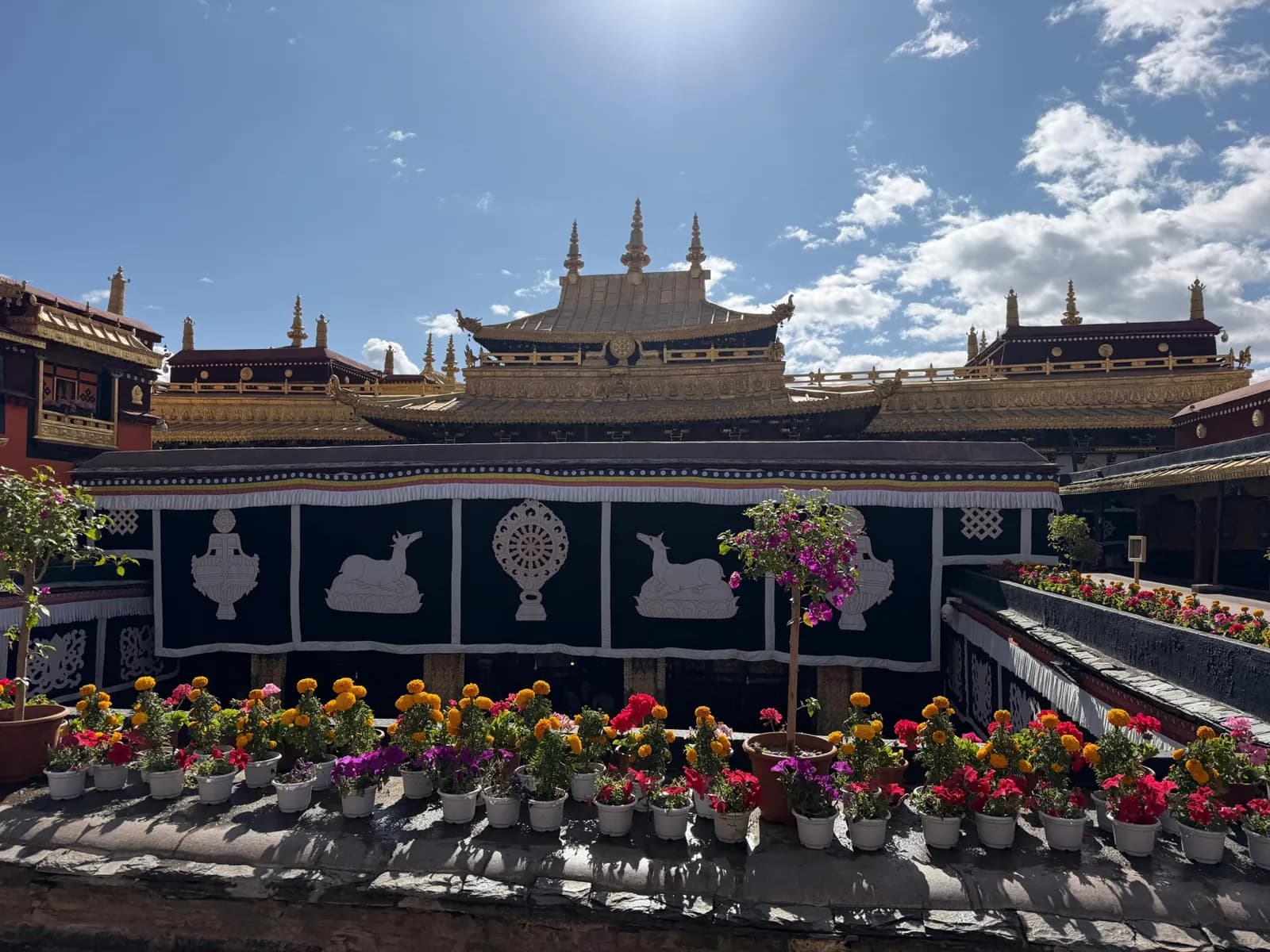
Visit the Potala Palace, the former residence of the Dalai Lama, and the Jokhang Monastery, and explore the Barkhor market.
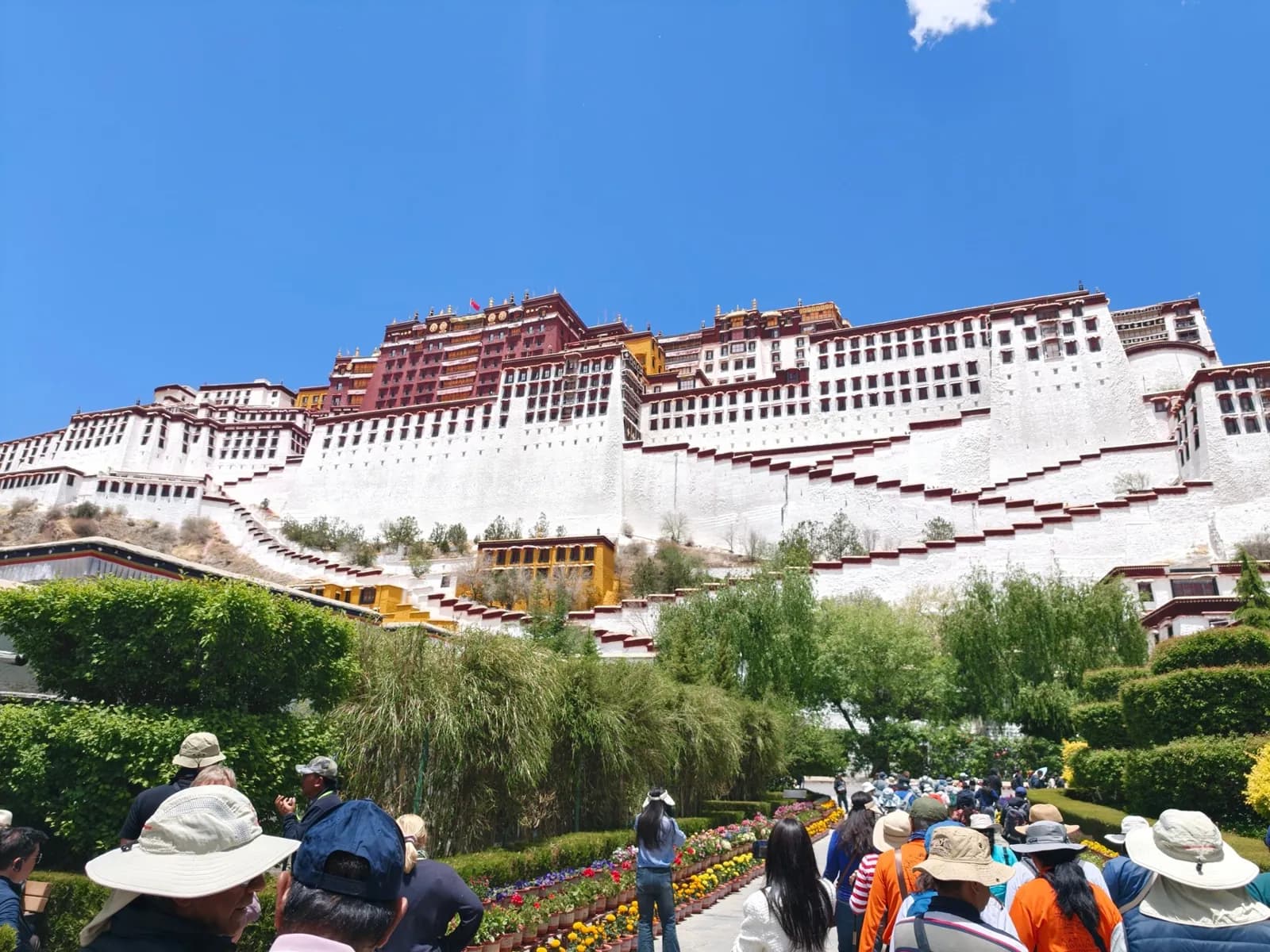
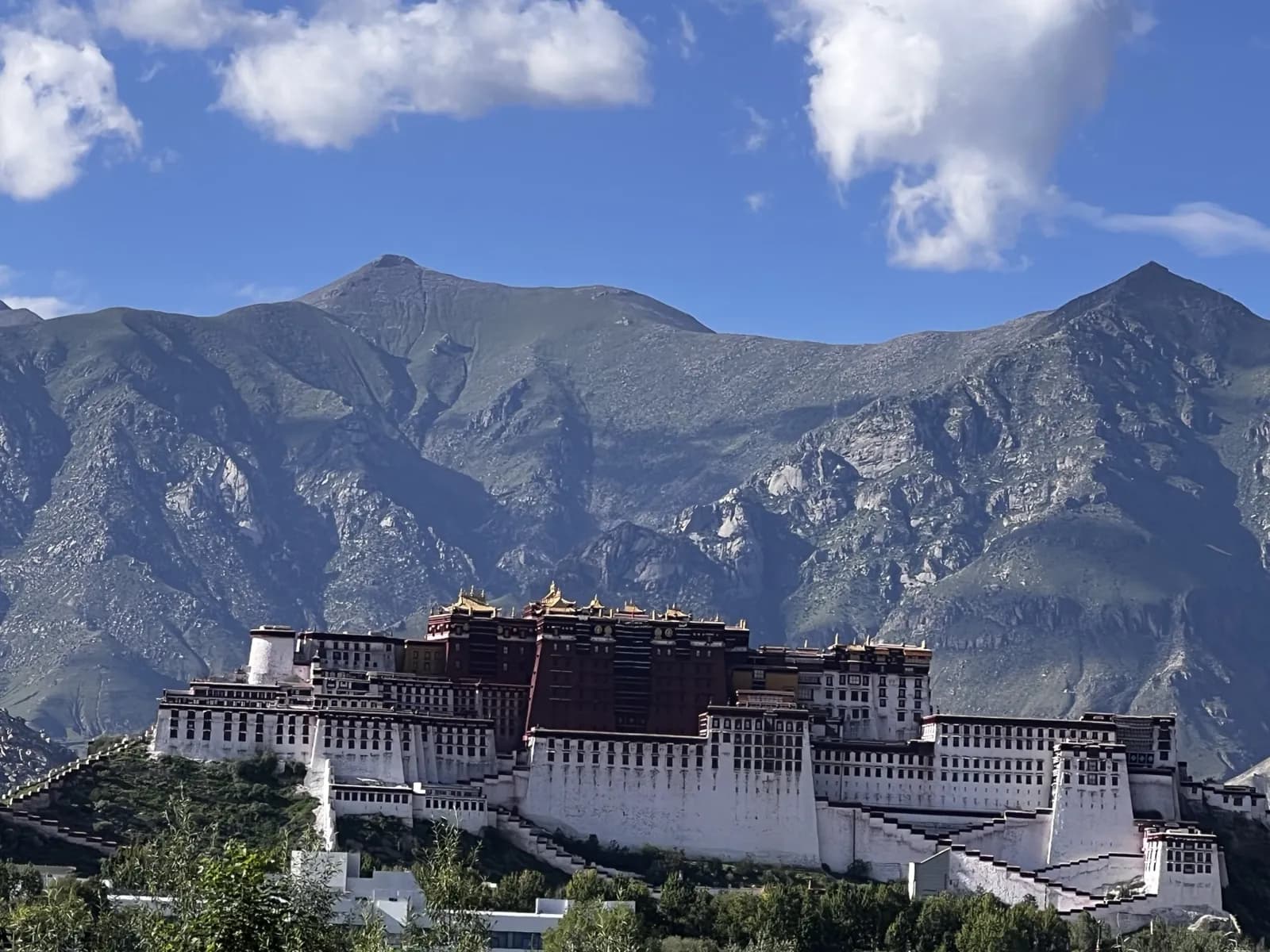
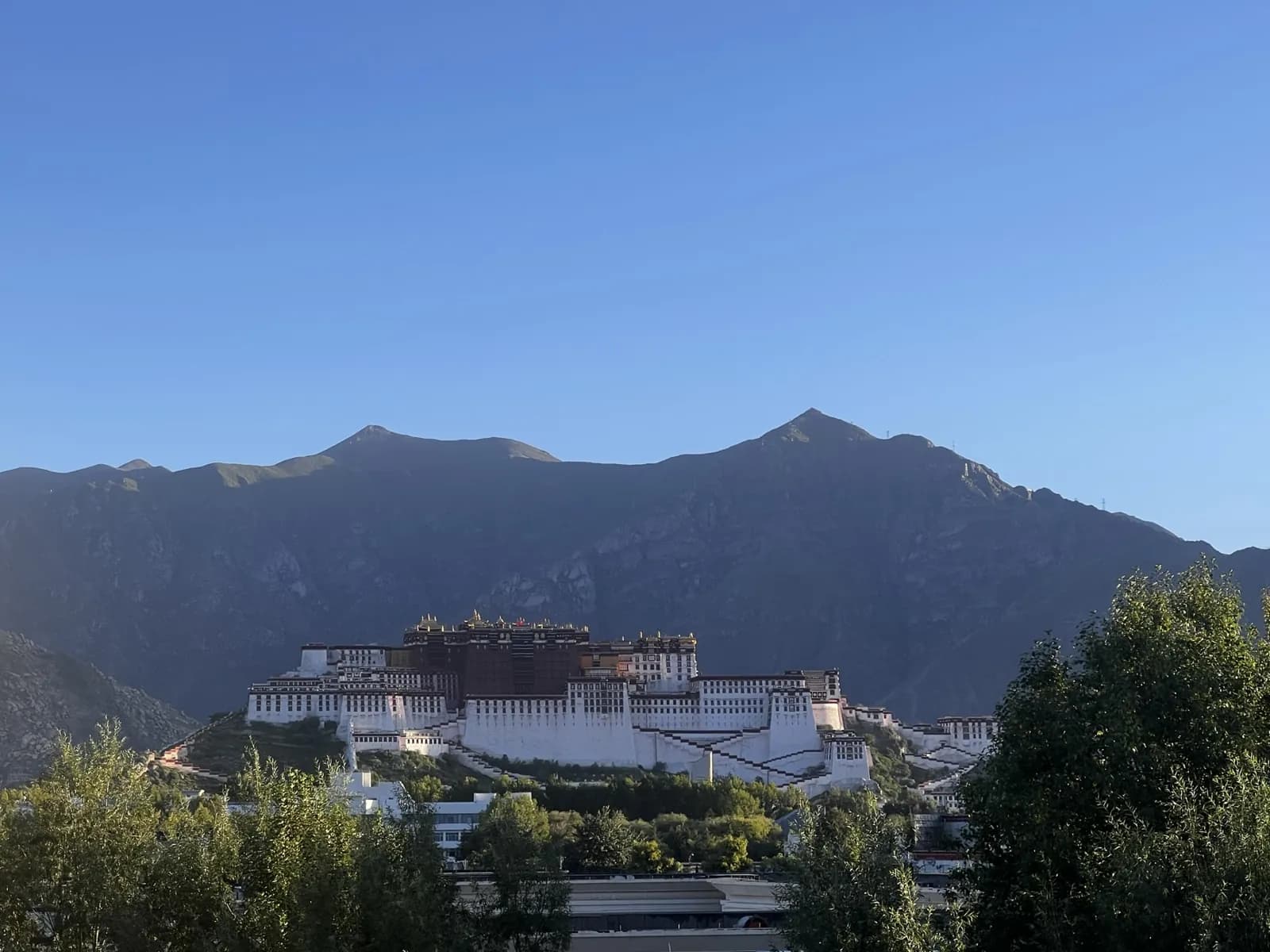
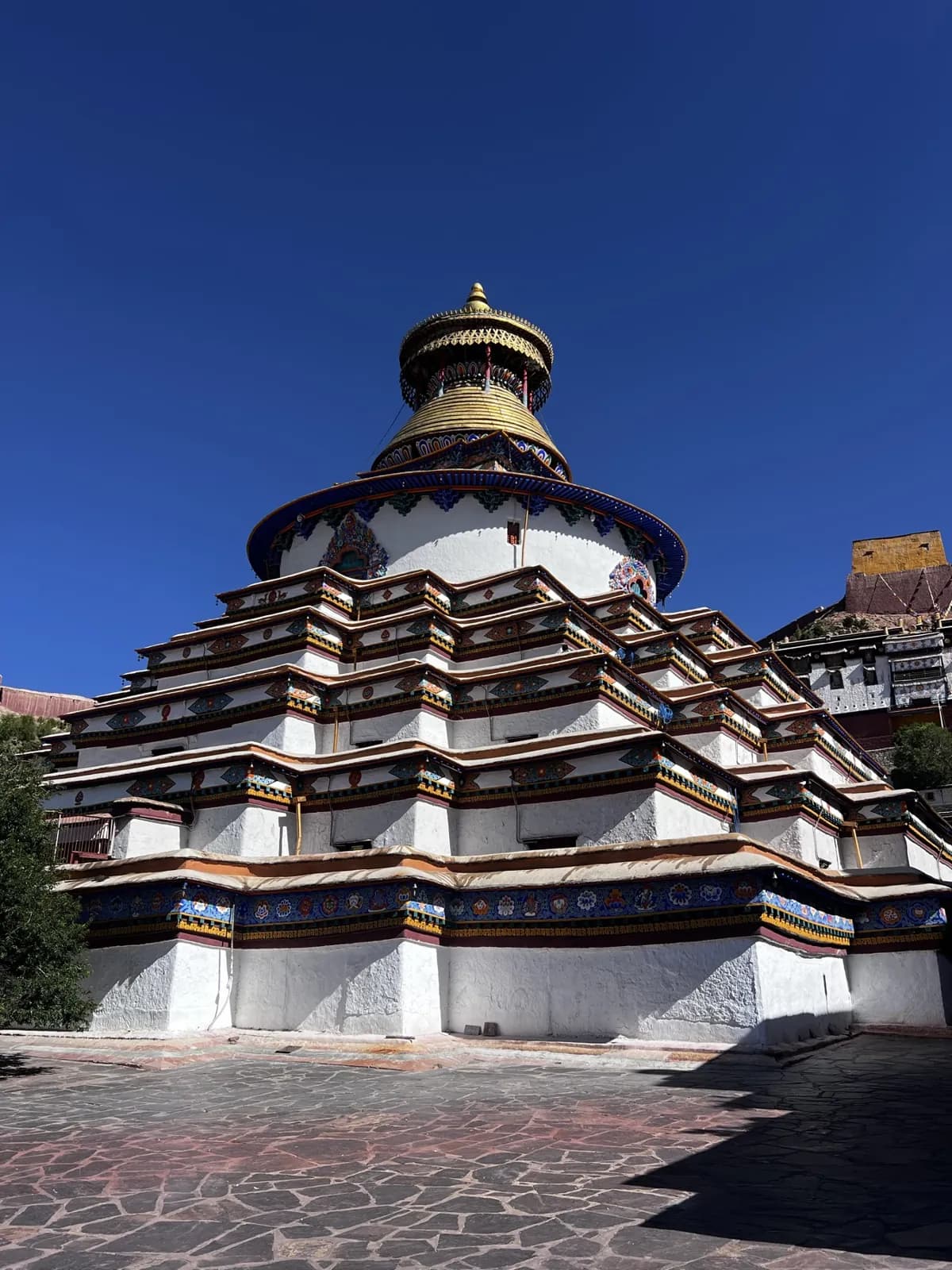
Drive to Shigatse, the second-largest city in Tibet, and visit Tashilhunpo Monastery, the seat of the Panchen Lama.
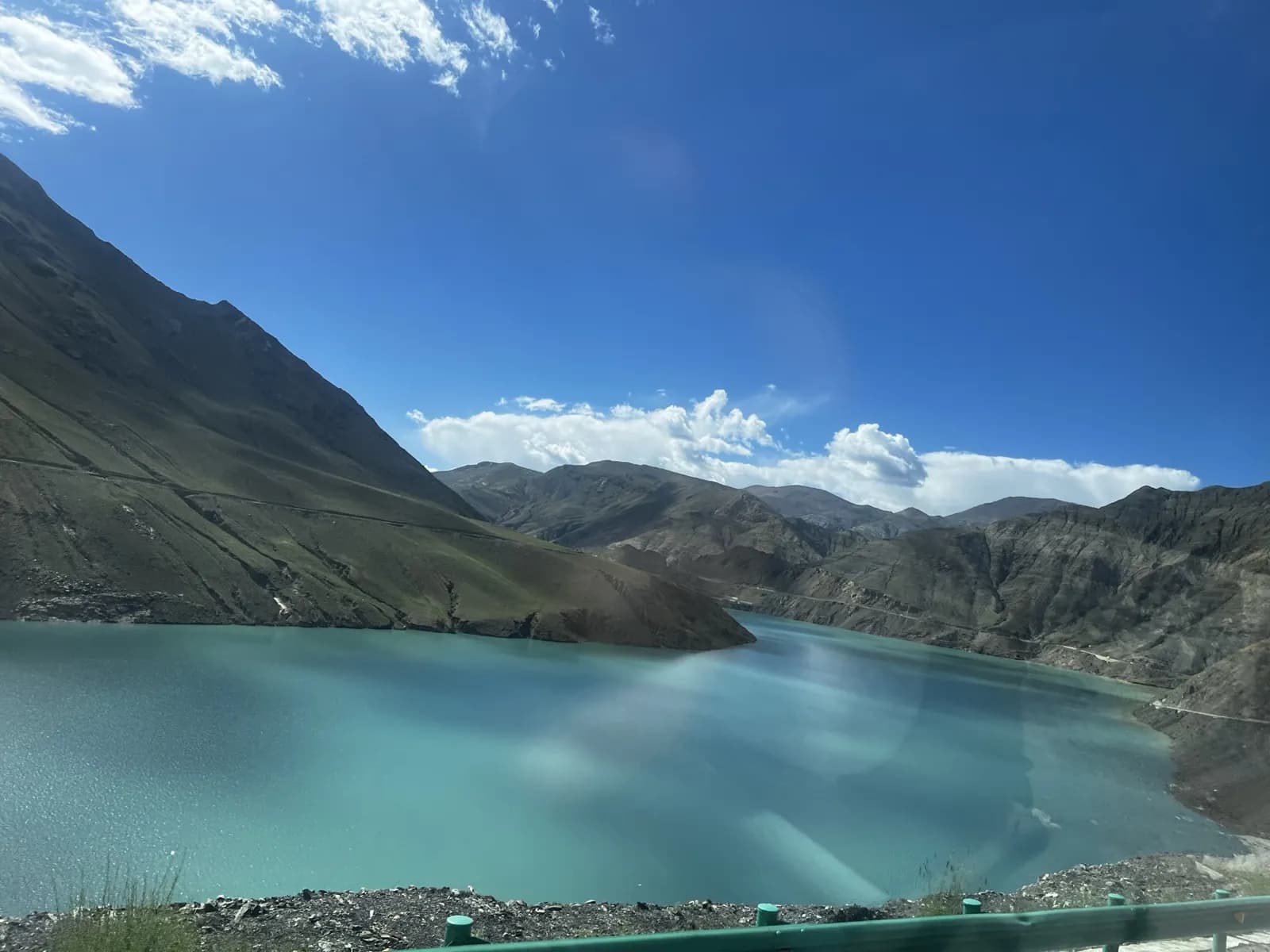
Drive through colourful landscapes to Saga. Overnight in Saga.
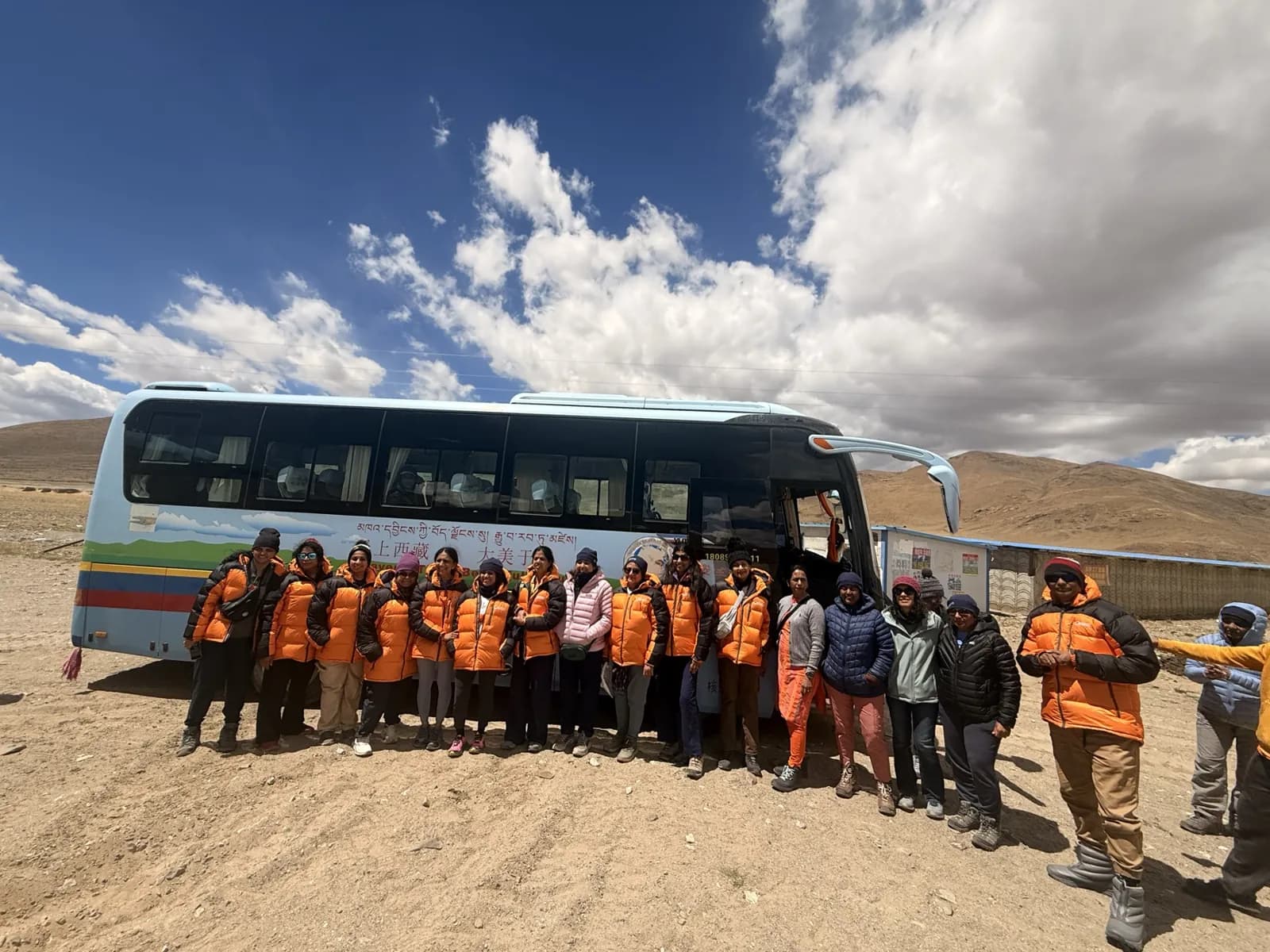
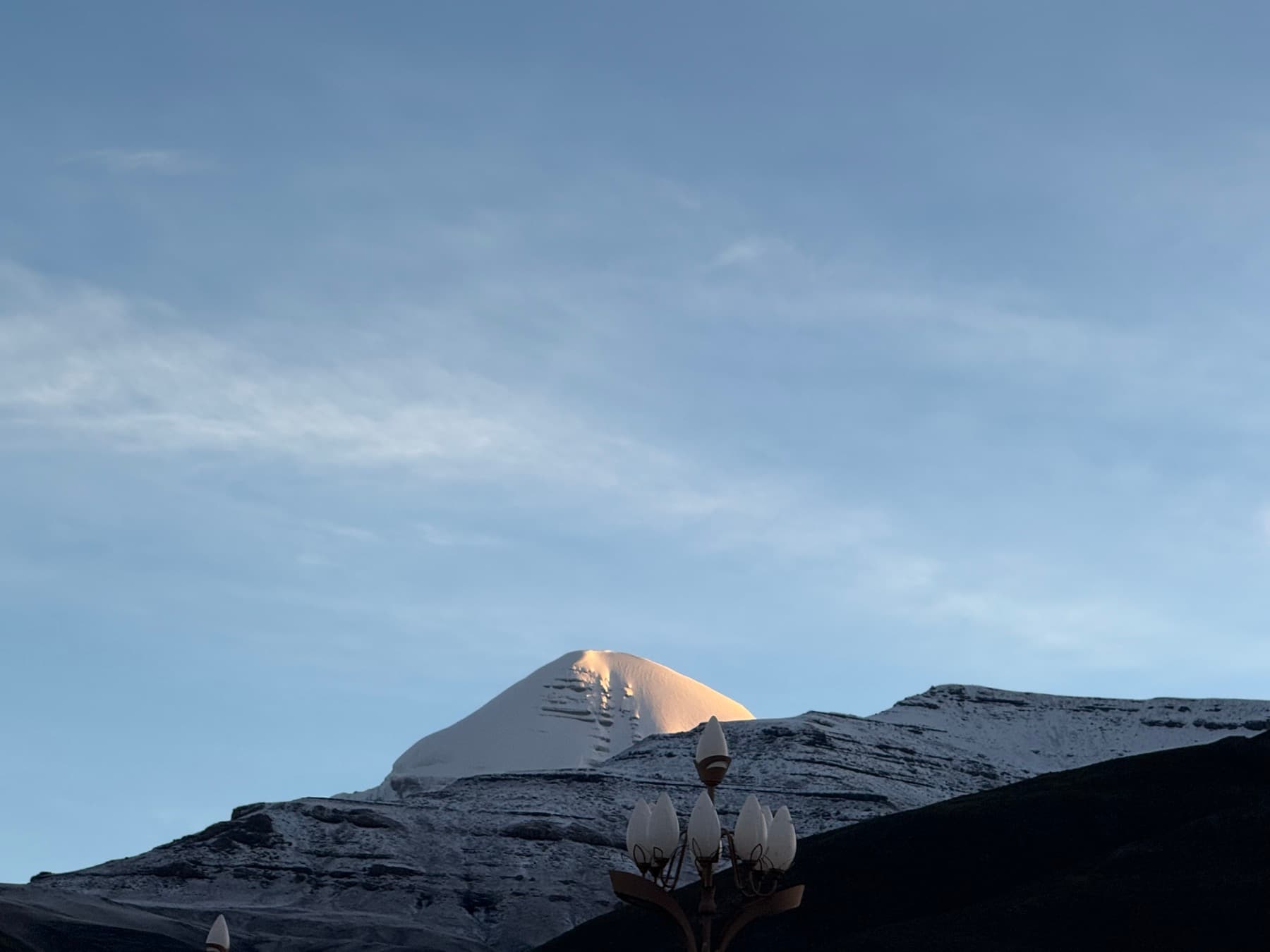
Your first views of Lake Mansarovar and Mount Kailash from the Horr Chu Pass. Complete the circuit of the lake by bus and stay overnight on the lakeshore.
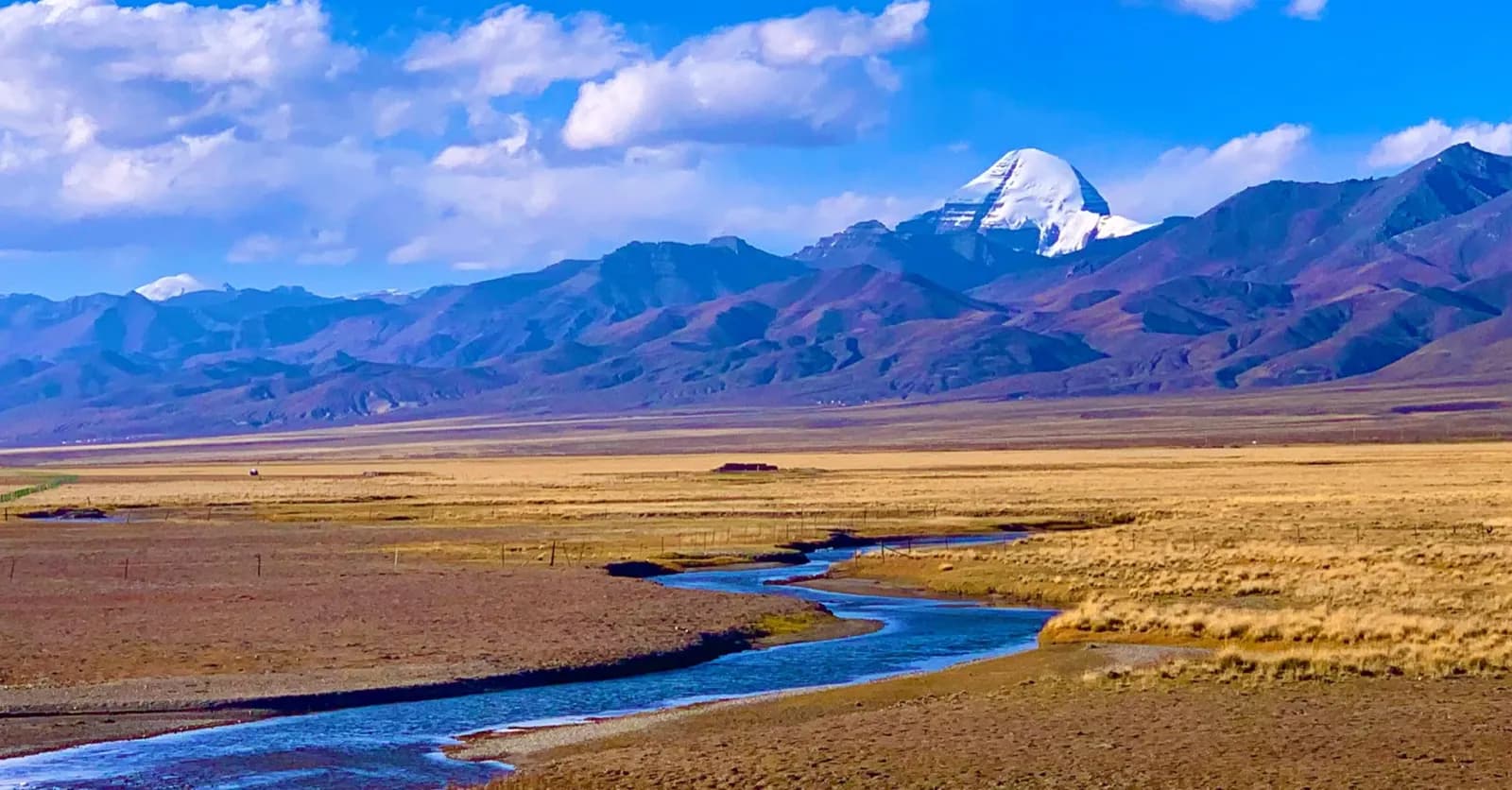
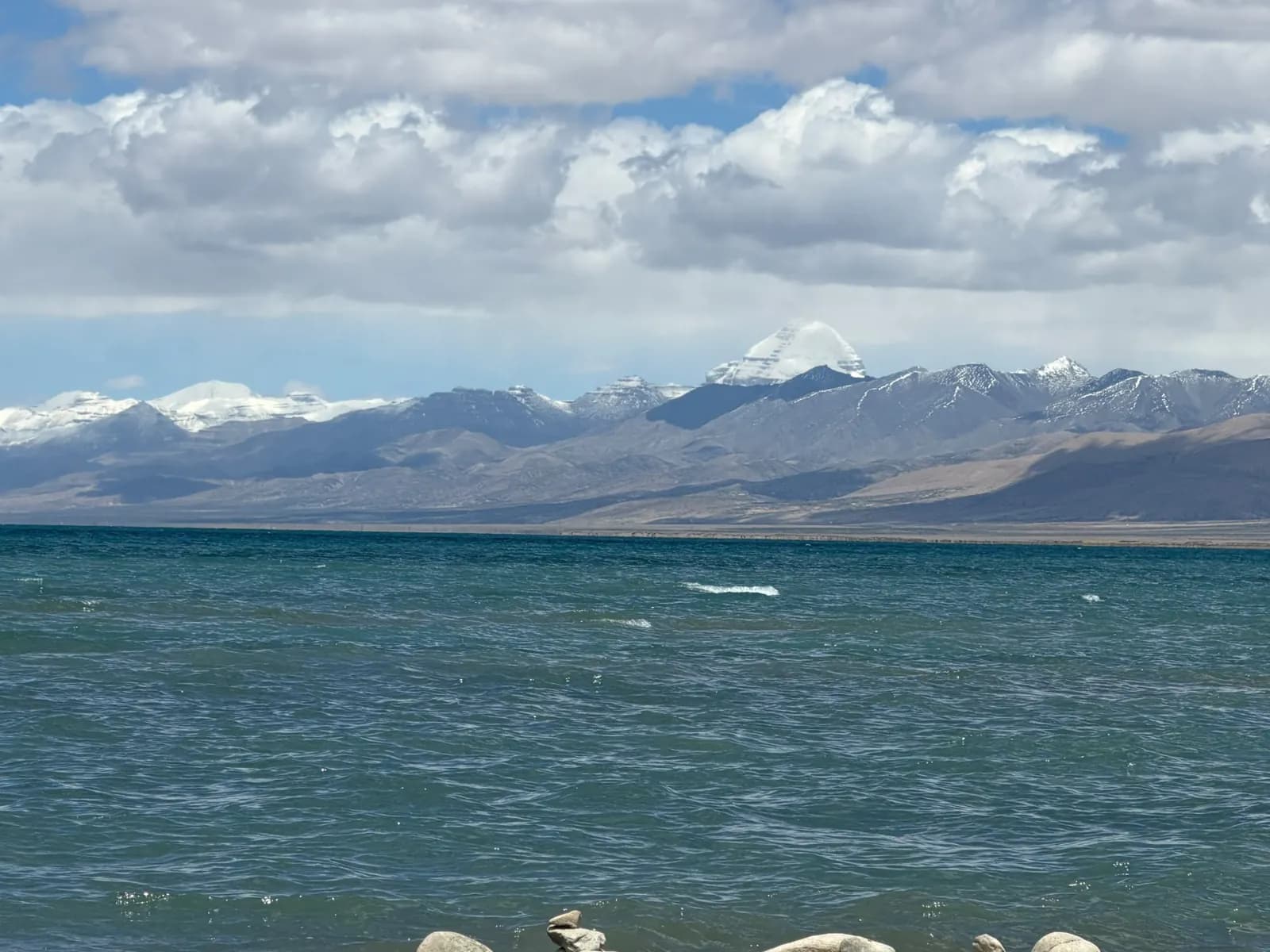
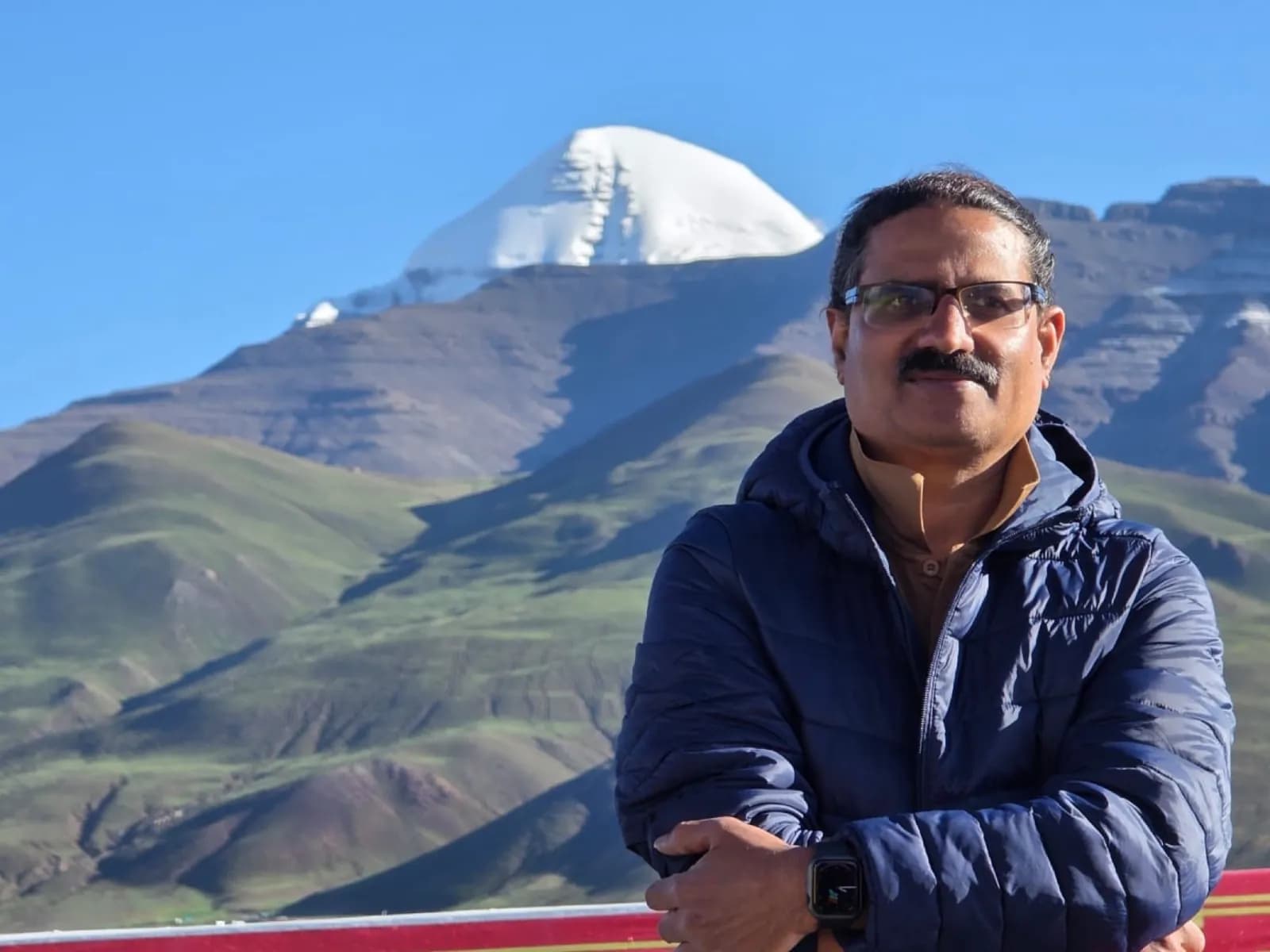
An acclimatisation day with bathing and religious ceremonies, and preparation for the three-day Kailash trek.
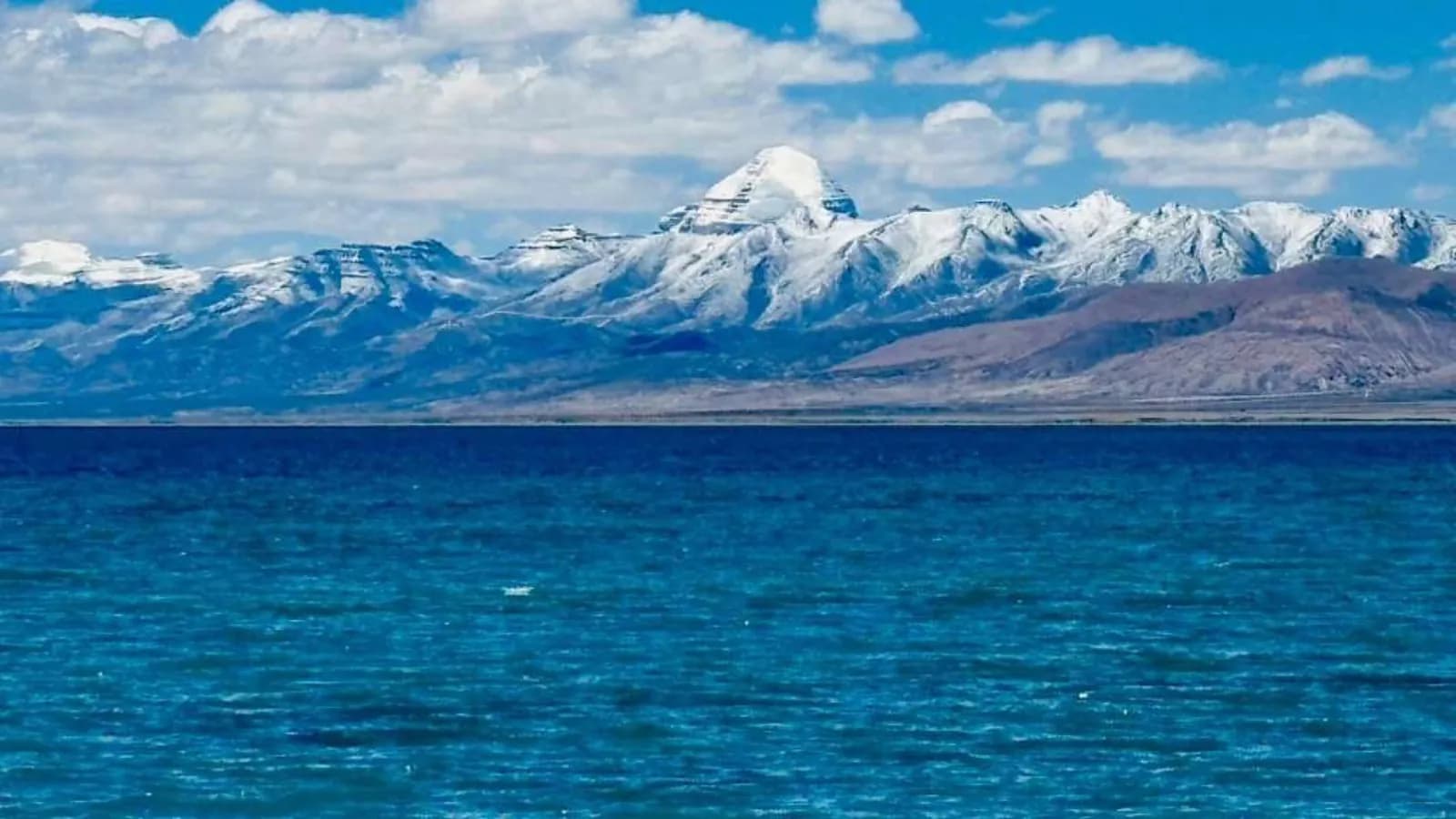
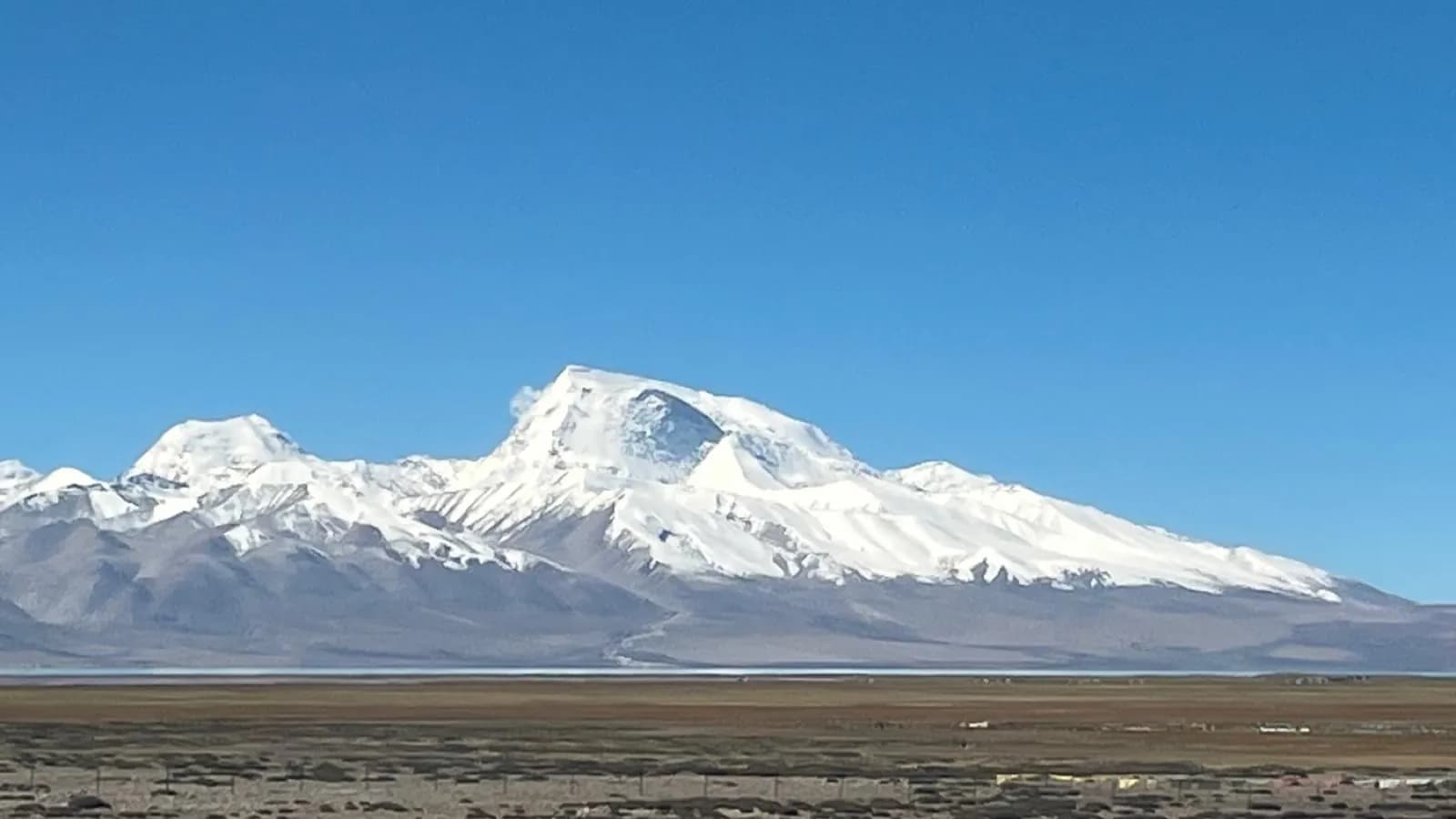
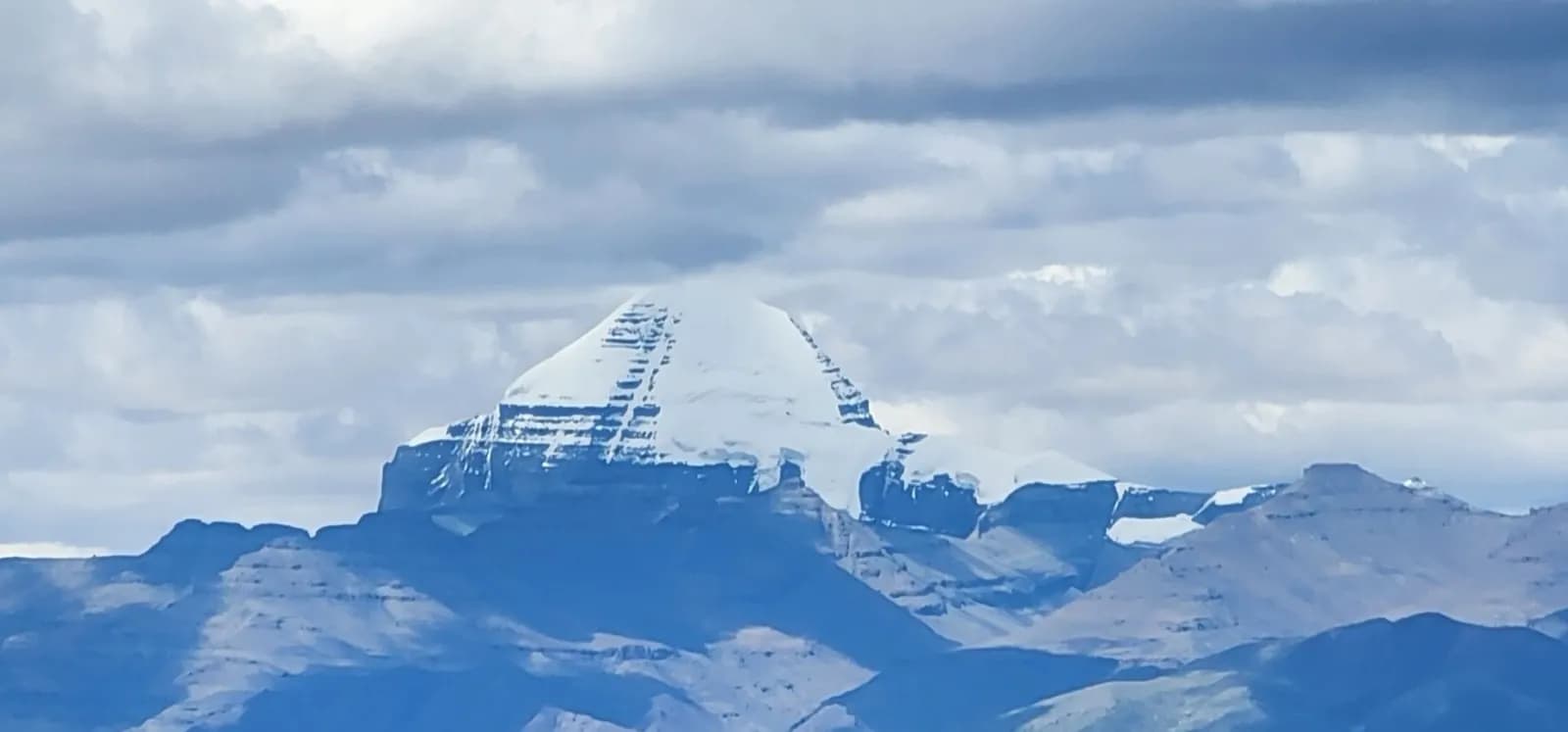
Drive to Darchen and then to Tarboche (Yama Dwar), and begin a 14 km trek with close views of the north face of Kailash. Horses and yaks are available.
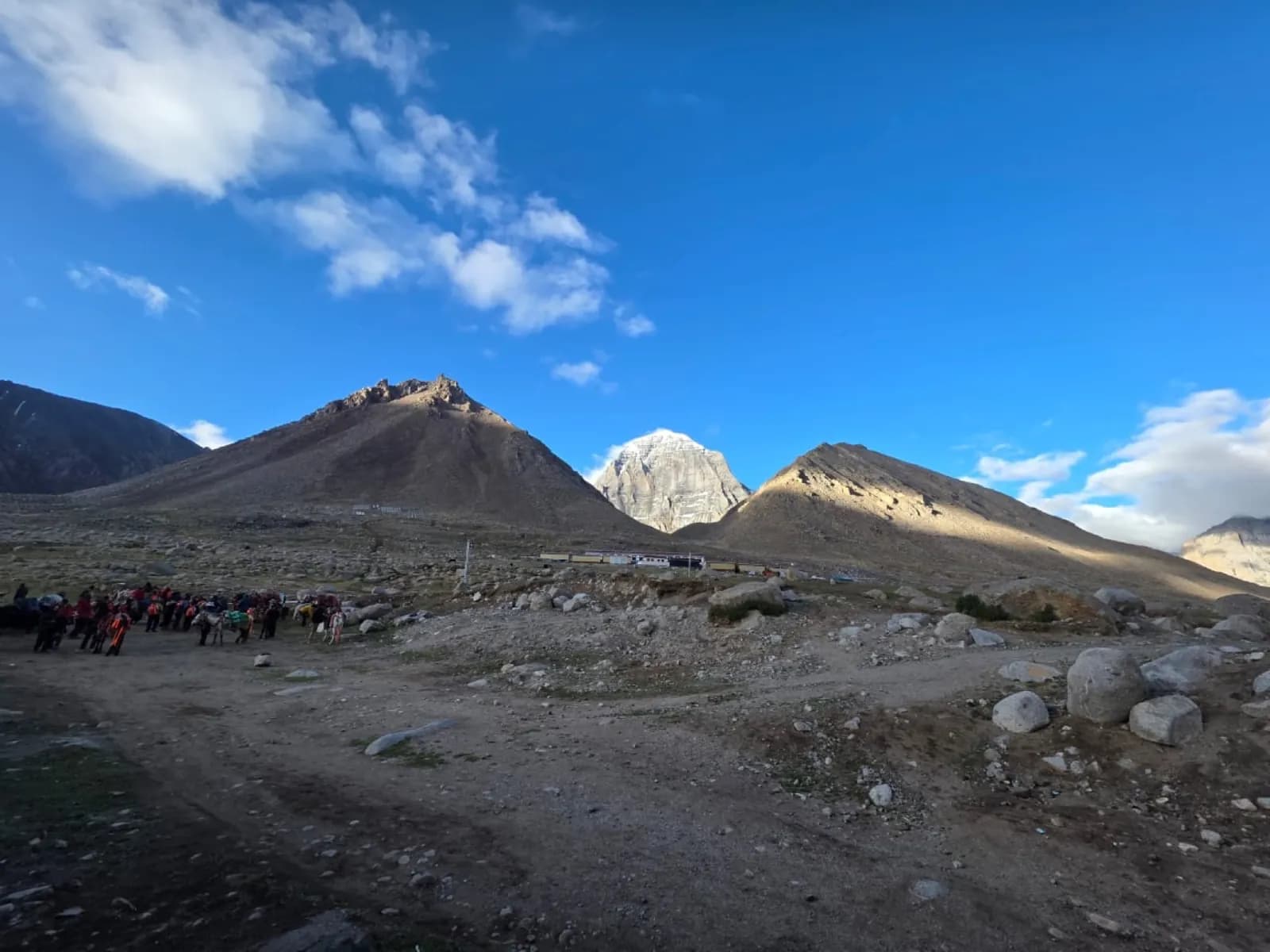
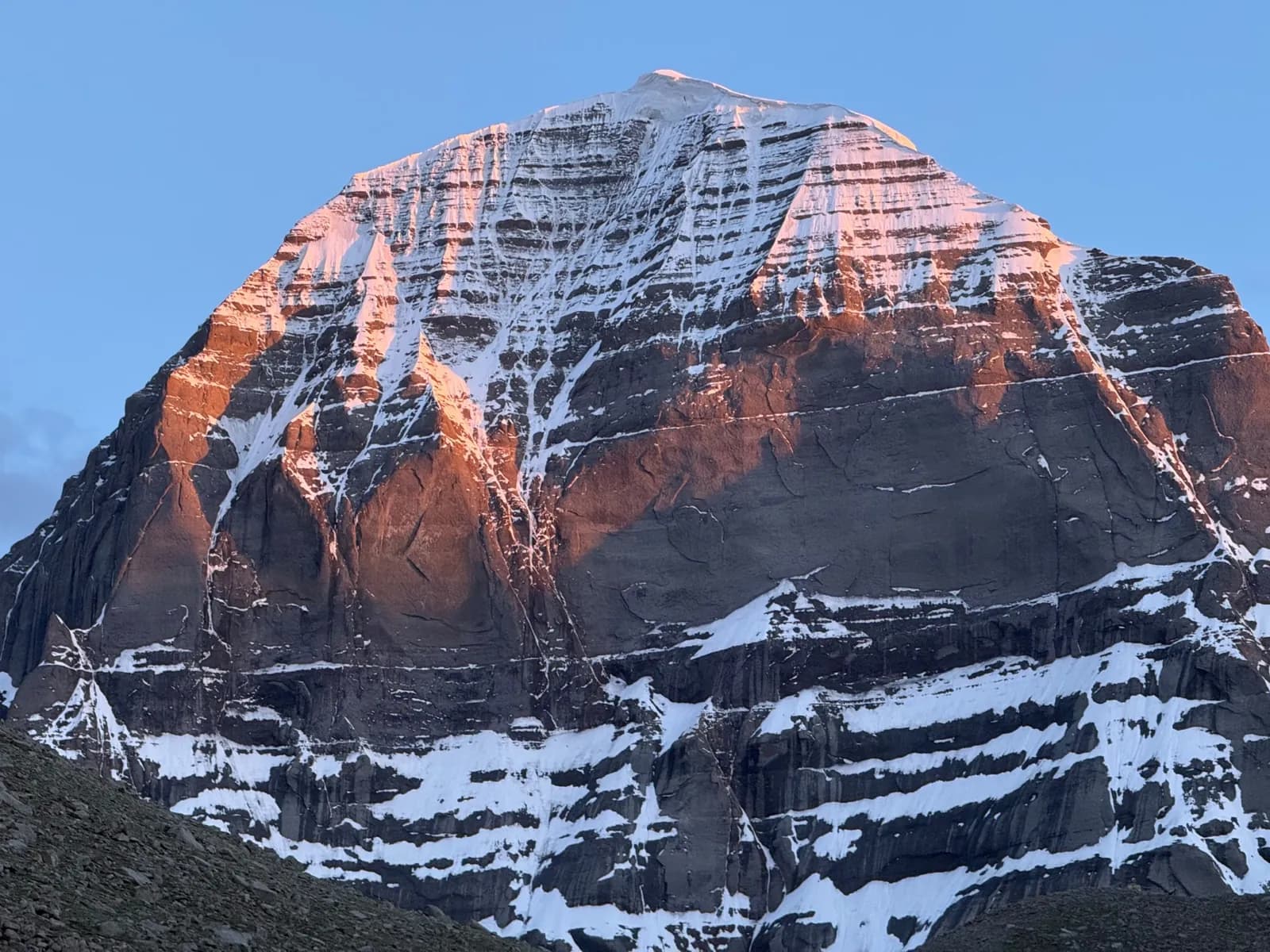
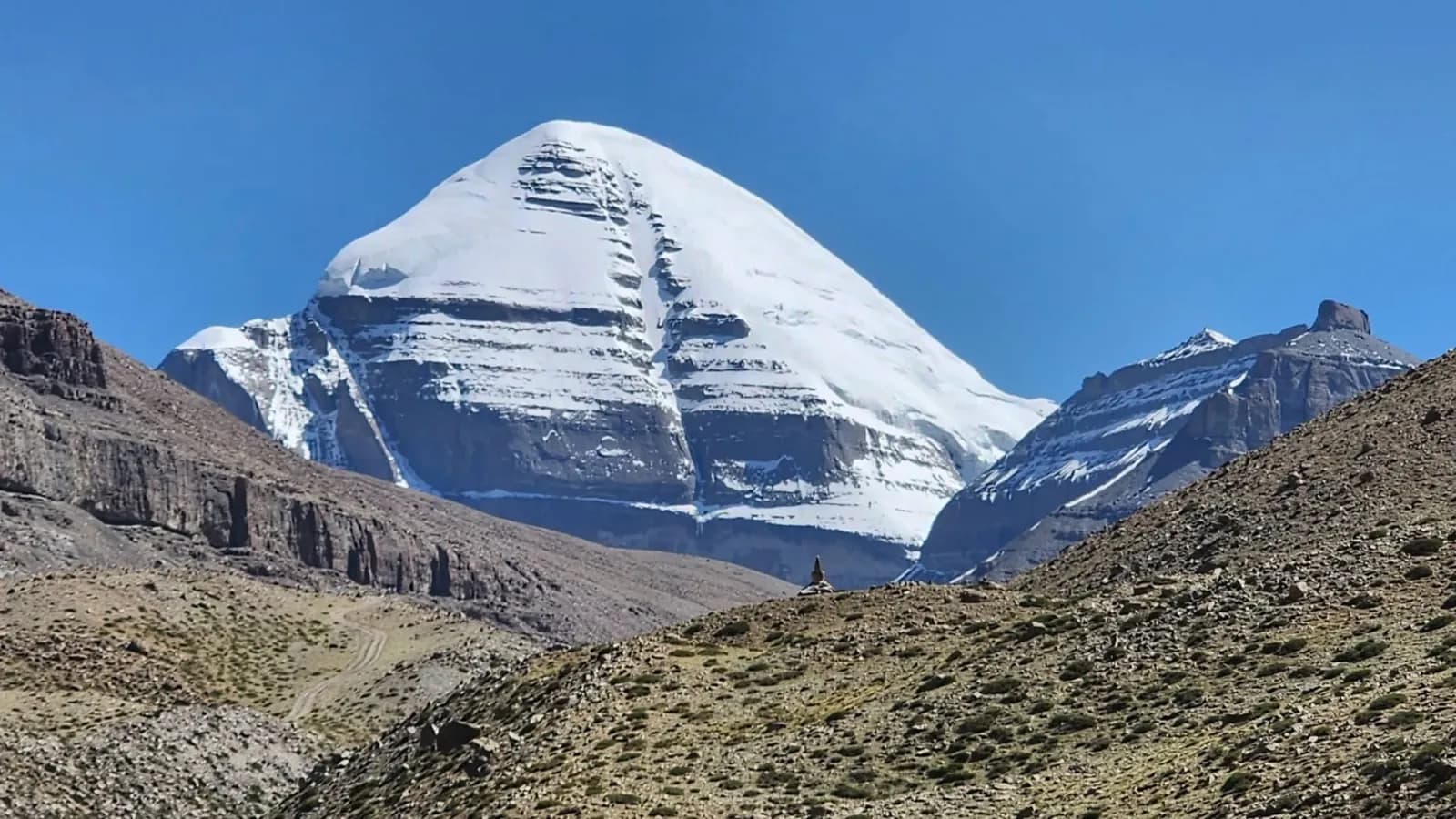
The second trekking day covers about 18 km, climbing to the Dolma La Pass (5,600 m) for prayers and descending to Zuthulphuk Gompa. Horses and yaks are available.
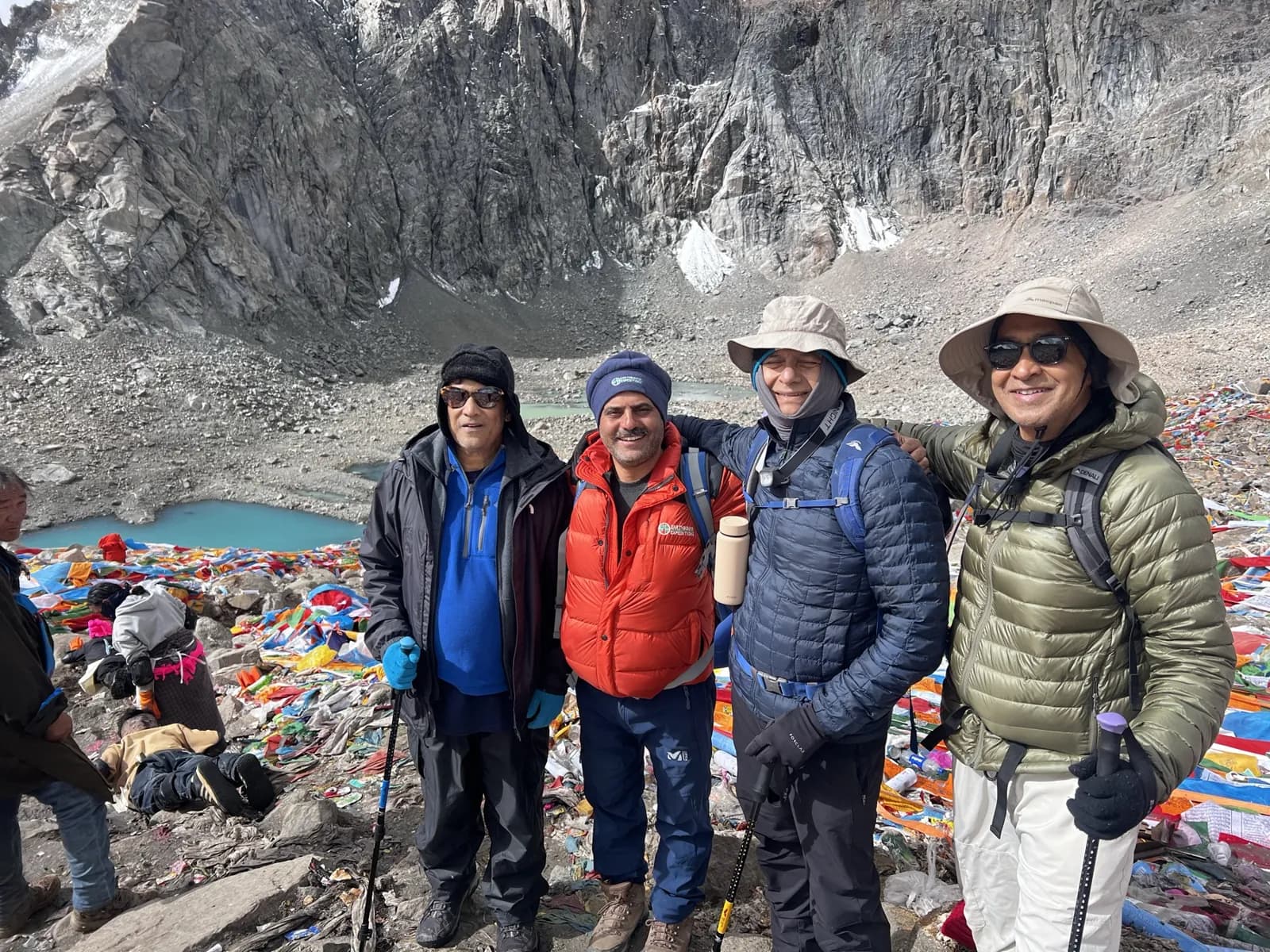
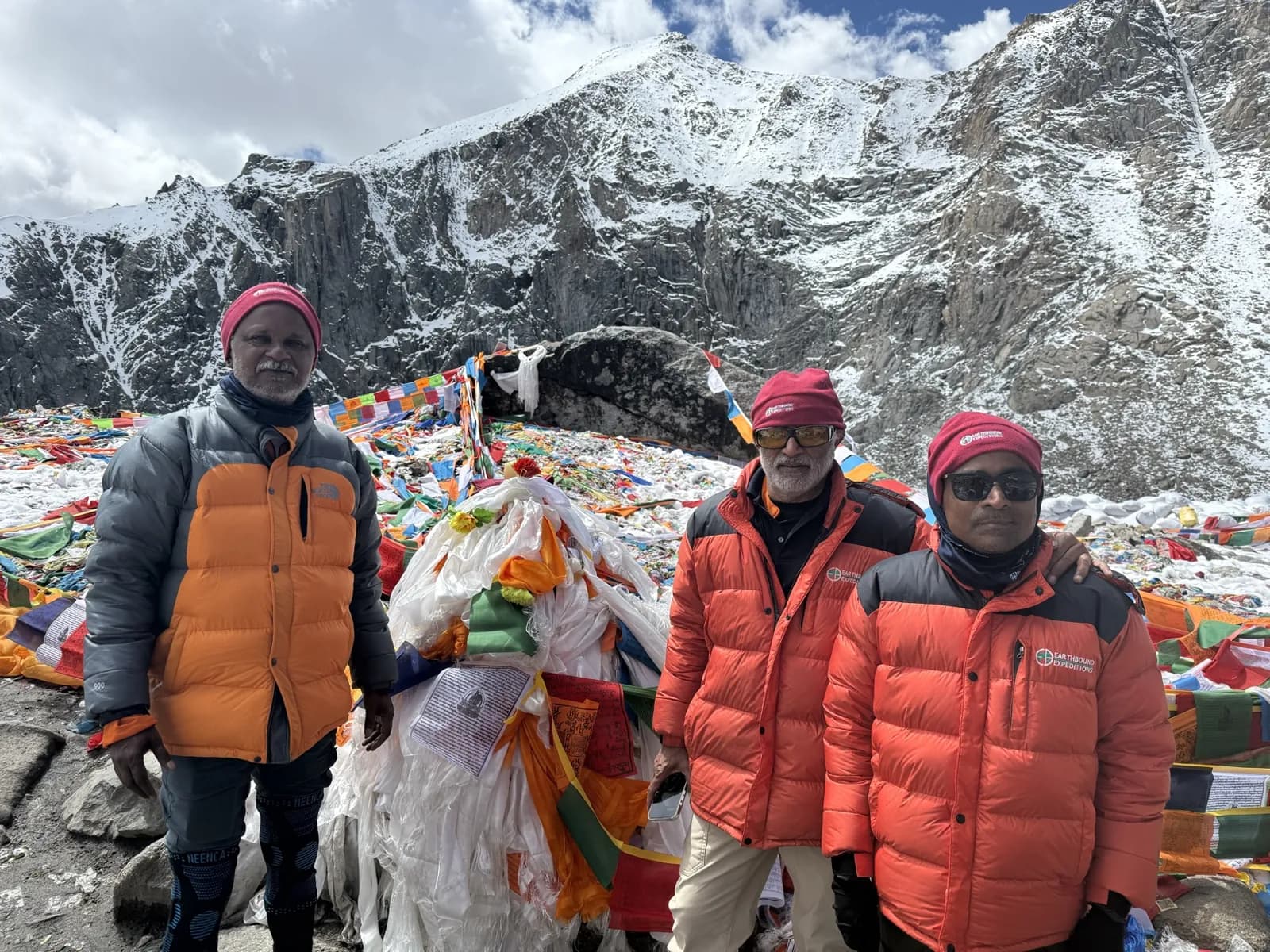
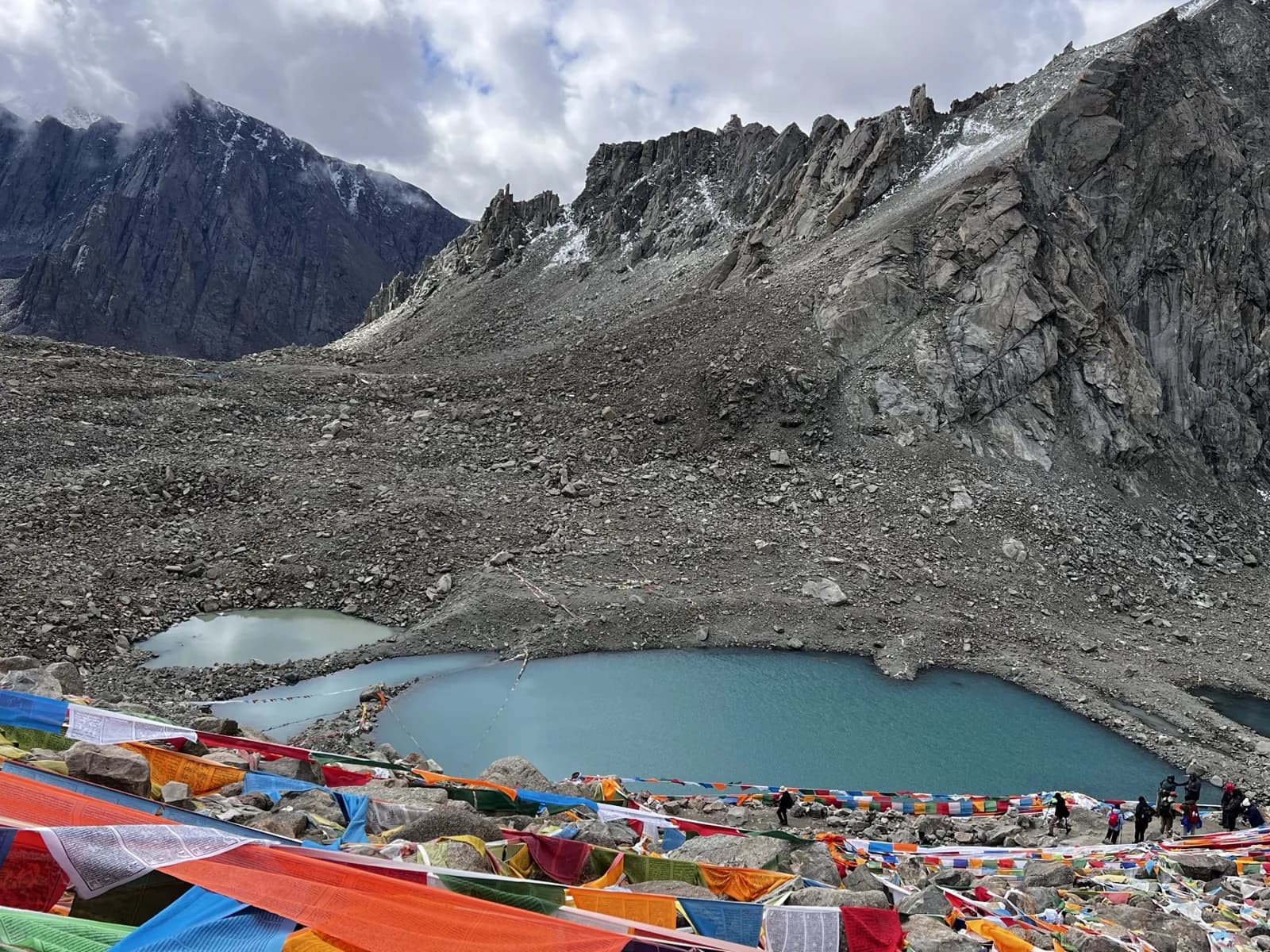
A final 8 km trek completes the circuit, followed by lunch at Darchen and the drive to Saga.
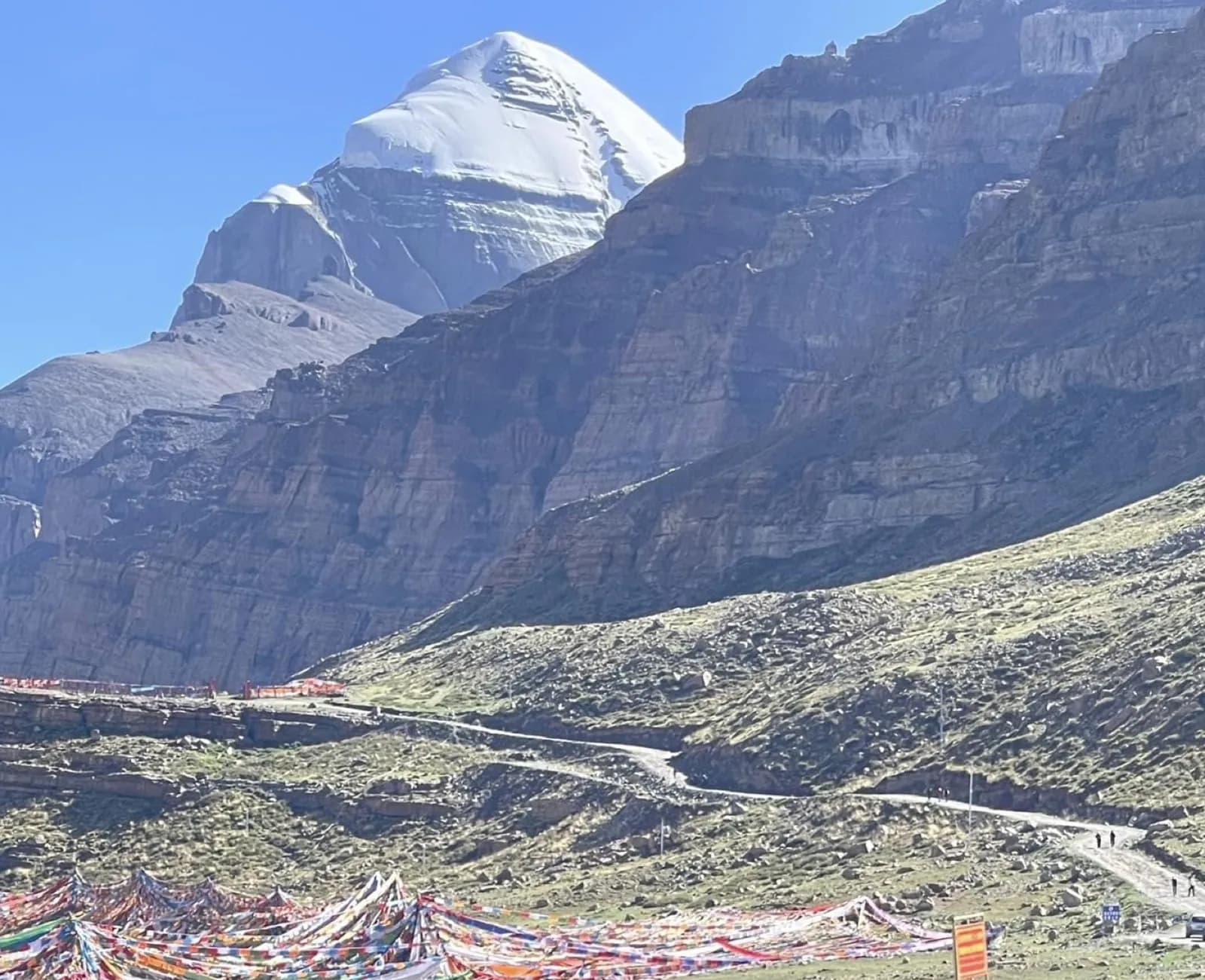
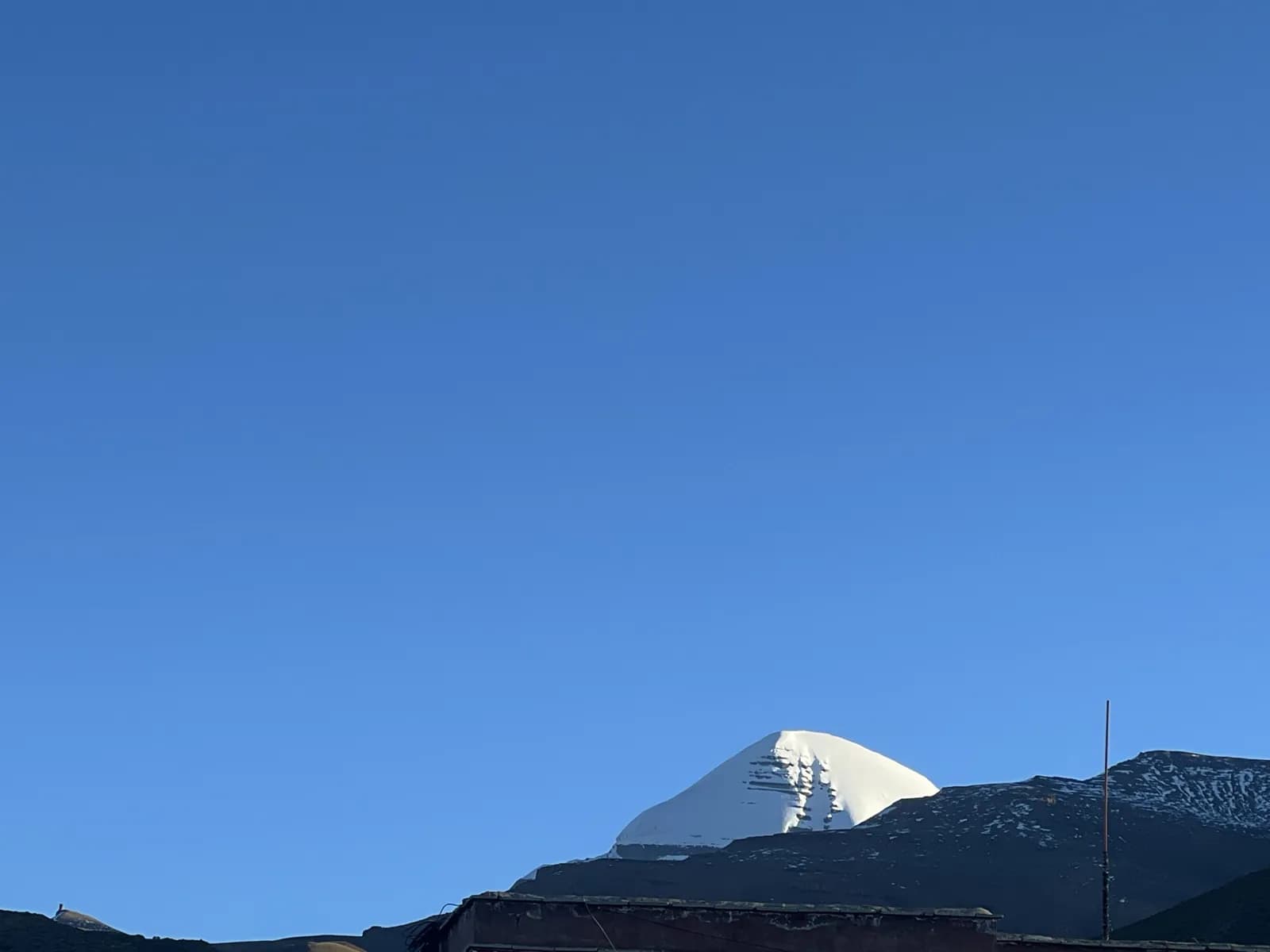
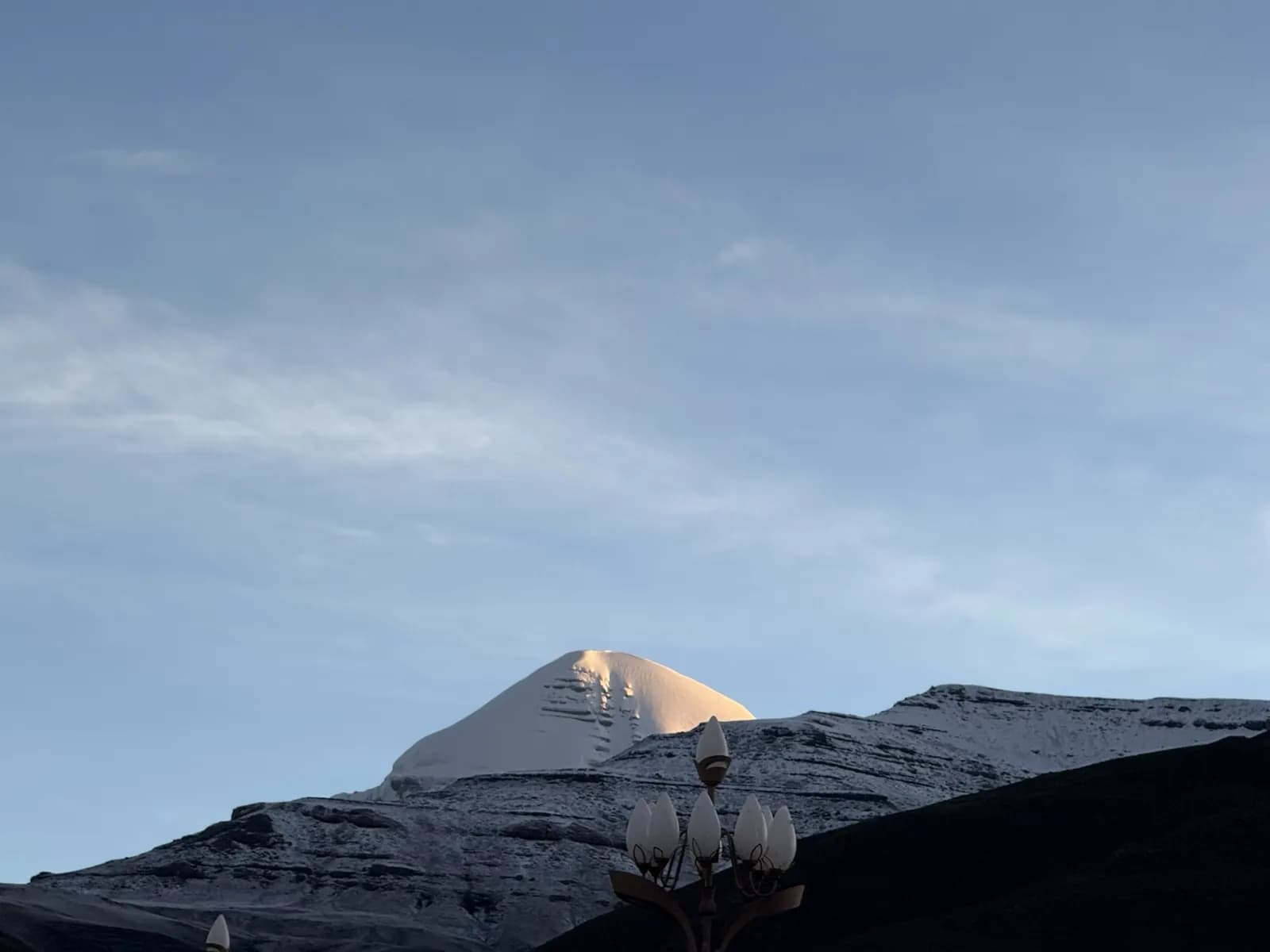
Drive to the Nepal and China border and complete the immigration procedures. Continue to Kathmandu and stay overnight in a hotel.
Transfer to the airport for your international flight.
Start date
12 Jun 2027
End date
25 Jun 2027
Available
20 left
US $3,147
Per person
Start date
8 May 2027
End date
21 May 2027
Available
20 left
US $2,947
Per person
Start date
10 Jul 2027
End date
23 Jul 2027
Available
20 left
US $2,947
Per person
No porters, and your main bag stays in the truck
A support vehicle carries everything for eleven of the fourteen days, so there is no porter weight limit. What matters is your daypack for the three kora days: everything else stays in the truck and meets you at Darchen. Keep it to 25 to 30 litres and carry your own water in it.
Two border crossings, a group visa, five separate permits and a lead time of fifteen to twenty working days. This section explains the arrangements.
Himalaya Airlines and Sichuan Airlines fly the route on weekdays in about one hour and thirty-five minutes. The flight takes you from 1,400 m to 3,656 m in one morning, the fastest altitude gain on any of our trips, which is why day 5 in Lhasa is a rest day. Sit on the left on the outward flight for views of the Himalaya.
Lhasa to Shigatse, Shigatse to Saga, and Saga to Mansarovar each take six to nine hours on good tarmac roads between 3,900 m and 4,600 m. The road is much better than it was ten years ago, but the days are long, high and repetitive. You gain about a kilometre of altitude while seated, which is harder for your body than gaining it on foot.
On day 13 you drive from Saga to the Kerung border at Rasuwagadhi and on to Kathmandu, which takes ten to twelve hours and descends more than 3,000 m. The descent is easy on the body and most people sleep. Border formalities are slow, and monsoon landslides on the Nepali side sometimes add several hours.
The Tibet Travel Permit takes fifteen to twenty working days and the Ngari military permit a further ten to fifteen, applied for once the booking is paid. This lead time is set by the authorities. We need your passport scans six weeks before departure, and preferably eight.
This is the most important logistical difference between this trip and a trek in Nepal. If you become seriously ill on the kora, you are taken by vehicle to Darchen and then on a very long drive, or you walk down with a guide and a horse. Insurance is still essential, to cover hospital treatment and repatriation rather than a helicopter flight.
| Where | Nights | Type | Room | Bathroom |
|---|---|---|---|---|
| Kathmandu | 3 | Three-star hotel | Twin or double | Private, hot water |
| Nagarkot | 1 | Hill resort | Twin or double | Private, hot water |
| Lhasa | 2 | Four-star hotel | Twin or double | Private, hot water |
| Shigatse | 1 | Three-star hotel | Twin | Private, hot water |
| Saga | 2 | Simple hotel, with unreliable plumbing | Twin | Private, hot water when available |
| Lake Mansarovar | 2 | Guesthouse on the lakeshore | Shared rooms, basic | Shared, no shower |
| Dirapuk | 1 | Guesthouse under the north face | Shared rooms, basic | Shared, no shower, no heating |
| Zuthulphuk | 1 | Guesthouse | Shared rooms, basic | Shared, no shower |
Tibetan bread, eggs, porridge, tsampa, butter tea or ordinary tea
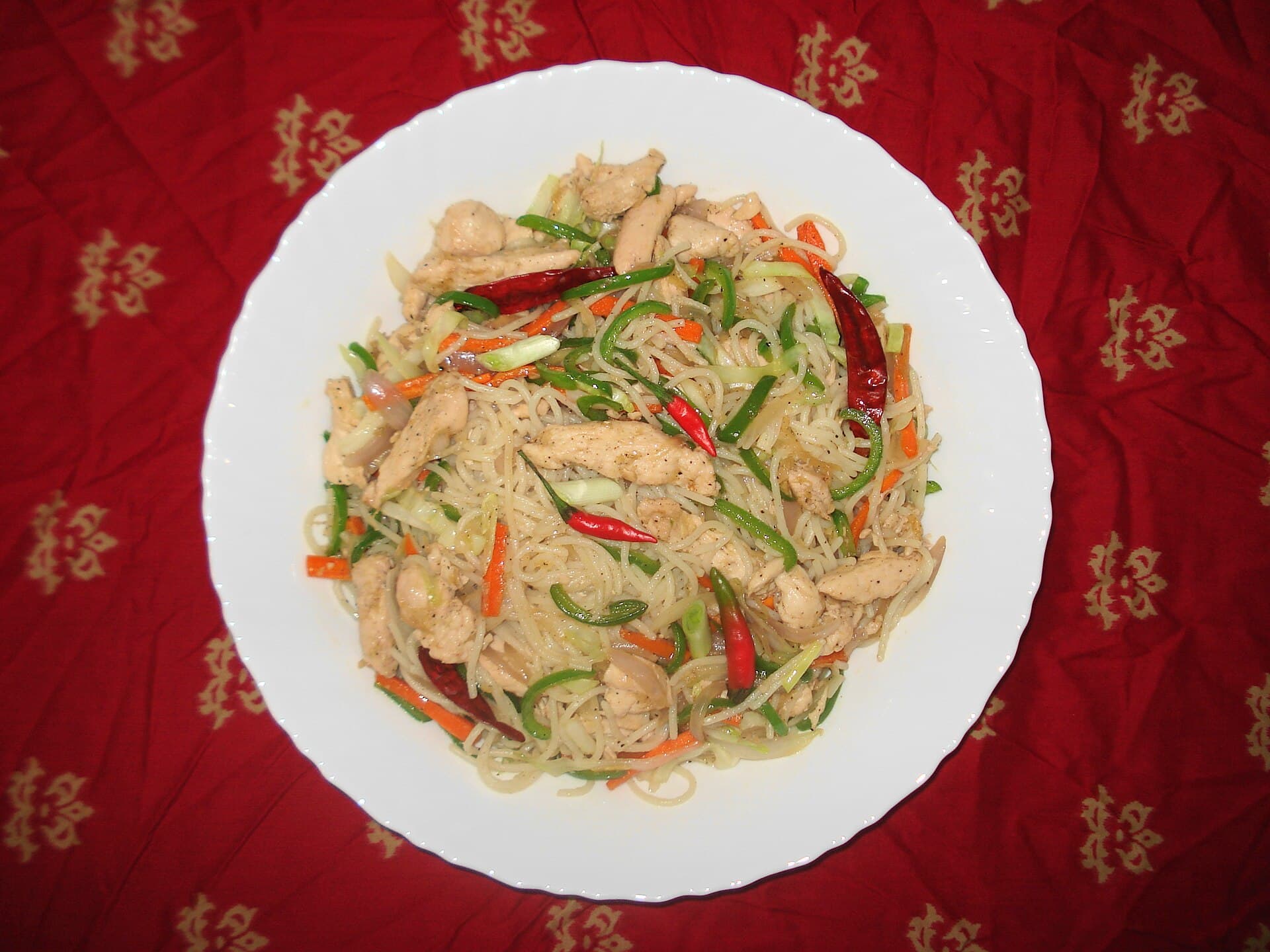
On driving days, often a packed lunch in the vehicle: bread, boiled egg, fruit and biscuits

Dal bhat, thukpa, fried rice, vegetable curry, noodle soup
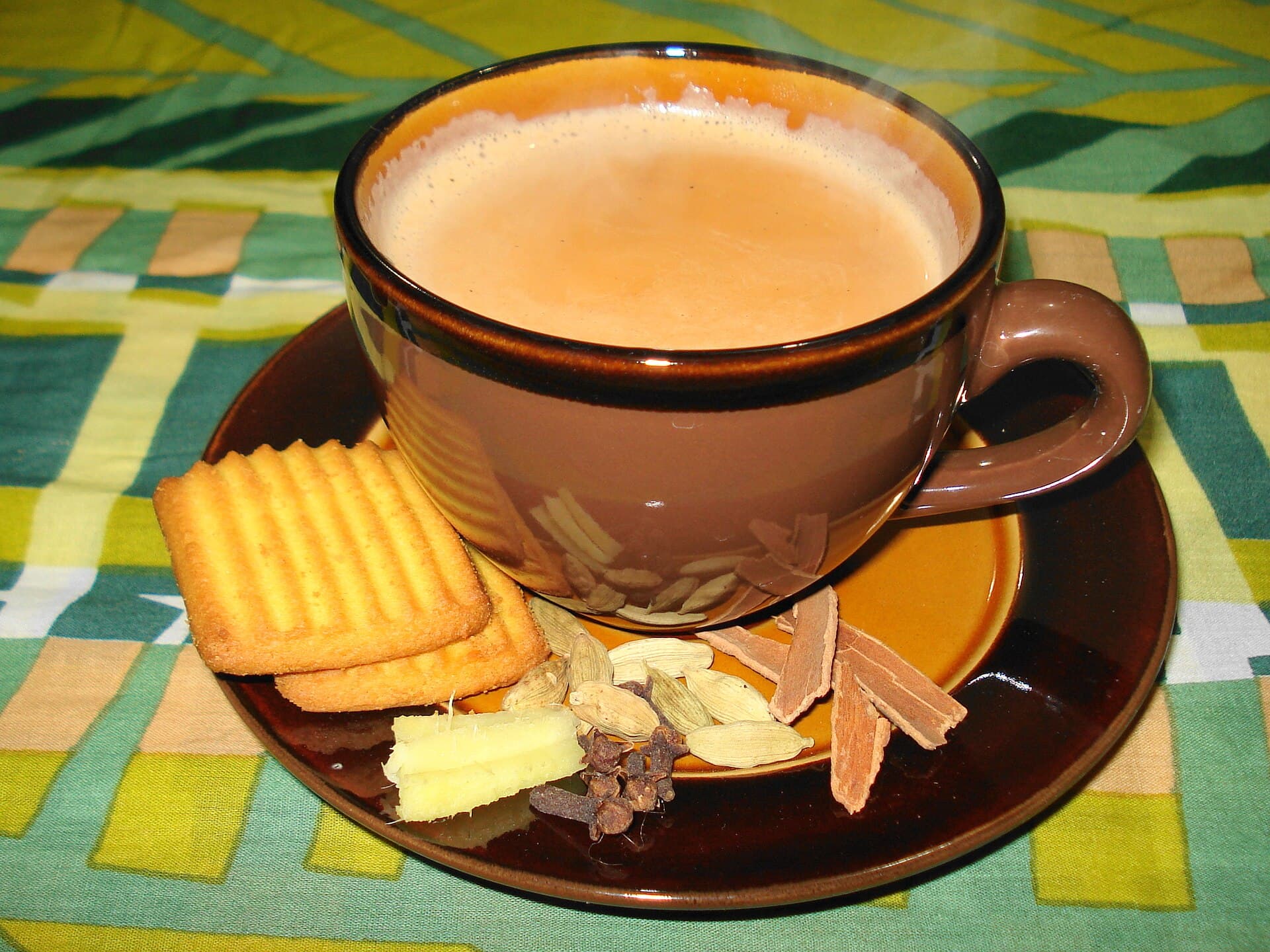
Black tea, sweet milk tea or salted butter tea. Drink more than you feel you need
6:00Tea, and hot water in a flask if you want it
6:45Breakfast, and the guide measures everyone's oxygen saturation before setting off
7:30On the trail, or in the vehicle. On kora days you start early because the weather often changes after noon
12:00Lunch. On the kora it is carried; on driving days it is a packed lunch in the Land Cruiser
13:00Two to five hours more, depending on the day
16:00Arrival. Tea, choose a bed in a shared room, and rest
17:30Oxygen saturation and pulse measured again and recorded
19:00Dinner, and the guide explains the plan for the next day
20:30Bed. At Dirapuk it is cold and most people sleep poorly, which is normal
Three demanding days of walking, after eight days of gaining altitude by vehicle.
Written for somebody who walks a bit and does not train. If you already run or cycle regularly, start partway through. Nothing here needs a gym.
10 weeks before, stage 1 of 6
Do this first, particularly if you are over sixty or have any heart, lung or blood pressure condition. This trip keeps you at 4,600 m for four nights and takes you to 5,630 m for about an hour, with no helicopter rescue available. This is the most important part of your preparation and should happen before you pay a deposit.
This trip has the most demanding altitude profile we offer, for an unusual reason. On a trek you walk to every height at which you sleep, which gives your body time to adjust. Here you fly from 1,400 m to 3,656 m in a morning and then drive to 3,900 m, 4,350 m and 4,590 m over three days, gaining more than three kilometres of height almost entirely by vehicle. You then sleep four nights above 4,500 m and cross a 5,630 m pass on foot. Acute mountain sickness is much more common on this trip than on our treks, and the two rest days, at Lhasa on day 5 and Mansarovar on day 9, are the main protection.
Daily health checks
From day 4 onwards, your guide uses a pulse oximeter to measure your oxygen saturation and pulse each morning before setting off and each evening on arrival. The readings are recorded so that any change over the driving days is clearly visible.
Oxygen and pressure chamber
Bottled oxygen and a portable hyperbaric chamber travel in the support truck for the whole Ngari section. A chamber simulates a descent of about 2,000 m and gives time for treatment where an actual descent takes hours. This is standard equipment on this route.
Mild symptoms
You rest for a day at Mansarovar or Darchen, with oxygen if needed. Many mild cases improve, and the traveller completes the kora a day behind the group, with a guide.
Serious symptoms
You do not start the kora. You stay at Darchen at 4,600 m with a guide, or descend by vehicle to Saga at 4,350 m. The kora is three days on foot, and the only way out is to continue or turn back, so starting it while unwell is dangerous.
No helicopter rescue
Helicopter rescue is not available to tourists in Tibet as it is in Nepal. A serious case is taken by vehicle to Darchen and then eight or nine hours to Saga, or much further to a hospital. For this reason our safety procedures on this trip are more cautious than on any of our treks, and we turn people back earlier.
Nearest hospital
The nearest hospitals are at Ali, about 300 km from Darchen, or back in Shigatse. Neither is close. On this trip, medical care in practice consists of your guide, the oxygen, the pressure chamber and early decisions to stop.
Fitness and altitude are unrelated
This is the thing people get wrong most often. Training makes the walking easier and does nothing for how your body handles thin air. Strong young trekkers get altitude sickness and unfit older ones frequently do not. Go up slowly, and say something the first time your head hurts.
The season lasts four months and the route is closed for eight. The closures have two causes: snow on the Dolma La at one end of the year, and an administrative closure in March at the other.
Warm, stable and the busiest month, especially around Saga Dawa. Book well ahead.
Averages for the Ngari prefecture. The season closes for two unrelated reasons at opposite ends of the year: snow on the Dolma La, and an administrative closure of the region in March.
A licensed Tibetan guide accompanies you for the whole time you are in the region. This is a legal requirement: foreign passport holders are not permitted to travel independently anywhere in Tibet. On our departures, a Nepali tour leader also travels from Kathmandu and stays with the group throughout, which is important when a group of twenty includes people of several religions, languages and ages.
A Land Cruiser or coach carries the group, and a support truck carries the luggage, food, bottled water, bottled oxygen and a portable pressure chamber. On the kora, the truck meets you at Darchen and at the end; between those points you carry what you need. The oxygen and pressure chamber are the main reason for the support truck and are essential on this route.
Horses and yaks for the three kora days are arranged at Darchen, are not included in the price, and cost about $180 to $260 with a handler. Many pilgrims use them. Nobody rides over the Dolma La itself; the handler takes the horse around and meets you on the other side.
Tipping is customary but not compulsory. Allow about $120 to $180 per traveller for the guide, the driver and the truck crew together, handed over on the last evening. If you hire a horse on the kora, tip its handler separately at Darchen; about $20 is usual.
Kailash is sacred to Hindus, Buddhists, Jains and followers of Bon, and you will be walking among pilgrims who have saved for many years to be there, and some who prostrate themselves along the whole 52 km. Walk clockwise unless you follow Bon. Do not climb on the mani walls or move the stones. Ask before photographing anyone, and do not photograph anyone who is prostrating.
Pilgrims bathe in Lake Mansarovar as a religious act, not for swimming. Do not use soap or shampoo or wash anything in the lake. The water is around four degrees. If you bathe, do so in the way pilgrims do.
We carry out everything the group brings in, apart from food. Ngari has almost no waste management, and the kora route has been visibly affected over the last decade. Our support truck takes the group's rubbish back to Saga.
Less of your money stays in the local area than on our Nepal treks. The permits and area fees go to Chinese government bodies, the vehicles and hotels are largely run by Tibetans, and the Darchen guesthouses and horse handlers are local families. The guiding, leadership and organisation are provided by our team in Kathmandu.
For Tibet, you book first and the permits are applied for afterwards. The Tibet Travel Permit is issued against a confirmed, paid itinerary with your hotels and guide named on it, so you commit to the trip before the permits are confirmed. For this reason our Tibet bookings require a longer lead time than our other trips.
Clear colour scans of your passport photo page at least six weeks before departure, and your occupation on the form. Journalists, photographers, diplomats and anyone with 'government' in their job title are often refused. If you give us accurate information early, we can usually find a solution; incorrect information discovered at the border cannot be resolved.
The Kathmandu group visa is issued to a group on one list, and current practice requires at least five travellers. A couple can join one of our departures. Two people cannot book a private Tibet trip from Kathmandu, and we will tell you this before taking a deposit.
Refusals happen occasionally, without a reason and without appeal. If this happens, we refund the Tibet portion in full.
Priced per person, arranged before you travel, and none of them included in the price above.
The inner circuit at the south face, which by tradition is walked only by pilgrims who have completed thirteen outer koras. We arrange it for those who have, and we will ask you to confirm this.
Rongbuk and the north face of Everest, added on the return journey through Shigatse. It is reached by road and shows a different side of Everest from Nepal.
Visits to Drepung, Sera and the Norbulingka, and a more gradual start to the altitude. We particularly recommend this extension on this itinerary.
The festival marking the Buddha's birth, enlightenment and passing, held at Tarboche below Kailash, when the great flagpole is raised. It falls on the full moon of the fourth Tibetan month, usually in late May or June, and is extremely crowded.
Drive in via Kerung rather than flying to Lhasa. It takes two days longer and is much better for acclimatisation, but does not include Lhasa.
For the hotel nights in Kathmandu, Lhasa, Shigatse and Saga. At Mansarovar, Dirapuk and Zuthulphuk only shared rooms are available.
4 versions of this journey. They use the same guides and the same lodges; what changes is the length, the comfort and how much of it you walk.
August 2024, Tripadvisor
We did the Kailash- Mansarovar yatra as as a group of 9 couples starting in Lhasa and concluding in Kathmandu. Our ages were from the low 50’s to the high 60’s with several trekkers not having much experience at high altitude. Earthbound led by Mr Rajan were brilliant for a number of reasons: - The team was responsive to our individual needs and catered to them with a smile often going beyond of what would be expected; They were particular in watching hydration levels and general well being - The organisation was excellent and we knew of the forward plan clearly at all stages - They were proactive in anticipating unexpected events. On the return circuit the road to Nepal from Saga was impacted by rain/floods Earthbound anticipated the likely delay and secured accommodation for us in good time. We were not inconvenienced at all and were aware of other groups that faced more challenges; - Finally, Rajan and his team could accurately gauge which of us needed help and when. They all had a sense of humor and managed to keep everything “light” even during uncertain situations. 15 of us did the full Kora and the others did the half kora. Rajan also infused spiritualism which was welcomed as we were all of Indian ethnicity and the KMS trip was a combination of adventure with a spiritual bias. Very grateful to Earthbound for such a memorable trip and will wholeheartedly recommend them to others considering this trek. As this is often a bucket list trip for many people and there are several questions that may come to mind, will be happy to share our experiences.
August 2024, Tripadvisor
We went on the Kailash parikrama (trek) via Tibet and Mansarovar lake over 15 days, starting in Lhasa and finishing in Kathmandu. It was a fascinating experience and at times challenging. We received excellent and personalized service and care from Rajanji and his team. They were knowledgeable, cheerful and always helpful. We will always remember the grandeur and beauty of the Himalayas, it's mythological and spiritual context, and the people, culture and countryside of Tibet. It was a well organized tour with gourmet Indian food, and great care for our safety and comfort.
August 2024, Tripadvisor
We have just returned from 3 weeks of Kailash and Mansarovar Yatra, organised by Rajanji and his passionate team of 11 dedicated crew from Earthbound Expedition. We were a group of 18( 9 couples) from Australia, UK and USA. The trip was absolutely once in a lifetime experience. We started in Chengdu followed by Lhasa and onwards to Mansarovar, Kailash Kora and returned to Kathmandu. Rajan and his team including Arjun, Tarke and Narayan were just fabulous. They took personal care of all our needs whether a special demand for our food, medical issues or last minute change to stay in our preferred hotel/ avoiding driving at night. They even entertained us with local Nepali and Tibetian songs, while providing deep local insight into the rich history. I want to thank Rajan and his team for a fantastic and memorable holiday, and highly recommend his team to anyone who wish to do kailash yatra.
August 2024, Tripadvisor
It was just an amazing , awesome experience doing the Kailash - Mansarovar yatra with Earthbound Expeditions!! Brilliant Rajan as the team leader and his incredible, dedicated team spearheaded by Arjun and highly knowledgeable Tibetan guides Tarke La and team did a magnificent job managing our trip. From the time we landed in Lhasa 13 Aug 2024 right through to our departure from Kathmandu 27 Aug we were looked after highly professionally and with a lot of care and love as one’s own family. They know this high altitude trek space really well, have a great network with locals to respond to any situation and have developed a culture of affectionately attending to individual requirements which we felt was super important managing the high altitude issues. Daily medical checkups, providing acclimatisation advise and going to the extent of even providing head massage to deal with altitude issues are just some examples here. They provided tasty hot Nepali- Indian - interspersed with Tibetan and other cuisines throughout the trip. Took care to ensure menu everyday was fit for the altitude and level of activity planned. Accommodation was great. Even the unexpected disruption on our return leg due to landslides was managed super well by Rajan by rearranging quickly to alternative quality accommodation in different locations. Besides the high altitude outer quorra trek at Kailash, they ensured we got the best experience ensuring an amazing environment with Pooja at Mansarovar, group meditation at Charan sparsh and daily prayers with mantras and showcasing Tibet’s wonderful monasteries, guide to Buddhist culture. Overall I am a super satisfied customer and have no hesitation in recommending Rajan’s Earthbound Expeditions to anyone planning the trip They are a truly Five Star service provider in my opinion. I take this opportunity to thank them for all they did for us and wish them all the success!
Answers to the 21 questions travellers ask us most often. If your question is not here, contact us and we will answer it.
No, and many travellers on each departure are not religious. We ask you to behave respectfully, because you will be walking among pilgrims who have saved for many years to be there, and some who prostrate themselves along the whole fifty-two kilometres. Walk clockwise, do not move the stones on the mani walls, and do not photograph anyone who is prostrating.
You need to be fit enough for three consecutive days of walking, the second of which takes seven to nine hours and crosses a 5,630 m pass. That is less walking than on any of our treks. The difficulty is the altitude and how quickly it is gained, and fitness gives little protection against altitude sickness.
There is no formal age limit, but we ask anyone over sixty, and anyone with a heart, lung or blood pressure condition, to consult their own doctor before paying a deposit. This is important on this trip: there is no helicopter rescue in Tibet and the nearest hospital is hours away by road.
Yes, and many pilgrims do. Horses and yaks with handlers are arranged at Darchen for about $180 to $260, which is not included in the price. Nobody rides over the Dolma La itself; the handler takes the horse around and meets you on the other side.
No. The China group visa issued in Kathmandu is given to a group, and current practice requires at least five names on the list. Two people cannot obtain one. You join a scheduled departure, which is why our groups on this trip are larger than on our treks.
Five documents, and we arrange all of them: a China group visa issued in Kathmandu, the Tibet Travel Permit, an Alien's Travel Permit for Ngari, a military area permit and a foreign affairs permit. The Alien's Travel Permit is still required here, although it was dropped for the Everest side of Tibet in June 2025.
Three months, and preferably four. The Tibet Travel Permit takes fifteen to twenty working days and the Ngari military permit a further ten to fifteen, and both are applied for once the booking is paid. This lead time is set by the government offices and cannot be shortened.
No. The Kathmandu group visa cancels any Chinese visa already in your passport, so a visa obtained at home would be wasted and could cause complications.
Refusals happen occasionally, without a reason and without appeal, and we refund the Tibet portion in full. Occupation is the usual cause: journalists, photographers, diplomats and anyone with 'government' in their job title are often refused. If you tell us your occupation accurately and early, we can usually find a solution.
Tibet usually closes to foreign visitors for the whole of March and sometimes into early April, around the anniversary of the 1959 uprising, and the closure is announced with little or no notice. We do not schedule departures during this period.
The risk is greater than on our treks, because of how the altitude is gained. You fly from 1,400 m to 3,656 m in a morning and then drive to 4,590 m over three days, gaining more than three kilometres of height almost entirely by vehicle. You then sleep four nights above 4,500 m and cross a 5,630 m pass. Acute mountain sickness is much more common on this trip than on a trek. The two rest days, at Lhasa and Mansarovar, are the main protection and are essential.
Yes. Bottled oxygen and a portable hyperbaric chamber travel in the support truck for the whole Ngari section. A chamber simulates a descent of about 2,000 m, which gives time for treatment in a place where an actual descent takes hours. This is standard equipment on this route, and you should check that any operator you consider carries it.
This is the most important difference between Tibet and Nepal. Helicopter rescue is not available to tourists here. A serious case is taken by vehicle to Darchen and then eight or nine hours to Saga, or much further to a hospital at Ali or Shigatse. For this reason our safety procedures on this trip are more cautious than on any other trip we offer, and we turn people back earlier.
Discuss it with your own doctor. On this itinerary in particular it is a reasonable preventive measure, because the altitude is gained by vehicle rather than on foot.
It varies widely. Four-star in Lhasa, three-star in Shigatse, simple with unreliable plumbing at Saga, and shared guesthouse rooms with no shower and no heating at Mansarovar, Dirapuk and Zuthulphuk. Dirapuk, at 4,900 m, is the coldest night and has no heating. Bring your own sleeping bag.
Yes, throughout the trip. Travellers of several religions join every departure and the kora is a sacred route, so all meals are vegetarian. Vegan, gluten-free and Jain requirements can all be arranged with notice at booking.
China Mobile covers much of the route, including Darchen. However, many Western internet services are blocked in China, so install a VPN before you leave rather than trying to do it on hotel wifi in Lhasa.
Pilgrims bathe in the lake as a religious act, and the water is around four degrees. It is not acceptable to swim or wash in it: do not use soap or shampoo, and do not rinse anything in the lake. If you bathe, do so in the way pilgrims do.
June to September, and September is our recommended month: clear, cold and less crowded. May is the start of the season and depends on the Dolma La being clear of snow. From November to April the route is closed, because the kora guesthouses are unstaffed and the pass is under snow.
It is the Tibetan Fire Horse year, which runs from 17 February 2026 to 5 February 2027. A kora walked in a Horse year is believed to carry the merit of thirteen ordinary koras. This happens once every twelve years, and Kailash is much busier as a result. If the merit is important to you, this is the year to go; if you prefer a quieter visit, next year will be less crowded.
If the festival is your main interest, yes. The raising of the great flagpole at Tarboche below Kailash, on the full moon of the fourth Tibetan month, is the most important day in the Kailash calendar. If you want a quiet kora, avoid it. It is extremely crowded and every bed in Darchen is taken.
Didn't find what you were looking for?
Search every word on this page, or ask somebody who has walked the route.
14 days
$2,947 per person