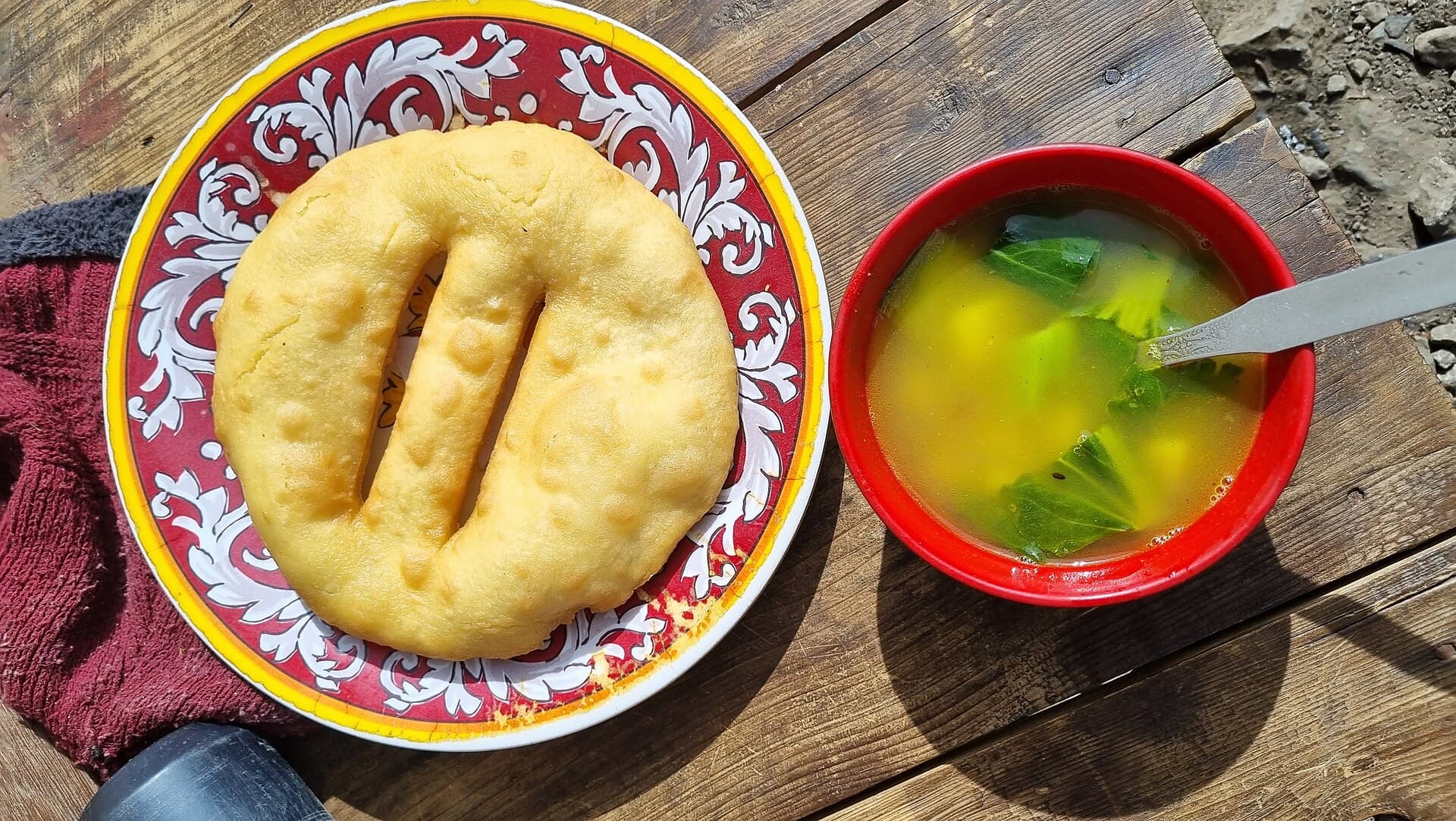
Breakfast
Porridge, Tibetan bread, eggs, chapati, pancakes, tea or coffee
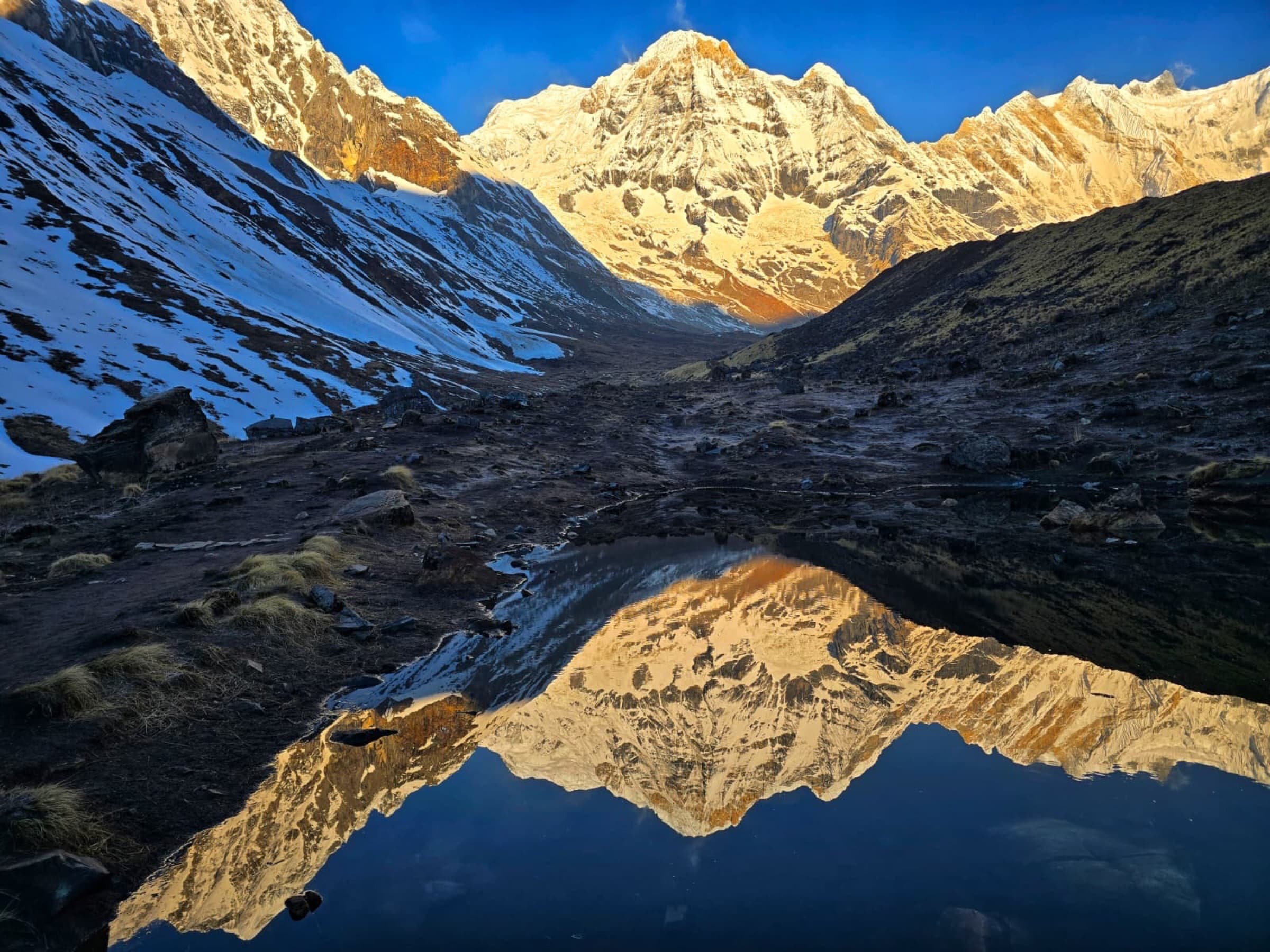
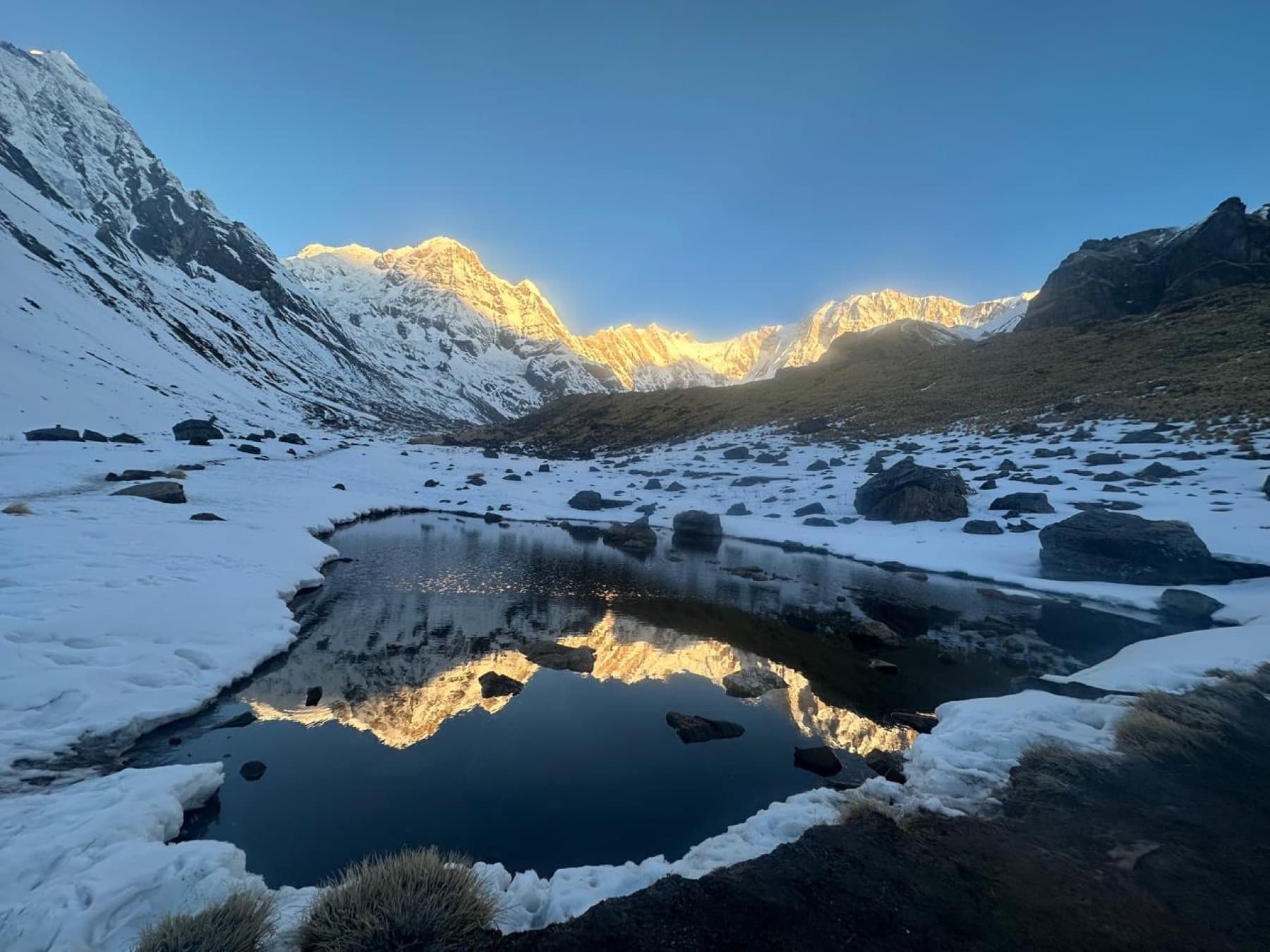
Trek into the Annapurna Sanctuary, surrounded by a ring of high peaks, and stay the night there. It is the only moderate trek in Nepal that ends with mountains on every side.
Trek into the Annapurna Sanctuary, surrounded by a ring of high peaks, and stay the night there. It is the only moderate trek in Nepal that ends with mountains on every side.
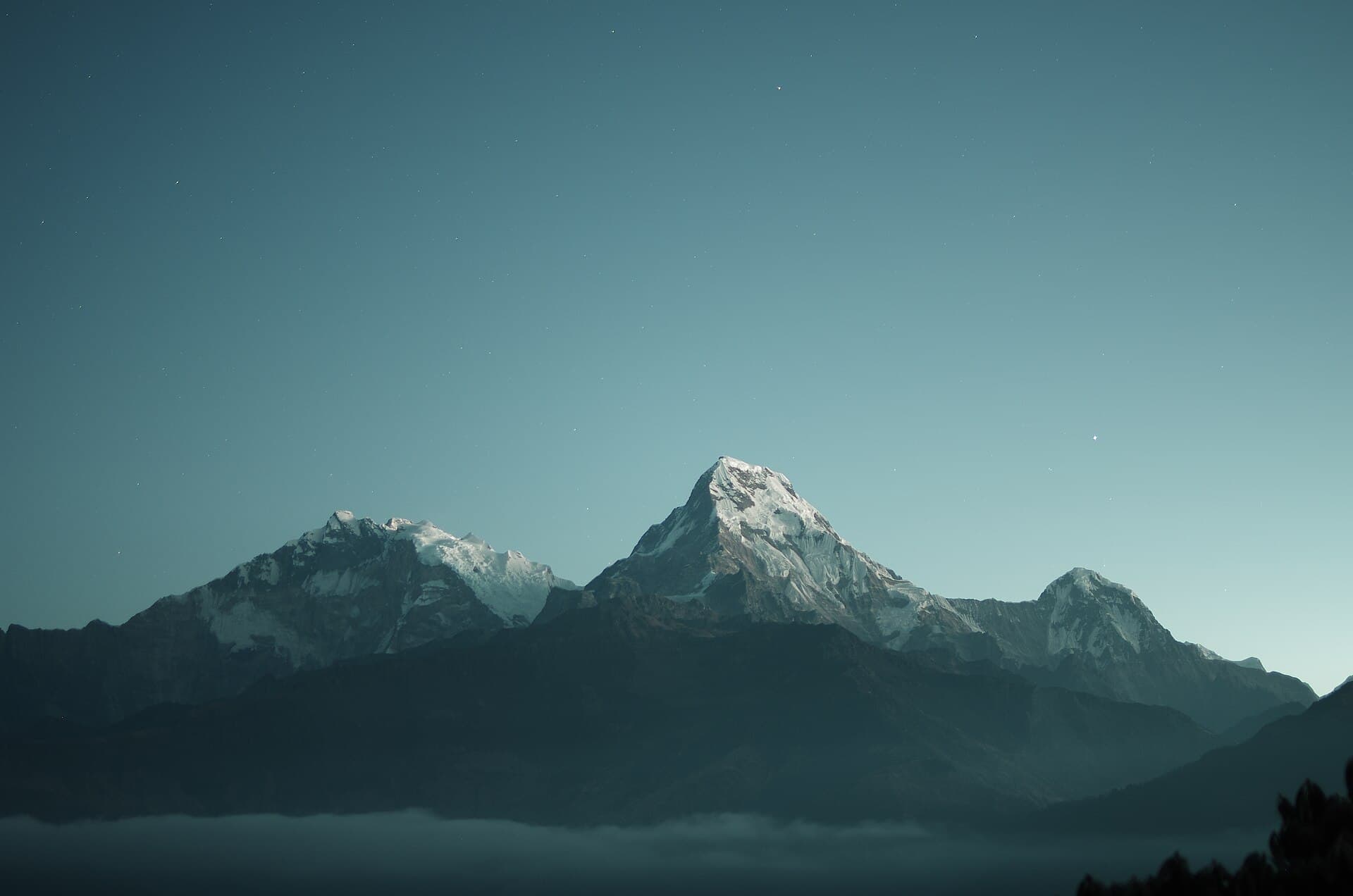
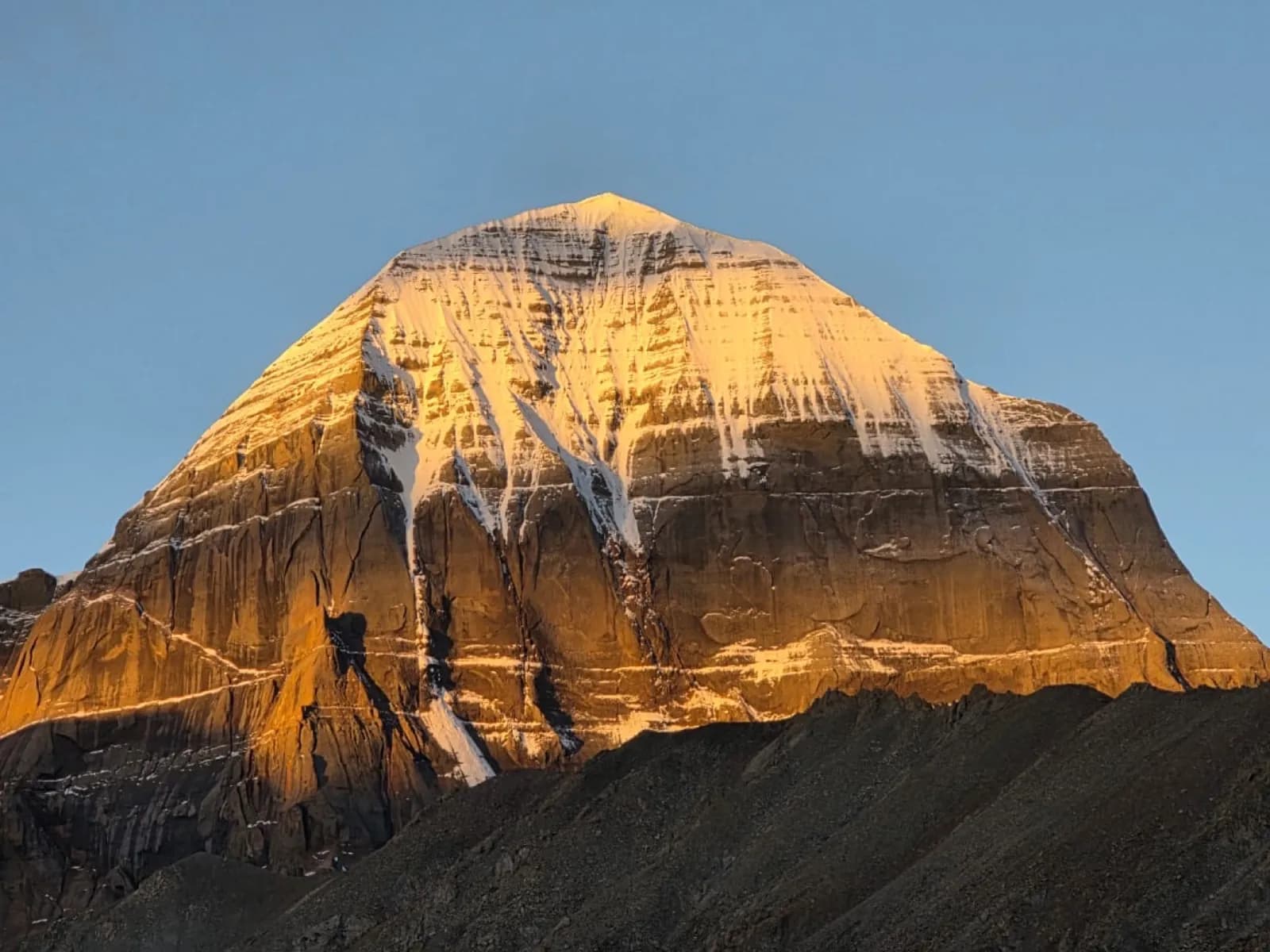
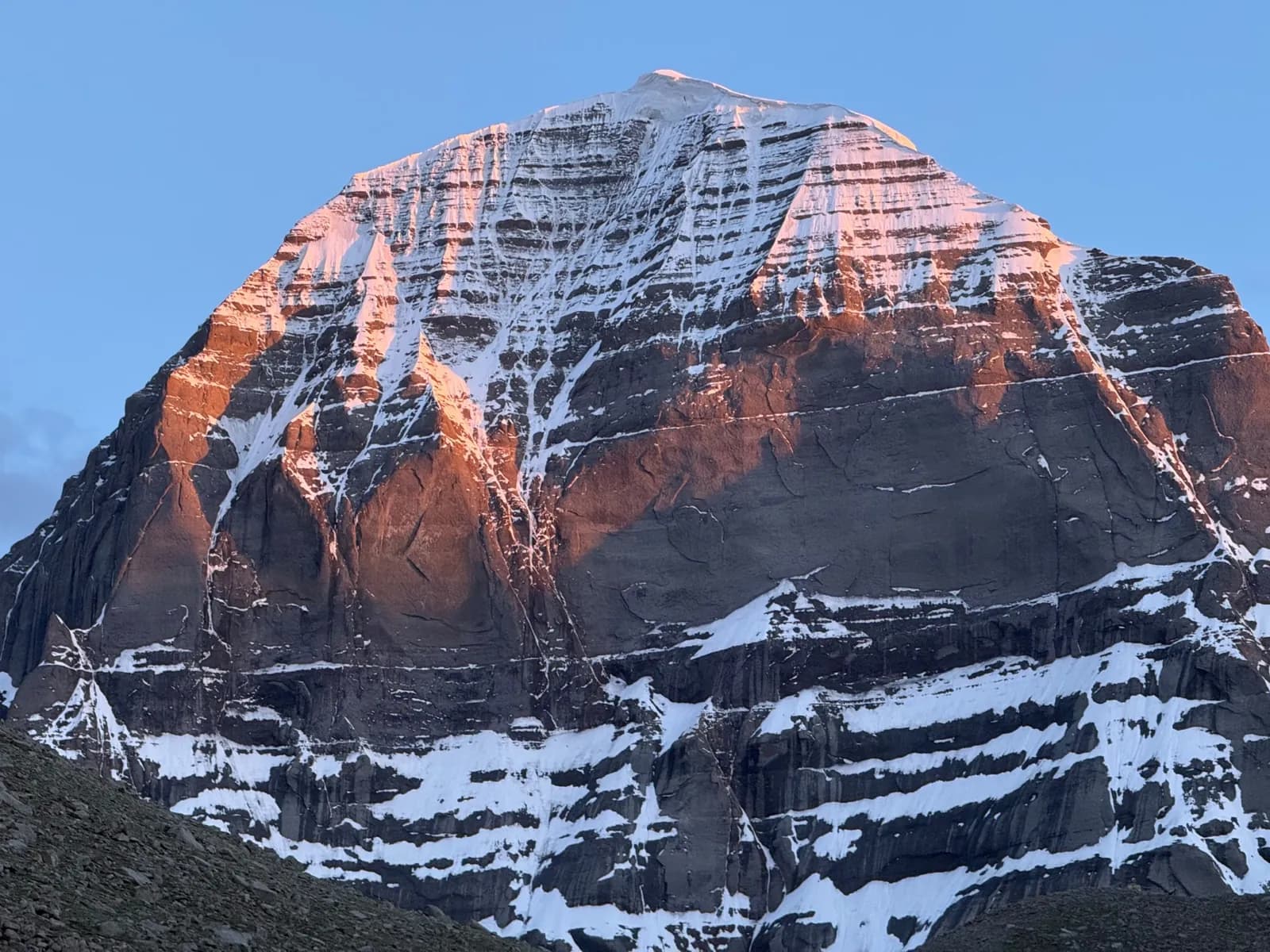
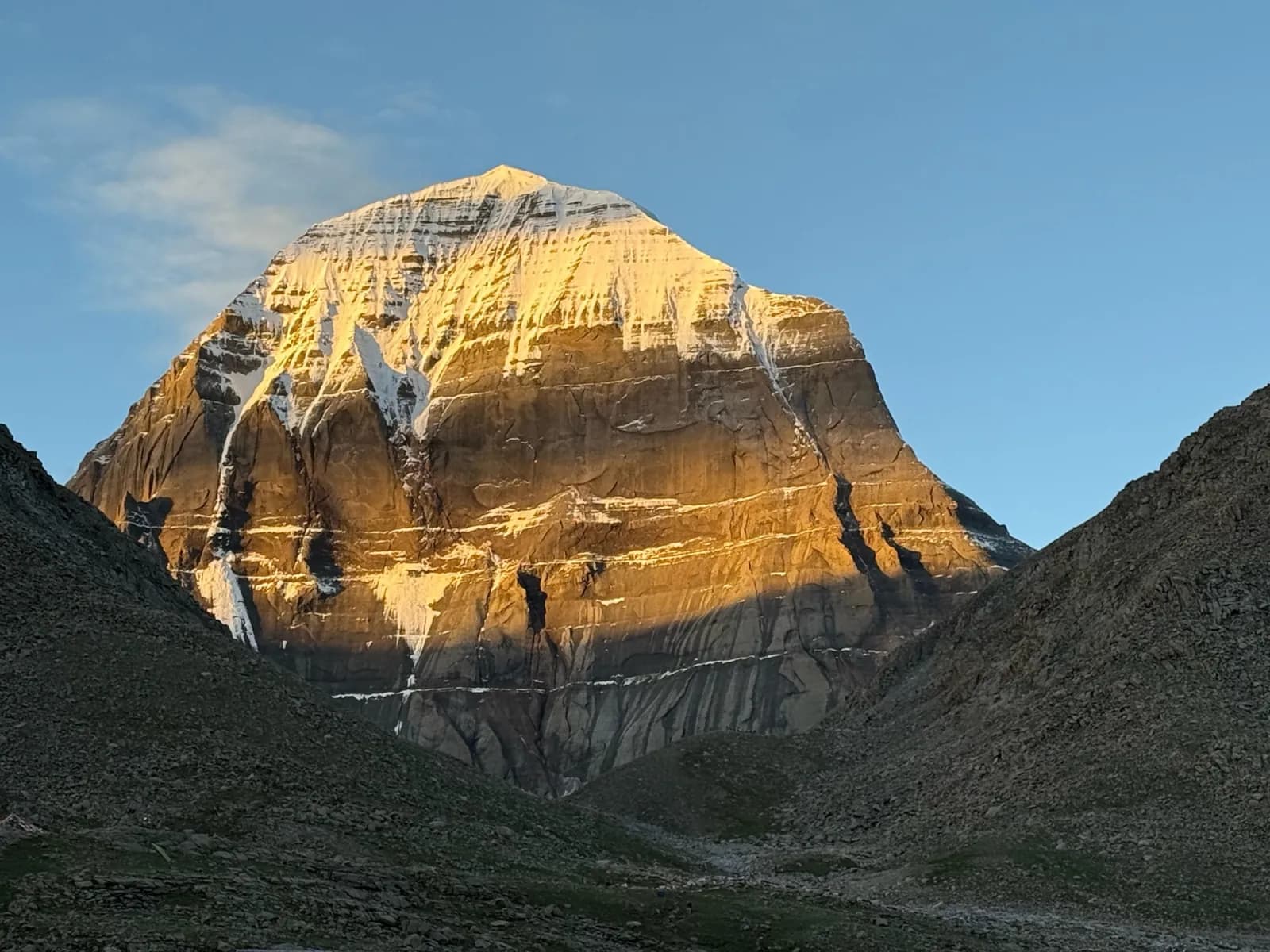
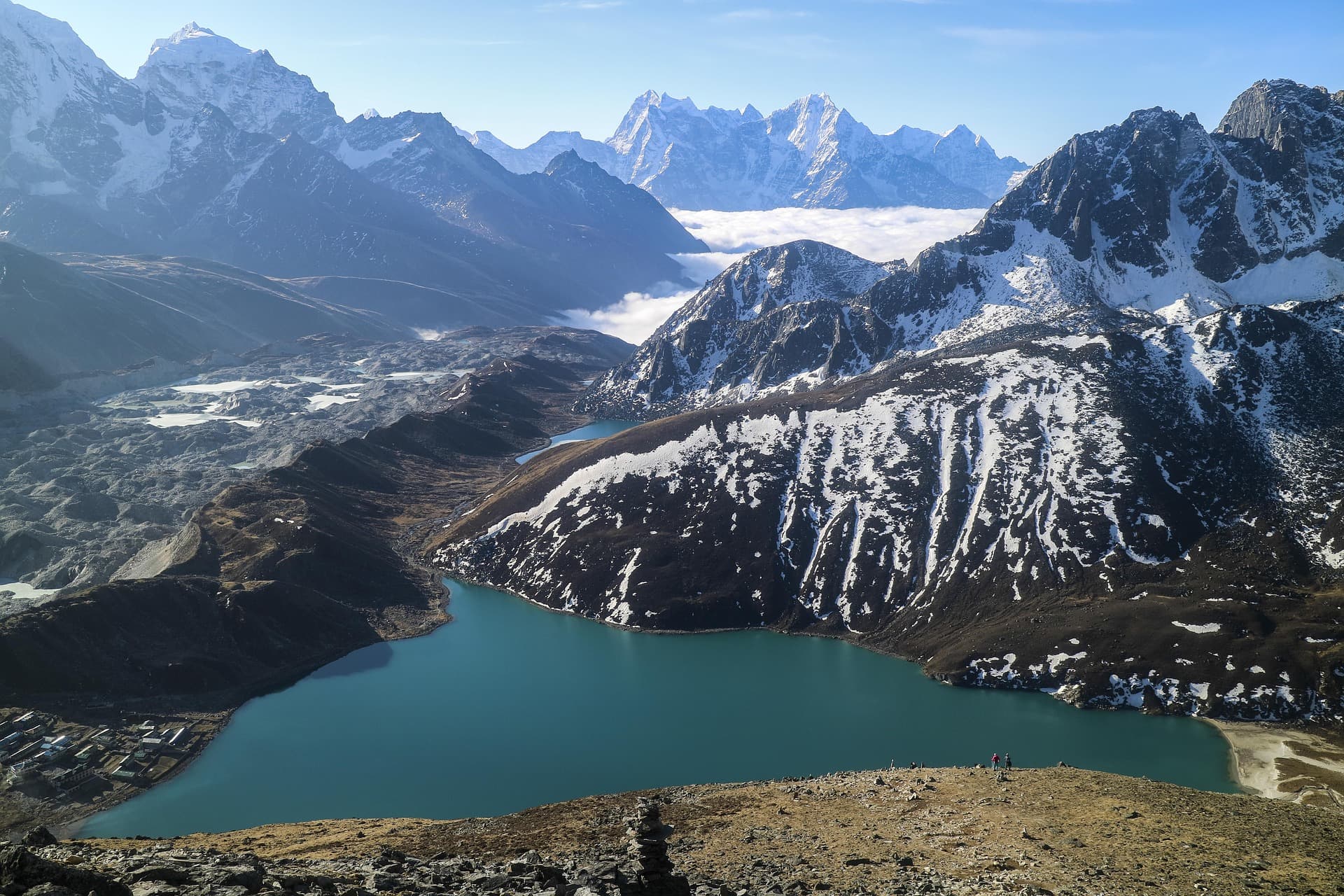
The trek follows a river gorge for nine days to a glacial basin surrounded by mountains, which makes it different from any other trek in Nepal. On most treks you see the mountains from one side. Here the valley narrows to an entrance about a hundred metres wide, and once you pass through it there are high peaks on every side. Annapurna I, Annapurna South, Hiunchuli, Gangapurna and Machhapuchhre form a complete ring. The area is known as the Annapurna Sanctuary, and the name describes it accurately.
This is the trek we recommend to first-time trekkers, and experienced walkers often return to it. It reaches 4,130 m, which is high enough to notice the altitude but low enough that serious altitude illness is uncommon. There is nothing technical, no pass to cross and no snow underfoot in the trekking seasons. It does require stamina on stone steps: the Ulleri staircase on day 4 and the descent from Chhomrong on day 7 involve thousands of steps, and your leg muscles, rather than your lungs, will feel it in the evening.
There is a shorter Annapurna Base Camp trek that starts at Jhinu and skips the Ghorepani ridge. It saves two days, but you miss the best viewpoint in the region, and you lose the gradual first week that makes the ascent to the Sanctuary more comfortable. Poon Hill, at 3,210 m on day 5, provides the acclimatisation needed for day 8, and it offers one of the finest sunrises in Nepal without a difficult walk.
Between Hinku Cave and Machhapuchhre Base Camp the trail passes through a narrow, steep-sided section that is prone to avalanches after heavy snow. People have been killed there. We cross this section early in the morning, before the sun loosens the slopes, and in a winter with heavy snow we turn groups around rather than take them through.
Other treks in the same region: the Annapurna Circuit over the Thorong La, the Mardi Himal trek along a ridge facing Machhapuchhre, the shorter Ghorepani and Ghandruk circuit by way of Poon Hill, and the Annapurna Luxury Trek with lodge comfort. To compare with the Everest region, see the Everest Base Camp trek.
We meet you at the airport and take you to your hotel. If you arrive early, there is time to walk around Thamel. In the evening we brief you on the trek, check your equipment and answer your questions.
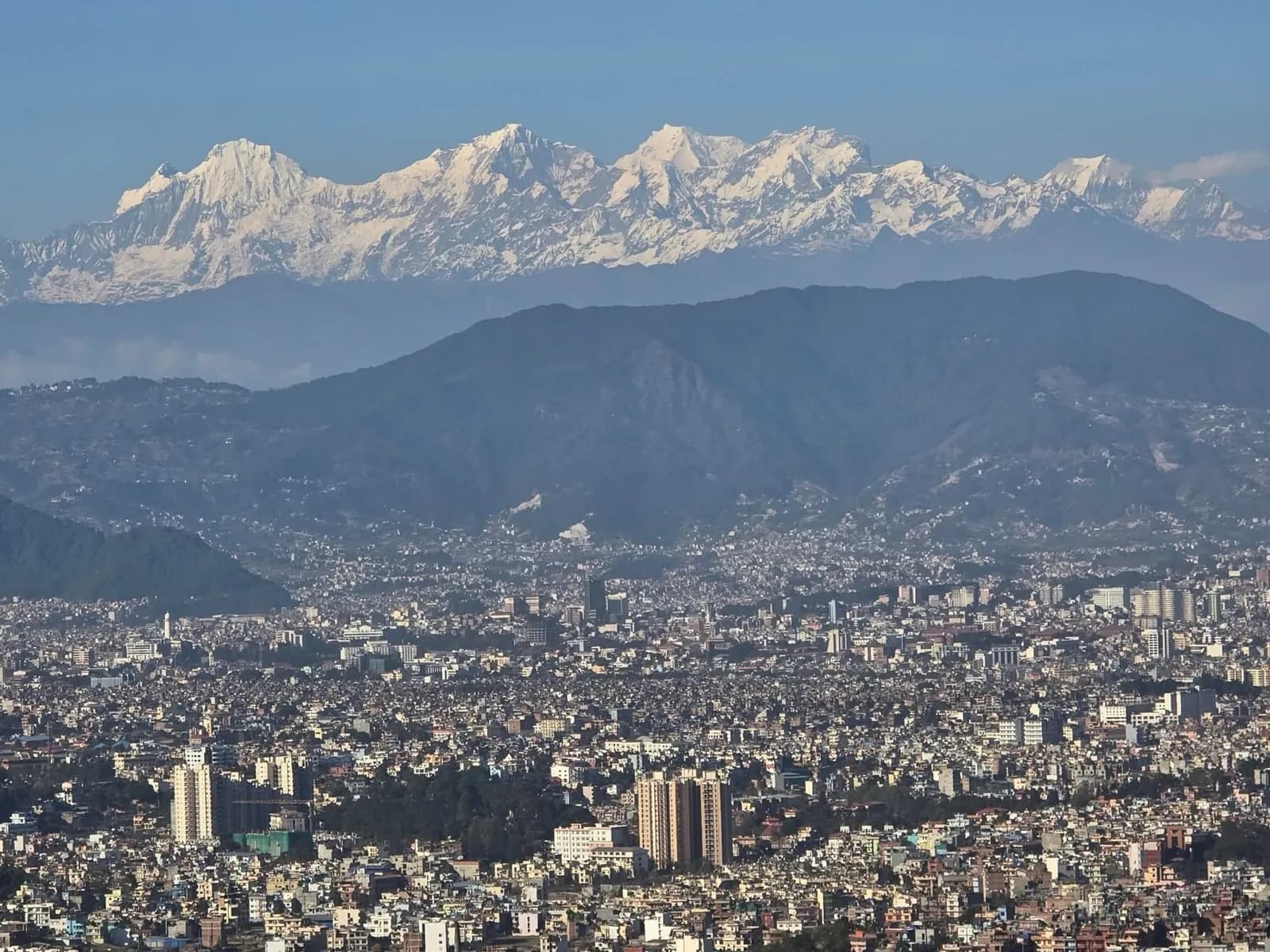
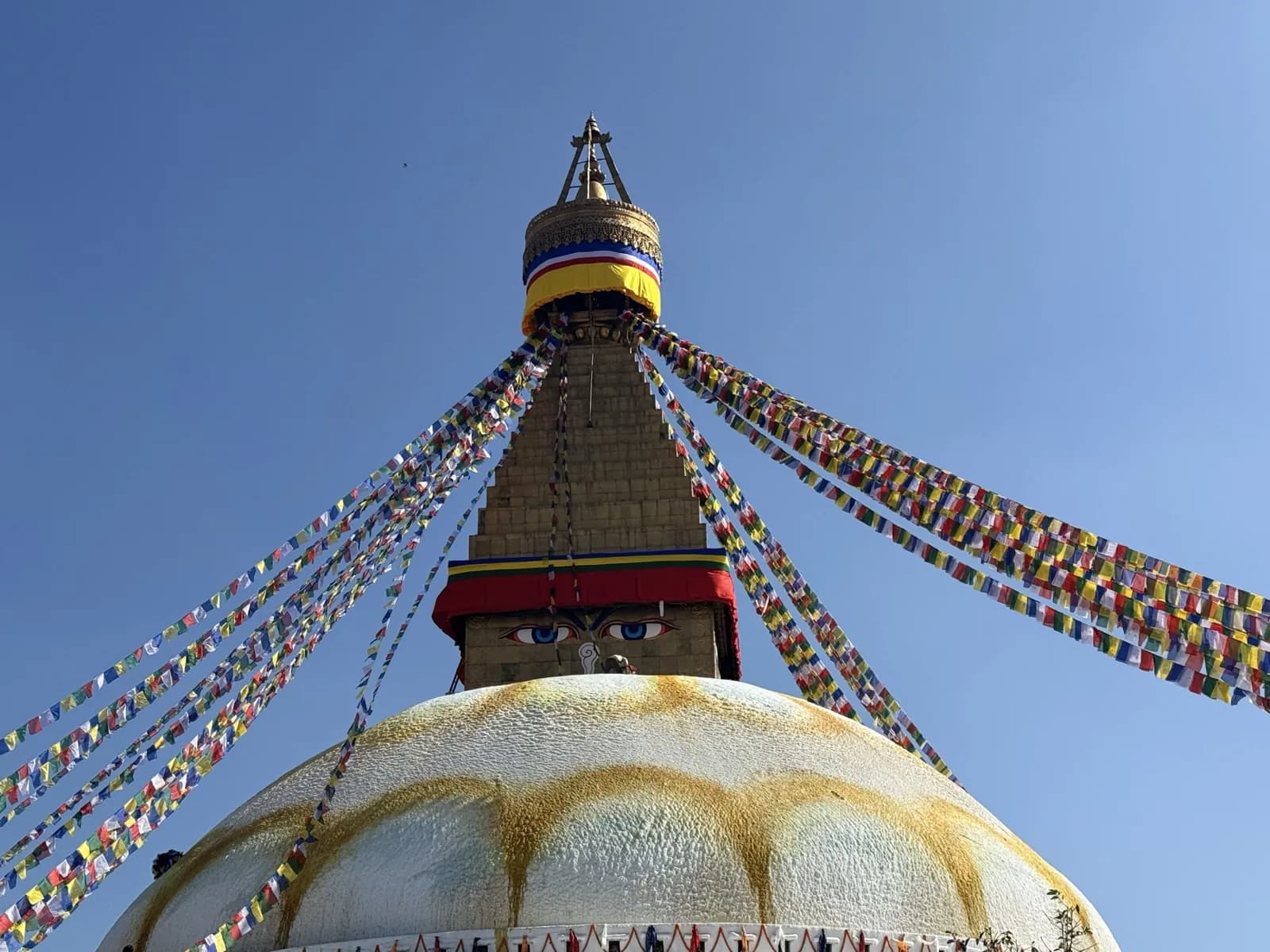
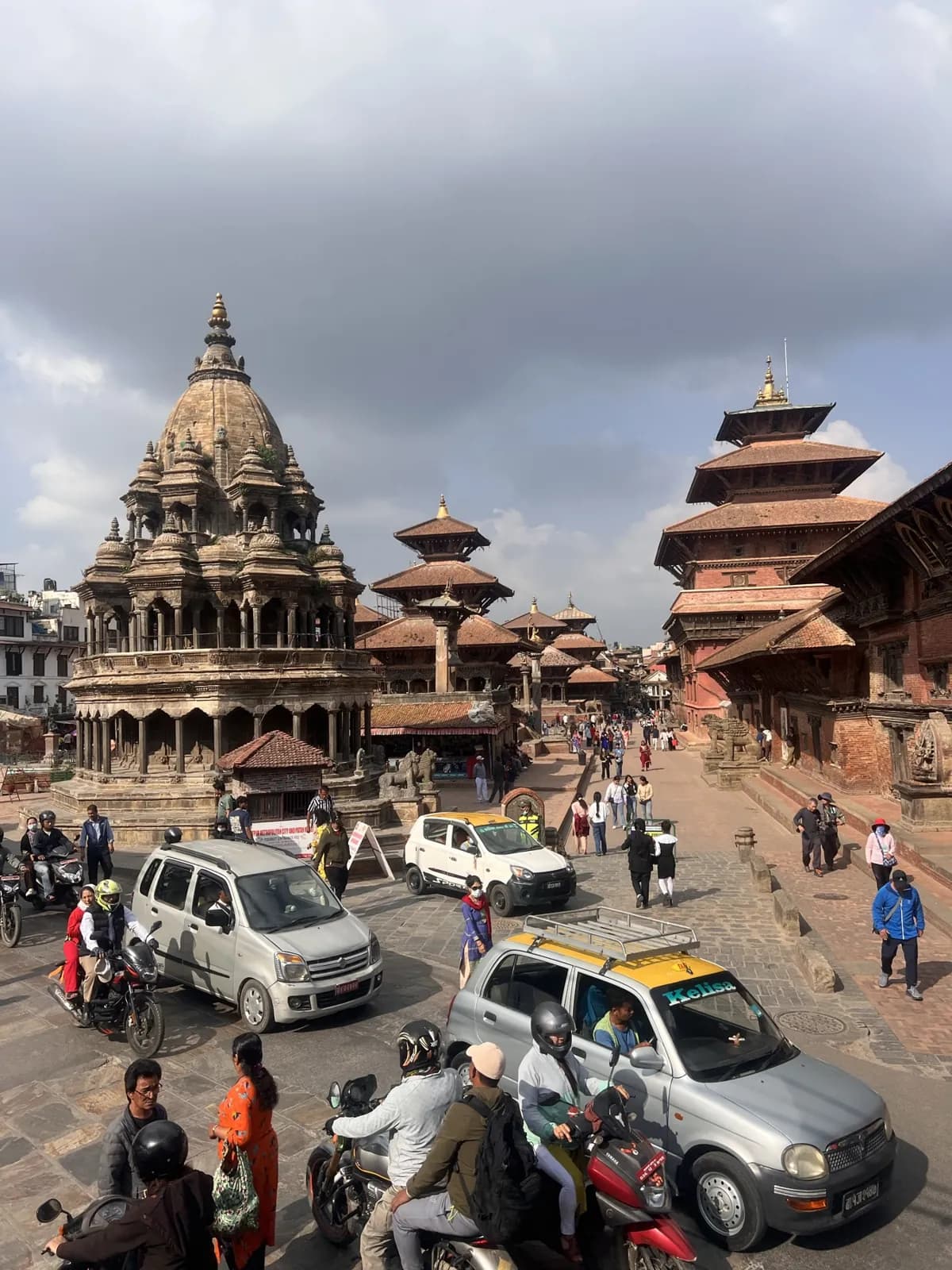
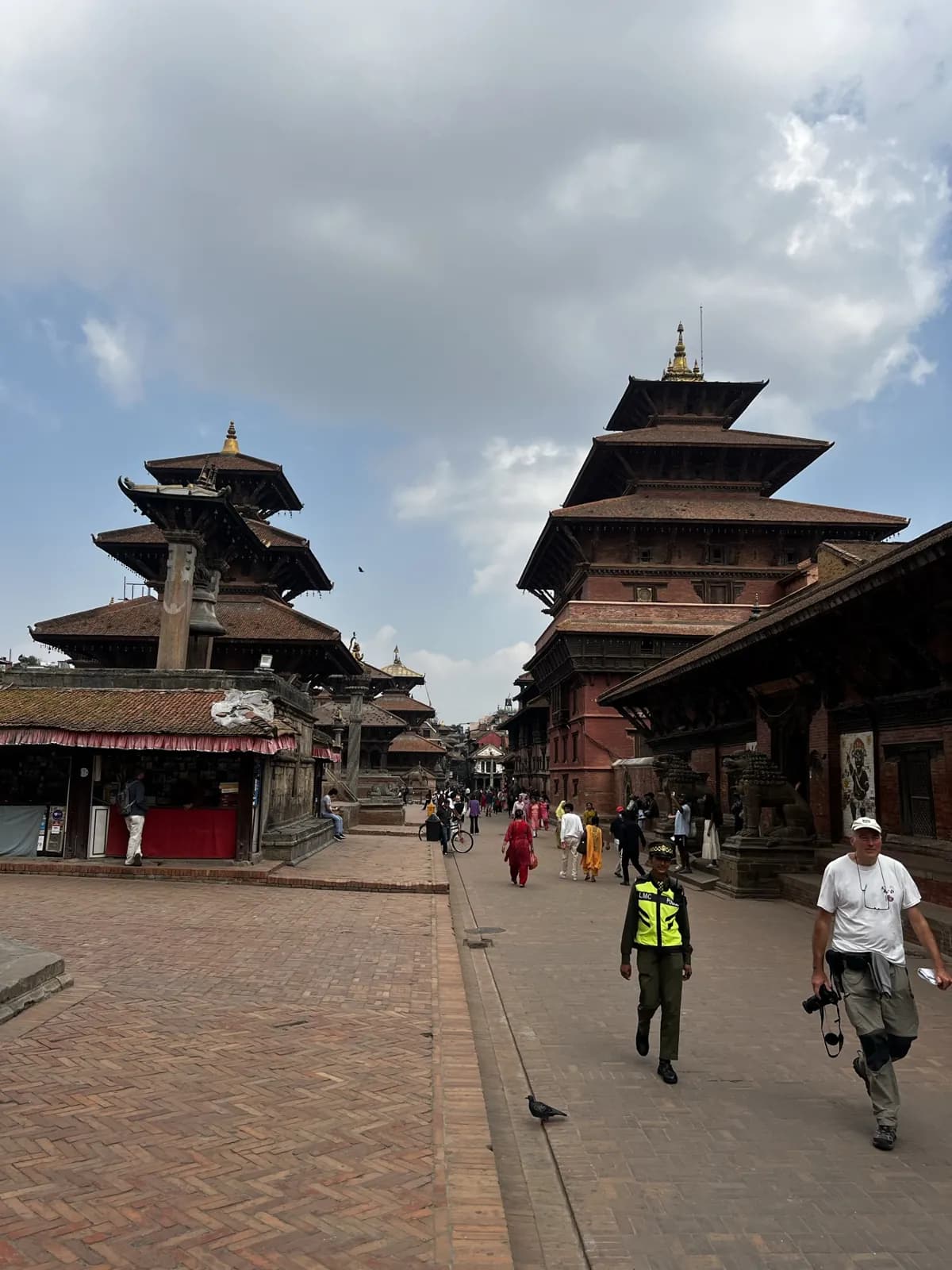
A morning tour of the old city: the hilltop stupa at Swayambhunath, the cremation ghats at Pashupatinath and the carved courtyards of Patan. In the afternoon, a 25-minute flight west to Pokhara, a lakeside town below the Annapurna range.
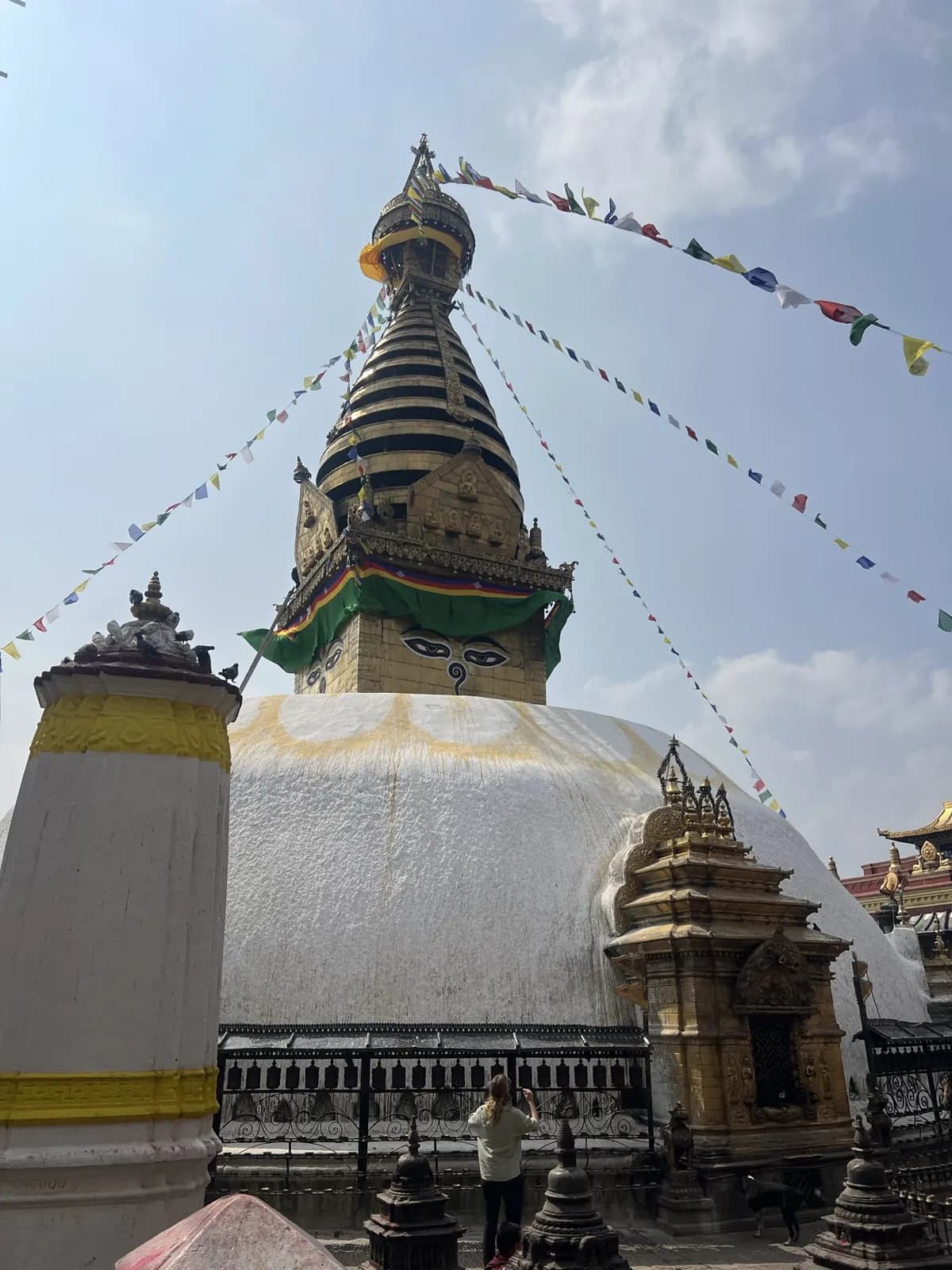
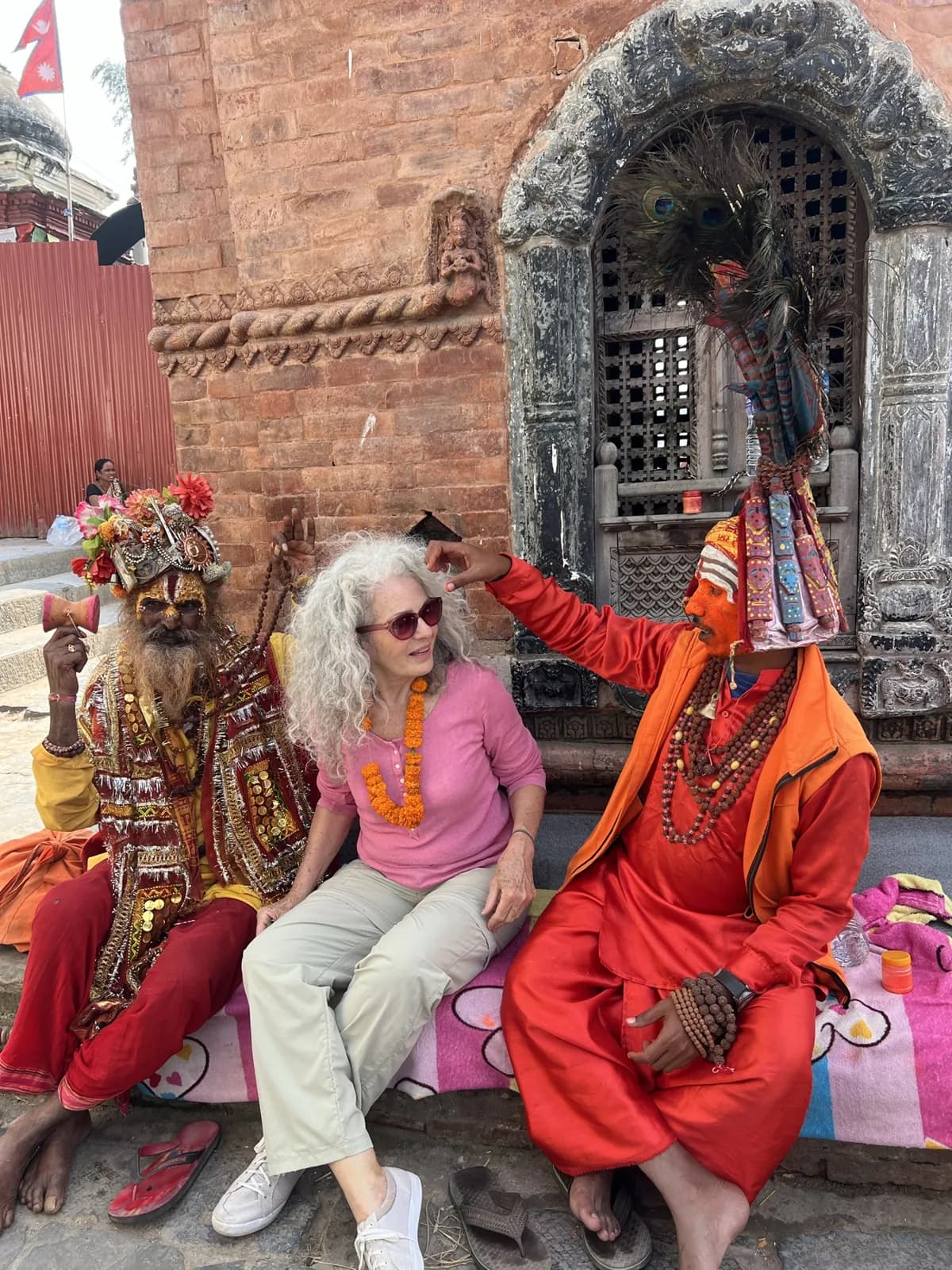
A short drive from Pokhara to the end of the road, then the first day of walking, past the river, rice terraces and villages where the trail is also the main street. The half day is deliberately easy, to give your legs time to adjust.
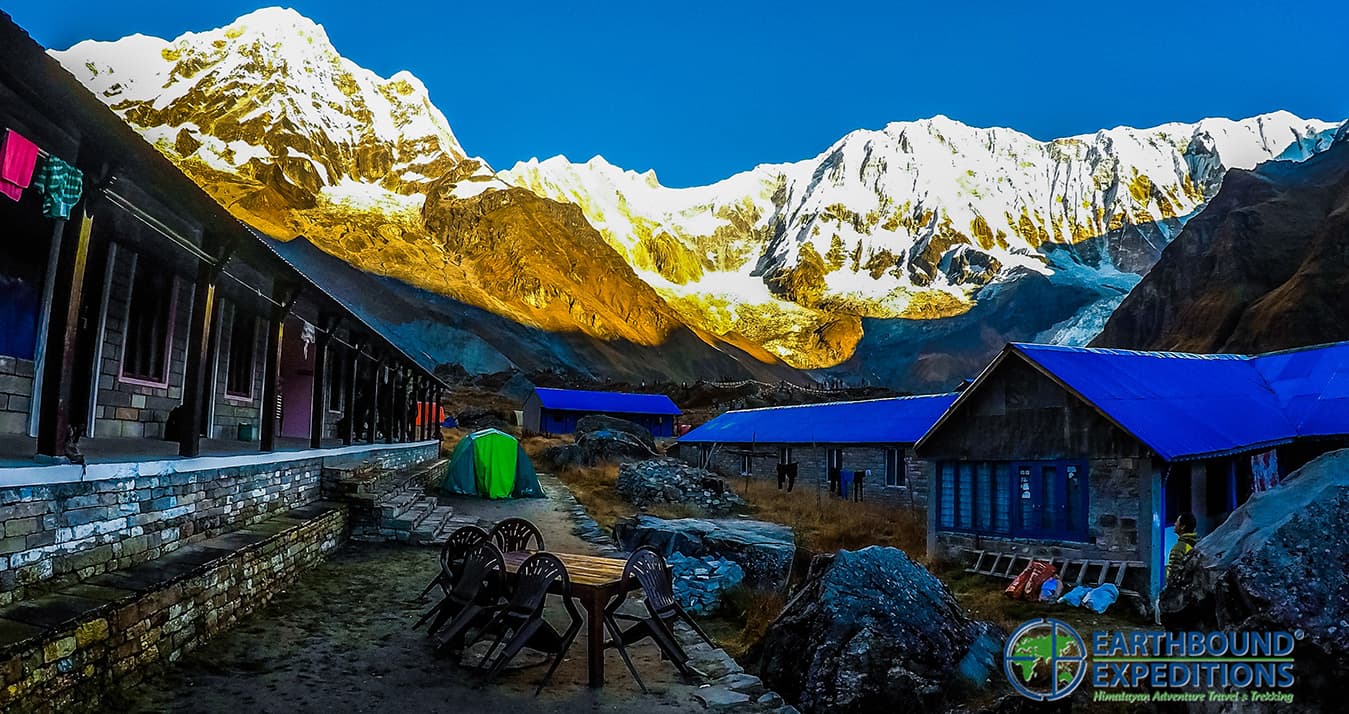
The hardest day of the first half of the trek: more than 3,000 stone steps up to Ulleri, then a gentler climb through rhododendron forest to Ghorepani. In March and April the forest is in red flower all the way.
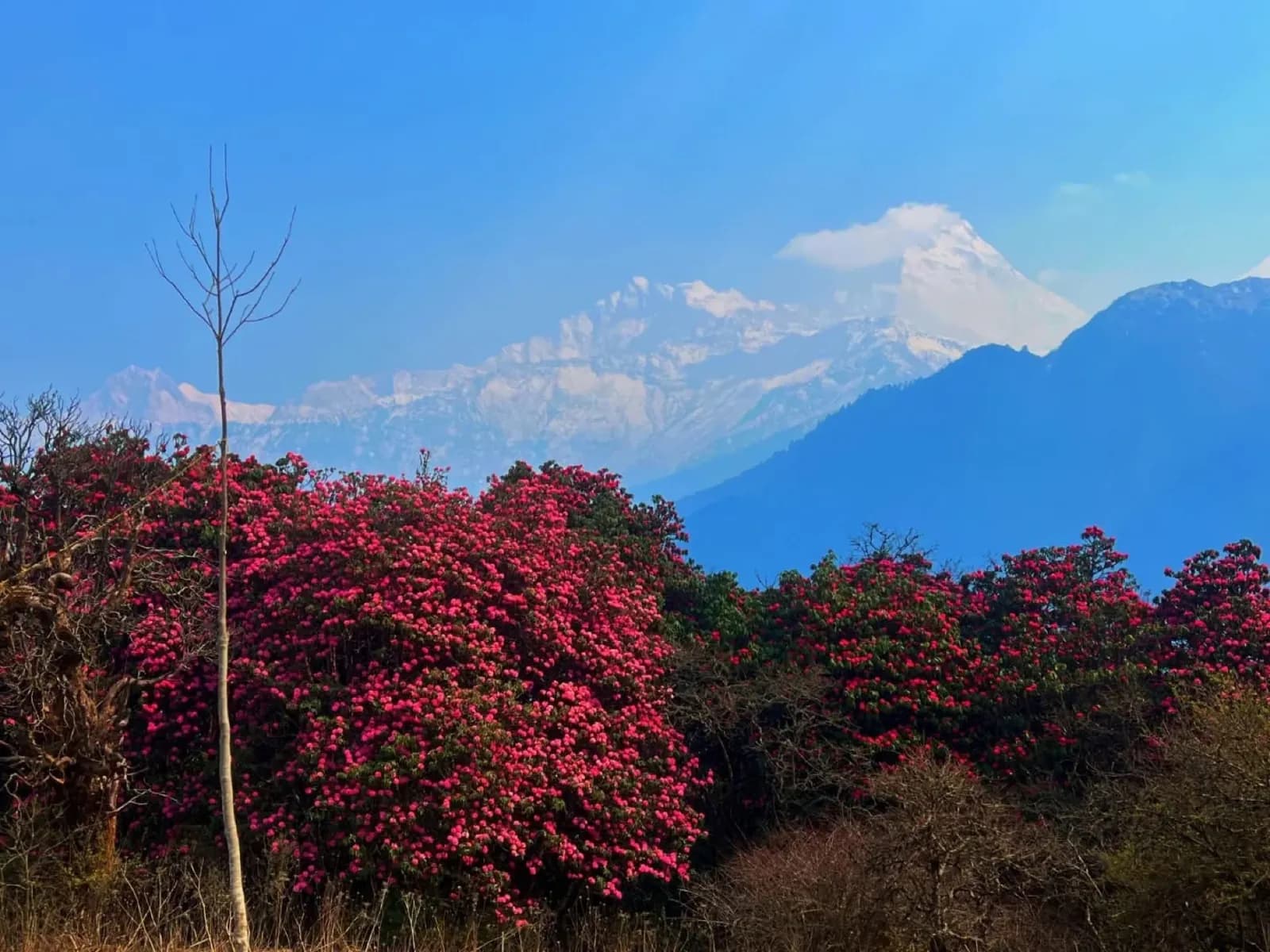
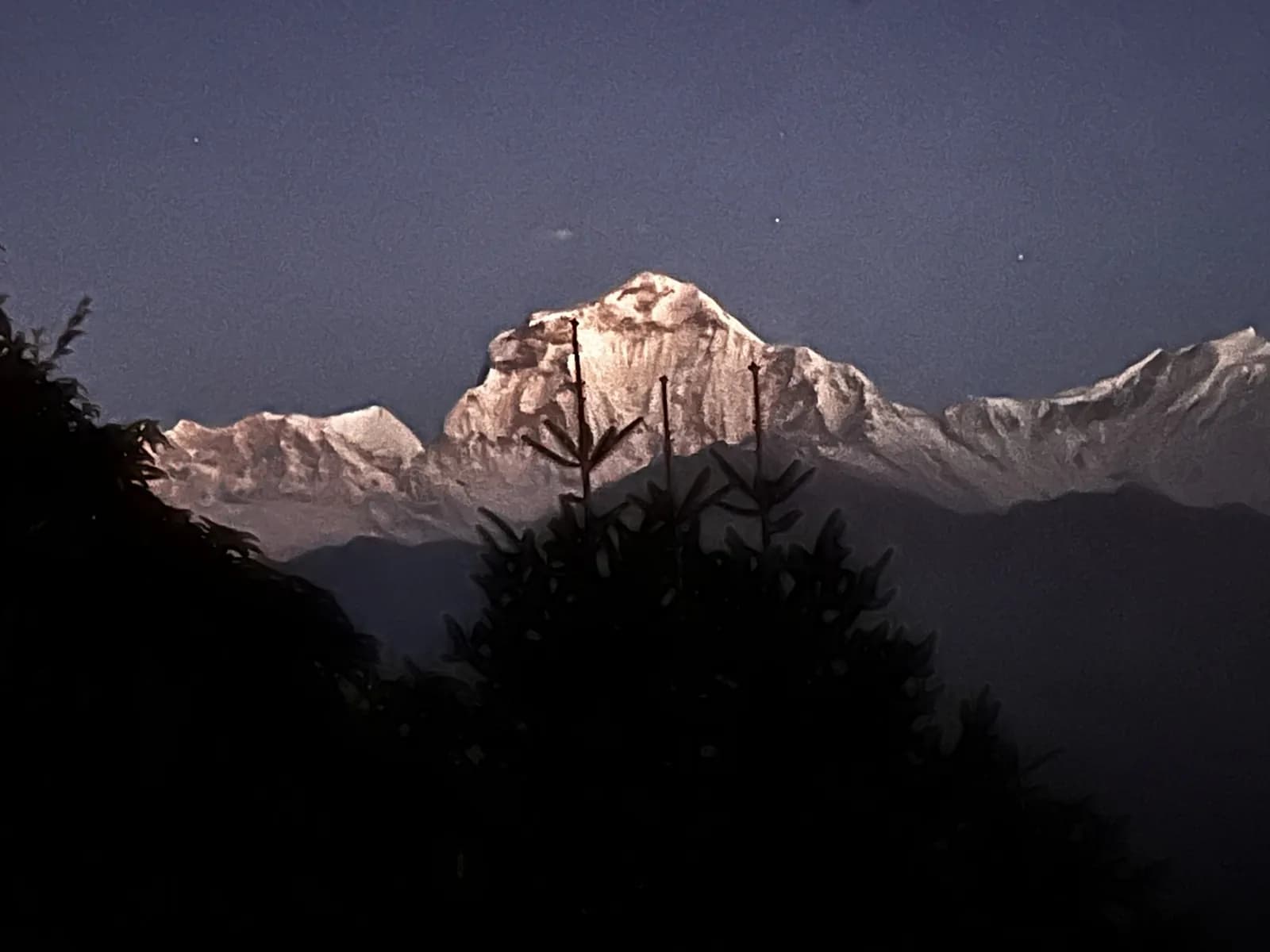
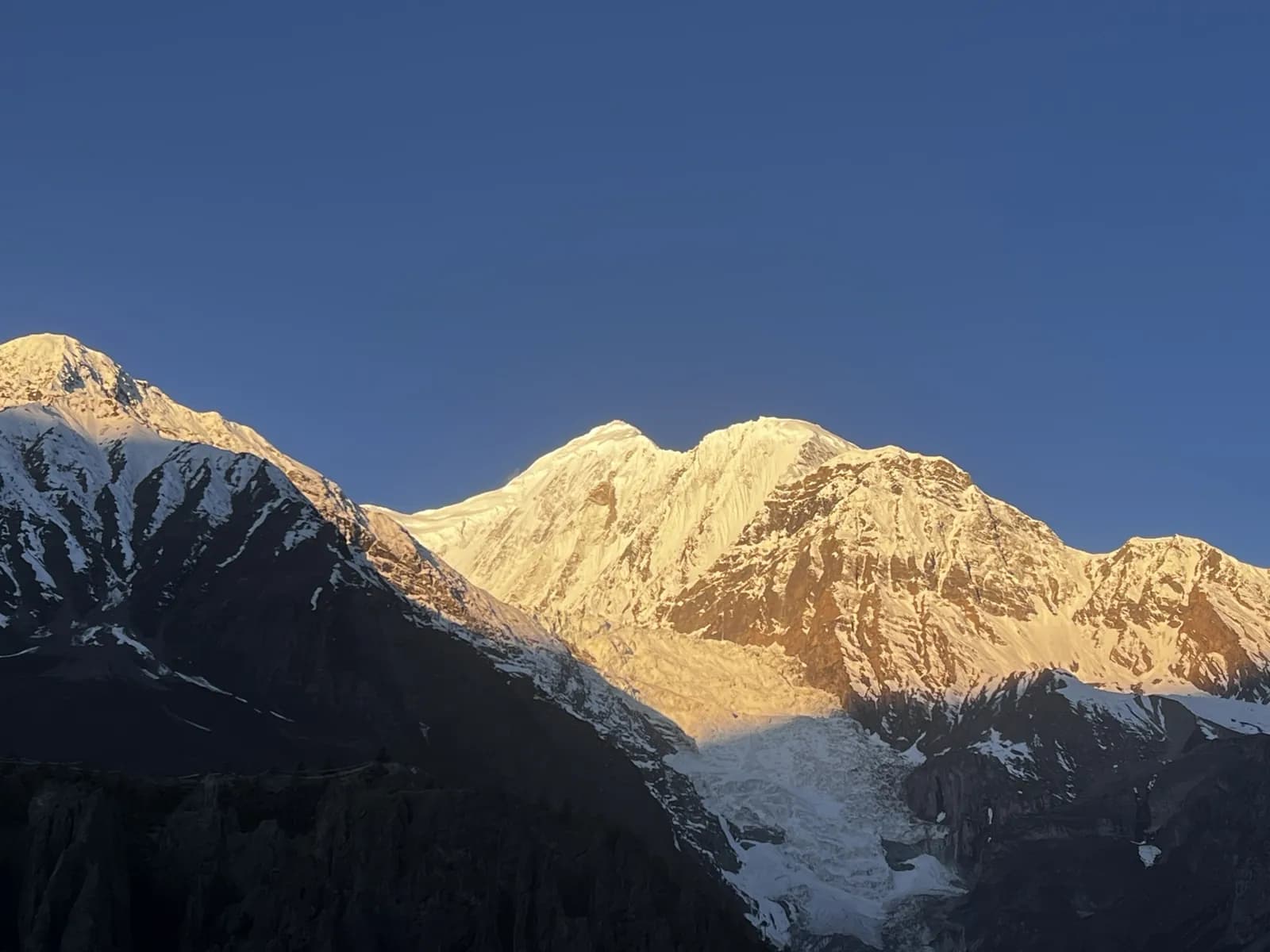
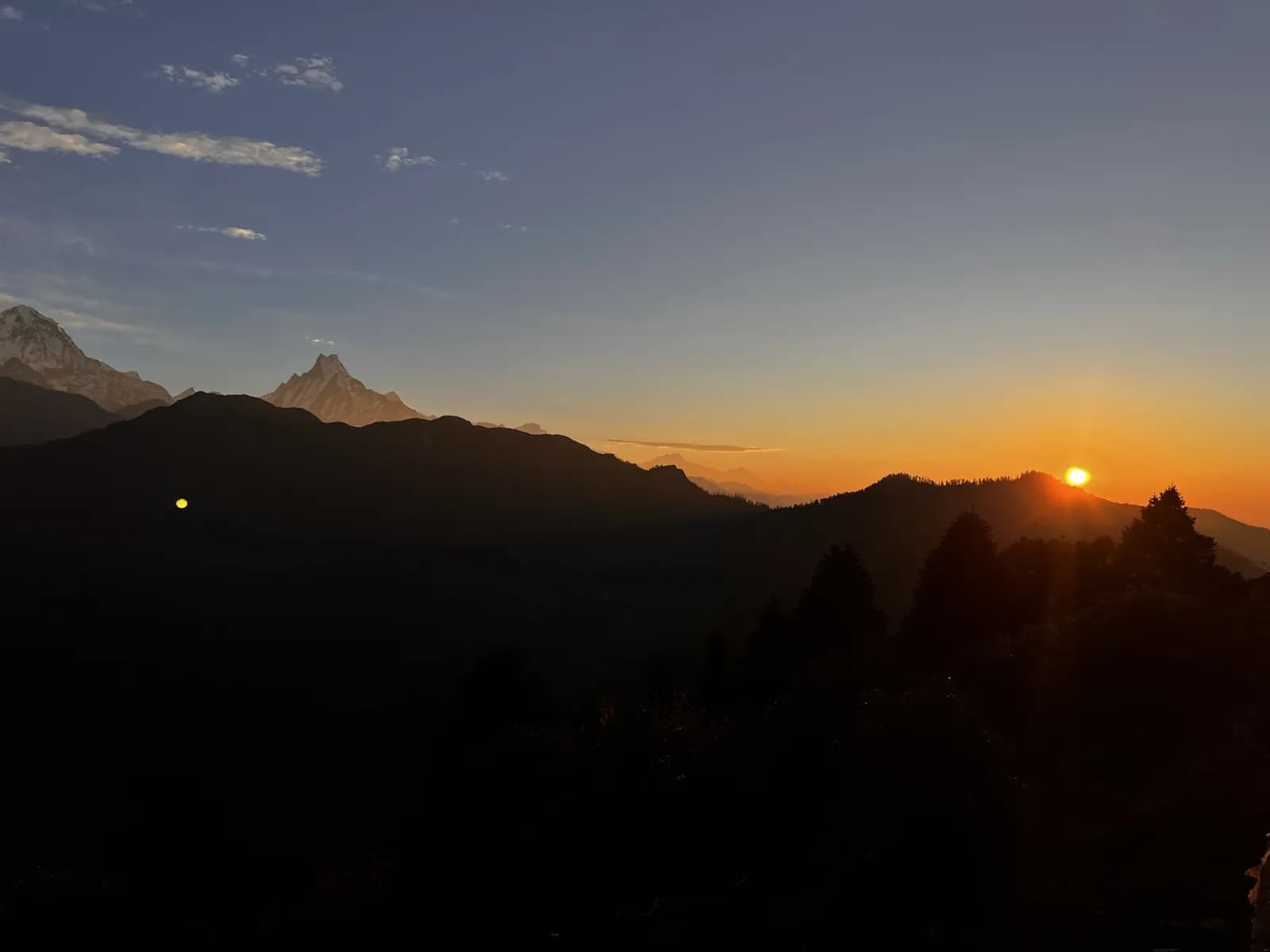
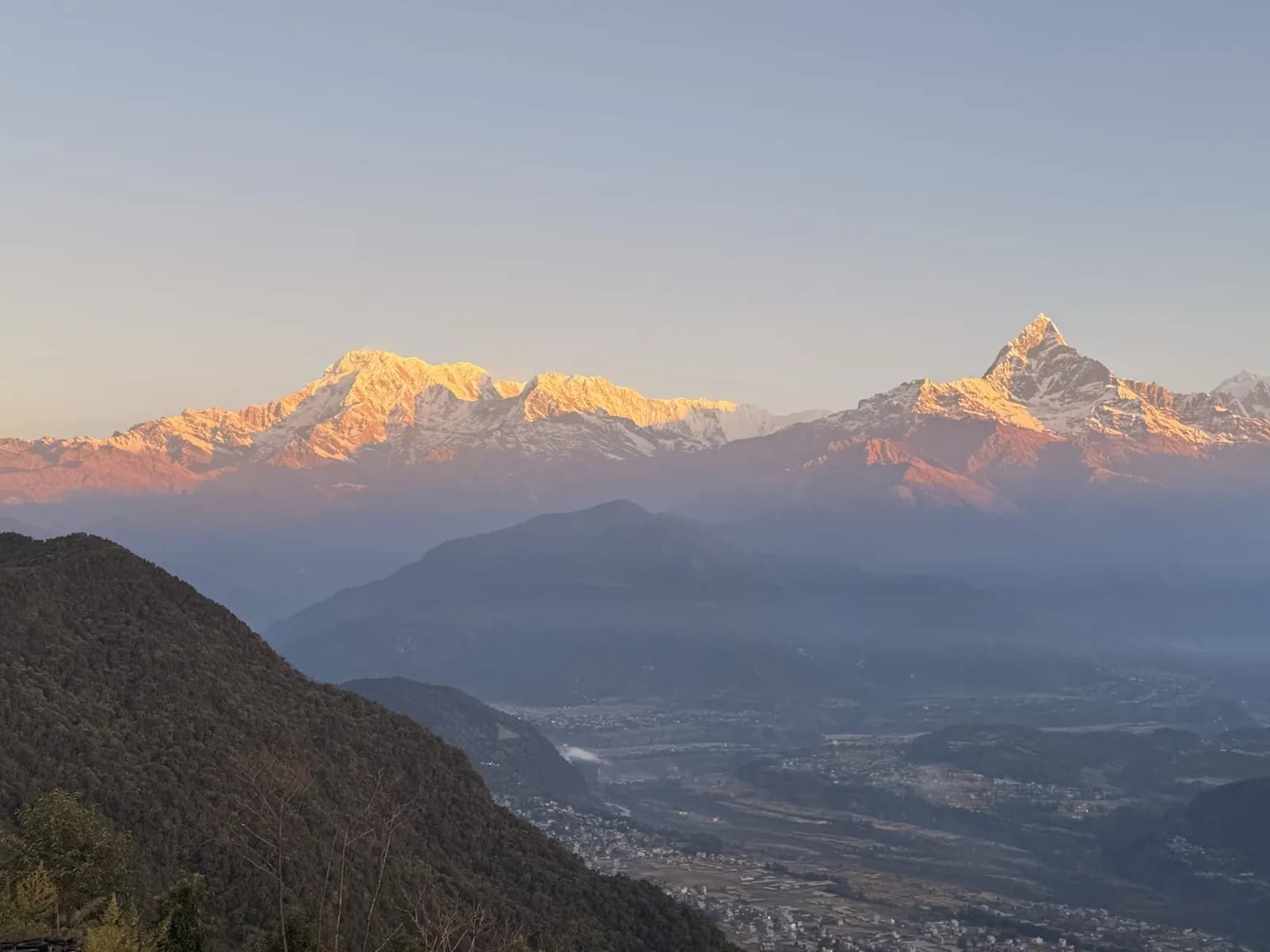
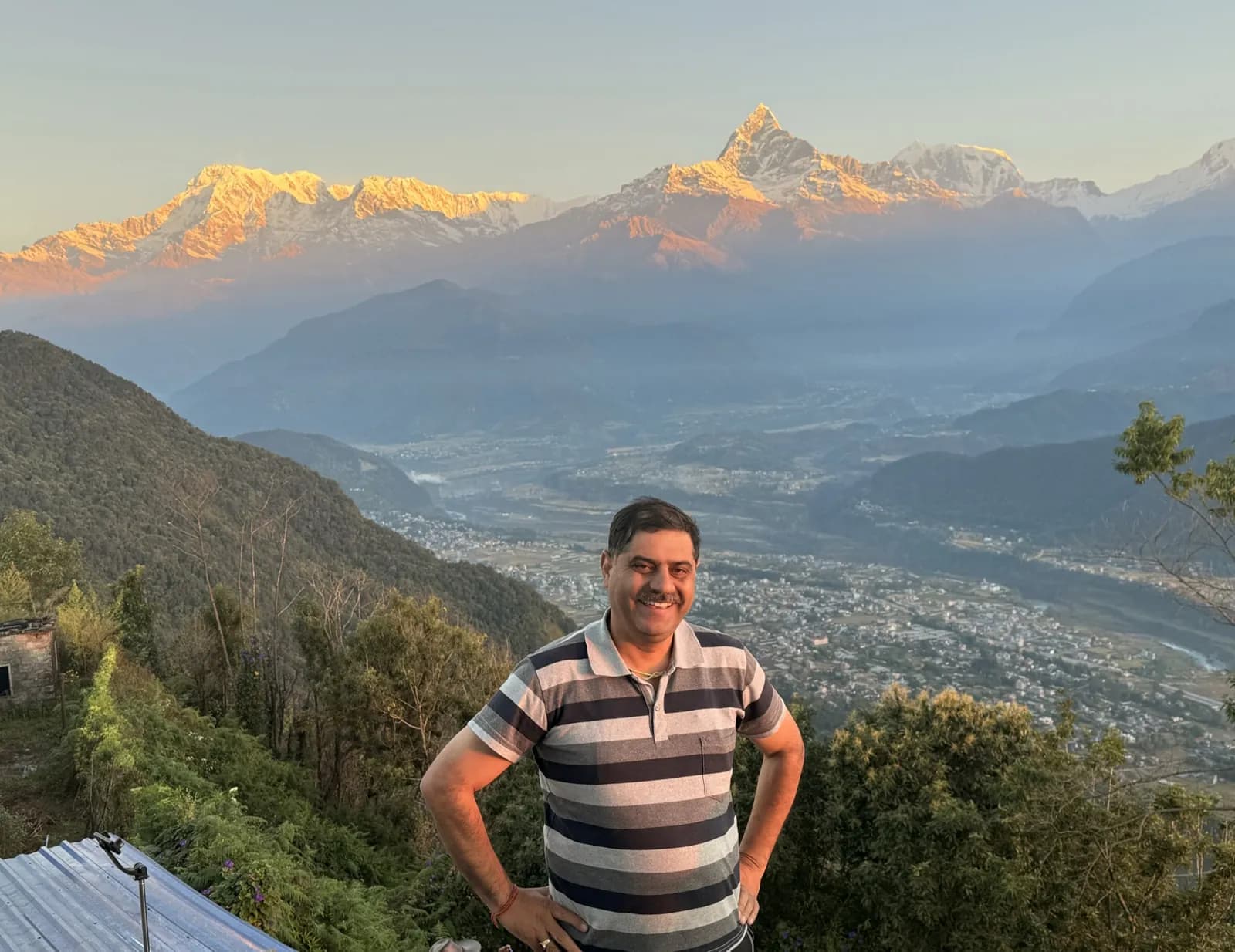
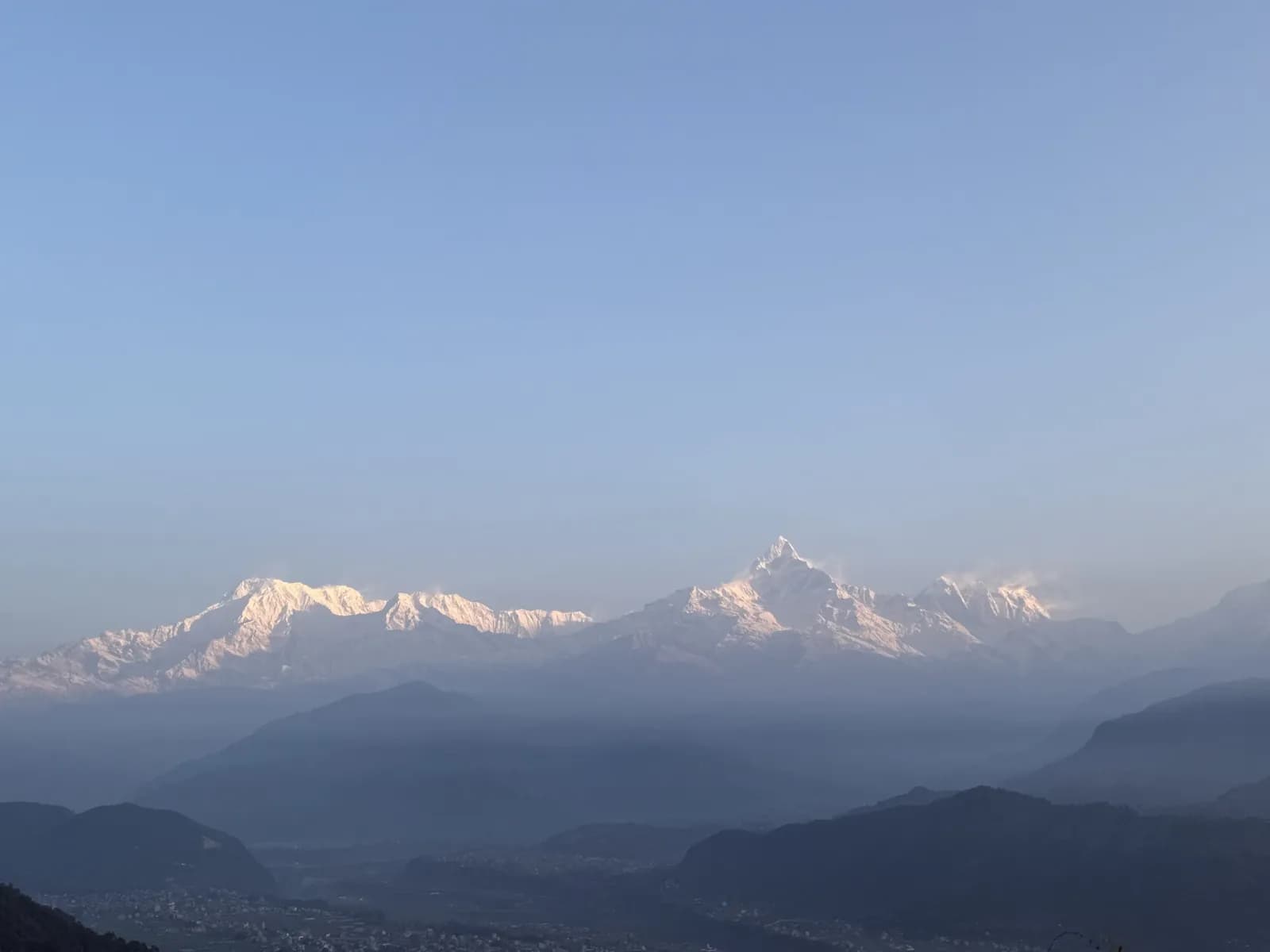
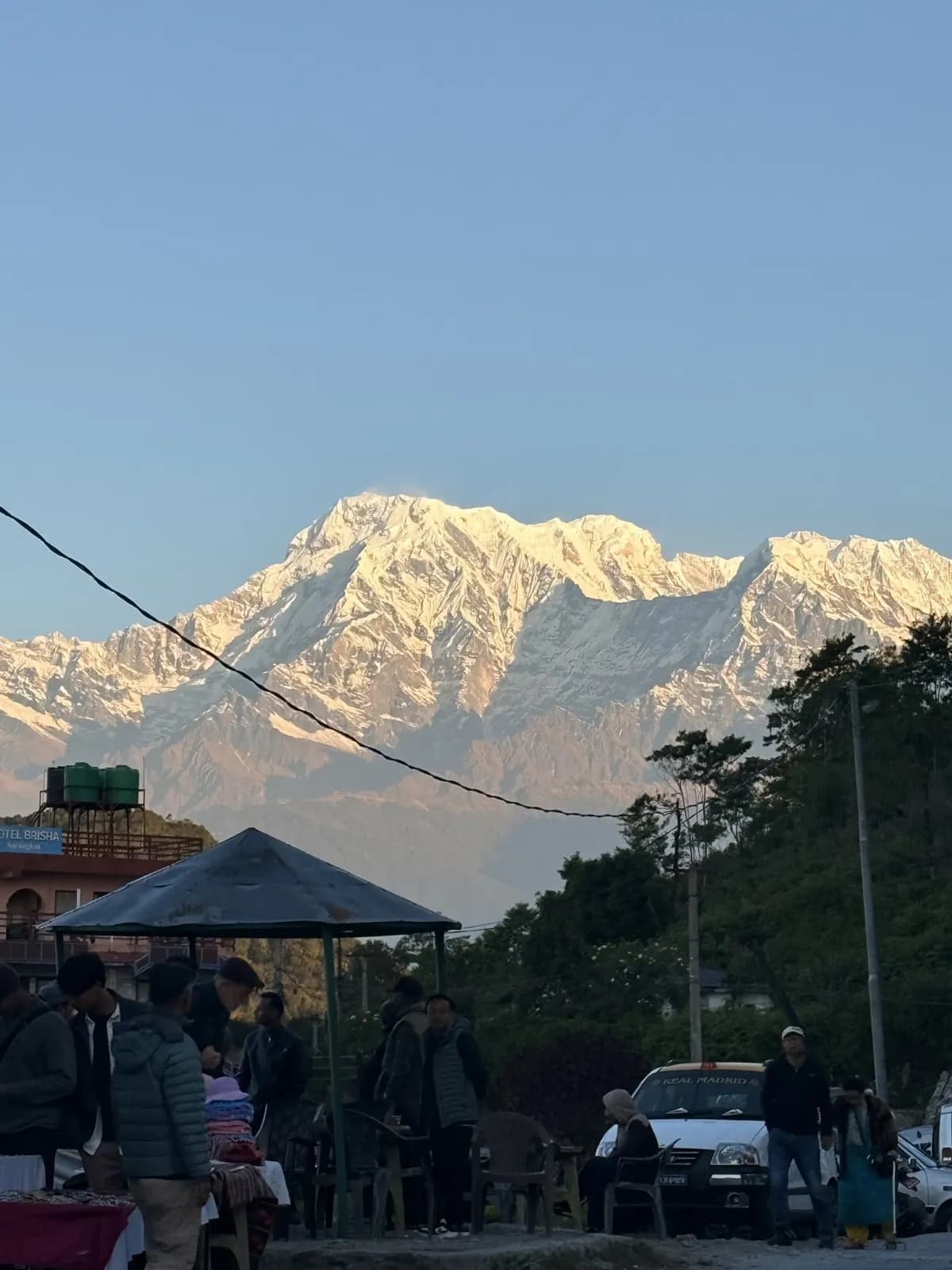
An early start in the dark for the 45-minute climb to Poon Hill, one of the best viewpoints in Nepal, where Dhaulagiri, Annapurna South and Machhapuchhre turn gold at sunrise. Return for breakfast, then walk through mossy forest to Tadapani.
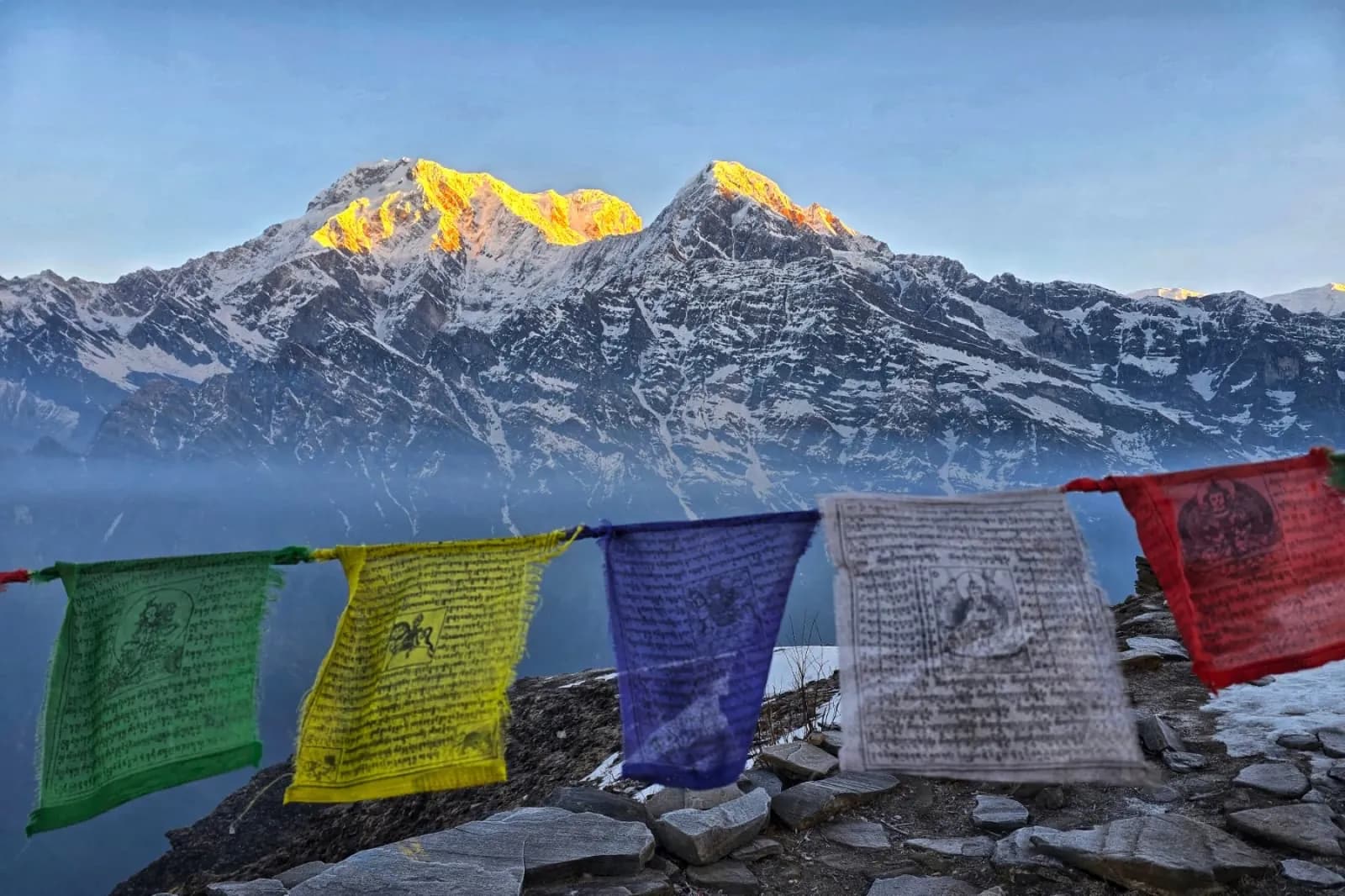
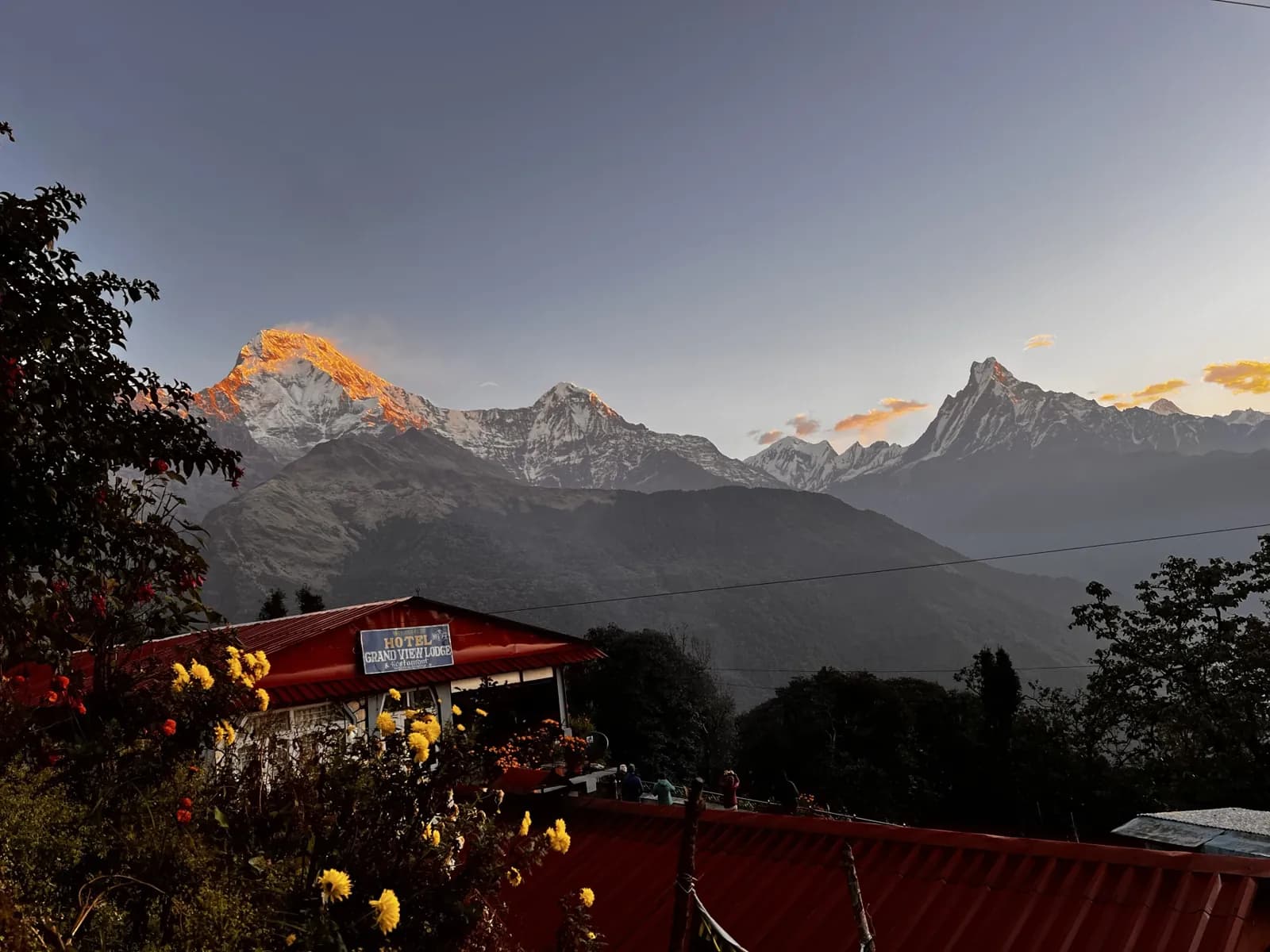
A steep descent to the Kimrong river and a climb up the other side to Chhomrong, a village built in terraces down a hillside below Annapurna South. Chhomrong is the entry point to the Sanctuary trail.
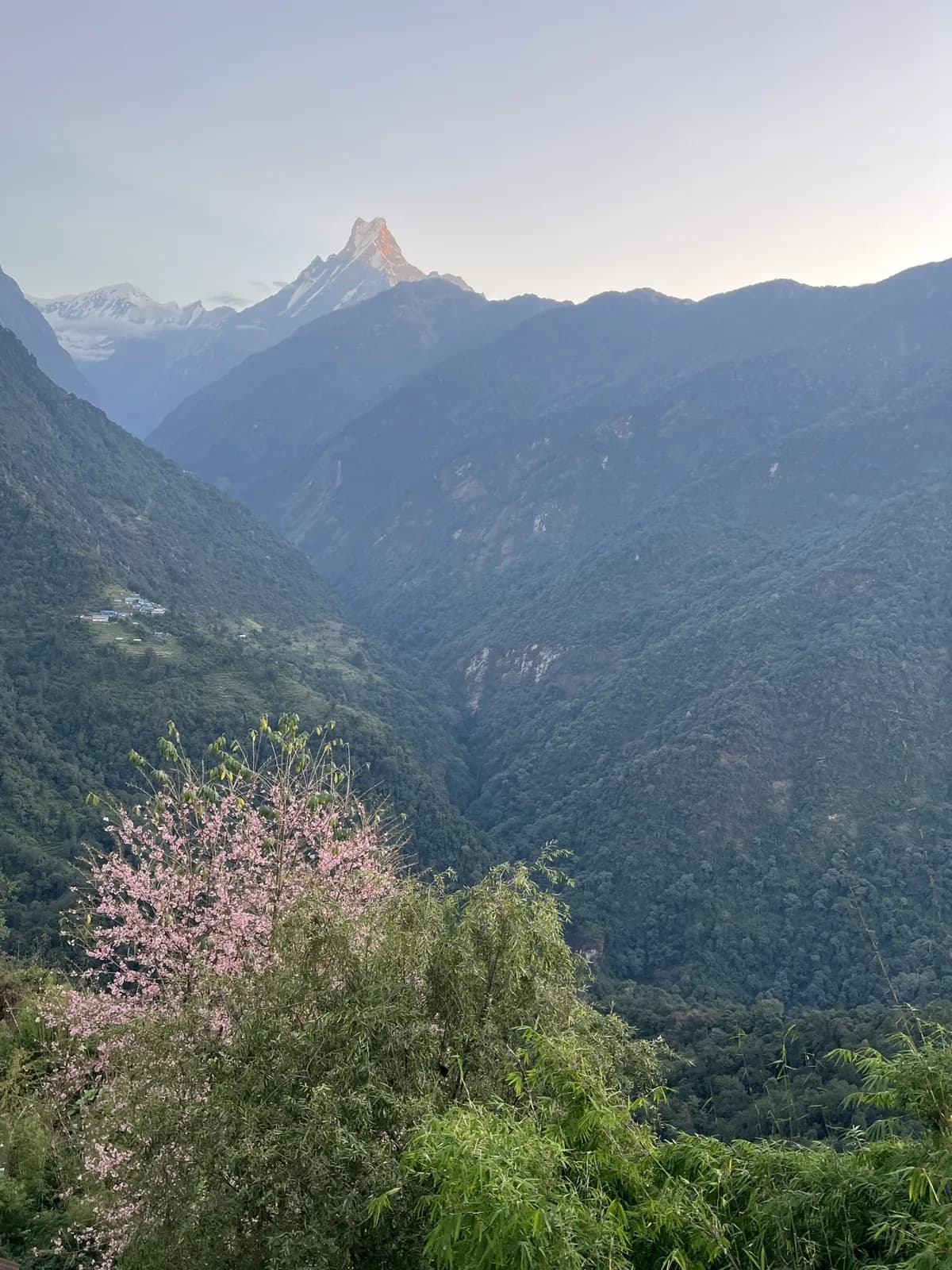
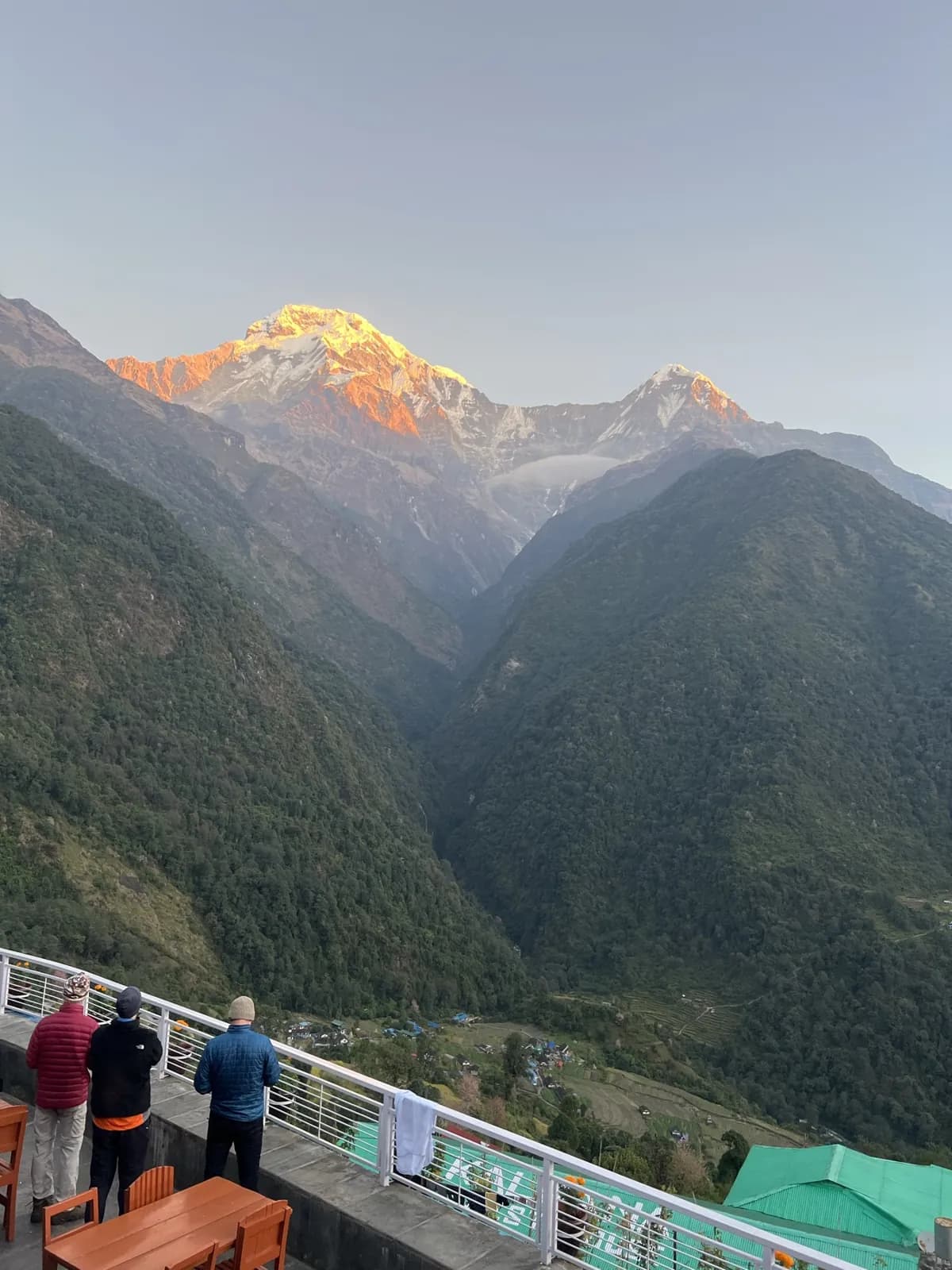
Down the long stone staircase from Chhomrong, across the river, and up through Sinuwa and Bamboo into the main gorge. The trail passes through wet forest, where you may see langur monkeys, and the valley narrows on both sides until only a strip of sky is visible overhead.
The trail passes Hinku Cave and climbs through Deurali, where the forest ends and the gorge opens out. We cross the avalanche-prone section early in the day for safety. By the afternoon you reach Machhapuchhre Base Camp, directly below the summit of Machhapuchhre (Fishtail).
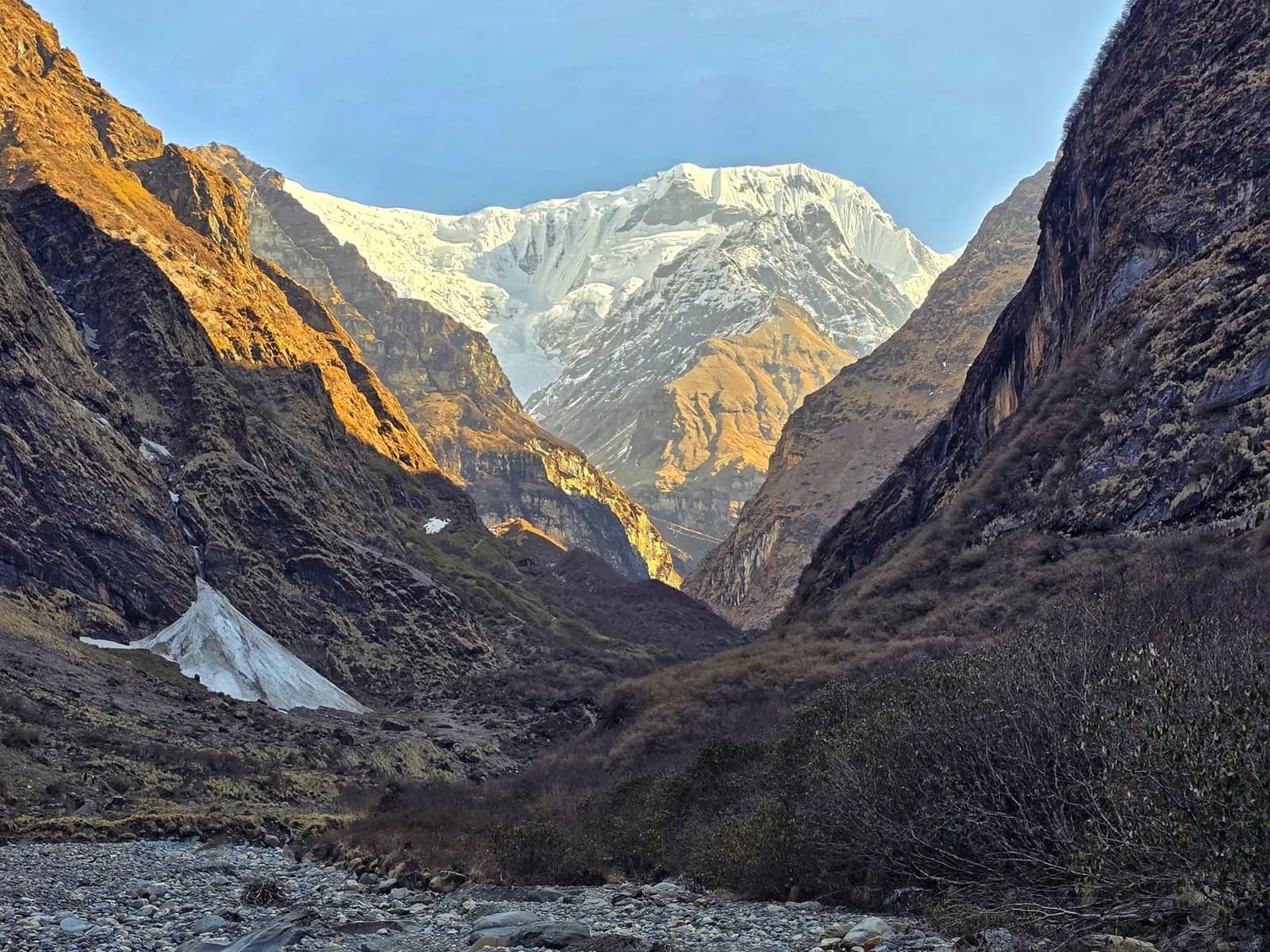
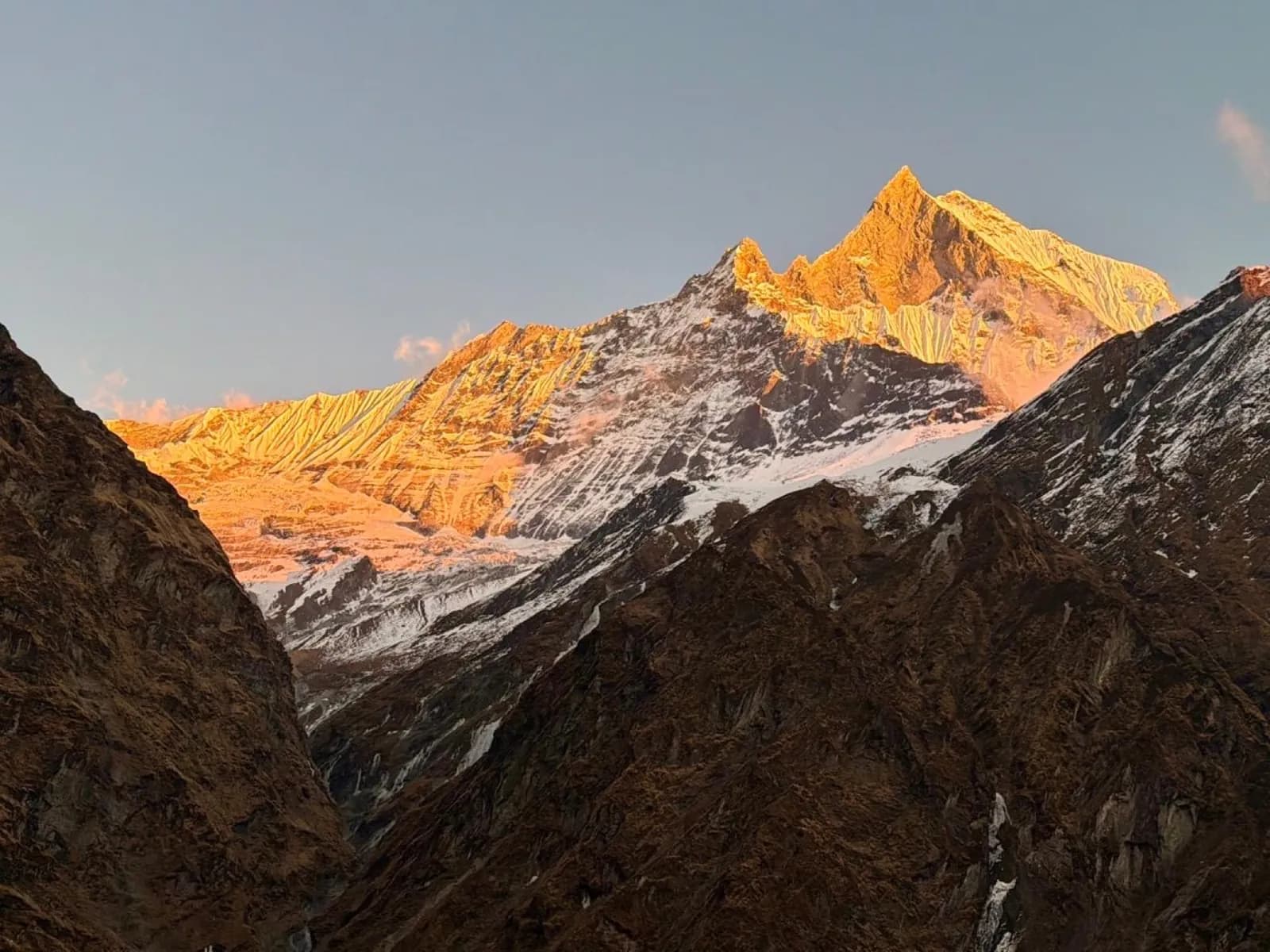
A two-hour climb to the Sanctuary for sunrise, the main goal of the trek: a flat glacial basin at 4,130 m, with Annapurna I, Annapurna South, Hiunchuli and Machhapuchhre forming a complete ring around you. Then a long descent, because sleeping at a lower altitude keeps this trek safe.
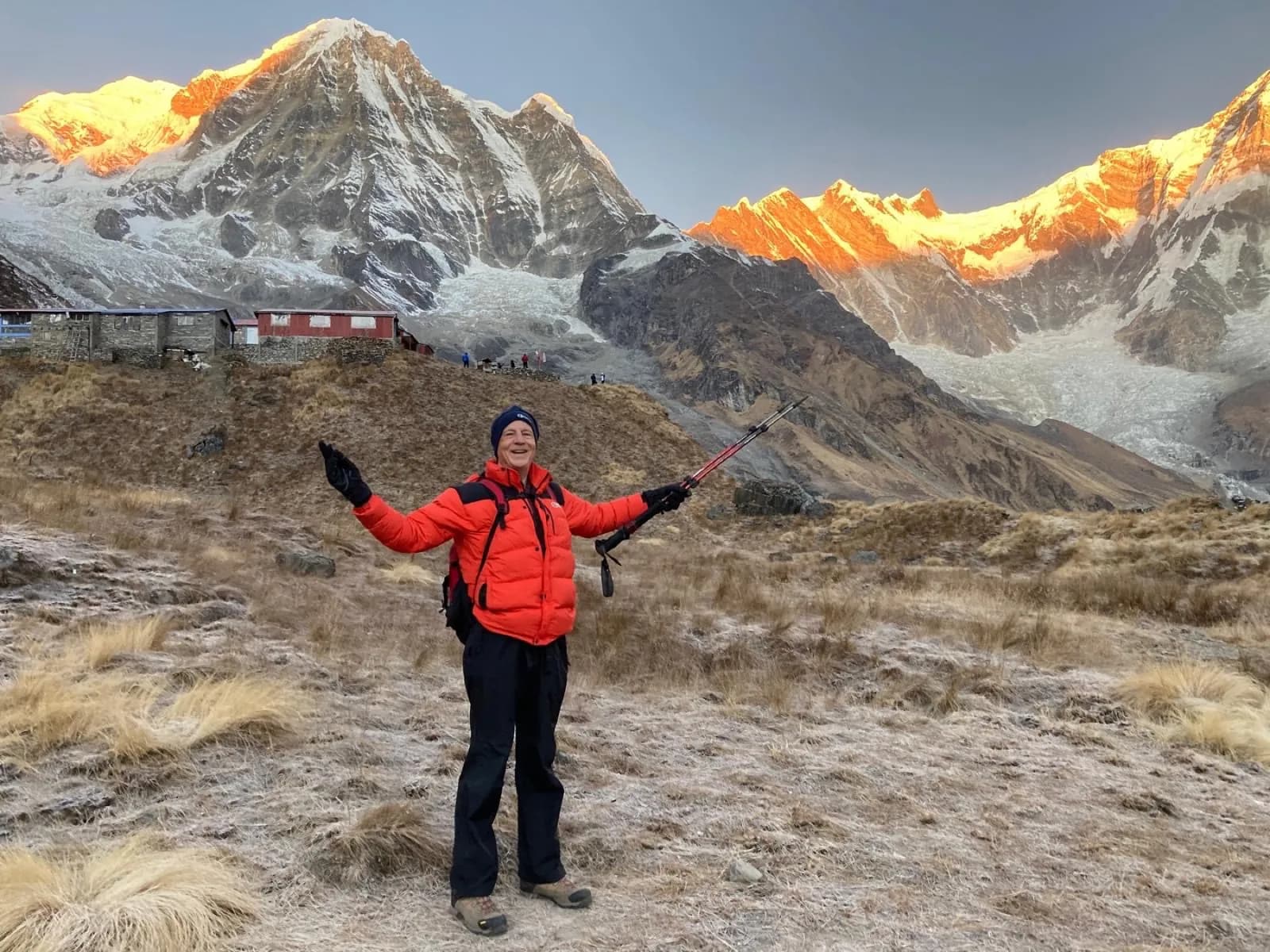
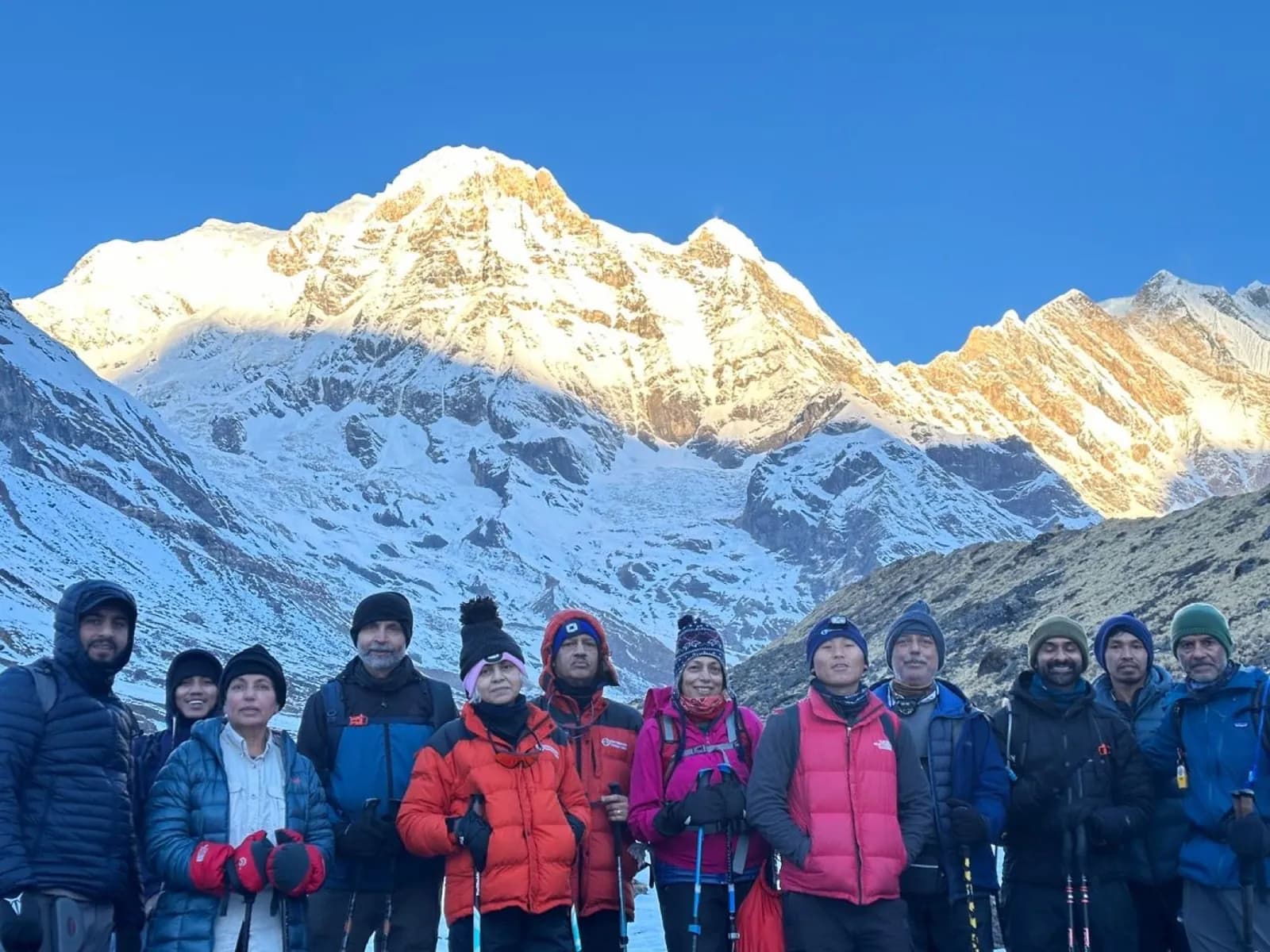
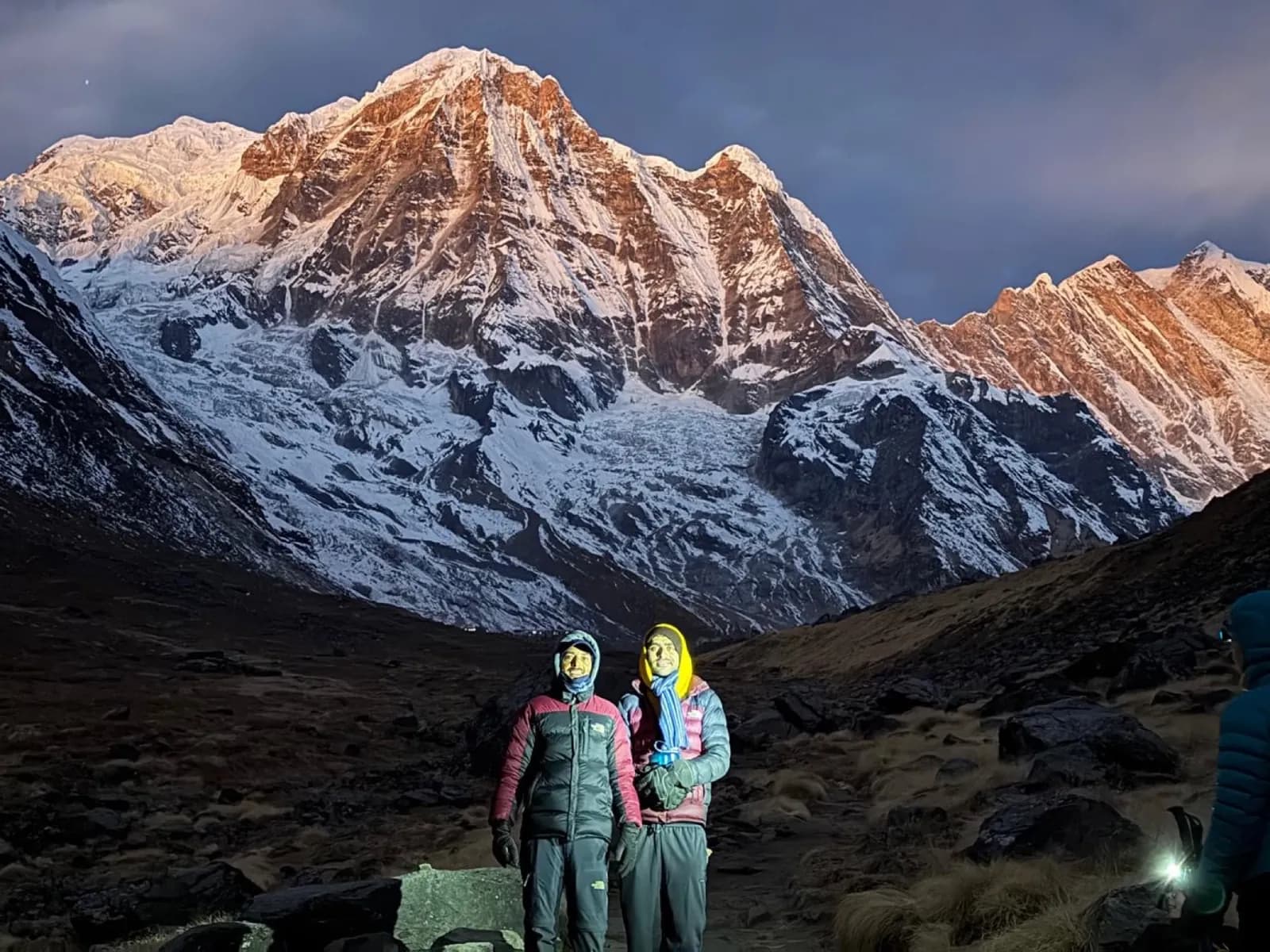
Back down and out of the gorge, then a short descent below Chhomrong to Jhinu Danda. Twenty minutes further down are natural hot pools beside the river, which are very welcome after eight days of walking.
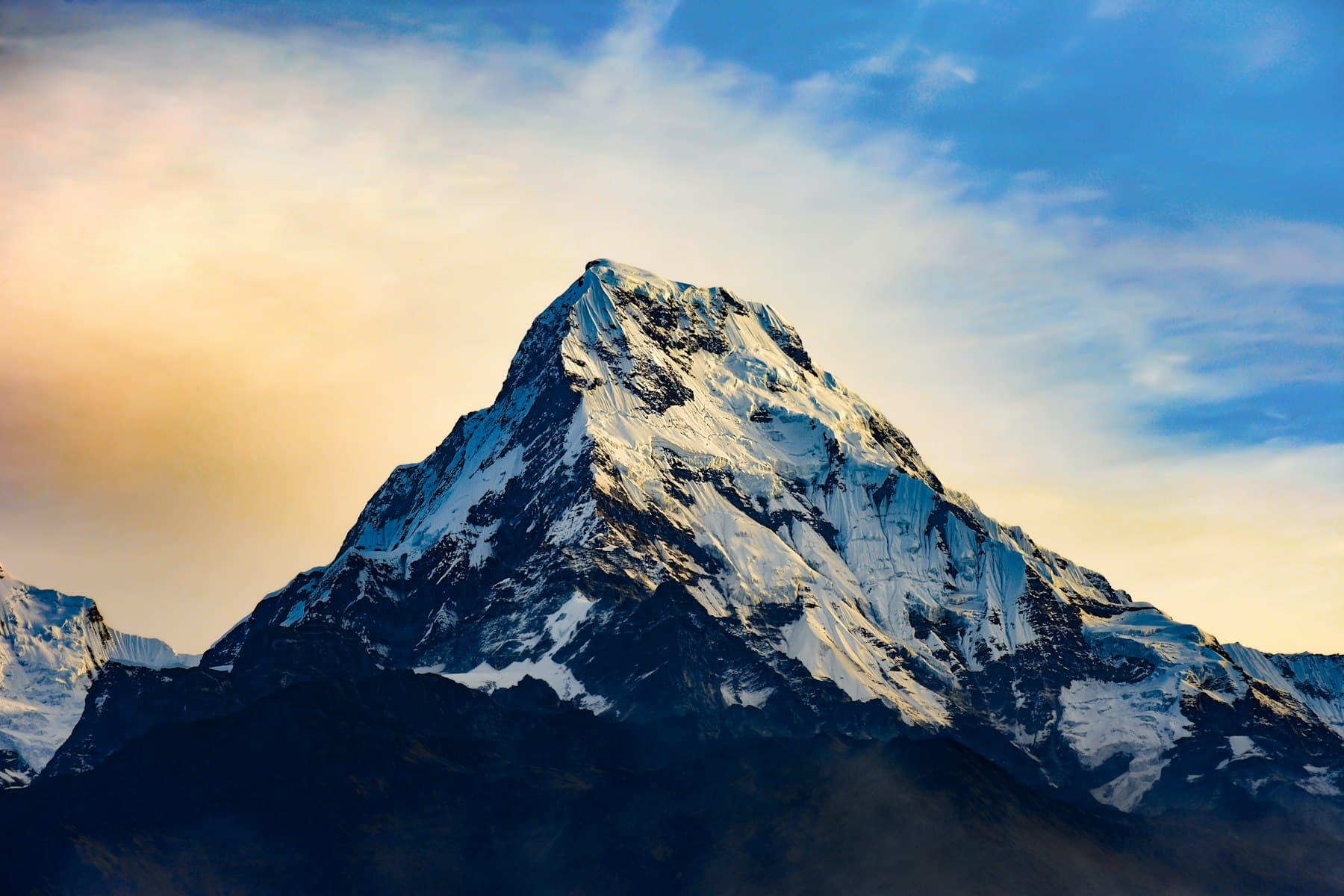
An easy morning's walk through terraced fields and along the river to the road head, then a drive back to Pokhara, where you have a hot shower, a proper bed and dinner beside the lake.
A free day. Options include a boat trip on Phewa Lake, the Sarangkot viewpoint, a massage, or paragliding, for which Pokhara is one of the best places in the world.
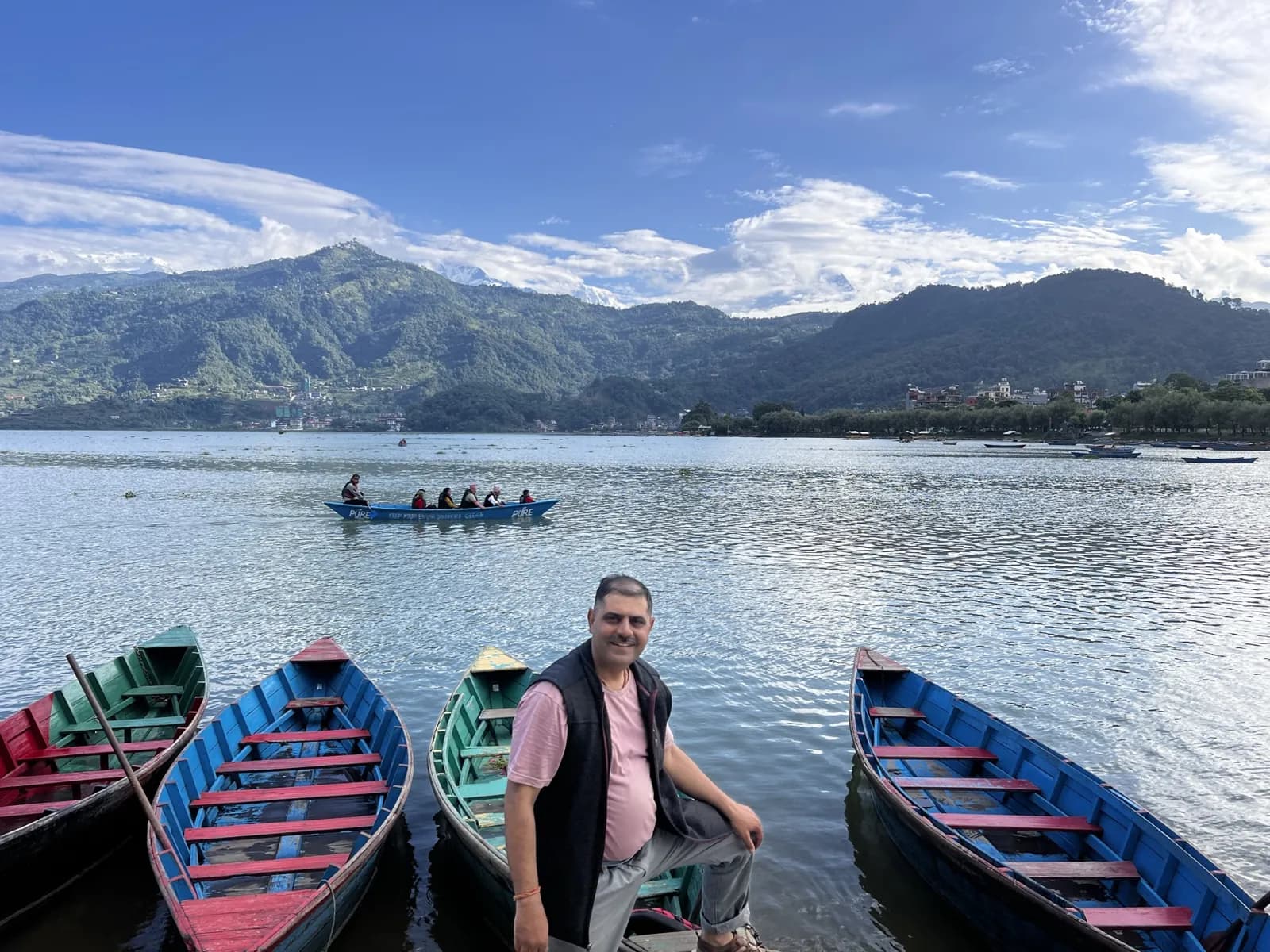
A short flight, or the longer scenic drive along the Trishuli river if you would like to see the country between the two cities. In the evening there is a farewell dinner with the guides and a Nepali cultural show.
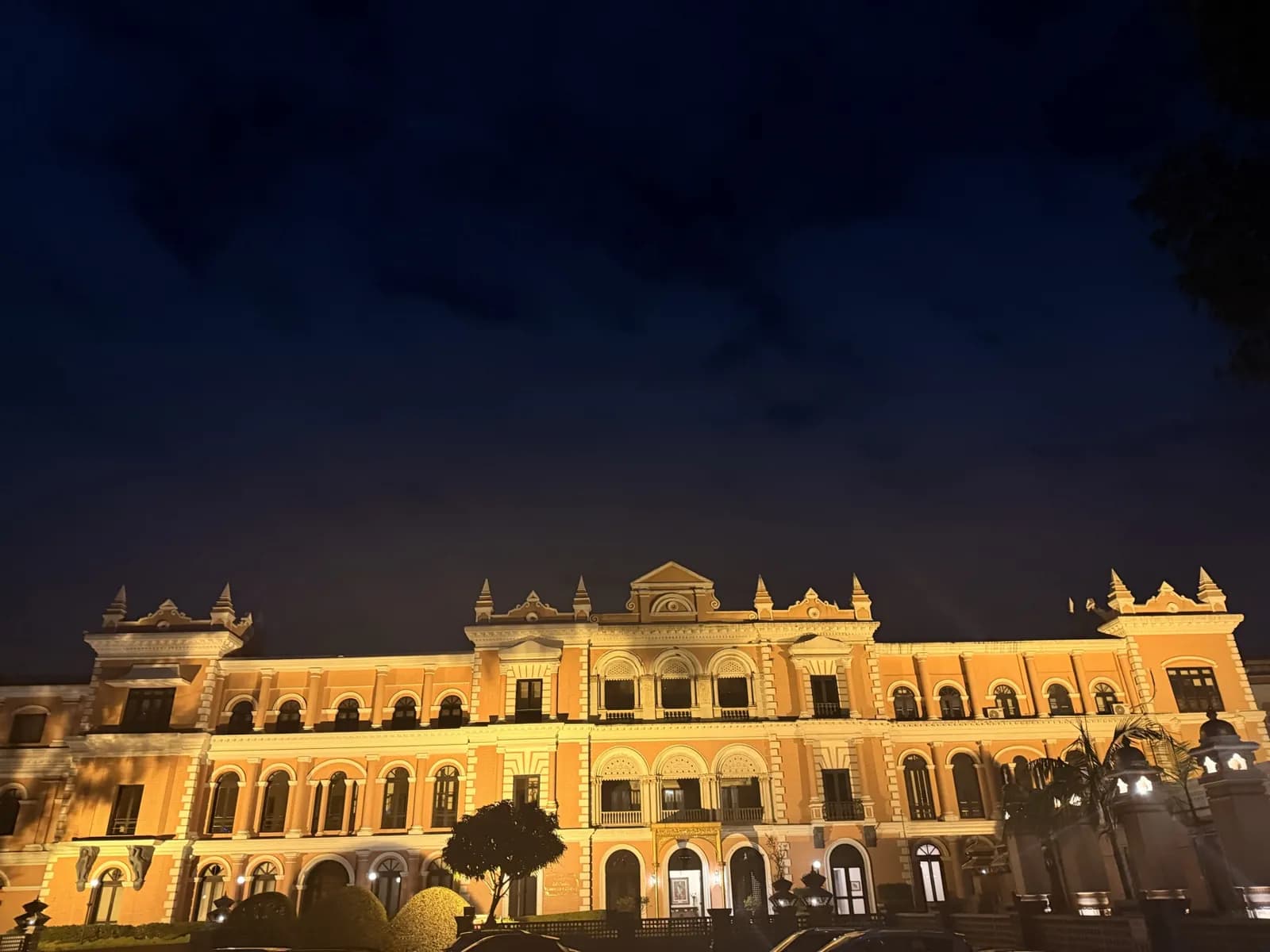
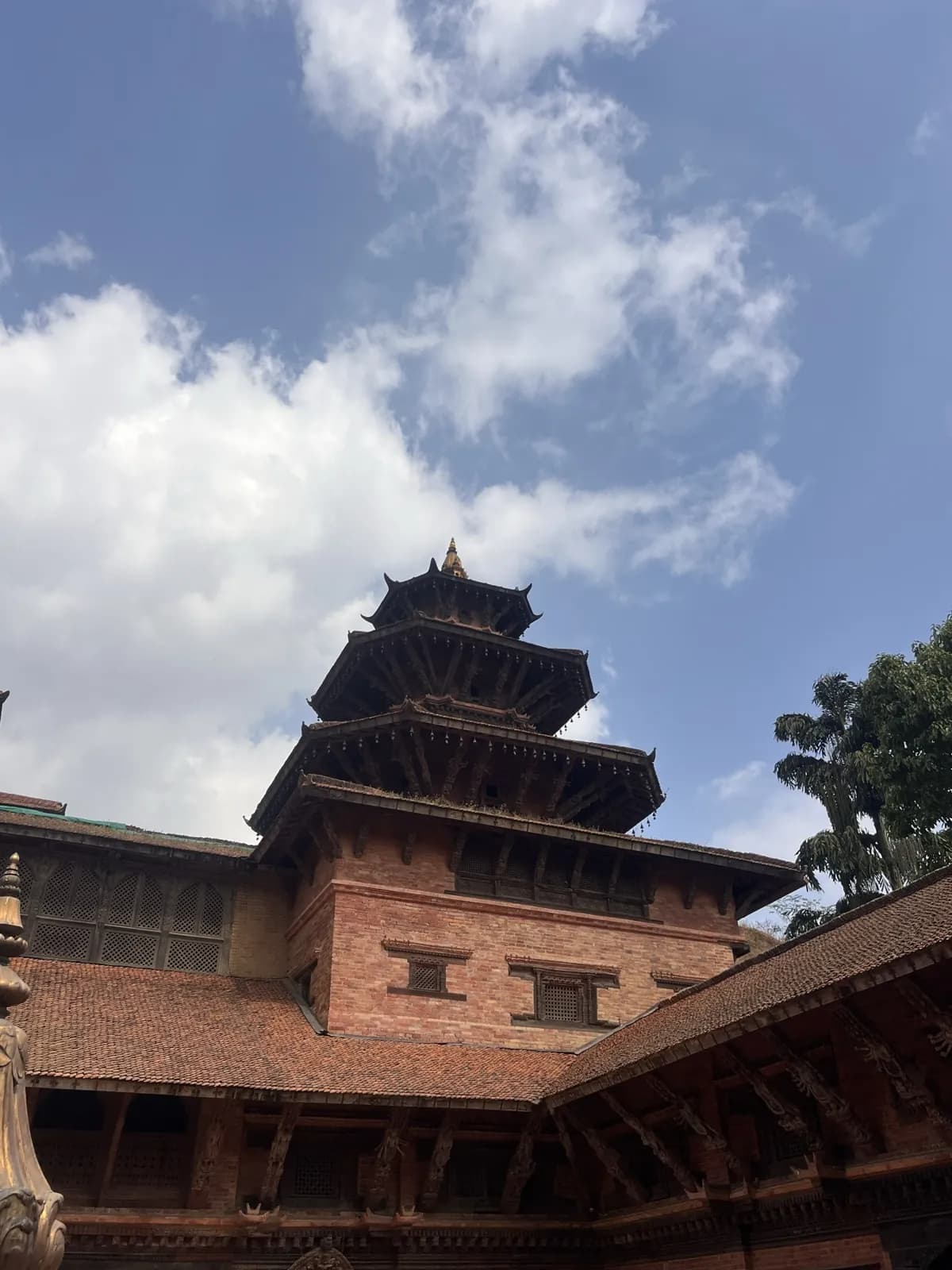
We take you to the airport. If you have a few hours before your flight, we can store your bags and suggest parts of the old city you did not see on day 2.
Start date
18 Apr 2027
End date
1 May 2027
Available
10 places left
US $1,287
Per person
Start date
26 Sept 2027
End date
9 Oct 2027
Available
10 places left
US $1,287
Per person
Start date
7 Mar 2027
End date
20 Mar 2027
Available
10 places left
US $1,237
Per person
The trail from start to finish, at a glance.
One weight limit, and no flight baggage limits
Your porter carries a strict maximum of 20 kg, shared between two trekkers, and there are no airstrip weight checks on this trek. We provide the duffel bag and the sleeping bag. Anything you do not need on the trek can be stored free of charge at our Kathmandu or Pokhara office.
This trek does not rely on a mountain airstrip, so there are no flights that can be cancelled for days at a time. This is a practical advantage over the Everest treks.
The flight from Kathmandu takes 25 minutes and lands at a full-sized airport on flat ground at 830 m, unlike the airstrip at Lukla. Weather delays do happen, but they are usually measured in hours rather than days. This is the main practical difference between an Annapurna trek and an Everest trek, and it is why this itinerary does not need a spare day at the end.
The drive from Kathmandu to Pokhara takes six to seven hours on the Prithvi Highway along the Trishuli river, and costs about 20 US dollars by tourist coach. Some travellers prefer to see the countryside, and because nothing on this trip depends on the timing, it is a reasonable alternative to flying. Let us know which you prefer when you book.
Treks used to start at Nayapul, but the jeep track now runs well beyond it, which shortens the first day. We drive as far as the road is passable on your dates and start walking from there. In practice, day 3 involves four to five hours of walking, wherever the road ends.
There is no helicopter pad at Annapurna Base Camp, but there are landing sites at Machhapuchhre Base Camp and Chhomrong. A charter flight to Pokhara costs around $2,500 for the aircraft, not per seat. For a non-emergency exit, the road at Jhinu is a day's walk from almost anywhere on the upper trail, which is an advantage over the Everest region.
Every night on the trail is spent in a teahouse: a family-run lodge with one warm dining room, heated by a single stove, and simple twin rooms with foam mattresses and thin walls. Bring a sleeping bag. Most lodges at Tikhedhunga and Ghorepani have private bathrooms, Tadapani has shared bathrooms, and Chhomrong has the best lodges on the route.
Above Chhomrong there are fewer lodges and they are simpler. Dovan, where you stay on the way up and again on the way down, has basic rooms and shared bathrooms. Machhapuchhre Base Camp is the highest overnight stop, with basic twin rooms that are often full in season, shared toilets and no shower. Hot showers and charging are paid for separately. On the way down, Jhinu Danda has private rooms, with hot springs below the village.
In Kathmandu we use the Thamel Eco Resort, and in Pokhara a three-star hotel by the lake. If either is full in season, we book another hotel of the same standard.
| Where | Nights | Type | Room | Bathroom |
|---|---|---|---|---|
| Kathmandu | 2 | Three-star hotel | Twin or double | Private, hot water |
| Pokhara | 3 | Three-star hotel, lakeside | Twin or double | Private, hot water |
| Tikhedhunga | 1 | Teahouse | Twin | Private in most lodges |
| Ghorepani | 1 | Teahouse | Twin | Private, hot shower for a fee |
| Tadapani | 1 | Teahouse | Twin | Shared |
| Chhomrong | 1 | Teahouse, the best on the route | Twin | Private in the better lodges |
| Dovan | 2 | Teahouse | Twin, basic | Shared |
| Machhapuchhre Base Camp | 1 | Teahouse, the highest on the route | Twin, basic and often full | Shared, no shower |
| Jhinu Danda | 1 | Teahouse | Twin | Private, with hot springs nearby |
Porridge, Tibetan bread, eggs, chapati, pancakes, tea or coffee
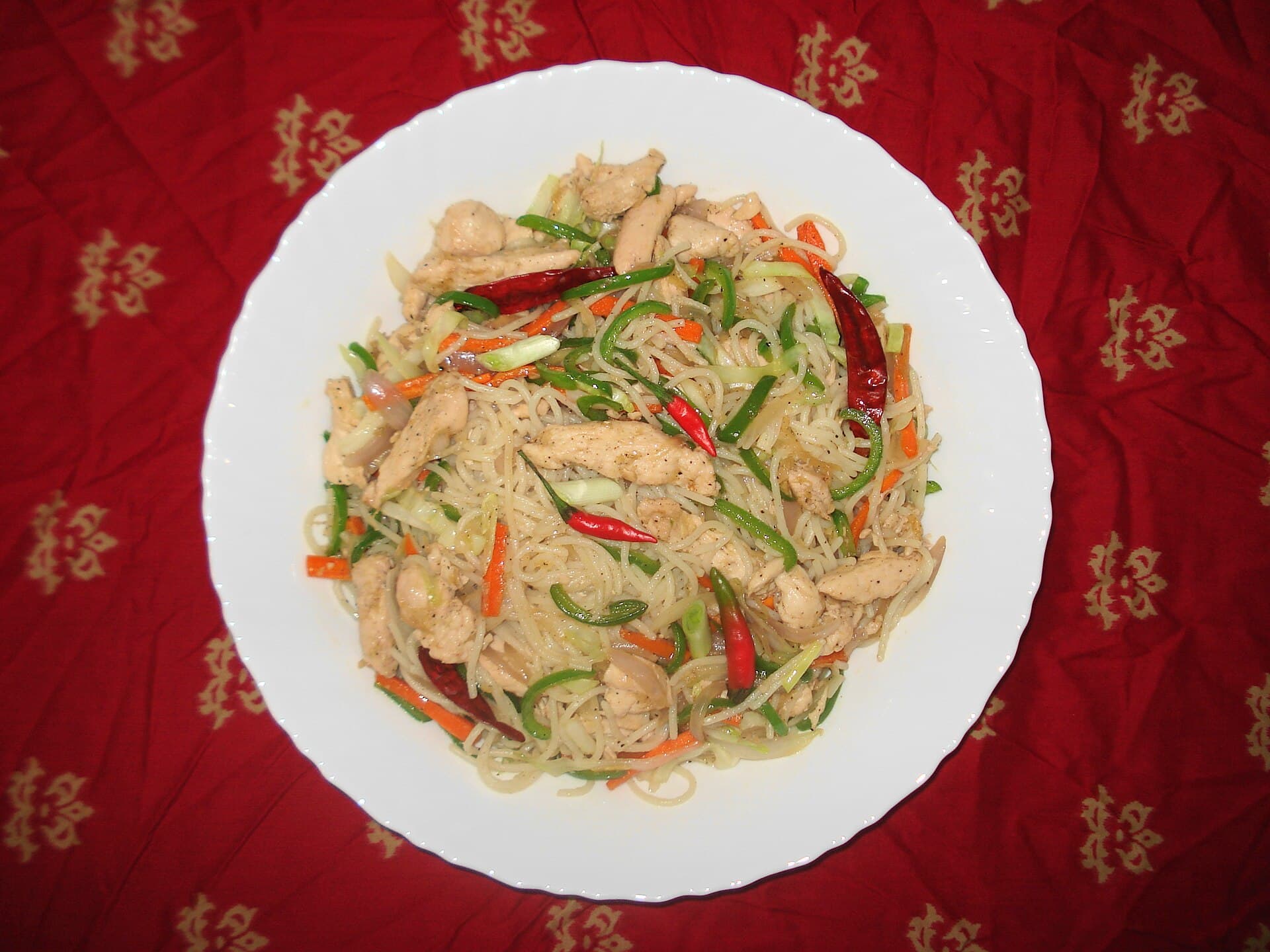
Dal bhat, fried rice, noodles, soup, momo, and potato dishes

Dal bhat, pasta, thukpa, curry and rice, soup to start
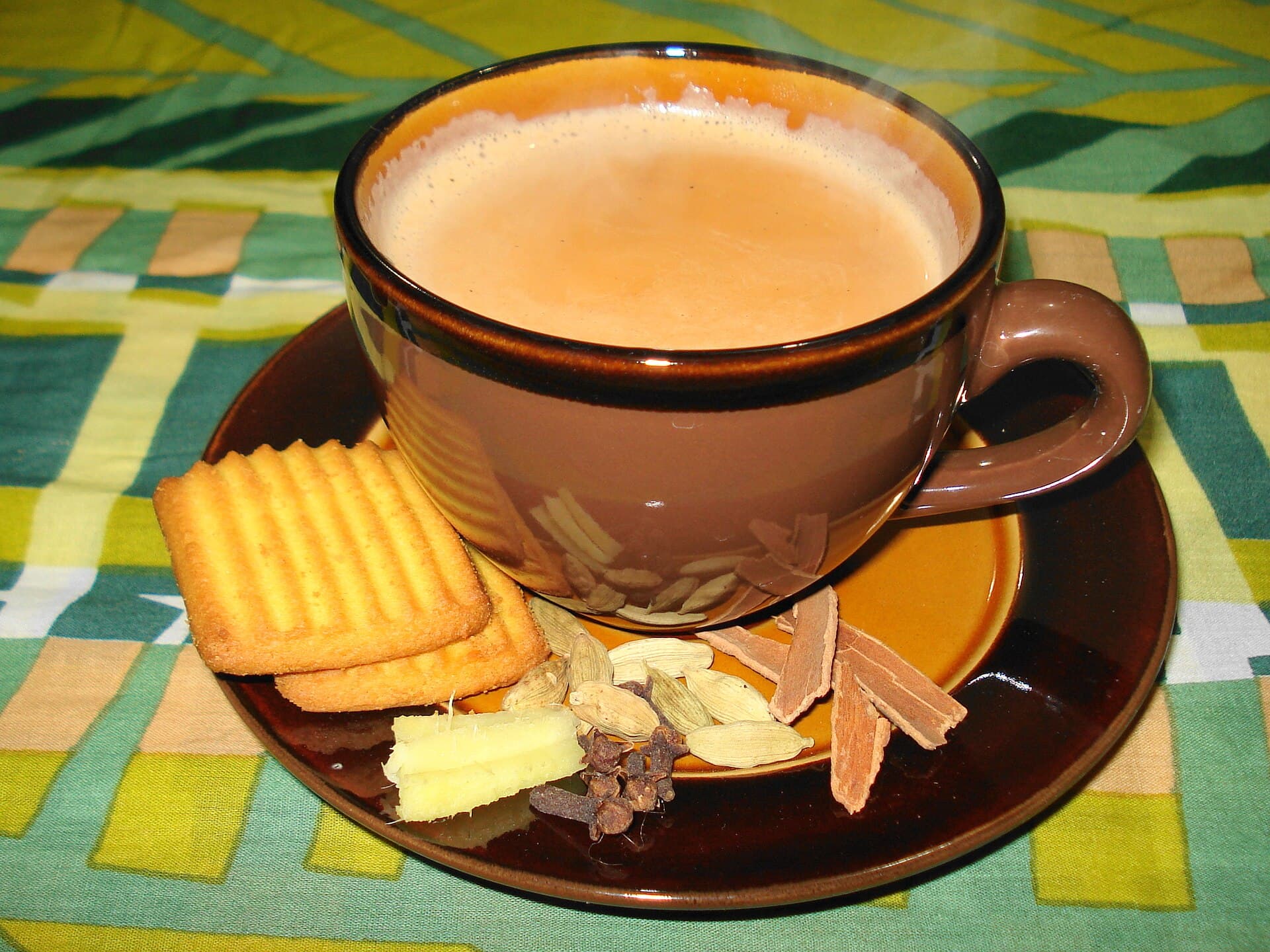
Black, milk, lemon, ginger, or masala. Included at every stop.
6:00Tea in your room, and a bowl of warm water to wash in
6:30Pack, and put the duffel outside your door for the porter
7:00Breakfast together in the dining room
8:00On the trail. The guide sets a steady, slow pace
12:00Lunch at a teahouse on the route, about an hour
13:00Two to four hours more, depending on the day
15:30Arrive at the lodge, tea, check in, wash, and rest if you need to
17:00Oxygen saturation and pulse taken, and written down
18:30Dinner, and the guide briefs you on the next day
20:30Bedtime. At 4,000 m most people are asleep by nine
Long days on stone steps. No technical skills are needed and the altitude is moderate.
Written for somebody who walks a bit and does not train. If you already run or cycle regularly, start partway through. Nothing here needs a gym.
8 weeks before, stage 1 of 6
Three cardio sessions a week, 40 minutes each, at a pace where you can still hold a conversation. Walking, cycling, swimming or rowing are all suitable. If you do only one thing on this list, do this.
The highest place you sleep is Machhapuchhre Base Camp, at 3,700 m, for one night, and the highest point you reach is 4,130 m, for about an hour at sunrise. This is a moderate altitude profile by Himalayan standards, but it should still be taken seriously: acute mountain sickness can start at around 2,500 m, and people do get it on this trek. What makes the trek manageable is the itinerary rather than the height. The ascent is spread over five days rather than three, and on the day you reach the Sanctuary you sleep 1,630 m lower than your highest point.
Daily health checks
Your guide carries a pulse oximeter and measures your oxygen saturation and pulse every evening from Dovan upwards, and again in the morning if you feel unwell. The readings are recorded, so any decline over two days is clear.
Mild symptoms
We descend 400 metres from Machhapuchhre Base Camp to Deurali and spend the night there. Most cases resolve at this stage, and you can continue the following morning.
Serious symptoms
Descent is the only effective treatment. From anywhere on the upper trail, Chhomrong, at 2,150 m, can be reached in one long day, which is low enough for anything short of an emergency. The decision to descend is made by the guide.
Helicopter evacuation
Helicopters can land at Machhapuchhre Base Camp and Chhomrong and reach Pokhara in 25 minutes. Your insurance covers this: the cost is $2,500 to $4,000, and the helicopter will not fly without a payment guarantee.
Road access
Unlike the Everest region, this trek is never more than about a day and a half from a road. This makes it easier to get help quickly if you become unwell at altitude.
Fitness and altitude are unrelated
This is the thing people get wrong most often. Training makes the walking easier and does nothing for how your body handles thin air. Strong young trekkers get altitude sickness and unfit older ones frequently do not. Go up slowly, and say something the first time your head hurts.
We do not run this trek in two months of the year. One of the reasons is specific to this valley rather than to the weather in general.
The season opens and the rhododendron below Ghorepani starts. Excellent walking.
Averages from Nepal DHM station data for the Annapurna region. The winter rows are about avalanche risk in the upper gorge rather than about the thermometer.
A government-licensed guide with wilderness first aid training leads every departure, and there is one porter for every two trekkers. From 11 trekkers, a second guide joins the group, so nobody is left alone at the back. We have run treks in Nepal since 1999, and our guides come from the hill regions where they work.
Each porter carries a maximum of 20 kg, which is your duffel bag and one other. This is below the 25 kg limit set by the trekking association and well below the loads you will see on the trail. If your bag is overweight, the load is divided rather than added to. Porters carry the main luggage, not daypacks: you carry your own water, camera, jacket and snacks for the day.
Salary, insurance, food and lodging for every guide and porter are included in the price you pay, and are not collected separately on the trail. Every member of the team is insured for altitude and helicopter evacuation on the same terms we require of you. Paying fair wages and insurance through the trip price is how we ensure our porters are properly equipped and not overloaded.
Tipping is customary but not compulsory, and it never replaces wages. For this trip, $120 to $180 per traveller for the whole team is usual, given together on the last evening rather than daily. Your guide will not ask for a tip, and would prefer that it is not given in front of the group.
Earthbound Expeditions is a licensed trekking company based in Thamel, Kathmandu, and has organised treks in the Annapurna region since 1999. The team that plans your trip is the team you meet in Kathmandu.
Travellers have reviewed us on Tripadvisor since 2008, more than 900 of them. You can read the reviews of this trek further down this page, each with a link to the original.
A government-licensed guide leads every departure, as the conservation area requires, and one porter carries for every two trekkers. Their wages, insurance, food and lodging are included in the price, not raised on the trail.
The route climbs over five days rather than three, by way of Poon Hill, so you reach the sanctuary better acclimatised.
We meet you in Kathmandu, go through the trek with you and check your equipment before you leave for Pokhara.
A private departure on your own dates costs the same as a group departure for a party of five or more, and can be arranged for one person.
We carry out everything we carry in that is not food, encourage boiled water rather than plastic bottles, and spend almost all of what you pay within the region you trek in.
A traveller drinking bottled water uses around 25 plastic bottles on this trip, and every one has to be carried in and carried out again. Boiled water is available at every lodge for one or two dollars a litre, and we encourage you to use it. Bring purification tablets or a filter as a backup.
We carry out everything we bring in that is not food. The Annapurna Sanctuary has a waste problem, and we make sure we do not add to it.
The lodges are family businesses in the villages you pass through, and the guides and porters live in this district. The ACAP fee funds the conservation area, which is managed by a national trust rather than the government and returns a documented share of the fee to the villages along the trail. Almost all of what you pay is spent within a few days' walk of the trail. This is one reason to book with a Nepali operator rather than a foreign one that subcontracts the trek locally.
Ask before photographing anyone. When you meet a mule train, stand on the mountain side of the path, not the side with the drop, and let it pass. Monasteries welcome visitors, but they are places of worship: remove your hat and shoes, and if a service is taking place, wait.
Write to us or send a message on WhatsApp and tell us roughly when you would like to travel. You will receive a reply from a member of our team who has been on this trip. Nothing is payable at this stage, and there is no obligation until you pay a deposit.
A deposit of 30 per cent secures your dates, and the balance is paid when you arrive in Kathmandu, in cash or by card. At the same time, we ask for a copy of your passport, your insurance certificate and any dietary or medical information.
You can pay by bank transfer, or by card through a secure link. Card payments carry the bank's fee of about 4 per cent, which we show you before you pay. The balance in Kathmandu can be paid in US dollars, pounds, euros or Nepali rupees.
If you cancel more than 30 days before departure, your deposit can be transferred to any other date or trip we run, with no time limit. If you cancel within 30 days, the deposit is retained, because the permits, flights and crew have been booked by then. If we cancel for any reason other than weather, we refund everything you have paid.
For a party of five or more, private and group departures cost the same. A private departure runs on your dates at your pace and can be arranged for one person. A group departure runs on the dates in the table above. Most travellers book privately, at no extra cost.
Outside October, one week's notice is enough, because this trek does not depend on seats on a small mountain aircraft. In October, beds at Machhapuchhre Base Camp are limited, so we need one month's notice.
Priced per person, arranged before you travel, and none of them included in the price above.
A 30-minute flight from Sarangkot with views of the Annapurna range across the valley. Pokhara is one of the best places in the world for paragliding, and day 12 is already a free day.
Travel to the lowlands to see rhinos, a relaxing change after nine days of trekking. It fits easily between Pokhara and Kathmandu.
Priced per aircraft rather than per seat, so it is much more affordable when shared between four people. Most people choose it to spare their knees rather than to save time.
A different first week through the large Gurung village of Ghandruk, with a museum and a shorter day 4. There is less climbing and no Poon Hill. Ask about this option if you are concerned about the Ulleri stairs.
Two extra nights by the lake at the end of the trip, to rest before travelling home.
A room to yourself for all six hotel nights. On the trail, lodges are twin-share only, especially at Machhapuchhre Base Camp.
Mountain Lodges of Nepal runs lodges in the Annapurna foothills at Dhampus, Landruk, Ghandruk, Majgaon, Tomijong and Birethanti. Where this route stops in one of those villages, we can book the lodge instead of the teahouse: a private room with its own bathroom, a garden and a full dinner.
Higher on the route there are only teahouses, so those nights stay the same. We confirm availability for your dates before you book.
4 versions of this journey. They use the same guides and the same lodges; what changes is the length, the comfort and how much of it you walk.
Out if world experience
December 2025, Tripadvisor
Absolutely unforgettable — that’s the best way to describe my Annapurna Base Camp (ABC) trek with Earthbound Expedition. From start to finish, Earthbound Expedition delivered an experience that was seamless, safe, and deeply enriching. The planning was meticulous, the itinerary perfectly paced, and every detail — from accommodations to meals to daily briefings — was handled with genuine care. Arjun and Bharat (The guides) were more than family, not only highly experienced and professional, but also incredibly warm, patient, and passionate about the mountains. Their knowledge of the terrain, local culture, and safety protocols gave me complete confidence throughout the trek, even on the tougher days Arjun’s support and care amazed and made me fish the trek. The trek itself was beyond breathtaking. Walking through lush forests, charming mountain villages, and finally standing face-to-face with the majestic Annapurna massif was surreal. Earthbound Expedition made sure we didn’t just walk through the Himalayas, but truly experienced them — learning about local traditions, connecting with fellow trekkers, and soaking in moments that will stay with me forever. Reaching Annapurna Base Camp felt like a triumph, and the sense of achievement was amplified by the supportive and encouraging team. If you’re considering the Annapurna Base Camp trek and want a company that combines professionalism, authenticity, and heart, Earthbound Expedition is the one. This wasn’t just a trek — it was a life-changing journey, and I would choose Earthbound again without a second thought. Highly, highly recommended. 🏔️✨
Uma Viagem Inesquecível Ao Nepal
May 2025, Tripadvisor
Fui para o Nepal com mais uma amiga e fizemos uma viagem inesquecível. O objetivo era fazer o Annapurna Base Camp, mas nos apaixonamos por todo o país. A cultura, pessoas e natureza do lugar são surpreendentes. Com destaque para as pessoas. Em todo o processo pré viagem, Rajanji foi sempre extremamente atencioso conosco, apesar de uma diferença de mais de 8 horas de fuso entre Brasil e Nepal, ele prontamente respondia, adequava o roteiro, tirava dúvidas. Nos passou uma incrível confiança de que escolhemos a agência certa para essa viagem. Chegando lá não foi diferente. Ele nos recebeu com um colar lindo de flores locais e água. Toda a nossa estadia em Kathmandu foi excelente, visitando pontos turísticos, aprendendo a história e costumes locais e recebendo ótimas dicas de restaurantes. Destaque especial para o motorista que ficou conosco nesses dias, muito gentil. O trekking no Annapurna foi muito bonito também, com paisagens lindas e vista para as montanhas. O nosso guia, Rajan, foi muito cuidadoso e atencioso conosco. Nos sentimos seguras e com uma boa companhia para os 7 dias na montanha. Rajan também se disponibilizou para nos levar para um passeio de barco em Pokhara, e nos mostrar o templo que fica no lago. Foi um passeio bem legal. Também tivemos o sherpa chamado Kedar kandel que adoramos! Muito gentil e respeitoso, sempre de bom humor e pronto para ajudar. Com toda certeza recomendamos a Earthbound, foi uma experiência incrível!
Uma viagem inesquecível ao Nepal
May 2025, Tripadvisor
Fui para o Nepal com mais uma amiga e fizemos uma viagem inesquecível. O objetivo era fazer o Annapurna Base Camp, mas nos apaixonamos por todo o país. A cultura, pessoas e natureza do lugar são surpreendentes. Com destaque para as pessoas. Em todo o processo pré viagem, Rajan foi sempre extremamente atencioso conosco, apesar de uma diferença de mais de 8 horas de fuso entre Brasil e Nepal, ele prontamente respondia, adequava o roteiro, tirava dúvidas. Nos passou uma incrível confiança de que escolhemos a agência certa para essa viagem. Chegando lá não foi diferente. Ele nos recebeu com um colar lindo de flores locais e água. Toda a nossa estadia em Kathmandu foi excelente, visitando pontos turísticos, aprendendo a história e costumes locais e recebendo ótimas dicas de restaurantes. Destaque especial para o motorista que ficou conosco nesses dias, muito gentil. O trekking no Annapurna foi muito bonito também, com paisagens lindas e vista para as montanhas. O nosso guia, Rajan, foi muito cuidadoso e atencioso conosco. Nos sentimos seguras e com uma boa companhia para os 7 dias na montanha. Rajan também se disponibilizou para nos levar para um passeio de barco em Pokhara, e nos mostrar o templo que fica no lago. Foi um passeio bem legal. Também tivemos o sherpa chamado Kedar kandel que adoramos! Muito gentil e respeitoso, sempre de bom humor e pronto para ajudar. Com toda certeza recomendamos a Earthbound, foi uma experiência incrível!
A moment in my life
November 2024, Tripadvisor
The trip to Annapurna Base Camp with Earthbound Expeditions was what I call " A moment in my life"! Arrangements for hotels, meals and trek logistics were meticulously taken care of by Rajan; our guide for this adventure and the owner of the company. Our crew of porters (supporters as we called them) were friendly, attentive, watchful (and patient when we wanted to take extra time for pictures or just soaking in the beauty of the mountains). Rajan shared his extensive knowledge of the Himalayas along with history of the region, local religious traditions and the beauty of the Nepalese culture and people. This was a truly enlightening experience.
Answers to the 22 questions travellers ask us most often. If your question is not here, contact us and we will answer it.
It is the trek we recommend most often for a first visit. It reaches 4,130 m rather than 5,545 m, it stays within the teahouse network, the walking is long rather than technical, and if something goes wrong you are a day and a half from a road. The scenery at the end is also among the most impressive in Nepal.
They are very different treks. The Everest trek is higher, longer, colder and harder, and it depends on a mountain flight that is often cancelled. The Annapurna trek is greener, warmer, less expensive and more reliable, and it ends with mountains on all four sides rather than on one. Many people do both treks, and this one is a good choice to do first.
You need to be fit enough to walk for six hours on stone steps, on consecutive days, carrying a daypack. The eight-week training plan on this page is suitable for a reasonably active person. Train specifically for descents: the steep descent from Chhomrong puts a heavy load on the thigh muscles.
There is no upper age limit. We regularly take trekkers in their sixties and seventies to the Sanctuary. The minimum age is ten, with a parent, and children usually manage this trek better than adults expect. Your walking experience matters more than your age.
Yes, you can book as one person, but you will not walk alone: since April 2023, foreign trekkers in the conservation area must be accompanied by a licensed guide. A private departure for one person runs on your dates whether or not anyone else books, and costs $1,640.
Yes, on one section. Between Hinku Cave and Machhapuchhre Base Camp the trail runs through a narrow gorge below steep, snow-loaded slopes, and trekkers have been killed there, most recently in a spring avalanche in 2025. The risk is real but manageable: it is limited to a few kilometres, it is highest after fresh snow, and it is much lower early in the morning before the sun warms the slopes. We cross this section early, we take local advice on snow conditions at Chhomrong and Deurali, and in a year with heavy snow we turn groups around.
Some people do. Acute mountain sickness can start at around 2,500 m, and Machhapuchhre Base Camp, at 3,700 m, is well within that range. It is much less common here than on the Everest trek, and it is usually mild. The altitude protocol on this page explains what we do: we check you every evening above Dovan, and if you show symptoms, we descend.
Yes, it is a condition of booking. Cover up to 5,000 m is sufficient for this trek. A rescue flight from the Sanctuary to Pokhara costs $2,500 to $4,000, and the helicopter will not fly without a payment guarantee, so we ask to see your insurance certificate.
You descend with a guide, which is why the guide-to-trekker ratio matters, and the rest of the group continues. From Deurali or Machhapuchhre Base Camp you can reach Chhomrong in one long day, and from Chhomrong the road at Jhinu is a few hours away. It is much easier to leave this trek early than to leave a trek in the Everest region.
For most of the route the lodges are better than those in the Everest region, but they are more basic near the top. Chhomrong has some of the best teahouses in Nepal, with private bathrooms and a bakery. Dovan and Deurali are basic. Machhapuchhre Base Camp is a small group of buildings in a basin at 3,700 m, and it is cold, cramped and often full.
In October, yes. There are only a few lodges and nowhere else to sleep, so groups arriving late in the afternoon in peak season sometimes have to sleep on a dining room floor. We start day 8 early and our guides call ahead. If the lodges are full, we stay at Deurali instead, which is 400 m lower and better for acclimatisation.
Hot showers are available up to Chhomrong for 2 to 5 US dollars, and not at all above Deurali. Wifi is free or inexpensive in the lower villages, unreliable in the gorge and unavailable at Base Camp. Charging costs 2 to 4 US dollars per device, and the upper lodges run on solar power, so there may be no charging on a cloudy day. Bring a power bank.
At Machhapuchhre Base Camp, night temperatures range from minus 3°C to minus 12°C depending on the month, and bedrooms are not heated anywhere on the route. We provide a sleeping bag rated to minus 10°C. Lower down, in the gorge and at Chhomrong, the weather is mild, and in April you can walk in a shirt.
During and around the monsoon, yes, in the wet forest between Chhomrong and Deurali. They are harmless but unpleasant. In the main trekking seasons they are not a problem. In June and September they are, and long socks with a little salt or insect repellent keep them off.
You need two permits: the Annapurna Conservation Area permit, at NPR 3,000, and a TIMS card, at NPR 2,000. Both are included in the trek price and we arrange them for you. The Everest region is different: it stopped using the TIMS card in 2018.
Yes. Since April 2023, foreign trekkers have been legally required to walk with a licensed guide in Nepal's conservation areas, and the checkpoint at Birethanti enforces this. Independent trekking on this route is no longer permitted.
Bring 200 to 300 US dollars' worth of Nepali rupees, in small notes, for tea, hot showers, charging, wifi, drinks and tips. There are cash machines in Pokhara, and less reliable ones at Ghorepani and Chhomrong, so plan to carry all the cash you will need.
Mainly because of the road. A jeep track runs to the trailhead and most of the way to Jhinu, so supplies arrive by vehicle rather than being carried by porters for two days, and lodges and food cost less as a result. There is also no mountain flight, which costs $350 to $420. The lower price does not reflect a lesser trek.
October and November offer the most reliable weather and the clearest views. March and April are the months for rhododendron. October is the busiest month of the year and the lodges at the top fill up, so if you can travel in late November instead, the weather is almost the same and there are about half as many trekkers.
Outside October, one week's notice is enough, because this trek does not depend on seats on a small mountain aircraft. For an October departure we need one month's notice, because beds at Machhapuchhre Base Camp are limited.
Yes. Most of our departures on this trek are private, and for a party of five or more a private trek costs no more than joining a group. A private trek runs on your dates, at your pace, and can include an extra day at Ghandruk or a night at Deurali if you wish.
Yes, both combine well and we arrange them regularly. Chitwan fits between Pokhara and Kathmandu and adds three days. Doing Annapurna Base Camp and the Annapurna Circuit back to back takes about four weeks and covers the best of the Annapurna region.
Didn't find what you were looking for?
Search every word on this page, or ask somebody who has walked the route.
14 days
$1,287 per person