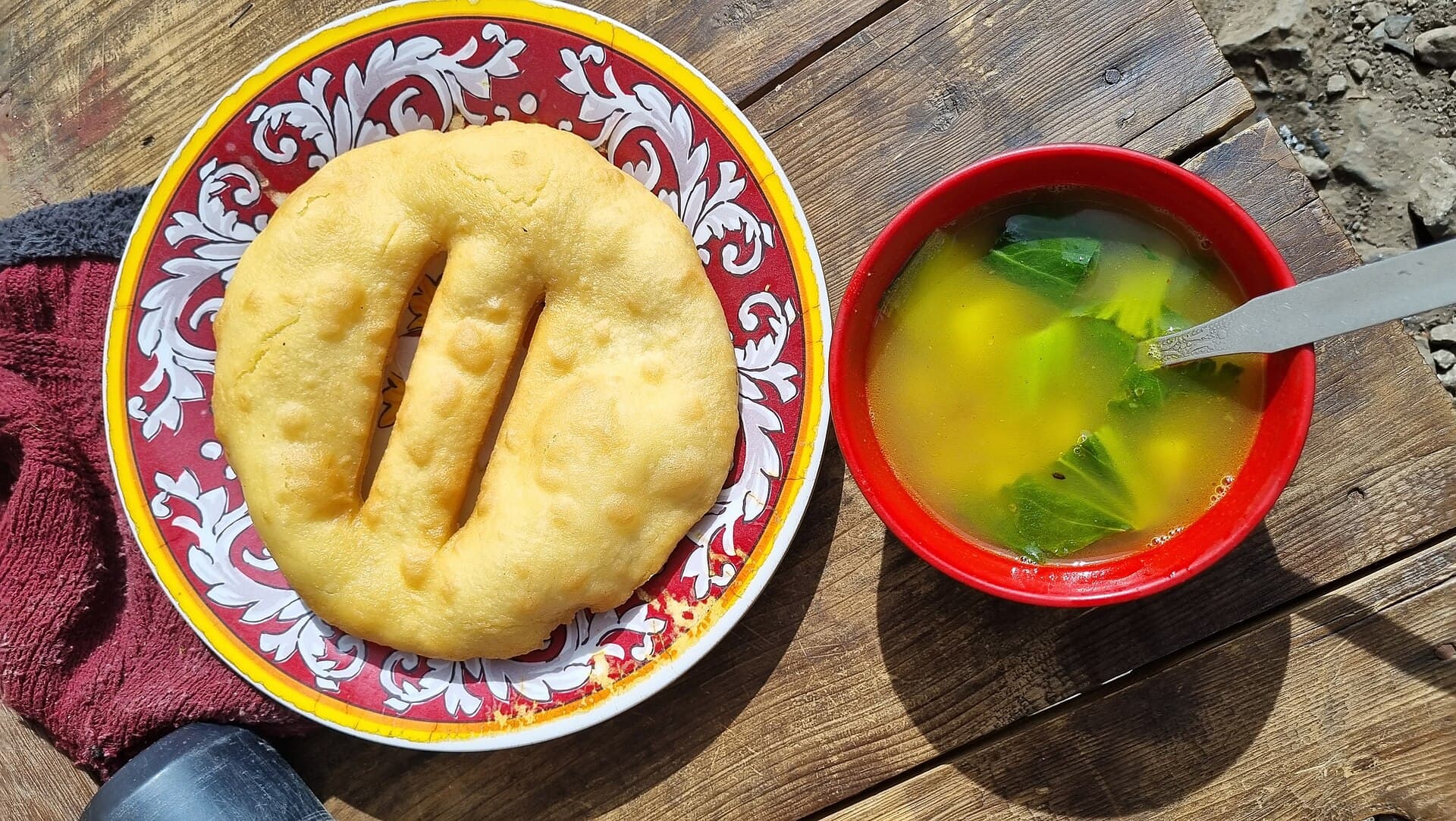
Breakfast
Porridge, eggs cooked to order, Tibetan bread, chapati, pancakes, tea or coffee
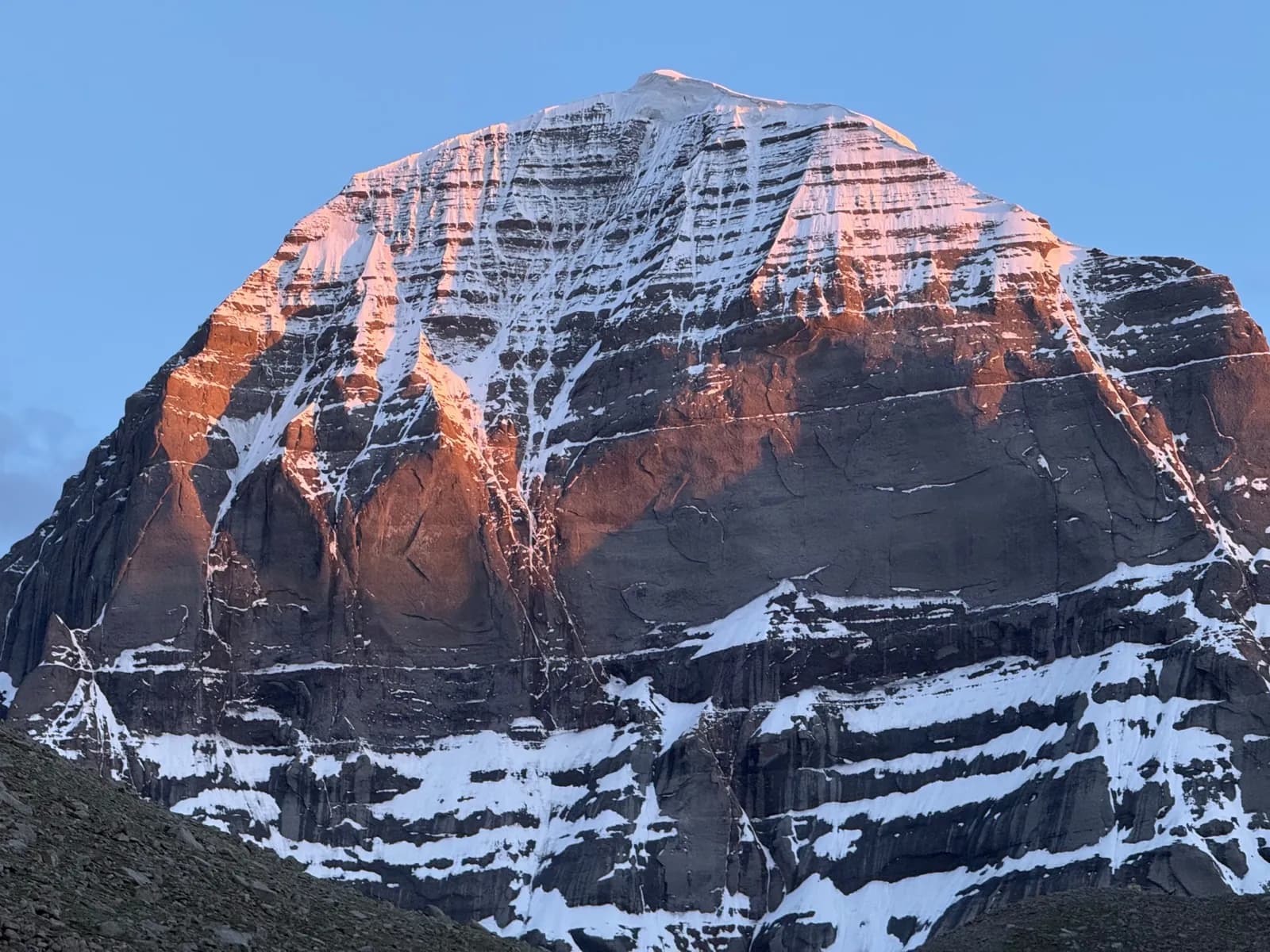
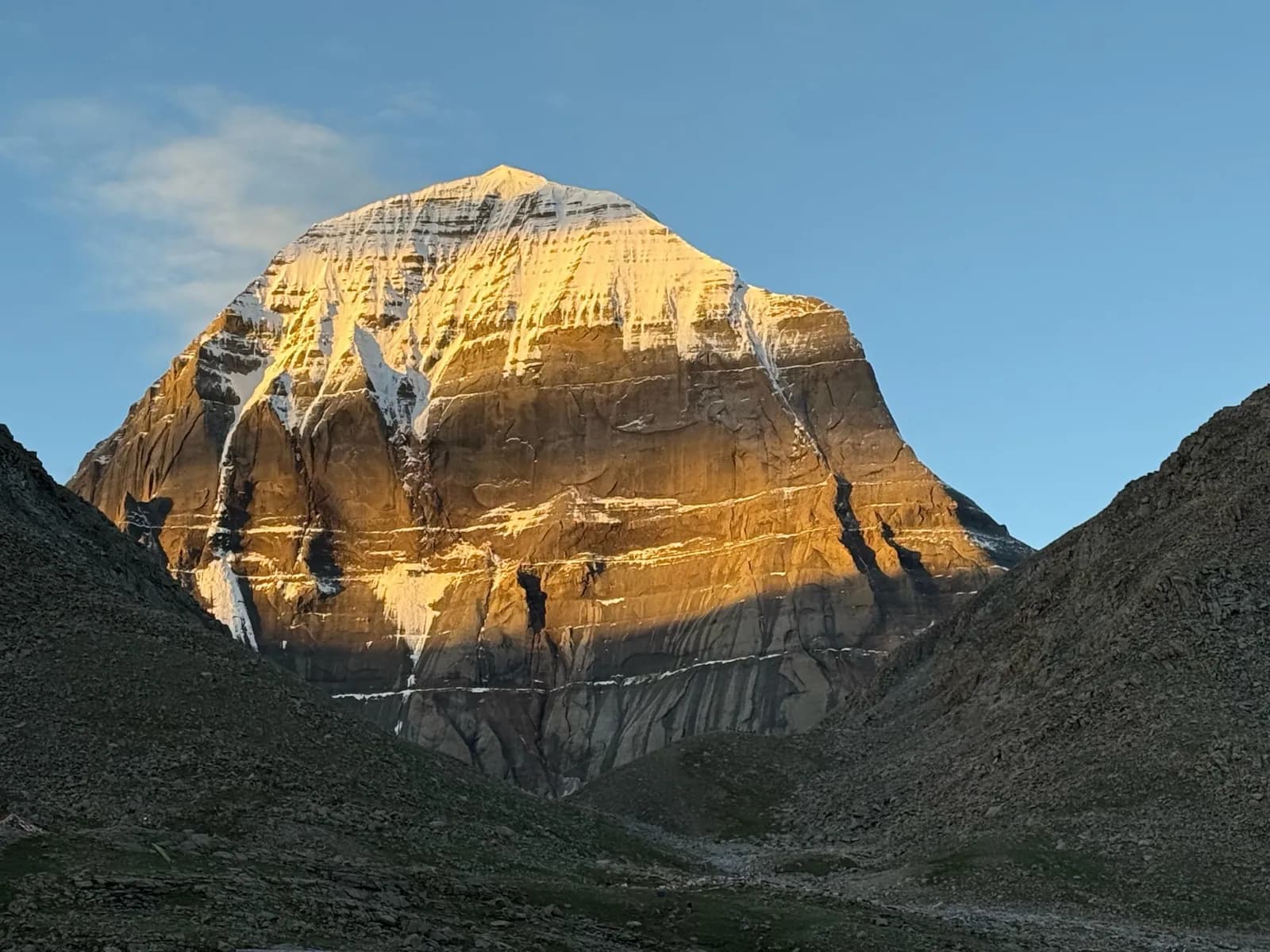
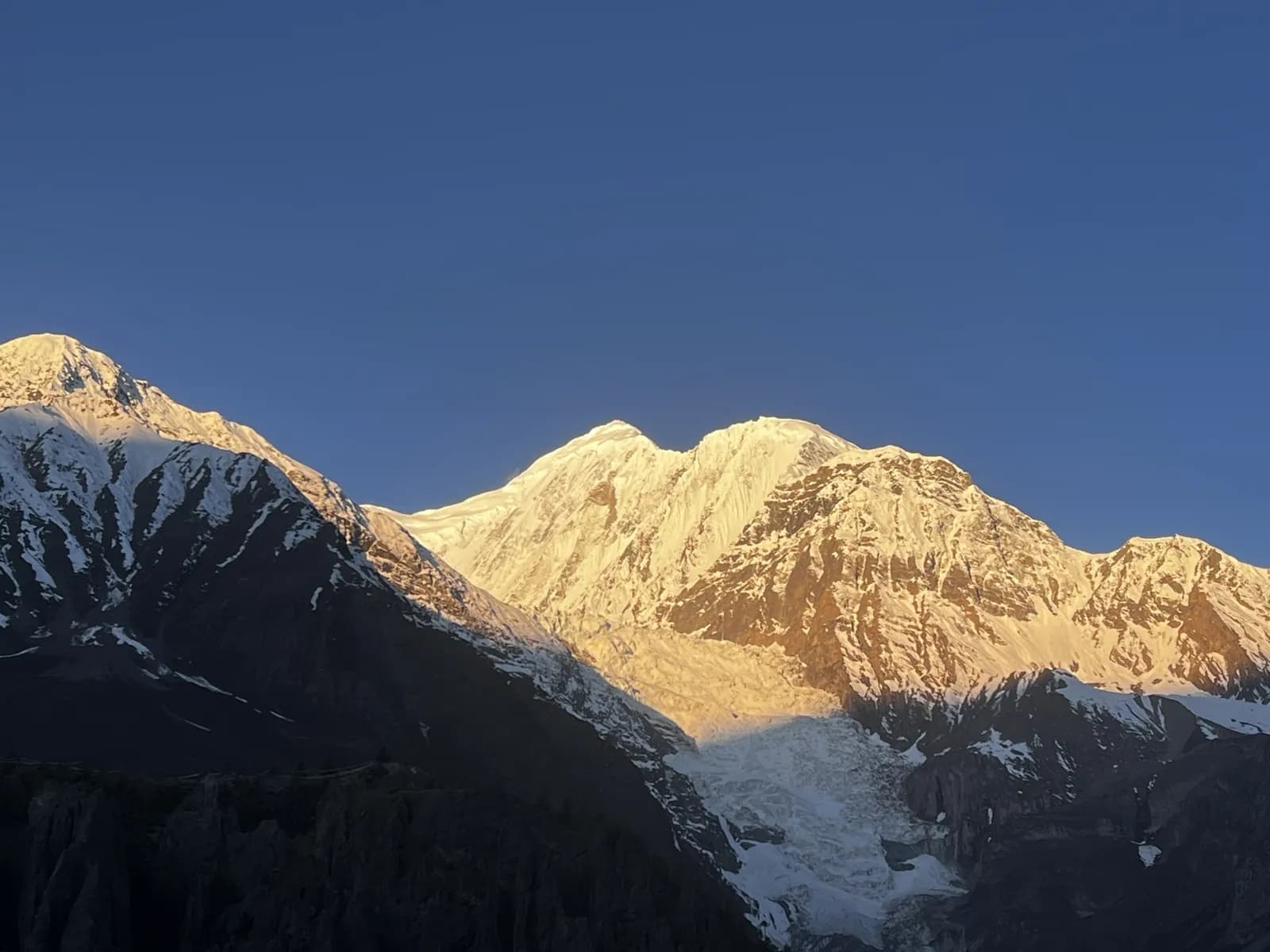
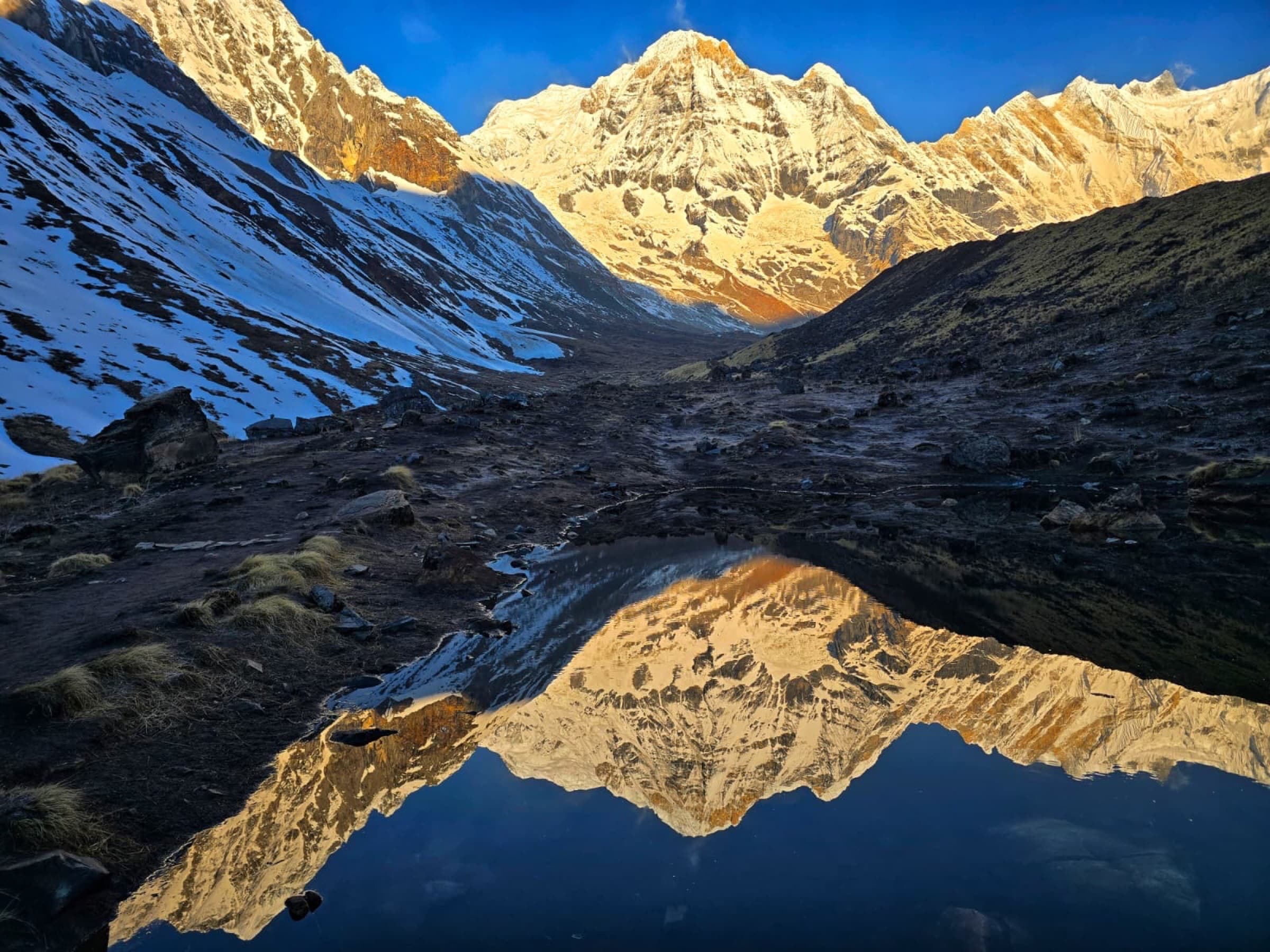
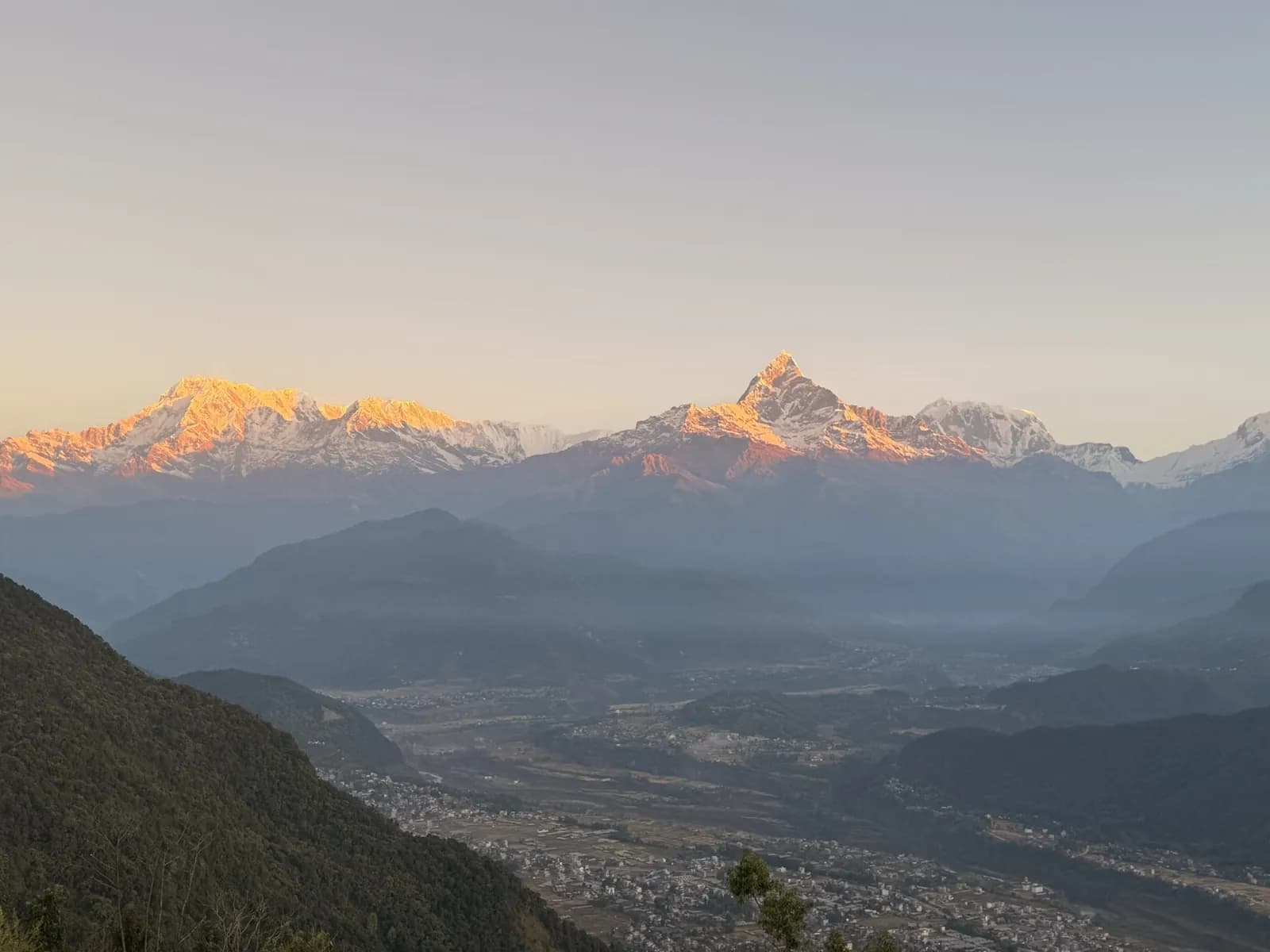
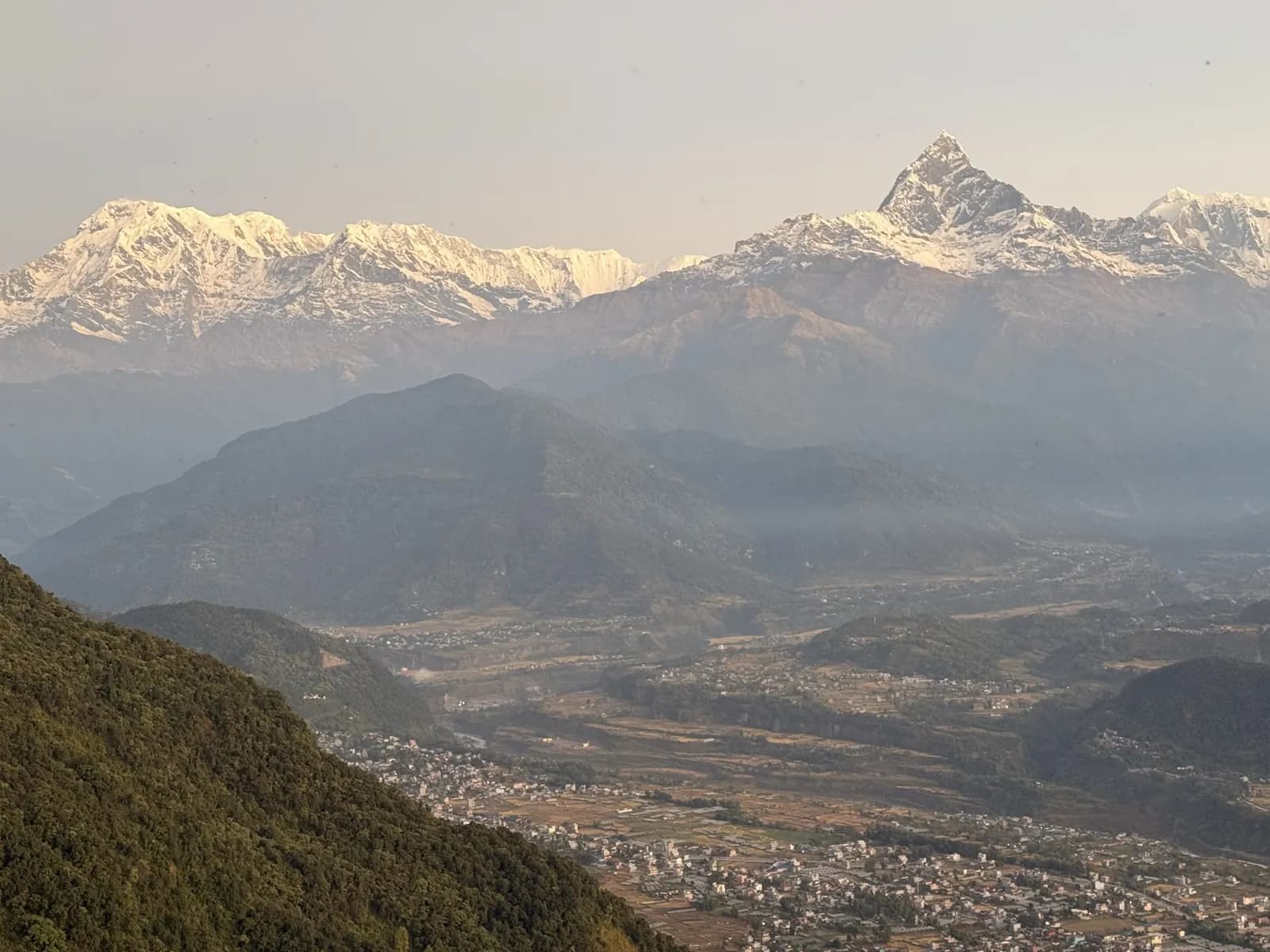
A short, steep ridge trek beneath Machhapuchhre (Fishtail): two days in mossy forest, a night at 3,580 m, and an early-morning climb to 4,500 m with Machhapuchhre directly above.
A short, steep ridge trek beneath Machhapuchhre (Fishtail): two days in mossy forest, a night at 3,580 m, and an early-morning climb to 4,500 m with Machhapuchhre directly above.
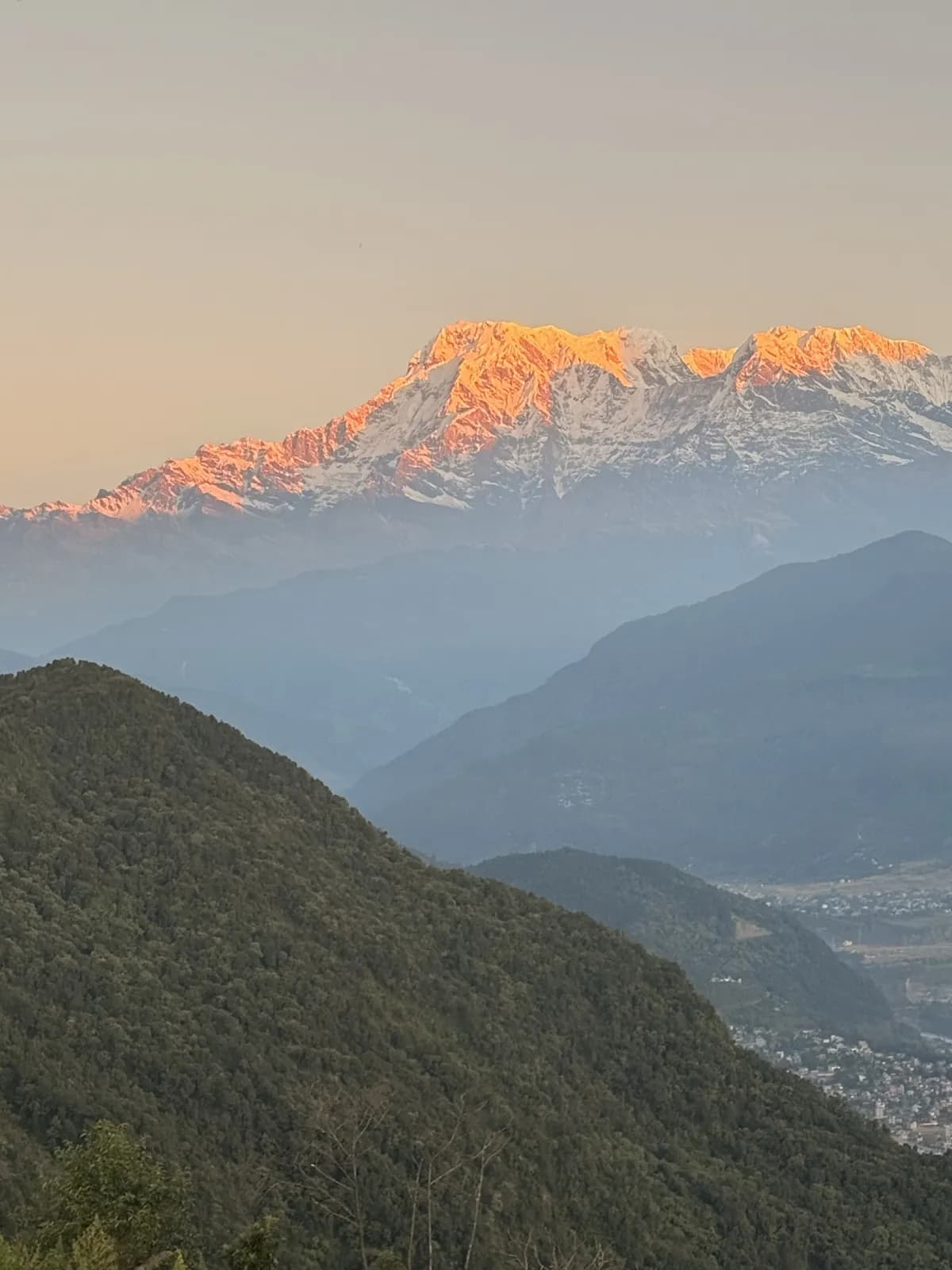
The trek is six days of walking up a single ridge that leads directly towards Machhapuchhre. You start at Kande on the road from Pokhara, climb through Gurung villages to Australian Camp, then turn north into forest, where you stay for two days. Above Low Camp the trees end, the ridge narrows, and you sleep at High Camp at 3,580 m with the mountain in view from your window. On the last morning you climb along the crest to 4,500 m and descend again.
This trek suits travellers who want to see the high Annapurnas without two weeks of walking or a night above 4,000 m. You walk four to six hours a day for most of the trek, with one long day of eight to nine hours, and nothing technical at any point. It is a good first Himalayan trek that is not a beginners' route, and many experienced Nepal trekkers choose it when they have one week rather than two.
The trail was only opened to teahouse trekking in 2012, half a century after Jimmy Roberts' party made the first ascent of Mardi Himal in 1961. Everything on the ridge has been built since 2012, which is why the lodges are small and few in number. The trail becomes busier every year, and in October you will meet many other trekkers, but it is much quieter than Poon Hill.
Above High Camp the ridge is narrow, exposed on both sides, and difficult in cloud or fresh snow. This section causes some trekkers to turn back every week of the season. Cloud rises up the valley most days from about 11 a.m., so we start before dawn. If the weather is unsuitable on your morning, your guide will tell you and the day will be shortened.
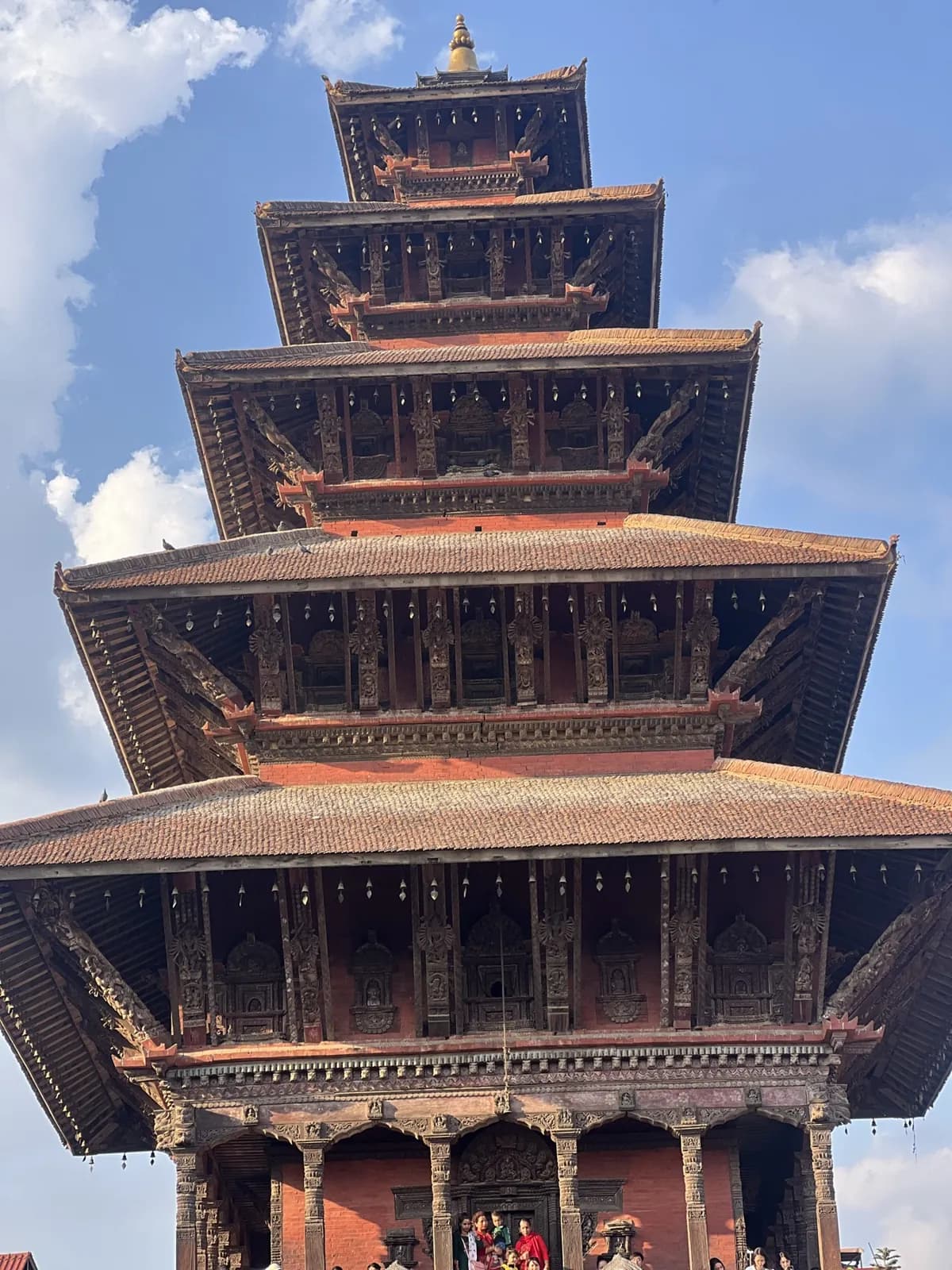
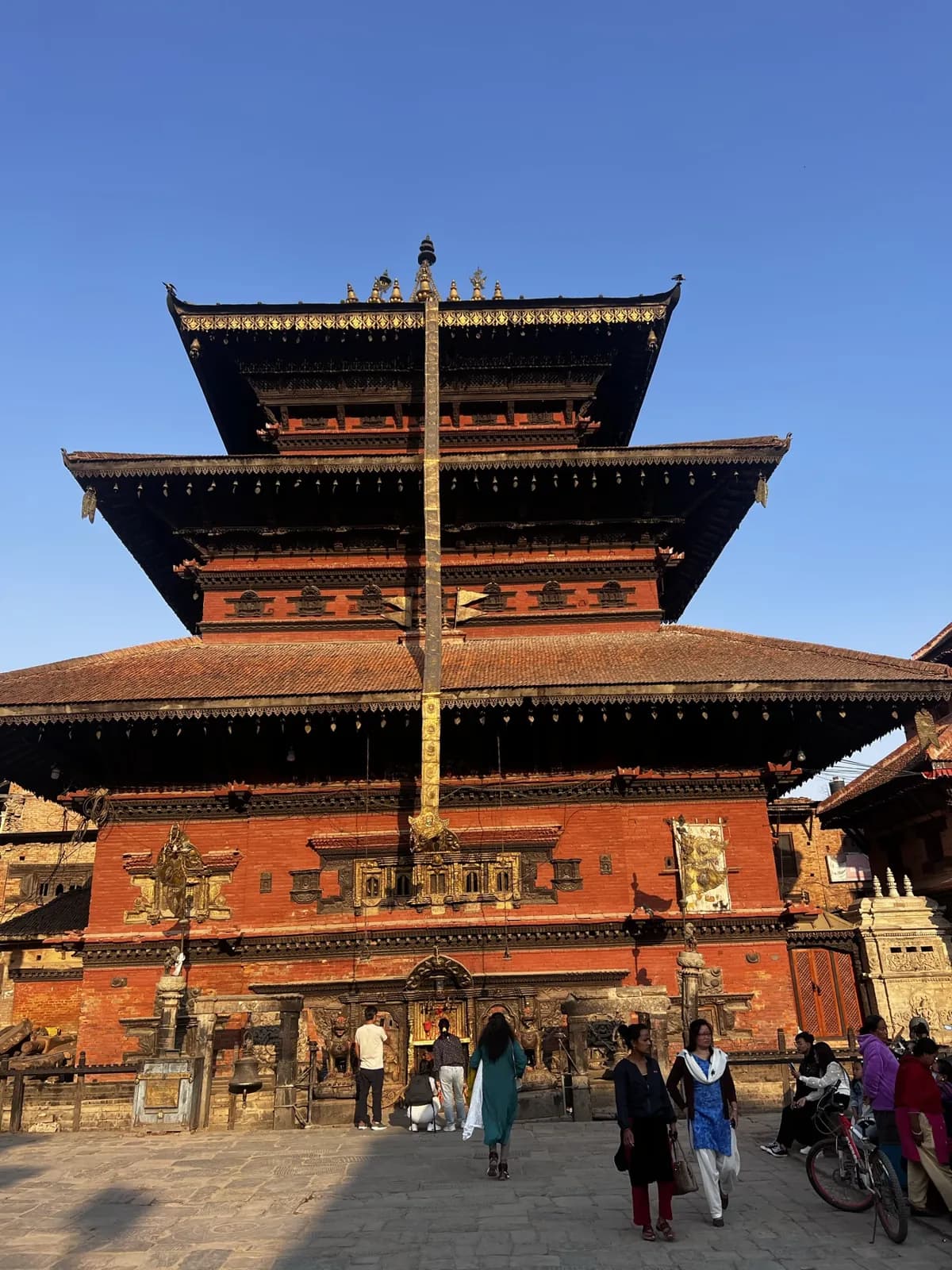
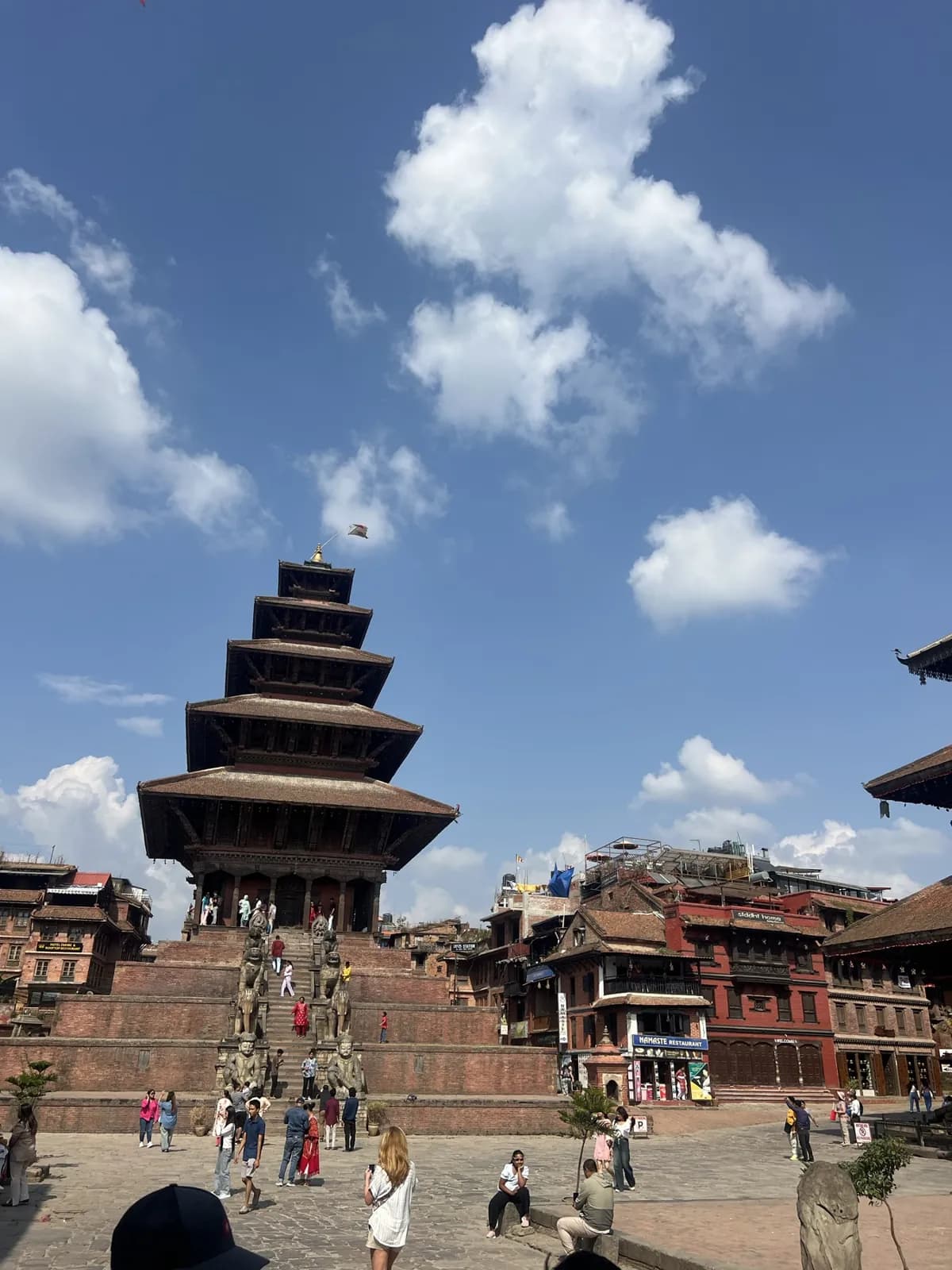
We meet you in the arrivals hall and drive you to your hotel. The trek starts the day after tomorrow, so the afternoon is free: you can rest after your flight or walk into the old city to see the temples. Over dinner we go through the route, the equipment and the expected weather for your dates.
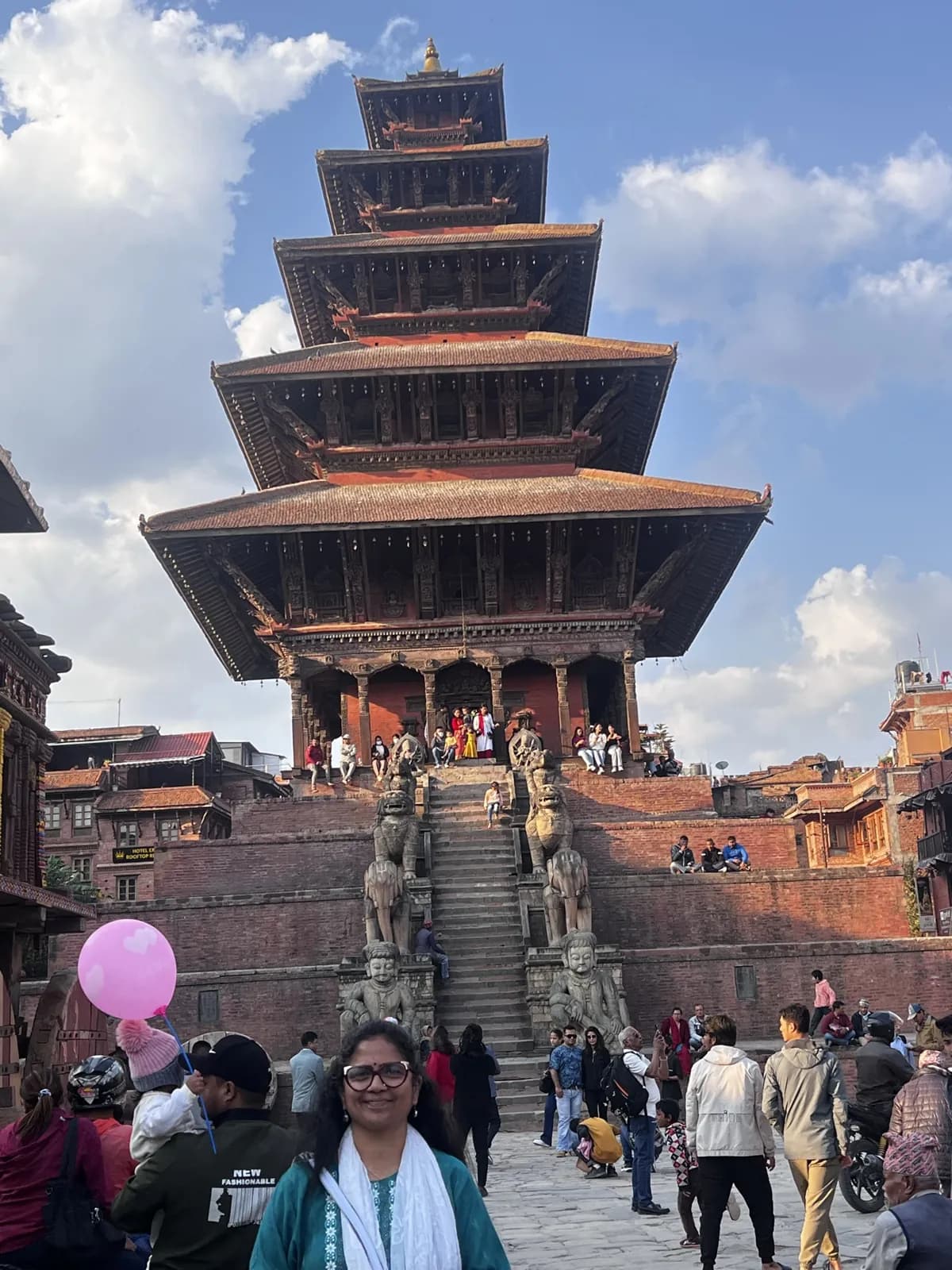
A 25-minute flight over the middle hills takes you to Pokhara, a lakeside town at 830 m with the Annapurnas rising behind it. The rest of the day is free. On a clear afternoon Machhapuchhre is visible from the lake, and it is worth taking time to view it before you trek beneath it.
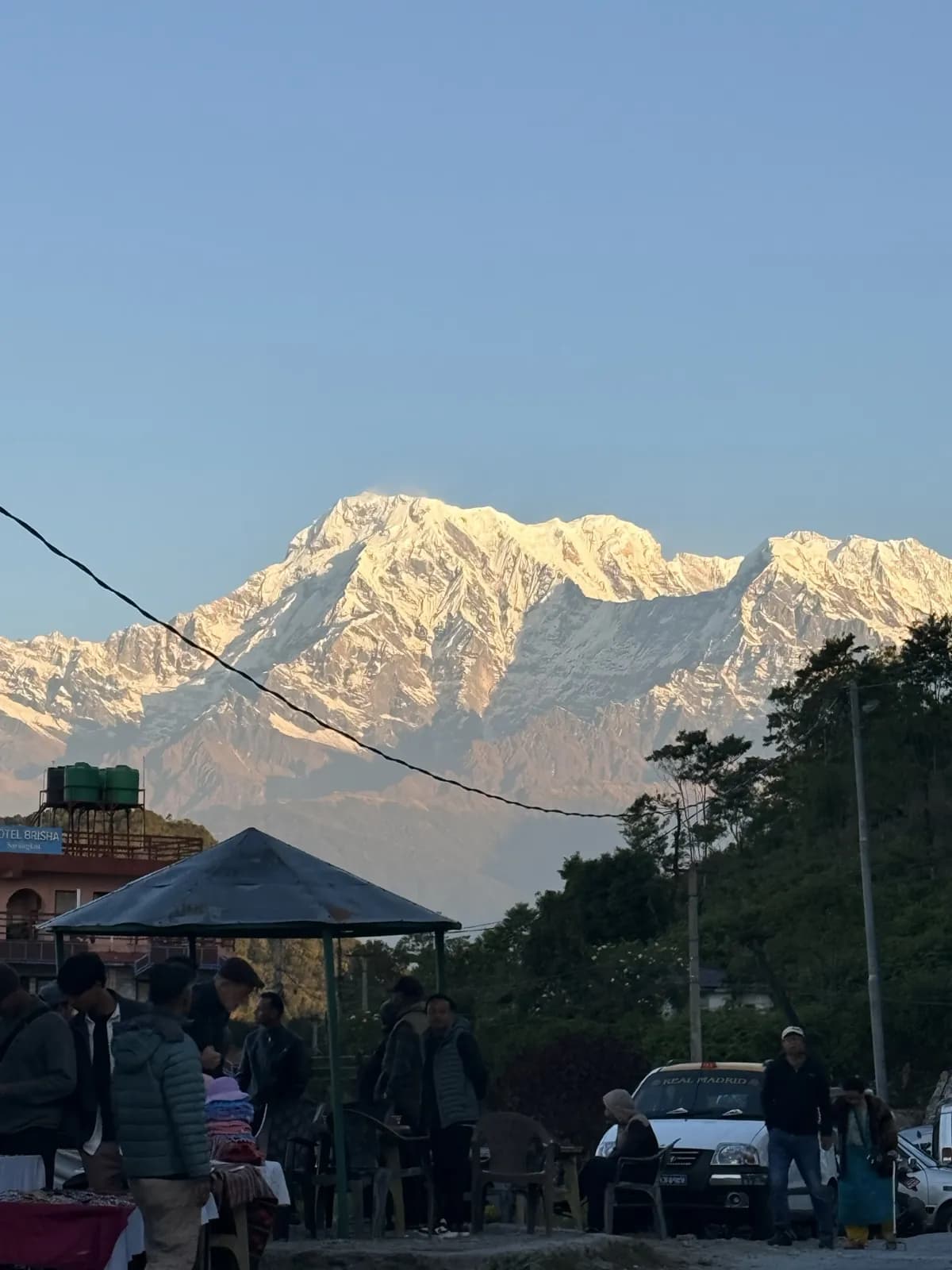
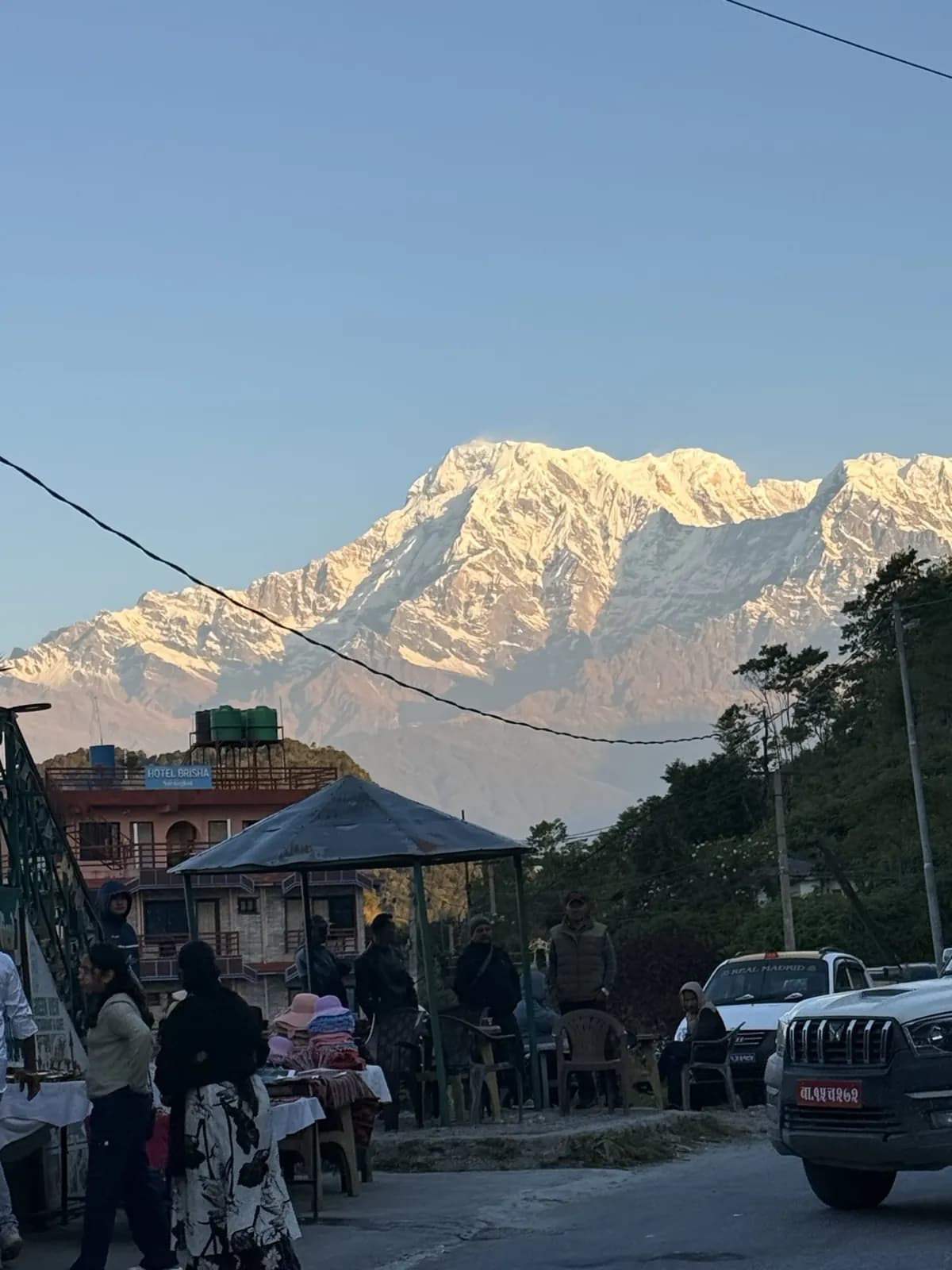
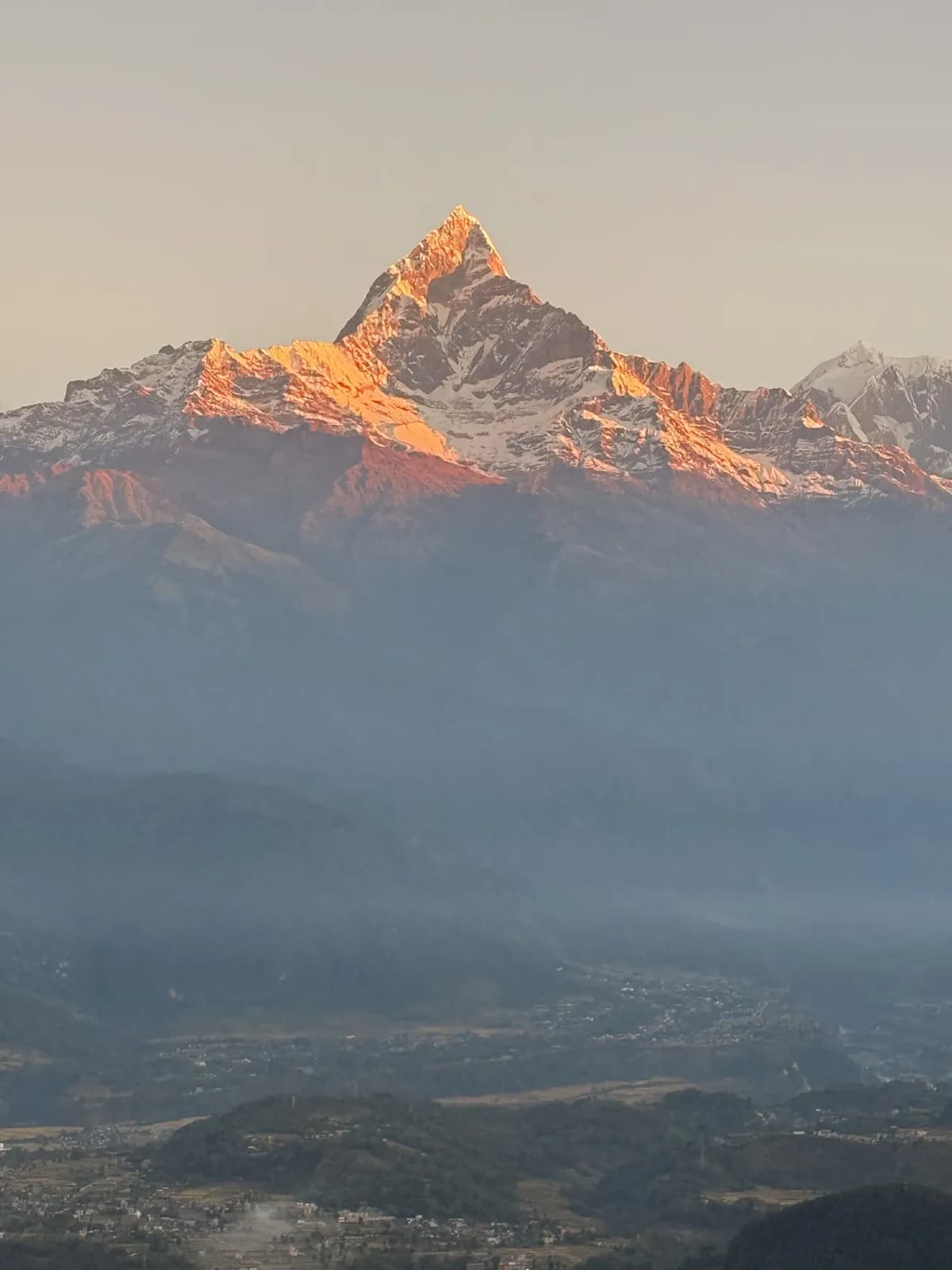
Drive for an hour to Kande, then walk uphill from the start through pine forest to Australian Camp, where the full mountain range comes into view. The path descends to the village of Pothana and climbs gently on stone steps to Pitam Deurali, a junction on a saddle with two lodges. It is a short first afternoon, steep in places.
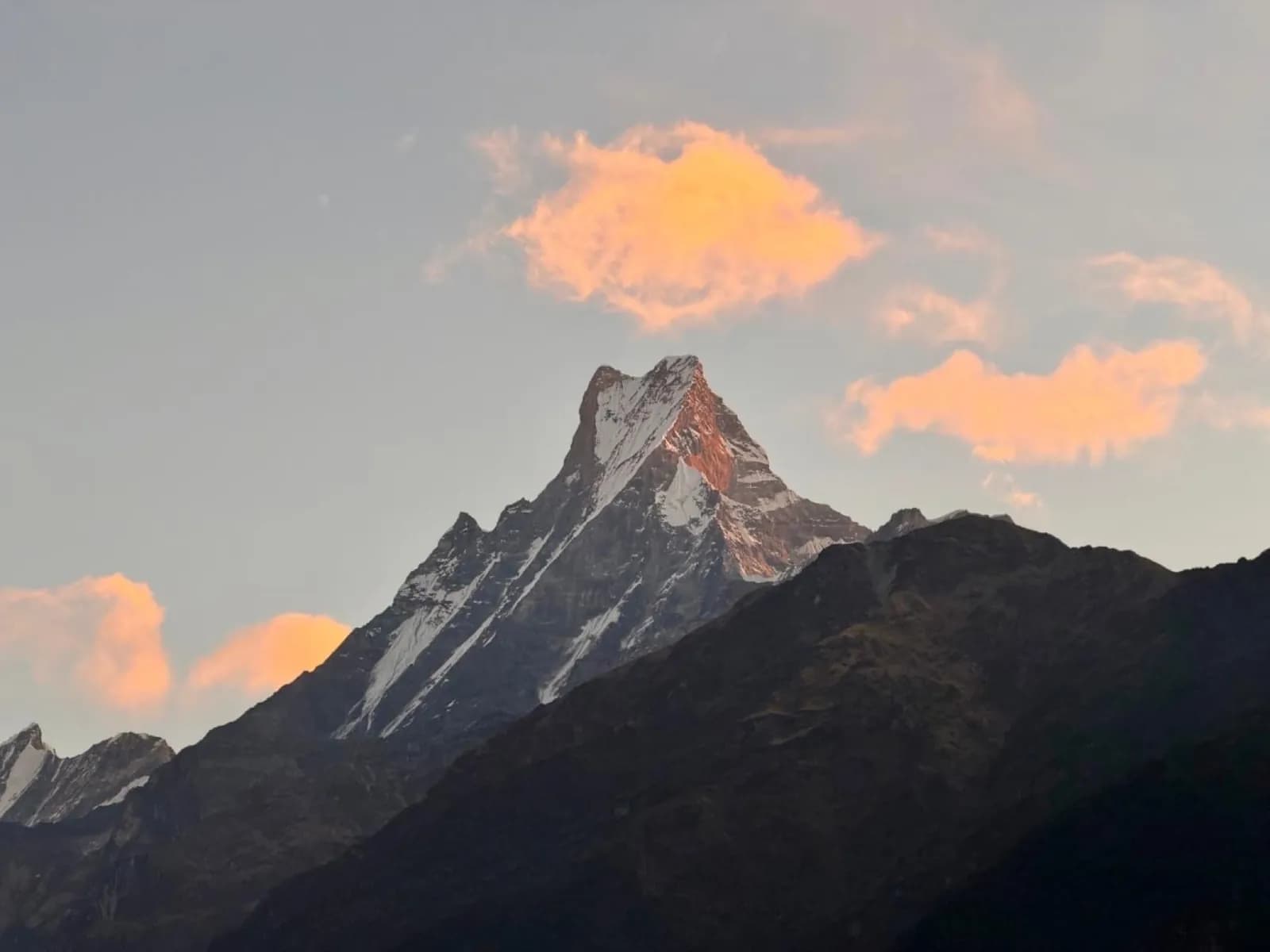
Today you leave the villages behind. The trail turns north onto the main ridge and into old rhododendron and oak forest, covered in moss and rich in birdlife, and stays under the trees for several hours. There are no views and very few buildings. Forest Camp is a clearing with a small number of teahouses.
The trail continues through forest, climbing steadily, until the trees become smaller and then end, and the ridge opens out. Low Camp is just above the tree line, with Machhapuchhre filling the head of the valley ahead. This is a deliberately short day: you gain 400 m and sleep at that altitude to acclimatise.
The trail now leaves the trees behind and crosses open grass and low scrub, passing Badal Danda with its long view down the Mardi Khola valley. The last hour is a bare, stony climb onto the shoulder where High Camp stands. Beds are limited here, so we start early. Cloud usually arrives in the afternoon, before we reach High Camp.
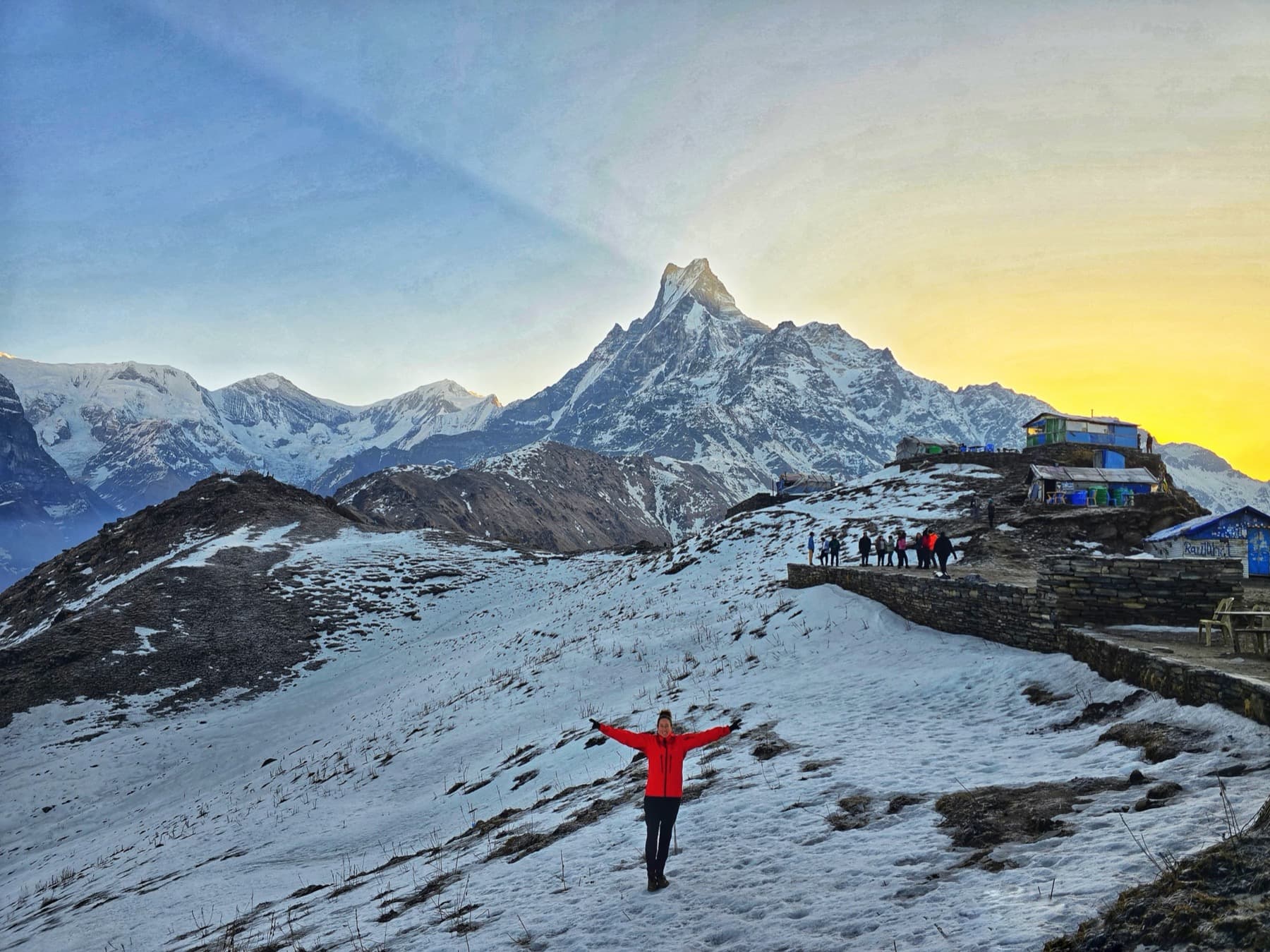
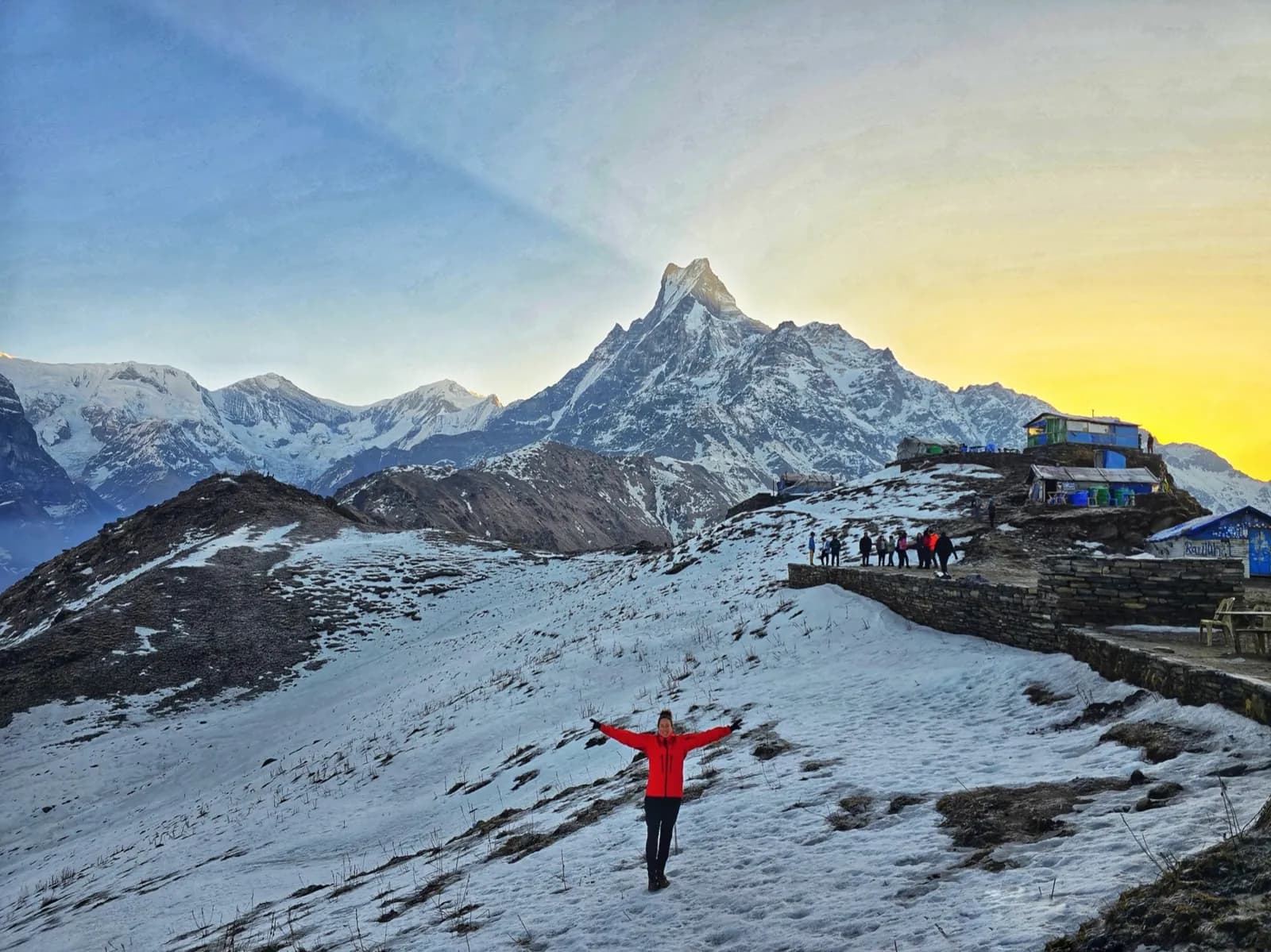
We set off before first light with head torches, climbing a narrowing ridge with the ground dropping away on both sides. The Upper Viewpoint at 4,200 m is reached after about three hours, and Base Camp at 4,500 m is an hour further, with Machhapuchhre very close. We then descend past High Camp to Low Camp.
A long descent on a new trail, leaving the ridge at Low Camp and descending through forest and terraced fields to the Gurung village of Siding at 1,700 m. A jeep meets us for the rough two to three hour drive to Pokhara, where you have a hot shower and a comfortable hotel bed.
Fly or drive to Kathmandu, as chosen when you booked. The afternoon is free for exploring Thamel and shopping for gifts. In the evening we have a farewell dinner together with your guide.
We drive you to the airport in good time for your flight. If you have a spare day or two at the end of the trip, Pokhara is worth revisiting, and Chitwan is a few hours by road from there. Tell us before you book and we will add either to the end of your trip.
Start date
8 Nov 2026
End date
17 Nov 2026
Available
10 places left
US $965
Per person
Start date
14 Mar 2027
End date
23 Mar 2027
Available
10 places left
US $965
Per person
Start date
25 Oct 2026
End date
3 Nov 2026
Available
10 places left
US $965
Per person
The trail from start to finish, at a glance.
Pack light, as everything on this ridge is carried by hand
Your porter carries 15 kg shared between two trekkers, which is generous for a six-day trek and more than you should need. There is no flight weight limit on this trek, so the limit is set by the trail rather than an aircraft. Above Low Camp the lodges have no road, mule or cable access: gas, rice and washing water are all carried up by porters, which is a good reason to pack less. We provide a duffel bag in Pokhara, and we also supply the sleeping bag and down jacket, so you do not need to bring these from home.
There is no mountain airstrip and no risk of a week-long weather delay, and the road reaches to within an hour of the start of the trail.
The flight from Kathmandu takes 25 minutes and lands at an airport on flat ground at 830 m, with the Annapurna range visible from the left-hand windows. Delays here are usually a matter of hours, not days, and nothing on this itinerary depends on a mountain airstrip. This is the main practical difference between planning an Annapurna trek and an Everest trek.
The coach takes six to eight hours along the Prithvi Highway beside the Trishuli River and costs about $25. The journey takes longer when roadworks are under way. Some travellers prefer to see the countryside, and as nothing on this trek is time-critical, it is a reasonable choice. Tell us which option you prefer when you book.
Kande is 27 km from Pokhara on the Baglung highway, about an hour by car and slightly longer by bus. That is the only transfer. The trek begins at the roadside and climbs from the start, which is why day 3 feels steeper than its four hours suggest.
The exit is a jeep track from the Gurung village of Siding, and the drive back to Pokhara takes two to three hours on a very rough road. It is not comfortable, but it is much easier than two more days of walking downhill. In heavy rain the track can close, in which case we walk on to Lwang and drive from there.
Lodges here are smaller and fewer than on the Poon Hill side, and at the top all food and water supplies are carried up by porters.
Nights on the ridge are spent in small teahouses: family-run lodges with one heated dining room and simple twin rooms with foam mattresses and thin walls. Bring a sleeping bag. At Pitam Deurali you stay in one of two lodges at the junction, with mostly shared bathrooms and a hot shower for a fee. Forest Camp is a teahouse in a clearing, with plywood walls.
You spend two nights at Low Camp, just above the tree line, with shared bathrooms and a bucket of hot water. High Camp has five or six teahouses on the ridge at 3,580 m. Rooms are twin, with dormitory beds when the lodges are full, and there is no proper shower. It is the coldest night of the trek.
| Where | Nights | Type | Room | Bathroom |
|---|---|---|---|---|
| Kathmandu | 2 | Three-star hotel | Twin or double | Private, hot water |
| Pokhara | 2 | Three-star hotel by the lake | Twin or double | Private, hot water |
| Pitam Deurali | 1 | Teahouse, one of two at the junction | Twin | Mostly shared, hot shower for a fee |
| Forest Camp | 1 | Teahouse in a forest clearing | Twin rooms with plywood walls | Shared |
| Low Camp | 2 | Teahouse just above the tree line | Twin | Shared, bucket hot water |
| High Camp | 1 | Teahouses on the ridge, five or six in total | Twin rooms, and dormitory beds when full | Shared, with little or no shower |
Porridge, eggs cooked to order, Tibetan bread, chapati, pancakes, tea or coffee
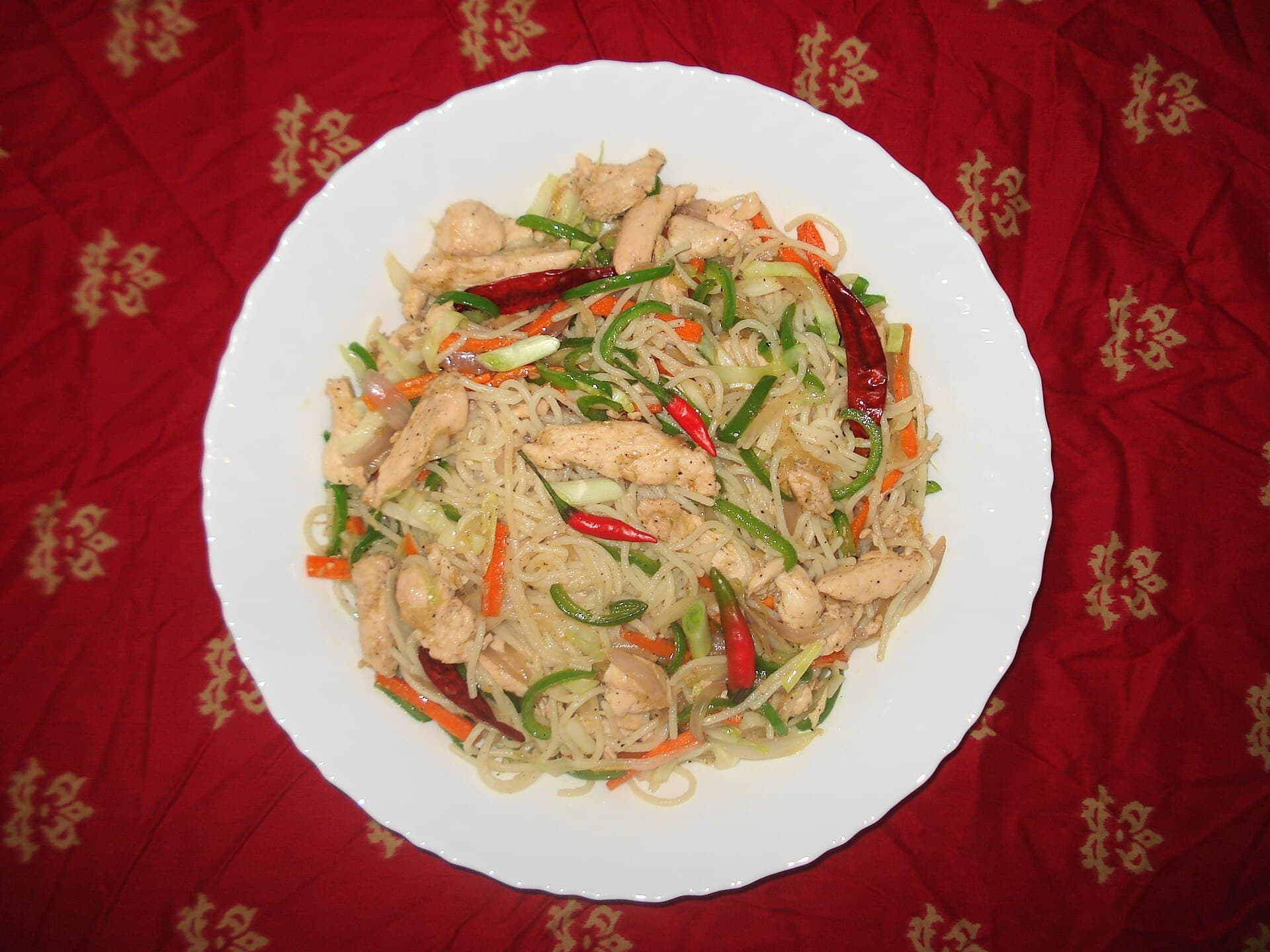
Dal bhat, fried rice, noodles, thukpa, momo, potatoes cooked in various ways

Dal bhat, pasta, curry and rice, garlic soup to start
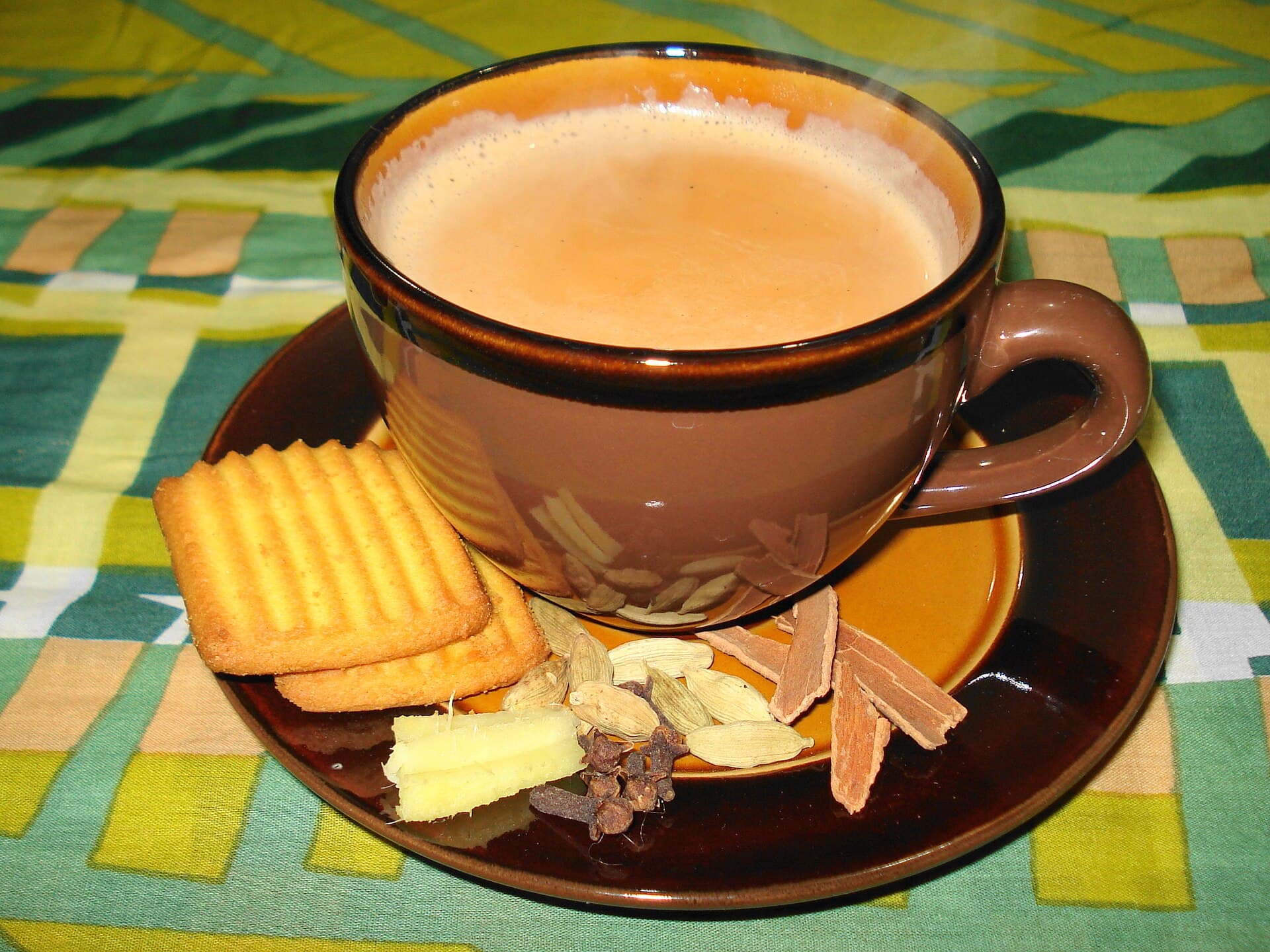
Ginger, lemon, masala, milk or plain black tea. Served at every stop.
6:00Tea brought to your room, and a bowl of warm water when available
6:30Pack, and leave your duffel bag by the door for the porter
7:00Breakfast together in the dining room, the only heated room in the lodge
8:00On the trail. The guide sets a deliberately slow, steady pace
11:30Lunch at a lodge on the route, about an hour
13:00One to three more hours of walking. Cloud usually arrives before we reach the lodge
15:00Arrive at the lodge, tea, room allocation, and time to rest
17:00From Low Camp upward, the guide measures and records your oxygen saturation
18:30Dinner, and the guide explains the next day's route and weather
20:30Bed. In November on the ridge, an early night is essential
Steady walking with one demanding day.
Written for somebody who walks a bit and does not train. If you already run or cycle regularly, start partway through. Nothing here needs a gym.
10 weeks before, stage 1 of 6
Do three 40-minute sessions a week, hard enough to raise your breathing but easy enough to talk. Walking, cycling, rowing or swimming are all suitable. If you follow only one part of this plan, make it this one.
You sleep no higher than 3,580 m on this trek, which is why serious altitude illness is uncommon. However, the last two days involve a rapid gain in height: from Low Camp to High Camp you climb 600 m, and the following morning you climb a further 920 m in three to four hours. This is a fast ascent, so please tell your guide about any headache at High Camp during dinner rather than waiting until the morning. Descending again on the same day is what makes the climb safe.
Daily health checks
The guide carries an oximeter, and from 2,970 m onward your oxygen saturation and pulse are recorded in a notebook every evening. Two nights of readings give a clear basis for decisions.
Mild symptoms
The ridge day is easy to shorten: turn back at the Lower Viewpoint just below Base Camp, or stop at 4,200 m. Both give a view of the same mountain at the same distance.
Serious symptoms
Descent is the treatment, and on this route it is unusually quick. Low Camp is two hours below High Camp and Forest Camp is two hours below that, giving a descent of 1,000 m within an afternoon.
Helicopter evacuation
Helicopters can land at High Camp and Low Camp, and Pokhara, which has a full hospital, is 15 minutes away by air. The cost starts at $2,500, which is why we check your insurance policy before you leave Pokhara.
Medical facilities
Unlike the Khumbu, this trail has no aid post. The nearest proper medical care is in Pokhara. This is a reason for caution at High Camp rather than a reason to avoid the trek.
Fitness and altitude are unrelated
This is the thing people get wrong most often. Training makes the walking easier and does nothing for how your body handles thin air. Strong young trekkers get altitude sickness and unfit older ones frequently do not. Go up slowly, and say something the first time your head hurts.
We do not run this trek in two months of the year, and in two further months we run it with a warning about conditions on the ridge in snow.
The season opens and the rhododendron below Forest Camp begins to flower. An excellent month.
Built from Pokhara station averages adjusted for height, and checked against what our guides record on the ridge. Any week runs several degrees either side, and the wind above High Camp does more to how cold it feels than the thermometer.
Your guide holds a government licence and current wilderness first aid training, and there is one porter for every two trekkers. For groups of more than ten trekkers, a second guide joins so that both the front and the back of the group are supervised. Our guides live in this district, and several grew up in the villages below Low Camp.
Each porter carries 15 kg, which is two duffel bags. This is well below the 25 kg limit set by the trekking association, deliberately, because the climb to High Camp is steep and the descent to Siding is long. If your bag is over the limit, we divide the load rather than add to it. You carry your water, camera and jacket in a daypack.
Wages, insurance, meals and accommodation for the whole crew are included in the price on this page. You will not be asked for a collection on the trail. Each guide and porter is insured for altitude illness and helicopter evacuation to the same standard we require from you, with no lower level of cover for porters. Including this in the price is the only way to guarantee it.
Tipping is customary but not compulsory, and it never replaces wages. For a trek of this length, $90 to $140 per trekker for the whole team is appropriate, given together on the last evening. No one will ask you for a tip, and please do not ask your guide what amount is appropriate, as this can cause embarrassment.
Above Low Camp there is no spring or piped water at the lodges. Every litre you drink and every bucket you wash in is carried uphill by a person. Buy boiled or filtered water by the litre, carry a filter or purification tablets as a backup, and consider using a flannel rather than a hot bucket at High Camp.
We carry out everything we carry in, apart from food. This trail is only about ten years old and is still in good condition, which is uncommon in Nepal and worth protecting. Wrappers, batteries and other waste come back down in our bags.
The lodges on this ridge are family businesses, most of them opened since 2012 by households from Siding, Lwang and Ghalel. The permit fee funds the conservation area, which is run by a national trust rather than a government ministry. Almost everything you spend here stays within a day's drive of where you spend it.
Always ask before photographing anyone. Step to the uphill side of the trail to let mule trains pass. Machhapuchhre has never been climbed and climbing it is not permitted, because it is sacred to the local people whose fields you walk through.
Send us a message or a WhatsApp with your preferred month. You will receive a reply, usually the same day, from someone who has trekked this ridge. Nothing is payable until you decide to reserve dates.
A deposit of 30 per cent reserves your dates, and the balance is due when you arrive in Kathmandu or Pokhara, by card or in cash. Please send a copy of your passport, proof of insurance and any medical or dietary information we should know about.
You can pay by bank transfer or through a secure card link. Card payments carry a bank charge of about 4 per cent, which we show you before you pay. The balance can be paid in US dollars, pounds, euros or rupees.
If you cancel more than 30 days before departure, your deposit can be moved to any other date or any other trek we run, with no expiry. Within 30 days we keep the deposit, because permits, crew and lodges have been committed by then. If we cancel for any reason other than weather, you receive a full refund.
From five people, private and group trips cost the same. A private booking means you choose the dates, pace and group, for as few as one trekker. On a group departure you travel on the dates in the table above, with a maximum of ten people. As the price is the same, most travellers choose a private trip.
Outside October, a week's notice is enough, because there are no mountain flights to arrange. In October, beds at High Camp are limited, so we need three to four weeks' notice.
Priced per person, arranged before you travel, and none of them included in the price above.
A 30-minute flight from Sarangkot with the Annapurnas across the valley. Day 9 is free if you fly to Kathmandu in the afternoon.
Visit Ghorepani and the 3,210 m sunrise viewpoint before starting the ridge. This also helps acclimatisation and makes High Camp noticeably easier.
Two extra nights by the lake at the end of the trek, with time for a boat trip and rest. Most travellers who add these nights are glad they did.
Leave the ridge at Low Camp towards the Modi Khola instead of Siding, for one more night in a village and a gentler descent. Recommended if you have concerns about your knees.
Rhinos, gharials and a warm climate, a few hours by road from Pokhara. It fits between the trek and your flight home without retracing your route.
Applies to the four hotel nights in Kathmandu and Pokhara only. Lodges on the ridge are twin share throughout, and when High Camp is full in October you may be placed in a dormitory regardless of any request.
4 versions of this journey. They use the same guides and the same lodges; what changes is the length, the comfort and how much of it you walk.
mardi himal trek/ 2 persons
April 2025, Tripadvisor
One of a lifetime amazing experience with Guide Rajan Neupane and porter Bishnu Neupane at Earthbound Expeditions! We did the mardi himal trek which is 3-5 days depending on speed, and it was amazing. We booked it for 5 days but possibly it was feasible in 3, we did it in 4 if we do not count jeep time. Rajan was very attentive all along with the trek organization, timelines, pace and safety. Bishnu was very attentive all along and also cared and helped a lot in terms of safety and difficult parts, telling us to watch out at some points. We felt very safe and caring which is the most important, and enjoyed to be guided by such an experienced professionals. Day 1: Pokhara – Kande (1,770m) – Deurali (2,100m) Drive to Kande, then average trekker 3–4 hrs through forests to Deurali. Peaceful trail that we did in 2h40mn, 7km, 570m+, also not going very fast (we like to trek but are super amateur). Day 2: Deurali (2,100m) – Forest Camp (2,550m) – Low Camp (3,050m) 6–7 hrs trekking through dense forest. We did it 4:40 including pauses , 14km, 1070m+, Amazing views of the forest and quite some rain which is epic! Day 3: Low Camp (3,050m) – High Camp (3,580m) Steep 2h30, 570m+,6km ascent along a ridge. Cloudy day so we didn’t see much during the day. However we luckily woke up à 5:30 because of noises and we were able to see Machapuchare without any cloud from 5:30 to 7:30 (breakfast time). Day 4: High Camp (3,580m) – Mardi Himal Base Camp (4,500m) – Low Camp (3,050m) Woke up 4am for 1h40 hr hike mardi himal viewpoint. The day before it had snowed a lot and we didn’t know until we woke up if we were going up or not. At halfway we put on crampons otherwise it would have been impossible to continue to the viewpoint. We went a bit far up with the idea to try to arrive base camp which was what we wanted booking the trip but the bit from mardi himal viewpoint to Mardi Himal Base camp was too dangerous to cross even with crampons because of slippery rocks and very close cliffs which make any small error fatal. Incredible experience and we got lucky with the weather and saw Machapuchare when in the viewpoint. Also very happy to have went on until it was impossible to continue safely. After this we got down to high camp for breakfast and went down to siding during the day and slept there. Day 5: Siding (1,750m) – Pokhara (822m) Just took a jeep from siding to Pokhara, no walking.
Wonderful trek and overall service
May 2016, Tripadvisor
We had an amazing trek in Poon Hill and Mardi Himal with a guide from Earthbound. They were great in dealing with us, arranged everything, accomodated our unexpected changes, gave us good discount in hotels. We will always use this company when we trek in Nepal
Jaya Chikka: Very compassionate and integrated team
July 2024, Tripadvisor
Jaya Chikka: very compassionate and integrated team with ver good english speaking skills. I have been to Manassarover and Kailash yatra with Earthbound team. Hotels provided are top hotels and the guest houses provided at the remote locations are comfortable. The tent arrangements at manasasarover to take quick hot bath with lake water and hommam are phenomenal. We got hot towels and hot water bags at manasarover and Kailash northface with bed coffee / tea. Served fresh breakfast / lunch and dinners all through the yatra. Supplied bottled water during the entire yatra. Rajan ji accommodated our request to arrange vehicles to go back to the hotel from nothface guest house instead of going on horse.. This saved our energy and time of about four to five hrs. We never missed anything in the trip. Team never lost their temper despite of all our requests on room services and last minute changes . They made sure everyone had food and required medicines everyday. They never rushed anyone during parikrama and allowed everyone to go on their own pace. Kudos to the team for their integrity. I wish the entire team to have many more successful yatras. I also congratulate the team for their charity work that is making an impactful and meaning to the needy people. Their efforts of giving back to the society is much appreciated !! Om namhasivaya !!!
Best agency in Nepal
May 2024, Tripadvisor
I was lucky to choose this agency of the list of agencies in the Lonely Planet guide. I did the EBC hike, a tour to Pokhara and Chitwan, and a Tibet roadtrip through Earthbound Expeditions and everything was AMAZING. They are very professional, they have the best staff and Mr. Rajan is always caring and pendant on any needs. I highly recommend this agency for any tour in Nepal. You will have an amazing time!
Answers to the 21 questions travellers ask us most often. If your question is not here, contact us and we will answer it.
No. There are no ropes, no crampons and no glacier anywhere on this route. The upper ridge is a footpath with steep drops on either side. If exposure concerns you, the Upper Viewpoint at 4,200 m is a good place to stop.
You need to be fit enough to walk for four to six hours on consecutive days, plus one day of eight to nine hours. If you can complete a five-hour hill walk and then walk for two hours the following day, you are ready for this trek.
Yes, it is one of the best choices for a first trek. It is short, the highest overnight stop is only 3,580 m, and you get close views of a 6,993 m mountain. It requires six days of steady walking rather than any technical skill.
Most people reach the Upper Viewpoint at 4,200 m. Fewer continue for the last hour to Base Camp at 4,500 m, and the reason is almost always weather or time rather than fitness. On a clear morning, both places offer views of the same mountains at slightly different distances.
There is no upper age limit. We accept children from the age of ten with a parent. This is younger than we would accept on an Everest trek, because the altitude here is modest and you can descend from the ridge in an afternoon. Your walking experience matters far more than your age.
The ridge is narrow in places, with the ground falling away on both sides, but it is a footpath throughout. In clear weather most people find it enjoyable. In cloud or on fresh snow it is much more difficult, and in those conditions your guide may decide to turn the group back.
It is uncommon on this trek because you sleep no higher than 3,580 m. However, the climb from Low Camp to Base Camp is fast, and mild symptoms do occur at High Camp. We measure your oxygen saturation every evening from Low Camp onward. Descent is quick on this route, which is its main safety advantage.
At night it is between −2°C and −7°C in the trekking seasons, and close to −12°C in January. Daytime temperatures on the trail are between 11°C and 18°C and feel warm in the sun. No bedrooms on this trail are heated, at any altitude, so a warm sleeping bag is essential.
You need a policy that covers trekking to 5,000 m, including helicopter rescue and repatriation. Please show us the certificate before we leave Pokhara. A rescue from this ridge costs from $2,500, and no helicopter will take off without a guarantee of payment.
The lodges are small, plain and fewer in number than you may expect. Rooms are plywood with twin beds, there is a dining room with one stove, and toilets are shared. At High Camp there are five or six lodges in total. They are simpler than the lodges on the Poon Hill side, which is the result of this trail being quieter.
As far as Deurali, yes, with proper plumbing. Above Forest Camp a shower is a bucket of hot water for a few dollars, and at High Camp there may be none, because all water there is carried up by porters. Wet wipes are sufficient for the two days without a shower.
NTC reaches High Camp in good conditions, and Ncell coverage is weak above the forest. Wifi is free or costs a few dollars in the villages, is patchy at Forest Camp and is unreliable above it. Buy a SIM card in Pokhara, as you cannot register one on the trail.
Yes, for $2 to $4 per device. Everything above Low Camp runs on solar panels, so after two overcast days in a row there may be no power available. Carry a power bank of at least 10,000 mAh and keep it in your sleeping bag at night rather than leaving it out in the cold.
It is much quieter than Poon Hill or the Annapurna Sanctuary, although it becomes busier every year. In October the ridge is busy and High Camp fills by mid-afternoon, so we start early in that month. In late November or March the forest is often very quiet.
Your duffel bag is carried by a porter shared with one other trekker, with a limit of 15 kg between you. You carry a daypack of 5 to 7 kg with water, a warm layer, waterproofs and snacks for the day. There is no flight baggage allowance on this trek.
You need an ACAP permit, which costs NPR 3,000 (about $22) from the National Trust for Nature Conservation, and a TIMS card, which costs NPR 2,000 (about $15) through a registered agency. Both are included in your trek price. A licensed guide has been compulsory in this conservation area since April 2023.
Most nationalities can buy a visa on arrival at Kathmandu airport: $30 for 15 days and $50 for 30 days, cash only. Completing the online form in the two weeks before you fly shortens the queue. Bring a passport photograph, and make sure your passport is valid for at least six months.
Bring $150 to $250 changed into rupees, in small notes. This covers drinks, charging, hot water, wifi and tips for six days. The last ATM is in Pokhara. No lodge on the ridge accepts cards, and lodges cannot give change for large notes.
Fly from Kathmandu to Pokhara in 25 minutes, or take the coach along the Prithvi Highway in six to eight hours. From Pokhara it is 27 km, about an hour by road, to Kande, where the trek starts. There are no mountain airstrip flights on this trek.
For October, book four to six weeks ahead, because beds at High Camp fill up first. For every other month, ten days' notice is comfortable, and we have arranged this trek with three days' notice.
Yes, and it is easy to do on a trek of this length. You can start from Pokhara and leave out Kathmandu, add a night at Badal Danda to make the Base Camp day shorter, walk out through Landruk instead of Siding, or add Poon Hill at the start. From five people, your own dates cost the same as a group departure.
Didn't find what you were looking for?
Search every word on this page, or ask somebody who has walked the route.
10 days
$965 per person