Breakfast
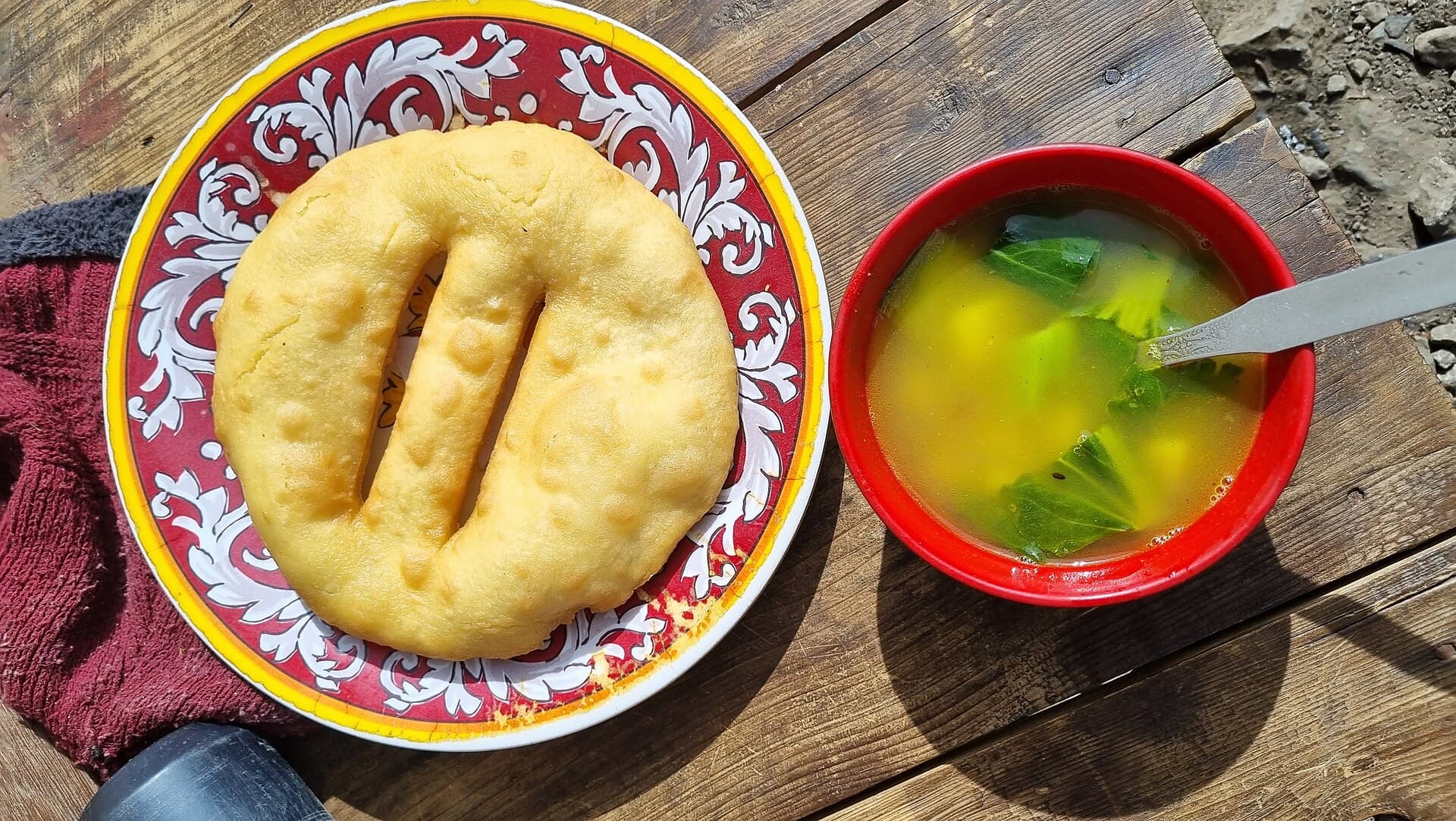
Eggs, roti, porridge, local buckwheat pancakes with honey, and tea or coffee
All destinations
All destinationsFour easy days in a protected forest above Pokhara, ending at dawn on a sacred summit with views from Dhaulagiri to Manaslu on one side and Phewa Lake on the other, and very few other trekkers.
Four easy days in a protected forest above Pokhara, ending at dawn on a sacred summit with views from Dhaulagiri to Manaslu on one side and Phewa Lake on the other, and very few other trekkers.
This eight-day trip includes four days of walking in the wooded hills on the south-west side of the Pokhara valley. You start on the ridge at Naudanda, cross farmland to Bhadaure, climb through oak and rhododendron forest to the saddle at Panchase Bhanjyang, and walk up in the dark to the summit at 2,517 m. You then descend the other side to Phewa Lake and cross it by boat.
Anyone who can walk for four to six hours on a hill path and is comfortable with simple accommodation. There is no altitude problem, no pass, no snow in the walking seasons and nothing technical. It suits families, travellers with one week rather than two, and anyone who has walked a busy trail and would prefer a quieter one.
The mountains are forty kilometres away rather than directly above you, so if you want to be close to glaciers, this is not the right trek. Instead, you walk through a forest with around 120 species of orchid and about 260 species of bird, visit a sacred summit that Nepali pilgrims climb but few foreign visitors know about, and spend whole days without meeting other trekkers. Ghorepani is no longer this quiet.
Sources disagree on this. Several detailed independent guides state that no permit is needed, because the hill is a Protected Forest managed by the Division Forest Office rather than part of the Annapurna Conservation Area, and there is no staffed ACAP counter on the Bhadaure approach. Other operators list the ACAP permit and a TIMS card as required. We buy the ACAP permit for every trekker in any case, and it is included in your price.
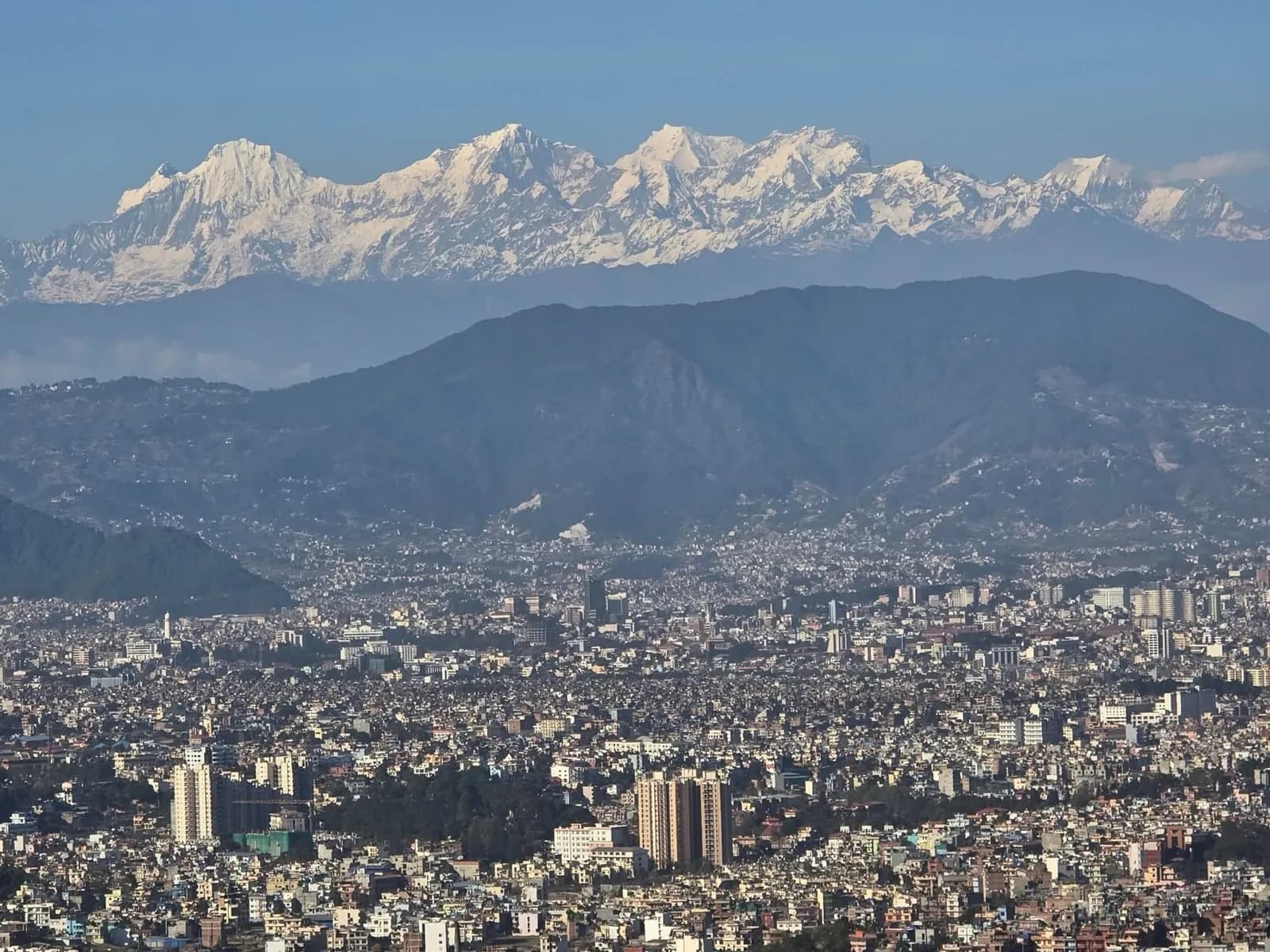
We meet you at Kathmandu airport and drive you to your hotel. The rest of the day is free to rest after the flight or walk into the old city. In the evening we have dinner together and brief you on the week, the equipment you need and the weather in the hills above Pokhara.
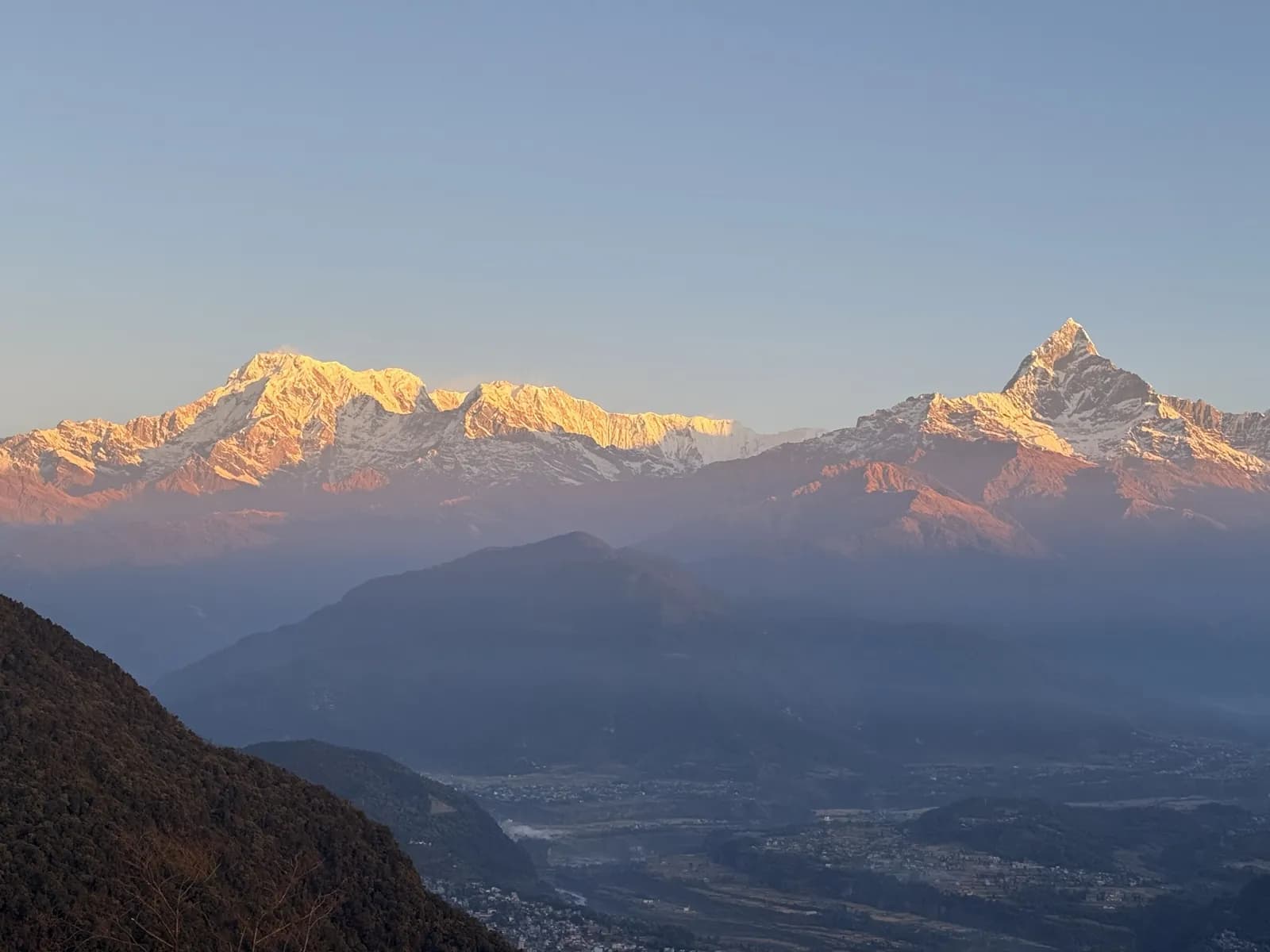
A twenty-five-minute flight west to Pokhara, with the Annapurna range visible from the right-hand windows on a clear morning. The afternoon is free beside Phewa Lake, where you will finish the walk on day six. We arrange the permits, introduce you to your guide, and you can see the ridge you will climb.
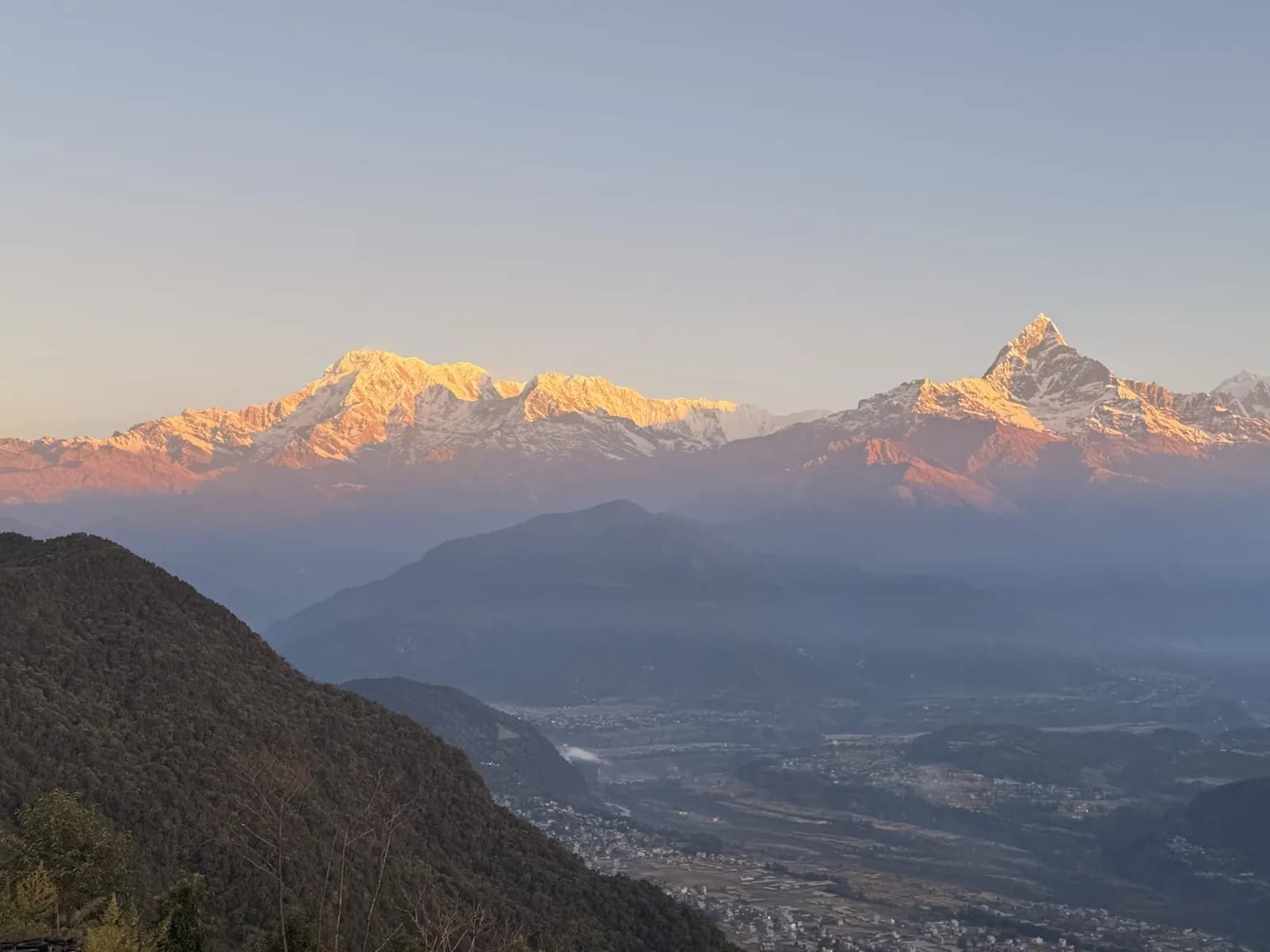
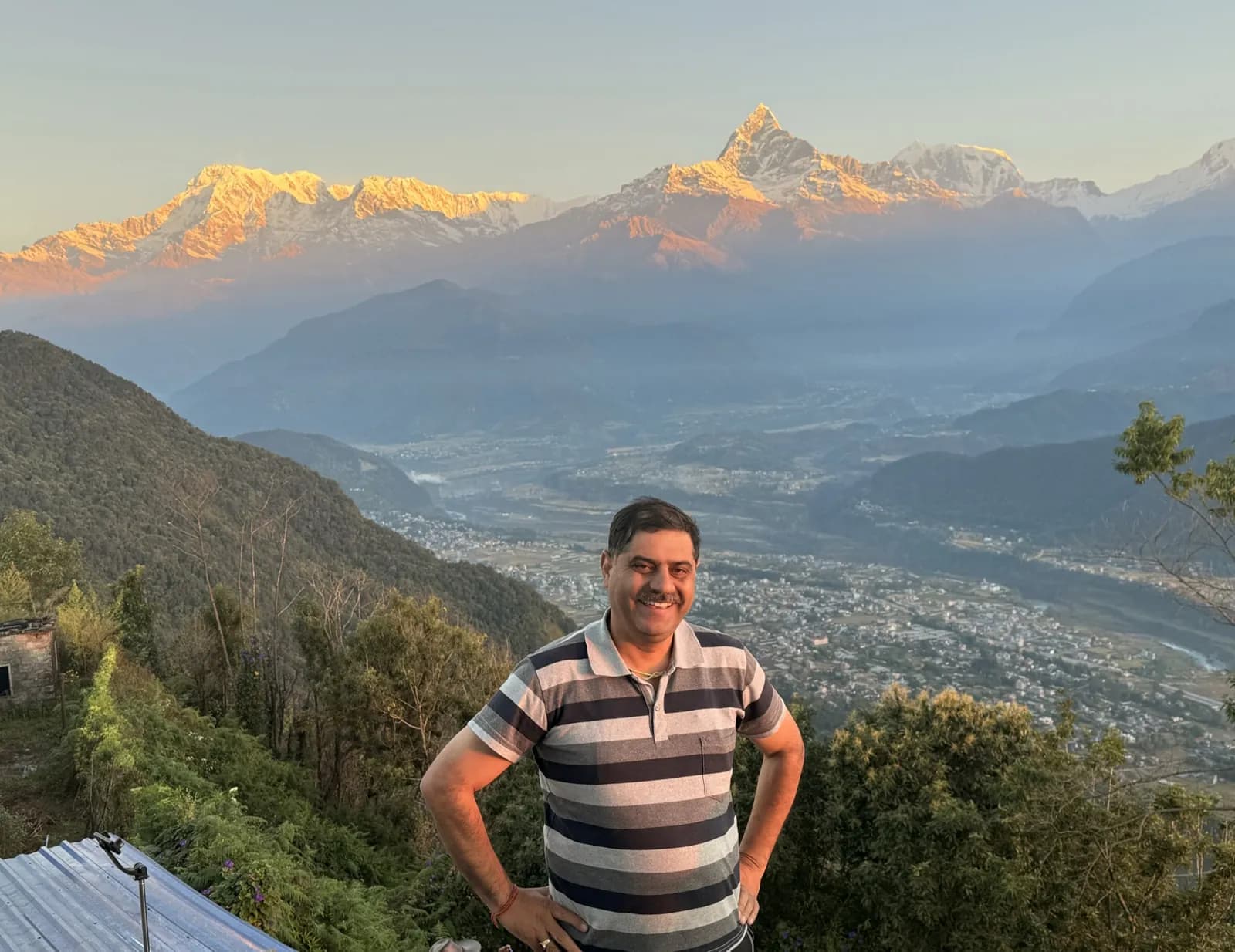
A forty-five-minute drive up the Baglung highway to Naudanda at 1,515 m, then onto a ridge of terraced fields and scattered farms. The walking is gentle, mostly on stone-paved paths between villages, and you finish at Bhadaure, a Gurung village with homestays and views of the Annapurnas to the north.
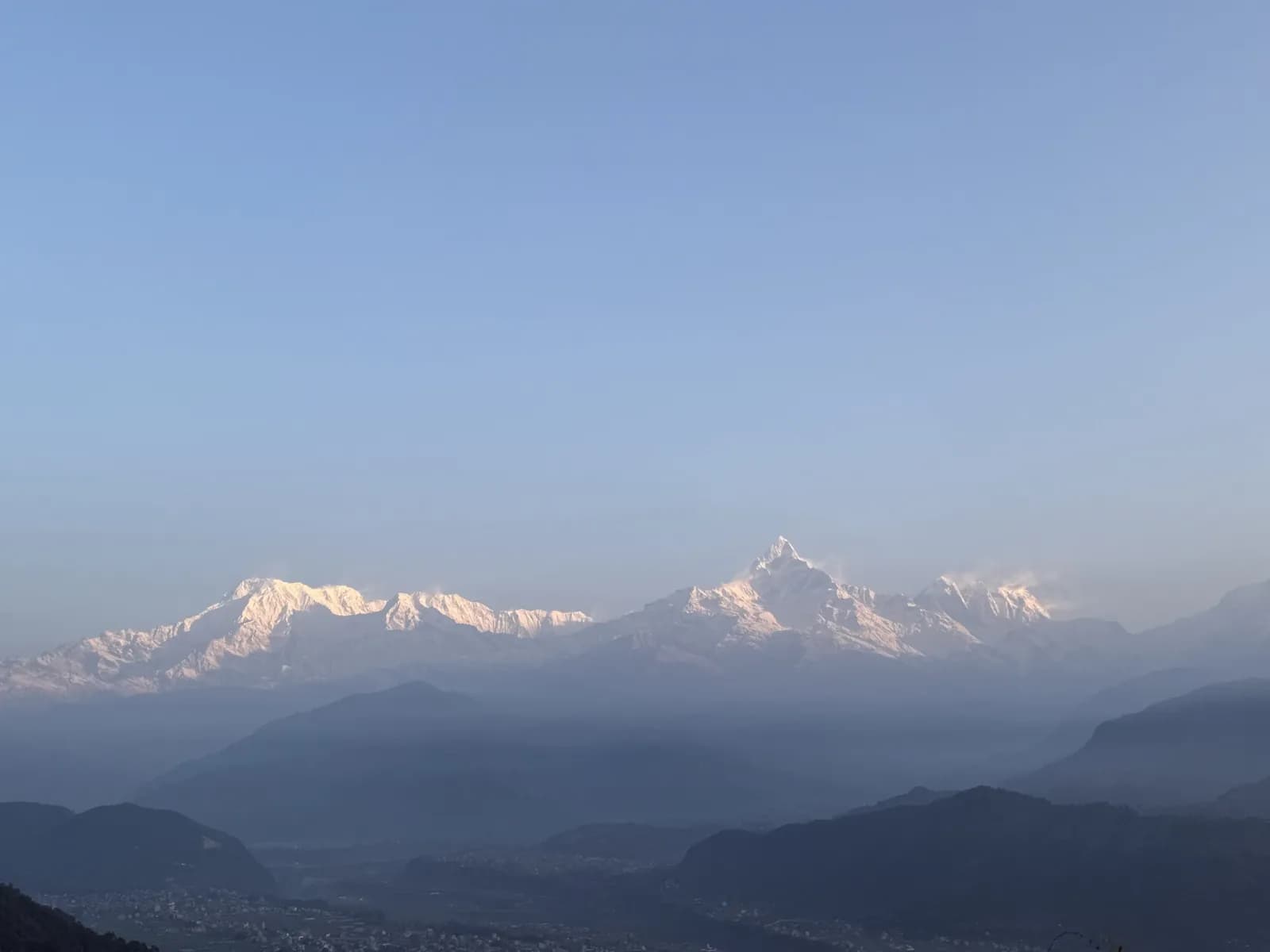
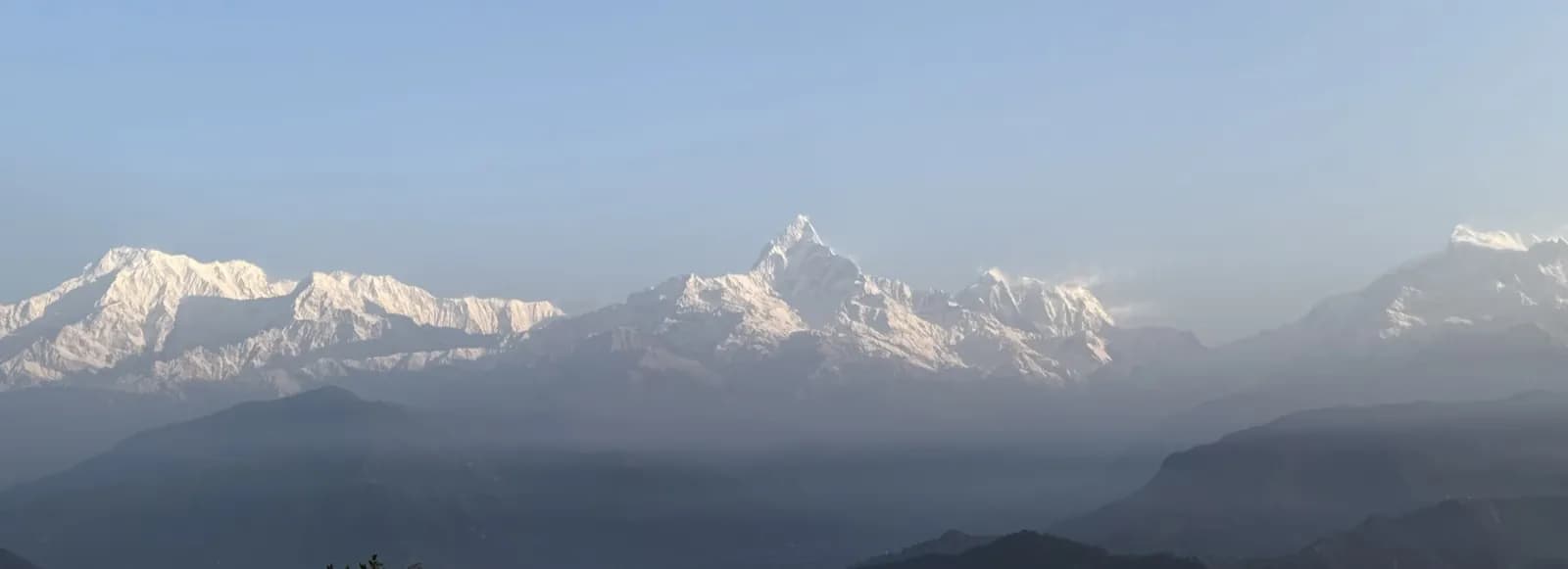
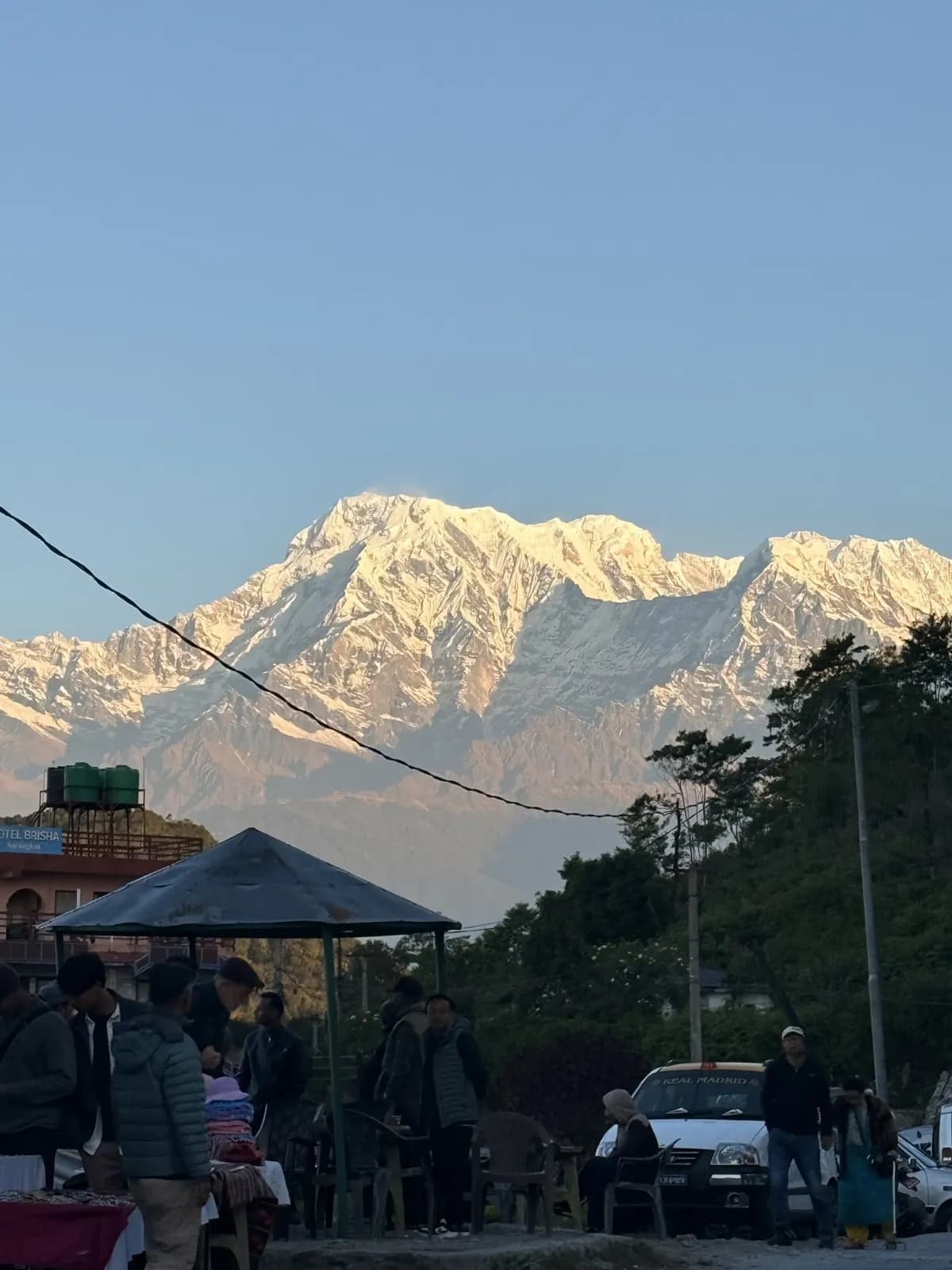
This is the best forest day of the trek. The trail leaves the farmland and climbs through oak and rhododendron forest with orchids, passing Sidhane, where the community runs the homestays and knows where to find birds. Panchase Bhanjyang lies in a saddle at 2,065 m, with about seven teahouses and no road.
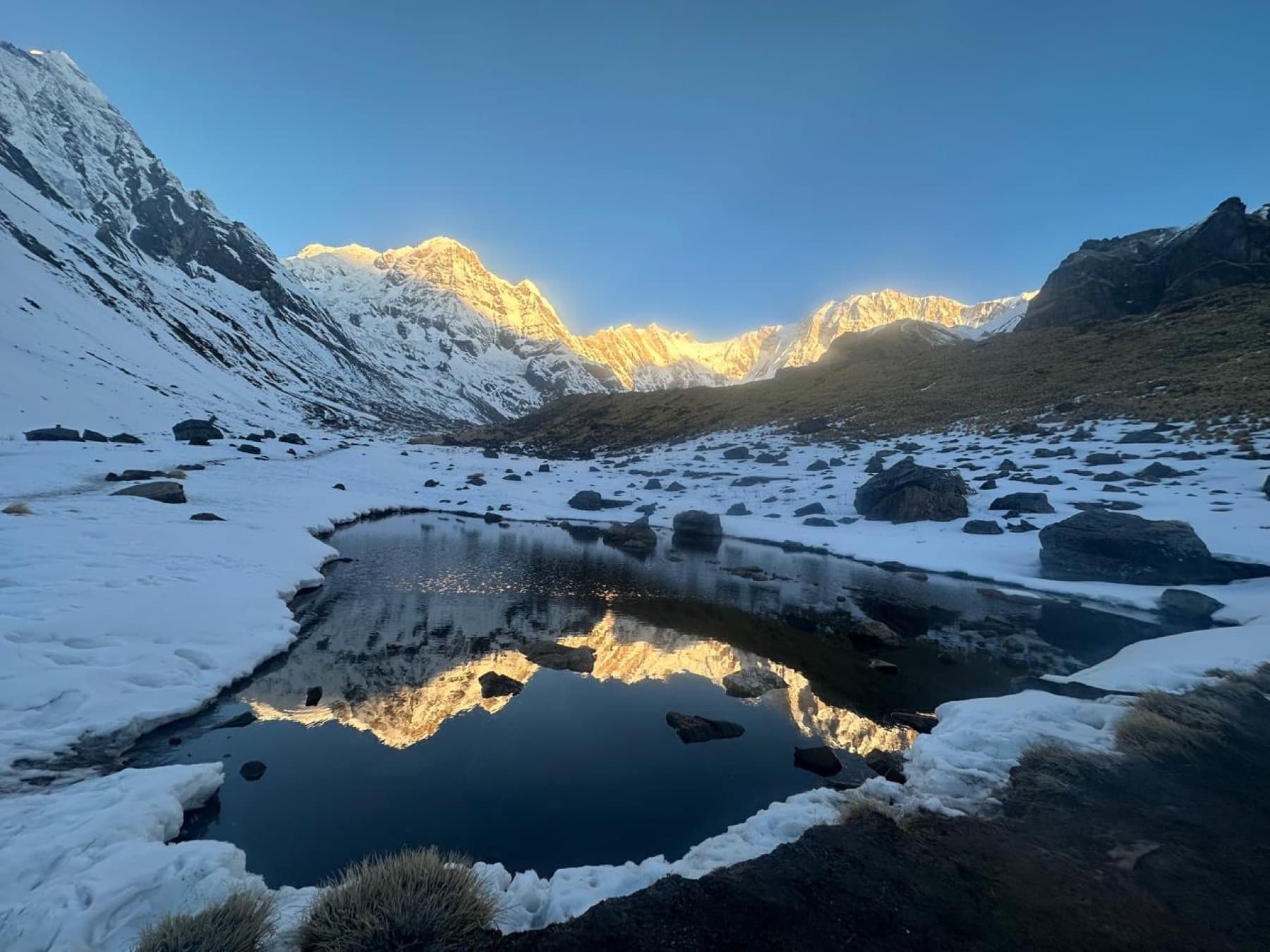
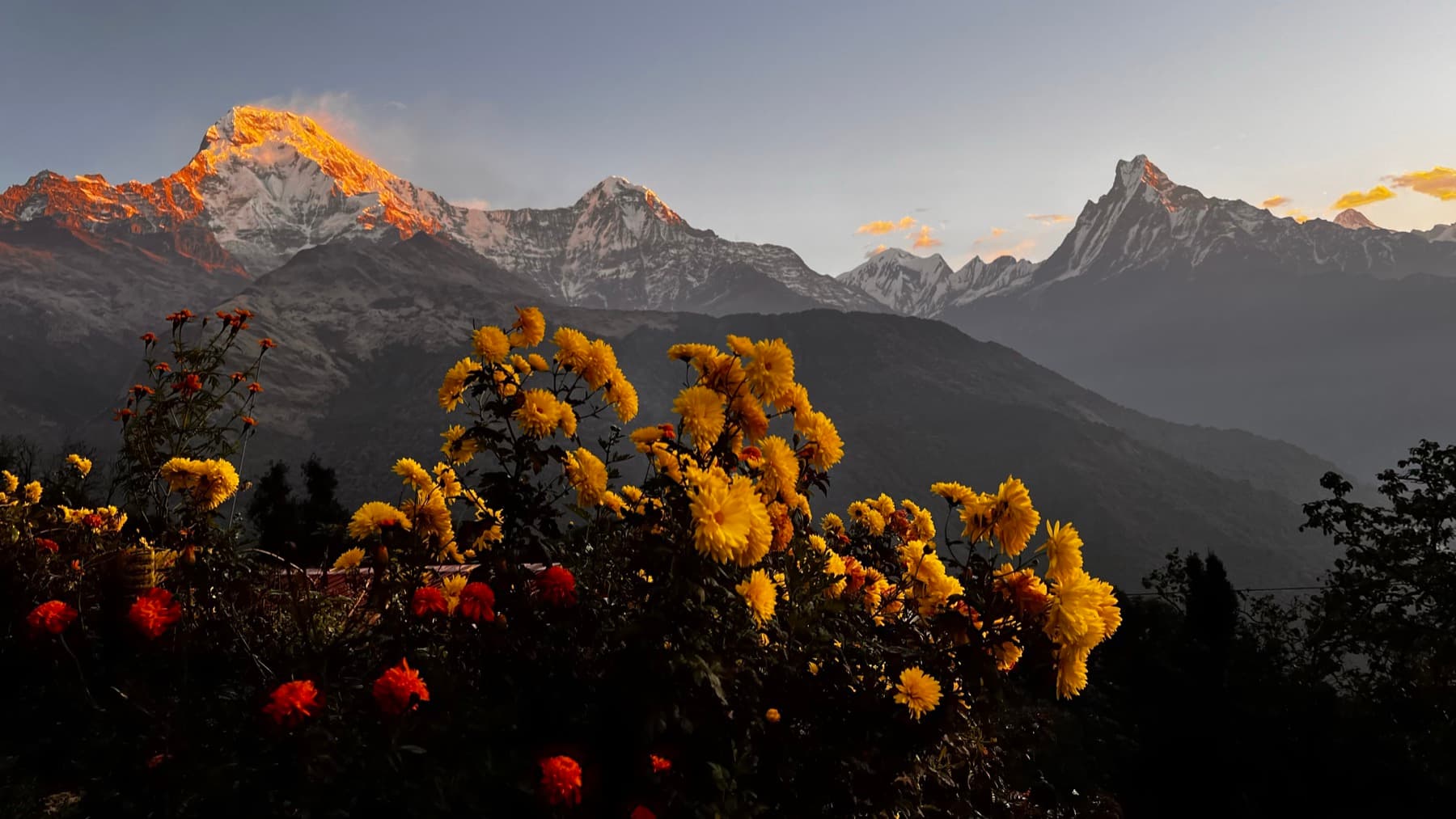
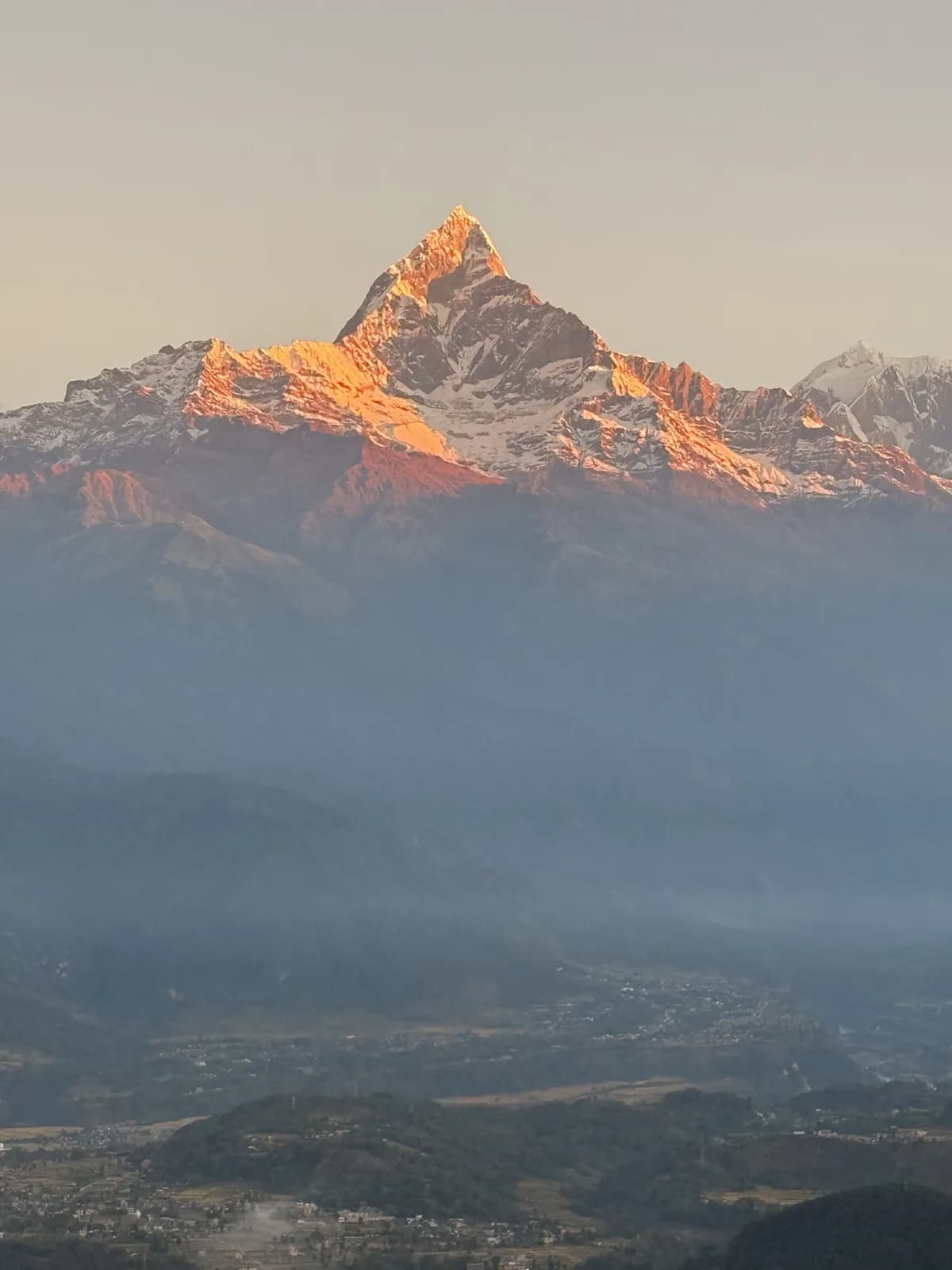
We set off in the dark for the final 450 m to the summit at 2,517 m, where there is a small Shiva temple, a holy pond and a viewing tower. On a clear morning, Dhaulagiri, Annapurna, Machhapuchhre and Manaslu appear one by one. We return for breakfast and then make a long descent to Bhumdi.
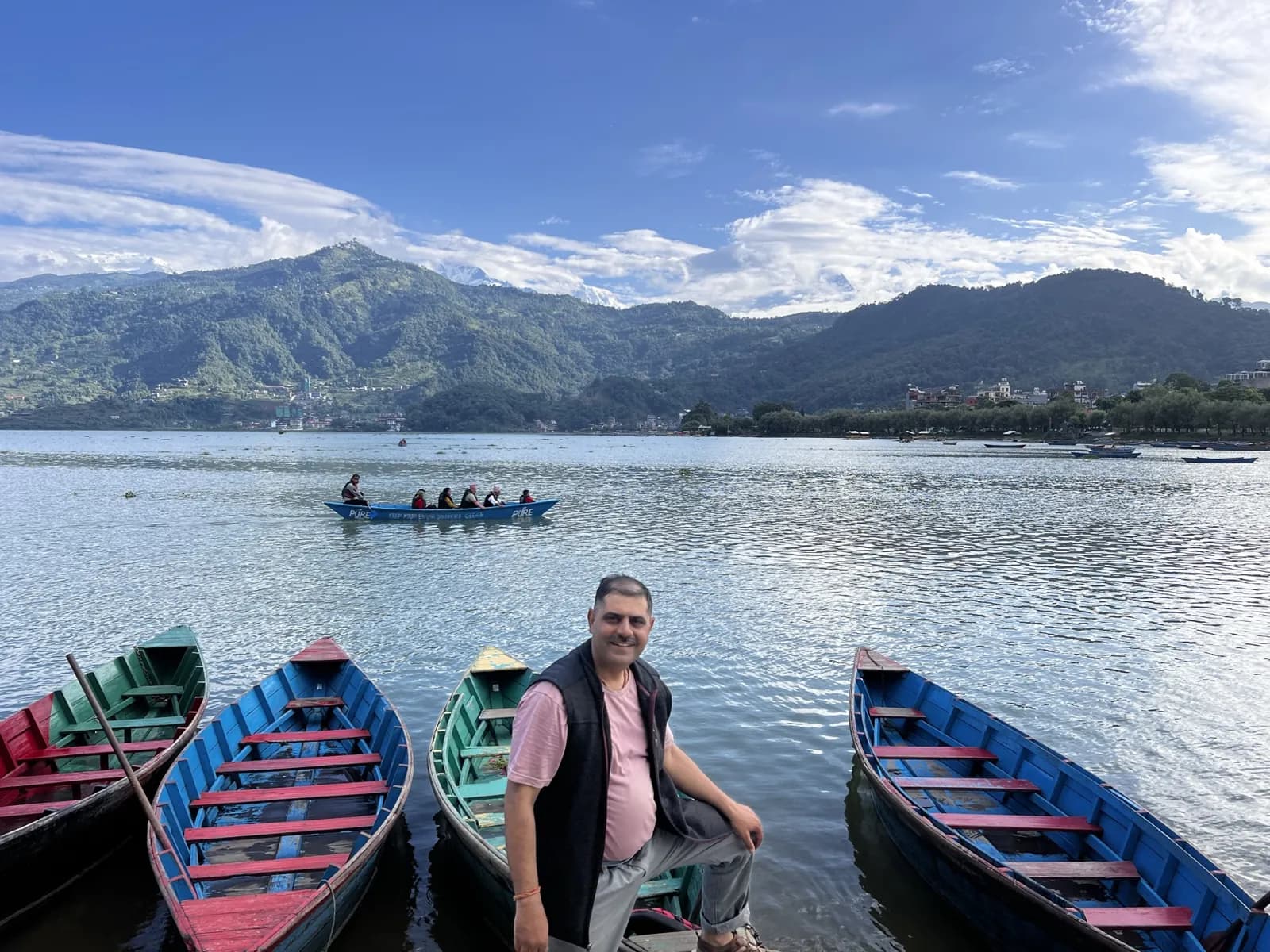
A short morning walk through the forest along the ridge above Phewa Lake to the white World Peace Pagoda on its hilltop, then down through the trees to the water. A wooden boat takes you across to Lakeside. The afternoon and evening are free.
A morning flight back to Kathmandu, or a six-hour drive if you would like to see the Trisuli river. The afternoon is free for Thamel, Patan or rest, and in the evening we have dinner together with the guide. If your onward flight allows, stay an extra night to visit Bhaktapur.
We drive you to the airport for your flight home. Nothing on this trip depends on mountain weather or a mountain airstrip, so unlike on our Everest itineraries, you do not need a spare day at the end. If you have one, Nagarkot or Bhaktapur are good options.
Short trips tend to be booked later, so the dates below have more availability than our longer treks. Private departures run all year except during the monsoon.
Start date
27 Mar 2027
End date
3 Apr 2027
Available
12 left
US $725
Per person
Start date
6 Mar 2027
End date
13 Mar 2027
Available
12 left
US $725
Per person
Start date
6 Nov 2027
End date
13 Nov 2027
Available
12 left
US $725
Per person
The trail from start to finish, at a glance.
Pack light, as you will probably carry your own bag
Most people walk this trek with a daypack and no porter, which works well: the days are short, the climbs are modest and 7 kg is a comfortable load. If you prefer not to carry anything, we can arrange a porter for $18 to $24 a day, with a 20 kg limit shared between two trekkers. We provide the duffel and the sleeping bag, and anything you leave behind is stored free of charge at your Pokhara hotel.
A domestic flight and a forty-five-minute drive. There is no mountain airstrip and no weather-dependent flight that could delay you for several days.
The flight takes twenty-five to thirty minutes in an ATR turboprop, with the Himalaya on the right-hand side on the way out and on the left on the way back. Buddha Air and Yeti fly the route many times a day to the new Pokhara airport, so a cancellation means waiting for the next departure rather than several days. Fares are about $75 to $105 each way and are included in your price.
The tourist bus takes seven to eight hours along the Trisuli river and costs about $15 to $25, and a private car takes six hours. Tell us when you book and we will replace the flight with the drive and refund the difference. In heavy monsoon rain the road journey can take several hours longer, which is another reason to fly.
Naudanda lies at 1,515 m on the Baglung highway, about eighteen kilometres from Pokhara, and the road is paved all the way. Unlike treks in the Everest region, the start of this trek does not depend on the weather, and the road is open every day of the year.
Every Everest itinerary we offer includes a reserve day for weather delays at Lukla. This one does not, because nothing on the route can be cancelled by weather. You can book your international flight for the day after you return to Kathmandu, although we still recommend a free day for peace of mind.
You stay in two hotels and three simple village houses. This section explains what to expect on the trail.
At Bhadaure you stay in a community homestay: a twin room in a family house, a shared bathroom and hot water by the bucket, with dinner eaten with the family. Panchase Bhanjyang is a saddle with about seven teahouses; the rooms are plain, with plywood walls, and the shared shower is solar-heated, so it is hot when the sun has been out. At Bhumdi you stay in a small lodge or guest house, with a private bathroom in the better rooms.
In Kathmandu and Pokhara you stay in three-star hotels, by the lake in Pokhara, with twin or double rooms and a private bathroom.
| Where | Nights | Type | Room | Bathroom |
|---|---|---|---|---|
| Kathmandu | 2 | Three-star hotel | Twin or double | Private, hot water |
| Pokhara | 2 | Three-star hotel, Lakeside | Twin or double | Private, hot water |
| Bhadaure | 1 | Community homestay | Twin, in a family house | Shared, hot water by bucket |
| Panchase Bhanjyang | 1 | Teahouse, one of about seven in the saddle | Plain twin room with plywood walls | Shared, with a solar shower that is hot after sunny weather |
| Bhumdi | 1 | Small lodge or guest house | Twin, some with private bath | Private in the better rooms, otherwise shared |
Eggs, roti, porridge, local buckwheat pancakes with honey, and tea or coffee
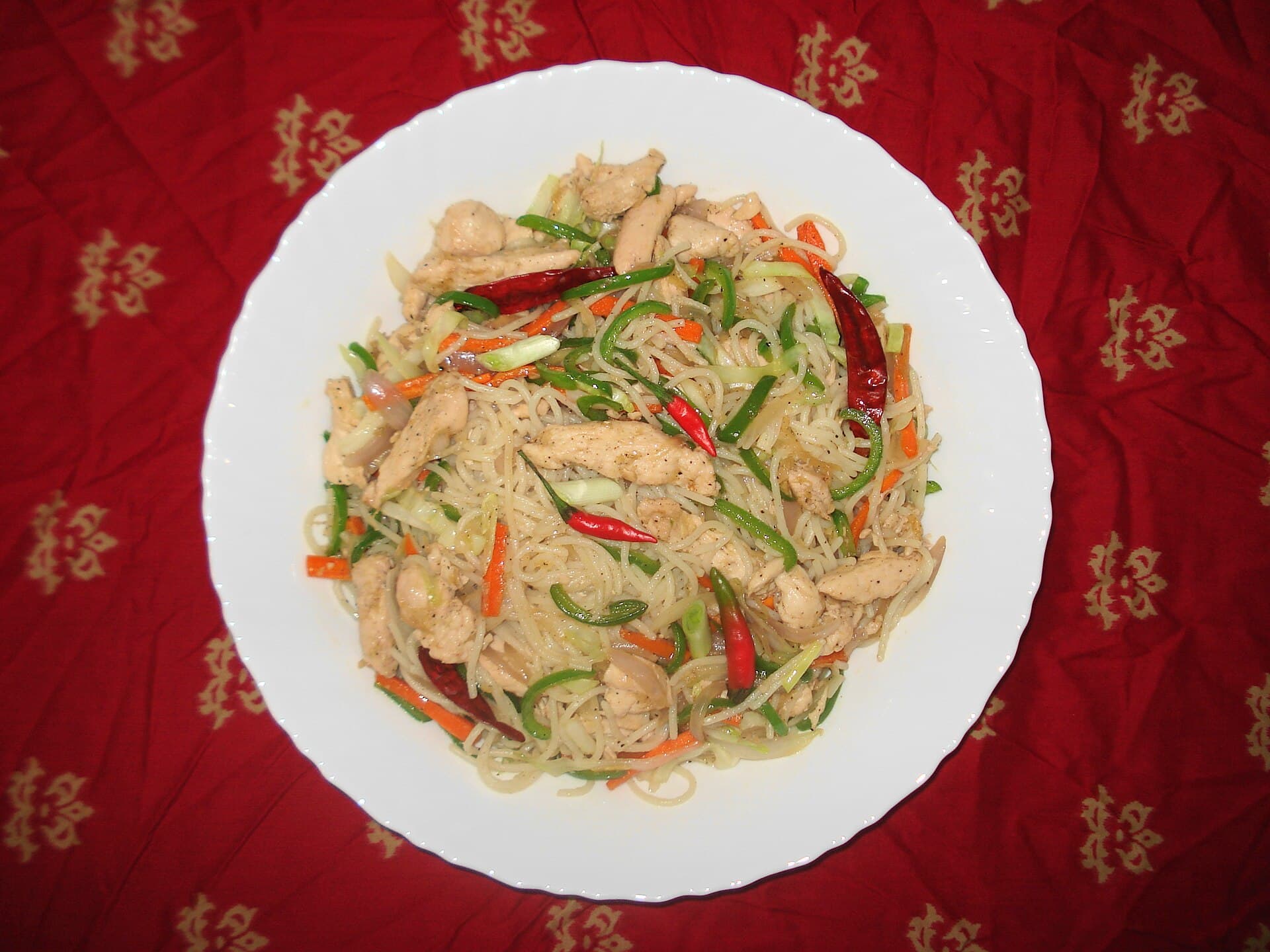
Dal bhat, fried rice, noodle soup, potatoes and seasonal greens from the garden

Dal bhat with two or three curries, chow mein, thukpa, and curd where the family keeps a buffalo
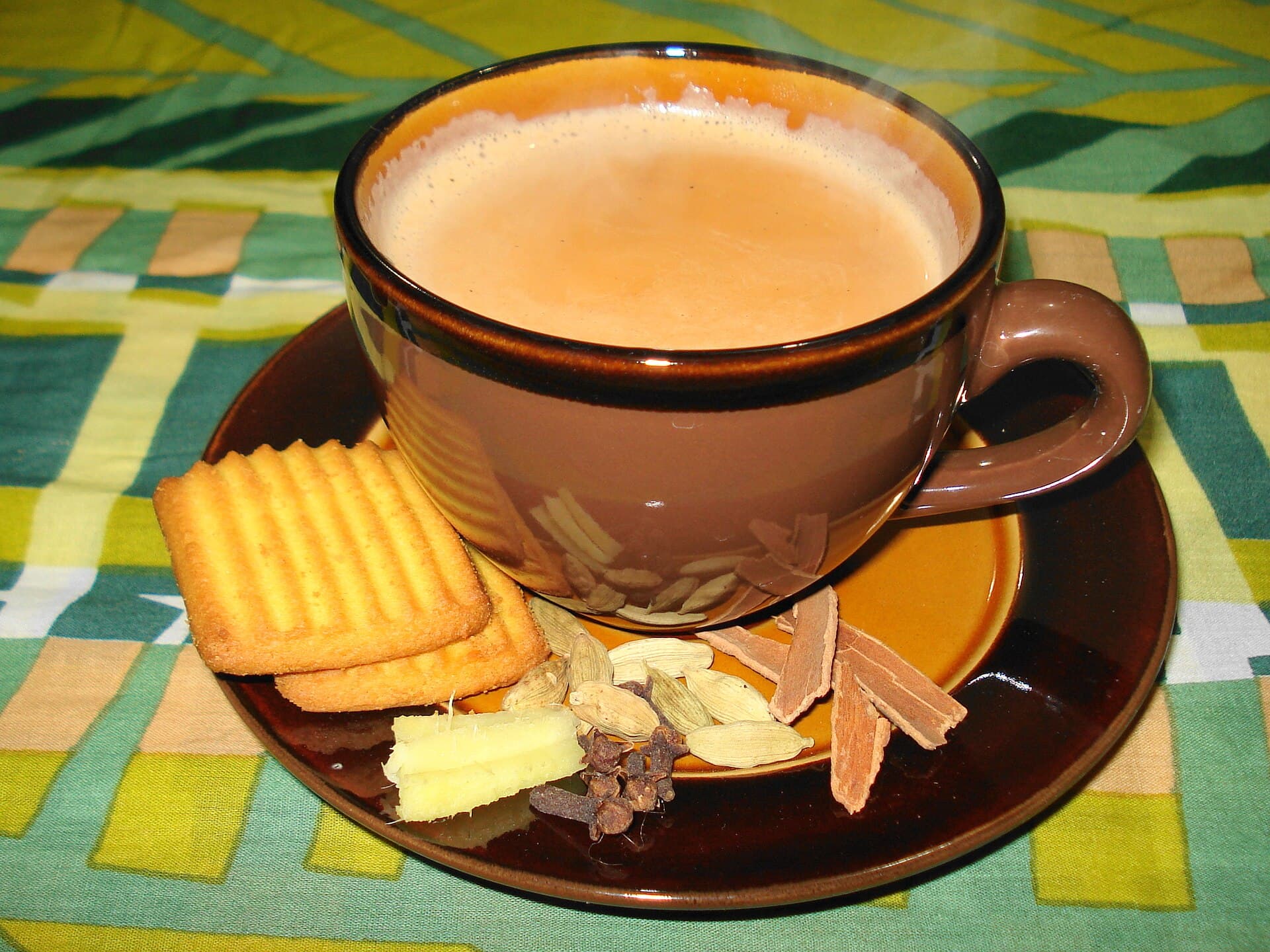
Black, milk, lemon, ginger, or masala. Included at every stop.
6:30Tea brought to your room, with a bowl of hot water for washing
7:00Go out to see the first light on the mountains
7:30Breakfast together, cooked to order, so it takes some time
8:30Walking. The guide sets the pace of the slowest walker
10:30Stops for birds, orchids and views, which are the main attractions of this trek
12:30Lunch at a village house on the route, for just over an hour
15:00Arrive, have tea, choose a bed, wash and relax in the sun
17:30Sunset on the ridge, which is well worth seeing
19:00Dinner by the stove, and a briefing from the guide on the next day
21:00Bed. There is no wifi, and most people sleep early
Easy walking, one long descent and no altitude concerns.
Written for somebody who walks a bit and does not train. If you already run or cycle regularly, start partway through. Nothing here needs a gym.
8 weeks before, stage 1 of 6
Walk two or three times a week, for an hour each time, on any terrain. If you already walk at weekends, you are well prepared, and this is the most important part of your training.
The highest point is 2,517 m, where you spend about an hour. On this trek, altitude is not a risk.
Altitude is not a concern on this trek. You sleep no higher than 2,065 m and spend about an hour at 2,517 m at dawn. Altitude sickness is extremely rare below 2,500 m, and nothing on this route is more demanding for your body than a hill walk at home. There is no acclimatisation day because none is needed. If you have been advised not to go to high altitude for medical reasons, this is often a trek your doctor will approve.
No oxygen monitoring
We do not carry a pulse oximeter on this trek because it is not needed. At 2,065 m, your oxygen saturation will be much the same as at home.
Common hazards
The main risks are slipping on wet stone steps, twisting an ankle, sunburn and stomach upsets. Your guide carries a first aid kit stocked for these and has wilderness first aid training.
Access to medical help
The furthest point on this route is about three hours' walk from a road and about two hours by vehicle from a good hospital in Pokhara. Evacuation here is by jeep, arranged by phone, and does not require a helicopter or an insurance claim.
If someone cannot continue
There are villages and roads on both sides of the ridge, so a trekker can leave the route at Bhadaure, Bhanjyang or Bhumdi and be back at the hotel in Pokhara the same afternoon while the rest of the group continues.
Fitness and altitude are unrelated
This is the thing people get wrong most often. Training makes the walking easier and does nothing for how your body handles thin air. Strong young trekkers get altitude sickness and unfit older ones frequently do not. Go up slowly, and say something the first time your head hurts.
The hill can be walked in every month. The months we do not offer are ruled out by leeches and cloud rather than cold, because the view is hidden.
Cold, clear and very quiet. The first orchids appear in the lower forest.
Worked up from Pokhara station averages and the usual drop of six degrees per thousand metres, since there is no station on the ridge. Treat them as a guide rather than a forecast, and expect any week to sit several degrees either side.
A government-licensed guide with wilderness first aid training leads every departure, and a second guide joins for groups of thirteen or more. Our guides on this route come from the hills around Pokhara, and several grew up in the villages where you stay, so they know the local birds and plants well, often by name in three languages.
On most of our treks a porter is included as standard. On this trek the days are short enough that most people carry their own daypack, so a porter is offered as an extra. If you would like one, the cost is $18 to $24 a day, with a load limit of 20 kg shared between two trekkers, which is below the limit set by the trekking association.
The salary, insurance, food and accommodation of every guide and porter are included in the price you pay, not paid separately on the trail. All staff are insured. The trekking industry has a long history of porters carrying too much for too little pay, and we avoid this by including fair pay in the package price.
Tipping is customary rather than compulsory and never replaces wages. On a trek of this length, $60 to $100 per trekker for the whole team is usual, given together on the last evening rather than daily. Your guide will not ask for tips and would prefer you did not give them in front of the group.
Bhadaure, Sidhane and Panchase Bhanjyang run community homestays and small family teahouses, and the money you spend on accommodation and meals goes directly to the household that provides them. This is one of the main benefits of walking here rather than on a trail where lodges are owned by companies from outside the area.
Panchase has around 120 orchid species, several of which grow nowhere else in the world, and research identifies over-collection as one of the main threats to them. Please photograph them and leave them where they grow. For the same reason, please do not buy the ferns and wild orchids sold at the roadside.
Every house on the hill will boil or filter water for a fraction of the price of a plastic bottle, and there is no rubbish collection here. Bring a refillable bottle and a backup purification method. We carry out everything we bring in, and any other rubbish we find.
The summit is a pilgrimage site with a Shiva temple and a sacred pond, and Nepali families climb it at Shiva Ratri and Bala Chaturdashi to remember relatives who have died. Remove your shoes at the shrine, do not put anything in the pond, and ask before photographing people at prayer. Please treat it as you would any place of worship.
Email us or send a WhatsApp message with your approximate dates. You will receive a personal reply from someone who has walked this route. There is no payment or obligation at this stage, or at any point before you pay a deposit.
A twenty per cent deposit secures your dates, and the balance is paid on arrival in Kathmandu, in cash or by card. At the same time, we ask for a copy of your passport, your insurance certificate and any dietary requirements, so that the homestay at Bhadaure can plan meals.
Bank transfer, or card payment through a secure link. Card payments carry a bank fee of about 4 per cent, which we show you before you pay. The balance in Nepal can be paid in US dollars, pounds, euros or Nepali rupees.
If you cancel more than 14 days before departure, the deposit can be transferred to any other date or trip we run, with no time limit. Within 14 days we retain it, because the guide and hotels have been committed. If we cancel for any reason other than weather, you receive a full refund.
For five or more people, both options cost the same. A private departure runs on your dates at your pace and can be arranged for one person; a group departure runs on the dates above with a maximum of twelve people. On a trek of this length, most people choose a private departure because it is easy to arrange.
Four days' notice is enough, and if you are already in Pokhara we can sometimes start the trek the next morning. There are no flights to secure, no lodges that sell out and no permits that take a week to issue. This is the easiest trek in Nepal to arrange at short notice.
Priced per person, arranged before you travel, and none of them included in the price above.
A thirty-minute flight from Sarangkot with views of the Annapurnas across the valley. The afternoon of day 6 is free and this is a popular way to spend it.
An early drive up the opposite ridge for the classic view over Pokhara. It offers a different angle with less walking, and a second chance if day 5 was cloudy.
Two extra nights at Lakeside at the end of the trek, with boats, bookshops and swimming in the lake. This is a very popular addition.
An extra night at Panchase Bhanjyang with a naturalist guide who knows the bird calls, to look for sunbirds, laughingthrushes and possibly the spiny babbler, Nepal's only endemic bird.
A visit to the lowlands to see rhinos and crocodiles, easily added between Pokhara and Kathmandu on the return journey.
Continue north to the large Gurung village of Ghandruk, much closer to Annapurna South. This is a natural extension if one week feels too short.
A room to yourself for the four hotel nights. On the hill, the houses offer twin-share rooms only.
4 versions of this journey. They use the same guides and the same lodges; what changes is the length, the comfort and how much of it you walk.
August 2026, Tripadvisor
What an unforgettable journey! I recently completed a 3-week Kailash Mansarovar tour with Earth Bound Expedition Team, and I can say without hesitation this was one of the most profound experiences of my life ,made possible entirely by how well this team looked after us. From the very first day, their attention to detail was remarkable. The logistics for a trip like this are notoriously complex permits, altitude acclimatization, remote accommodations, unpredictable weather, border crossings and Earth Bound handled every single piece flawlessly. Nothing felt rushed or uncertain; every transition, every stop, every meal was thoughtfully planned, which let me actually be present for the spiritual and physical magnitude of the journey instead of worrying about the details. Their guides and support staff were incredibly warm, knowledgeable, and attentive. They anticipated our needs before we even had to ask checking in constantly on our health and comfort at altitude, offering guidance on the parikrama, and creating a genuine sense of safety throughout some very demanding terrain. Their care never felt like a formality; it felt like they truly wanted each of us to have a meaningful, safe pilgrimage. Mount Kailash and Lake Mansarovar is a once-in-a-lifetime experience, and I'm so grateful I did it with a team this professional and this caring. If you're considering this pilgrimage, I can't recommend Earth Bound Expedition Team enough they turned a physically and spiritually demanding journey into something smooth, safe, and deeply moving. Thank you, Earth Bound team, for everything. This trip will stay with me forever. 🙏
August 2026, Tripadvisor
Amazing experience with Earthbound. Earth bound Pick up from airports, bus service, Food, service , health check ups, prayer in the morning, on time service, felt like a family Completely satisfied with their service. Divine experience and any trip you want to go? We can go happily with Earth bound expedition
August 2026, Tripadvisor
Some journeys take you to beautiful places, but a rare few transform you from within. Our Kailash Manasarovar and Nepal Muktinath Yatra with Earthbound Expeditions was truly a once-in-a-lifetime experience that will stay with us forever. From the serene divinity of Muktinath and the beauty of Nepal to the sacred waters of Lake Manasarovar and the first awe-inspiring sight of Mount Kailash, every moment felt deeply spiritual. Completing the Kailash parikrama was physically demanding and emotionally overwhelming, yet the Earthbound team remained steady, supportive, and fully committed to our safety and well-being throughout. The strength of Earthbound lies in its leadership. Proprietor **Rajan Simhakada** brings unmatched experience, integrity, and dedication to every detail. Our leaders, **Arjan Simhakada**, **Ram Charan** all of the team guided us with patience, compassion, and constant care—always attentive, always encouraging, and always prioritizing our safety. Deep gratitude to our head chef, **Narayan**, who prepared fresh, nourishing, and comforting meals even in the most remote and high-altitude conditions. His food gave us strength when we needed it most. We are also sincerely thankful to the guides, kitchen crew, drivers, porters, and all supporting staff whose tireless effort, humility, and warmth made each day possible. What sets Earthbound apart is not just flawless planning, but genuine care. Every detail was handled with precision, and their experience proved invaluable in challenging and unpredictable conditions. Starting as strangers in a group of 43, we ended as a close-knit family. Earthbound fostered an environment of unity, where we supported one another, shared struggles and joy, and celebrated every step of the journey together. No words can fully describe the experience of standing before Mount Kailash or witnessing the stillness of Manasarovar. But one truth is clear: the right team transforms the journey. Earthbound Expeditions didn’t just take us there—they gave us the confidence, safety, and peace to truly experience its spiritual depth. If Kailash is calling you, I wholeheartedly recommend **Rajan Simhakada and Earthbound Expeditions**. Their experience, compassion, and dedication deserve far more than five stars.
August 2026, Tripadvisor
Thanks to Rajan G for organizing such a wonderful team and for taking such good care of all of us throughout the journey. The arrangements, food, hospitality, and support were excellent. Thank you, Ram G for always being there to help, especially when I wasn’t feeling well. Your kindness and support were greatly appreciated. Aarjun as well. You are truly an inspiration to the younger generation. your positive attitude, and the way you support your dad are admirable.
Answers to the 21 questions travellers ask us most often. If your question is not here, contact us and we will answer it.
You need to be able to walk for three to five hours on hills on four consecutive days, with one longer day of six to seven hours. If you walk at weekends at home, you are fit enough. There is no altitude to deal with, and the only day that starts before dawn is the summit morning.
Yes, for both, and it is the trek we most often recommend for families. We have taken children aged eight and walkers in their late seventies over Panchase. The only demanding hour is the stone descent from the summit, and there is an easier route down for anyone who prefers it.
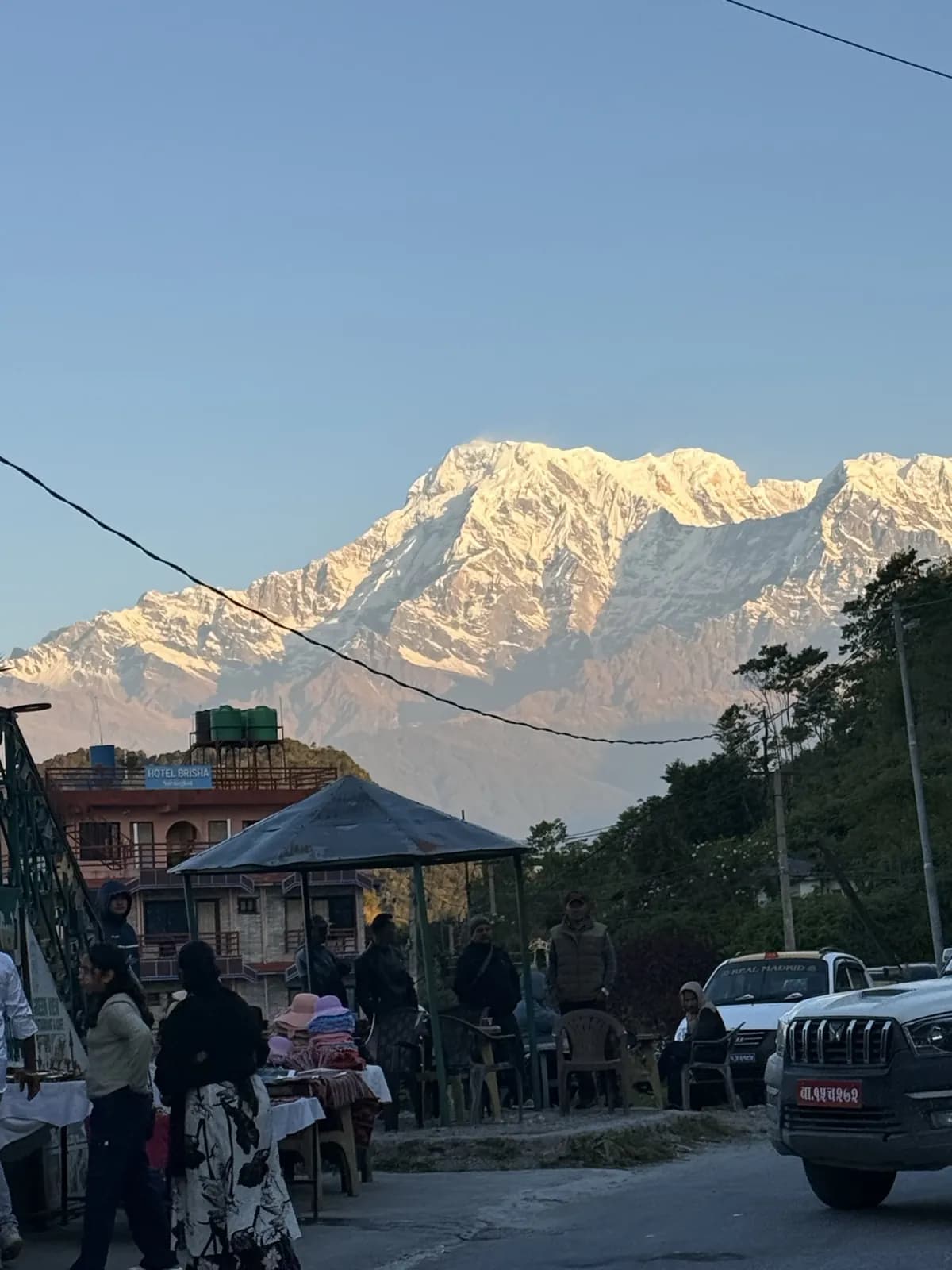
From the summit on a clear morning, yes: Dhaulagiri, the Annapurnas, Machhapuchhre and Manaslu in one long line, with Phewa Lake and the Pokhara valley below. They are about forty kilometres away, so this is a panoramic view rather than a close-up one. For a close view of the mountains, we recommend the trek to Annapurna Base Camp.
Very quiet. You will pass local people travelling between villages and occasional Nepali pilgrims, and on many days you will see no other foreign trekkers. There is no need to book ahead at Panchase Bhanjyang.
No. You sleep at 2,065 m and reach 2,517 m for about an hour. Altitude sickness is extremely rare below 2,500 m. There is no acclimatisation day on this itinerary because none is needed.
Slipping on wet stone. The steps down from the summit are old, polished and steep, and after rain they are the only difficult section of the route. Poles help, footwear with good grip helps more, and your guide will slow the group down. Otherwise, the main risks are sunburn and blisters.
No point on this route is more than about three hours' walk from a road, and Pokhara has good hospitals about two hours away by vehicle. Evacuation here is by jeep rather than helicopter and can be arranged within an afternoon. Standard trekking insurance is sufficient; you do not need a policy with helicopter cover.
From June to early September there are many, and we recommend travelling at another time of year. They live in the damp forest between Bhadaure and the saddle, drop from wet leaves and get inside boots. Leech socks, long trousers, DEET on your footwear and a tub of salt are all effective. Outside the monsoon you will not see any.
Sources disagree. Several detailed independent guides report that no permit is required, because Panchase is a Protected Forest rather than conservation area land and there is no checkpoint on the Bhadaure approach. Other sources list it as required. We buy it for every trekker at NPR 3,000, about $22, and it is included in your price.
No. No checkpoint on this route inspects one, and checkpoints across the Annapurna region now check only the ACAP permit.
Most nationalities can obtain a visa on arrival at Kathmandu airport: $30 for 15 days or $50 for 30 days, payable in cash. Completing the online form within 15 days of arrival shortens the queue. Bring a passport photo and a passport valid for six months.
$100 to $150, changed into rupees in Pokhara, in small notes. This covers drinks, snacks, the boat across the lake, any paid showers and your tips. No village on the hill accepts cards and there is no cash machine after Naudanda.
Basic. A plain twin room with plywood walls and thick quilts, a squat toilet along the corridor and a shower that is hot when the sun has been out. It is clean, the food is grown behind the house and the welcome is warm, but it is not comparable with the lodges of the Khumbu.
Both. Panchase Bhanjyang has around seven small teahouses in the saddle, and we use one of them. Bhadaure and the villages around Sidhane run community homestays, where you eat with the family in their kitchen. Most people find the homestay night the most memorable.
There is mobile signal along most of the ridge, and good signal on the summit. There is no wifi at Panchase Bhanjyang. Your hotels in Pokhara and Kathmandu have wifi.
Yes. Every stop on this route has mains electricity and charging is normally free, unlike on our high-altitude treks. Bring a plug adaptor for the Indian-style round-pin sockets.
Most people do, and on days this short it is manageable: a daypack of about 7 kg. If you prefer not to, a porter costs $18 to $24 a day, shared between two trekkers with a 20 kg limit. Tell us when you book and we will arrange it.
Late October and November have the clearest mountain views and the quietest trail, and March brings rhododendrons and orchids. February, April and December are also good. We do not run this trek from June to early September, because of leeches and because the trail is in cloud for most of the four days.
Two or three weeks is comfortable and four days is possible. There are no Lukla flights to secure and no lodges that sell out. If you are already in Pokhara and the forecast is good, visit our office and we can often have you walking the following morning.
Yes, and it is easy on a trek of this length. You can start from Phedi instead of Naudanda, add a night at Panchase Bhanjyang for birdwatching, finish over Sarangkot rather than at the lake, or add three days to Ghandruk at the end. For groups of five or more, a private departure costs the same as joining a group.
Yes. If you are already in Pokhara, or flying into the new airport there, we offer a five-day version for $447 without the Kathmandu nights and domestic flights. It includes the same three days on the hill and much less time travelling.
Didn't find what you were looking for?
Search every word on this page, or ask somebody who has walked the route.
8 days
$725 per person