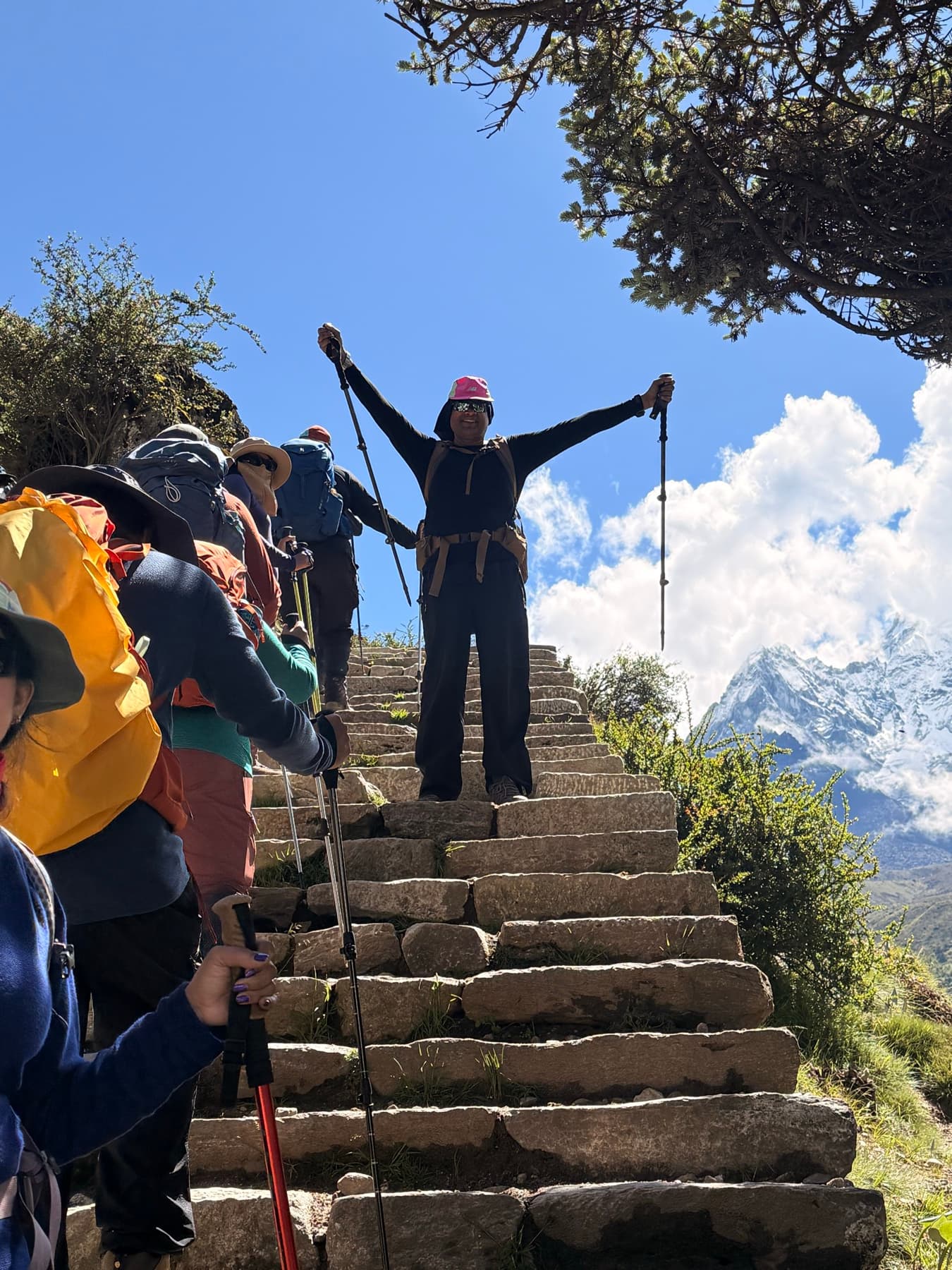
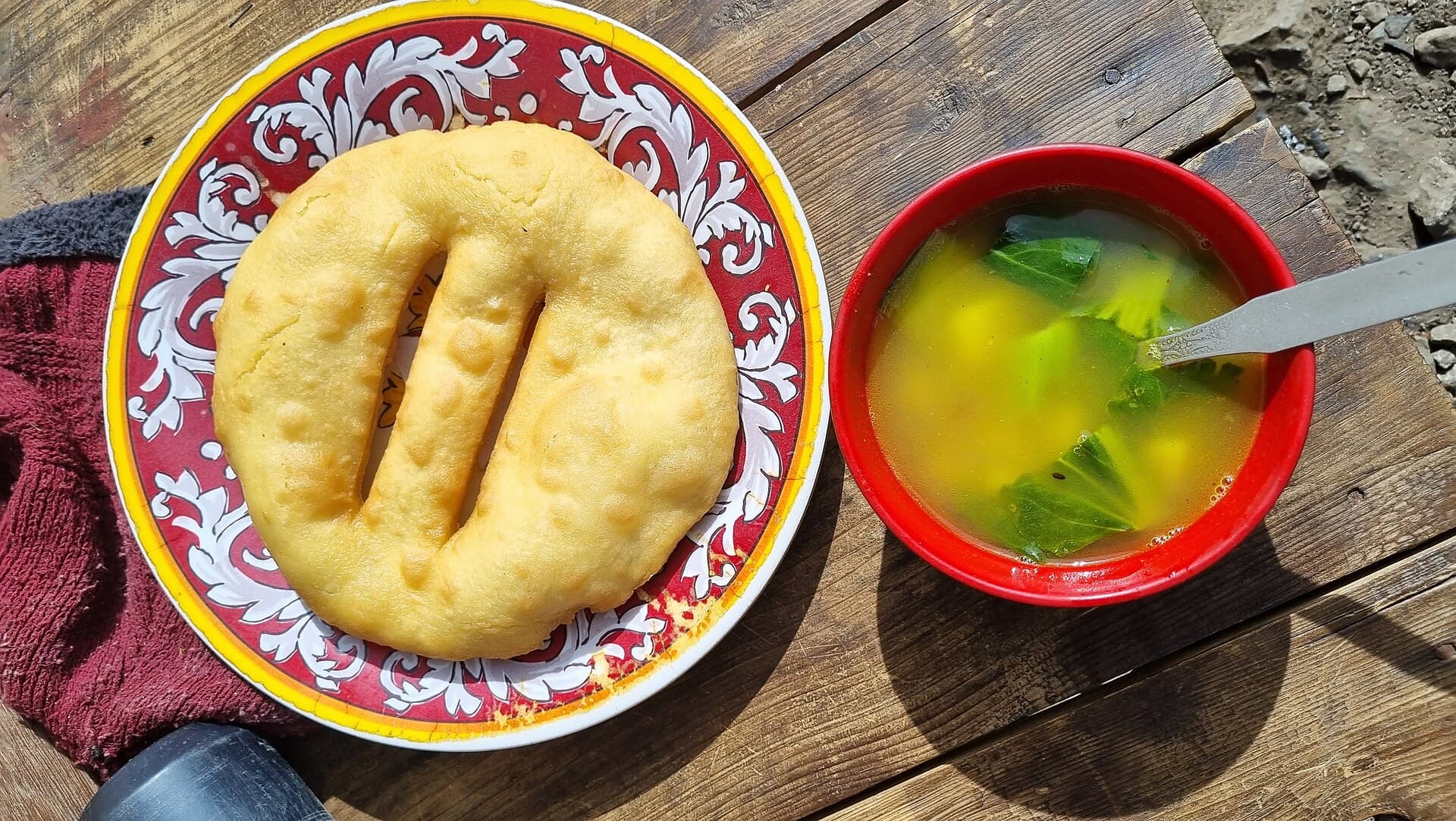
Breakfast
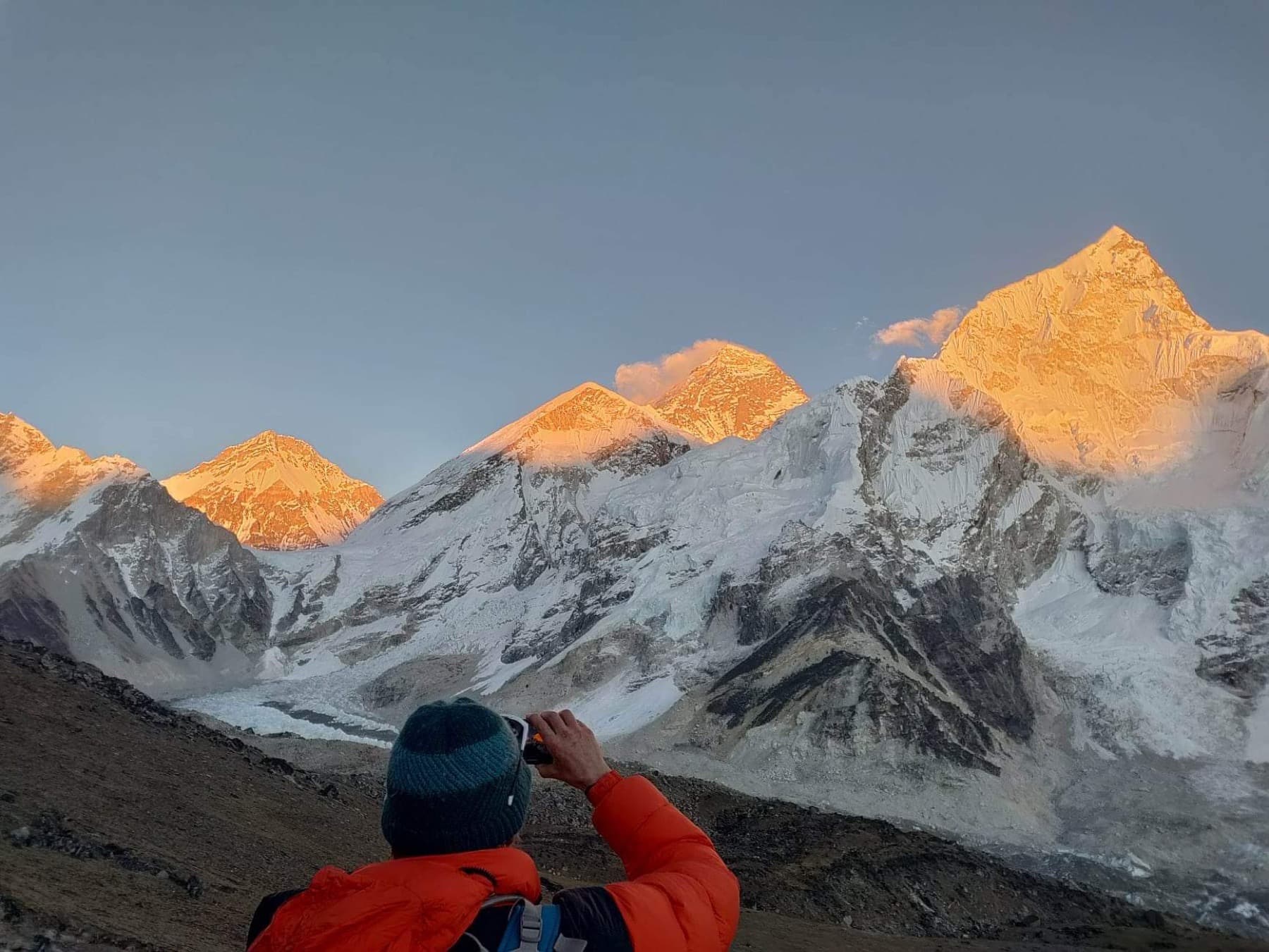
Porridge, eggs, chapati or bread, pancakes, tea and coffee, in the dining tent
All destinations
All destinationsAttempt the world's sixth-highest peak, often considered the most accessible 8,000 m peak, with a fully supported expedition team.
Update, September 2026: the Tibet mountaineering authority has closed Cho Oyu to foreign climbers for 2026, and the Kerung border is closed after the August flood. We are taking expressions of interest for spring 2027, subject to permits reopening.
Attempt the world's sixth-highest peak, often considered the most accessible 8,000 m peak, with a fully supported expedition team.
Cho Oyu, at 8,188 m, is the sixth-highest mountain in the world. It lies on the Tibetan side of the border, about thirty kilometres west of Everest. It is often described as the easiest of the eight-thousand-metre peaks, but only in comparison with the others: there is no technical crux above the Yellow Band, a vehicle can reach base camp, and the summit is a broad plateau. Even so, climbers die on the mountain in most years.
There are three reasons. Chinese Base Camp at 4,900 m can be reached by road, so there is no week-long approach on foot. The route has no icefall and no serious objective hazards below Camp 2. The summit day, although long and very cold, is a walk on snow rather than a technical climb. For these reasons, most climbers who go on to Everest start here.
Climbers who have summited a 6,000 m or 7,000 m peak, are comfortable on fixed rope in crampons, and have spent time above 7,000 m or are prepared to do so for the first time. Cho Oyu is a much bigger step up from Island Peak than Island Peak is from a trek. If you are unsure whether you are ready, please talk to us first; we will probably recommend a season on a 7,000 m peak before this expedition.
The expedition involves three days of travel, a week of approach and acclimatisation, and then four to five weeks of rotations between base camp and the high camps while waiting for a summit window. The window lasts a few days and may not come at all. Most of an expedition is spent waiting at altitude, with some very hard days in between. An 8,000 m expedition cannot be safely completed in three weeks.
You are met at the airport and taken to your hotel. There are no activities planned for today.
The day includes the expedition briefing, a full equipment check and the remaining paperwork. Your Tibet permits will already have been issued in your name; today we confirm the liaison officer and the oxygen plan.
You drive north out of the Kathmandu valley and up the Trishuli and Bhote Koshi gorges to Rasuwagadhi, complete the border formalities and continue up the other side to Kerung.
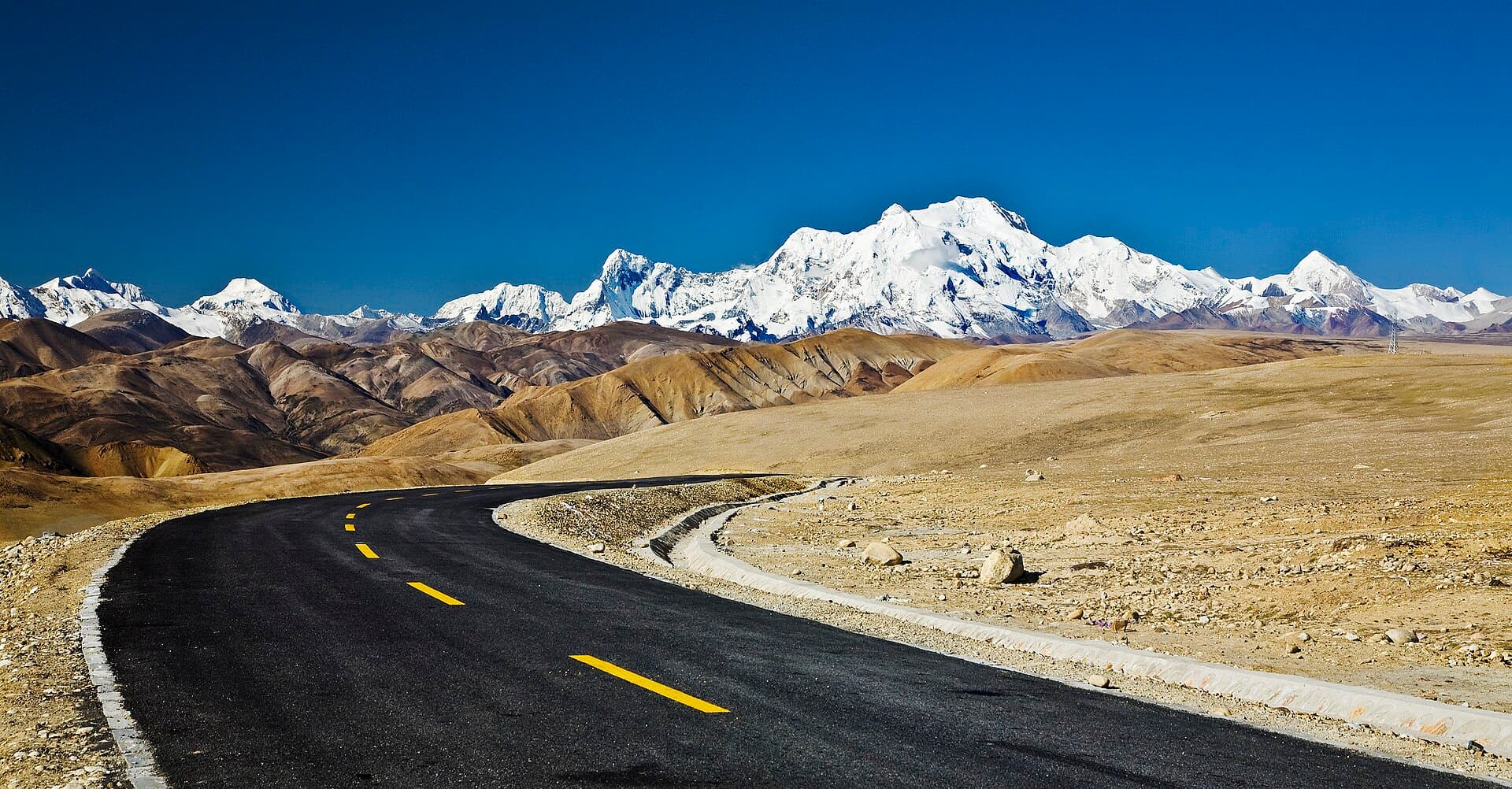
You cross a 5,236 m pass onto the Tibetan plateau. On a clear day, Shishapangma, Cho Oyu and Everest are visible from the top.
A rest day at 4,300 m. This is the first important acclimatisation stop of the trip.
A three-hour drive to the end of the road at 4,900 m. Road access to base camp is the main reason Cho Oyu is considered the most accessible eight-thousand-metre peak.
Yaks carry the loads while you walk up to 5,700 m. Advanced Base Camp is the main base of operations, where you spend most of the following month.
You settle in at 5,700 m: sorting loads, testing oxygen sets and allowing your body to adjust before anyone climbs higher.
The first load carry and the first night at 6,400 m, followed by a return to base camp. From this point the expedition is a series of rotations, each going a little higher and returning lower to sleep.
Higher load carries on fixed rope, above the Yellow Band, to 7,100 m and then 7,450 m. Between rotations you rest at Advanced Base Camp, eat as much as you can and wait for the next stage.
When the forecast shows a few settled days, the team moves up over three or four days and leaves Camp 3 before dawn for the summit plateau at 8,188 m. The window may come earlier, later or not at all, which is why the itinerary includes reserve weeks.
The high camps, fixed ropes and all rubbish are brought down from the mountain. The yaks then come up to collect the loads and you walk back to Chinese Base Camp.
Two days by road down from the plateau to Kathmandu, a descent of more than three kilometres. This is a rest period for the team.
A free day to rest, bathe and enjoy a meal in the city, followed by a farewell dinner with the team in the evening.
Transfer to the airport for your departure.
Start date
5 Apr 2027
End date
20 May 2027
Available
30 left
US $8,627
Per person
Start date
1 Sept 2027
End date
16 Oct 2027
Available
30 left
US $8,627
Per person
Start date
3 Apr 2028
End date
18 May 2028
Available
30 left
US $8,627
Per person
Luggage travels by truck and yak and is searched at the border
Your equipment travels by truck to Chinese Base Camp and by yak to Advanced Base Camp, so pack it in two strong, lockable duffel bags of about 20 to 25 kg each, which is the standard yak load. Keep your high-mountain equipment together in one of them. Bags are searched at the Kerung border. Do not carry anything relating to the Dalai Lama or Tibetan politics, including books and photographs, and tell us in advance about satellite phones and drones, which require permission. We provide group equipment, tents, ropes and oxygen; personal climbing equipment is your own, or can be hired in Kathmandu.
The flights and long drives on this itinerary, and what happens if one is delayed or cancelled.
Cho Oyu is climbed from the north, in Tibet. This requires the full set of Tibet permits and a two-day drive from Kathmandu across the Kerung border. There is no route from the Nepali side to the standard line, and the Nepali side of the mountain has been closed to expeditions for years.
Chinese Base Camp at 4,900 m is at the end of a road, which is a major reason Cho Oyu is considered the most accessible eight-thousand-metre peak. From there, yaks carry loads to Advanced Base Camp at 5,700 m, the main base of operations, where most of the 46 days are spent.
The Kerung crossing has closed at short notice for administrative and political reasons more than once in the last decade, and the whole region regularly closes to foreigners in March. An expedition involves a large deposit that depends on a border outside our control. Our terms for this are set out in the booking section.
This is the most important logistical fact for climbers on this side of the mountain. On the Nepal side of the Himalaya, a serious problem can be dealt with by helicopter; in Tibet it means descending and a very long drive. This significantly changes the level of risk, and you should take it into account when deciding whether to join the expedition.
In Kathmandu you stay in a hotel before and after the expedition. On the drive into Tibet you spend a night at Kerung and two at Tingri in simple hotels. These are your last nights in a bed for about five weeks.
From Chinese Base Camp at 4,900 m onwards, every night is spent in a tent. Most of the expedition is spent at Advanced Base Camp at 5,700 m, between rotations. There you have a sleeping tent, a dining tent where meals are served, a kitchen tent run by the cook and a toilet tent. The high camps are different: small shared tents on snow, with water made by melting snow on a stove. You sleep in your down suit or in a sleeping bag rated to well below freezing.
| Where | Nights | Type | Room | Bathroom |
|---|---|---|---|---|
| Kathmandu | 4 | Hotel | Twin or double | Private, hot water |
| Kerung | 2 | Simple hotel | Twin | Private, hot water not always reliable |
| Tingri | 2 | Simple hotel | Twin | Private or shared, hot water not always reliable |
| Chinese Base Camp, 4,900 m | 2 | Tents | Twin-share tent with a mattress; a single on request | Toilet tent. Warm water for washing from the kitchen |
| Advanced Base Camp and Camps 1 to 3 | 35 | Tents: Advanced Base Camp between rotations, one or two nights at a time at the high camps | Twin-share tents at Advanced Base Camp (single on request); two or three per tent at high camps | Toilet tent at Advanced Base Camp. No facilities above it |
Porridge, eggs, chapati or bread, pancakes, tea and coffee, in the dining tent
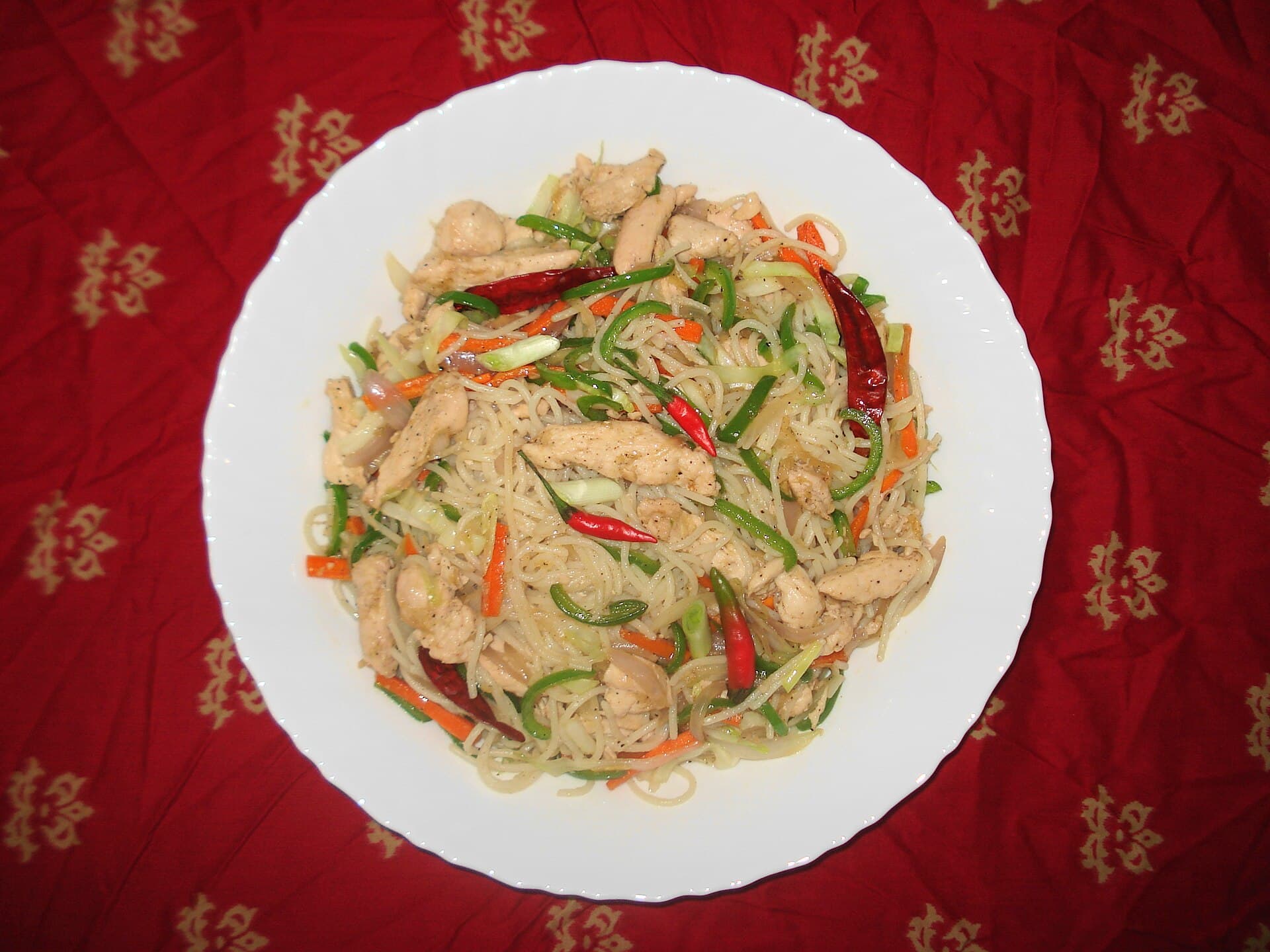
Soup, noodles, potatoes, rice, vegetables and any fresh food brought up from Tingri

Soup to start, then dal bhat, pasta, curry, momo or noodle dishes, cooked by the expedition cook
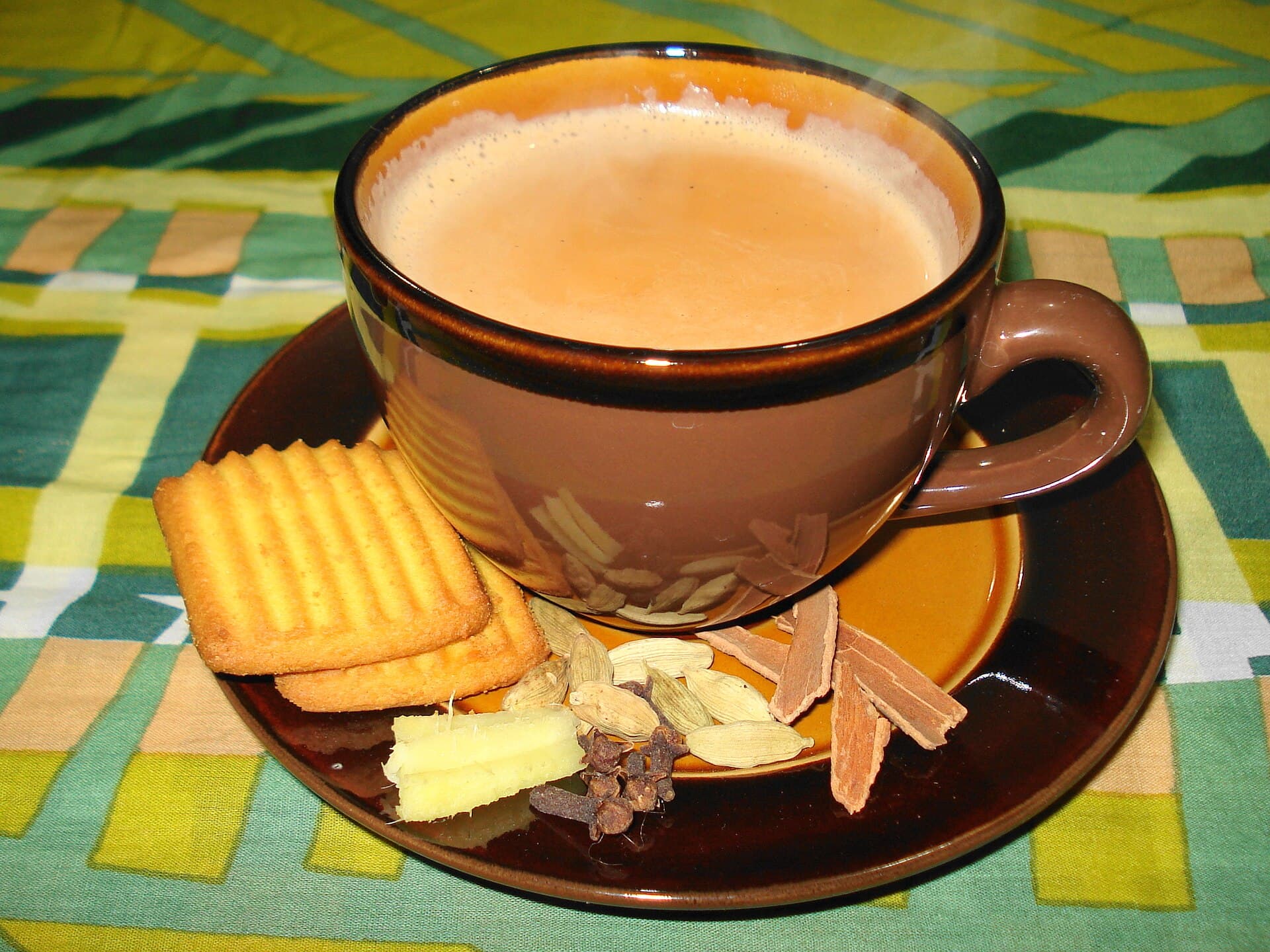
Tea, coffee, hot chocolate, soup and biscuits. Hot drinks are available at any time at base camp

Freeze-dried meals, noodles, soup, chocolate and snacks, with water melted from snow on a gas stove
7:00Tea brought to your tent
8:00Breakfast in the dining tent
9:00Oxygen saturation and pulse measured and recorded
10:00A short walk, or practice on the fixed rope near camp
12:30Lunch
14:00Rest, washing, sorting equipment and reading. This makes up most of an expedition
17:00Weather forecast and planning for the next rotation with the leader
18:30Dinner in the dining tent
20:00Bed, with a hot water bottle in your sleeping bag
A high-altitude expedition. Technically moderate, and physically and mentally very hard.
Written for somebody who walks a bit and does not train. If you already run or cycle regularly, start partway through. Nothing here needs a gym.
A year or more before, stage 1 of 6
Summit a peak of 6,000 m or higher, and ideally spend a night above 7,000 m, before you join. You should be comfortable moving on fixed rope with a jumar and changing over at anchors in mountaineering boots, crampons and gloves. If you are not yet at this level, tell us and we will suggest an intermediate objective.
The summit is at 8,188 m, where each breath contains roughly a third of the oxygen available at sea level. Nobody fully acclimatises to this height; the body can only cope for a limited time before it begins to deteriorate. The expedition is planned around this: a slow drive up to 4,900 m, a week settling in at Advanced Base Camp, and then rotations that climb to each higher camp and return lower to recover before going higher again. Supplementary oxygen is used for the summit push. We ask you to report symptoms early and to accept a decision to turn back.
Gradual ascent to base camp
Two nights at Tingri (4,300 m) and one night at Chinese Base Camp (4,900 m) before the walk to Advanced Base Camp, followed by several days at 5,700 m before anyone climbs higher. Each of these stages is necessary for acclimatisation.
Daily health checks
Oxygen saturation and pulse are measured and recorded every morning at Advanced Base Camp and before each rotation. This makes any decline over several days clear from the records.
Climb high, sleep low
Each rotation goes to a higher camp, spends one or two nights there and returns to Advanced Base Camp to recover. You attempt the summit only after you have slept at Camp 2 and reached Camp 3.
Oxygen and turnaround time
Supplementary oxygen is used on the summit push, and a turnaround time is agreed before you leave Camp 3. The leader and your climbing Sherpa decide when to turn back, and that decision is final.
Serious symptoms
Descent is the treatment. Medical oxygen and emergency drugs are kept at Advanced Base Camp, and your Sherpa carries oxygen on the mountain. There is no helicopter rescue in Tibet, so a serious problem means descending to Chinese Base Camp and a long drive to hospital. This is the main reason we require previous altitude experience.
Fitness and altitude are unrelated
This is the thing people get wrong most often. Training makes the walking easier and does nothing for how your body handles thin air. Strong young trekkers get altitude sickness and unfit older ones frequently do not. Go up slowly, and say something the first time your head hurts.
Typical conditions on this route in each month, including the months we do not run this trip.
The main spring summit window, usually in the second half of the month, when the wind drops.
Rough estimates rather than station averages, drawn from reanalysis data and expedition records for the Cho Oyu area. Any week can be ten degrees either side, and wind on the upper mountain makes the summit figure feel far colder than it reads.
For Tibet, the usual order is reversed. The Tibet Travel Permit is issued on the basis of a confirmed, paid itinerary that names your hotels and your guide, so you commit to the trip before you know whether the permit will be approved. For this reason our Tibet deposits require a longer lead time than any other trip we offer.
Clear colour scans of your passport photo page at least six weeks before departure, and your occupation on the application form. Applications from journalists, photographers, diplomats and anyone with 'government' in their job title are routinely refused. If you tell us early and accurately, we can usually find a way forward. Incorrect information discovered at the border cannot be resolved.
The Kathmandu group visa is issued to a group on a single document, and current practice requires a minimum of five travellers. A couple can join one of our departures. Two people requesting a private Tibet trip from Kathmandu cannot be accommodated, and we will tell you this before taking a deposit.
Permits are occasionally refused, with no reason given and no appeal. If this happens, we refund the Tibet portion of your booking in full. This is the one part of a Tibet booking where we carry the risk rather than you.
July 2010, Tripadvisor
We thoroughly enjoyed our time in Nepal, especially the trekking bit, albeit a physically draining experience, the views at the mountains were absolutely awesome and was every bit worth it! Thanks to Earthbound Expeditions, we did not have to worry about all the nitty gritty details such as accomodation and transport. Further, they were also very accommodating to all our last minute changes to the itinerary. We really appreciate the flexibility and expertise of the Earthbound staff and we would certainly highly recommend Earthbound Expeditions to anyone who intends to visit Nepal in the near future. Have fun!=) SJ Singapore
July 2010, Tripadvisor
After learning about Rajan and the exact place he was born in Nepal, I had to see it for myself. It was exactly what I was looking for, a low-key, very 'real' sort of feeling traveling by local bus and jeep, heading deep into the mountains and far far away from developed civilization. I was introduced to many friends and family and couldn't even believe that a place like this exists, where you can still find people living in such a pure and natural way. This first visit actually occurred last summer, and I have spent the last year fundraising and working to create an NGO. Now this summer, I returned to with a pocket full of donated money to help build the people living in this village a new primary school for their younger children. Over the span of four months I made 7 or so trips to and from the village and never tired of the experience. This is offered to everyone though its sort of like a secret item on the menu, just ask for the homestyle village trek. I highly reccomend it, it was life-changing for me. It is perfect for those looking to get off of the overcrowded tourist treks like EBC and Annapurna and get some insight into how Nepal might have existed before tourism became such an industry. The people living in these areas are so wonderful, all I can say is try it out if you have the opportunity. Rajan and his guides are the most helpful, respectful, and charming people in the business. Without his connections and professionalism nothing that I had hoped to accomplish in Nepal would have came close to fruition. Anything you need he is there for you, a true friend and wonderful person.
June 2010, Tripadvisor
Rajan is the most professional, friendly business owner I have ever met. I recently took a trip to Nepal and had a problem that he took care of immediately. He arranged everything for me and any changes I needed were not questioned. DON'T GO WITH ANY OTHER COMPANY. I'm going to be using him again in a month.
May 2010, Tripadvisor
It was my very first 'real' vacation and interestingly I chose Nepal and Tibet. I started to browse Tripadvisor for some information and I came across Earthbound Expedition. All the reviews about Earthbound convinced me enough to start my correspondence with Rajan. He answered all of my questions to the very last minute, before I left for Kathmandu. At that time, the situation was not so good in Nepal because of the strike. However, being a true professional, Rajan arranged and took care of everything. He was flexible and could accommodate the changes based on the situation. He made sure that his entire team take good care of me. It made me feel safe in the middle of political unrest in a foreign country. I think Rajan knows how to choose the best team and/or partner for this particular business. Every single person that assisted and accompanied me during the trip in Nepal showed not only genuine hospitality, but also professionalism. With Earthbound, my dream trip in Nepal and Tibet was an amazing experience. It was the most interesting time that I have ever had! I have already thought of going back there once I got a chance. And Rajan and his team will definitely be my number one preferred organizer. Well done!
Answers to the 6 questions travellers ask us most often. If your question is not here, contact us and we will answer it.
We grade this trip as Expedition. You reach about 8,188 m, so the main challenge is the altitude rather than technical climbing. Rest days are included in the itinerary to help you acclimatise, and a good level of everyday fitness is enough. Tell us about your experience when you enquire and we will advise you on whether the trip is suitable.
The best time to go is spring and early autumn (April to May, and September), when the weather is most settled and the views are clearest. We also run the trip outside these months on request. Please ask us and we will tell you what to expect.
Groups are small. Many of our trips run for just one or two people, and we keep group sizes low so that the pace suits you and your guide has time for everyone. You can also book the whole trip privately.
A 30% deposit, about $2,588 on this trip, secures your place, and the balance is due before you travel. You can change your dates free of charge up to 60 days before departure.
Yes, permits are required, and they are included. We arrange all the national park fees and trekking permits for this route, and they are included in the price. You only need a valid passport and a Nepal entry visa, which you can obtain on arrival.
Every itinerary can be adjusted to suit your dates, your pace and the time you have available. If you would like extra rest days, a different start date or an additional region, let us know and we will plan the trip accordingly.
Didn't find what you were looking for?
Search every word on this page, or ask somebody who has walked the route.
46 days
$8,627 per person