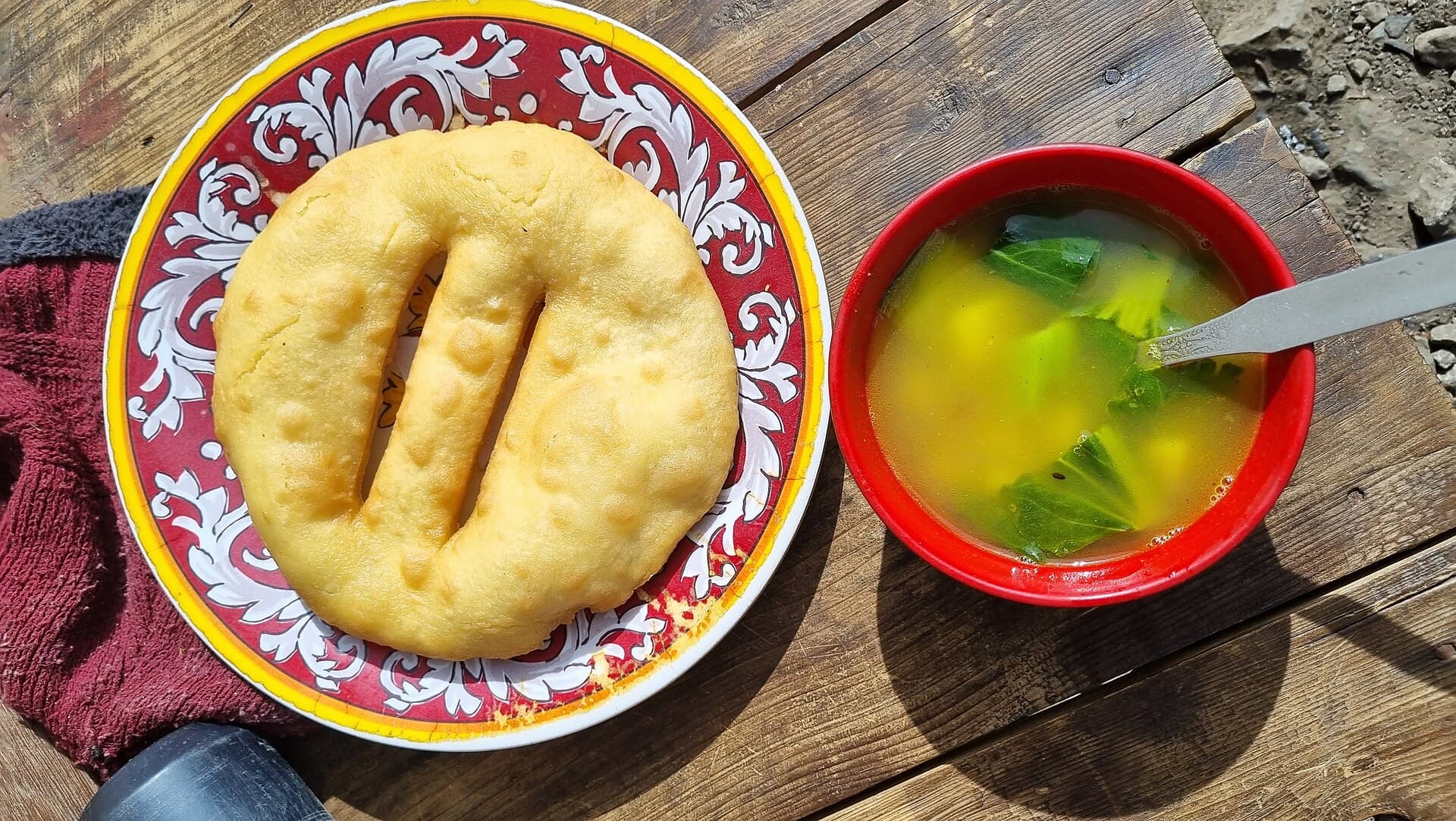
Breakfast
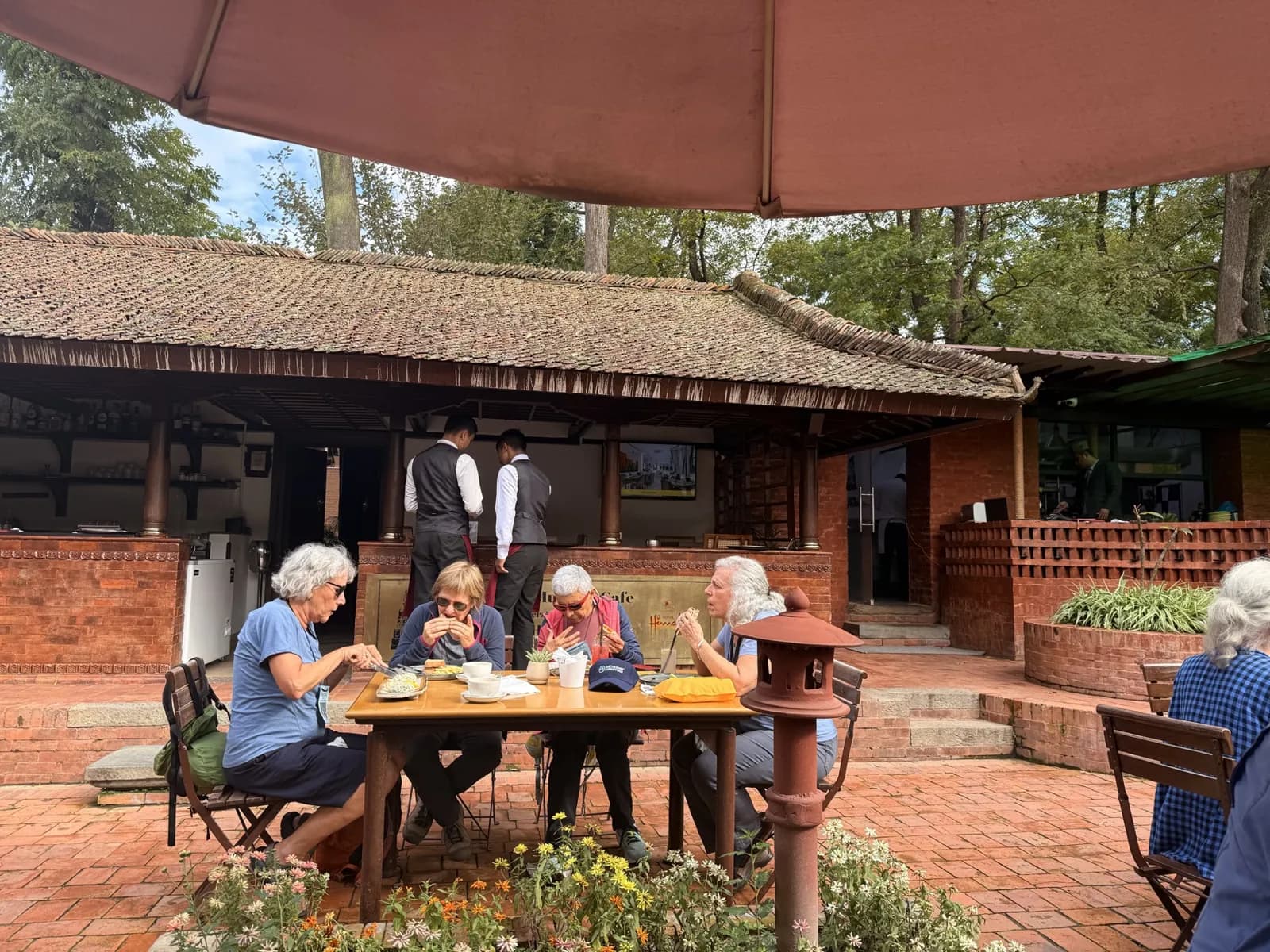
Hotel buffet in Kathmandu, and eggs, toast and fruit at Bhaktapur and Nagarkot
All destinations
All destinationsA guided tour of the three medieval cities of the Kathmandu Valley at a relaxed pace and in a planned order, with a guide who explains the carvings and a night on the valley rim at Nagarkot.
A guided tour of the three medieval cities of the Kathmandu Valley at a relaxed pace and in a planned order, with a guide who explains the carvings and a night on the valley rim at Nagarkot.
Four guided days in the Kathmandu Valley, which contains seven UNESCO monument zones within an area about twenty miles across. Three of them are the royal squares of Kathmandu, Patan and Bhaktapur. These were rival kingdoms until 1769 and spent three centuries competing to build the finest monuments. That rivalry explains much of what you see in the valley today.
Many itineraries cover all three squares in two days, which makes them hard to tell apart. We visit Swayambhunath and Pashupatinath first, so that you understand the Hindu and Buddhist background. We then visit one square each day and finish with a night on the valley rim, where you can see the whole valley. By day 4 you will be able to understand the buildings, not only photograph them.
The guide is central to this trip. A carved roof strut in Patan can look like simple joinery, but it may also record a three-hundred-year-old dispute about kingship, and a guide can explain this. We work with licensed cultural guides who have many years of experience in the valley, and we pay them fairly so that they stay with us.
Anyone who wants to see Nepal without trekking: first-time visitors, families, people with a few days at the start or end of a longer trip, and trekkers returning from the Everest region who want to see the cultural side of the country. It runs for one traveller or more.
We meet you at the airport and take you to your hotel. The afternoon is free for you to rest after your flight. In the evening we take you on a one-hour walk around Thamel so that you can find your way back to the hotel on your own, and we go through the plan for the tour over dinner.
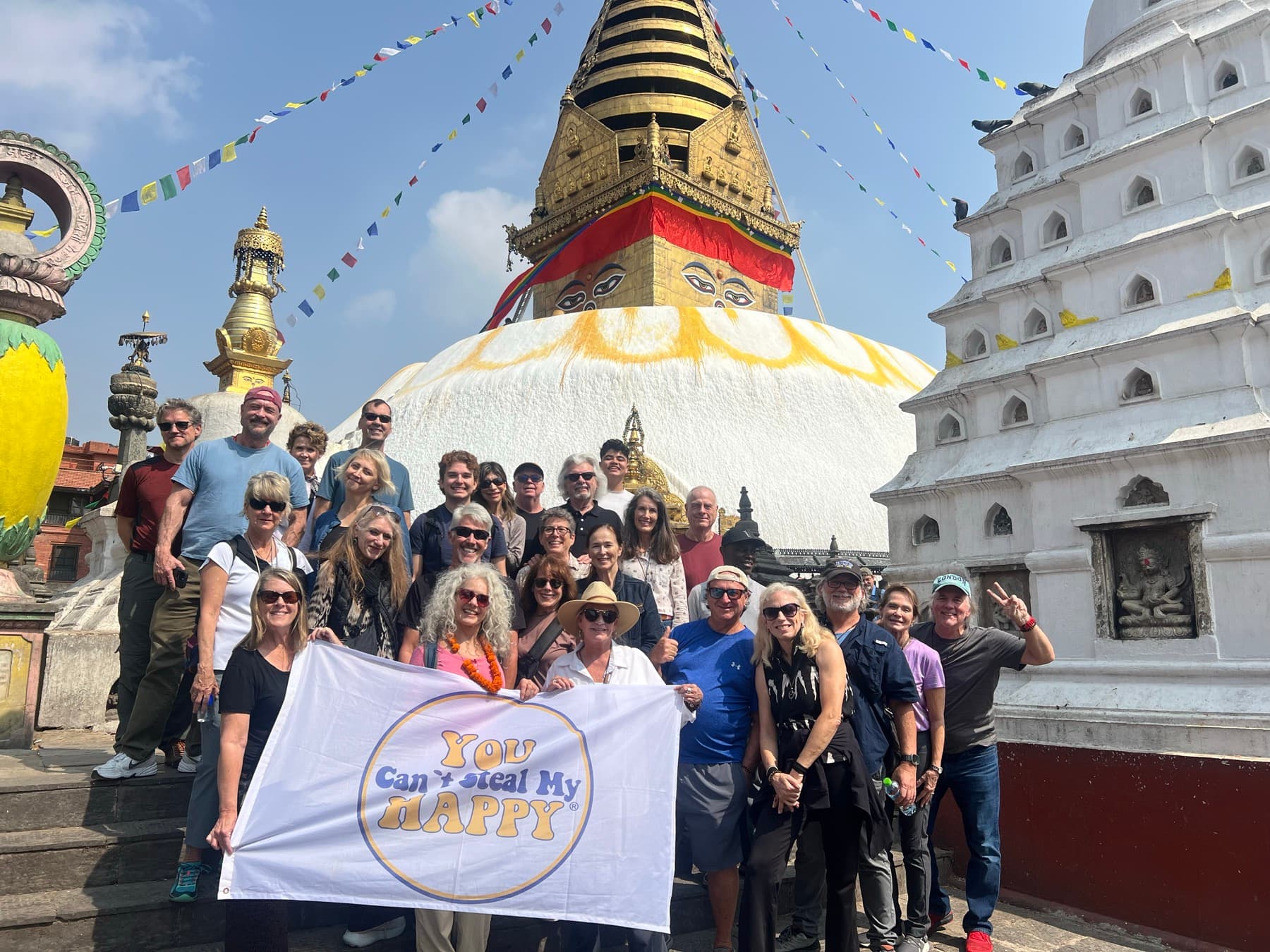
You climb the east stairway to Swayambhunath early in the morning, while pilgrims are walking around the stupa and mist still lies over the valley. In the late morning you visit Kathmandu Durbar Square, where the guide explains what the 2015 earthquake damaged and what has since been rebuilt. In the afternoon you visit Pashupatinath, where cremations take place in public on the ghats. We explain what to expect before you arrive.
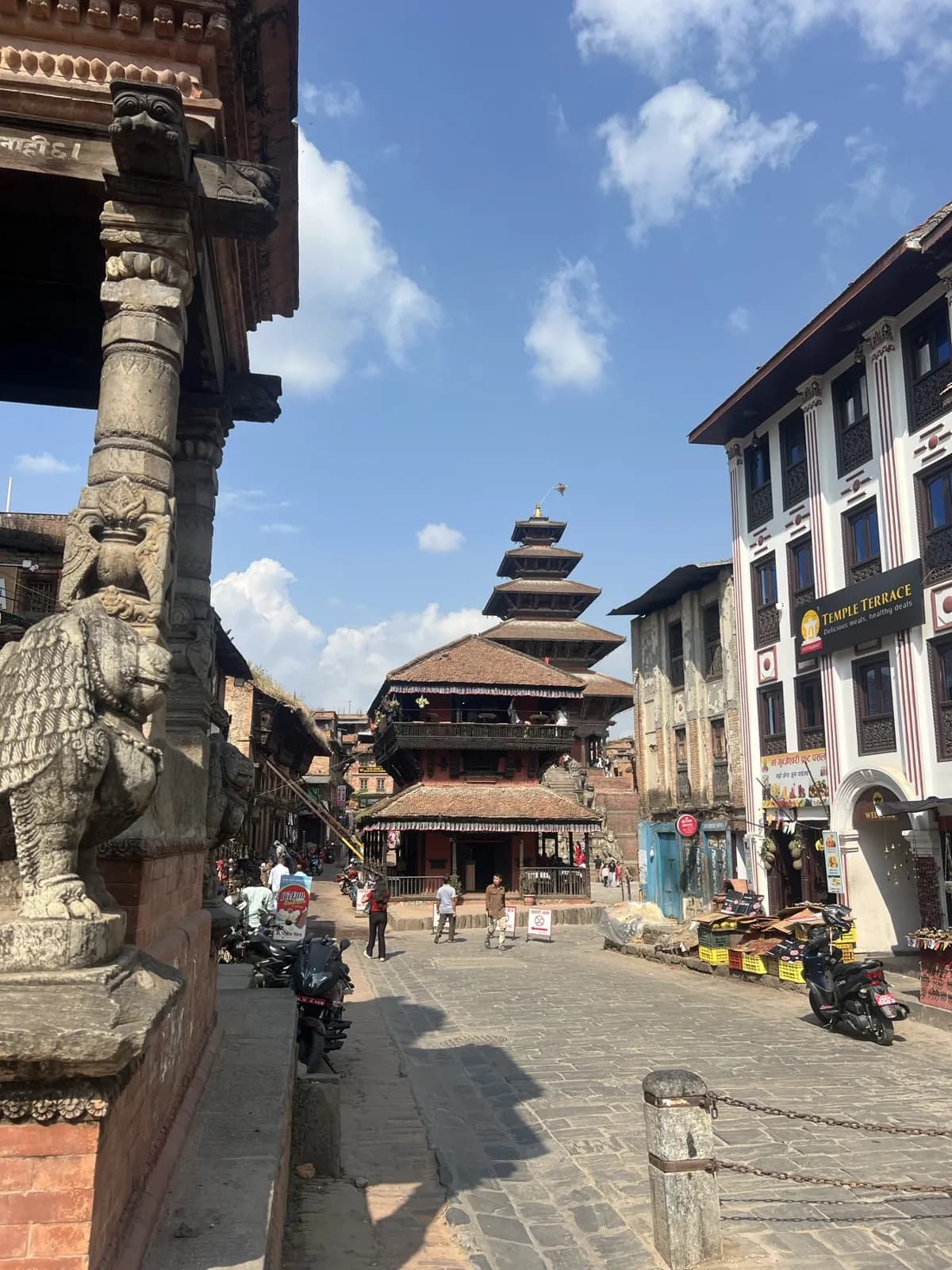
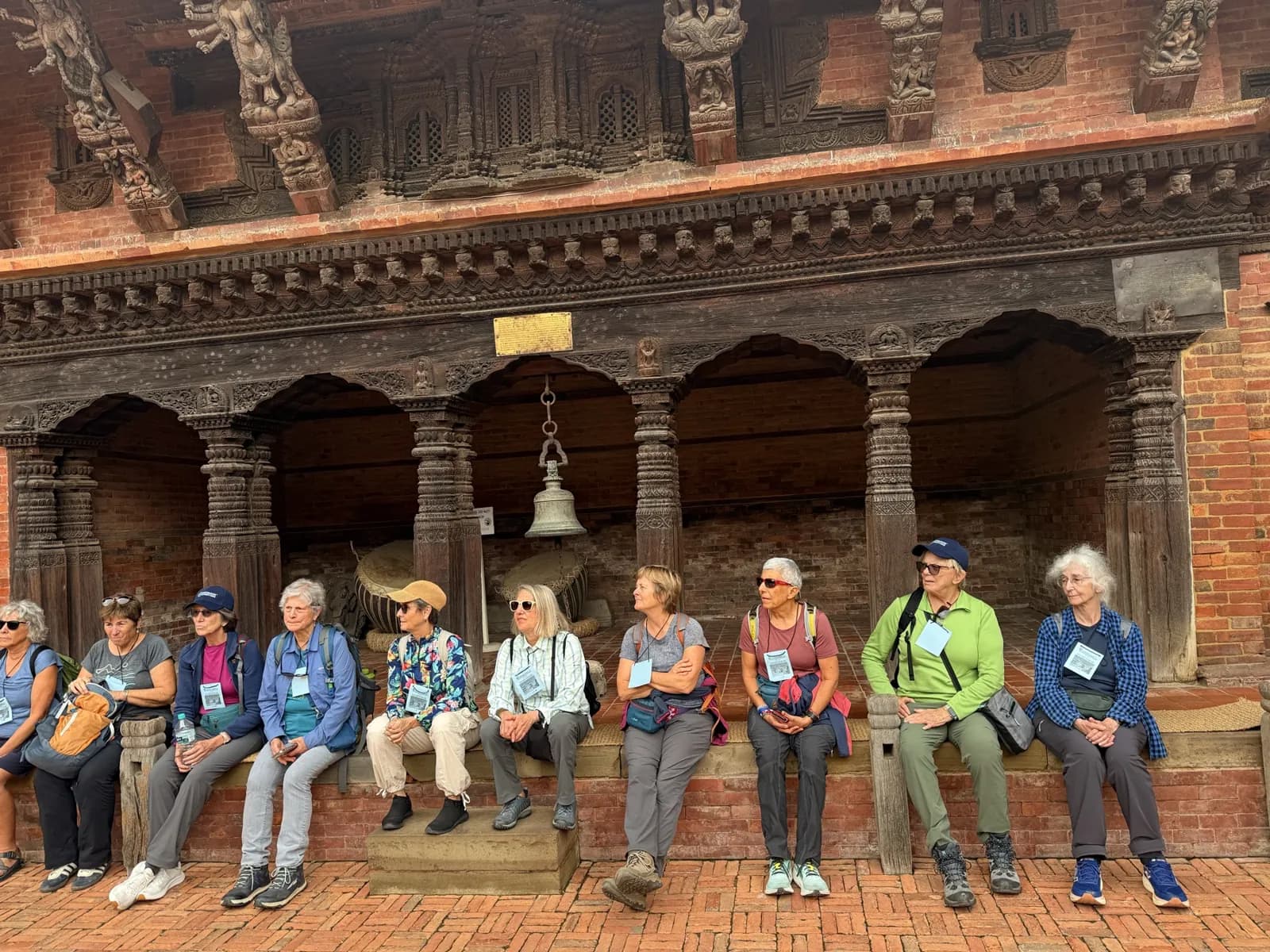
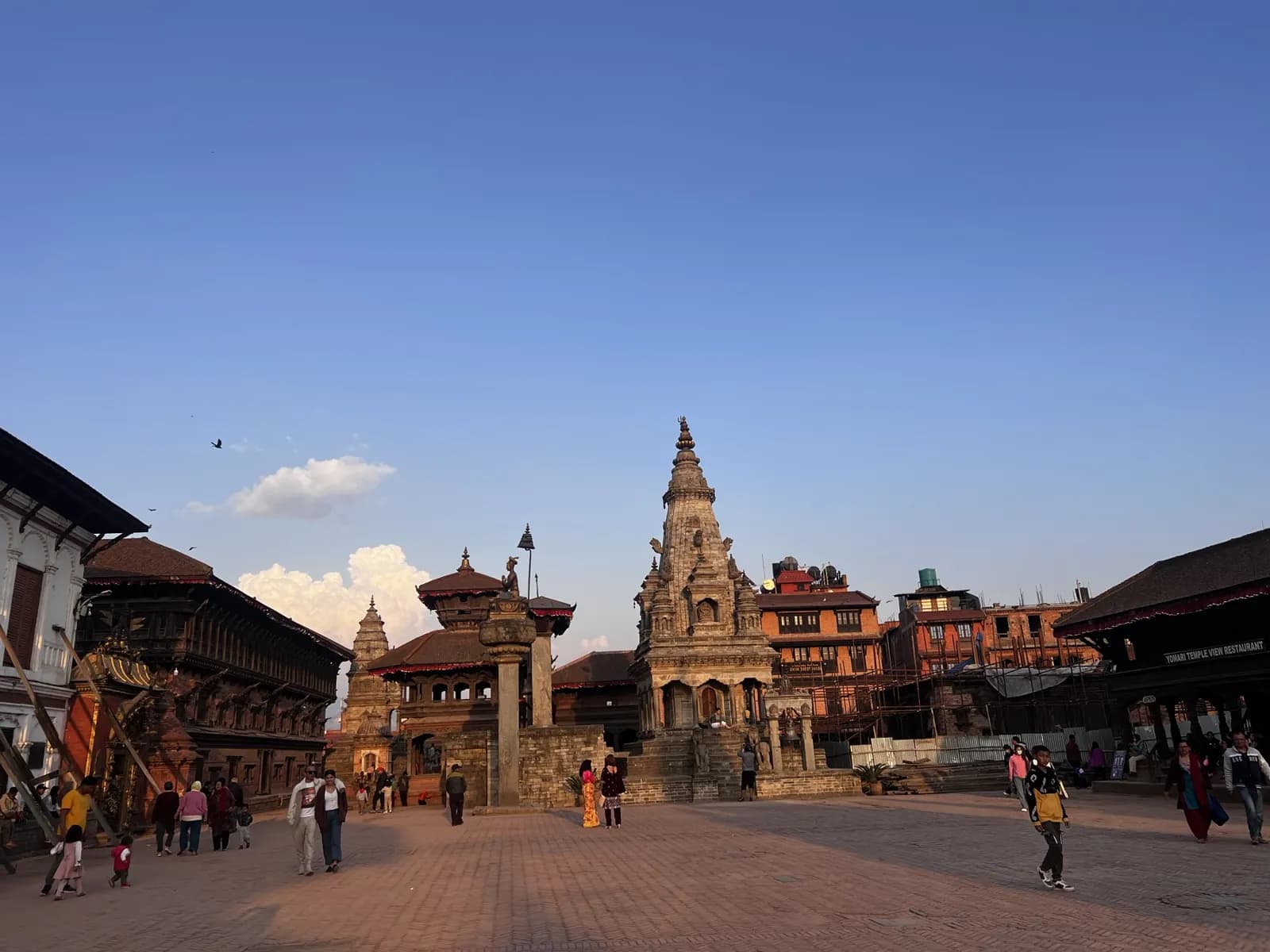
You spend the morning in Patan Durbar Square, the finest and least crowded of the three squares. You then walk through the back lanes, where lost-wax metal casters and woodcarvers still work in family courtyards. After lunch we drive east to Bhaktapur and check in to your accommodation inside the old city. The square outside empties of visitors at five in the evening.
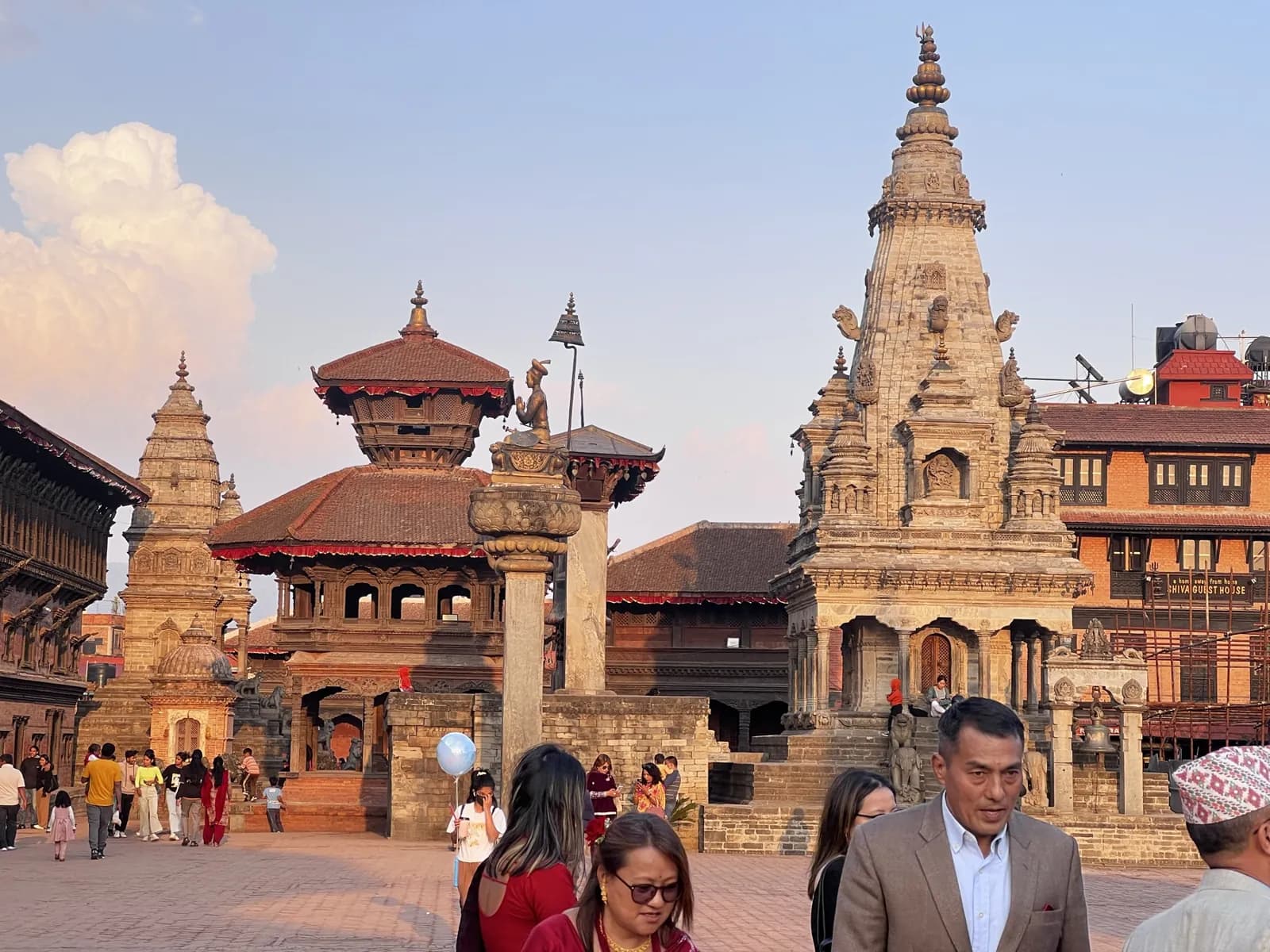
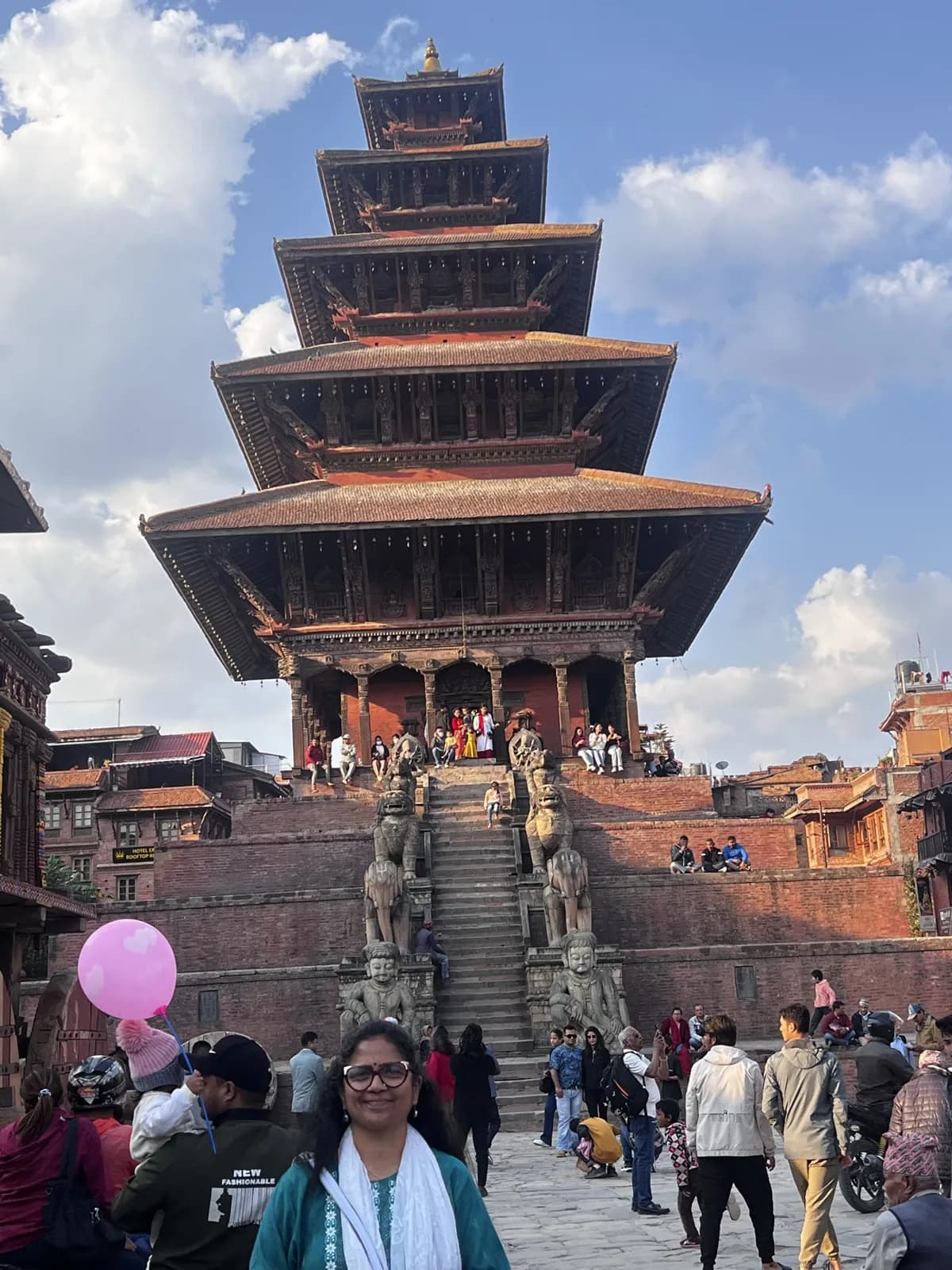
You set out at six, when the square is still empty. This is the main reason for staying overnight in Bhaktapur. You visit Taumadhi Square, the Nyatapola temple, the pottery square and the Golden Gate, then the vegetable market as it opens. After lunch we drive for an hour up to the Nagarkot ridge at 2,175 m, where you spend the evening watching the sunset over the mountains.
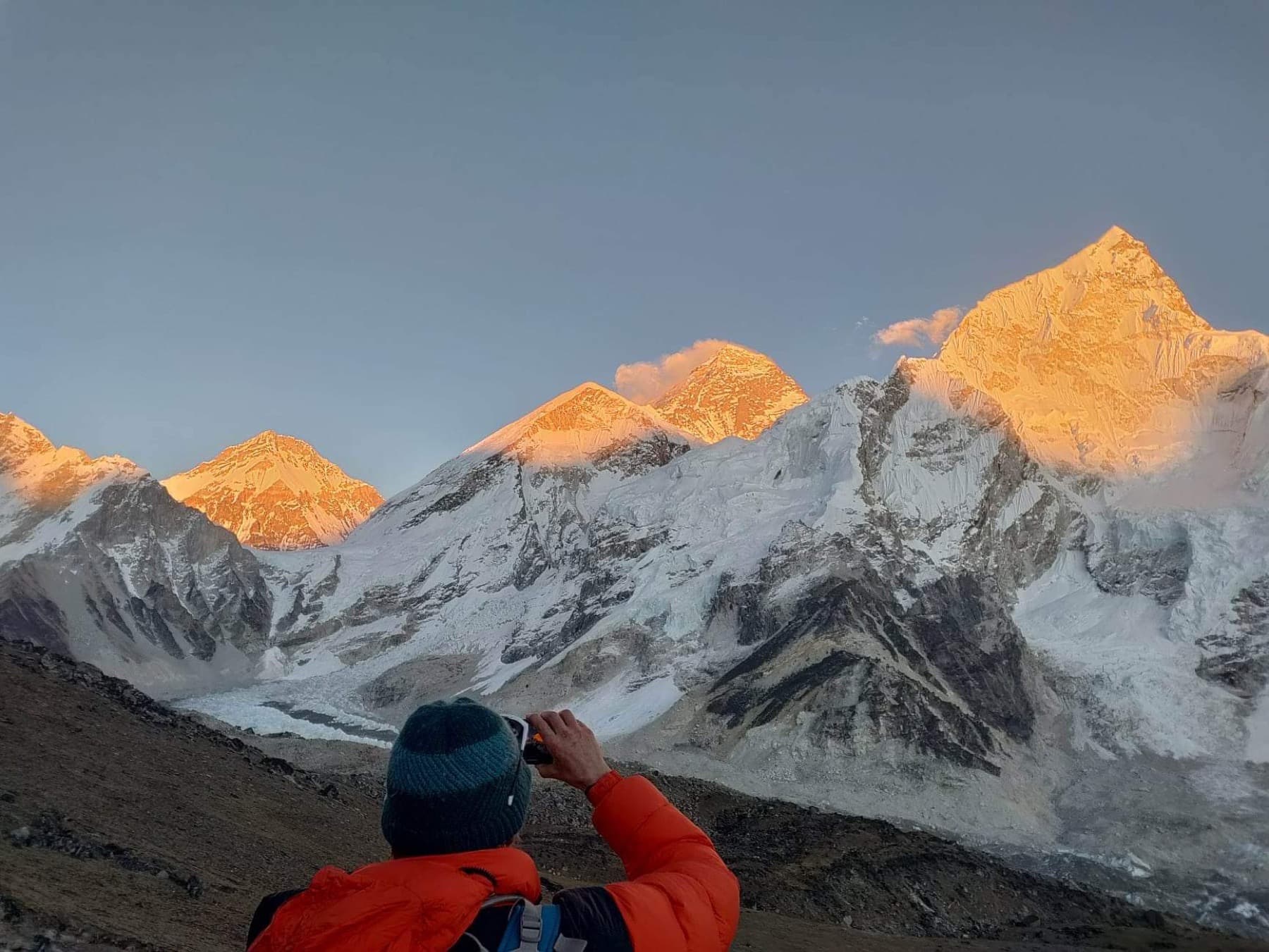
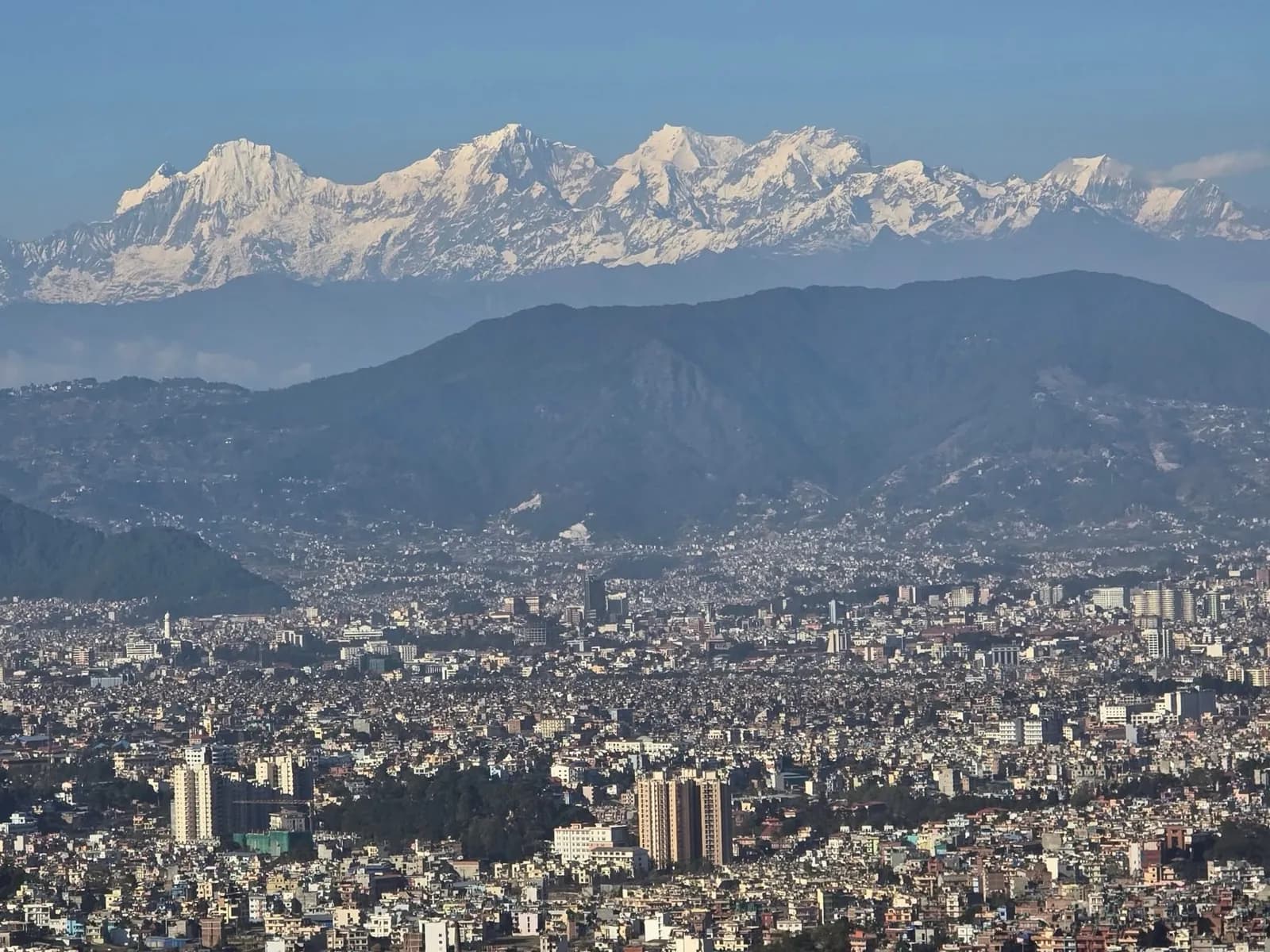
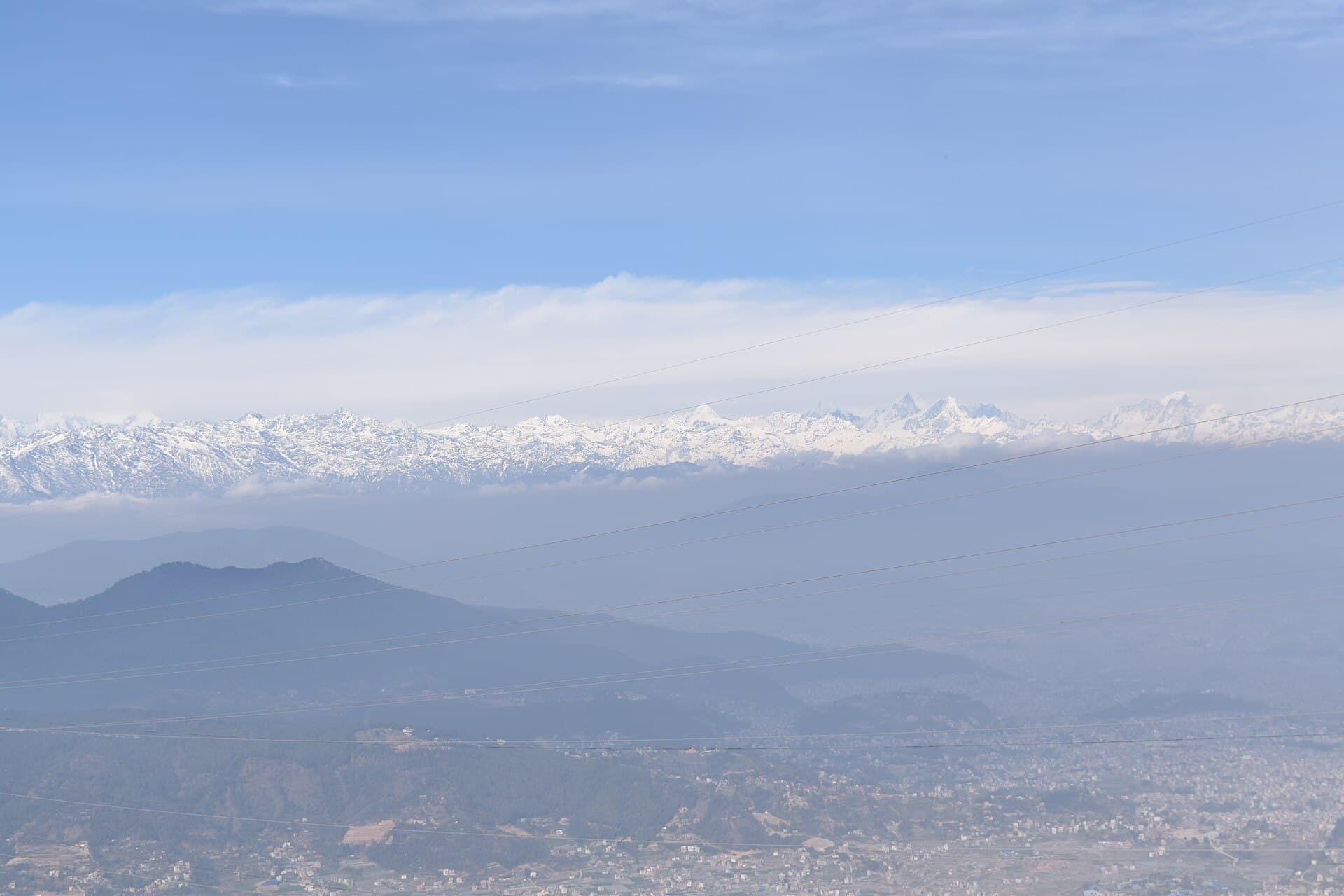
You rise before six for the sunrise. On a clear winter morning the view extends from Ganesh Himal to the summit of Everest. After breakfast you walk down the ridge for two and a half hours to Changu Narayan, a fifth-century temple on a spur that most visitors do not reach. From there we drive you back to the airport or your hotel.
The trail from start to finish, at a glance.
The flights and long drives on this itinerary, and what happens if one is delayed or cancelled.
Most travellers arrive at Tribhuvan International Airport. Connecting flights run through Delhi, Doha, Dubai, Istanbul, Bangkok, Kuala Lumpur and Singapore. There are no direct flights from Europe or North America.
Complete the form at the kiosk before joining the queue, pay $30 in cash for a 15-day visa at the bank counter, then go through immigration. Bring clean US dollar notes. Indian nationals do not need a visa. The process takes about forty minutes when the airport is quiet and up to two hours when several large aircraft land at the same time.
There are no activities on day 1 apart from your arrival, so a late flight is not a problem. On day 5 we can take you directly to the airport from Changu Narayan, arriving at about one in the afternoon. If your flight leaves in the evening, we recommend booking a day room.
The Everest scenic flight leaves at first light from the domestic terminal and returns by eight, so it can be added before either of the two full days. It depends on the weather and is refunded in full if it does not operate.
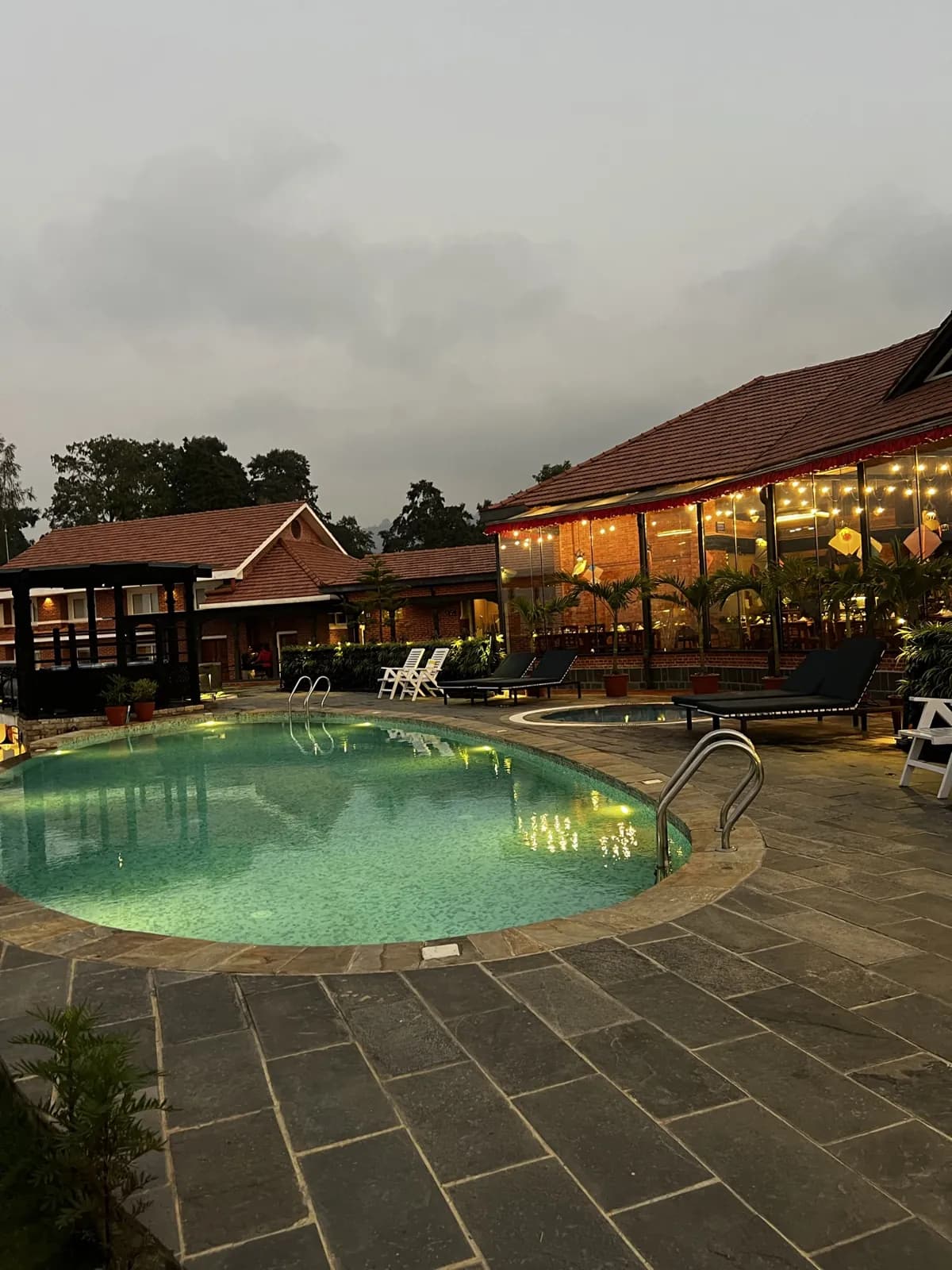
You spend two nights in Kathmandu, one inside old Bhaktapur and one on the Nagarkot ridge at 2,175 m. The night in Bhaktapur is central to the design of the tour.
| Where | Nights | Type | Room | Bathroom |
|---|---|---|---|---|
| Kathmandu | 2 | Three-star hotel in or near Thamel | Twin or double | Private, hot water |
| Bhaktapur | 1 | Guesthouse inside the old city walls | Twin or double, some with a square view | Private, hot water |
| Nagarkot | 1 | North-facing hotel on the ridge | Twin or double with a mountain view | Private, hot water |
Hotel buffet in Kathmandu, and eggs, toast and fruit at Bhaktapur and Nagarkot
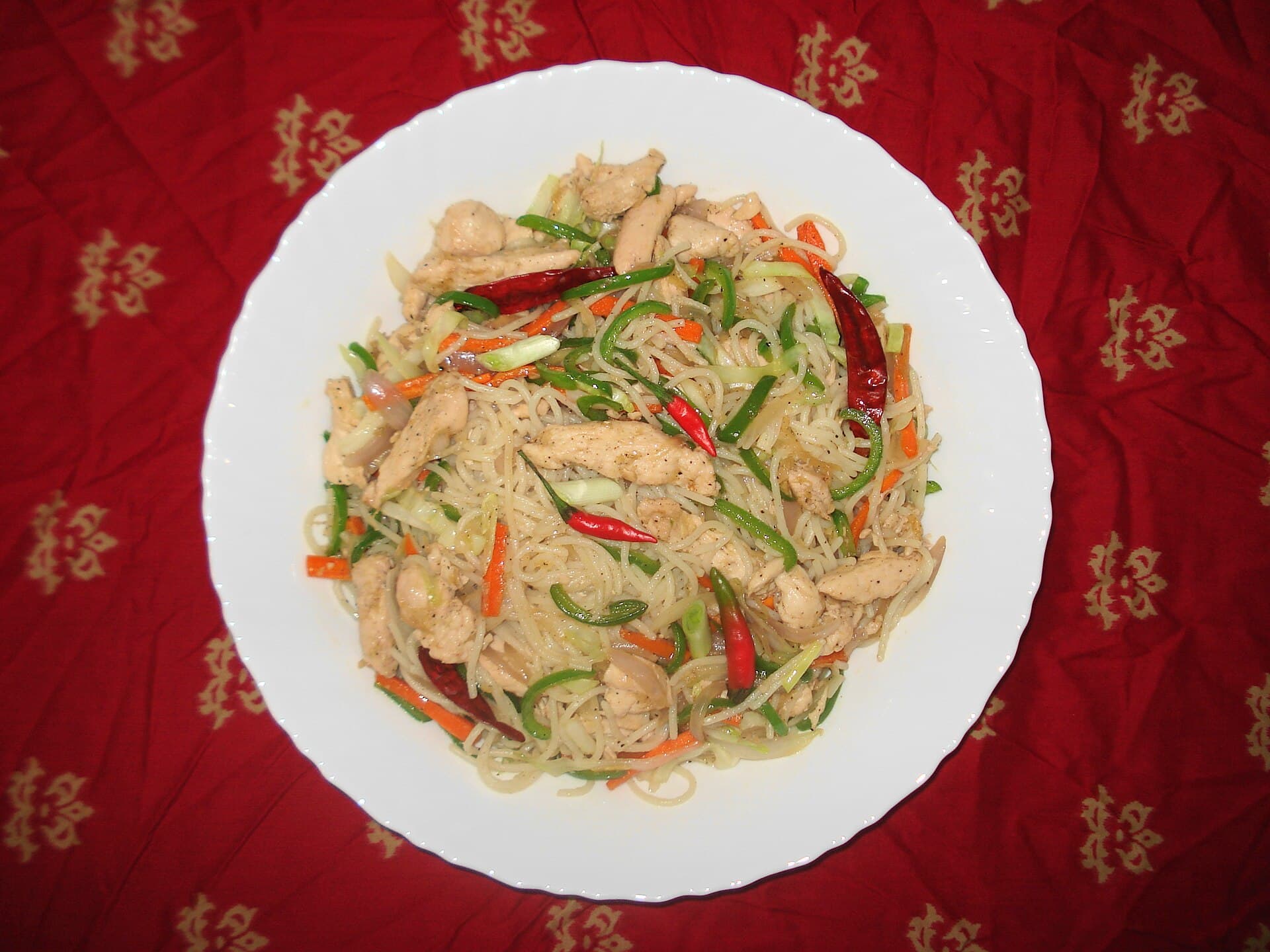
Near wherever you are visiting that day. The guide can recommend good places for dal bhat

With us on the first night, then at a restaurant of your choice. Kathmandu has an excellent choice of restaurants, so we recommend eating out rather than at the hotel
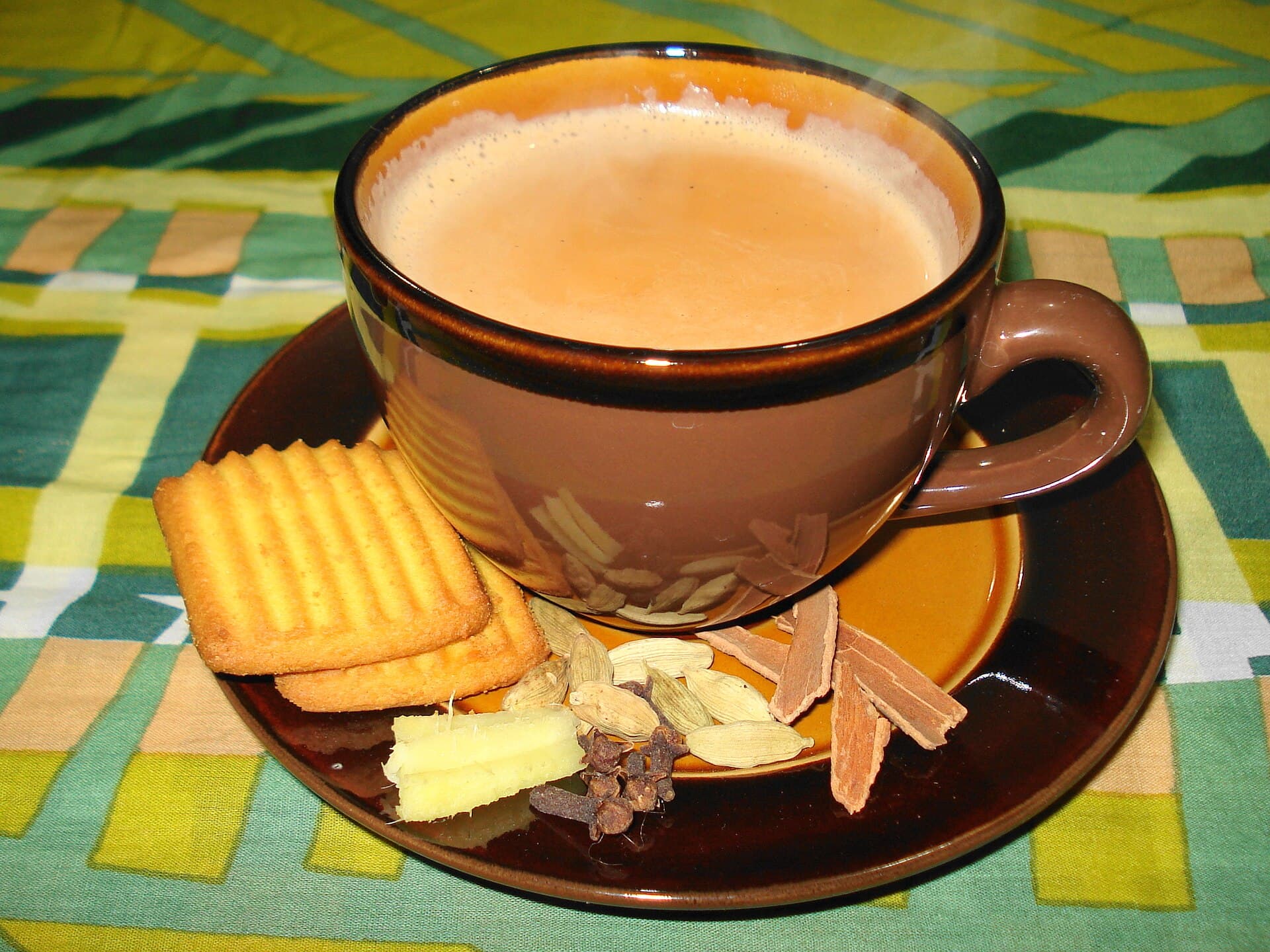
Milk tea and a samosa, usually from a street stall
Days start early, include a long lunch and finish before dark. The pace is relaxed throughout.
7:30Breakfast at the hotel, at a relaxed time on every day except the last two
8:30Drive to the first site before the tour coaches arrive
12:30A long, sit-down lunch, usually in a courtyard
14:00Afternoon site visit, at a slower pace
17:00Return to the hotel, or in Bhaktapur, time in the square as it quietens
19:00Dinner, at a place of your choice from day 2
This is one of the two easiest trips we offer. You spend three to four hours on foot each day, all at 1,400 m or slightly higher, and the vehicle is never more than ten minutes away. The main source of fatigue is walking on cobbles and climbing temple steps.
Written for somebody who walks a bit and does not train. If you already run or cycle regularly, start partway through. Nothing here needs a gym.
Before you book, stage 1 of 3
This is a walking tour of medieval cities, not a trek. Each day includes three to four hours on foot and a long sit-down lunch. If you want more height and distance, consider the Chisapani ridge walk instead, or add it at the end.
The tour runs in every month. This section shows which months usually give Himalayan views from Nagarkot and which do not.
Cold mornings, bright days and the clearest mountain views of the year from Nagarkot. Bring a warm layer for indoors.
Averages for the valley floor at 1,400 m, with the Nagarkot ridge figure alongside because the difference decides what you pack.
You have one licensed cultural guide for the four touring days and one driver with a private vehicle throughout. On the day 5 walk the guide walks with you and the driver meets you at Changu Narayan. For groups of eight or more we add a second guide, as one guide cannot be heard easily in a crowded square.
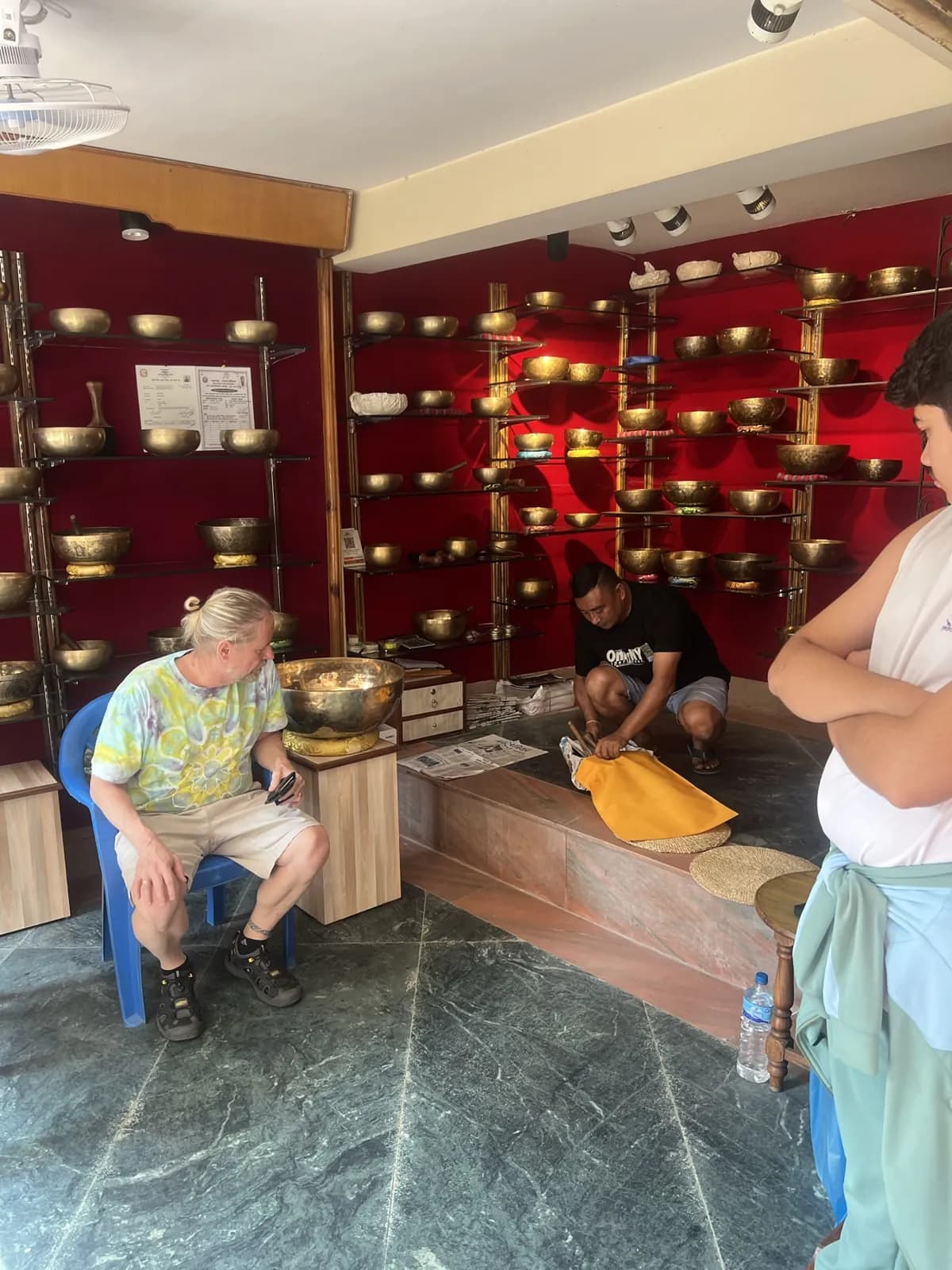
The guide explains the buildings, handles tickets at the gates, sets a comfortable pace and recommends places for lunch. They do not take you to shops that pay commission, because we do not work with those shops. If you would like to buy a thangka or a singing bowl, tell the guide and they will take you to a workshop where you can see it being made.
Tipping is not required but is appreciated. Most travellers give forty to seventy dollars each, shared between the guide and the driver at the end of the tour. Nobody will ask you for a tip.
The Bhaktapur fee of NPR 1,800 may seem high, but it funds the restoration of the buildings you have come to see. Pay it at the gate and keep your ticket. The fees help the valley protect its heritage.
In Patan, families still cast bronze using the lost-wax method in their own courtyards and carve windows by hand. The shops on the main tourist streets mostly sell imported goods. The guide will take you to the workshops, where the money goes directly to the maker and prices are usually lower.
Please be respectful when photographing cremations. The accepted practice is to take wide shots from across the river without showing faces, and the guide will explain what is appropriate. At the monasteries, ask before photographing a monk. Most people are happy to be asked.
Kathmandu has a serious problem with plastic bottle waste and with its water supply. Every hotel on this trip provides filtered water for refilling. If you bring your own bottle, you will avoid about twenty plastic bottles during the week.
Email us or send a WhatsApp message with your arrival date and the number of travellers. We confirm within one day, and usually on the same day.
A deposit of twenty per cent secures the hotels. The balance is paid on arrival in Kathmandu or by bank transfer one week before. In October and November the Bhaktapur guesthouse needs to be confirmed earlier than the other hotels.
If you cancel more than twenty-one days before the start date, the deposit can be transferred to another date within one year. Within twenty-one days the hotels have already been paid and we retain the deposit. As this is a short trip, the amount at risk is small.
Changes are easy to make. If you would like a second day in Bhaktapur, the guide can rearrange the plan over breakfast. This is a private trip, and the itinerary can be adjusted to suit you.
Tell us when you book rather than later. Permits, guides and domestic flights need a few days of notice, and a single combined itinerary costs less than two booked separately.
Priced per person, arranged before you travel, and none of them included in the price above.
A one-hour flight along the Himalaya with a guaranteed window seat, returning to Kathmandu before breakfast. It can be added to day 2 or day 5 without changing the rest of the itinerary. It operates only at first light, and if it is cancelled you receive a full refund.
Held in a family kitchen in Patan rather than a hotel demonstration room. You shop at the market first, cook six dishes and eat them with the family. We consider it the best value option on this list.
You join the kora (circuit) around the stupa at lamp-lighting time, when several thousand people walk around it together, and attend evening prayers at one of the Tibetan monasteries nearby. Added to the evening of day 2.
An extension east of the valley. It includes Panauti, a rarely visited Newari town, a hilltop stupa at Namobuddha with a very good monastery guesthouse, and a walk between the two. This is the extension we recommend most often.
Our five-day ridge trek, combined with the end of this tour rather than booked separately. It includes Shivapuri forest, two nights in lodges and views of the Himalaya on your left throughout.
A hotel room kept until the evening if your flight home is late. Recommended after four days of sightseeing on foot.
4 versions of this journey. They use the same guides and the same lodges; what changes is the length, the comfort and how much of it you walk.
Excellent
June 2026, Tripadvisor
Thank you for the Earthbound team to make the kailash Manasasarovar Yatra successful and Memorable.Wanted to thank you each and every member of the crew specially Rajan ji,Arjan, Shree and Kedarji and all the crew members for their commitment. The team is very dedicated and hardworking.The team made the trip smooth and spiritual. Had a wonderful experience.
Comfortable and safe trip to Mount Kailash
June 2026, Tripadvisor
Our trip with Earthbound, to Kailash and Manasarovar was an amazing experience. Diligent planning and execution by the Earthbound team made the trip not just easy, but enjoyable too. Every single person on their team, and believe me there are a few of them, are excellent at what they do. All through the trek, the team ensured the safety and comfort of each one of our group. Earthbound executes the task with passion and as a package, in its true sense. ownership and the team was exceptional. They take good care with excellent accommodation at all places, fresh food all along, right from when you land in Kathmandu. I have no hesitation to recommend them for your Mount Kailash trip.
Thank you so much Rajanji and Earthbound Expeditions
July 2026, Tripadvisor
What an amazing experience thanks to Rajanji and his tireless team. Each and every one made us feel at home right from the first interaction to the last. And all of it with extreme warmth. Rajanji's amazing network was instrumental in making sure that our very large group of almost 50 people were able to successfully take off from Kathmandu even after all our flights were cancelled. We could not have completed the trip without the constant support, encouragement, and Rajanji and his unbelievable team. ♥️♥️
Extraordinary experience
June 2026, Tripadvisor
Earthbound travel did an extraordinary job taking care of travelers needs by accommodating last minute requests seamlessly. The crew took extensive care of diet and physical wellbeing of each traveller. Arjun the main guide for our Manasorvar-Kailash trip did an exceptional job managing his team and our group of 23. While he was firm on timings and expectations from each of us he provided physical and mental support where needed. Overall I would recommend Earthbound travel , Rajan , Kedar and team for their experience and competence managing complex planning and execution of trips in Nepal / Tibet regions!
Answers to the 12 questions travellers ask us most often. If your question is not here, contact us and we will answer it.
You need to be able to walk for three to four hours a day on flat ground and cobbles, and climb a few hundred temple steps. The only sustained walk is two and a half hours downhill on day 5. If you prefer not to walk it, the vehicle takes you round by road instead.
Four days are enough for the seven monument zones if the time is well planned. They do not leave time for the less visited parts of the valley, such as the bahals (courtyards) behind Patan, the Newari festivals and the hill temples. If you would like to include these, you can add two days and we will arrange them.
Bhaktapur charges an entry fee at the gate, and most visitors who pay it leave by five in the evening. From five in the evening until nine the next morning, the old city is used mainly by the people who live there, and it feels very different. We consider this the most important part of the itinerary.
From October to March you usually will, and in December and January it is very likely. During the monsoon it is rare. If the morning is cloudy, we still walk down to Changu Narayan, which is worth visiting in its own right.
Cremations take place in the open on the ghats, and you will see one. Once the guide has explained the customs, most visitors find the experience dignified rather than distressing. Non-Hindus cannot enter the main temple courtyard, and photographing the pyres is not permitted. If you prefer not to visit, we can spend the afternoon at Boudhanath instead.
Less than most people expect. Most of Kathmandu Durbar Square has been rebuilt, Patan is largely restored and Bhaktapur was less damaged than either. Some buildings are still supported by props and a few temples were lost. The guide will point out where the restoration work has been done.
The fees come to about $55 per person for the seven sites and are included in your price. Kathmandu Durbar Square is NPR 1,000, Patan NPR 1,500, Bhaktapur NPR 1,800, Pashupatinath NPR 1,000, Boudhanath NPR 400, Swayambhunath NPR 200 and Changu Narayan NPR 350. We pay them at each gate on your behalf.
Yes. The trip is private by default. There is no group departure, the vehicle is for your use only and the guide works at your pace. Most bookings are for two people, and we have run it for one traveller and for groups of up to eleven.
Yes, and many travellers do. The Chisapani to Nagarkot ridge walk starts an hour from your Kathmandu hotel. Alternatively, you can fly to Pokhara and walk the Ghorepani circuit. Tell us when you book and we will combine both into a single itinerary.
October and November offer clear air and warm weather. December to February gives the clearest mountain views and cold mornings. March brings rhododendrons and festivals. April is hazy. The monsoon is green, quiet, cloudy and lower in price, and it is a good time to visit if your main interest is the architecture rather than the mountains.
Yes. Children usually enjoy the pottery square in Bhaktapur and the monkeys at Swayambhunath. Children under ten enter every monument free of charge. Tell us their ages and the guide will adapt the day for them.
Cover your shoulders and knees at the temples, wear shoes you can take off easily, and bring a warm layer for the evening at Nagarkot, which is seven or eight degrees colder than the valley floor. Leather belts and bags are not allowed in the inner precinct of Pashupatinath.
Didn't find what you were looking for?
Search every word on this page, or ask somebody who has walked the route.
5 days
$447 per person