Breakfast
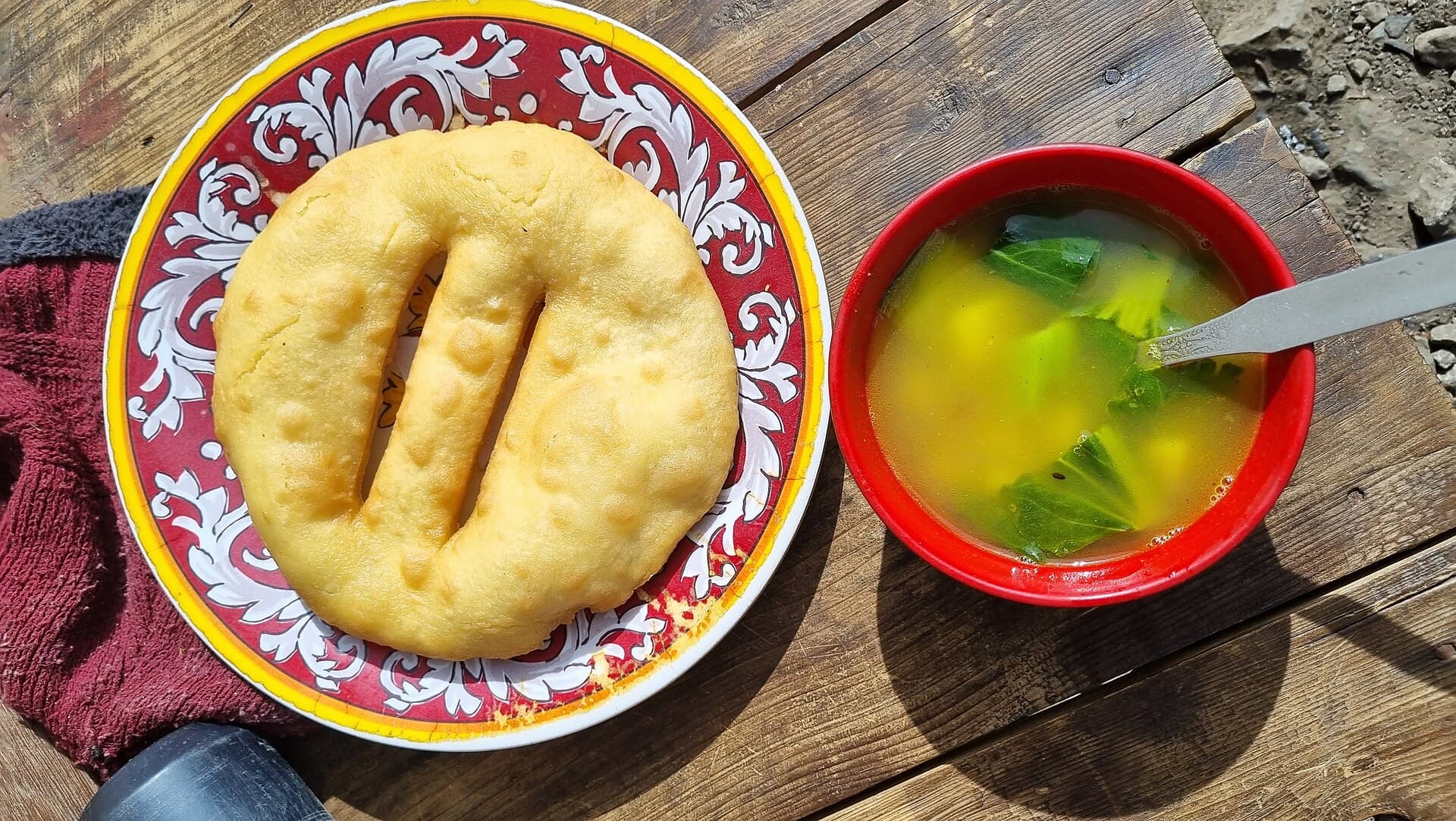
Porridge, eggs, Tibetan bread and tea on the trail. On the Poon Hill morning, tea is served first and breakfast afterwards
All destinations
All destinationsTwo days in the cities of the Kathmandu Valley, a day rafting the Trishuli with a night camping on the riverbank, and five days on the Ghorepani trail with a sunrise view of ten peaks from 3,210 m.
Two days in the cities of the Kathmandu Valley, a day rafting the Trishuli with a night camping on the riverbank, and five days on the Ghorepani trail with a sunrise view of ten peaks from 3,210 m.
This twelve-day trip combines three different experiences of Nepal: two days in the medieval cities of the Kathmandu Valley, two days rafting the Trishuli with a night on a sandy beach, and five days on the Ghorepani and Ghandruk teahouse trail, with a sunrise at 3,210 m. No previous experience is needed, but you need a reasonable level of fitness.
Many travellers arrive tired and start walking too soon. On this trip the cities come first, and the rafting day requires little effort. By the time you reach the trailhead on day 5, you have been in the country for four days and have recovered from jet lag, which makes the trek more enjoyable.
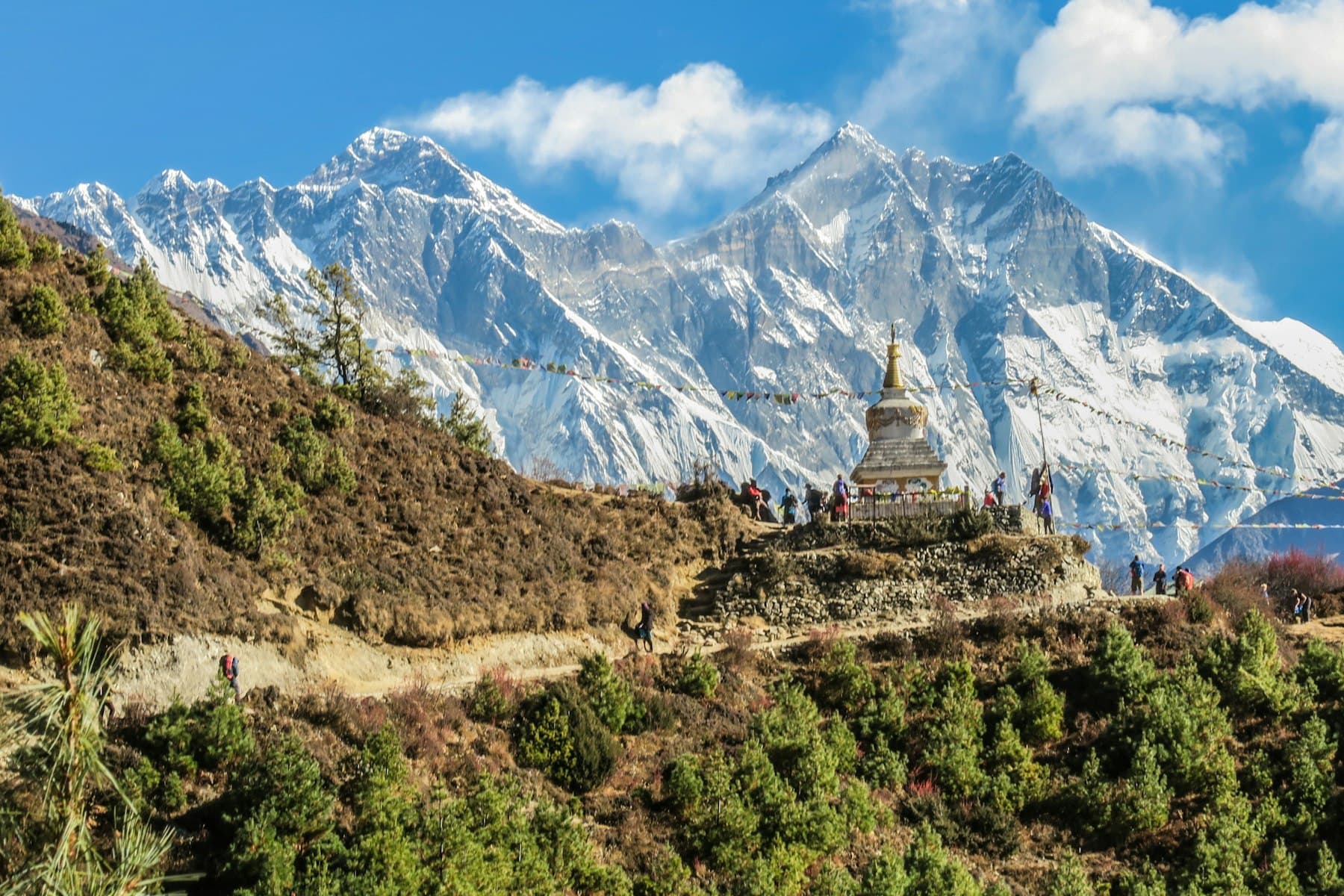
The Ghorepani and Ghandruk trail is one of the most welcoming in Nepal. There is a teahouse every hour, views of the Annapurnas from many of them, two days of rhododendron forest, hot springs at the end, and no altitude high enough to cause illness. More people have made their first Himalayan trek on this route than on any other in the country.
First-time visitors, couples, families with teenagers, and anyone who wants to walk in Nepal without spending three weeks on it. If you have never trekked before, this is the trip we recommend, although day 6 is demanding.
We meet you at the airport and take you to your hotel. There are no activities today. In the evening we brief you on the trip over dinner and check your equipment, as the trekking section needs boots and a warm layer and the rafting section needs neither.
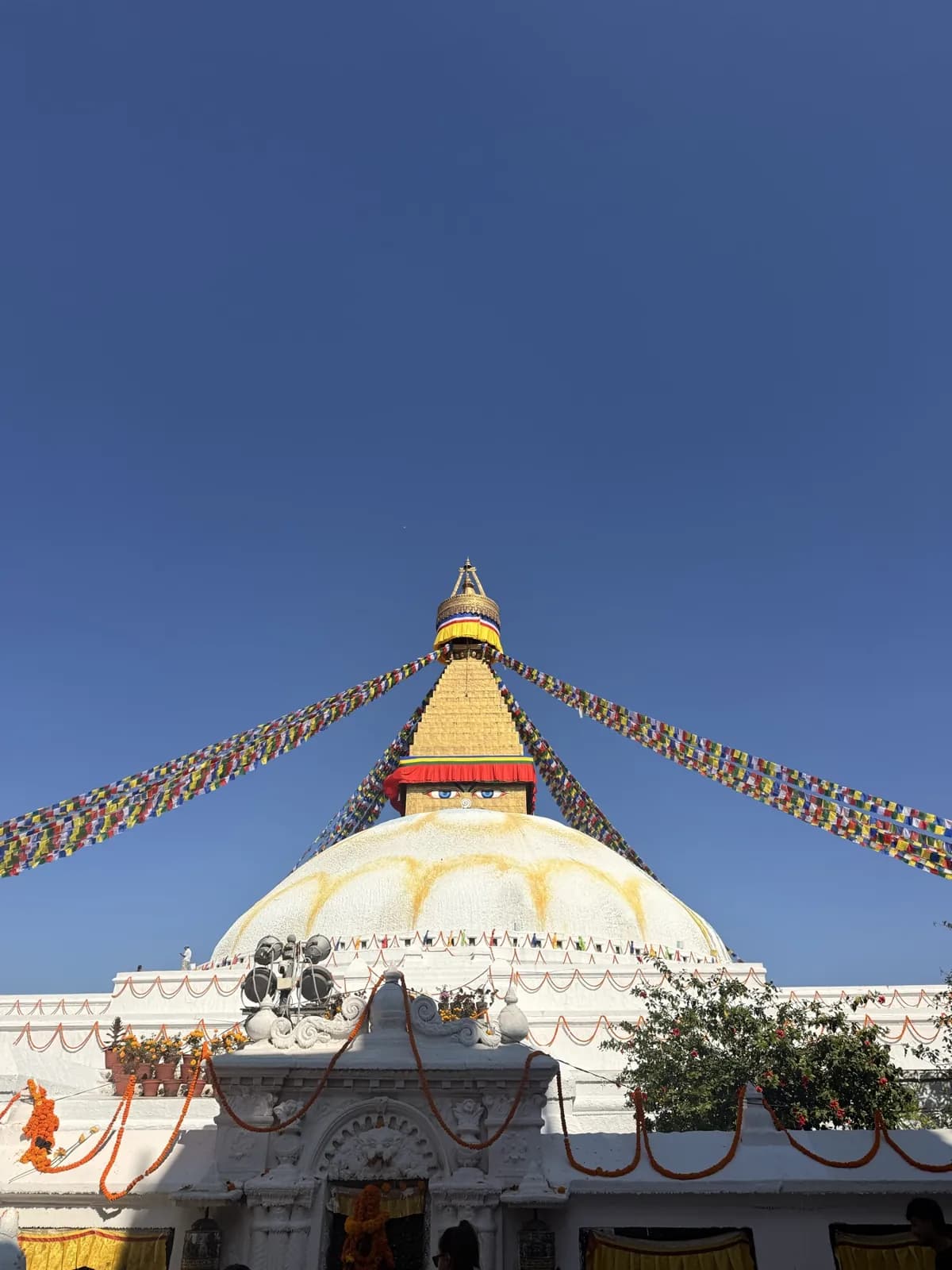
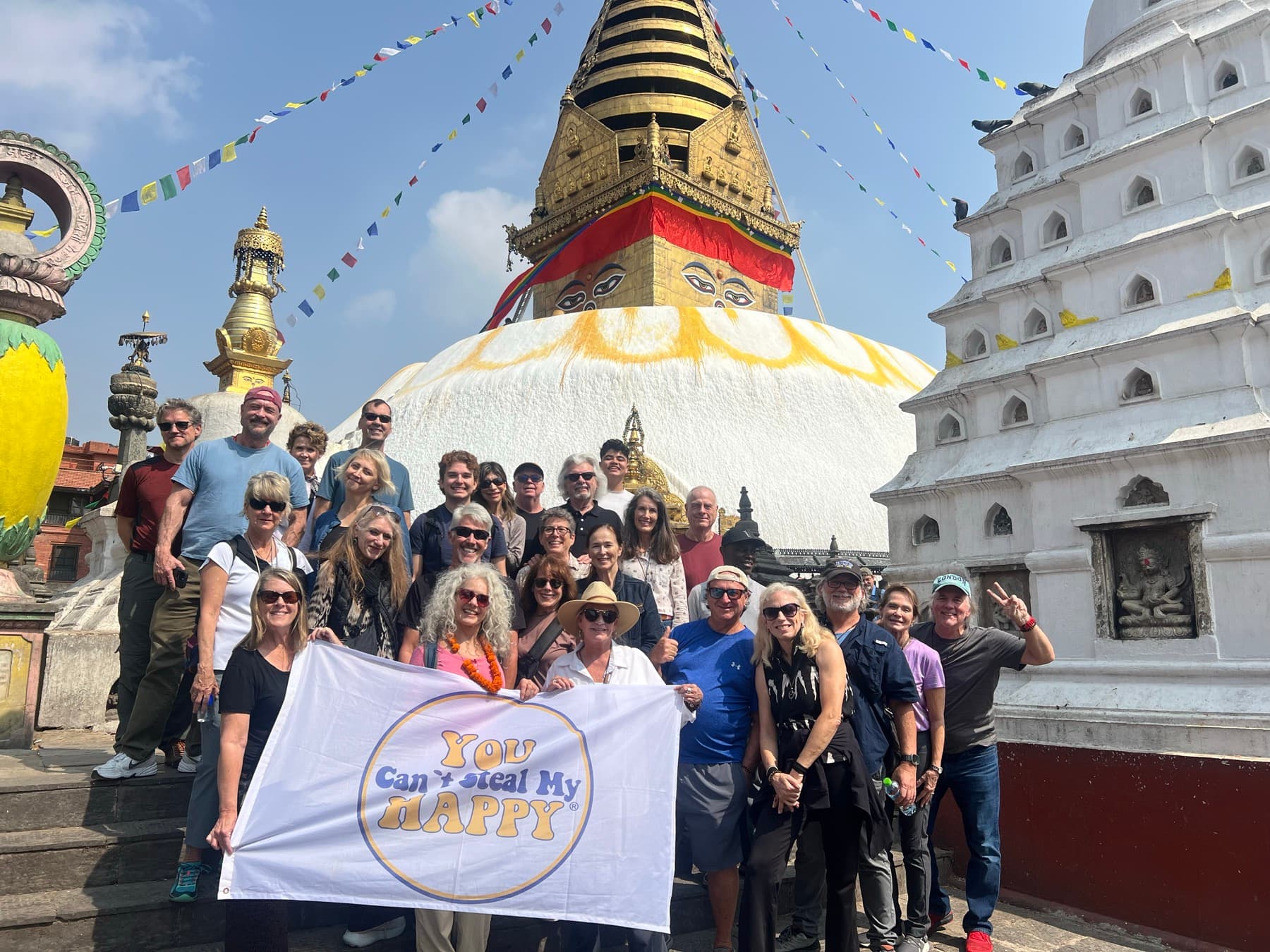
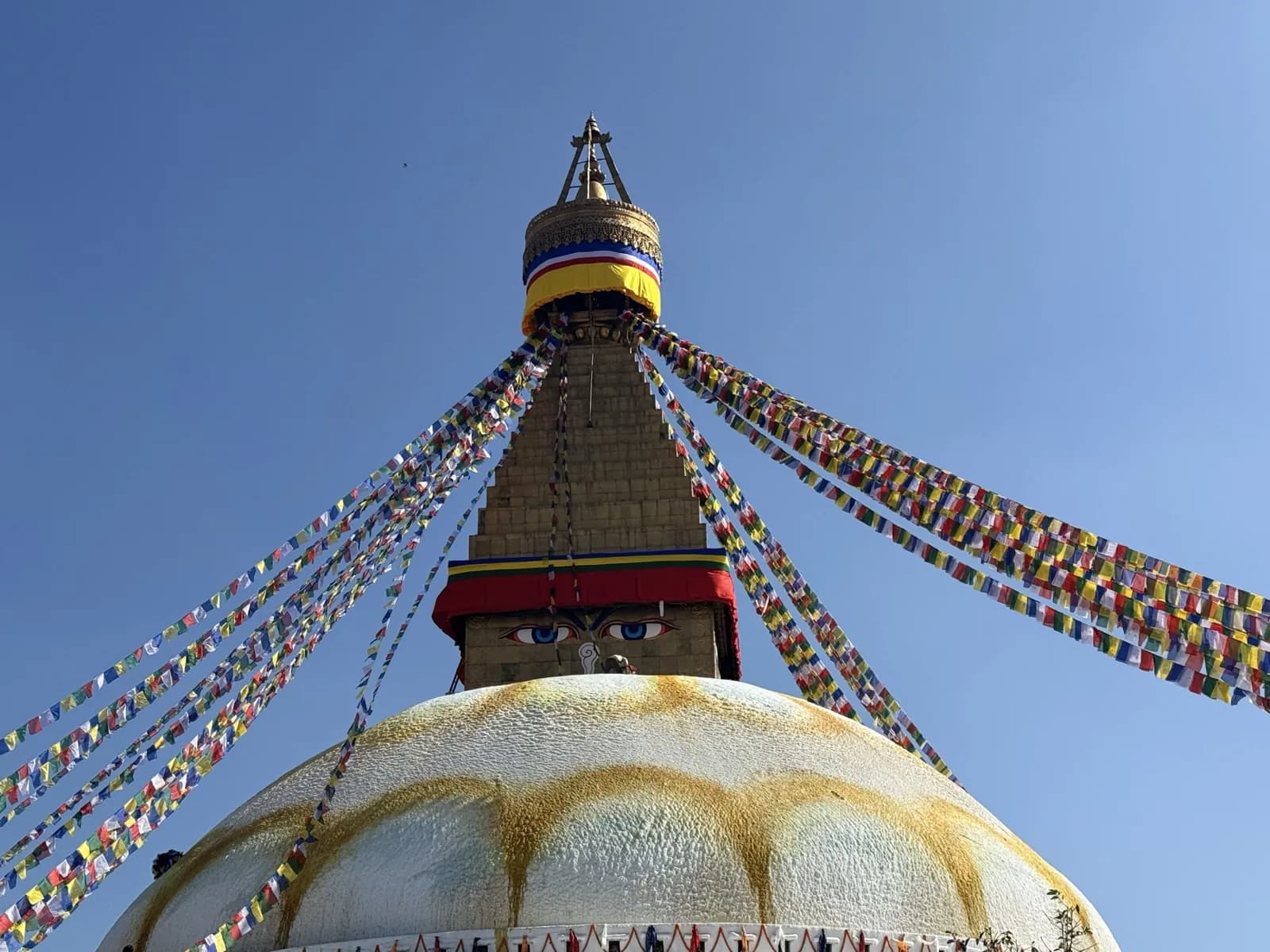
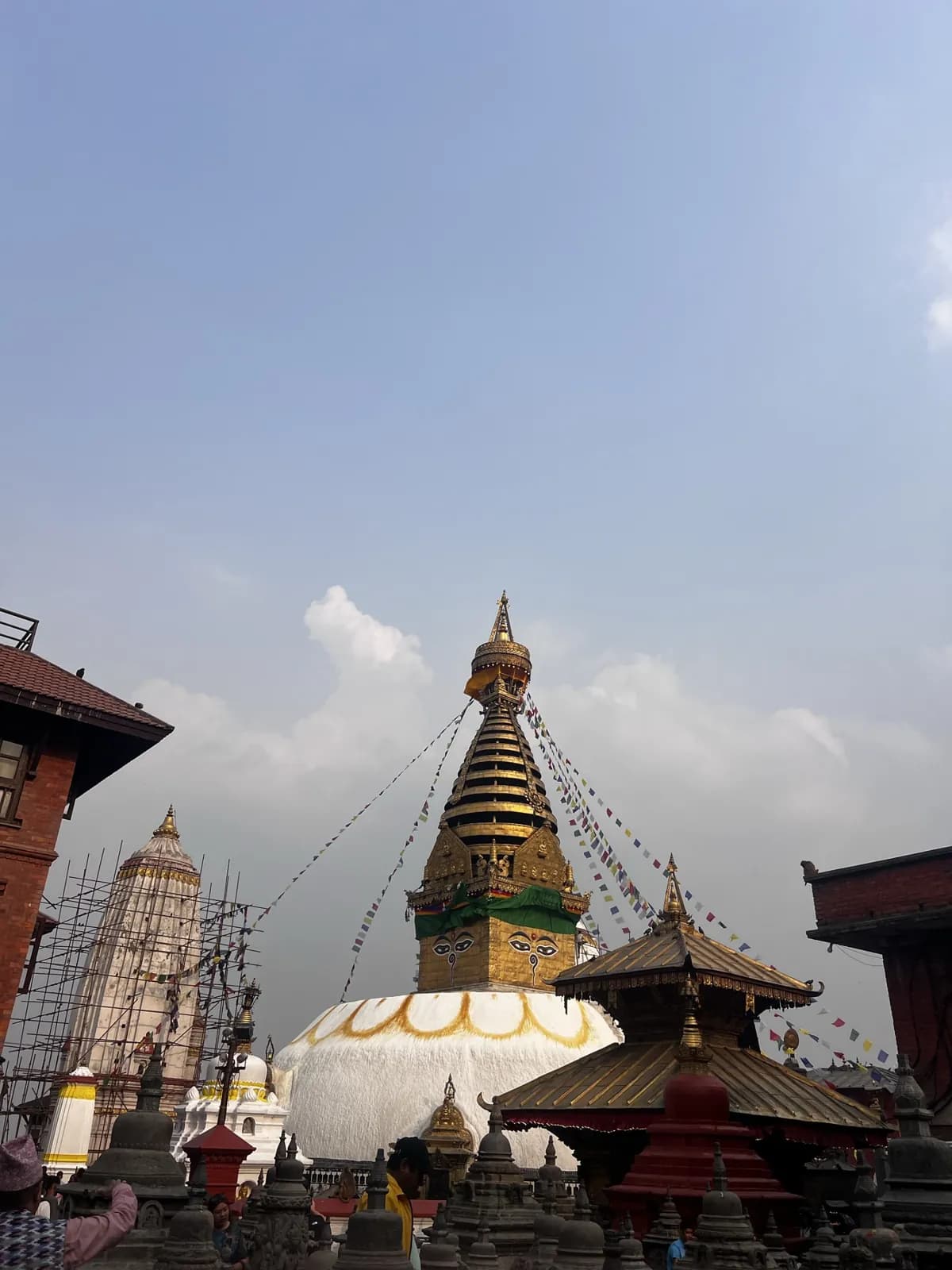
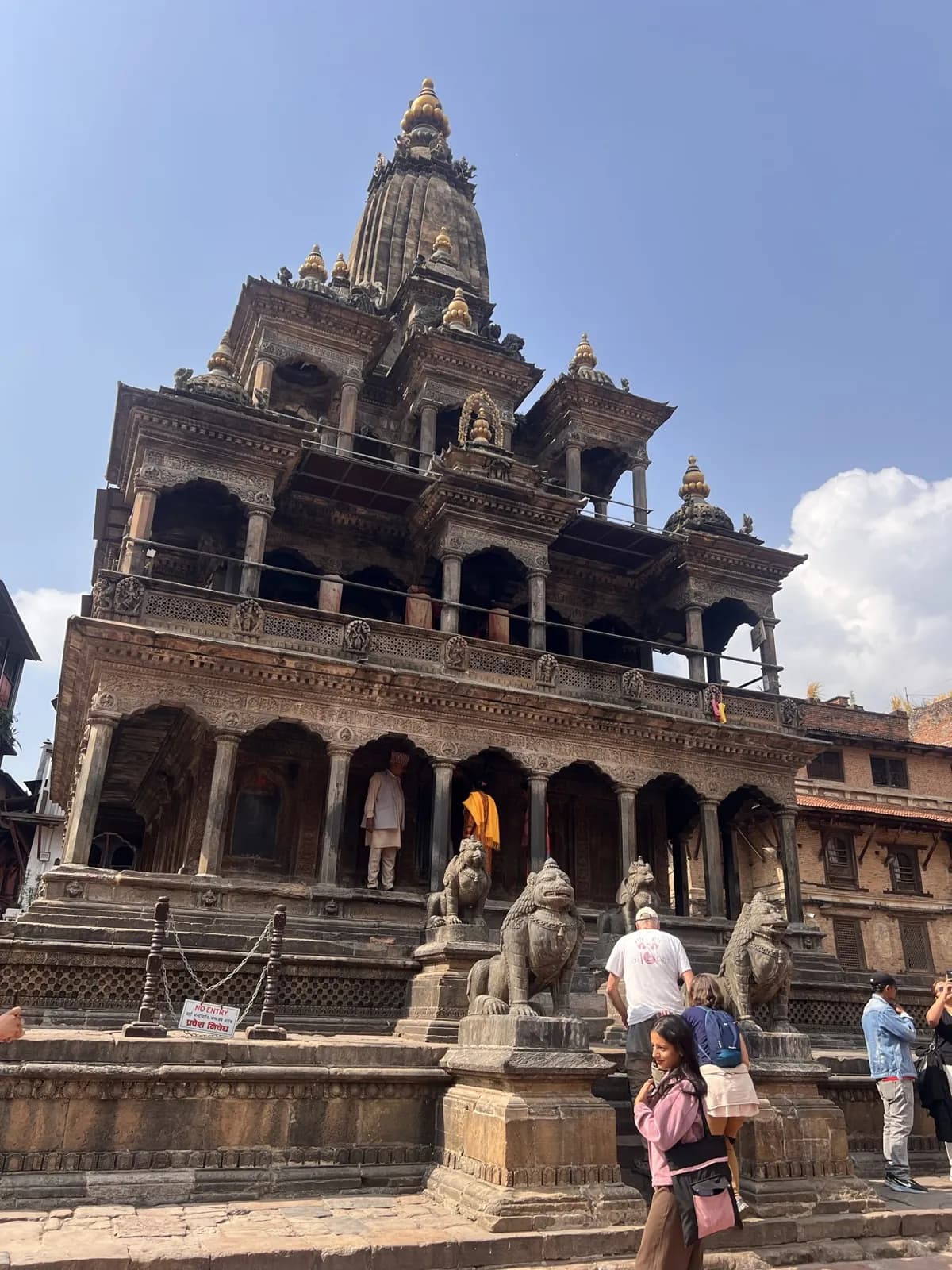
Swayambhunath early in the morning while the pilgrims walk around it, Kathmandu Durbar Square in the late morning, and Patan in the afternoon, the finest and least crowded of the three squares. We finish at Boudhanath at the time the lamps are lit, when several thousand people walk the kora together.
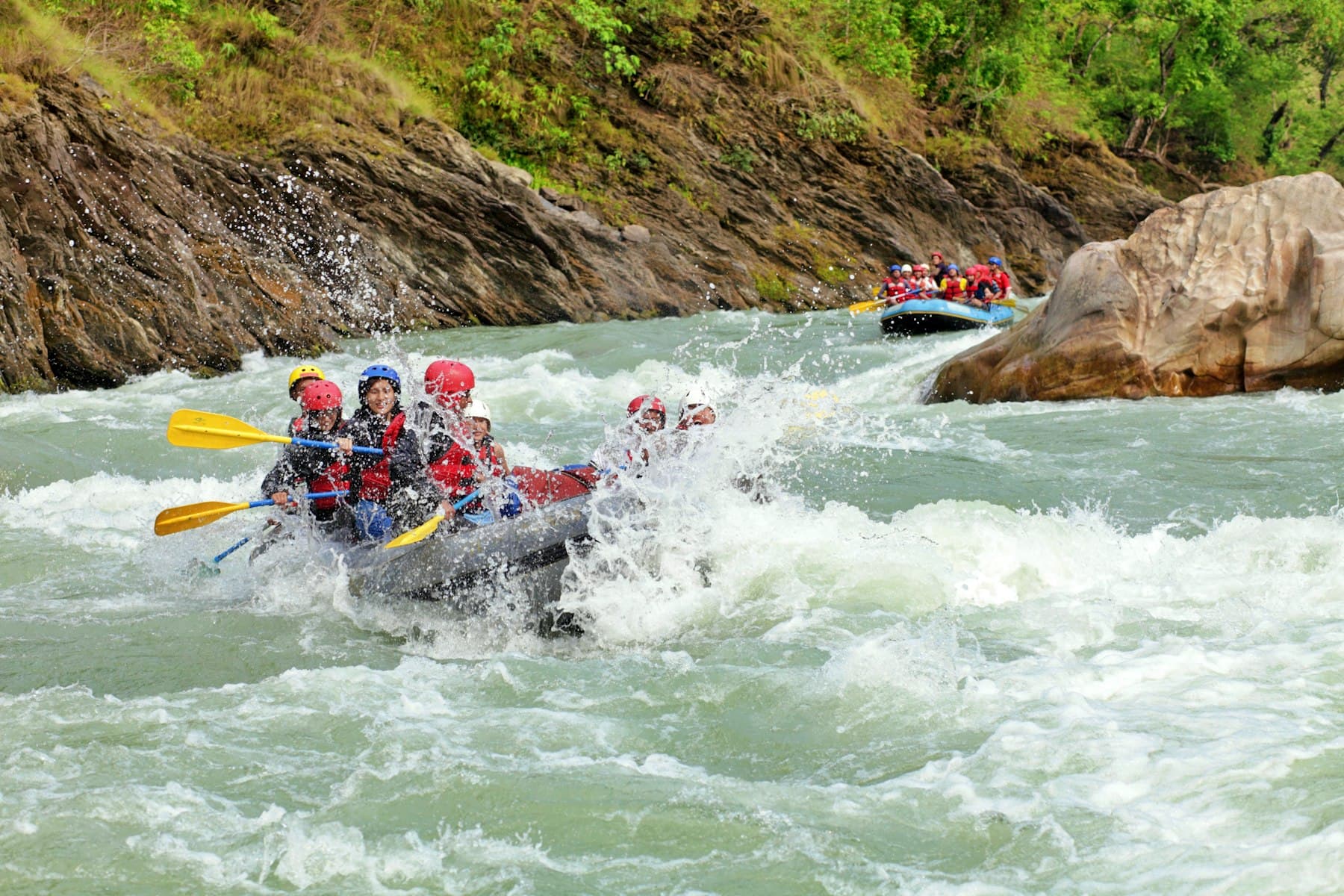
A three-hour drive west out of the valley to the starting point at Charaudi, followed by a thorough safety briefing and then four or five hours on grade two and three water, with rapids named Upset and Ladies' Delight. In the late afternoon we stop at a beach, pitch tents on the sand and eat around a campfire.
A shorter morning on the water to the finishing point at Kurintar, then a four-hour drive north-west to Pokhara along the Seti river. The afternoon is free by the lake, where you can walk to the water's edge to see whether the mountains are visible.
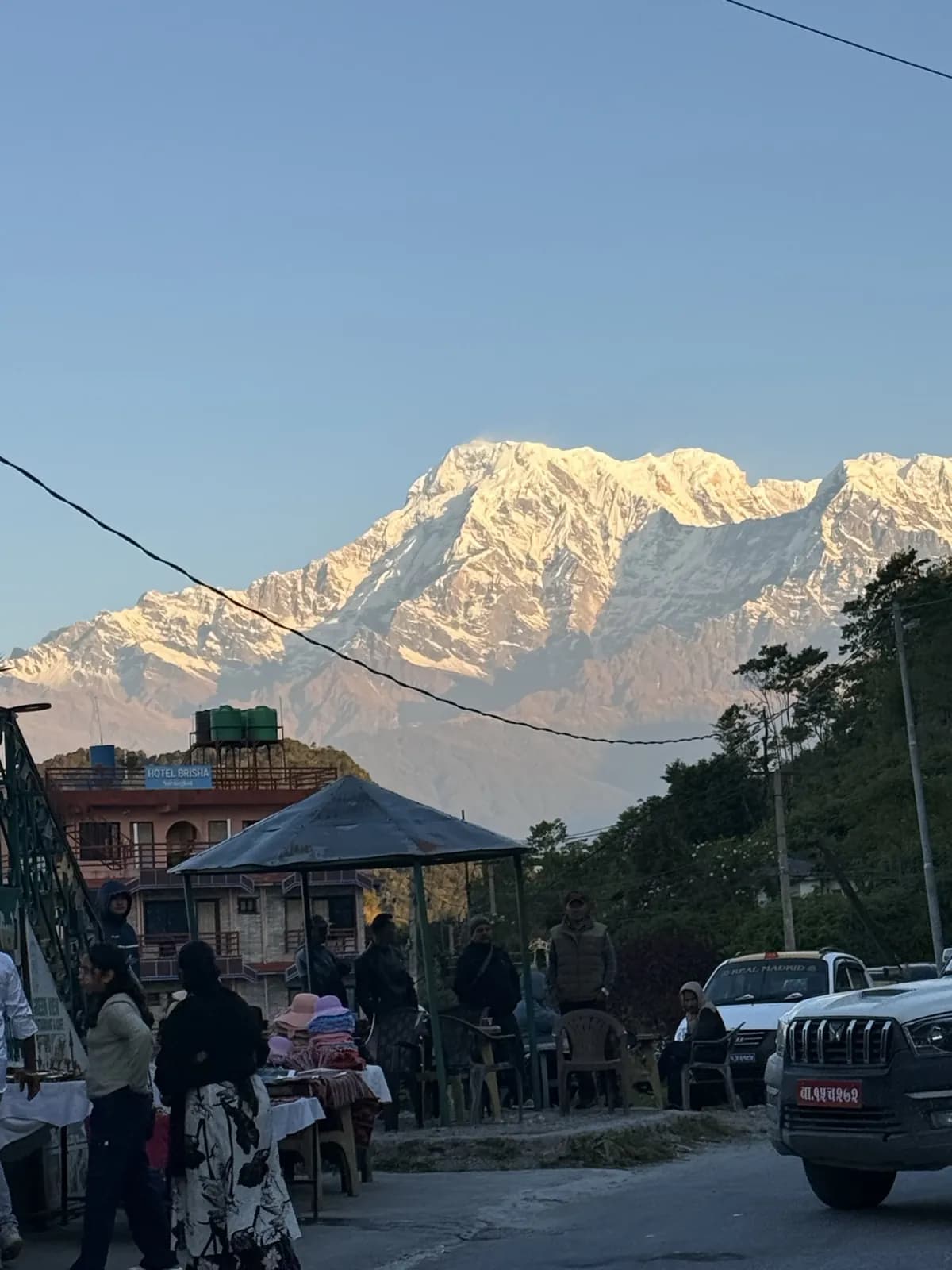
A ninety-minute drive to the trailhead at Nayapul and the permit check at Birethanti, followed by an easy first afternoon up the Bhurungdi Khola through rice terraces and villages. The walk takes four hours with no significant climbing, and the first teahouse of the trip has a view up the valley.
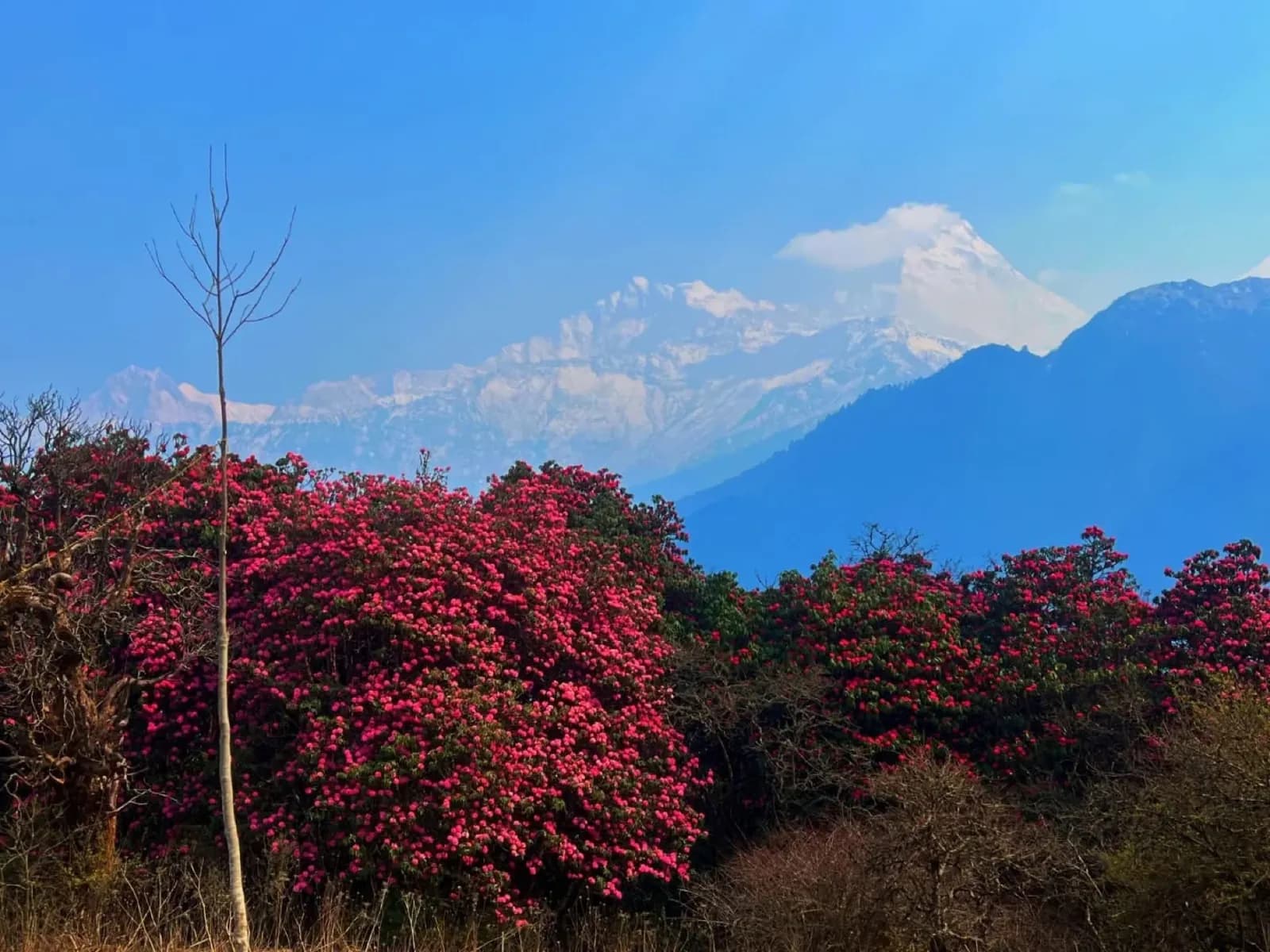
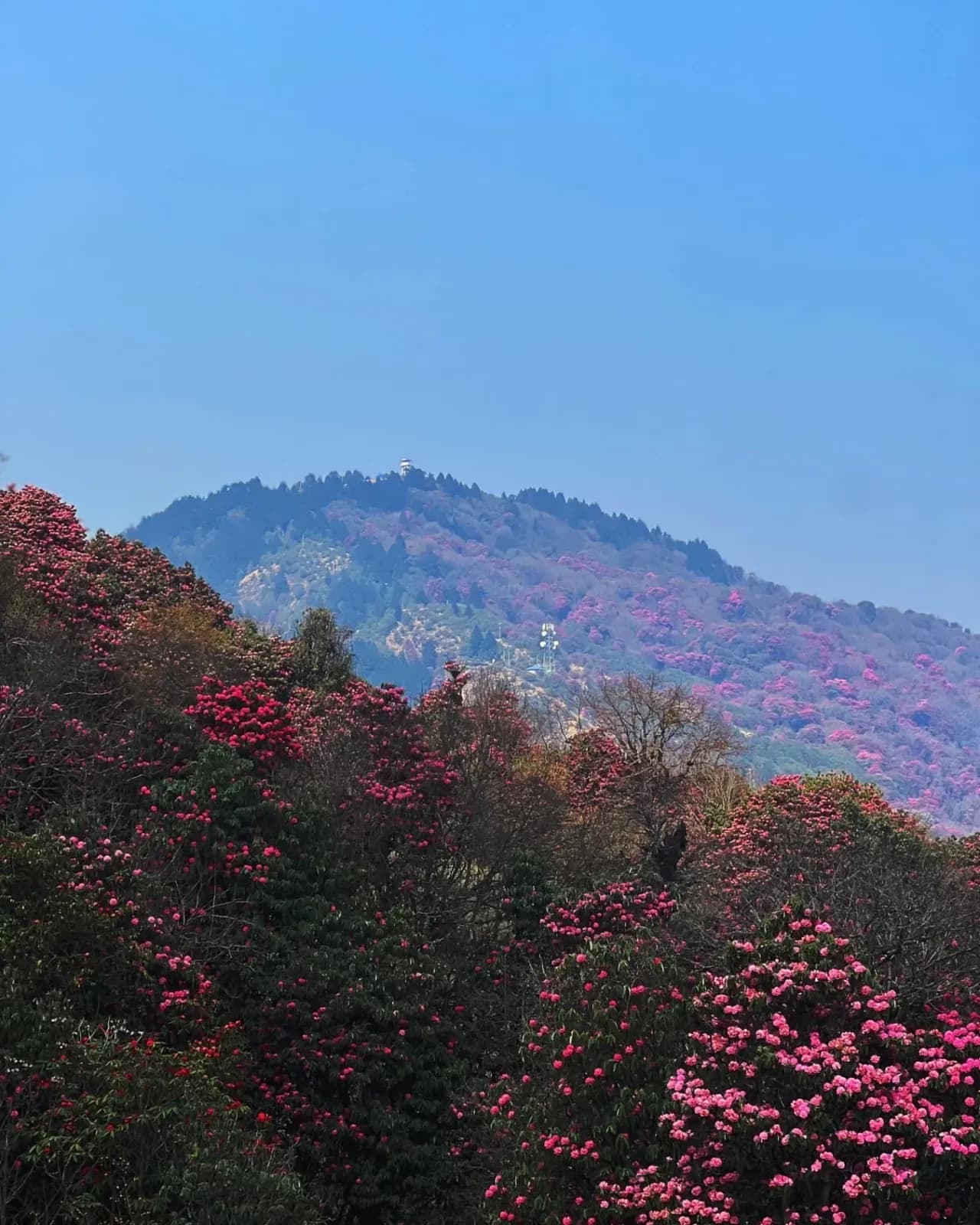
This is the hardest day of the trek, early in the route. The first two hours climb 3,300 stone steps to Ulleri, taken slowly, followed by an easier afternoon through rhododendron forest to Ghorepani at 2,850 m. It is cold at night, there is a wood stove in the dining room, and most people are in bed by half past eight.
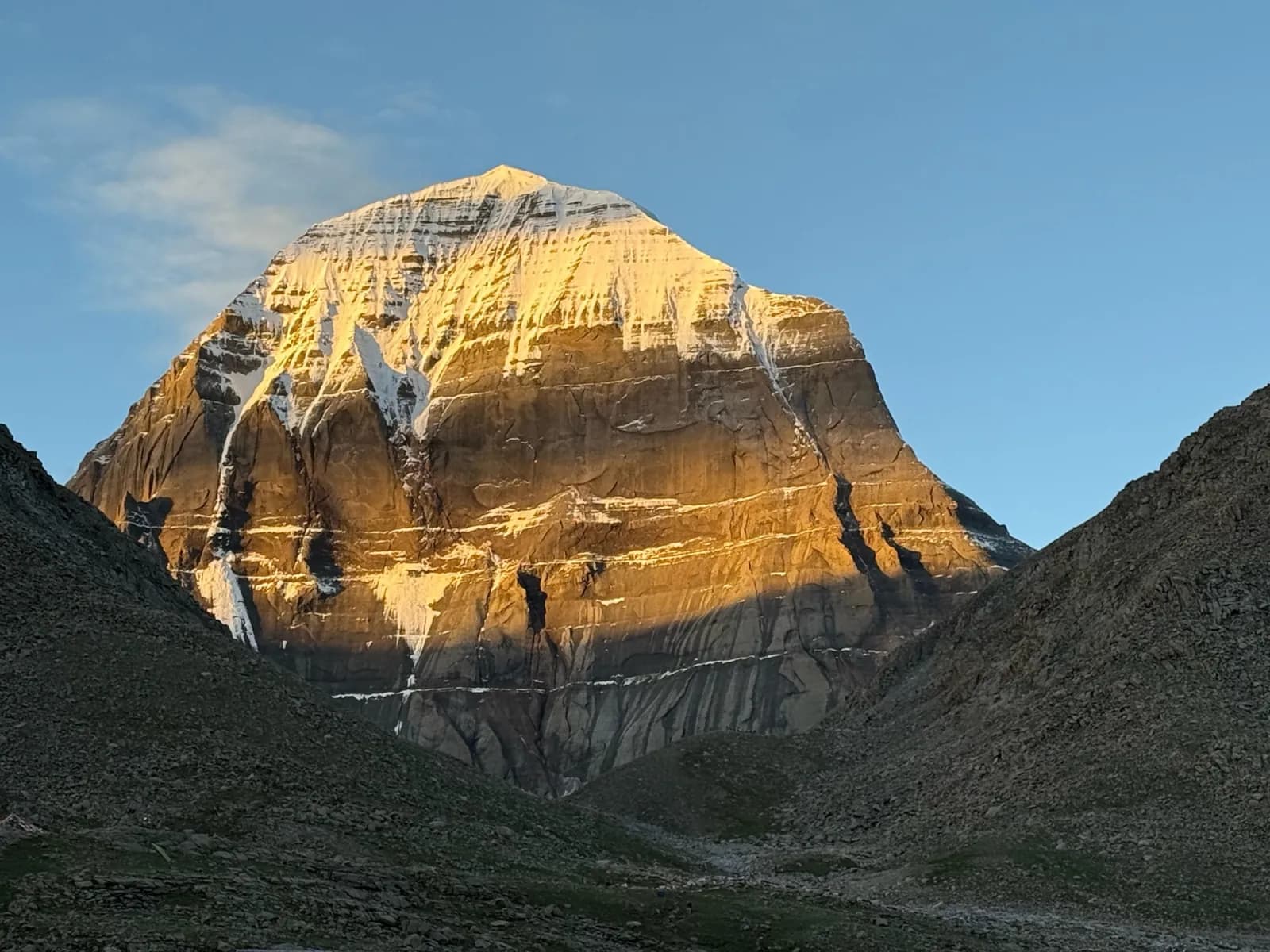
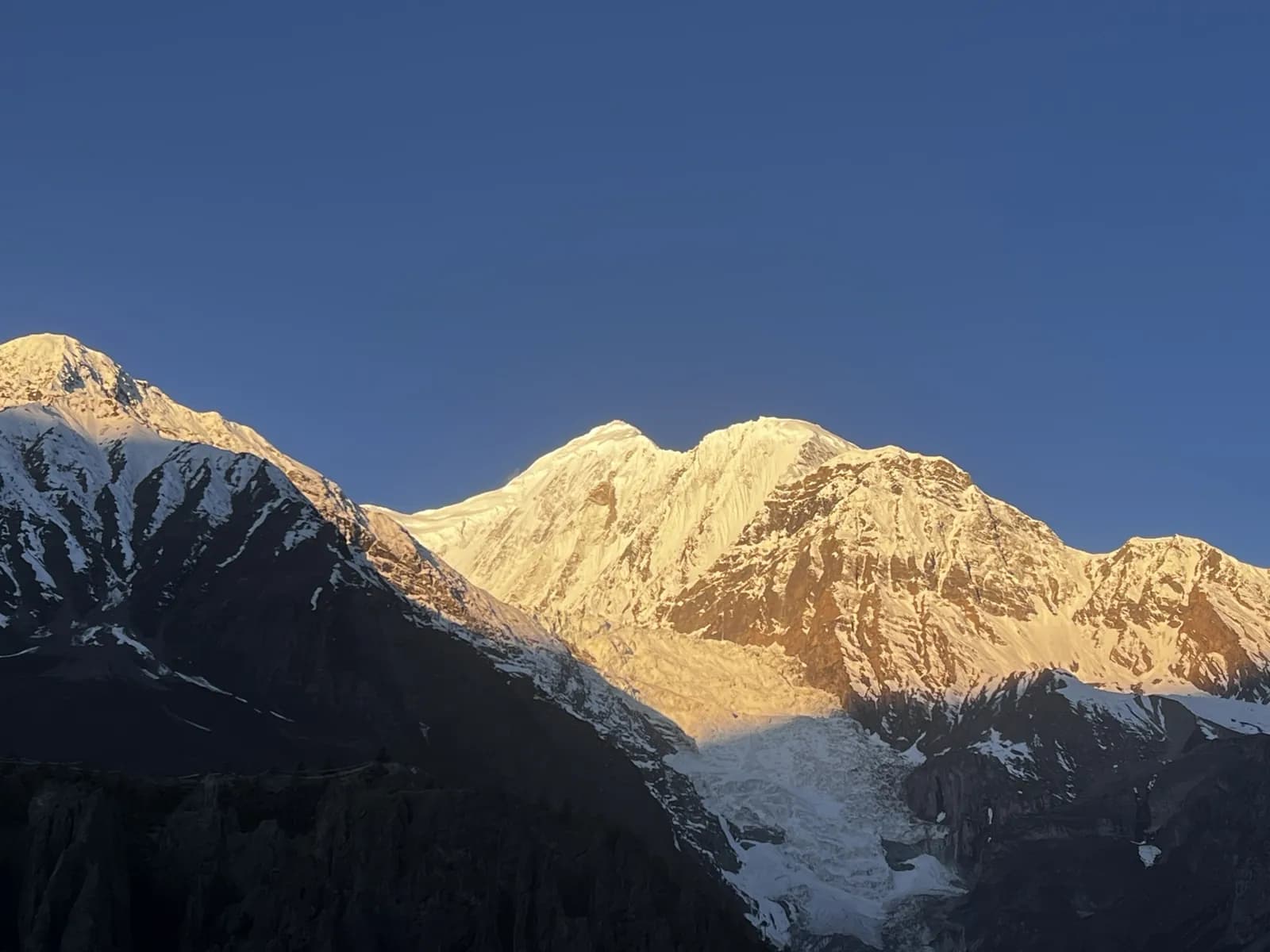
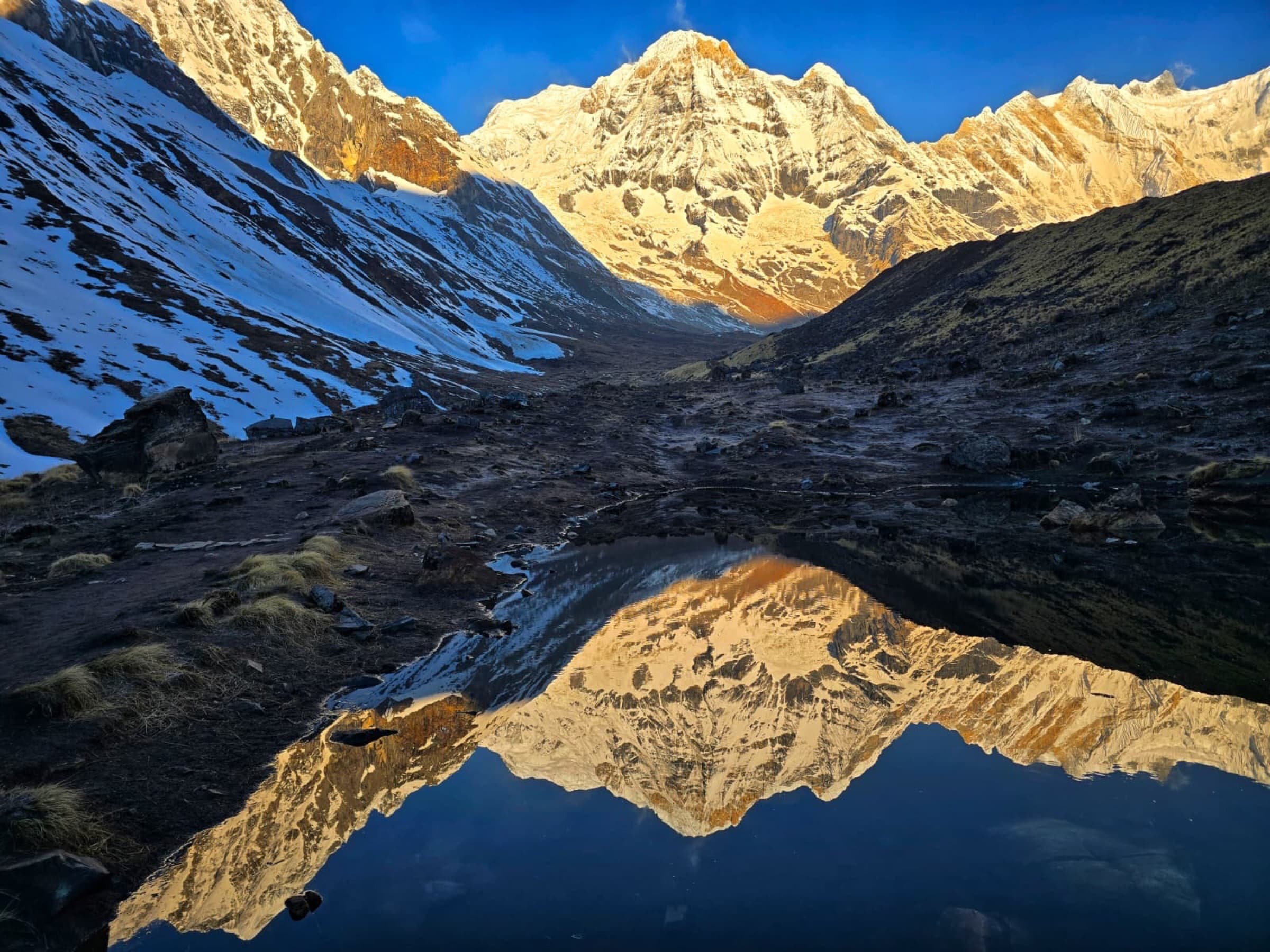
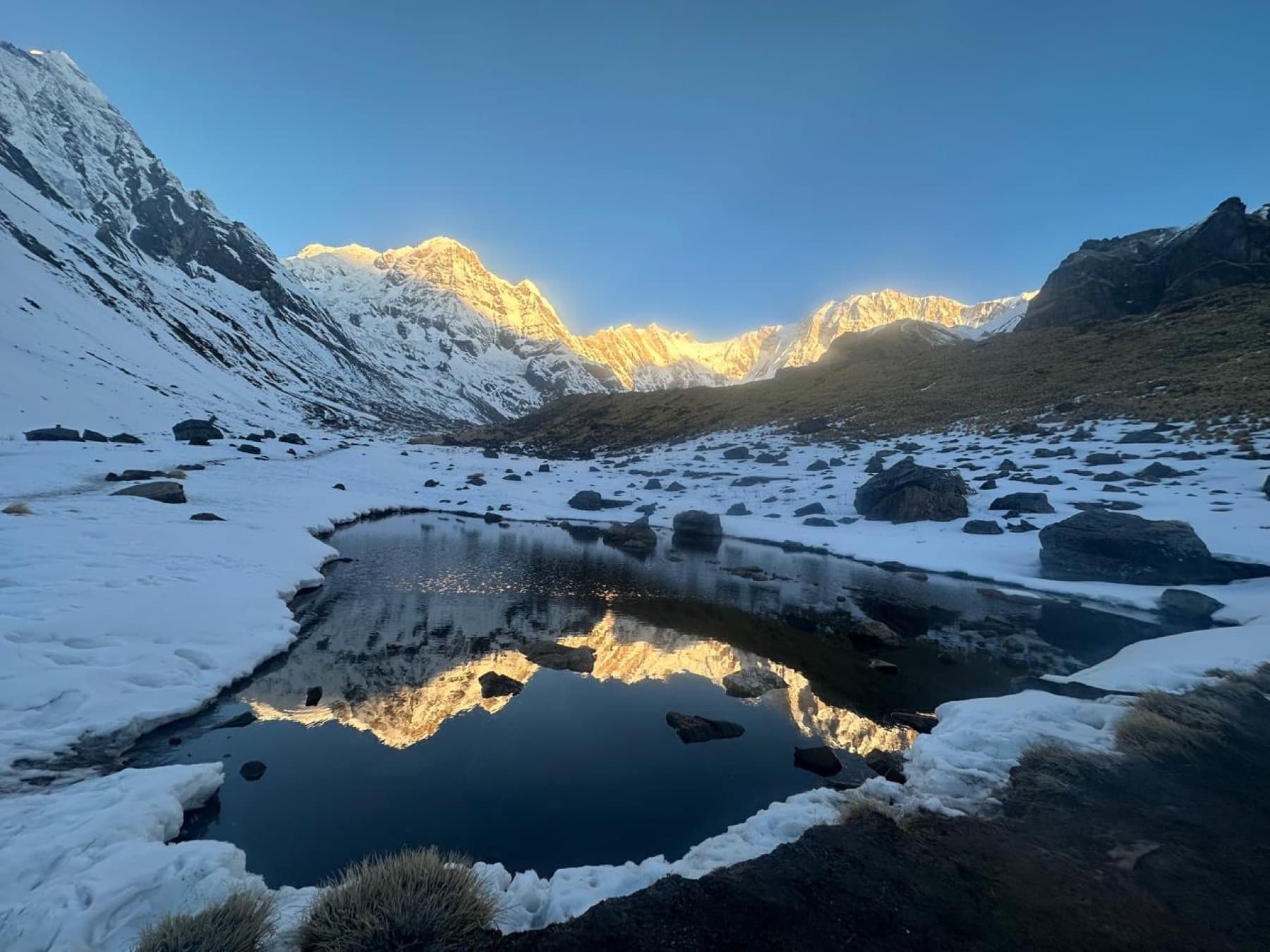
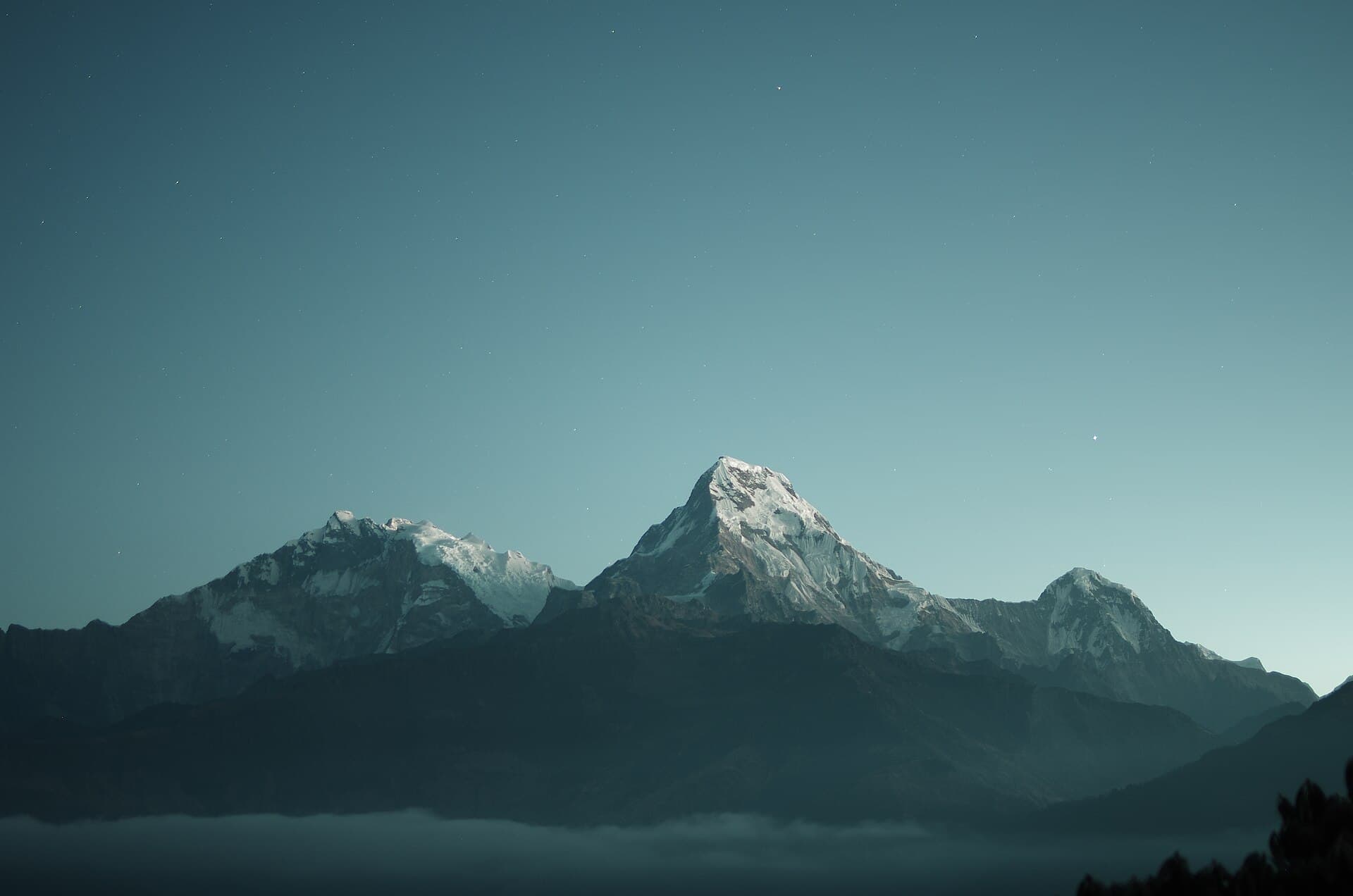
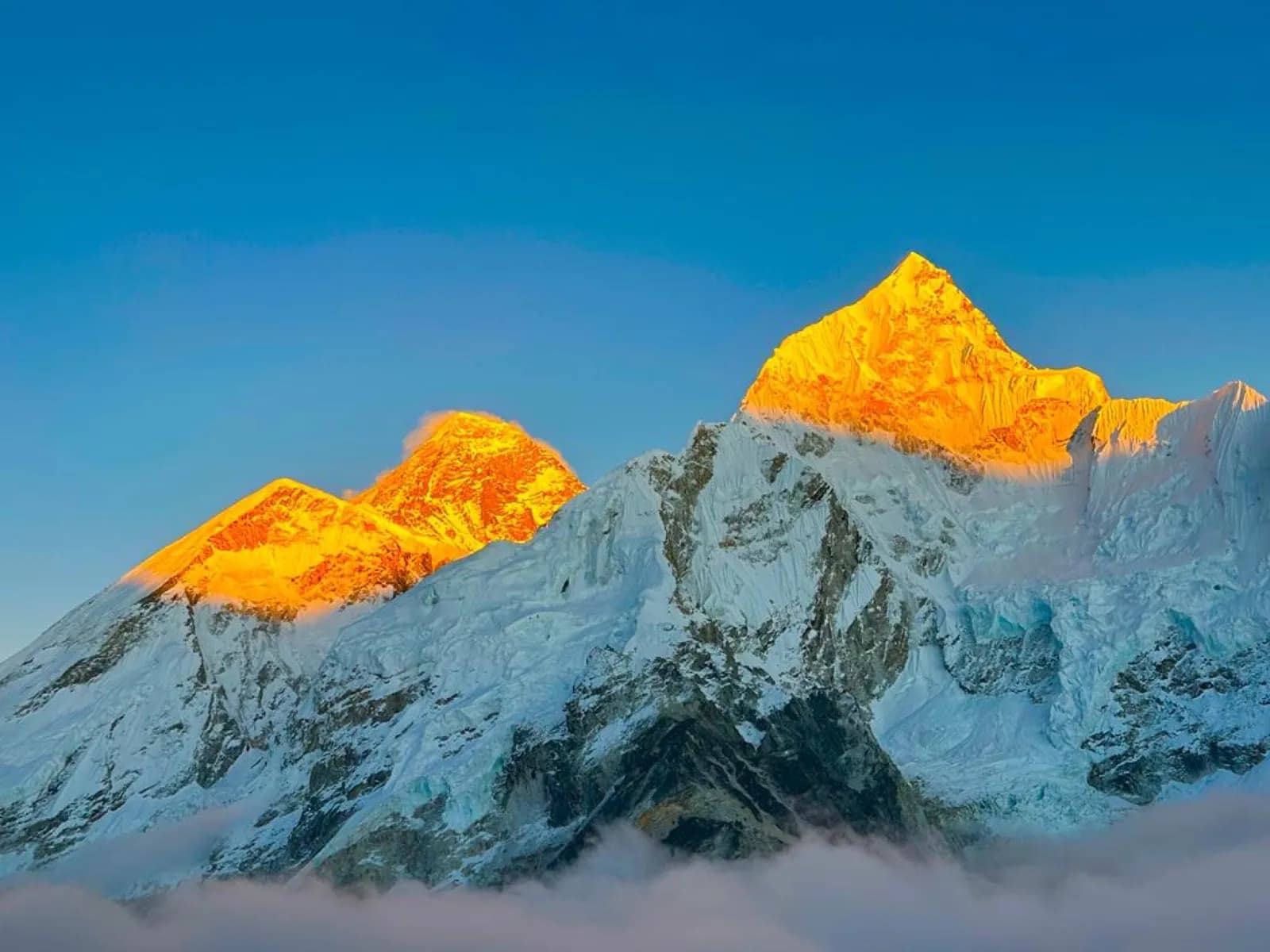
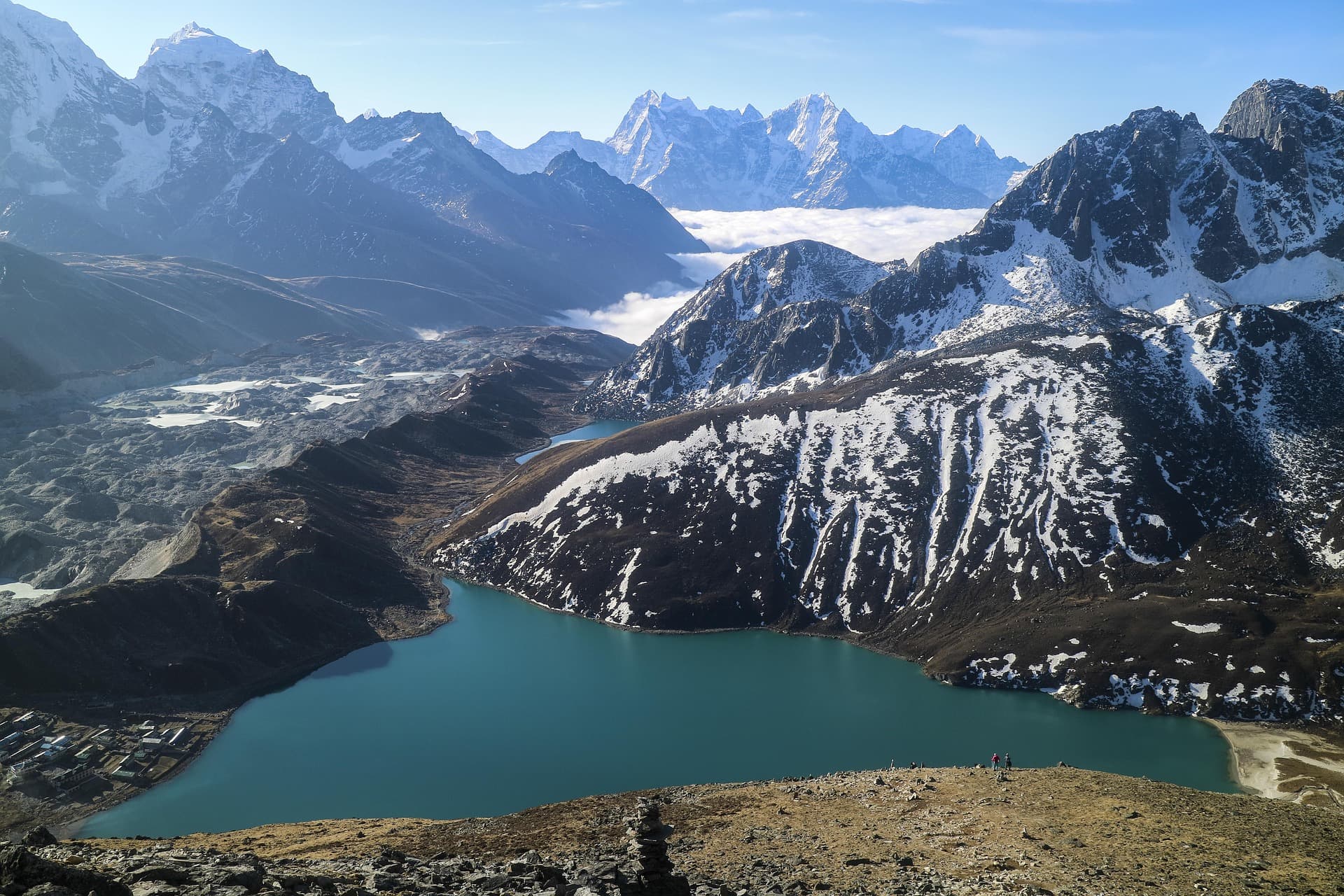
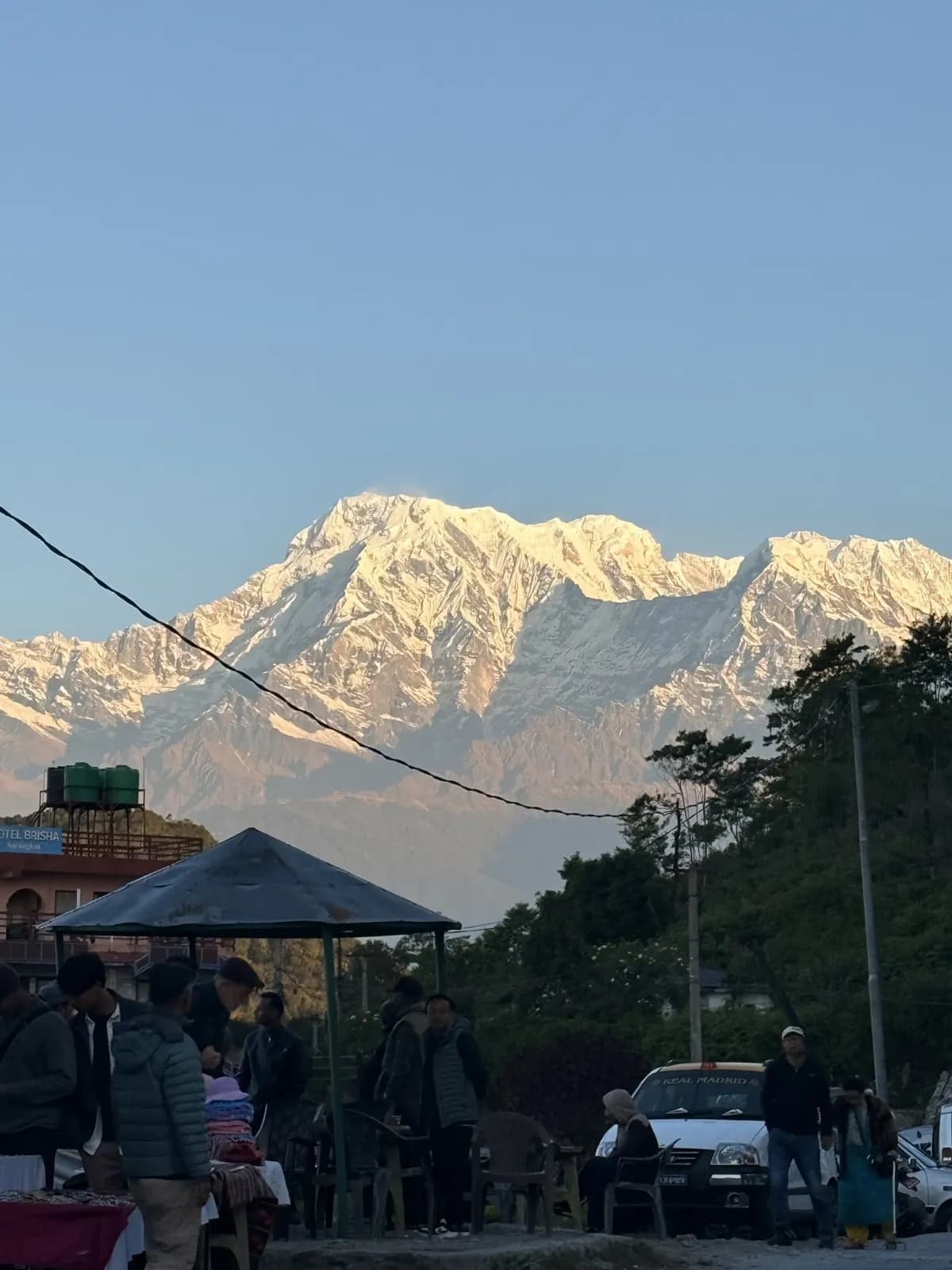
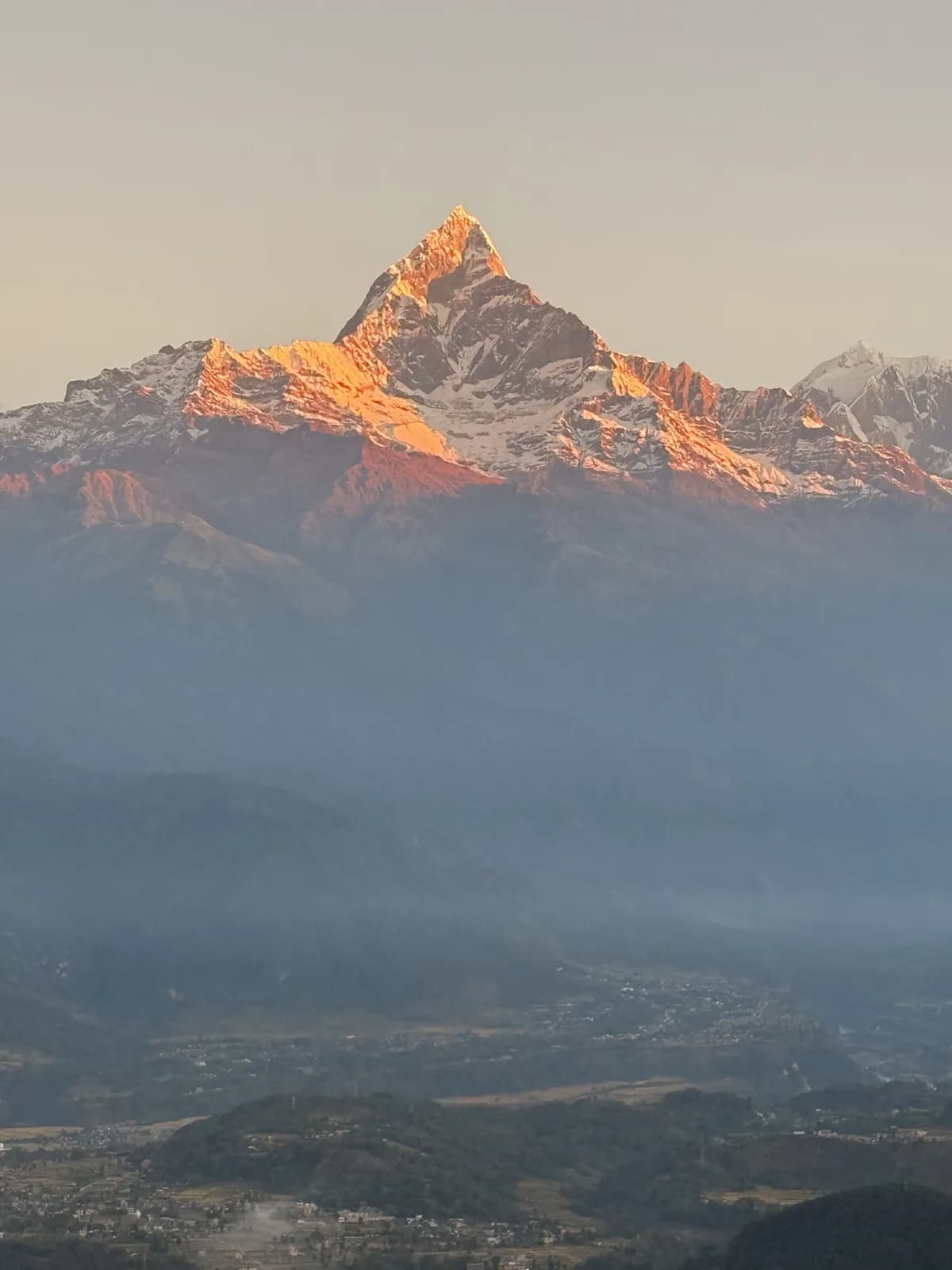
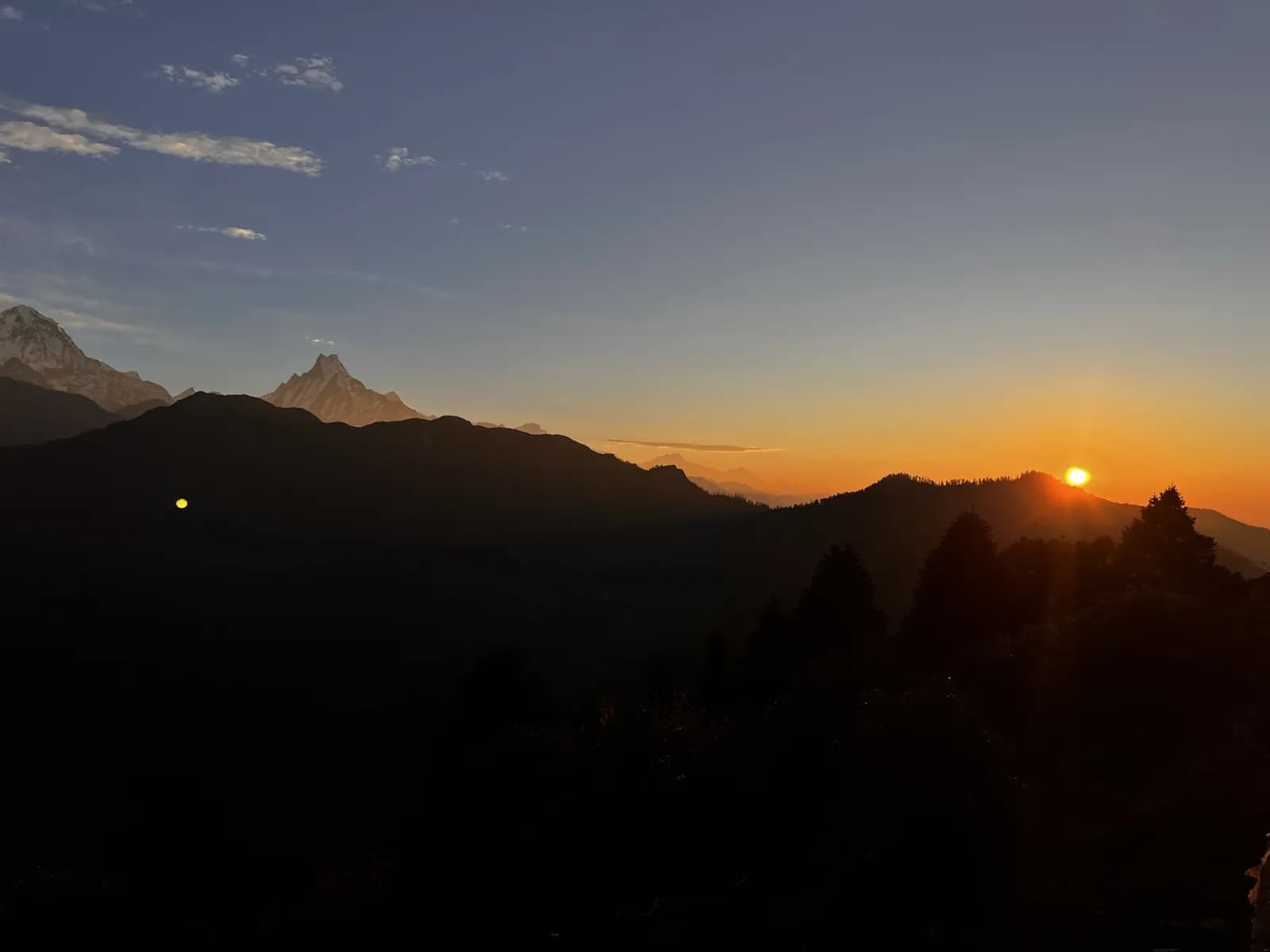
We get up at half past four for the forty-five-minute climb to Poon Hill at 3,210 m, the most photographed sunrise viewpoint in Nepal. The view covers two hundred degrees and includes Dhaulagiri, Annapurna South, Hiunchuli, Machhapuchhre and other peaks. We return for breakfast and then walk east along the ridge through moss-covered forest to Tadapani.
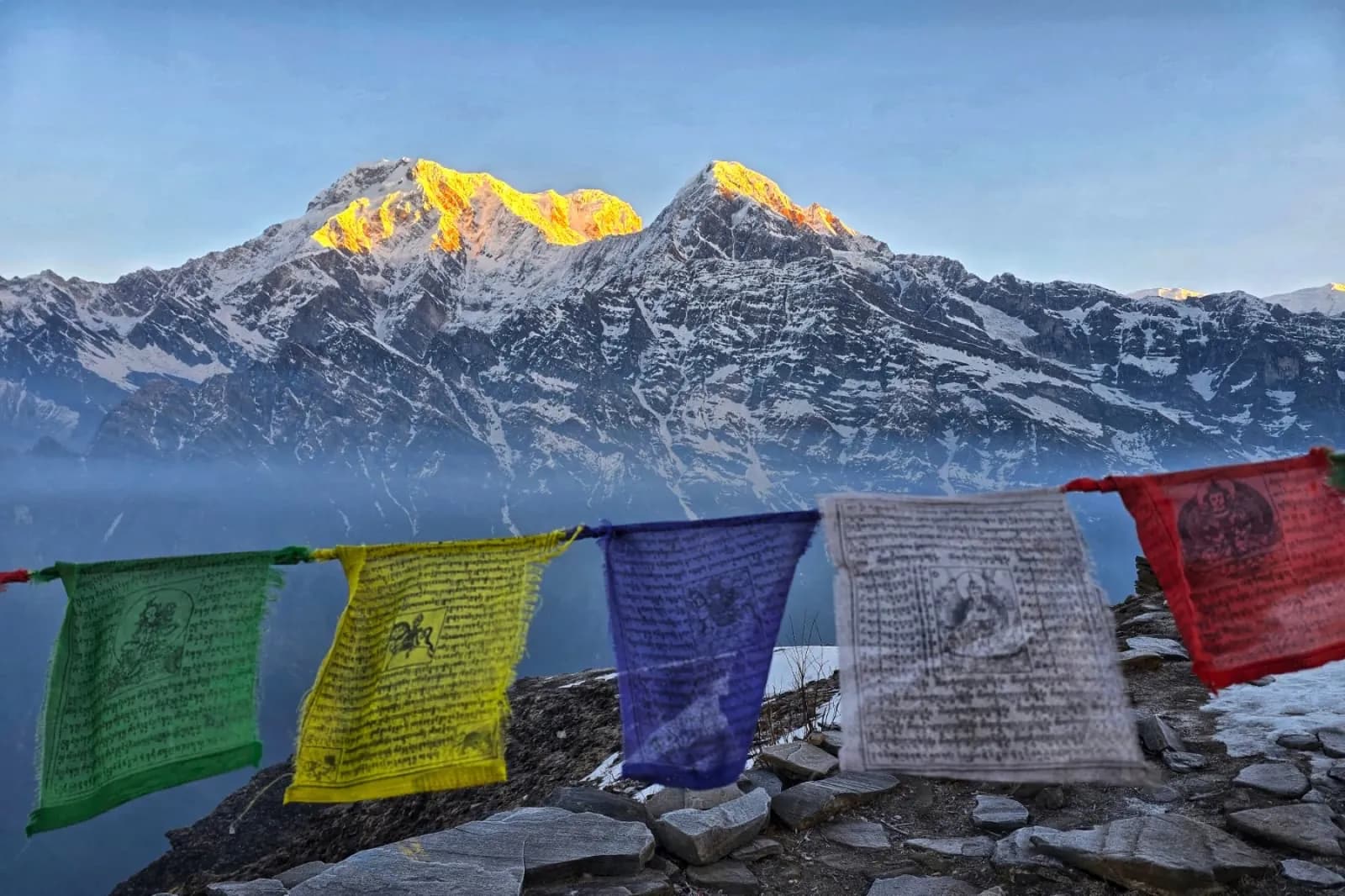
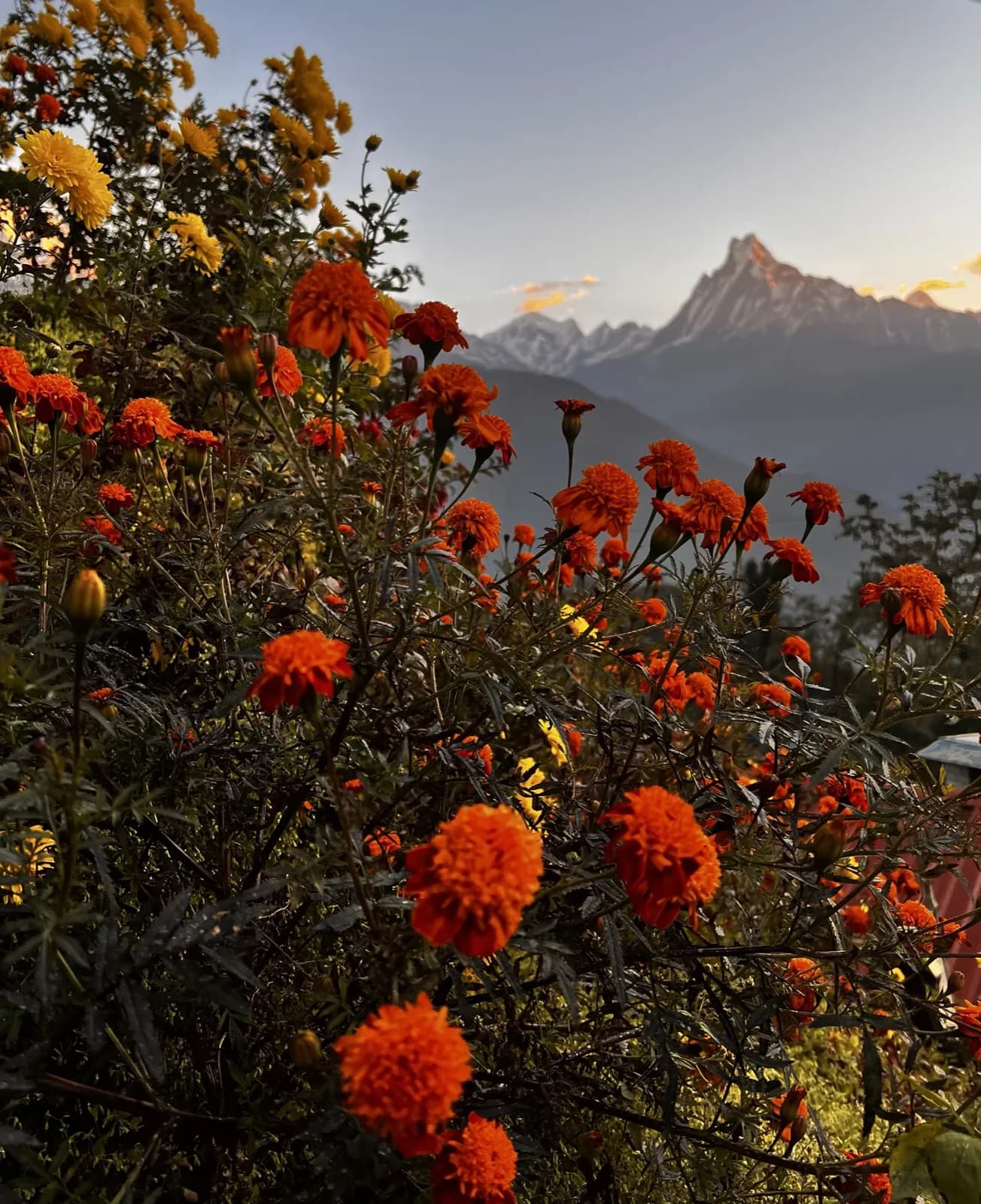
A long descent through Gurung villages to Chhomrong, with Machhapuchhre close on your left all morning, and then down to Jhinu. Twenty minutes further down the gorge are three stone pools of hot water beside the Modi Khola, a welcome rest after four days of walking.
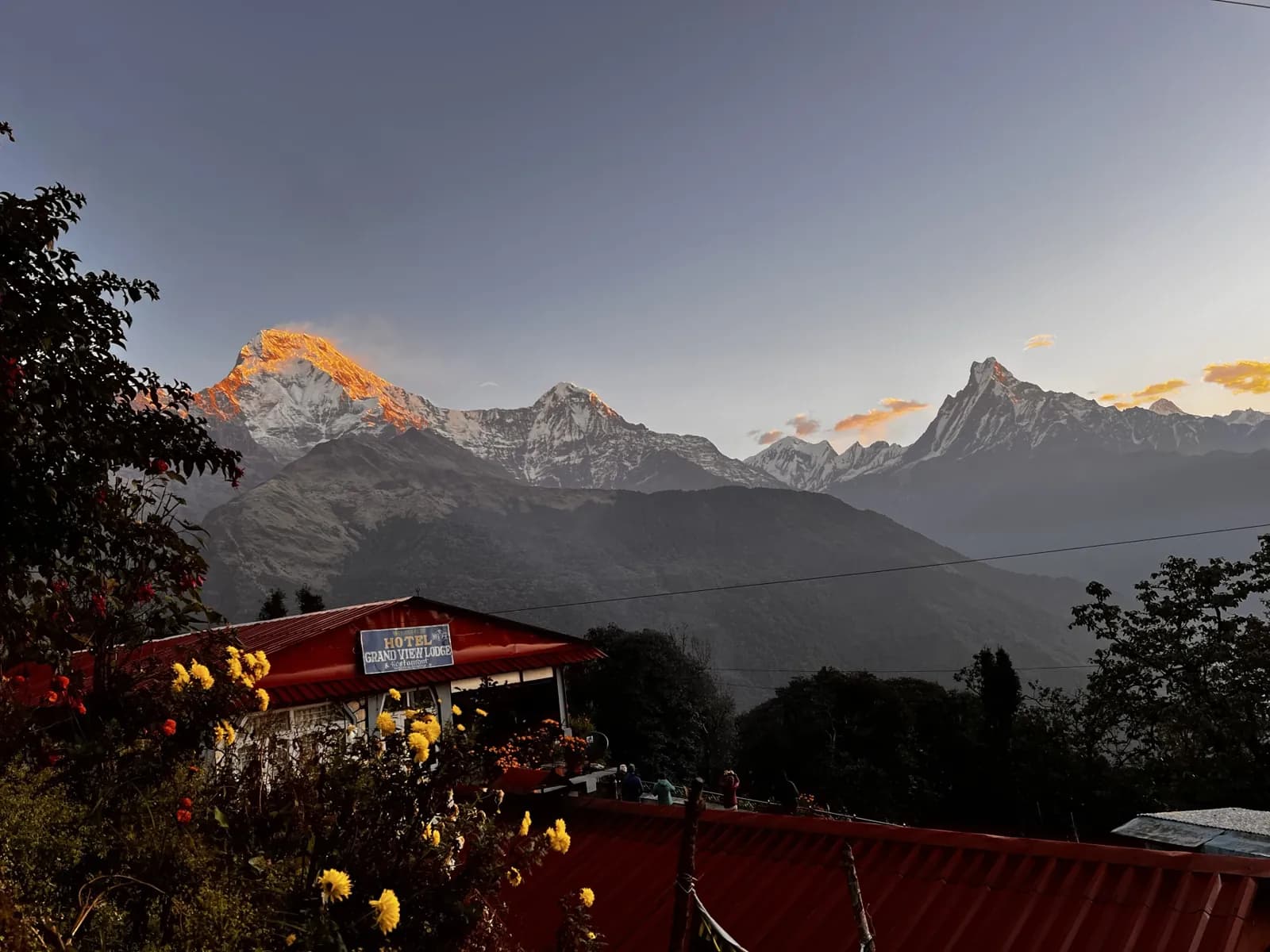
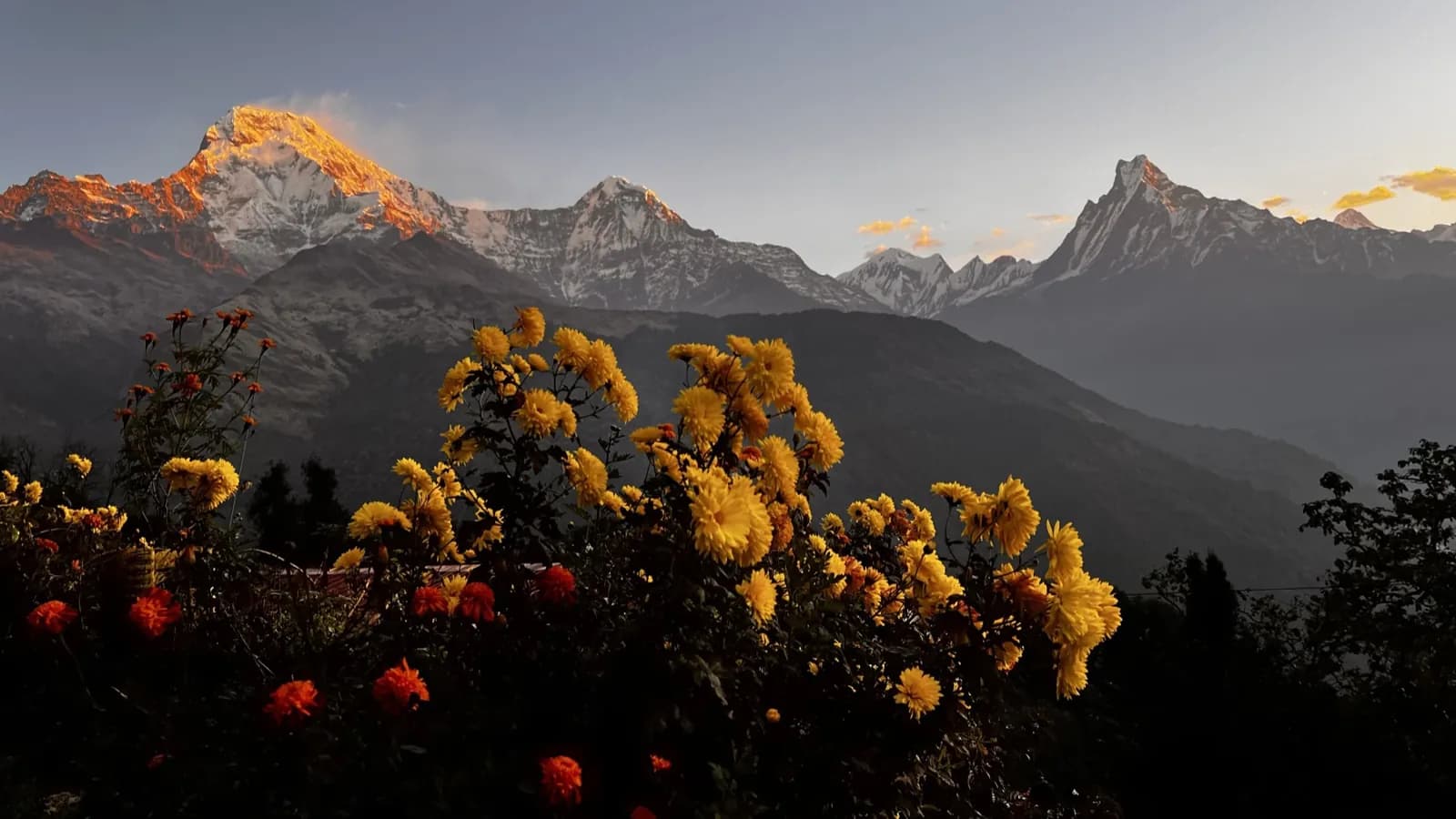
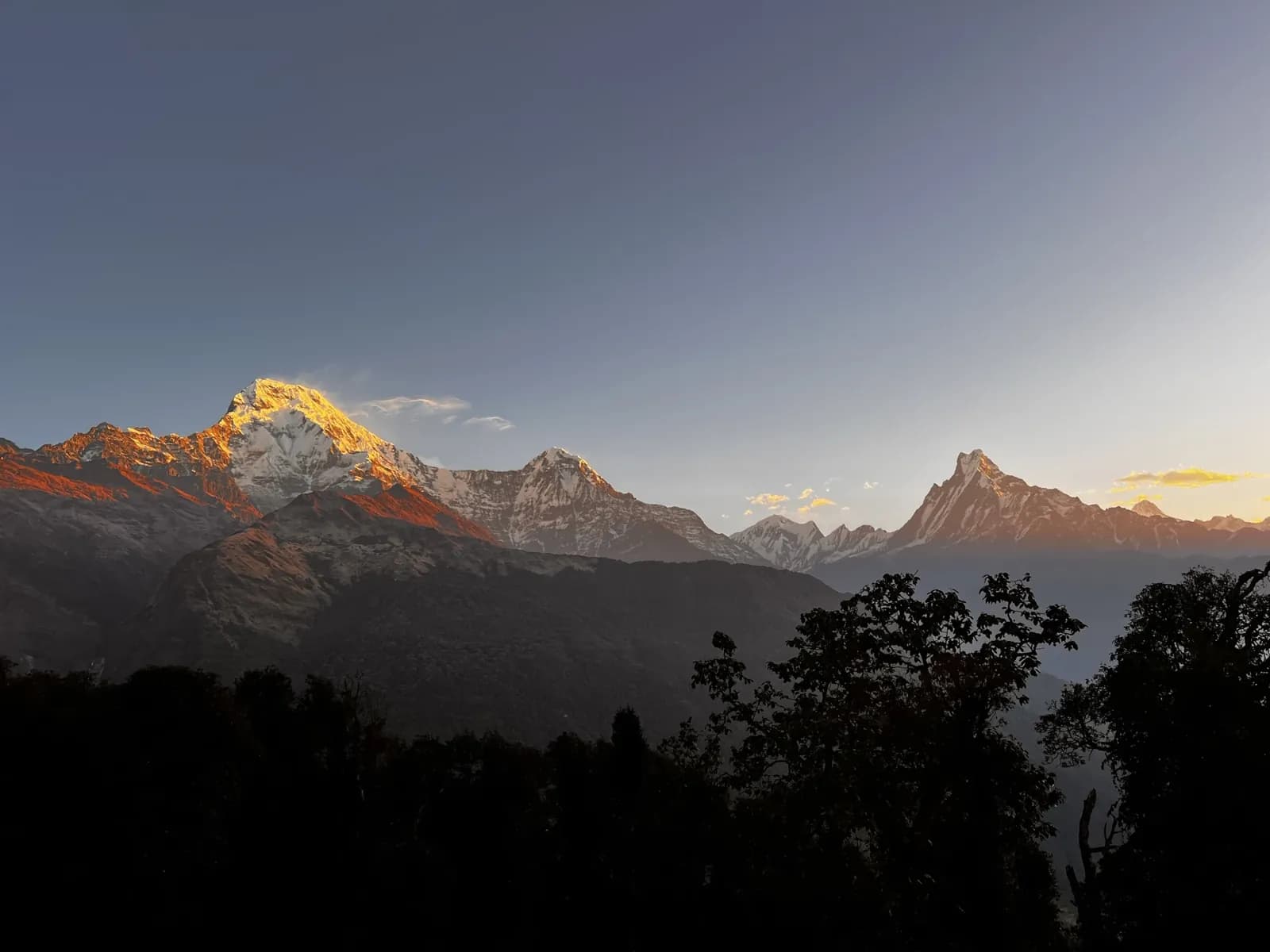
An easy final morning down the Modi Khola to the road, mostly on level ground, passing the terraces of Ghandruk on the far bank. The jeep meets us at Nayapul and we are back at the lake by mid-afternoon, with time for a shower, a boat trip and a meal other than dal bhat.
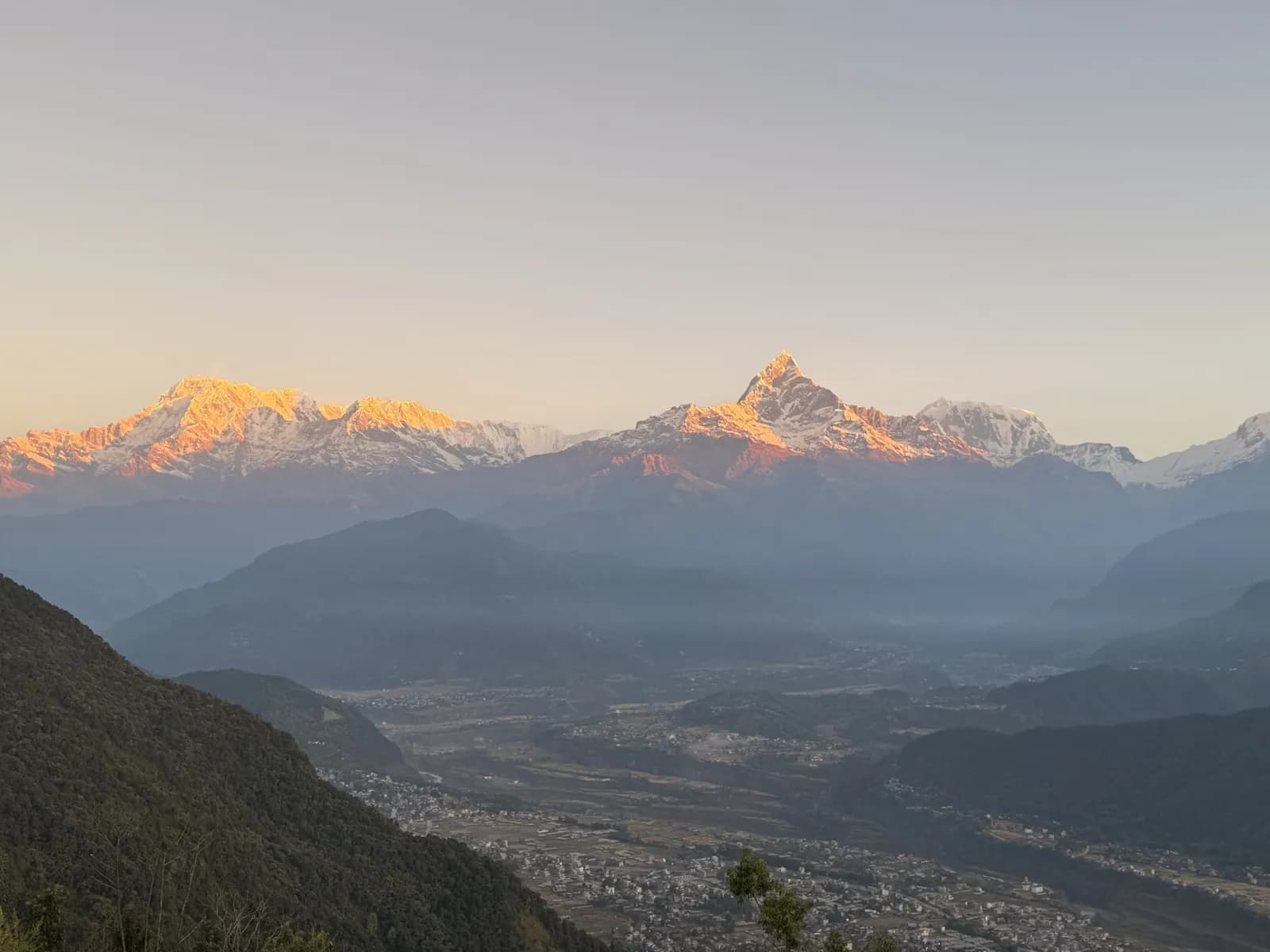
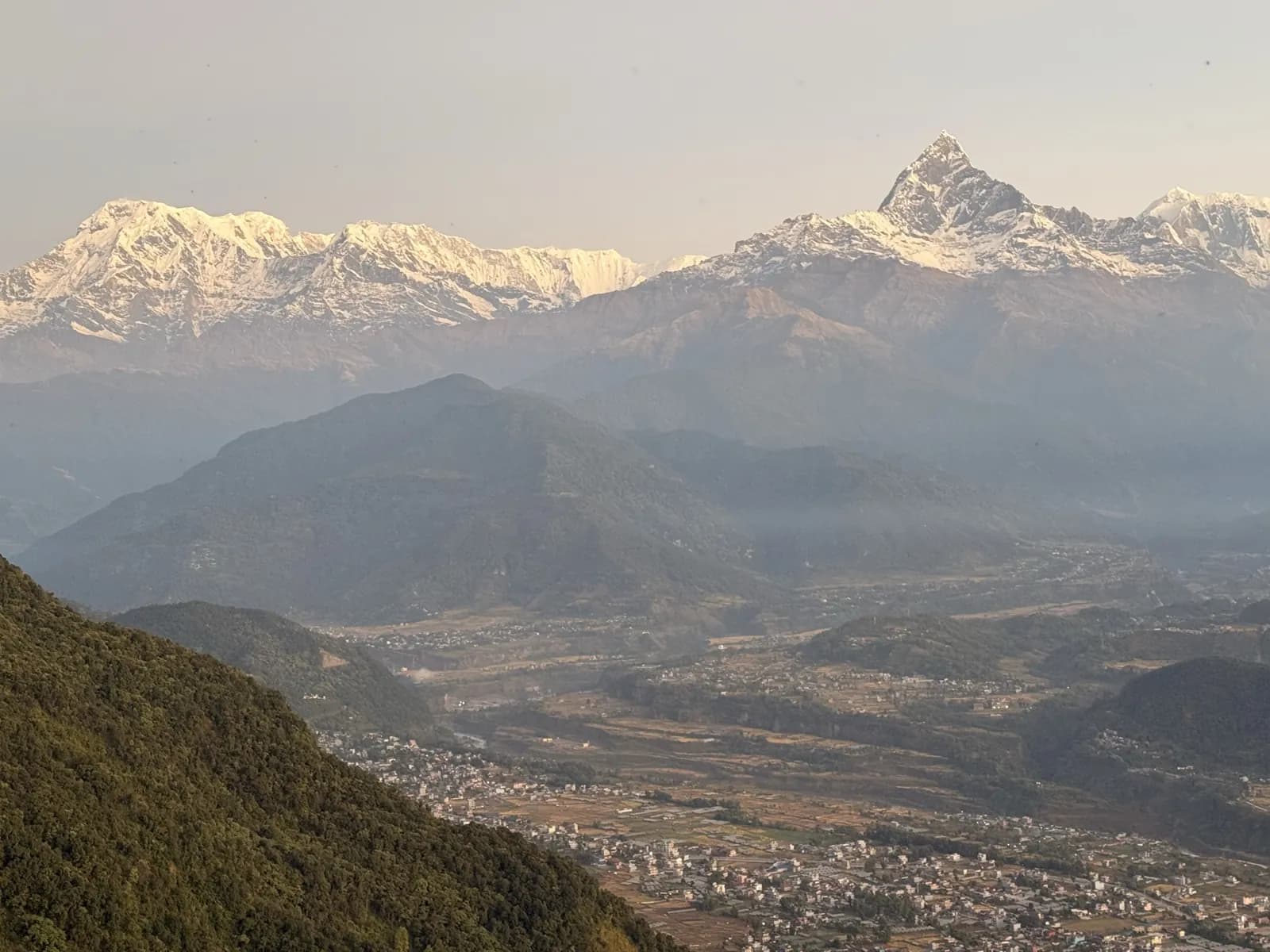
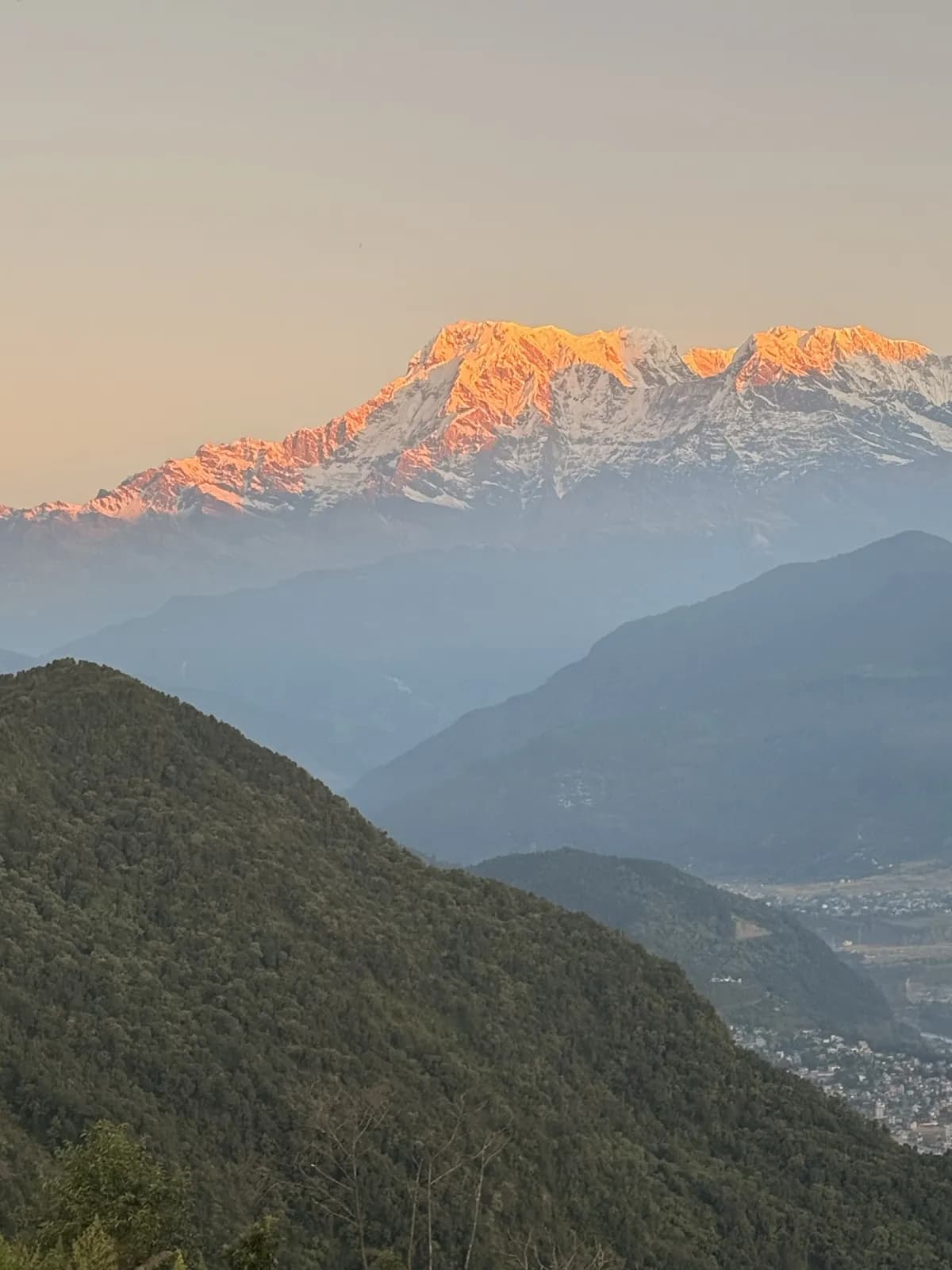
You can watch the sunrise from Sarangkot for one more mountain view, or have a late start. Options include a boat across Phewa Tal to the World Peace Pagoda, the Tibetan settlement at Tashiling, Devi's Fall, or simply relaxing. Paragliding from Sarangkot is a popular extra, and we book it the day before.
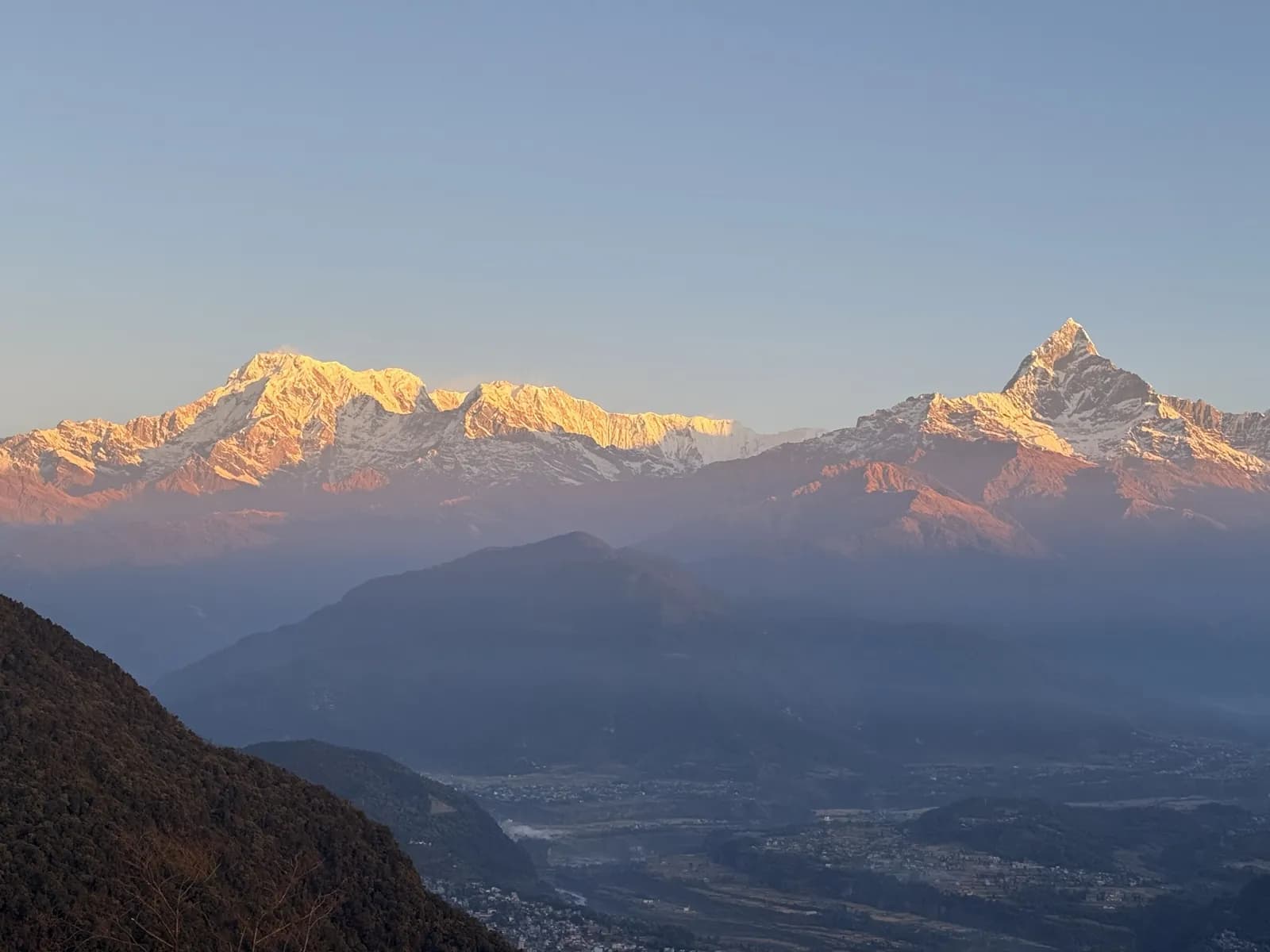
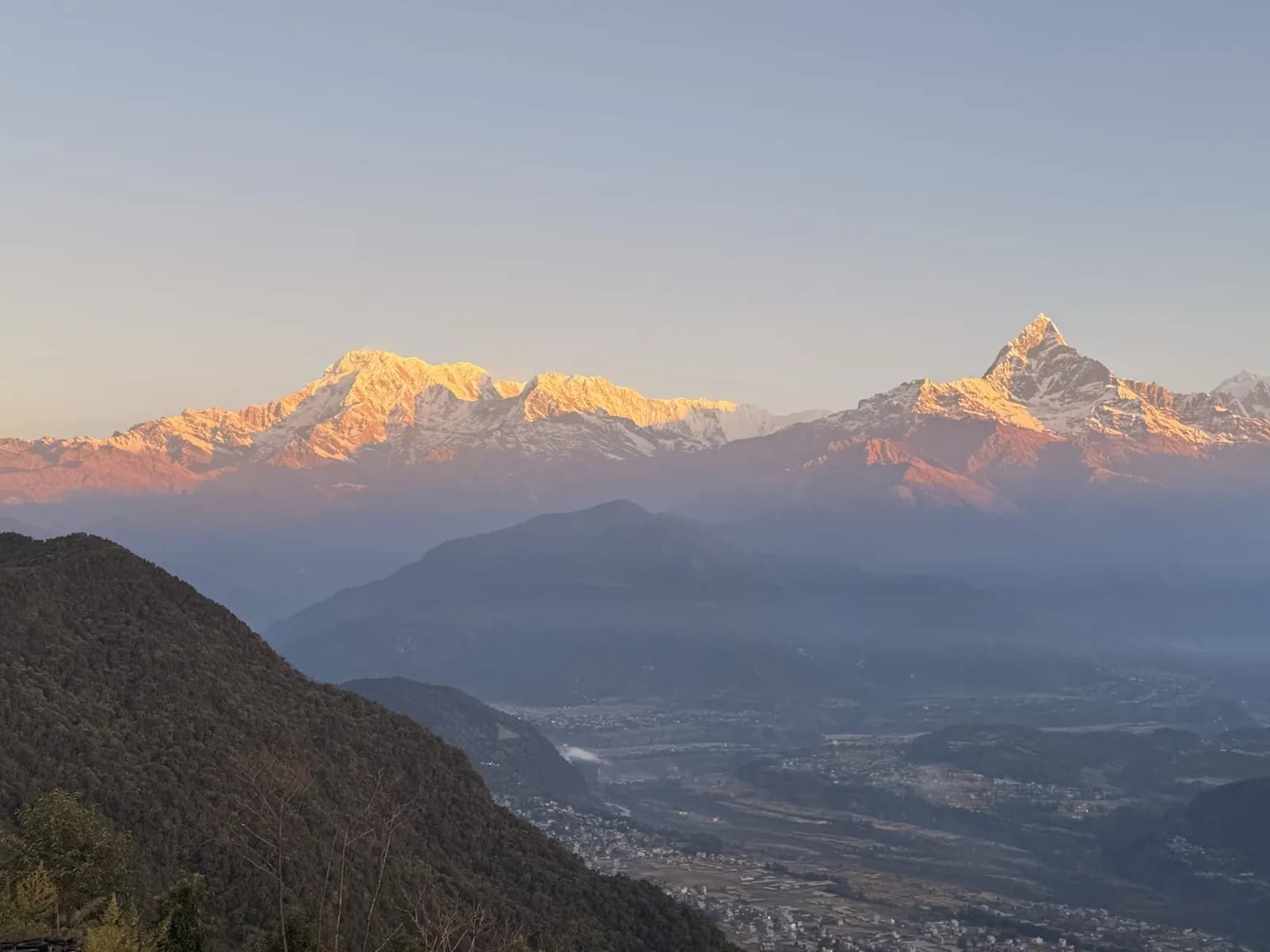
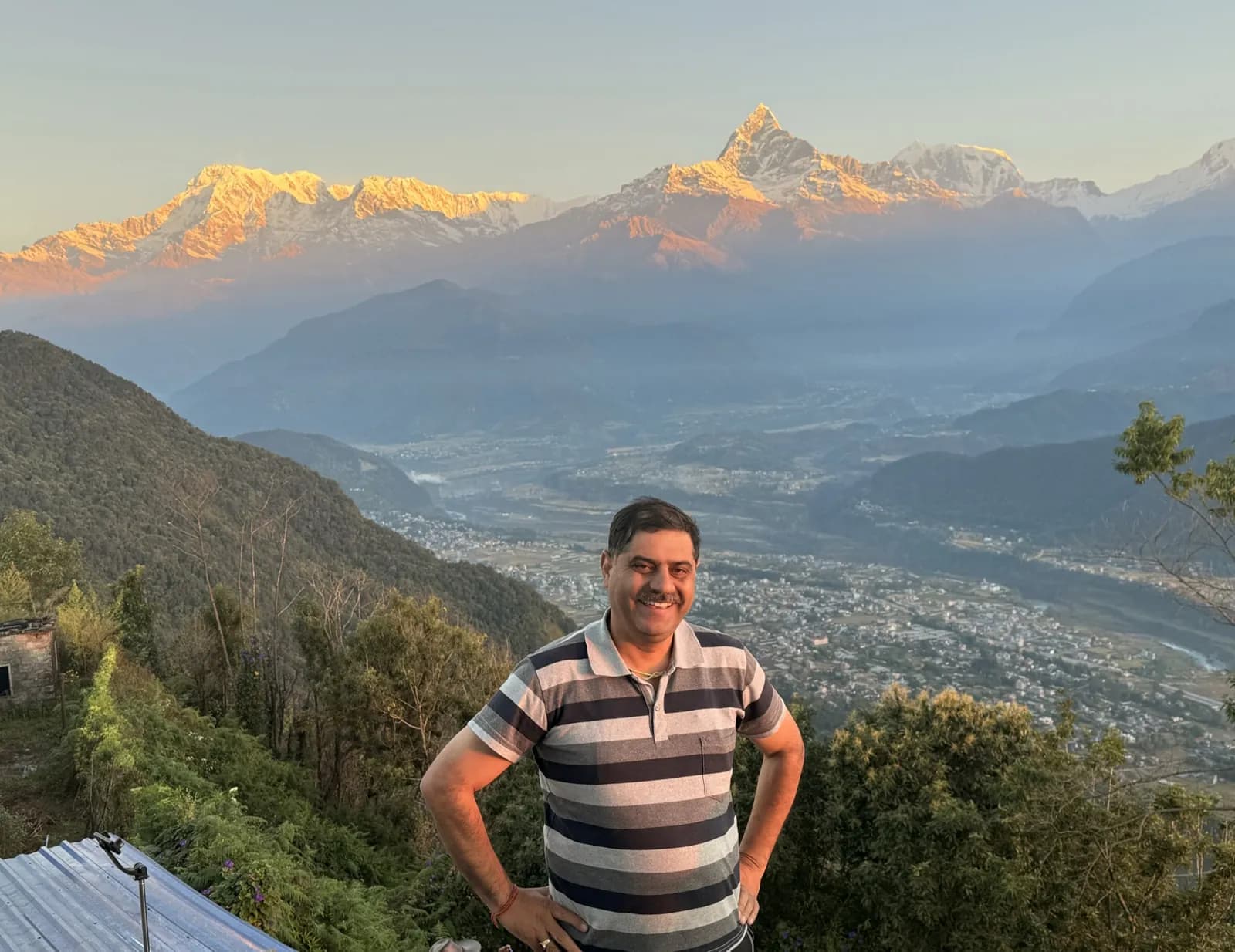
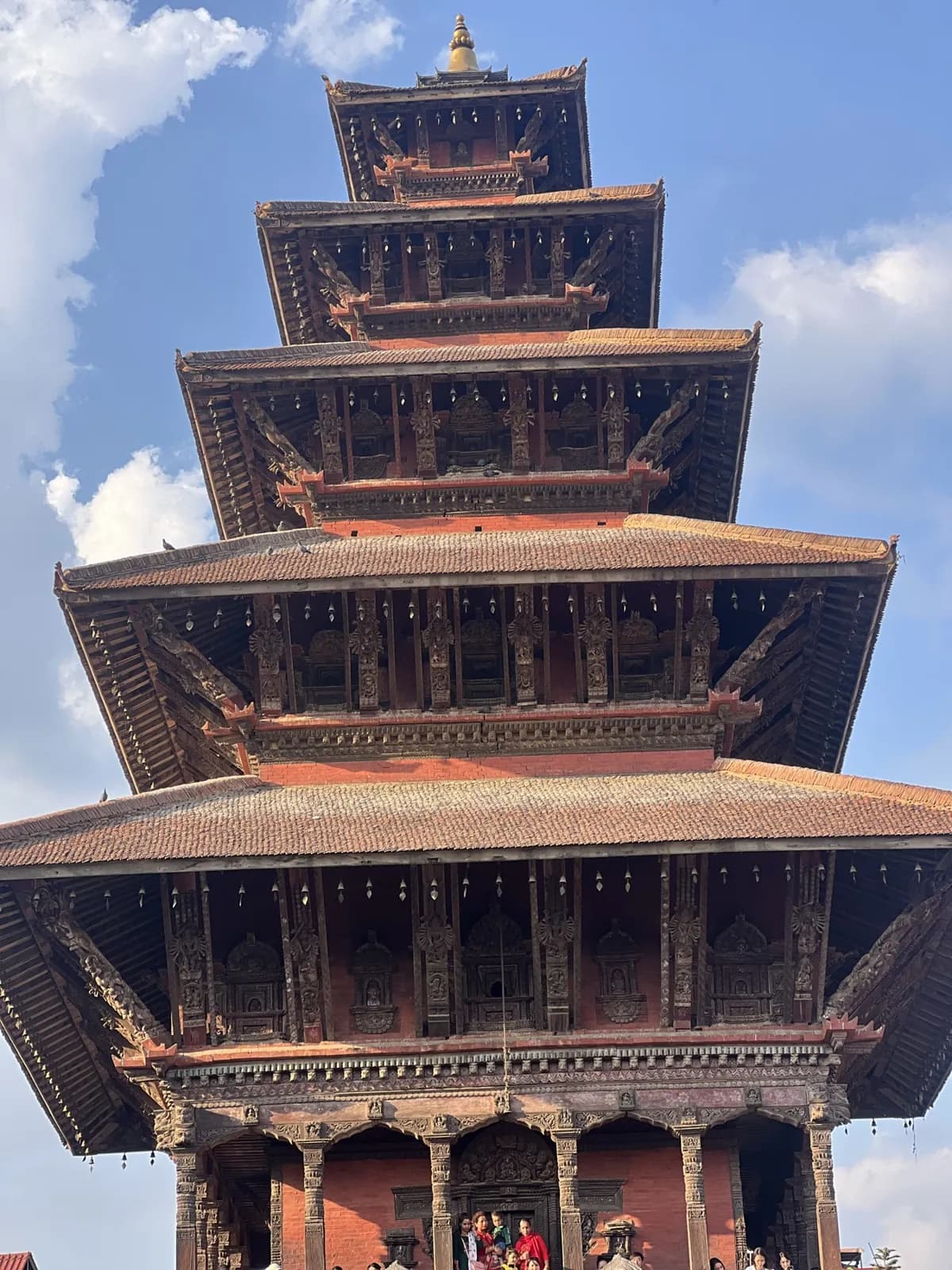
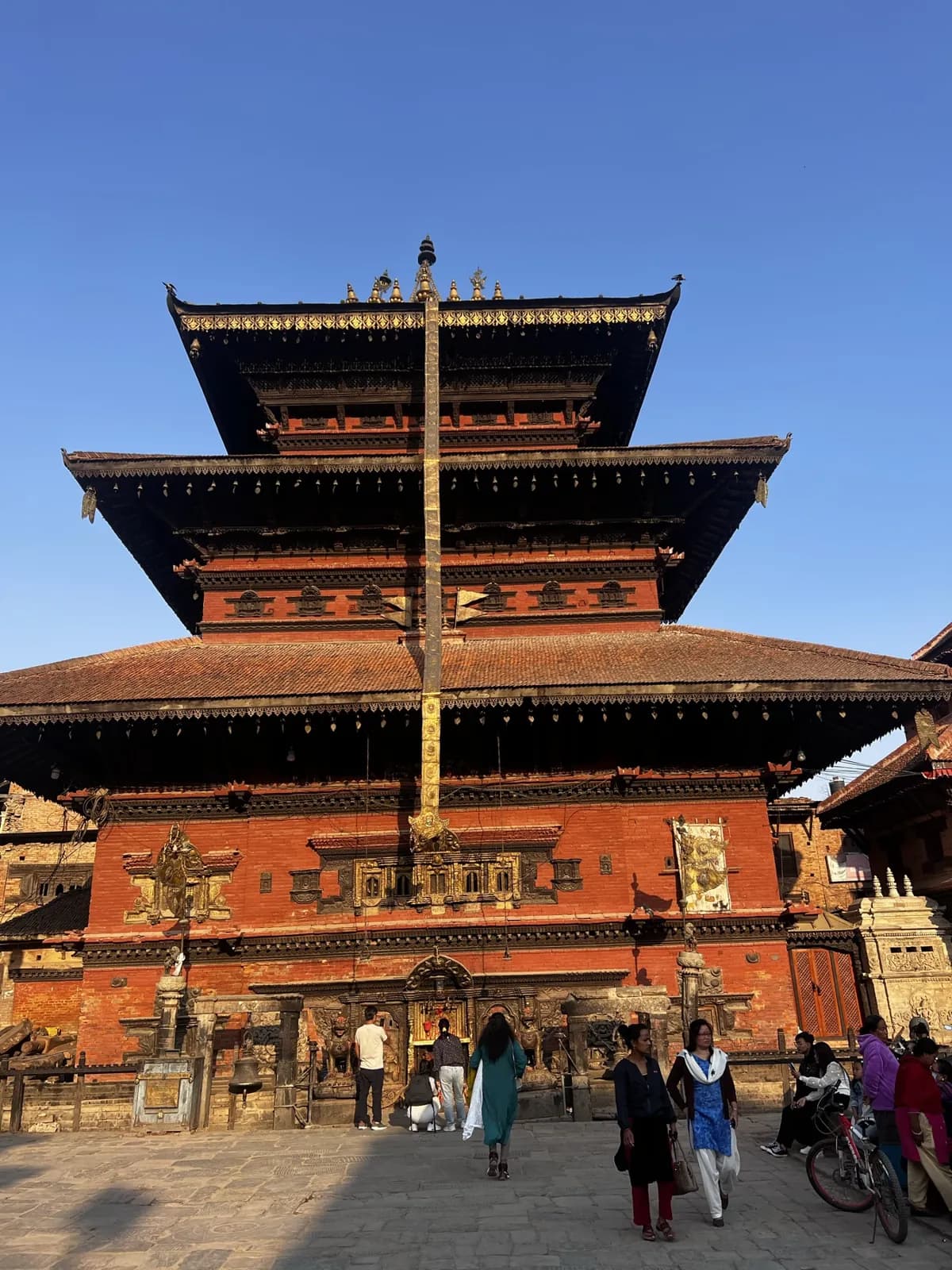
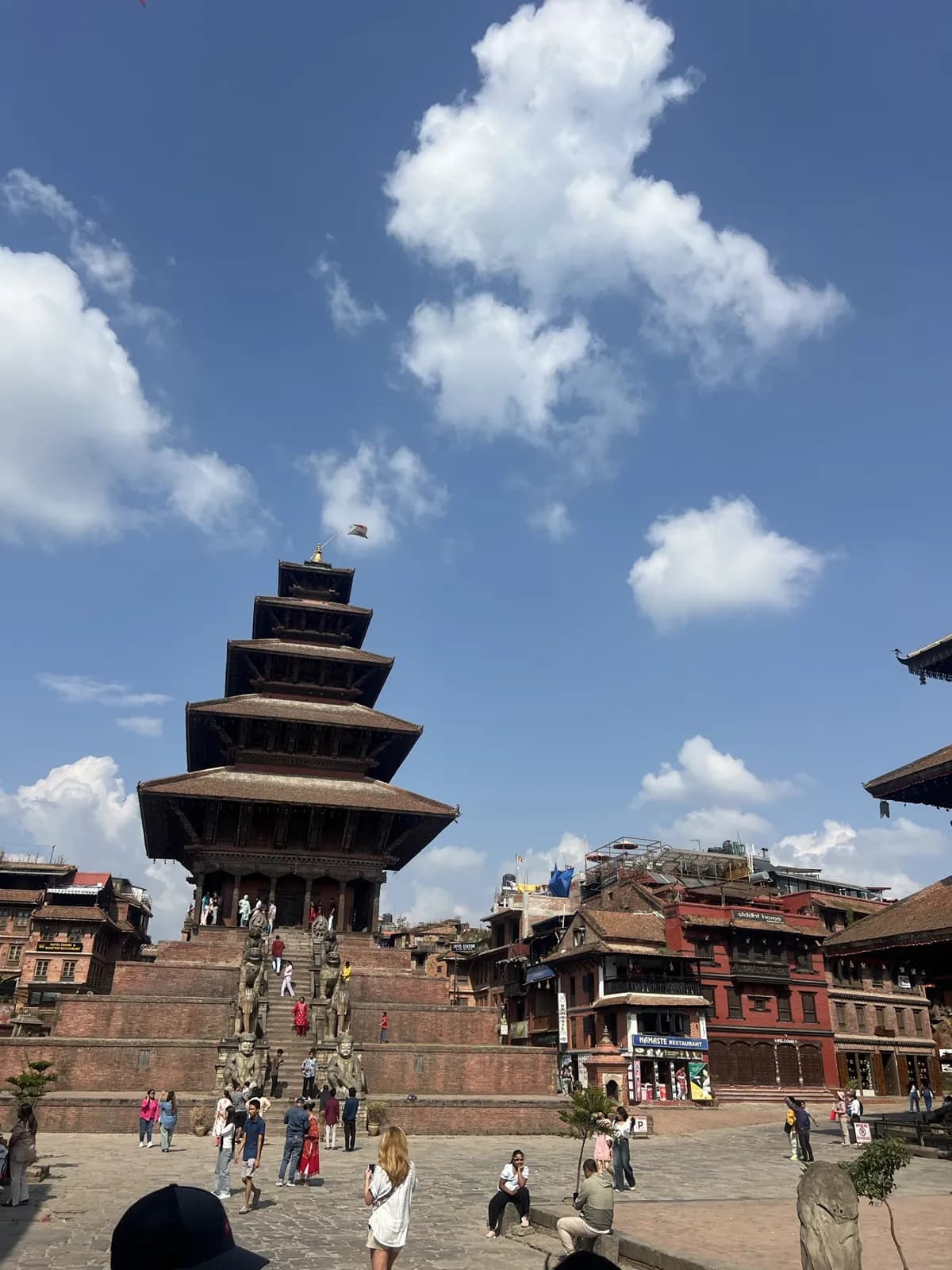
A twenty-five-minute flight with the mountains visible from the left-hand windows. Instead of returning to Thamel, we spend the afternoon in Bhaktapur, the best-preserved of the three cities, which most visitors see only briefly. A final dinner in Kathmandu in the evening.
A free morning for anything you have not yet seen, and a transfer to the airport three hours before your flight. If you are staying longer, this is a good day for the Everest scenic flight or a Chitwan extension.
The trail from start to finish, at a glance.
Packing for rafting and trekking
You need to pack for two different activities in one bag. For the Trishuli you need quick-drying clothes, a dry bag and clothes you do not mind getting wet; for Ghorepani in January you need a down jacket and a sleeping bag. Anything you do not need on the trail can be left at the Pokhara hotel, so bring both and divide your luggage there.
The flights and long drives on this itinerary, and what happens if one is delayed or cancelled.
Fly to Tribhuvan International Airport via Delhi, Doha, Dubai, Istanbul, Bangkok, Kuala Lumpur or Singapore. There are no direct flights from Europe or North America. There are no activities on day 1, so a late arrival is fine.
Complete the form at the kiosk, pay $30 in cash for a 15-day visa at the bank counter, then go through immigration. Bring clean dollar notes. Indian nationals do not need a visa. Allow forty minutes to two hours.
A twenty-five-minute flight with the mountains visible from the left-hand windows, so ask for a left-hand seat at check-in. The aircraft is small and the checked baggage allowance is 15 kg. If cloud prevents the flight, we drive instead, which takes most of the day and means missing the afternoon in Bhaktapur.
Day 12 has a free morning and a transfer to the airport three hours before your flight. If you are flying home overnight and want to use the day, we can arrange a day room so you do not have to wait in the terminal.
Comfortable hotel rooms at the start and end, a tent on a river beach in between, and simple twin rooms in teahouses with a wood stove in the dining room on the trail.
| Where | Nights | Type | Room | Bathroom |
|---|---|---|---|---|
| Kathmandu | 3 | Three-star hotel, in or near Thamel | Twin or double | Private, hot water |
| Trishuli river camp | 1 | Two-person tent on a sandy beach | Twin | Toilet tent, and the river for washing |
| Pokhara | 3 | Hotel by Phewa Tal | Twin or double, lake-facing where possible | Private, hot water |
| On the trail | 4 | Teahouse | Twin, with blankets | Private at Tikhedhunga and Jhinu, shared at Ghorepani and Tadapani |
Porridge, eggs, Tibetan bread and tea on the trail. On the Poon Hill morning, tea is served first and breakfast afterwards
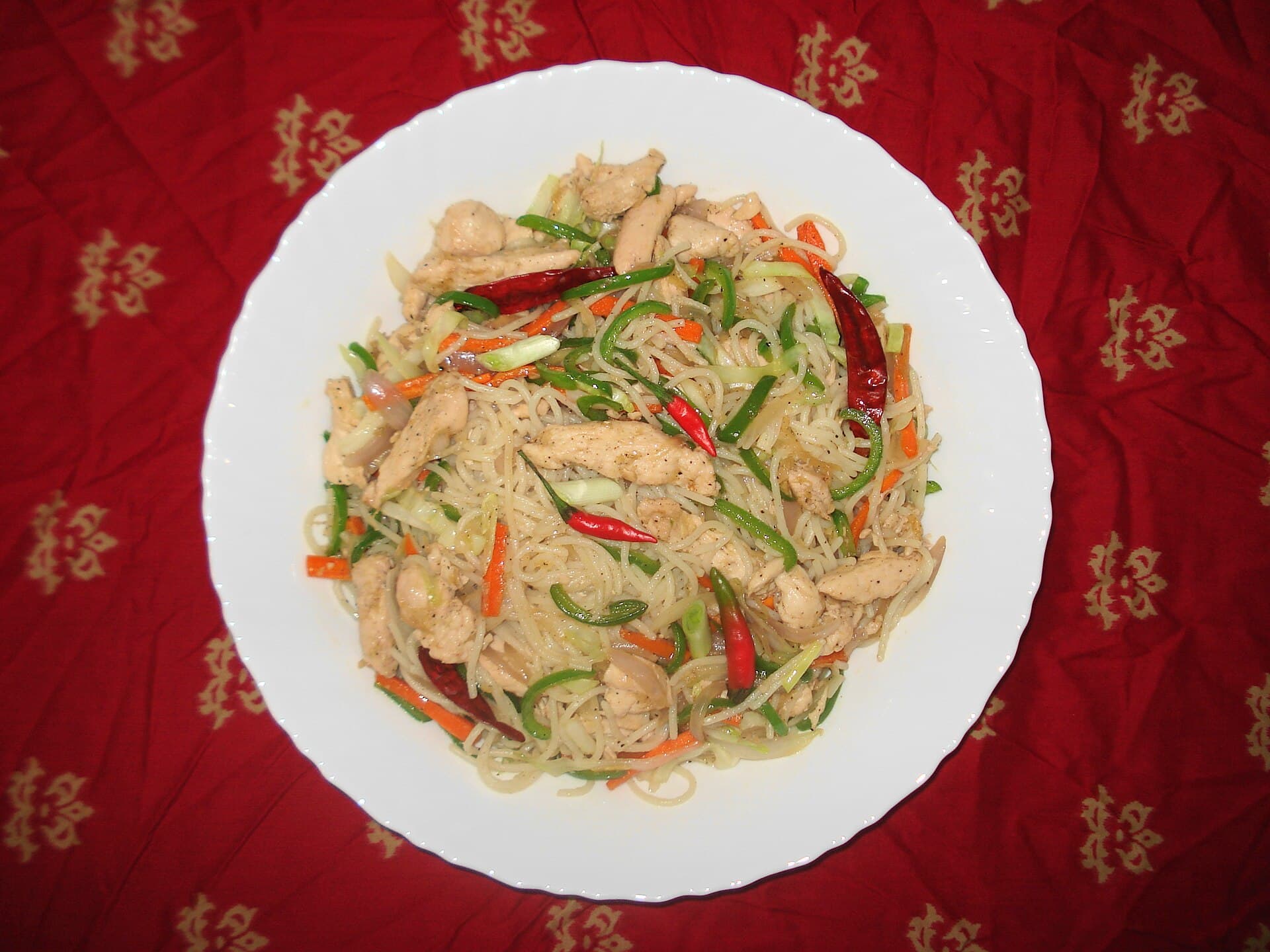
At a teahouse on the way. It takes about forty minutes to prepare. Dal bhat, noodles or fried rice

Ordered at four so the kitchen can cook for everyone at once. Dal bhat is the only dish on the menu served with free refills
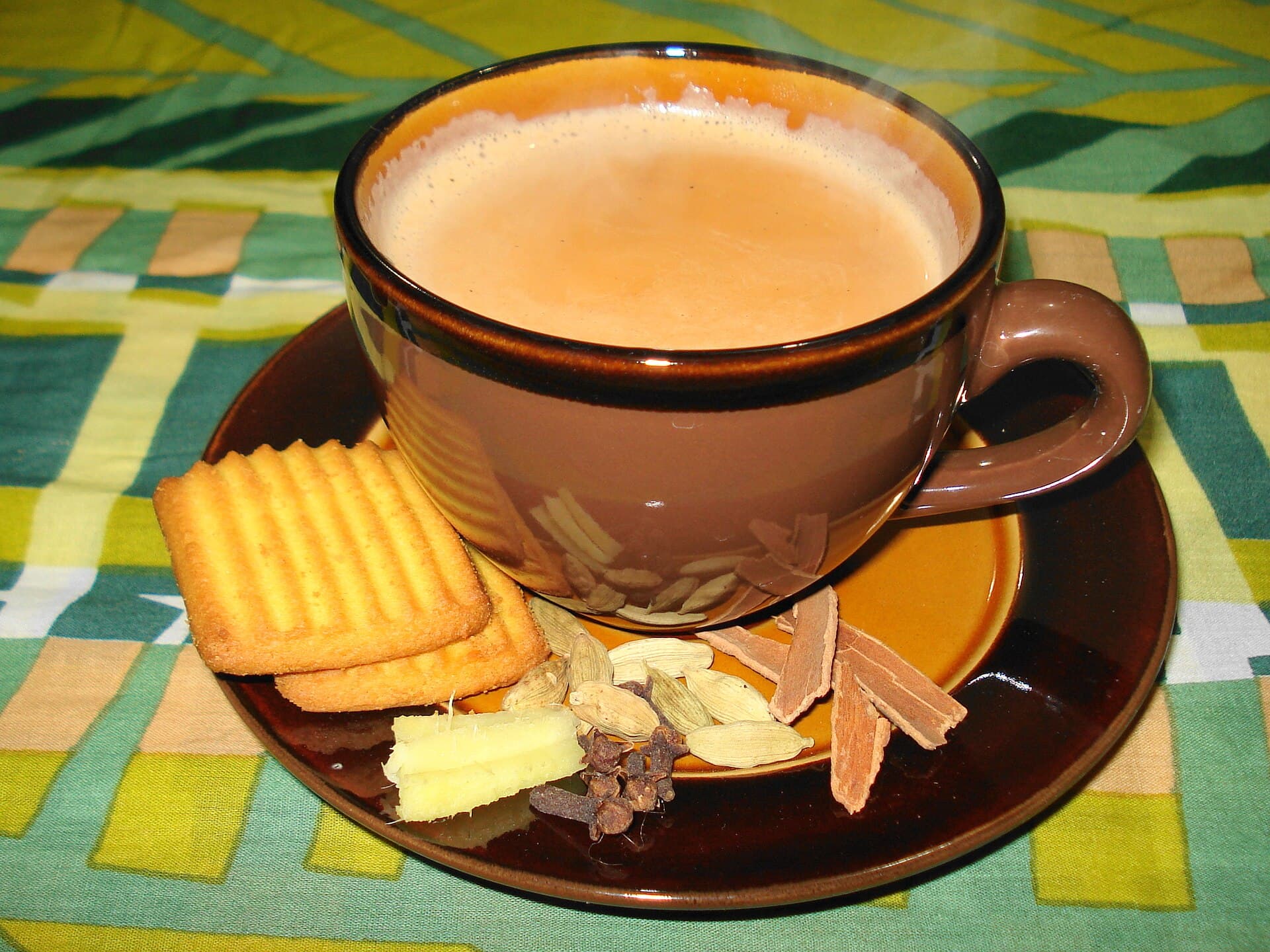
Milk tea or hot ginger, lemon and honey when you reach the teahouse, by the newly lit stove
6:30Tea, and pack your bag before breakfast
7:30Breakfast in the dining room, usually the warmest place in the morning
8:00Walking, at a pace set by the slowest walker
12:00Lunch at a teahouse, which takes about forty minutes to prepare
13:30Afternoon walk, the shorter part of the day
15:30Arrive at the teahouse, have tea, and shower before the sun leaves the valley
16:00Order dinner, as the kitchen needs to know early
18:30Dinner, and a briefing on the next day with the map
20:30Bed. The stove goes out and the dining room empties
Day 6 climbs 1,300 m and begins with 3,300 stone steps. No other day on this trip is as demanding.
Easy to moderate, with one demanding morning. Four of the five trail days are four to six hours on a good path, with a bed and a hot meal at the end. Day 6 climbs 1,300 m, starting with 3,300 stone steps, and it is the most memorable day of the trek.
Written for somebody who walks a bit and does not train. If you already run or cycle regularly, start partway through. Nothing here needs a gym.
12 weeks before, stage 1 of 3
Walk two or three times a week, with one long walk at the weekend. Build up to five or six hours on hills carrying a 6 kg daypack. This is enough for four of the five trail days.
Altitude is not a significant factor on this trip. The highest you sleep is 2,850 m, and you spend about an hour at 3,210 m at sunrise, which is below the altitude at which most people notice any effects. Breathlessness on the Ulleri steps is due to fitness rather than altitude, and it passes once you reach the top.
Report symptoms
Tell the guide if you have a headache at Ghorepani. It is almost always caused by dehydration and is easy to treat.
Descend
The walk from Ghorepani to Tikhedhunga takes a morning and descends 1,300 m. Descent is always straightforward on this trail, which is one reason it suits people new to Nepal.
Fitness and altitude are unrelated
This is the thing people get wrong most often. Training makes the walking easier and does nothing for how your body handles thin air. Strong young trekkers get altitude sickness and unfit older ones frequently do not. Go up slowly, and say something the first time your head hurts.
The trail figures are for Ghorepani at 2,850 m, the coldest night of the trip. The Kathmandu Valley and the river are both considerably warmer.
Rhododendrons begin to flower on the Ghorepani ridge, one of the finest forests in Nepal at this time. Warm on the river.
Figures for 2,850 m, which is the cold night of the trip, with the Poon Hill dawn alongside. Kathmandu, Pokhara and the river all run ten to fifteen degrees warmer.
A licensed trekking guide accompanies you for the five trail days, with a porter for every two trekkers. A second guide joins for groups of ten or more. On the Kathmandu Valley days you have a licensed cultural guide, who is a different person with different expertise, and a driver throughout.
A licensed river guide steers each raft, a safety kayaker accompanies you on the water, and a kitchen crew goes ahead to the beach and has the fire lit before you arrive. Everyone is given a helmet and a buoyancy aid, and there is a safety briefing before you get in, which you should listen to carefully.
Each porter carries fifteen kilos of luggage for two trekkers, a fair and manageable load. We supply boots and a jacket rather than expecting porters to buy them from their wages. All staff are insured. If you would like to know what they are paid, ask and we will tell you.
Every teahouse on this trail sells boiled water by the litre for less than the price of a bottle, and ACAP has been working for years to end the use of plastic bottles here. Over five days, this saves about fifteen bottles that would otherwise be carried up the hill and left there.
Teahouse rooms are very cheap because the families who run them earn their income from meals. Taking a room and then eating dinner elsewhere costs them money, so we do not do it.
Some Trishuli operators hold a permit, provide a safety kayaker and insure their guides, and some do not. We use operators who do, and this accounts for most of the cost of the rafting day.
Everything taken onto the beach is taken away in the rafts, including the remains of the fire. A different group uses the Trishuli beaches most nights of the season, and they remain usable only because most companies do this.
Email us or send a WhatsApp message with your arrival date and the number of people in your group. We reply within a day with a confirmed itinerary and a price.
A twenty per cent deposit secures the hotels, rafting and flight. The balance is due two weeks before you arrive or on arrival in Kathmandu.
If you cancel more than thirty days before departure, the deposit can be transferred to another date within a year. Within thirty days, the flight and river booking have been paid and we retain the deposit. Within seven days, half the total price is charged.
Some travellers want more time on the river and less on the trail, or the reverse. Both are easy to arrange, and we are happy to plan the trip you want rather than the one on this page. Tell us when you book and the price will be adjusted.
You need cover for trekking to 4,000 m and, if possible, helicopter evacuation. This route is neither high nor remote, but a helicopter from Ghorepani is still expensive if you have to pay for it yourself.
Priced per person, arranged before you travel, and none of them included in the price above.
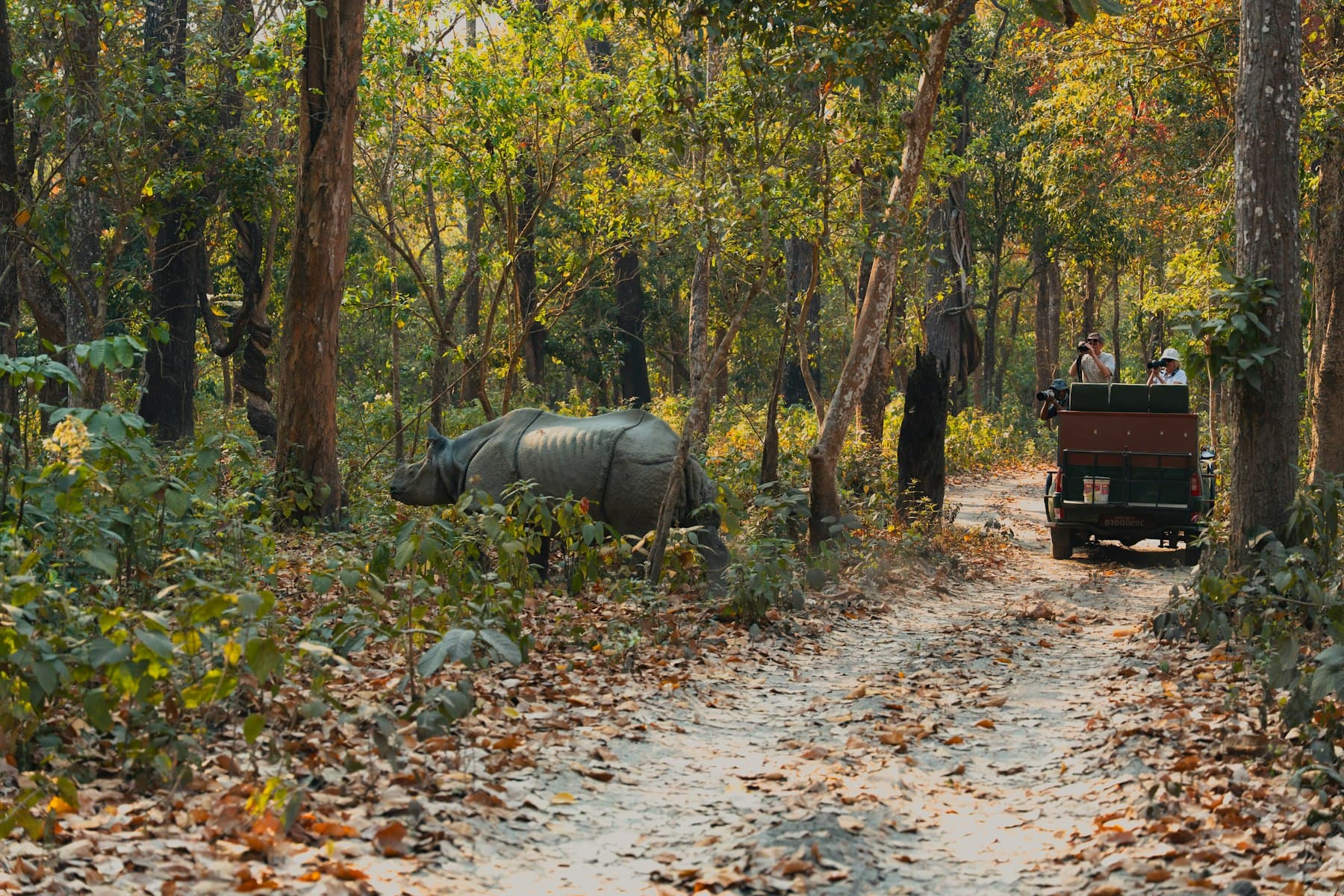
This extension fits well, because the Trishuli finishing point is already on the road south. It includes a jungle lodge, a dugout canoe trip at first light, a guided walk and a jeep drive into the grassland where the rhinos live.
A twenty to thirty-minute tandem flight, launching from the ridge above Pokhara and landing by the lake. It is added to the morning of day 10 and refunded if the flight cannot go ahead.
A one-hour flight along the range from Kathmandu with a guaranteed window seat, returning before eight. It fits on day 2 or day 12 without changing anything else.
Instead of descending the gorge at Chhomrong, you continue up it. The extension adds three days, including a night in the sanctuary at 4,130 m, with much bigger mountain scenery. It makes the trip considerably harder.
A full second day on the water down to Mugling instead of finishing at Kurintar, with more rapids and another night on a beach. Many travellers say they would have liked this part of the trip to be longer.
Better rooms in Kathmandu and a lakeside resort in Pokhara. The teahouses and the river camp cannot be upgraded.
4 versions of this journey. They use the same guides and the same lodges; what changes is the length, the comfort and how much of it you walk.
Stunning trip in Nepal
April 2016, Tripadvisor
I went on a solo trip to Nepal and am so happy I chose Earthbound Expeditions! They provide the perfect combination of cultural sightseeing in Kathmandu and Pokhara and outdoor adventures including white water rafting and 5-day Poon Hill trek. Every guide was so kind and helpful, and felt like family by the end of the journey. I can't wait to explore this stunning country again- thank you for the trip of a lifetime!
Amazing Nepali adventures
April 2016, Tripadvisor
We used Earthbound Expeditions for a 10-day multi-adventure tour in Nepal and had an amazing experience! Rajah and staff were personable, attentive and couldn't do enough to take good care of us. The days included white-water rafting, a 5-day Poon Hill trek, and sight-seeing in Kathmandu and vicinity. We even had a night's home-stay and cooking class with Rajan's charming wife! If you are looking for a tour organizer in Nepal, we highly recommend Earthbound Expeditions!
Fantastic Trip!
November 2015, Tripadvisor
Rajan and his team were excellent! our guide, Mahindra was knowledgable and made sure of our safety. This was a very well priced 12 ay adventure tour. The river rafting was totally fun! The tent camp and grounds were just beautiful! The 5 day trek with the highlight being trekking up in the dark of early morning to watch the sunrise and see the peaks of the Himalayas come out of the morning fog was something I will always remember! I am 67 and was concerned about ding the trek, but just prepare and you will do well. I loved every moment...the people, the food and the warm hospitality! Earthbound offers a service you can trust! I stayed with Rajan and his family for a homestay before and after the tour. I would highly recommend this as well as the wonderful cooking class given by his wife. She is an excellent cook and the food was so delicious! A real treat to stay with a family, play with the kids and learn more about day to day nepali life.
Nepal is a must do.
October 2015, Tripadvisor
I'm not one for writing reviews good or bad, but after having such a fabulous trip to Nepal last October I felt the need to leave some positive feed back about this beautiful country. Through a recommendation I booked my holiday with Earthbound Expeditions about five weeks prior to my trip and they were fantastic. They accommodated me as a solo traveler despite not having any treks scheduled for the period of time I was traveling in Nepal. Nothing was too much trouble for them, from the hotel staff in Katmandu & Pokhara to the President of earthbound , Rajan who made every effort to make sure my trip was tailored for what I wanted to do. I ended up doing the Poon hill trek, which was fabulous and relatively easy, along with some white water rafting. My guide, Ray was very knowledgable and enthusiastic, which made the trip even more enjoyable, if that's possible! Nepal is a fantastic, extremely friendly and very safe country to visit despite all It's problems after the earthquake and the ongoing fuel shortage. I would encourage anyone who likes a little bit of adventure to visit Nepal, it was everything I expected and more, and you won't go far wrong if you let Earthbound Expeditions organise your trip for you.
Answers to the 12 questions travellers ask us most often. If your question is not here, contact us and we will answer it.
Moderate rather than easy, with one demanding day. Day 6 climbs 1,300 m, and the first two hours are 3,300 stone steps up to Ulleri. The other days are four to six hours on a good path, ending at a teahouse. If you regularly walk for a few hours at weekends, you will manage well.
No. In autumn and spring the Trishuli is grade two and three, which means lively water with no real technical difficulty, and a licensed guide steers every raft. There is a safety briefing before you get in, a safety kayaker on the water, and you wear a helmet and a buoyancy aid.
It helps, but it is not required. You wear a buoyancy aid that keeps you afloat whether or not you can swim. If you are nervous of water, please tell us before you book.
It is very unlikely. The highest you sleep is 2,850 m, and you spend about an hour at 3,210 m, which is below the altitude at which most people notice any effects. Some people feel breathless on the Ulleri steps, but this is due to fitness rather than altitude.
Simple and clean. A twin room with two beds and blankets, a shared bathroom in the older teahouses and a private one in most of the newer ones, and a dining room with a stove that is lit at five. Ghorepani is the coldest night, and the beds there have thick blankets.
Yes, for Ghorepani and Tadapani. The teahouses provide blankets, but they are not warm enough in December and January. A bag rated to minus five is sufficient, and you can hire one in Kathmandu or Pokhara for about $2 a day rather than bringing your own.
Two-person tents on a sandy beach, a kitchen that the crew carry in the rafts, and a campfire under the stars. There is a toilet tent. There is no shower, but after an afternoon on the river this matters less than you might expect.
Yes. We drive you to Pokhara instead and you have a day by the lake. Tell us when you book and the price is reduced. Rafting is the part of the trip people are most often nervous about, and the part they least often regret.
A daypack of about six kilos, with water, a warm layer, a waterproof and your camera. A porter carries up to fifteen kilos of luggage in a duffel for every two trekkers. On the rafting day, everything is stored in a waterproof barrel in the raft.
October and November have the clearest air and the warmest conditions on the trail. March and April bring rhododendrons in flower on the Ghorepani ridge, one of the finest forests in Nepal at that time. December and January are clear but very cold at Ghorepani, and the river is cold. May becomes hazy.
It is a private trip on your own dates, unless you ask to join a set departure. Most bookings are for two travellers, and the price per person falls as numbers increase, because the vehicle, guide and raft cost the same regardless.
Yes, and it fits well because the Trishuli finishing point is on the road south. It adds two days and a night at a jungle lodge, either between day 4 and Pokhara or at the end of the trip. Tell us when you book and we will plan it as one itinerary.
Didn't find what you were looking for?
Search every word on this page, or ask somebody who has walked the route.
12 days
$1,087 per person